
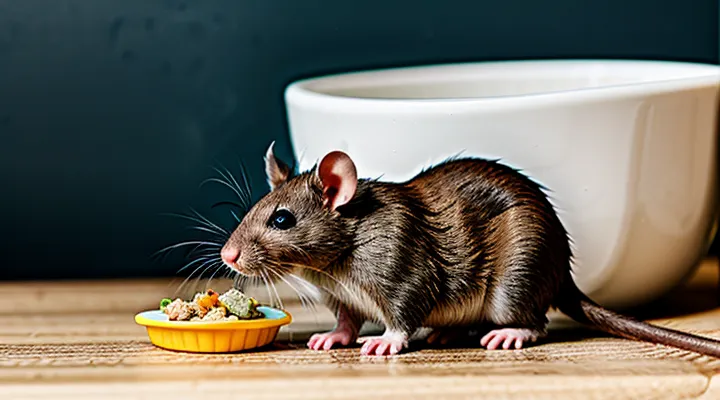
Understanding Rat Dietary Needs
Essential Nutrients for Rats
Macronutrients
Macronutrients provide the primary energy and structural components required for growth and maintenance in mammals. Rat physiology demands a diet that supplies adequate protein, fat, and carbohydrate levels, each with specific ratios to support rapid development and metabolic stability.
Protein supplies essential amino acids for tissue synthesis and enzymatic activity. Laboratory studies indicate that adult rats thrive on diets containing 15–20 % protein by weight, while weanling rodents benefit from slightly higher concentrations, up to 25 %. Baby food formulations typically include whey or casein proteins ranging from 5 to 10 % of total mass, a level insufficient for meeting the elevated needs of growing rats.
Fat contributes caloric density and supplies fatty acids necessary for cell membrane integrity and hormone production. Rat diets commonly contain 5–10 % fat, with a balance of saturated, monounsaturated, and polyunsaturated acids. Infant purees often contain less than 3 % fat, reflecting the lower energy requirements of human infants and making them inadequate for supporting the higher metabolic rate of rodents.
Carbohydrates serve as the main glucose source for energy. Rats efficiently metabolize simple sugars and complex starches, with dietary carbohydrate content generally set at 45–55 % of total calories. Baby food products frequently present carbohydrate percentages in the 30–40 % range, dominated by fruit sugars and rice starch, which may lead to suboptimal energy provision for rats.
A concise comparison:
- Protein: Rat requirement 15–25 % vs. baby food 5–10 %
- Fat: Rat requirement 5–10 % vs. baby food <3 %
- Carbohydrate: Rat requirement 45–55 % vs. baby food 30–40 %
Micronutrient fortification in infant foods addresses human nutritional gaps and does not compensate for the macronutrient shortfall for rodents. Consequently, relying on baby food as the sole feed for rats fails to satisfy the macronutrient profile essential for their health, growth, and reproductive performance. Supplementation with rodent‑specific protein, fat, and carbohydrate sources is necessary to achieve a balanced diet.
Micronutrients
Micronutrient levels in commercial infant formulas differ markedly from the nutritional requirements of laboratory or pet rats. Vitamin A concentrations are typically 1,000–2,000 IU per 100 mL, exceeding the rat’s tolerable upper intake by a factor of five, which can cause hepatic toxicity. Vitamin D is often added at 400 IU per serving; rats metabolize this vitamin efficiently, yet excess intake may lead to hypercalcemia and soft tissue calcification.
Iron content in baby food ranges from 5 to 12 mg per 100 g. Rats require approximately 50 mg of elemental iron per kilogram of diet; the supplied amount is insufficient for growth, potentially inducing anemia unless supplemented. Conversely, zinc is present at 1–2 mg per 100 g, matching the rat’s recommended daily allowance, but bioavailability may be reduced by phytate binding in grain‑based formulas.
Key micronutrients to monitor when offering infant food to rats include:
- Vitamin A: limit to ≤ 200 IU per kilogram of body weight per day.
- Vitamin D: maintain ≤ 100 IU per kilogram of body weight per day.
- Iron: supplement to achieve 50 mg kg⁻¹ diet if formula provides less than 5 mg 100 g⁻¹.
- Zinc: ensure total intake remains between 30 and 45 mg kg⁻¹ diet.
Trace elements such as selenium and copper appear in low concentrations (≤ 0.02 mg kg⁻¹) in most infant products, generally adequate for rats but insufficient for high‑performance breeding colonies. Excessive sodium, common in flavored baby foods, can elevate blood pressure and renal load; acceptable limits are below 0.5 % of diet weight.
In practice, the safest approach is to use infant formulas only as occasional treats, supplementing with rat‑specific vitamin‑mineral mixes to correct deficits and avoid toxicities. Continuous reliance on baby food for primary nutrition risks imbalanced micronutrient intake and associated health complications.
Foods to Avoid for Rats
Toxic Substances
Rats exposed to commercially prepared infant nutrition may encounter a range of toxic agents that compromise health. Common contaminants include heavy metals such as lead, cadmium, and mercury, which accumulate in the gastrointestinal tract and can cause renal failure, neurotoxicity, and impaired growth. Pesticide residues, particularly organophosphates and pyrethroids, interfere with acetylcholinesterase activity, leading to muscle weakness, seizures, and respiratory distress in small mammals.
Mycotoxins represent another hazard. Aflatoxin B1, produced by Aspergillus species, persists in powdered formulas and can trigger hepatic carcinogenesis. Ochratoxin A, frequently detected in grain‑based cereals, induces nephrotoxicity and immunosuppression. Both toxins resist standard pasteurization and may remain active after storage.
Preservatives and additives pose additional risks. Sodium benzoate, when combined with ascorbic acid, forms benzene, a known carcinogen. Artificial sweeteners such as sucralose have been linked to alterations in gut microbiota, reducing nutrient absorption and promoting inflammation.
Typical sources of these substances in infant products are:
- Contaminated raw ingredients (milk, grains, fruit purees)
- Inadequate manufacturing controls (cross‑contamination, insufficient testing)
- Improper storage conditions (humidity, temperature fluctuations)
Mitigation strategies focus on rigorous quality assurance, including metal screening, mycotoxin testing, and verification of additive concentrations. Suppliers must adhere to established safety thresholds, and batch testing should be performed before distribution. Regular monitoring reduces the likelihood that rats consuming such food will suffer toxic effects, and simultaneously lowers the risk of contaminating human infant supplies.
High-Sugar and High-Fat Foods
High‑sugar and high‑fat foods present specific hazards when incorporated into infant nutrition derived from rodent sources. Elevated glucose levels can overwhelm immature pancreatic function, leading to rapid spikes in blood sugar and increased risk of early‑onset insulin resistance. Excessive dietary fat, particularly saturated and trans fats, contributes to abnormal lipid profiles, hepatic strain, and heightened susceptibility to cardiovascular complications later in life.
Physiological considerations for newborns include:
- Limited enzymatic capacity to metabolize complex carbohydrates and dense lipid matrices.
- Immature gut barrier that may permit translocation of bacterial endotoxins associated with rodent meat.
- Higher caloric density that can disrupt normal growth trajectories and feeding patterns.
Regulatory guidelines for infant formula prohibit added sugars and restrict total fat content to levels that mimic human breast milk composition. When evaluating rodent‑derived products, compliance with these standards remains essential to avoid nutritional imbalances and potential toxicological effects.
Research indicates that exposure to high‑glycemic and high‑lipid meals during the first six months correlates with accelerated weight gain and altered microbiome development. Consequently, any formulation incorporating rat protein must be formulated without added sugars and with carefully measured fat composition to align with established infant nutrition benchmarks.
Baby Food Composition and Suitability for Rats
Common Ingredients in Baby Food
Fruits and Vegetables
Fruits and vegetables are common components of infant nutrition, yet their suitability for laboratory or pet rats requires careful evaluation. Rodents possess a digestive system that processes plant matter efficiently, but certain produce can cause gastrointestinal distress, toxicity, or nutrient imbalance when incorporated into a young rat’s diet.
Safe options
- Apples (peeled, seed‑free, diced)
- Blueberries (whole, rinsed)
- Carrots (cooked, finely chopped)
- Peas (cooked, unsalted)
- Sweet potatoes (baked, without skin)
Items to avoid
- Citrus fruits (high acidity may irritate stomach)
- Grapes and raisins (risk of renal failure)
- Avocado (contains persin, toxic to rodents)
- Raw onions or garlic (can cause hemolytic anemia)
- Tomato leaves and stems (solanine toxicity)
When introducing fresh produce, limit portions to no more than 10 % of the total daily intake and monitor for changes in stool consistency, weight, or behavior. Balanced nutrition for juvenile rats should prioritize commercially formulated feeds, with fruits and vegetables serving as supplemental, occasional treats.
Grains and Proteins
Grains and proteins provide essential nutrients for young rodents, yet their inclusion in infant formula demands careful selection. Cereals deliver carbohydrates that support energy needs, while animal‑derived proteins supply amino acids critical for tissue growth. Both components must be introduced in forms that minimize digestive strain and contamination risk.
Suitable grains for neonatal rodents include:
- Cooked oatmeal, finely milled, without added sugar.
- Softened rice, thoroughly rinsed to remove excess starch.
- Barley porridge, prepared with water only and cooled before feeding.
Appropriate protein sources consist of:
- Boiled chicken breast, shredded into minute pieces.
- Scrambled egg whites, cooked without seasoning.
- Low‑fat cottage cheese, crumbled to a smooth consistency.
When incorporating these foods, observe the following safety measures:
- Ensure all items are freshly prepared and cooled to body temperature.
- Avoid raw grains, as they may contain antinutrients or pathogens.
- Exclude dairy products with high lactose, since young rodents lack sufficient lactase activity.
- Limit portion size to a spoonful per feeding to prevent overloading the immature stomach.
Regular monitoring of weight gain, stool consistency, and activity level will indicate whether the diet meets the nutritional requirements of the infant animal without introducing health hazards.
Nutritional Comparison: Baby Food vs. Rat Food
Similarities
Rats and infant puree share several practical characteristics that influence safety assessments. Both are small, soft‑textured, and intended for consumption by vulnerable populations—young mammals with developing digestive systems. Consequently, manufacturers apply comparable quality‑control measures, such as strict microbial limits, ingredient traceability, and packaging designed to prevent contamination.
Key similarities include:
- Nutrient density – formulations aim to provide balanced macronutrients and essential vitamins in a concentrated form.
- Purity standards – regulatory guidelines enforce low levels of pathogens, heavy metals, and allergens.
- Shelf‑life management – reliance on sealed containers and refrigeration to maintain freshness and inhibit spoilage.
- Sensory properties – smooth consistency and mild flavor reduce the risk of choking and encourage intake.
These shared attributes create a parallel framework for evaluating whether rat diets can safely incorporate baby‑food products, as the same criteria that protect infants also apply to small rodents.
Differences
Rats and infants differ markedly in digestive physiology, nutrient requirements, and immune response. These distinctions determine whether commercial baby food poses any risk when offered to rodents.
-
Gastrointestinal tract: Rats possess a shorter, more acidic stomach and a highly efficient cecum for fermenting fiber, whereas infants rely on a less acidic environment and have limited capacity for fiber breakdown. Consequently, ingredients that are benign for a baby may cause rapid fermentation and gas accumulation in a rat’s gut.
-
Macronutrient balance: Baby formulas emphasize a high proportion of lactose and moderate protein to support rapid growth, while rats thrive on higher protein-to-carbohydrate ratios and require specific amino acids such as taurine. Excess lactose can lead to diarrhea in rodents, and insufficient protein may impair their development.
-
Micronutrient tolerance: Infants receive fortified iron, calcium, and vitamin D in doses calibrated for human metabolism. Rats metabolize these minerals differently; excess iron can be toxic, and calcium overload may interfere with bone remodeling in rodents.
-
Allergen exposure: Common baby food components—peanut butter, wheat, soy—are frequent allergens for both species, yet rats exhibit distinct immunological pathways. A substance tolerated by a child may trigger severe hypersensitivity in a rat, manifesting as respiratory distress or skin lesions.
-
Regulatory standards: Products labeled for infant consumption undergo stringent safety testing for human use, but they are not evaluated for rodent toxicity. Absence of specific rodent safety data means potential contaminants, such as preservatives, could be harmful to rats.
Understanding these differences clarifies why feeding infant-oriented foods to rats is not advisable without veterinary guidance. The safest approach is to provide diets formulated expressly for laboratory or pet rodents, ensuring alignment with their unique physiological needs.
Potential Risks of Feeding Baby Food to Rats
Sugar Content Concerns
Sugar levels in infant formulas and purees are a primary safety metric when evaluating rodent models for human consumption. Researchers measure glucose and fructose concentrations to confirm that experimental diets reflect commercial baby foods, preventing artificial inflation of sweetness that could distort metabolic outcomes.
Excessive sugar in early nutrition is linked to rapid weight gain, altered insulin response, and heightened risk of dental decay. Infants lack mature enamel and have limited capacity to regulate blood glucose, making them vulnerable to even modest sugar spikes. Elevated sweetness also conditions a preference for sugary foods, influencing long‑term dietary habits.
Key concerns regarding sugar content include:
- Metabolic strain: increased insulin demand and potential early onset of insulin resistance.
- Weight trajectory: higher caloric density contributes to accelerated growth curves and obesity risk.
- Dental health: early exposure accelerates demineralization of primary teeth.
- Microbial balance: excess sugars promote pathogenic gut bacteria, disrupting microbiome development.
- Behavioral conditioning: heightened palatability may reduce acceptance of bland, nutrient‑dense foods later in life.
Preservatives and Additives
Preservatives and additives in infant nutrition products can influence rodent interaction and health outcomes. Manufacturers incorporate these compounds to extend shelf life, maintain texture, and prevent microbial growth, yet their presence may alter the attractiveness of the food to rats and affect the safety of accidental consumption.
Common substances include:
- Sodium benzoate and potassium sorbate – antimicrobial agents that inhibit yeast and mold.
- Citric acid – pH regulator that also serves as a mild preservative.
- Ascorbic acid (vitamin C) – antioxidant preventing oxidation of fats.
- Carrageenan, guar gum, and xanthan gum – thickeners that improve consistency.
- Artificial flavors and colors – enhance sensory appeal.
Rodent studies indicate that certain preservatives stimulate olfactory receptors linked to food seeking, increasing the likelihood of contamination. Antimicrobial agents, while safe for infants at regulated levels, may exert sub‑lethal toxicity in rats, disrupting gut microbiota and metabolic processes. Thickening agents can affect gastrointestinal transit time in rodents, potentially leading to impaction if large quantities are ingested.
Safety recommendations for producers:
- Limit use of strong-smelling preservatives such as benzoates; replace with natural alternatives like rosemary extract or cultured kefir.
- Avoid synthetic colorants (e.g., Red 40, Yellow 5) that attract pest species.
- Employ airtight packaging to reduce reliance on chemical preservatives.
- Conduct routine residue testing to ensure additive concentrations remain within infant‑specific limits.
By prioritizing minimal additive formulations and implementing rigorous storage controls, manufacturers reduce the risk of rodent attraction and safeguard both infant health and product integrity.
Choking Hazards
Feeding rat meat to infants introduces a distinct choking risk because the food must be appropriately sized and textured for a developing oral cavity. Small bones, cartilage, and tough muscle fibers can obstruct the airway if not adequately processed.
- Bone fragments: even tiny splinters can lodge in the throat.
- Cartilage pieces: firm enough to resist swallowing, yet small enough to become lodged.
- Coarse muscle fibers: may require excessive chewing, exceeding an infant’s capability.
- Undersized chunks: can be inhaled when the infant attempts to breathe while chewing.
Mitigation requires thorough preparation: remove all skeletal elements, grind or puree the meat to a smooth consistency, and verify temperature before offering. Supervision during feeding is essential; pause if the infant shows signs of distress, such as gagging or inability to breathe. Regular inspection of the feeding utensil ensures no foreign objects remain.
Best Practices for Feeding Rats
Safe and Healthy Treats
Approved Fruits and Vegetables
When raising baby rats, nutrition must meet the high metabolic demands of rapid growth. Fruit and vegetable portions complement a protein‑rich base, providing essential vitamins, minerals, and fiber without excessive calories.
- Apples (peeled, core removed, diced small)
- Blueberries (whole, washed)
- Pears (peeled, diced)
- Bananas (thin slices)
- Carrots (steamed, finely grated)
- Sweet potatoes (cooked, mashed)
- Peas (cooked, shelled)
- Spinach (lightly steamed, chopped)
- Zucchini (raw or lightly cooked, diced)
Only fresh, pesticide‑free produce should be offered. Wash thoroughly, remove seeds, pits, and skins that may cause choking or digestive irritation. Serve in quantities that constitute no more than 10 % of the total daily intake; excess fruit can lead to diarrhea, while too much vegetable fiber may reduce nutrient absorption. Introduce each item individually and monitor for adverse reactions before expanding the variety. Regularly rotate selections to prevent nutrient deficiencies and maintain palate interest.
Commercial Rat Treats
Commercial rat treats are marketed as nutritionally balanced snacks for laboratory and pet rodents. Their ingredient lists typically include powdered grain, soy protein, vegetable oils, vitamins, and minerals. Formulations comply with the Association of American Feed Control Officials (AAFCO) standards for rodent diets, which differ from regulations governing infant food products.
Safety considerations for using these treats in infant nutrition include:
- Ingredient compatibility – many products contain soy, corn, or wheat gluten, which can trigger allergic reactions in infants.
- Microbial load – manufacturing environments for rodent feed are not required to meet the stringent sterility criteria applied to baby food, increasing the risk of bacterial contamination.
- Additive profile – preservatives such as BHA, BHT, or ethoxyquin are common in rat treats but are not approved for direct consumption by infants.
- Nutrient ratios – protein and fat percentages are calibrated for rodent metabolism and may exceed recommended limits for human infants, potentially stressing immature kidneys.
Regulatory bodies such as the U.S. Food and Drug Administration (FDA) classify commercial rat treats as animal feed, not as human food. Consequently, labeling does not include the allergen warnings, nutritional facts, or expiration dates required for infant formula or pureed foods.
Professional guidance advises against incorporating commercial rodent snacks into baby meals. Safer alternatives consist of commercially produced infant purees, breast milk, or formula that meet established pediatric nutrition standards. If a caregiver seeks to introduce novel textures, manufacturers of baby food provide age‑appropriate, sterile products designed to meet infant dietary needs.
Moderation and Portion Control
Baby food can be an occasional supplement for pet rats, but it must be limited to prevent nutritional imbalance. Rats require a diet primarily composed of high‑quality rodent pellets, fresh vegetables, and occasional protein sources; excessive baby food displaces these essential components.
Overfeeding soft, carbohydrate‑rich baby foods can lead to rapid weight gain, gastrointestinal distress, and reduced intake of fiber. Small quantities help avoid these issues while providing occasional flavor variety.
- Frequency: no more than two servings per week.
- Portion size: a teaspoon (≈5 ml) of pureed fruit or vegetable baby food, or a half‑teaspoon (≈2.5 ml) of meat‑based puree.
- Selection: choose products without added sugars, salt, or artificial sweeteners; avoid formulas containing dairy, honey, or fruit pits.
Observe the rat’s body condition after each feeding. If weight increases or stool consistency changes, reduce or discontinue the supplement. Consistent monitoring ensures that occasional baby food remains a safe, controlled addition to the overall diet.
When to Consult a Veterinarian
When small rodents are offered infant nutrition, owners must recognize signs that require professional veterinary assessment. Early detection of health issues prevents complications and ensures the animal’s welfare.
Key indicators for seeking veterinary care include:
- Persistent vomiting or diarrhea after consumption of baby food.
- Sudden loss of appetite or refusal to eat any food.
- Noticeable weight loss, lethargy, or decreased activity levels.
- Abnormal behavior such as excessive grooming, aggression, or trembling.
- Respiratory distress, wheezing, or coughing.
- Visible swelling, ulceration, or discoloration in the mouth, gums, or gastrointestinal tract.
- Unexplained discharge from the eyes, nose, or ears.
If any of these symptoms appear within hours or days of feeding the infant formula, contact a veterinarian promptly. Provide details about the type and amount of baby food given, the rat’s age, and any pre‑existing health conditions. Early intervention allows the clinician to perform diagnostic tests, prescribe appropriate treatment, and advise on safe dietary practices for future feeding.