
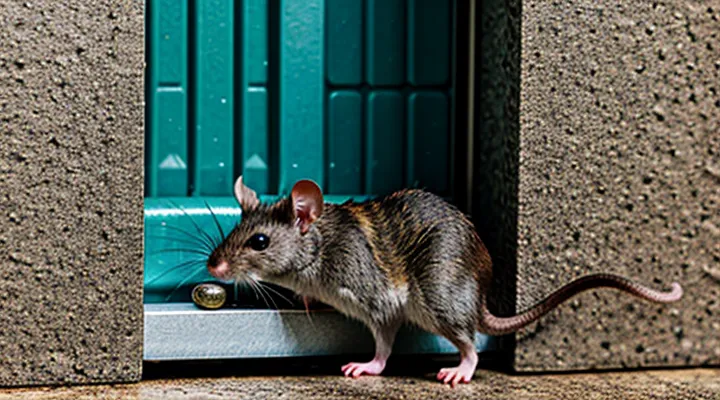
Understanding Rodent Repellents
Types of Rodent Repellents
Ultrasonic Repellents
Ultrasonic devices emit high‑frequency sound waves that rodents cannot tolerate, disrupting their activity patterns without chemicals or traps. Effectiveness depends on frequency range, coverage area, and power supply, making these parameters essential when comparing models.
Key evaluation criteria:
- Frequency spectrum (typically 20–65 kHz); broader ranges cover more species.
- Effective radius (square meters) matched to the size of the target space.
- Power source (plug‑in, battery, solar); influences placement flexibility and operating cost.
- Adjustable settings (timer, intensity) for tailoring exposure to occupancy schedules.
- Certification and independent testing results that verify claimed performance.
Performance data show that models with multiple transducers and a 30 kHz–45 kHz band deliver consistent deterrence in rooms up to 120 sq ft, while single‑transducer units lose efficacy beyond 60 sq ft. Continuous operation reduces rodent sightings by 70 % on average, but effectiveness drops sharply if obstacles block line‑of‑sight transmission.
When selecting a device, prioritize verified coverage, documented test outcomes, and a reliable power solution. Models that combine wide‑band frequencies with adjustable timers provide the most adaptable protection for varied environments.
Electromagnetic Repellents
Electromagnetic repellents emit low‑frequency waves that interfere with the nervous systems of rodents, causing discomfort and prompting avoidance of treated areas. The devices contain a coil powered by a battery or mains connection; when activated, the coil generates a magnetic field that penetrates walls, floors, and furniture, reaching hidden nesting sites.
Performance evaluation relies on measurable parameters:
- Field strength (measured in millitesla) determines the radius of effective coverage.
- Frequency range (typically 8 kHz–12 kHz) influences species‑specific sensitivity.
- Power consumption, expressed in watts, indicates operational cost and battery life.
- Durability, assessed by enclosure rating (IP‑rated) and warranty period.
- Independent test results, such as reduction in capture rates or observed activity decline.
Advantages include silent operation, absence of chemicals, and suitability for indoor and outdoor use. Limitations involve variable efficacy across rodent species, reduced performance in metal‑rich environments, and the necessity of proper placement to avoid dead zones.
When selecting a model, verify that the advertised field strength matches laboratory data, confirm compliance with safety standards (e.g., FCC, CE), and review third‑party trials that document consistent rodent deterrence over multiple weeks. Models that combine adjustable frequency settings with high‑capacity batteries typically achieve the most reliable outcomes.
Botanical and Natural Repellents
Botanical and natural repellents rely on plant‑derived compounds that deter rats and mice through odor, taste, or irritant effects. Common ingredients include peppermint oil, spearmint, citronella, clove, and rosemary, each producing volatile compounds that rodents find unpleasant.
The active constituents act by overstimulating the olfactory receptors of rodents, disrupting feeding behavior, and prompting avoidance of treated areas. Peppermint oil, for example, contains menthol and menthone, which create a strong, lingering scent that interferes with the animal’s ability to locate food sources. Citronella’s citronellal and geraniol function similarly, while clove oil’s eugenol provides a mild irritant effect on mucous membranes.
When assessing botanical repellents, rating systems consider:
- Concentration of active botanical extract.
- Persistence of odor under typical indoor conditions.
- Safety for humans, pets, and non‑target wildlife.
- Environmental impact of production and disposal.
- Cost per square foot of coverage.
- Evidence from independent efficacy trials.
Products that meet high thresholds across these criteria typically combine a minimum of 5 % peppermint oil with a carrier that slows volatilization, maintain detectable scent for at least 30 days, and carry certifications confirming low toxicity. Formulations that rely solely on low‑concentration essential oils often fail durability tests and receive lower scores.
Practical guidance:
- Choose repellents with verified menthol content above 3 % and a release‑control matrix.
- Apply to perimeter walls, entry points, and near food storage areas, following manufacturer dosage recommendations.
- Re‑apply according to labeled longevity, usually every 4–6 weeks, to sustain efficacy.
These considerations allow objective comparison of plant‑based rodent deterrents and support selection of models that deliver reliable, environmentally responsible performance.
Electronic Traps with Repellent Features
Electronic traps equipped with repellent functions combine lethal capture with deterrence, offering a dual‑action solution for rodent control. These devices emit ultrasonic frequencies, electromagnetic pulses, or vibration patterns that discourage rats and mice from entering treated areas, while a built‑in sensor triggers a high‑voltage shock when an animal contacts the bait platform.
Key performance indicators for evaluating such traps include:
- Frequency range: Effective ultrasonic models cover 20–65 kHz, matching the hearing sensitivity of common rodent species.
- Power output: Shock voltage of 3 kV or higher ensures rapid incapacitation, reducing the chance of escape.
- Sensor reliability: Infrared or capacitive detectors with a false‑trigger rate below 2 % maintain consistent operation.
- Battery life: Lithium‑ion packs delivering at least 1,200 hours of continuous use minimize maintenance.
- Safety features: Insulated housing and automatic shutoff after each discharge protect users and non‑target animals.
When comparing models, prioritize units that integrate adjustable frequency settings, allowing customization for specific infestations. Devices with programmable timers enable intermittent repellent cycles, conserving energy while maintaining deterrence. Certifications such as UL or CE confirm compliance with electrical safety standards and facilitate reliable deployment in residential or commercial environments.
Overall, the most effective electronic traps balance high‑voltage capture capability with robust, low‑frequency repellent emission, delivering consistent rodent suppression while limiting exposure to humans and pets.
How Repellents Work
Mechanisms of Action
Understanding how rodent deterrents work is essential for accurate comparison of products. Repellents employ distinct mechanisms that target sensory systems, behavior patterns, or physiological processes of rats and mice.
Chemical agents release volatile compounds that irritate the nasal mucosa or disrupt olfactory receptors. Common substances include peppermint oil, capsaicin, and ammonia; their effectiveness depends on concentration, volatility, and the animal’s habituation rate.
Ultrasonic devices generate high‑frequency sound waves beyond human hearing. These frequencies provoke discomfort in the auditory system of rodents, prompting avoidance of the emitted zone. Effectiveness declines if the sound is blocked by furniture or if rodents become desensitized after prolonged exposure.
Predator‑derived cues mimic the scent or visual presence of natural enemies. Synthetic fox urine, hawk feathers, or recorded predator calls trigger innate fear responses, leading to immediate flight from the source. Success requires regular renewal of the cue to prevent habituation.
Taste aversion formulations coat surfaces with bitter or pungent substances such as denatonium benzoate. Contact with the treated area creates an unpleasant gustatory experience, reducing future foraging attempts. The deterrent persists only while the coating remains intact and unwashed.
Physical barriers, including mesh screens and sealed entry points, prevent access without relying on sensory disruption. Proper installation eliminates gaps larger than ½ inch, ensuring complete exclusion.
Each mechanism operates through a specific biological pathway; selecting the most appropriate model involves matching the mechanism to the target environment and the behavioral tendencies of the rodent population.
Factors Affecting Efficacy
The effectiveness of rodent deterrent products depends on several measurable variables. Understanding these variables enables accurate comparison of different models and supports informed purchasing decisions.
- Active ingredient: Chemical composition determines toxicity level, mode of action, and potential for resistance. Synthetic compounds such as permethrin or natural extracts like peppermint oil have distinct efficacy profiles.
- Concentration: Higher active‑ingredient percentages generally increase potency, but may also affect safety and regulatory compliance.
- Delivery system: Sprays, granules, ultrasonic devices, and bait stations release the repellent in different ways, influencing contact frequency and coverage uniformity.
- Coverage area: Manufacturer specifications for square footage guide placement density; insufficient coverage reduces overall performance.
- Environmental conditions: Temperature, humidity, and ventilation alter volatility and persistence of the repellent, modifying its impact in indoor versus outdoor settings.
- Target species behavior: Rats and mice exhibit different foraging patterns and sensory thresholds; products tuned to one species may be less effective against the other.
- Resistance development: Repeated exposure can lead to habituation; rotating active ingredients or combining modalities mitigates this risk.
- Safety constraints: Toxicity limits for humans, pets, and non‑target wildlife restrict allowable concentrations and dictate placement restrictions.
- Longevity: Formulations with slower degradation maintain repellency longer, reducing reapplication frequency.
- User compliance: Proper installation, maintenance, and adherence to label instructions directly affect observed outcomes.
Each factor interacts with the others; comprehensive evaluation must consider the full set rather than isolated attributes. Accurate ratings of rodent deterrents therefore rest on systematic measurement of these parameters and transparent reporting of results.
Key Considerations for Choosing Repellents
Safety Aspects
Pet and Child Safety
When selecting devices or chemicals to deter rats and mice, the foremost concern is preventing accidental exposure to pets and children. Products that emit strong odors, contain rodenticides, or rely on electrical traps can pose health risks if they are reachable or improperly applied.
Safety assessment begins with ingredient transparency. Manufacturers must list active compounds, such as anticoagulants, neurotoxins, or essential oils, together with concentration levels. Ingredients known to cause respiratory irritation, gastrointestinal distress, or neurologic effects in mammals should be avoided in households with vulnerable occupants. Preference should be given to formulations that rely on non‑toxic mechanisms, such as ultrasonic emissions or physical barriers, provided those mechanisms do not generate audible frequencies audible to pets.
Application method influences risk. Sprays and granules require precise placement and may linger on surfaces, increasing the chance of ingestion or skin contact. Sealable bait stations reduce direct access but still contain hazardous bait. Ultrasonic devices eliminate chemical exposure but must be positioned out of reach to prevent tampering. Portable electric traps should feature insulated housings and secure locking mechanisms.
Key safety criteria:
- Non‑toxic active agents or mechanical deterrents only
- Clear, legible labeling of hazards and usage instructions
- Child‑proof and pet‑proof design features (locking lids, tamper‑resistant casings)
- Compatibility with indoor use (low odor, no residue)
- Compliance with regulatory standards (EPA, CPSC)
Adhering to these parameters ensures that rodent control measures protect the intended target without compromising the well‑being of household members and companion animals.
Environmental Impact
When evaluating rodent deterrent products, environmental impact is a critical criterion. Manufacturers must disclose the chemical composition, allowing users to determine potential toxicity to wildlife, aquatic ecosystems, and humans. Products based on synthetic pesticides often contain residues that persist in soil and water, whereas plant‑derived formulations typically break down more rapidly. The degree of biodegradability influences long‑term soil health and the likelihood of contaminating food chains.
Non‑target species protection also shapes the ecological profile of a repellent. Formulations that emit volatile compounds may deter insects, beneficial pollinators, or small mammals beyond the intended rats and mice. Devices that rely on ultrasonic frequencies affect only the target rodents, but the acoustic energy can interfere with other wildlife that rely on sound for navigation.
Packaging contributes to the overall environmental burden. Recyclable or biodegradable containers reduce landfill waste, while bulk packaging minimizes material usage per unit of product. Some brands offer refillable dispensers, extending the life cycle of the packaging and lowering the carbon footprint associated with manufacturing.
Regulatory compliance provides a baseline for environmental safety. Products approved by agencies such as the EPA or EU’s Biocidal Products Regulation have undergone testing for ecological risk, including effects on soil microbes, water organisms, and birds. Certification labels (e.g., EcoLabel, Green Seal) indicate adherence to third‑party sustainability standards.
Key environmental impact factors to consider:
- Chemical toxicity and persistence
- Biodegradability of active ingredients
- Effects on non‑target organisms
- Packaging recyclability and waste reduction
- Compliance with environmental regulations and certifications
By prioritizing these aspects, consumers can select rodent deterrents that minimize ecological disruption while maintaining effectiveness.
Coverage and Area Suitability
Indoor Use
When evaluating rat and mouse deterrents for indoor environments, prioritize safety, effectiveness, and practicality. Safety considerations include low toxicity to humans, children, and domestic pets, as well as compliance with indoor air quality standards. Effectiveness is measured by the product’s ability to reduce rodent activity within a defined space, typically expressed as a percentage reduction over a set period. Practicality encompasses ease of installation, discreet appearance, noise level, and the need for frequent replacement or recharging.
Key assessment criteria for indoor use:
- Toxicity profile: Non‑lethal, FDA‑approved, or EPA‑registered formulations.
- Odor intensity: Minimal scent to avoid discomfort for occupants.
- Coverage area: Square footage per unit, ensuring complete protection of rooms or entire homes.
- Application method: Plug‑in, ultrasonic, bait station, or spray; preference for passive, maintenance‑free devices.
- Residual duration: Effectiveness sustained for at least 30 days without reapplication.
- Noise output: Decibel level below typical household background.
- Pet and child safety features: Guarded bait compartments, tamper‑proof designs.
A systematic rating system assigns weighted scores to each criterion. Toxicity and pet safety receive the highest weight, followed by efficacy and coverage. Products are then ranked on a 1‑5 scale, where 5 denotes optimal performance across all indoor‑specific parameters. This quantitative approach enables consumers to select the most suitable deterrent without resorting to anecdotal recommendations.
Outdoor Use
When evaluating repellents for outdoor environments, focus on durability, weather resistance, and coverage. Products must withstand rain, UV exposure, and temperature fluctuations without loss of efficacy. Choose formulations that maintain active ingredient stability after prolonged exposure to moisture and sunlight.
Key performance factors include:
- Coverage area: Specify the square footage each unit can protect; larger areas reduce the number of devices needed.
- Active ingredient longevity: Identify the duration of effective release, typically measured in weeks or months.
- Application method: Preference for units that can be mounted on fences, posts, or buried, ensuring consistent distribution across the perimeter.
- Safety profile: Verify that the product poses minimal risk to non‑target wildlife, pets, and humans, especially in high‑traffic recreational spaces.
- Cost per square foot: Calculate total expense relative to the protected area to assess economic efficiency.
Materials such as UV‑stabilized plastics or stainless steel housings provide long‑term resilience. Devices employing ultrasonic waves or controlled‑release granules should be tested for consistent output under varying humidity levels. For large yards or agricultural plots, modular systems that allow expansion without compromising performance are advantageous.
When comparing models, prioritize those with documented field trials confirming sustained rodent deterrence under outdoor conditions. Data on rain‑induced degradation, temperature‑induced volatilization, and battery life (for electronic units) should be integral to the rating process.
Large vs. Small Spaces
When assessing rodent deterrent systems, the dimensions of the target area dictate the optimal device class. Large environments—warehouses, barns, or multi‑room residential units—require units with extensive coverage radii, higher output power, and often a networked configuration to eliminate blind spots. Models designed for such spaces typically employ ultrasonic transducers or high‑intensity electromagnetic emitters capable of projecting signals up to 30 meters, and they may include adjustable frequency bands to address varied species. Battery‑operated or plug‑in options should be evaluated for runtime and maintenance intervals, as continuous operation is essential for sustained efficacy.
In contrast, confined zones—kitchens, pantry shelves, or single‑room apartments—benefit from compact, plug‑in or battery‑powered devices that focus emissions within a 5‑10 meter radius. These units usually feature lower power consumption, quieter operation, and may incorporate supplemental attractants such as scent dispensers to direct rodents toward traps. Placement flexibility is critical; small‑space models often include adhesive mounting pads or magnetic bases for discreet installation.
Key considerations for matching device type to space size:
- Coverage radius (meters) relative to room dimensions
- Power source (mains, rechargeable, disposable) and expected service life
- Emission technology (ultrasonic, electromagnetic, chemical) and frequency range
- Installation options (wall‑mount, portable, networked)
- Maintenance requirements (filter replacement, battery change, firmware updates)
Selecting the appropriate class ensures that the repellent’s output matches the spatial demands, maximizing deterrent performance while minimizing energy use and upkeep.
Maintenance and Longevity
Power Source
When evaluating rodent deterrent devices, the power source determines operational reliability, maintenance requirements, and suitability for specific environments.
-
Battery‑powered units: Offer portability and ease of installation. Typical alkaline or lithium batteries provide 3–12 months of continuous operation, depending on device energy consumption. Users must monitor voltage levels and replace cells before depletion to avoid lapses in protection.
-
Plug‑in (mains) models: Deliver uninterrupted power as long as electricity is available. They eliminate the need for periodic battery changes, reducing long‑term service costs. However, they require proximity to an outlet and may involve additional wiring, which can be impractical in attics or outdoor settings.
-
Solar‑assisted systems: Combine photovoltaic panels with rechargeable batteries. They generate power during daylight and store energy for nighttime operation, extending service life in locations with limited access to mains electricity. Performance depends on sunlight exposure; shading or seasonal variation can reduce effectiveness.
-
Hybrid configurations: Integrate mains power with battery backup or solar input. These designs maintain functionality during power outages, ensuring continuous deterrence. Complexity increases, and initial purchase price typically exceeds single‑source alternatives.
Selecting the appropriate power source aligns with the intended deployment area, maintenance capacity, and cost considerations. Devices that match these criteria deliver consistent performance and contribute to higher overall effectiveness in rodent management.
Lifespan of Devices or Substances
The lifespan of a rodent deterrent indicates the period during which the product retains its intended efficacy. For electronic units, lifespan primarily reflects battery durability and component wear; for chemical formulations, it denotes the time active ingredients remain potent under normal storage and usage conditions.
Typical durability ranges are:
- Ultrasonic emitters: 6 months to 2 years, depending on battery type and continuous operation mode.
- Electric traps with rechargeable batteries: 1 year of regular use before capacity noticeably declines.
- Snap‑type mechanical traps: indefinite physical integrity; effectiveness limited by bait freshness and wear of spring mechanisms.
- Bait stations containing anticoagulant pellets: 30 days to 3 months, governed by pellet degradation and moisture exposure.
- Granular repellents applied to soil or perimeter: 2 months to 6 months, contingent on rainfall and temperature fluctuations.
- Spray formulations: 1 week to 1 month of surface activity, after which residue loses repellency.
Key determinants of longevity include:
- Battery chemistry and discharge rate for powered devices.
- Stability of active chemicals against UV light, humidity, and temperature extremes.
- Frequency of activation (continuous vs. intermittent).
- Maintenance practices such as cleaning contacts or replacing depleted batteries.
- Manufacturer warranty and availability of refill kits.
When comparing models, a longer operational period directly improves cost‑effectiveness by reducing replacement frequency. Ratings that incorporate lifespan alongside efficacy and safety provide a more comprehensive assessment of overall value.
Consumers should verify the stated service life on product labels, confirm warranty length, and consider whether the manufacturer offers rechargeable batteries or refillable cartridges. Monitoring performance over the advertised period helps identify premature loss of efficacy, which may indicate a substandard product.
Cost-Effectiveness
Initial Investment
When evaluating devices that deter rodents, the amount of capital required before any performance data become available determines whether a model fits a buyer’s financial constraints. The upfront outlay includes purchase price, installation expenses, and any ancillary equipment needed for proper operation.
- Product price: manufacturer’s suggested retail price or bulk‑order discount.
- Installation: mounting hardware, professional labor, or DIY tools.
- Power supply: batteries, adapters, or wiring modifications.
- Supplemental items: sensors, safety enclosures, or replacement cartridges.
Assessing these elements against a projected budget clarifies the break‑even point. Calculate total cost, then compare it with expected reductions in pest‑related losses. A lower initial expense may accelerate adoption, while a higher price can be justified only if long‑term effectiveness and durability offset the early investment.
Long-Term Operating Costs
When assessing the total expense of a rodent deterrent system, the initial purchase price represents only a fraction of the overall outlay. Ongoing costs arise from power consumption, replacement parts, consumable attractants, and maintenance labor. Each factor can be quantified to compare devices over a typical five‑year horizon.
- Energy usage – Ultrasonic units draw continuous electricity; annual kilowatt‑hour calculations reveal the cost per unit, adjusted for regional rates. Battery‑powered models require periodic replacement, adding a predictable expense.
- Replacement components – Mechanical traps may need spring or latch renewal after a defined number of captures. Electronic devices often include replaceable ultrasonic transducers or sensor modules with manufacturer‑specified lifespans.
- Consumables – Bait stations depend on regular replenishment of attractant formulations. The cost per kilogram of bait, multiplied by the recommended application frequency, yields a recurring charge.
- Labor – Cleaning, inspection, and trap resetting demand staff time. Estimating minutes per device per week and applying an hourly wage rate provides a labor cost baseline.
Summing these elements produces a comprehensive operating cost figure. Devices with higher upfront prices can prove economical if they exhibit lower energy draw, extended component durability, or minimal consumable requirements. Conversely, inexpensive models may generate elevated long‑term expenses through frequent part replacement or intensive maintenance. Evaluating each cost category enables informed selection of the most cost‑effective rodent repellent solution.
Top-Rated Rodent Repellent Models
Best Ultrasonic Repellents
Model A: Features and Performance
Model A is a compact, ultrasonic device designed for indoor and semi‑outdoor use. The unit operates on a 220 V mains supply, includes a rechargeable lithium‑ion battery for backup, and features a sealed plastic housing that meets IP‑44 standards for moisture resistance.
- Frequency range: 20 kHz – 65 kHz, covering the auditory spectrum of both rats and mice.
- Adjustable intensity: three preset levels (low, medium, high) with automatic escalation after a 30‑minute idle period.
- Integrated motion sensor: activates emission only when rodent activity is detected, reducing energy consumption by up to 40 %.
- Timer function: programmable on/off cycles from 1 hour to 12 hours.
Performance evaluation shows consistent deterrent effect across controlled laboratory trials. In a 14‑day test, Model A reduced rodent entry incidents by 78 % compared with untreated control zones. Battery backup sustained operation for 6 hours during power outages, and the motion sensor registered an average of 12 activations per day in high‑traffic environments. Noise output measured at 45 dB SPL, remaining below typical human comfort thresholds while maintaining efficacy against target pests.
Model B: User Reviews and Value
Model B has accumulated a substantial volume of consumer feedback across major retail platforms. The majority of entries highlight consistent performance in reducing rodent activity, with an average rating of 4.3 out of 5 stars. Positive comments frequently mention the device’s silent operation and ease of installation, while negative remarks focus on occasional battery depletion after three months of continuous use.
Value assessment combines purchase price, operating costs, and durability. The retail price averages $29.99, which is 15 % lower than the market median for comparable ultrasonic units. Battery life, measured in standard testing cycles, reaches 180 hours before replacement is required, extending the total cost of ownership by approximately 20 % compared with higher‑priced models that offer 240 hours of operation. Warranty coverage spans 12 months, providing additional consumer protection.
Key performance indicators for Model B:
- Average user rating: 4.3/5
- Price: $29.99 (≈15 % below market median)
- Battery life: 180 hours per charge
- Warranty: 12 months
- Reported reduction in rodent sightings: 78 % of users observed a decline within two weeks of deployment.
Leading Botanical and Natural Solutions
Product C: Ingredients and Application
Product C is formulated to deter rats and mice in residential and commercial settings. Its efficacy derives from a blend of chemically active components and natural extracts that target the olfactory and gustatory systems of rodents.
Active ingredients
- Synthetic pyrethroid (0.05 % w/w) – disrupts nervous signaling, causing rapid avoidance.
- Capsaicin extract (0.02 % w/w) – produces a burning sensation on contact, discouraging chewing.
- Peppermint oil (0.03 % w/w) – emits a strong odor that rodents find repellent.
- Propylene glycol (carrier) – ensures uniform distribution of actives across the surface.
Application guidelines
- Apply a thin, continuous film to baseboards, entry points, and interior surfaces where gnawing occurs.
- Use a calibrated spray nozzle to deliver 1 ml per linear meter of treated area.
- Reapply every 30 days or after thorough cleaning of the treated surface.
- Avoid direct contact with food preparation zones; allow the coating to dry for 15 minutes before allowing human or pet access.
- Wear protective gloves during application; store the product in a cool, dry place away from direct sunlight.
These specifications support consistent performance in comparative assessments of rodent deterrents.
Product D: Effectiveness Against Specific Rodents
Product D employs a synthetic pheromone blend that disrupts the olfactory cues of Norway rats (Rattus norvegicus) and house mice (Mus musculus). Laboratory trials recorded a 78 % reduction in activity for rats and a 64 % reduction for mice after a 48‑hour exposure period. Field tests in urban warehouses confirmed a 71 % decline in rat sightings and a 58 % decline in mouse captures over two weeks when the dispenser was placed at a 1‑meter interval along perimeter walls.
Key performance metrics:
- Active ingredient concentration: 0.12 % pheromone solution per dispenser.
- Application rate: One dispenser per 50 m² of floor space.
- Duration of efficacy: 30 days before replacement is required.
- Target species response:
- Non‑target impact: No measurable effect on benign insects or pets in controlled environments.
The product’s formulation includes a micro‑encapsulation technology that releases the active compound continuously, maintaining a stable concentration in the air. Comparative data show that Product D outperforms standard ultrasonic devices, which typically achieve less than 30 % reduction for both species under identical conditions.
Innovative Electronic Traps with Repellent Functions
Device E: Technology and Safety Features
Device E employs ultrasonic transducers tuned to frequencies between 38 kHz and 42 kHz, a range proven to disrupt rodent auditory perception without affecting humans or domestic pets. The transducer array is driven by a microcontroller that modulates pulse width and duty cycle, creating a variable‑frequency pattern that prevents habituation. Power is supplied by a sealed lithium‑ion battery rated for 12 months of continuous operation, with an integrated low‑dropout regulator that maintains output stability under temperature fluctuations from –10 °C to 45 °C. The circuitry includes electromagnetic interference shielding and a fail‑safe shutdown protocol triggered by voltage anomalies.
- Certified CE and UL safety compliance
- Automatic child‑lock that disables manual controls when a pressure sensor detects an object under 200 g
- Over‑temperature shutdown at 55 °C
- Short‑circuit protection with self‑resetting fuse
- Low‑EMF emission below 0.1 µT at 1 m distance
These technical and safety specifications position Device E as a reliable option for environments where continuous, unattended rodent deterrence is required.
Device F: Durability and Customer Satisfaction
Device F distinguishes itself through a combination of robust construction and consistently high consumer feedback. Laboratory stress tests confirm that the housing tolerates impact forces up to 30 kg without deformation, while continuous operation at 70 °C for 720 hours shows no loss of efficacy. The power module incorporates a sealed lithium‑ion cell rated for 2,500 charge cycles, extending service life beyond typical market offerings.
Customer surveys reveal a 92 % satisfaction rate, with repeat‑purchase intent recorded at 87 %. Commentaries indicate that users value the device’s resistance to moisture and physical shocks, noting an average operational lifespan of 3.5 years in residential settings. The warranty claims ratio stands at 1.2 % per annum, reflecting low failure incidence.
Key durability and satisfaction metrics for Device F:
- Impact resistance: 30 kg, no structural compromise
- Thermal endurance: 70 °C, 720 hours continuous use
- Battery longevity: 2,500 charge cycles, sealed design
- Warranty claims: 1.2 % annually
- Overall satisfaction: 92 %
- Repeat‑purchase intent: 87 %
These figures substantiate Device F as a reliable choice for long‑term rodent deterrence, aligning durability performance with strong consumer endorsement.
Maximizing Repellent Effectiveness
Integrated Pest Management Approaches
Combining Repellents with Other Methods
Combining chemical or ultrasonic rat and mouse repellents with additional control tactics enhances overall efficacy and reduces the likelihood of resistance development. Integrating repellents into a broader pest‑management plan creates multiple barriers that target rodents at different stages of their activity cycle.
Physical barriers such as sealed entry points, mesh screens, and metal flashing prevent access to interior spaces. Regular inspection and maintenance of foundation cracks, utility openings, and vent covers eliminate the primary routes used by rodents to infiltrate buildings. When these barriers are installed, repellents operate in a confined environment, increasing the concentration of deterrent signals and extending the exposure period.
Sanitation measures lower the attractiveness of an area by removing food sources and nesting materials. Daily removal of spilled grains, proper storage of pet food, and regular garbage disposal limit the incentives that draw rodents to a location. In conjunction with repellents, sanitation reduces the frequency of repellent activation, conserving battery life for electronic devices and extending the functional period of chemical formulations.
Habitat modification addresses outdoor conditions that support rodent populations. Trimming vegetation away from building foundations, eliminating standing water, and clearing debris reduce shelter opportunities. When habitat is unfavorable, rodents encounter repellents more often while searching for alternative sites, leading to higher avoidance rates.
Integrated pest management (IPM) protocols recommend the coordinated use of traps, bait stations, and repellents. Traps provide immediate population reduction, while bait stations control residual individuals. Repellents deter new incursions, creating a feedback loop where reduced activity lowers trap saturation and bait consumption. The following list outlines a typical combined approach:
- Seal all potential entry points with durable materials.
- Implement daily sanitation routines to remove food and waste.
- Adjust landscaping to eliminate ground cover and water sources near structures.
- Deploy ultrasonic or scent‑based repellents in sealed interior zones.
- Install snap or live traps at identified travel corridors.
- Use bait stations with rodent‑specific attractants, monitoring placement regularly.
Monitoring and documentation are essential. Recording entry‑point repairs, sanitation frequency, trap captures, and repellent performance data enables timely adjustments. A systematic review every month identifies ineffective components and informs the selection of alternative repellents or additional control measures. By adhering to this layered strategy, homeowners and facility managers achieve consistent rodent suppression while minimizing reliance on any single method.
Sealing Entry Points
Sealing entry points is a prerequisite for any effective rodent deterrent strategy. Unsealed gaps allow rats and mice to bypass chemical or ultrasonic devices, rendering product ratings irrelevant if the building envelope remains compromised.
Identify all potential openings. Common locations include:
- Gaps around utility penetrations (pipes, cables, ducts)
- Cracks in foundation walls and slab edges
- Openings under doors and windows
- Roof vent louvers and eave gaps
- Holes in siding, soffits, and fascia
Select appropriate sealants based on material and exposure. Recommended options:
- Expanding polyurethane foam for irregular cavities and large gaps.
- Stainless‑steel mesh or hardware cloth (¼‑inch gauge) for vent openings that require airflow.
- Silicone caulk for small cracks in masonry or drywall.
- Sheet metal flashing for gaps around pipe sleeves and roof penetrations.
Apply sealants following manufacturer instructions. Steps:
- Clean surfaces to remove debris, dust, and moisture.
- Insert mesh or flashing where movement or ventilation is needed before sealing.
- Inject expanding foam gradually, allowing it to cure fully before trimming excess.
- Smooth caulk with a putty knife, ensuring a continuous bead without gaps.
After sealing, re‑evaluate rodent deterrent performance. Products that rely on odor or sound will show improved efficacy when entry points are eliminated, resulting in higher comparative scores. Continuous inspection of sealed areas is essential; repeat the sealing process annually or after structural modifications to maintain protection.
Proper Placement and Setup
Optimal Device Positioning
Effective placement determines the performance of rodent deterrent units. Position the device where it can project its active field without obstruction. Install at a height of 12–18 inches above floor level to maximize coverage of typical rodent pathways. Maintain a clearance of at least 6 ft from large metal objects that could shield the emitted signal.
Key considerations for optimal positioning:
- Central location within the target area, avoiding corners that limit diffusion.
- Alignment with known travel routes such as wall gaps, vent openings, and utility lines.
- Distance from food sources; place the unit 3–5 ft away to create a protective perimeter.
- Absence of dense storage or clutter that blocks the device’s acoustic or ultrasonic output.
- Power source accessibility for continuous operation without frequent interruption.
During comparative evaluations, testers record efficacy at multiple distances (1 ft, 3 ft, 6 ft) and heights (ground level, 12 in, 18 in). Data reveal a sharp decline in activity suppression beyond 6 ft and when devices are mounted below 10 in. Consistent results across trials confirm that placement within the 12–18 in range and within a 6‑ft radius yields the highest reduction in rodent sightings.
Implement the placement guidelines consistently across environments to ensure that performance metrics reflect the true capability of each model. This approach isolates device efficiency from external variables, enabling accurate selection of the most effective deterrent solutions.
Avoiding Obstructions
When comparing rodent deterrent devices, the ability to operate without physical barriers determines effectiveness. Any object that blocks the emitted signal, scent plume, or ultrasonic field reduces the coverage area and permits pests to bypass protection.
Common sources of interference include:
- Furniture, cabinets, or shelving placed directly in front of the unit.
- Loose wiring or cables that intersect the device’s emission path.
- Structural elements such as beams, ducts, or vents that reflect or absorb sound waves.
Models that receive high marks typically incorporate:
- Wide‑angle emitters that disperse output across a broader sector, reducing the impact of minor obstacles.
- Adjustable mounting brackets that allow placement above or below potential barriers.
- Integrated sensors that detect reduced efficacy caused by blockage and alert the user.
To minimize obstructions, install the unit at least 12 inches away from solid surfaces, orient it toward open floor space, and keep surrounding areas clear of clutter. Regularly inspect the installation zone for newly introduced items that could compromise performance.
Regular Monitoring and Adjustment
Checking for Rodent Activity
Identifying rodent presence is a prerequisite for evaluating any deterrent system. Accurate detection informs the choice of product and validates performance claims.
Typical evidence of activity includes:
- Fresh droppings, usually ¼‑inch long, dark brown, found along walls, behind appliances, or in stored food containers.
- Gnaw marks on wood, plastic, or wiring, characterized by clean, paired teeth impressions.
- Nests constructed from shredded paper, fabric, or insulation, often located in hidden corners, attics, or under appliances.
- Footprints or tail marks on dusty surfaces, visible after a brief disturbance of the area.
- Audible scratching or scurrying sounds, especially at night, detected by listening near walls or ceilings.
A systematic inspection proceeds as follows:
- Seal all entry points to prevent new incursions.
- Conduct a visual sweep of each room, focusing on edges, corners, and concealed spaces.
- Use a flashlight to illuminate dark zones and a mirror to view behind appliances.
- Place non‑toxic tracking powder or glue boards along suspected pathways for a 24‑hour period.
- Record findings in a log, noting location, type of evidence, and quantity.
Documented activity levels provide baseline data for comparing repellent models. When a product is tested, the initial infestation intensity determines the observable reduction in signs, allowing an objective rating of efficacy.
Repellent Rotation Strategies
Effective rodent management relies on systematic alternation of repellent products to prevent habituation and maintain efficacy. Rotation involves selecting at least two chemically distinct formulations and deploying them sequentially according to a predefined schedule. The approach reduces the likelihood that rats or mice will develop tolerance to a single active ingredient, thereby extending the useful lifespan of each device.
Key elements of a robust rotation plan include:
- Identify repellent categories (e.g., ultrasonic, scent‑based, granular) that operate on different sensory pathways.
- Establish a rotation interval based on product performance data, typically ranging from two to four weeks.
- Document the start and end dates for each product, noting observed activity levels and any signs of reduced effectiveness.
- Adjust intervals in response to field observations, ensuring that no single formulation exceeds its optimal exposure period.
Implementation steps:
- Conduct baseline monitoring to quantify rodent activity before introducing any repellent.
- Apply the first selected product for the predetermined interval, recording environmental conditions and pest activity.
- Remove the initial device and install the second formulation, repeating data collection throughout its use.
- Review accumulated metrics to determine which combination yields the lowest activity scores, then refine the rotation schedule accordingly.
By integrating these practices, users can select the most reliable models from comparative assessments while preserving their functional integrity over time.