
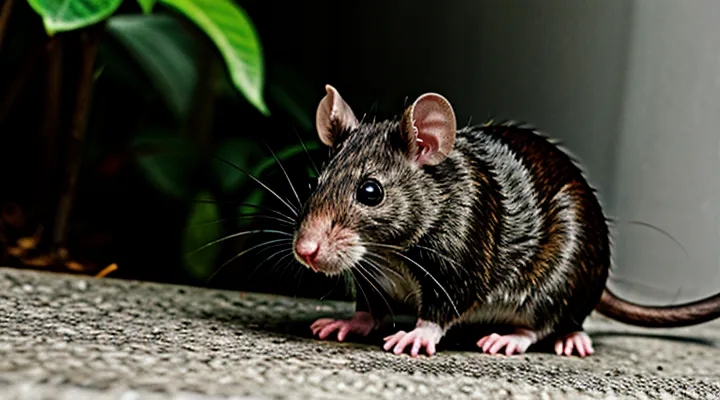
Understanding Large-Toothed Rats
What Defines «Large Teeth» in Rats?
Normal Rodent Dentition
Rodents possess a single pair of continuously growing incisors in each jaw. The enamel on the labial surface is harder than the dentine on the lingual side, creating a self‑sharpening edge as the softer dentine wears away. These teeth lack true roots, allowing perpetual eruption that balances normal wear from gnawing. The molars are brachydont, with limited growth and a complex occlusal surface for grinding plant material.
In rats exhibiting unusually enlarged incisors, the fundamental structure remains unchanged; however, the rate of eruption may exceed typical wear, resulting in excessive length. This deviation stems from genetic factors, nutritional imbalances, or inadequate gnawing opportunities, and it amplifies the risk of malocclusion, facial deformities, and impaired feeding.
Effective management relies on maintaining a balance between tooth growth and wear:
- Provide constant access to hardwood blocks, mineral rods, or chew toys designed for rodents.
- Offer a diet rich in fiber and low in soft, processed foods to encourage natural gnawing.
- Conduct weekly visual inspections of incisor length and alignment.
- Schedule veterinary examinations at least every six months for professional trimming if spontaneous wear is insufficient.
- Monitor weight and food intake; sudden changes may indicate dental discomfort.
Adhering to these practices preserves normal occlusion, prevents complications associated with oversized incisors, and supports overall health in large‑toothed rats.
Anomalous Tooth Growth: Causes and Types
Anomalous tooth growth frequently appears in rats possessing unusually large incisors, influencing both health and husbandry requirements. Excessive or irregular dental development can impair chewing efficiency, cause oral injuries, and increase the risk of systemic infections.
Common causes include:
- Genetic mutations affecting enamel formation or dentine synthesis.
- Nutritional imbalances, particularly deficiencies in calcium, phosphorus, or vitamin D.
- Chronic exposure to abrasive materials that stimulate compensatory overgrowth.
- Hormonal disruptions, such as altered levels of growth hormone or thyroid hormones.
- Mechanical trauma to the jaw or tooth roots, prompting abnormal regenerative activity.
Identified types of anomalous growth are:
- Hyperplasia of the incisor crown, resulting in elongated, bulbous tips.
- Dentin dysplasia, producing irregularly shaped or porous tooth structures.
- Enamel hypoplasia, leading to thin, fragile surfaces prone to wear.
- Root elongation, causing excessive penetration into the maxillary or mandibular bone.
- Mixed lesions, where multiple abnormalities coexist within a single tooth.
Common Species Exhibiting Prominent Dentition
Wild Rat Varieties
Wild rats displaying pronounced incisors belong to several species that thrive in natural environments. The most frequently encountered varieties include the brown rat (Rattus norvegicus), the black rat (Rattus rattus), and the lesser rice field rat (Rattus argentiventer). Each species exhibits distinct dental morphology, habitat preference, and behavioral patterns that influence health management.
- Brown rat: Robust body, widespread in temperate zones, prefers sewers, basements, and agricultural fields. Incisors grow continuously, reaching lengths of up to 10 mm; wear patterns reflect a diet rich in fibrous plant material and occasional carrion. Effective care emphasizes regular dental wear through gnawing objects and a high‑fiber diet to prevent overgrowth.
- Black rat: Slender build, favors tropical and subtropical regions, often inhabits attics and stored grain areas. Teeth are slightly longer and sharper than those of the brown rat, adapted for cracking hard seeds. Maintenance requires provision of hard chew toys and occasional mineral supplements to support enamel integrity.
- Lesser rice field rat: Small stature, endemic to Southeast Asian rice paddies, displays exceptionally large incisors relative to skull size. Dental growth accelerates during the breeding season when protein intake increases. Appropriate care involves offering fresh vegetation and water sources that encourage natural gnawing behavior, reducing the risk of malocclusion.
Understanding these wild varieties assists in designing enrichment strategies, dietary plans, and health monitoring protocols that accommodate the specific dental demands of each rat species. Regular inspection of incisor length, assessment of chewing activity, and prompt veterinary evaluation of abnormal wear are essential components of responsible management.
Domesticated Breeds and Their Unique Dental Traits
Domesticated rat breeds known for unusually large incisors exhibit distinct dental anatomy that influences feeding behavior, enamel wear patterns, and health management. Their molar structure remains comparable to wild counterparts, while the anterior teeth extend noticeably beyond the typical jawline, requiring specific environmental accommodations.
Breed‑specific dental traits:
- Giant Hairless Rat – incisors average 15 mm in length; enamel thickness increased by approximately 20 % to support high‑stress gnawing.
- Mega‑Fur Rat – pronounced curvature of upper incisors creates a wider bite arc, facilitating consumption of bulky vegetation.
- Titanic Pocket Rat – bilateral symmetry of incisors enhanced, reducing lateral wear and minimizing malocclusion risk.
Care guidelines derived from these traits:
- Provide chew toys constructed from hardwood or mineral composite; hardness rating must exceed 5 Mohs to promote even wear.
- Schedule bi‑weekly dental examinations; assess incisor alignment, enamel integrity, and gingival health.
- Adjust diet to include high‑fiber pellets and occasional raw root vegetables; fiber content supports natural grinding action and prevents overgrowth.
- Maintain cage substrate free of abrasive particles that could cause micro‑fractures in the enlarged enamel surface.
Monitoring protocols emphasize early detection of malocclusion, which can develop rapidly due to the increased mechanical load on the incisors. Prompt trimming under veterinary supervision prevents secondary complications such as oral ulceration or digestive obstruction.
Care and Management for Rats with Large Teeth
Dietary Considerations
Recommended Foods for Dental Health
Rats possessing unusually large incisors require a diet that supports enamel strength, reduces plaque accumulation, and encourages natural tooth wear. Selecting foods that combine hardness, nutritional balance, and low sugar content is essential for maintaining oral health.
- Hard vegetables: carrots, celery, broccoli stems, and kale provide fibrous texture that promotes gnawing and natural abrasion of the enamel surface.
- Unsweetened whole grains: rolled oats, barley, and whole‑grain pasta offer moderate resistance while delivering complex carbohydrates and fiber.
- Nuts and seeds (in limited quantities): almonds, sunflower seeds, and pumpkin seeds deliver calcium and phosphorus, minerals critical for enamel repair; portions should be small to avoid excess fat intake.
- Fresh fruits with firm flesh: apples, pears, and cantaloupe chunks supply vitamins C and A, both linked to gum health, while their texture still contributes to mechanical cleaning.
- Dental chew toys made from natural wood or compressed hay: although not a food, these items complement the diet by providing consistent wear and reducing the risk of overgrowth.
Avoid sugary treats, processed snacks, and high‑starch pellets that encourage bacterial growth and plaque formation. Rotate the recommended items daily to ensure a varied nutrient profile and continuous tooth wear, thereby reducing the likelihood of dental malocclusion in large‑toothed rodents.
Foods to Avoid
Large‑toothed rats require a diet that supports dental health and digestive function. Certain foods can damage teeth, cause gastrointestinal distress, or lead to nutritional deficiencies; these items should be excluded from daily menus.
- Hard, brittle items (e.g., raw nuts, hard candy, seeds with shells). They can fracture incisors or create uneven wear, compromising chewing efficiency.
- High‑fat processed snacks (e.g., chips, crackers, cheese‑flavored treats). Excess fat promotes obesity and can overload the liver.
- Sugary substances (e.g., chocolate, sugary cereals, fruit juices). Sugar fuels bacterial growth, increasing the risk of dental decay and oral infections.
- Citrus fruits and acidic foods (e.g., oranges, lemons, tomatoes). Acidity erodes enamel and may irritate the oral mucosa.
- Raw or undercooked animal protein (e.g., uncooked meat, eggs). Potential pathogens can cause severe gastrointestinal illness.
- Dairy products in large quantities (e.g., whole milk, cheese). Rats lack the enzyme needed to digest lactose efficiently, leading to diarrhea and malabsorption.
- Sticky foods (e.g., peanut butter, marshmallows). Adhesive substances cling to teeth, promoting plaque buildup and hindering natural cleaning.
Eliminating these categories helps maintain optimal tooth length, prevents malocclusion, and supports overall health in rats with prominent incisors. Regular monitoring of diet composition is essential for long‑term wellbeing.
Regular Dental Maintenance
Importance of Chewing Objects
Chewing is a fundamental activity for rats possessing oversized incisors, directly influencing dental integrity and overall wellbeing. Continuous abrasion of the front teeth prevents overgrowth, which can otherwise lead to malocclusion, difficulty eating, and secondary infections.
Effective chewing provides three core benefits:
- Dental maintenance – natural wear balances enamel growth, eliminating the need for veterinary trimming.
- Mental enrichment – gnawing engages exploratory instincts, reducing stress‑induced stereotypies.
- Environmental protection – access to appropriate objects diverts destructive nibbling away from cage fixtures and bedding.
Select chew items that are non‑toxic, sturdy, and appropriately sized. Recommended options include:
- Untreated hardwood blocks (e.g., apple, maple, beech)
- Mineral‑rich chew sticks formulated for rodents
- Natural fibers such as sisal rope, tightly wound and unscented
- Safe plant material like dried oat stalks or kale leaves, offered in limited quantities
Rotate objects regularly to sustain interest and prevent habituation. Monitor each item for signs of splintering or excessive wear; replace promptly to avoid injury. Providing a varied, high‑quality chewing repertoire supports optimal dental health, behavioral stability, and longevity in rats with pronounced teeth.
Professional Dental Trimming
Professional dental trimming for rats with oversized incisors requires precise technique and regular schedule. Trimming prevents overgrowth that can impede chewing, cause oral injuries, and affect overall health. The procedure should be performed by a veterinarian or a trained specialist using sterile instruments designed for small mammals.
Key considerations:
- Frequency: trim every 4–6 weeks, adjusting based on individual growth rate.
- Equipment: use fine, curved forceps or rotary trimmers with adjustable speed; sterilize before each use.
- Restraint: apply gentle but firm handling to minimize stress; consider mild sedation for uncooperative animals.
- Observation: inspect gum tissue for redness, swelling, or lesions before and after trimming; treat any pathology promptly.
- Documentation: record length of each incisor, date of procedure, and any complications for future reference.
Proper aftercare includes offering soft foods for 24–48 hours, monitoring for bleeding, and maintaining a clean cage environment to reduce infection risk. Consistent professional trimming, combined with a balanced diet rich in chewable fibers, supports dental health and promotes normal behavior in large‑toothed rodents.
Recognizing Dental Problems
Signs of Overgrowth and Misalignment
Rats with unusually long incisors may develop dental overgrowth and misalignment that compromise health and function. Recognizable indicators include:
- Teeth extending beyond the lips or chewing surfaces
- Uneven or slanted bite, causing one side of the mouth to close before the other
- Visible gaps or overlapping of the upper and lower incisors
- Excessive drooling or saliva accumulation around the mouth
- Difficulty gripping or manipulating food, leading to reduced intake
- Facial asymmetry, such as a tilted head or uneven cheek muscles
- Weight loss or decline in body condition despite unchanged feeding schedule
- Behavioral changes, including increased aggression or avoidance of handling
When these signs appear, prompt veterinary assessment is essential. Treatment typically involves precise trimming of the overgrown portions, regular monitoring of tooth length, and provision of appropriate chew toys or hardened foods that encourage natural wear. A balanced diet rich in fiber supports normal dental erosion, while periodic professional evaluations prevent recurrence and maintain oral alignment.
Symptoms of Pain or Discomfort
Rats with oversized incisors may experience oral pain that manifests through specific behaviors and physical signs. Recognizing these indicators enables timely intervention and prevents further complications.
- Reduced food intake or prolonged chewing pauses.
- Reluctance to gnaw on enrichment items, accompanied by frequent pawing at the mouth.
- Audible whining, squeaking, or growling when the animal is handled or examined.
- Swelling, discoloration, or visible lesions around the jaw or gums.
- Excessive grooming of the facial area, often resulting in hair loss.
- Changes in posture, such as a lowered head or hunched back, suggesting discomfort.
- Decreased activity levels, including fewer exploratory movements and longer periods of rest.
Additional observations include irregular weight loss despite adequate nutrition and the presence of blood in droppings, which may indicate severe dental injury. Prompt veterinary assessment is recommended when any of these signs appear, as treatment may involve dental trimming, analgesics, or dietary modifications to alleviate stress on the teeth.
Veterinary Intervention
Diagnostic Procedures
Large‑toothed rats require systematic evaluation to identify dental pathology, systemic disease, and potential complications. Accurate diagnosis guides treatment plans and prevents progressive oral damage.
- Visual inspection of the oral cavity using a magnifying lens; assess incisor length, alignment, and enamel integrity.
- Palpation of the mandible and maxilla to detect swelling, tenderness, or abnormal masses.
- Radiographic imaging (lateral and ventrodorsal views) to reveal root fractures, pulp exposure, and bone remodeling.
- Blood sampling for complete blood count and biochemical panel; detect infection, inflammation, or metabolic disorders affecting tooth growth.
- Microbial culture of oral swabs when signs of infection are present; identify bacterial species and determine antimicrobial susceptibility.
- Urinalysis if renal involvement is suspected due to altered calcium metabolism.
Interpretation of findings should correlate external signs with imaging and laboratory results. Abnormal incisor length combined with radiographic evidence of pulpitis warrants immediate dental trimming or extraction. Elevated white‑blood‑cell counts and positive cultures indicate systemic infection requiring targeted antibiotics. Follow‑up examinations at two‑week intervals confirm resolution and monitor regrowth, ensuring long‑term oral health.
Treatment Options for Dental Issues
Rats with oversized incisors are prone to malocclusion, overgrowth, and associated pain. Effective treatment begins with a thorough oral examination by a qualified veterinarian. The practitioner assesses tooth length, alignment, and any signs of infection before deciding on an appropriate intervention.
Professional dental trimming is the primary corrective measure. Under anesthesia, the veterinarian files or cuts the excess enamel to restore the natural bite angle. This procedure eliminates sharp edges that can damage oral tissues and improves the animal’s ability to eat.
When trimming alone is insufficient, adjunctive treatments may be required:
- Dental appliances: Custom-fitted caps or braces can guide proper tooth positioning during regrowth.
- Antibiotic therapy: Broad-spectrum antibiotics address secondary bacterial infections that often accompany overgrown teeth.
- Analgesics: Non‑steroidal anti‑inflammatory drugs or opioid analgesics reduce discomfort during the healing period.
- Dietary adjustments: Providing hard, chewable foods such as untreated wood blocks or mineral-rich pellets encourages natural wear and helps maintain appropriate tooth length.
- Regular monitoring: Scheduled re‑examinations every four to six weeks allow early detection of relapse and timely repeat trimming.
In cases of severe infection or abscess formation, surgical debridement may be necessary to remove necrotic tissue and promote drainage. Post‑operative care includes maintaining a clean cage environment, monitoring food intake, and ensuring the rat receives adequate hydration.
Combining precise dental trimming with supportive therapies and a suitable diet yields the most reliable outcomes, reducing the risk of recurrence and extending the animal’s overall health.
Preventing Future Complications
Environmental Enrichment
Rats possessing unusually large incisors require enrichment that promotes natural gnawing behavior while protecting dental health. Providing a variety of safe, chewable objects reduces stress, encourages activity, and prevents overgrowth.
- Hard wooden blocks, untreated pine or apple wood, allow continuous wear of teeth.
- Mineral-rich chew sticks supply calcium and phosphorus, supporting enamel strength.
- Puzzle feeders with removable sections stimulate problem‑solving and keep jaws engaged.
- Textured tunnels and PVC pipes create confined spaces for exploration and gentle gnawing on interior surfaces.
- Rotating assortment of cardboard tubes, paper rolls, and untreated cork offers novelty and prevents habituation.
Enrichment should be rotated weekly to maintain interest. Objects must be inspected for splinters or mold before each use. Combine chew items with a balanced diet containing adequate fiber; fiber aids digestion and complements dental wear. Monitoring tooth length during routine health checks ensures that enrichment effectively controls growth. If overgrowth occurs despite these measures, veterinary intervention may be necessary.
Genetic Predisposition and Breeding Practices
Large‑tooth phenotypes in rats stem primarily from heritable variations in dental development genes. Mutations in the Amelogenin and DSPP loci alter enamel formation, leading to prolonged incisor growth. Polygenic inheritance patterns amplify the effect when multiple alleles combine, producing individuals with noticeably larger incisors. Genetic screening of breeding stock can identify carriers of these variants, allowing precise control over trait propagation.
Effective breeding programs rely on systematic selection and documentation:
- Genotype verification: Perform PCR‑based assays on prospective parents to confirm presence or absence of target mutations.
- Pedigree tracking: Maintain detailed lineage records to prevent inadvertent inbreeding and to monitor trait frequency across generations.
- Selective pairing: Pair individuals that exhibit the desired dental size while balancing overall health metrics, such as body condition and immune competence.
- Health assessments: Conduct regular oral examinations, radiographs, and bite force measurements to detect complications arising from excessive tooth growth.
- Population management: Limit the proportion of large‑tooth carriers in each cohort to avoid fixation of deleterious alleles that could compromise skeletal integrity.
By integrating genetic analysis with disciplined breeding protocols, caretakers can sustain the characteristic enlarged incisors while mitigating associated health risks. Continuous data collection and adjustment of breeding criteria ensure that the trait remains a controlled, reproducible element of the rat population.