
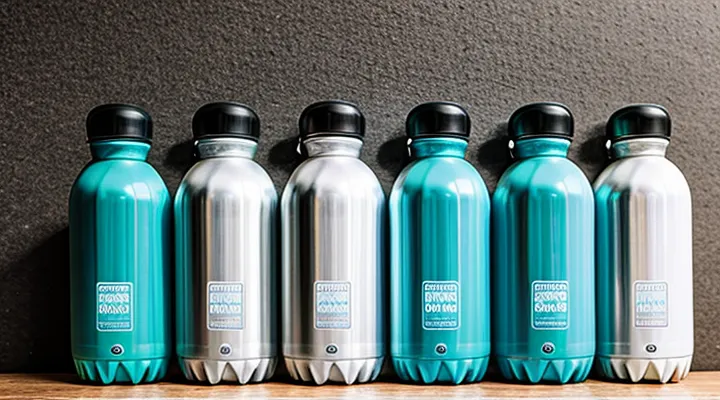
Why a Dedicated Water Bottle for Rats is Essential
Health and Hygiene Benefits
A properly fitted water dispenser delivers a steady supply of fresh liquid, preventing dehydration and supporting normal physiological functions in rats.
- Consistent hydration maintains kidney efficiency and reduces the risk of urinary tract disorders.
- Stable water temperature eliminates stress caused by sudden temperature fluctuations.
- Controlled intake limits overconsumption, helping to manage body weight.
A sealed bottle design minimizes contamination sources, safeguarding the animal’s environment.
- Prevents spill‑related mess, reducing bacterial growth on cage surfaces.
- Eliminates exposure to external pollutants such as dust or droppings.
- Facilitates easy cleaning; detachable components can be sterilized without disassembling the entire cage.
Combined, reliable water delivery and reduced exposure to pathogens create a cleaner habitat, lower incidence of illness, and promote overall vitality in laboratory and pet rats.
Preventing Spills and Contamination
Preventing spills and contamination is essential for maintaining rat health and ensuring reliable hydration. A water bottle that leaks or becomes dirty can quickly compromise a colony, leading to dehydration, disease transmission, and increased cleaning workload.
Key practices include:
- Secure mounting – attach the bottle with a sturdy holder, tighten bolts, and verify that the latch engages fully before placing the bottle on the cage.
- Appropriate bottle design – choose models with a sealed cap, a recessed drinking tube, and a drip‑free valve to minimize accidental discharge.
- Correct positioning – place the bottle so the tube hangs clear of bedding, food, and cage accessories; this reduces the chance of rodents knocking the bottle loose.
- Regular inspection – examine the seal, tubing, and holder daily; replace any component showing cracks, wear, or looseness.
- Scheduled cleaning – remove the bottle weekly, rinse with warm water, scrub with a non‑abrasive brush, and disinfect using a diluted bleach solution (1 % sodium hypochlorite) followed by thorough rinsing.
Implementing these steps consistently eliminates most sources of leakage and microbial growth, supporting stable water access and a hygienic environment for laboratory or pet rats.
Types of Rat Water Bottles
Sipper Tube Bottles
Pros of Sipper Tube Bottles
Sipper tube bottles provide a sealed delivery system that prevents water leakage even when cages are tipped or rearranged. The narrow tube permits only a small amount of liquid to exit at a time, reducing waste and maintaining a stable water level for the animal.
- Controlled consumption: Rats can draw water by licking the tip, which limits over‑drinking and supports accurate monitoring of intake.
- Hygiene: The closed design isolates the water reservoir from bedding, feces, and dust, lowering the risk of contamination.
- Easy maintenance: Removing the bottle for cleaning separates the tube from the main chamber, allowing thorough sterilization without disassembling the entire cage.
- Durability: Polycarbonate or high‑density polyethylene construction resists cracking and withstands repeated handling, extending the product’s service life.
- Space efficiency: The slim profile fits into limited cage space, leaving more room for enrichment items and nesting material.
These characteristics make sipper tube bottles a reliable choice for laboratory and pet environments where precise water management and sanitation are priorities.
Cons of Sipper Tube Bottles
Sipper‑tube bottles present several practical drawbacks for rodent husbandry. The narrow dispensing aperture can clog with debris, forcing frequent cleaning or replacement. Because the tube relies on capillary action, rats may struggle to obtain a steady flow, especially if the bottle is positioned low or the tube becomes partially blocked. The rigid tube limits the animal’s ability to adjust bite angle, potentially causing discomfort or encouraging improper chewing behavior. Leakage is common when the seal between the tube and bottle loosens, leading to spillage and increased humidity within the cage. Finally, the design often restricts the volume of water that can be stored, necessitating more frequent refills compared with larger, open‑top bottles.
- Clogging from food particles or bedding
- Inconsistent flow rates under low pressure
- Limited bite angle, possible oral stress
- Higher risk of leaks and cage moisture buildup
- Reduced water capacity, increased refill frequency
Ball-Valve Bottles
Pros of Ball-Valve Bottles
Ball‑valve bottles deliver water directly to the animal through a spring‑loaded nozzle that opens only when the rat’s tongue applies pressure. This mechanism prevents continuous flow, reducing spillage and waste.
- Precise dispensing limits contamination; the bottle remains sealed when not in use.
- The spring action maintains a consistent pressure, ensuring a steady stream even as the water level declines.
- Compatibility with standard cage setups simplifies installation and replacement.
- Durable construction resists cracking, extending service life and lowering replacement costs.
- Easy cleaning: the nozzle can be removed or flushed without disassembly of the entire unit.
These attributes make ball‑valve designs particularly suitable for laboratory and pet environments where reliable hydration and hygiene are essential.
Cons of Ball-Valve Bottles
Ball‑valve bottles are common choices for laboratory and pet rats because they dispense water through a spring‑loaded ball that opens under suction. The mechanism offers precise flow control but introduces several practical drawbacks.
- The ball can become lodged by debris, bedding, or spilled food, preventing water delivery and requiring frequent inspection.
- Spring tension may weaken over time, leading to intermittent flow or complete failure without obvious visual cues.
- The internal chamber is prone to bacterial growth if not cleaned thoroughly; the ball’s crevices retain moisture, making sanitation more demanding than with simple open‑top designs.
- Rats can chew or damage the valve housing, especially if the bottle is mounted on a cage bar, resulting in leaks or broken components.
- Replacement parts are often proprietary, limiting the ability to repair the bottle with generic components and increasing long‑term cost.
These limitations affect water availability, animal health, and maintenance workload, making ball‑valve bottles less suitable for environments where reliability and ease of cleaning are paramount.
Ceramic Crocks and Bowls (and why they are not ideal)
Ceramic containers are occasionally considered for providing water to laboratory or pet rats, yet they present several practical drawbacks that compromise the effectiveness of a bottle system.
First, ceramic is heavy compared to plastic or glass alternatives. The added mass can destabilize a bottle holder, increasing the risk of tipping and spillage. Second, ceramic surfaces are porous and prone to micro‑cracks. Even minor damage can harbor bacteria, leading to contamination of the water supply. Third, cleaning ceramic crock or bowl requires abrasive scrubbing to remove residue, which can further erode the material and create additional niches for pathogens. Fourth, the shape of most ceramic dishes does not accommodate the narrow spout required for a typical rat water bottle, forcing users to modify the container or employ makeshift adapters that may leak.
Key disadvantages:
- Susceptibility to breakage under the weight of a filled bottle.
- Difficulty achieving a watertight seal with standard bottle fittings.
- Increased cleaning time and risk of residual biofilm.
- Potential for water contamination through micro‑fractures.
Because of these issues, plastic or stainless‑steel accessories remain the preferred choice for reliable, hygienic water delivery to rats.
Key Factors for Selection
Material Considerations
Plastic Bottles
Plastic bottles serve as the primary container for most rat water dispensers. Their lightweight construction simplifies handling during cage cleaning, while transparent walls allow quick visual inspection of water levels. Compatibility with standard bottle mounts ensures a secure fit, preventing leaks that could compromise bedding.
Key factors in selecting a suitable bottle include:
- Material grade – Use BPA‑free, food‑grade polymers to avoid leaching of harmful chemicals.
- Capacity – Choose 250 ml to 500 ml volumes for typical laboratory or pet cages; larger sizes increase refill frequency but may add weight.
- Neck design – A wide‑mouth opening facilitates thorough cleaning and reduces buildup of biofilm.
- Seal integrity – Threaded caps with silicone gaskets provide a watertight closure, essential for maintaining hydration over 24‑hour periods.
Proper use involves three steps. First, rinse the bottle with warm water and a mild detergent, then rinse again to eliminate residue. Second, fill the bottle with fresh, filtered water, ensuring the cap is fully engaged before attachment to the dispenser. Third, inspect the connection weekly for signs of wear; replace the bottle or cap at the first indication of cracking or discoloration.
Durability considerations extend beyond material selection. Repeated sterilization cycles, whether by autoclave or chemical soak, can degrade polymer strength. Monitoring for cloudiness or micro‑cracks prevents accidental contamination. When a bottle shows any defect, remove it promptly and substitute with a new, certified unit.
Glass Bottles
Glass bottles are a viable option for laboratory rat water dispensers. Their transparency permits visual inspection of water level and contamination, reducing the need for frequent checks. The material’s inertness prevents leaching of chemicals, ensuring water purity throughout the experiment.
Key characteristics of glass bottles for rat hydration systems:
- Durability: Resistant to scratches and deformation; maintains structural integrity under standard cleaning cycles.
- Chemical resistance: Does not react with disinfectants, salts, or additives commonly used in rodent research.
- Reusability: Can be sterilized repeatedly by autoclaving or chemical methods without degradation.
- Weight: Heavier than plastic alternatives, providing stability on cage racks and minimizing accidental displacement.
Considerations when integrating glass bottles:
- Breakage risk: Handle with care during installation and cleaning to avoid fractures that could compromise animal safety.
- Compatibility: Ensure bottle neck dimensions match the specific tubing and valve system of the water dispenser model.
- Cleaning protocol: Adopt a routine that includes thorough rinsing, sterilization, and drying to prevent biofilm formation.
- Cost: Initial purchase price exceeds that of polymer bottles, but long‑term reuse offsets the expense.
When selecting a glass bottle, verify that the manufacturer supplies certifications for laboratory-grade purity and that the design includes a secure, leak‑proof cap. Properly fitted glass bottles deliver consistent water delivery, maintain hygienic standards, and support reproducible experimental conditions.
Size and Capacity
When choosing a water bottle for laboratory or pet rats, size and capacity directly affect animal welfare and maintenance efficiency. The bottle’s internal volume determines how often it must be refilled; insufficient capacity leads to frequent interruptions, while excessive volume can result in stagnant water and increased contamination risk.
Typical capacities range from 100 ml to 500 ml. Small bottles (100–150 ml) suit single‑rat cages or breeding setups with limited floor space. Medium bottles (200–300 ml) accommodate groups of two to four rats, providing a balanced refill interval of one to two days. Large bottles (400–500 ml) are appropriate for larger colonies or setups where access to the bottle is restricted, extending the refill cycle to three days or more.
Key dimensions influence bottle placement and compatibility with cage accessories:
- Height: 5–10 cm, ensuring the bottle fits beneath wire tops or within cage walls.
- Diameter: 3–5 cm, matching standard bottle holders and preventing obstruction of ventilation openings.
- Neck length: 2–3 cm, allowing secure attachment to ball‑type or spring‑type holders without leakage.
Capacity selection should align with average water consumption, which averages 10–15 ml per rat per day. Multiply the per‑rat requirement by the number of occupants to calculate a minimum daily volume, then choose a bottle offering at least twice that amount to provide a safety margin against missed refills.
When evaluating a bottle, verify that the stated capacity reflects usable volume, not merely the internal chamber size. Some designs include a dead‑space region where water remains inaccessible; subtract this portion from the total to obtain the effective capacity.
In summary, match bottle size to cage dimensions, group size, and expected consumption rates. Opt for a capacity that minimizes refill frequency while preventing water stagnation, and confirm that physical dimensions integrate seamlessly with existing cage equipment.
Attachment Mechanisms
Wire Hangers
Wire hangers provide a practical solution for suspending water dispensers in rodent cages. Their lightweight construction allows easy adjustment of bottle height, ensuring the drinking spout remains accessible without interfering with bedding or equipment.
When integrating wire hangers with rat water bottles, consider the following factors:
- Load capacity – Verify that the hanger can support the bottle’s weight when filled; typical 250‑ml bottles require a hanger rated for at least 300 g.
- Corrosion resistance – Choose stainless‑steel or coated wire to prevent rust, which could contaminate water.
- Secure attachment – Use a closed loop or twisted ends to prevent slippage from the cage bar or lid.
- Cleaning compatibility – Select hangers that can be disassembled for thorough sanitation; smooth surfaces reduce bacterial colonization.
- Positioning – Align the bottle so the spout points downward at a 30‑45° angle; this minimizes leakage and encourages consistent drinking.
Proper installation involves threading the hanger through a cage bar, forming a stable loop, and attaching the bottle’s cap or hook. Tighten any clamps to eliminate movement, then test the setup by filling the bottle and observing for drift or strain on the wire.
Regular inspection should include checking for bent wires, loss of tension, or signs of wear. Replace any compromised hanger promptly to maintain cage hygiene and prevent water loss.
By adhering to these guidelines, wire hangers enhance the reliability of water delivery systems for rats, supporting animal health and simplifying cage maintenance.
Suction Cups
Suction cups provide a reliable method for mounting water dispensers in laboratory and pet‑care environments. When choosing a cup for a rodent hydration system, prioritize material durability; silicone retains elasticity after repeated sterilization, while rubber may degrade under high temperatures. Size matters: a cup with a diameter of 30–40 mm distributes sufficient contact area on smooth cage walls to prevent accidental detachment.
Key factors for effective use include:
- Surface compatibility – ensure the cup contacts a clean, non‑porous surface; rough or textured panels reduce grip.
- Load capacity – verify that the cup’s holding force exceeds the weight of the filled bottle, typically 150–250 g for standard models.
- Replacement schedule – inspect for cracks or loss of suction after each cleaning cycle; replace cups showing wear.
Installation steps:
- Clean the cage interior with a mild detergent, rinse thoroughly, and dry completely.
- Moisten the cup’s rim with a few drops of water to activate adhesion.
- Press the cup firmly against the chosen spot for 5–10 seconds, maintaining pressure to establish a seal.
- Attach the water bottle by aligning its mounting slot with the cup’s central aperture; verify that the bottle hangs level and does not wobble.
Maintenance practices:
- Disinfect cups using an approved solution (e.g., 70 % ethanol) and air‑dry before reuse.
- Rotate the cup’s position periodically to distribute wear across the cage surface.
- Store spare cups in a sealed container to prevent contamination.
Selecting suction cups that meet these criteria ensures stable placement, minimizes leakage risk, and supports consistent water access for laboratory rats and pet rodents.
Leak-Proof Design
Leak‑proof design is essential for reliable rodent hydration systems. A robust seal prevents water loss, reduces spillage on cages, and protects the animal’s environment from excess humidity.
Key components of an effective seal include:
- Threaded cap with O‑ring – stainless‑steel or silicone gasket compresses against the bottle neck, creating a watertight closure.
- Double‑locking latch – engages the cap on both sides of the bottle, distributing pressure evenly and preventing accidental opening.
- Self‑sealing valve – allows water flow only when the animal applies suction, automatically closing when pressure is released.
Material selection influences durability and safety. Food‑grade polycarbonate resists cracking under repeated sterilization cycles, while silicone gaskets maintain elasticity over a wide temperature range. Compatibility with autoclave or chemical disinfectants ensures the system remains hygienic without compromising the seal.
Performance verification involves:
- Filling the bottle to capacity.
- Inverting the unit for a predetermined period (e.g., 30 minutes) and inspecting for drips.
- Conducting a pressure test by applying a modest vacuum to the cap and monitoring for pressure decay.
Maintenance procedures are straightforward. After each cleaning cycle, inspect the O‑ring for wear, replace it if deformation or tearing is evident, and verify that the threading is free of debris. Regular replacement of the sealing gasket—typically every 6–12 months—preserves the leak‑proof integrity.
Implementing these design principles eliminates water waste, maintains a dry cage floor, and supports consistent access to fresh water for the animal.
Ease of Cleaning
When evaluating a rat water dispenser, the simplicity of cleaning directly affects hygiene and animal health. Complex structures trap residue, encouraging bacterial growth and requiring frequent disassembly, which can stress the animal and increase workload for the caretaker. Selecting a model with smooth interior surfaces, detachable components, and minimal crevices reduces contamination risk and streamlines routine maintenance.
Key characteristics that enhance cleanability:
- Transparent, wide‑mouth bottle allowing visual inspection of water clarity.
- Snap‑fit or screw‑on cap that separates without tools.
- Silicone or stainless‑steel tubing with smooth interior finish.
- Rounded corners and absence of internal ridges.
- Compatibility with dishwasher‑safe parts.
Practical cleaning routine:
- Empty bottle and remove all detachable pieces.
- Rinse with warm water to eliminate loose debris.
- Soak components in a 1% diluted white‑vinegar solution for 10 minutes.
- Scrub interior with a soft brush, focusing on the nozzle and valve.
- Rinse thoroughly, allow to air‑dry, and reassemble before refilling.
Materials that resist odor and retain structural integrity after repeated cleaning cycles, such as medical‑grade silicone and food‑grade plastic, further support long‑term sanitation. Choosing a dispenser built around these principles minimizes downtime and promotes a stable water supply for the rodents.
Proper Placement and Use
Optimal Height in the Cage
Proper placement of a drinking bottle directly influences a rat’s ability to stay hydrated and reduces spillage. The bottle must be positioned so the animal can easily reach the nozzle without excessive stretching or bending.
To achieve the correct height, follow these steps:
- Measure the distance from the cage floor to the rat’s nose when it stands on its hind legs; typical values range from 2 inches (5 cm) to 3 inches (7.5 cm).
- Set the bottle’s opening at or slightly above this measurement, ensuring the nozzle aligns with the rat’s natural drinking posture.
- Verify that the bottle’s base rests securely on the cage bar or a stable platform, preventing wobble.
- Test the arrangement by observing the rat’s access; if the animal appears to strain or avoids the bottle, lower it by 0.5 inch (1.3 cm) increments.
Different cage configurations require adjustments. In multi‑level cages, place the bottle on the lowest level that meets the height criteria to allow all occupants access. For cages with thick bars, use a bottle holder that extends the nozzle outward, preserving the target height while avoiding contact with the bars.
Regularly re‑measure the height after cleaning or when replacing the bottle, as wear on the holder or changes in cage layout can alter the effective level. Maintaining the optimal vertical position ensures consistent water intake and minimizes waste.
Monitoring Water Levels
Accurate assessment of water volume in a rat bottle prevents dehydration and maintains experimental consistency. A clear visual line on the bottle wall provides immediate reference; the line should be calibrated to the bottle’s full capacity and marked with a permanent, non‑toxic indicator. Regular visual checks, at least twice daily, detect rapid consumption or leakage before the animal experiences a deficit.
Electronic monitoring adds precision. Options include:
- Weight‑based sensors that record bottle mass; a drop of a few grams triggers an alert.
- Capacitive or ultrasonic level detectors mounted externally; they transmit real‑time percentages to a data logger.
- Flow meters integrated into the dispensing nozzle; they log each dispense event and cumulative volume.
When using electronic devices, verify sensor accuracy weekly by filling the bottle to a known volume and comparing recorded values. Replace batteries or calibrate firmware according to manufacturer specifications to avoid drift.
Manual verification complements automated systems. Record the last refill time, the amount added, and the observed level after each check. Correlate this data with animal activity patterns to identify abnormal consumption that may indicate health issues or equipment malfunction.
Regular Cleaning and Maintenance
Daily Checks
Regular inspection of a rodent water bottle is essential for reliable hydration. Perform the following tasks each day:
- Verify that the bottle is securely attached to the cage’s mounting bracket; any looseness can cause leakage or loss of access.
- Examine the drinking tube for cracks, blockages, or debris. Clear any obstruction with a syringe or replace the tube if damage is evident.
- Check the water level. Refill to the recommended volume, ensuring the reservoir remains below the maximum fill line to prevent overflow.
- Observe the water surface for cloudiness, foam, or foreign particles. Replace the water if any contamination is present.
- Inspect the bottle’s cap and seal for signs of wear or corrosion. Tighten or replace components that show deterioration.
- Record the date and any corrective actions in a maintenance log to track trends and identify recurring issues.
Consistent execution of these checks maintains bottle integrity, prevents dehydration, and reduces the risk of disease transmission within the colony.
Weekly Deep Cleaning
Weekly deep cleaning of a rat hydration container is essential for preventing bacterial contamination, maintaining water quality, and extending the bottle’s service life. The procedure must address all components that contact water, including the reservoir, spout, and sealing gaskets.
- Disassemble the bottle completely; separate the reservoir, spout, and any removable seals.
- Submerge all parts in a solution of warm water and a mild detergent; let them soak for 10–15 minutes to loosen residue.
- Use a soft brush or bottle‑specific cleaning tool to scrub interior surfaces, paying special attention to the spout’s tip and gasket crevices.
- Rinse each component thoroughly with clean, lukewarm water to remove detergent traces.
- Apply a food‑grade disinfectant (e.g., diluted hydrogen peroxide or white vinegar) for 5 minutes; then rinse again to eliminate any chemical residue.
- Reassemble the bottle, ensuring the gasket sits correctly and the spout is securely attached.
- Fill the reservoir with fresh water and observe for leaks or irregular flow before returning the bottle to the cage.
Material choice influences cleaning frequency and method. Glass reservoirs tolerate higher temperatures and stronger disinfectants without deformation, while high‑density polyethylene containers require gentler solutions to avoid warping. Selecting a bottle with detachable, dishwasher‑safe components reduces labor and improves consistency of the cleaning cycle.
Maintain a simple log indicating the date of each deep cleaning, the disinfectant used, and any observations of wear. Consistent documentation helps identify patterns of wear, guides replacement decisions, and ensures that hygiene standards remain constant across the facility.
Troubleshooting Common Issues
Leaking Bottles
Leaking bottles compromise hydration, increase cage mess, and can encourage bacterial growth. Identifying a leak early prevents waste and health risks.
Typical sources of leakage include cracked reservoirs, worn seals, and improperly seated caps. Cracks appear as visible fissures or as water seepage through the plastic. Seals lose elasticity after repeated cleaning, allowing fluid to escape at the junction of the bottle and the drinking tube. Caps that are not fully tightened create a pressure differential that forces water out through the valve.
To select a reliable bottle, prioritize models with:
- Reinforced reservoirs made from impact‑resistant polymer
- Silicone or rubber gaskets rated for repeated sterilization
- Threaded caps that lock securely without excessive force
During use, adopt the following practices:
- Inspect the bottle before each refill; look for hairline cracks and check gasket condition.
- Clean the bottle with a mild detergent, rinse thoroughly, and dry all components before reassembly.
- Tighten the cap until it meets resistance; avoid overtightening that can damage threads.
- Replace gaskets and caps according to the manufacturer’s schedule or when signs of wear appear.
If a leak is detected, remove the bottle from the cage, disassemble it, and examine each component. Replace the faulty part or the entire bottle if repair is not feasible. Regular maintenance reduces downtime and ensures continuous water access for laboratory or pet rats.
Clogged Spouts
Clogged spouts reduce water intake, compromise hygiene, and can lead to health issues in laboratory or pet rats. Identifying the problem early prevents dehydration and eliminates the need for extensive bottle replacement.
Typical causes include:
- Accumulation of bedding fibers or nesting material inside the drinking tube.
- Growth of mold or biofilm on the interior surface.
- Hard water deposits that narrow the aperture.
- Damage to the silicone or plastic valve, creating partial blockage.
Detection methods:
- Observe a steady decline in water level despite unchanged consumption.
- Listen for reduced flow when the rat licks the spout.
- Inspect the tube visually by removing the bottle from the cage and shining a light through the channel.
Preventive measures:
- Use low‑dust bedding and keep it away from the bottle entrance.
- Choose bottles with smooth‑wall tubing to discourage fiber adhesion.
- Select models equipped with removable, dishwasher‑safe spouts for regular cleaning.
- Apply a weekly rinse with warm water and a mild, non‑ionic detergent; follow with a thorough rinse to eliminate residues.
Cleaning protocol:
- Disassemble the bottle according to the manufacturer’s instructions.
- Soak the spout and tube in a solution of one part white vinegar to three parts water for 10 minutes to dissolve mineral build‑up.
- Use a flexible brush or pipe cleaner sized to the tube’s inner diameter to remove debris.
- Rinse all components under running water until no odor remains.
- Reassemble and fill with fresh water before returning the bottle to the cage.
Design considerations for new purchases:
- Transparent tubing allows visual inspection of flow.
- Integrated filter screens capture large particles while remaining easy to disassemble.
- Materials resistant to corrosion, such as medical‑grade silicone, reduce the likelihood of mineral blockage.
Regular maintenance, combined with appropriate cage management, keeps spouts clear, ensures consistent water delivery, and supports the overall well‑being of rats.
Algae Growth
Algae can develop rapidly in rodent water dispensers, especially when water remains stagnant, light penetrates the container, and nutrients are present. Growth reduces water clarity, creates biofilm that may harbor pathogens, and can discourage rodents from drinking, potentially leading to dehydration.
Factors that encourage algal proliferation include:
- Transparent or translucent bottle walls that allow sunlight or artificial lighting to reach the water surface.
- Warm ambient temperatures that accelerate microbial metabolism.
- Infrequent water replacement, allowing nutrients to accumulate.
- Use of untreated tap water containing trace minerals that serve as a growth medium.
Effective control measures consist of:
- Selecting opaque or UV‑blocking bottles to limit light exposure.
- Employing bottles with narrow necks or drip‑stop mechanisms that minimize surface area and reduce splash‑induced oxygenation.
- Replacing water daily or at least every 24 hours, ensuring fresh supply.
- Cleaning bottles with a mild bleach solution (1 % concentration) followed by thorough rinsing before each refill.
- Positioning dispensers away from direct light sources such as windows or overhead lamps.
Consistent application of these practices maintains clear water, prevents algal colonization, and supports the health and hydration of laboratory or pet rats.
Providing Multiple Water Sources
Benefits of Redundancy
Redundancy in the provision of water for laboratory rats means installing more than one bottle or using a system that can supply water if a single unit fails. This approach directly influences animal welfare, experimental reliability, and facility efficiency.
- Continuous access prevents dehydration when a bottle clogs, leaks, or is accidentally displaced.
- Duplicate bottles reduce the frequency of manual checks, allowing staff to allocate time to other tasks.
- Parallel reservoirs eliminate data variability caused by intermittent water shortages, strengthening study reproducibility.
- Backup capacity mitigates the impact of supply disruptions, such as power outages affecting automated watering systems.
- Redundant setups simplify maintenance; a faulty unit can be replaced without interrupting the water supply.
Implementing multiple water sources creates a fail‑safe environment, minimizes intervention, and supports consistent experimental conditions.
Encouraging Hydration
Providing rats with a reliable water bottle is essential for maintaining adequate fluid intake. A bottle that dispenses water consistently, without leakage or blockage, encourages animals to drink whenever needed. Selecting a model with a sturdy sipper tube, a secure cap, and a transparent reservoir allows caretakers to monitor volume and detect contamination promptly.
To promote regular hydration, follow these practices:
- Install the bottle at the cage’s upper corner, where rats naturally explore.
- Adjust the sipper height so the tip aligns with the animal’s mouth level.
- Clean the bottle and tube weekly with mild detergent, rinsing thoroughly to remove residue.
- Refill the reservoir before the water level falls below one‑third of its capacity.
- Inspect the sipper for cracks or wear; replace components immediately if damage appears.
Consistent availability of fresh water, combined with a well‑maintained bottle, reduces the risk of dehydration and supports overall health. Monitoring consumption patterns can reveal early signs of illness, enabling timely intervention.