
Understanding the Threat: Why Rats Target Cars
The Dangers of Rodent Infestations in Vehicles
Rodent activity inside a vehicle creates immediate mechanical and health risks. Chewed wiring interrupts power distribution, leading to loss of essential functions such as lighting, sensors, and engine control. Accumulated droppings contaminate cabin air, introduce pathogens, and degrade upholstery. Nesting material blocks ventilation ducts, reducing cooling efficiency and increasing engine temperature. Electrical short circuits caused by gnawed insulation can spark fires, endangering occupants and property. Insurance claims frequently exclude damage attributed to pest infestation, resulting in out‑of‑pocket repair costs.
Preventive action reduces the probability of these outcomes. Application of a rodent‑deterrent aerosol targets entry points and interior spaces where gnawing occurs. The formulation releases a scent rodents avoid, while remaining non‑toxic to humans and vehicle components. Proper usage maximizes coverage and minimizes re‑infestation.
Steps for effective deployment:
- Identify potential ingress locations: wheel wells, engine bay, undercarriage, and interior cavities.
- Clean surfaces to remove food residue and debris that could mask the deterrent scent.
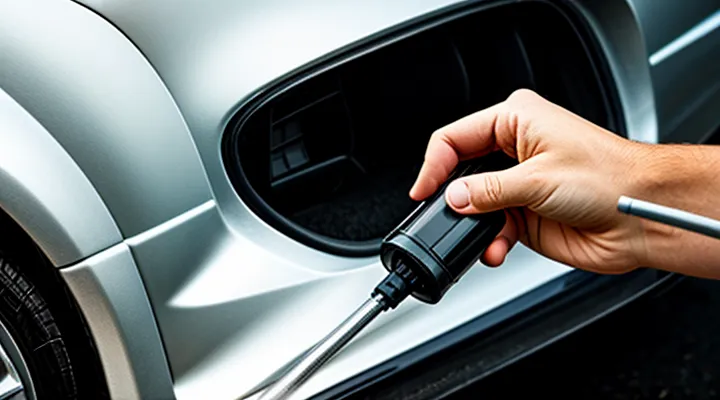
- Attach the spray can to a long‑reach nozzle, ensuring a steady stream.
- Apply a thin, even coat to each identified area, focusing on seams, joints, and wiring bundles.
- Allow the treated surfaces to dry for the manufacturer‑specified period before operating the vehicle.
Regular re‑application, especially before seasonal temperature changes, sustains protection and preserves vehicle reliability.
Common Entry Points and Attraction Factors
Rat deterrent products designed for vehicles target specific ingress routes that rodents exploit when seeking shelter or food. Understanding these pathways and the factors that attract pests enables effective placement of the spray and maximizes protection.
Typical entry points include:
- Gaps beneath the chassis, especially around suspension components where rubber seals may deteriorate.
- Openings around the exhaust system, such as cracked heat shields or loose clamps.
- Loose wiring harnesses and conduit bundles that create tunnels through the engine bay.
- Unsealed cabin doors, trunk lids, and hatchbacks where weather stripping is worn or missing.
- Drainage holes and vent ducts that lack proper mesh screens.
Attraction factors that encourage rodents to infiltrate a vehicle consist of:
- Accumulated food residues from previous trips, including crumbs, spilled drinks, or pet treats.
- Warmth generated by the engine and exhaust, providing a comfortable micro‑environment during colder periods.
- Shelter offered by cluttered interiors, such as stored boxes, sports equipment, or fabric liners.
- Access to nesting material, including insulation, upholstery fibers, and debris collected in wheel wells.
- Presence of water sources, often found in condensation within air‑conditioning ducts or leaking seals.
Applying the rodent deterrent directly to identified gaps, sealing openings with appropriate caulking, and maintaining a clean interior reduce both the likelihood of entry and the appeal of the vehicle as a habitat. Regular inspection of the listed points, combined with periodic re‑application of the spray, sustains an environment hostile to rodents and protects the vehicle’s mechanical and structural components.
Choosing the Right Rat Spray
Types of Rat Repellents Available
Ultrasonic Devices vs. Sprays
Ultrasonic devices emit high‑frequency sound waves that are inaudible to humans but uncomfortable for rodents. The emitted frequencies typically range from 20 kHz to 65 kHz, creating a hostile acoustic environment inside the vehicle cabin and storage compartments. Continuous operation requires a power source, usually the car battery, and the device must remain active whenever the vehicle is parked for extended periods. Effectiveness diminishes if rodents become habituated to the sound, and dense insulation or closed doors can attenuate the signal.
Rodent deterrent sprays contain chemical compounds that act as repellents or toxic agents. Application involves targeting entry points, engine bays, and interior crevices with a fine mist. Sprays provide immediate coverage and retain efficacy for several weeks, depending on environmental conditions. Safety precautions include wearing protective gloves and ensuring ventilation to avoid inhalation. Residual odor may persist, potentially affecting occupants.
Key comparison points:
-
Mechanism of action
• Ultrasonic: acoustic disturbance
• Spray: chemical repellent or toxin -
Installation and maintenance
• Ultrasonic: plug‑in unit, occasional battery check
• Spray: periodic re‑application, surface cleaning after use -
Power requirements
• Ultrasonic: continuous draw from vehicle battery or auxiliary power
• Spray: no electrical consumption -
Effectiveness over time
• Ultrasonic: risk of habituation, effectiveness linked to uninterrupted operation
• Spray: sustained repellent effect, reduced by weathering or cleaning -
Safety considerations
• Ultrasonic: minimal human risk, possible interference with pet hearing
• Spray: chemical exposure risk, need for protective equipment -
Cost
• Ultrasonic: higher upfront price, low recurring cost
• Spray: lower initial expense, recurring purchase for replenishment
Research indicates that «Ultrasonic frequencies disrupt rodent communication», yet field reports show variable success rates depending on vehicle model and parking environment. Chemical sprays demonstrate consistent short‑term deterrence but require careful handling to prevent damage to interior materials. Selecting between the two technologies depends on priorities such as long‑term convenience, budget constraints, and tolerance for chemical exposure. Combining both methods can increase overall protection, provided that each is applied according to manufacturer guidelines.
Natural vs. Chemical Formulations
Rodent deterrent aerosol designed for vehicle interiors must balance efficacy with safety. Formulation type determines active ingredients, persistence, and potential impact on vehicle components.
Natural formulations rely on plant‑derived essential oils, capsicum extracts, or ammonia‑based scents. These agents repel rodents through strong odor profiles that interfere with olfactory cues. Biodegradability limits long‑term residue buildup, reducing risk of corrosion on metal surfaces. Compatibility with upholstery fabrics is high, as most natural compounds lack solvent activity. However, volatility may diminish effectiveness after several weeks, requiring re‑application.
Chemical formulations contain synthetic pyrethroids, organophosphates, or chlorine‑based compounds. Synthetic actives disrupt nervous systems of rodents, delivering rapid incapacitation. Persistence on hard surfaces extends protective window to several months. Solvent carriers can penetrate seams, enhancing reach into hidden cavities. Potential drawbacks include toxicity to humans and pets, possible damage to plastic trims, and regulatory restrictions in certain jurisdictions.
Key comparison points:
- «natural» – odor‑based repellent, biodegradable, low toxicity, short residual life.
- «chemical» – neurotoxic action, long residual life, higher toxicity, possible material incompatibility.
Selection criteria focus on intended exposure duration, occupant health considerations, and vehicle material composition. For short trips or frequent cleaning cycles, a natural aerosol offers sufficient protection without hazardous residues. When prolonged storage or high‑risk environments demand extended coverage, a chemical spray provides superior longevity, provided that protective gloves and ventilation are employed during application.
Safe application protocol: attach aerosol can to a stable surface, depress nozzle to release fine mist, and distribute evenly across interior cavities, under seats, and within engine bay vents. Allow ventilation for at least fifteen minutes before re‑entering the vehicle. Store cans away from direct sunlight and extreme temperatures to preserve active ingredient stability.
Key Ingredients to Look For
Effective rodent deterrent spray for vehicles relies on a specific blend of active components. Selecting a product with the right ingredients ensures rapid displacement of pests and minimizes damage to wiring, insulation, and upholstery.
Key ingredients to evaluate:
- «capsaicin» – derived from hot peppers, creates an intense, irritating sensation that rodents avoid.
- «pepper oil» – enhances the sensory deterrent effect and provides a lingering odor.
- «ammonia» – produces a sharp, pungent smell that disrupts rodent scent trails.
- «essential oil blend» – typically includes eucalyptus, peppermint, and rosemary, each contributing repellent properties.
- «solvent carrier» – usually a light mineral oil or ethanol, facilitates even distribution and quick drying.
- «adhesive polymer» – ensures the spray adheres to interior surfaces without dripping.
When reviewing product specifications, verify that concentrations of capsaicin and pepper oil fall within the range of 0.5–2 % by weight, providing sufficient potency without damaging vehicle components. Confirm that the solvent carrier is compatible with plastics and rubber to prevent degradation. An adhesive polymer formulated for low‑temperature environments maintains effectiveness in cold climates.
The presence of these ingredients, combined in balanced proportions, delivers a reliable barrier against rats and mice while preserving the integrity of automotive systems.
Factors to Consider When Selecting a Product
Selecting an effective rodent‑deterrent spray for vehicles requires systematic evaluation of several criteria. Each factor directly influences performance, safety, and longevity of the treatment.
• Active ingredient – choose formulations based on proven efficacy against rats and compatibility with automotive interiors.
• Toxicity level – prioritize products with low toxicity to humans and pets while maintaining potency for target pests.
• Application method – evaluate sprays that deliver uniform coverage without excessive overspray or residue.
• Coverage area – verify that the recommended dosage matches the interior volume of the vehicle.
• Environmental impact – prefer biodegradable agents that minimize ecological harm.
• Regulatory compliance – confirm that the product meets local pesticide regulations and carries appropriate certifications.
• Shelf life – select items with a clear expiration date to ensure consistent effectiveness over time.
• Material compatibility – ensure the spray does not degrade upholstery, plastics, or electronic components.
A balanced assessment of these elements leads to a choice that maximizes protection against rodent damage while preserving vehicle integrity.
Preparing Your Vehicle for Application
Cleaning the Engine Bay and Interior
Removing Food Sources and Debris
Before applying any rodent deterrent inside a vehicle, eliminate all potential attractants. Food remnants and loose debris provide a reliable source of nutrition for rodents, encouraging repeated visits and reducing the effectiveness of chemical treatments.
- Remove all food items from the cabin, trunk, and storage compartments.
- Empty and clean any containers that previously held snacks, beverages, or pet food.
- Vacuum seats, floor mats, and carpeted areas thoroughly to extract crumbs and dust.
- Dispose of collected waste in a sealed bag and remove it from the premises.
- Wipe hard‑surface interiors with a mild detergent, then rinse with clean water to eliminate residue.
- Inspect hidden spaces such as under seats, behind panels, and within door pockets; clear any accumulated lint, paper, or organic material.
A clean, food‑free environment forces rodents to seek sustenance elsewhere, increasing the likelihood that the spray will deter entry and habitation. Maintaining this condition after each treatment sustains long‑term protection.
Addressing Existing Droppings and Nests
Droppings and nests left by rodents create health hazards and attract further infestation. Immediate removal prevents odor buildup and eliminates food sources that sustain the problem.
- Wear disposable gloves and a mask to avoid direct contact with feces.
- Vacuum loose debris, then wipe surfaces with a disposable cloth dampened in a mild detergent solution.
- Apply an enzymatic cleaner to break down organic residue; allow the product to sit for the time indicated on the label.
- Rinse the area with clean water and dry thoroughly to discourage mold growth.
- Inspect hidden compartments, engine bays, and under‑carriage for concealed nests; dismantle any found structures using a flat‑head tool.
- Dispose of all removed material in sealed bags, then place them in an outdoor trash container.
After the area is sanitized, treat the cleaned zones with «rat spray» according to the manufacturer’s directions. Spray a thin, even coat on interior panels, wheel wells, and any entry points. Allow the solution to dry completely before closing doors or windows. Repeating the application every two weeks during peak rodent activity maintains a repellent barrier and reduces the likelihood of new nesting sites forming.
Identifying Target Areas for Spray Application
When applying a rodent‑deterrent aerosol to a vehicle, the effectiveness of the treatment depends on correctly locating the areas where rats are most likely to travel, nest, or hide. Identify these zones before spraying to maximize coverage and minimize waste.
Key target zones include:
- Engine compartment: metal surfaces, wiring harnesses, and insulation around the battery and fuel system.
- Wheel wells: inner fender liners, brake components, and suspension brackets.
- Underbody panels: skid plates, frame rails, and exhaust pipe sections.
- Interior storage spaces: glove compartment, trunk lining, and cargo area floor mats.
- Cabin entry points: door seals, floor joists, and headliner edges near vents.
To pinpoint specific spots, inspect the vehicle for signs such as gnaw marks, droppings, or nesting material. Follow visible damage to locate active pathways. In the absence of obvious evidence, prioritize high‑risk zones listed above, as they provide shelter and access to food sources.
Apply the spray in a controlled, even mist, directing the nozzle toward seams, crevices, and overlapping panels. Ensure the product contacts all identified surfaces without oversaturating surrounding areas. After treatment, allow the vehicle to air out according to the product’s safety guidelines before use.
How to Effectively Apply Rat Spray
Safety Precautions Before Application
Personal Protective Equipment
When applying rodent‑deterrent aerosol to a vehicle, protective gear prevents skin irritation, respiratory exposure, and accidental contamination of paintwork.
Essential equipment includes:
- Thick nitrile or butyl gloves that resist solvents and oil‑based formulations.
- Safety goggles or full‑face shield to block aerosol splatter and vapour.
- Half‑mask respirator equipped with organic vapor cartridges for inhalation protection.
- Disposable coveralls or a lab coat made of non‑porous material to shield clothing and prevent residue transfer.
- Closed‑toe, chemical‑resistant boots to protect feet from spills.
Before spraying, inspect each item for damage, replace compromised components, and ensure a proper seal on respirator filters. After use, remove equipment in a sequence that avoids cross‑contamination: gloves first, then goggles, followed by respirator, and finally outer garments. Dispose of single‑use items in accordance with local hazardous‑waste regulations.
Maintaining clean, functional protective gear reduces health risks and preserves the vehicle’s finish throughout the deterrent application process.
Ventilation Requirements
When applying a rodent‑deterrent aerosol inside a vehicle, adequate ventilation is essential to prevent inhalation of chemical residues and to ensure proper dispersal of the active ingredients.
Open all exterior doors, windows, and, if available, the sunroof to create a continuous airflow path. Maintain this open state for at least ten minutes after spraying, allowing the mist to dilute and exit the cabin.
If the vehicle is equipped with a climate‑control system, set it to the fresh‑air intake mode rather than recirculation. This directs outside air through the interior, accelerating the removal of airborne particles.
Avoid using the product in enclosed garages, tunnels, or other confined spaces. The concentration of vapors can rise quickly, increasing the risk of respiratory irritation for anyone nearby.
After the initial ventilation period, keep the interior doors and windows ajar for an additional thirty minutes before re‑entering the vehicle. This precaution reduces residual odor and ensures that any settled particles are cleared by natural air currents.
Key ventilation practices:
- Open all possible openings (doors, windows, sunroof).
- Activate fresh‑air mode on the climate system.
- Conduct the procedure in an outdoor, unrestricted environment.
- Maintain airflow for a minimum of ten minutes post‑application.
- Keep openings for thirty minutes before occupancy.
Adhering to these requirements minimizes health hazards and maximizes the effectiveness of the rodent‑deterrent spray in automotive interiors.
Step-by-Step Application Guide
Engine Compartment Application
Applying rodent‑deterrent aerosol inside the engine bay creates a protective barrier around wiring, hoses, and connectors. The spray forms a lingering scent that discourages gnawing and nesting without harming vehicle components.
Preparation begins with cooling the engine to ambient temperature and disconnecting the negative battery terminal. Opening the hood and removing any covers that shield the intake manifold or valve cover improves access. Adequate ventilation prevents inhalation of vapors; opening windows or working in a well‑aired garage is recommended.
The application proceeds as follows:
- Wear disposable gloves and safety glasses.
- Attach the spray nozzle to a low‑pressure canister.
- Direct the nozzle toward exposed wiring bundles, rubber hoses, and vent openings.
- Emit a fine mist, covering each target surface evenly; avoid excessive accumulation that could drip onto hot engine parts.
- Close all engine covers and reconnect the battery after the spray has settled for several minutes.
Safety considerations include keeping the aerosol away from open flames, sparks, or hot surfaces during and immediately after use. Store the canister in a cool, dry location, out of reach of children and pets.
Reapplication is advisable after each winter season, following major washes, or when a noticeable decline in scent is observed. Regular inspection of the engine compartment for signs of rodent activity ensures timely maintenance of the protective barrier.
Interior Application (if applicable)
When applying a rodent‑deterrent aerosol inside a vehicle, follow a systematic approach to ensure effectiveness while protecting interior components.
Begin by ventilating the cabin. Open all doors and windows for several minutes to allow fresh air exchange. This step reduces the concentration of volatile compounds that could affect electronic devices or upholstery.
Prepare the spray can. Attach the nozzle securely, shake the can for the recommended duration (typically 10–15 seconds), and verify that the pressure gauge indicates readiness.
Target areas where rodents are likely to nest or travel:
- Under seats and seat rails
- Inside door panels and trim
- Dashboard crevices
- Air‑conditioning ducts and vents
- Trunk and cargo compartments
Apply a thin, even mist to each location. Hold the nozzle 6–8 inches (15–20 cm) from the surface, and dispense a short burst (1–2 seconds) per spot. Avoid saturating fabric or leather; excess liquid may stain or degrade materials.
After spraying, close all doors and windows, then allow the interior to sit undisturbed for at least 30 minutes. This dwell time enables the active ingredients to penetrate hidden passages and create an inhospitable environment for rodents.
Finally, remove any residual spray residue. Use a clean microfiber cloth to wipe visible surfaces, and run the vehicle’s ventilation system on high for a few minutes to expel lingering vapors.
Adhering to this protocol maximizes rodent deterrence while preserving the condition of the vehicle’s interior.
Wheel Wells and Underbody Application
Applying rodent deterrent to wheel wells and the vehicle underbody requires thorough preparation and precise technique. Clean all accessible surfaces to remove dust, oil, and debris; use a dedicated degreaser and allow complete drying before treatment. Protect sensitive components such as brake lines, electrical connectors, and suspension parts with disposable covers or tape.
Follow a structured sequence when dispensing the spray:
- Position the nozzle 6–8 inches from the target area.
- Emit a fine, continuous mist while moving the spray gun slowly along the interior of each wheel well.
- Direct overlapping passes to ensure full coverage of metal brackets, plastic liners, and cavity walls.
- Extend the mist into the undercarriage, focusing on seams, drain holes, and suspension mounting points.
- Allow the coating to settle for 5 minutes before closing any protective coverings.
Observe safety protocols: wear chemical‑resistant gloves, goggles, and a respirator rated for aerosol exposure; conduct the procedure in a well‑ventilated area or outdoors. Avoid inhalation and skin contact, and keep ignition sources at a safe distance.
Repeat the application at intervals of 30 days during peak rodent activity, or after any significant exposure to moisture that could dilute the residue. Regular inspection of the treated zones will reveal any degradation, prompting re‑application as needed.
Recommended Application Frequency
The recommended application frequency for a rodent deterrent spray on a vehicle depends on exposure conditions and product formulation.
Initial treatment should occur before the vehicle is stored for an extended period, such as during winter or long‑term parking. Apply the spray to all entry points, interior seams, and undercarriage surfaces, then allow the product to cure for the time specified on the label.
Subsequent applications follow a regular schedule:
- Every 30 days during continuous storage or high‑risk seasons.
- After any cleaning that removes residues, such as vacuuming or shampooing of upholstery.
- When visual signs of rodent activity appear, including gnaw marks, droppings, or nesting material.
- After vehicle relocation to a new environment with a known rodent problem.
For products labeled as long‑acting, reapplication may be extended to 60 days, but verification of efficacy should be performed at each interval. Failure to maintain the suggested schedule reduces the deterrent’s effectiveness and increases the likelihood of damage.
«Apply the spray according to the manufacturer’s safety guidelines, ensuring adequate ventilation and protective equipment».
Consistent adherence to the outlined frequency maximizes protection while minimizing unnecessary chemical exposure.
Maintenance and Prevention Strategies
Regular Inspection for Rodent Activity
Regular inspection for rodent activity is essential to maintain the effectiveness of any rodent‑deterrent treatment applied to vehicles. Early detection of nests, gnaw marks or droppings allows timely re‑application of spray and prevents damage to wiring, hoses and insulation.
Inspections should be performed at least once a month, and additionally after long periods of storage or exposure to environments known for high rodent populations. Visible indicators include:
- Fresh gnaw marks on plastic clips, cables or insulation.
- Small piles of shredded material or nesting debris in engine bays, under seats and in trunk compartments.
- Dark droppings along the vehicle’s underside or in wheel wells.
- Unusual sounds of scratching or movement when the vehicle is idle.
When any sign is observed, follow these steps:
- Document the location and extent of activity.
- Remove debris and clean the affected area with a mild detergent.
- Inspect wiring and hoses for damage; replace compromised components before further treatment.
- Apply a thin, even layer of rodent‑deterrent spray to all identified entry points and vulnerable surfaces, ensuring coverage of seams, cable bundles and ventilation openings.
- Record the date of spray application and schedule the next inspection according to the established monthly cycle.
Consistent monitoring and prompt corrective action sustain the protective barrier created by the spray, reducing the likelihood of costly repairs and extending the vehicle’s service life.
Combining Spray with Other Repellent Methods
Baits and Traps
Baits and traps represent essential components of an integrated rodent‑control strategy for automobiles. Proper selection and deployment reduce the likelihood of gnaw damage to wiring, hoses, and insulation while complementing chemical deterrents.
Effective baits combine palatable attractants with anticoagulant or metabolic toxins formulated for limited exposure. Formulations should be enclosed in tamper‑resistant containers to prevent accidental ingestion by humans or pets. Placement inside the vehicle’s cabin, under seats, and within engine compartments maximizes accessibility to foraging rodents while minimizing contact with non‑target species.
Traps provide immediate capture or kill, allowing rapid population reduction. Common options include:
- Snap traps with reinforced steel jaws, positioned along known runways such as tire wells and underfloor panels.
- Electronic traps delivering a high‑voltage shock, suitable for confined engine bays where manual retrieval is difficult.
- Live‑capture cages equipped with bait stations, enabling relocation of captured individuals away from the vehicle.
Correct positioning follows the principle of aligning devices with established gnaw paths, typically parallel to wiring harnesses and near insulation bundles. Secure mounting prevents displacement during vehicle motion.
When combined with a rodent repellent spray, baits and traps address both attraction and elimination phases. The spray creates a hostile environment, discouraging entry, while baits lure any intruders toward traps, ensuring comprehensive protection. Regular inspection—monthly for bait integrity and quarterly for trap condition—maintains system effectiveness throughout the vehicle’s service life.
Physical Barriers
Physical barriers provide a non‑chemical layer of protection that reduces the likelihood of rodents entering a vehicle’s interior. By sealing entry points, the effectiveness of a rodent‑deterrent aerosol applied to the car’s undercarriage and engine bay is maximized.
Common barrier solutions include:
- Steel mesh or screen installed over ventilation openings and engine compartment gaps.
- Closed‑cell foam inserts placed around wiring harnesses to block gnawing.
- Rubber grommets fitted to cable entry holes, preventing chew access.
- Adhesive metal plates applied to the underside of the chassis, creating a smooth surface that rodents cannot grip.
Installation should follow these steps:
- Identify all potential ingress routes by inspecting seams, holes, and cable passages.
- Select barrier material appropriate to each location, considering durability and resistance to corrosion.
- Secure material with automotive‑grade fasteners or high‑temperature adhesive, ensuring a tight seal.
- Verify that barriers do not interfere with moving parts, coolant flow, or exhaust clearance.
- Apply the rodent‑deterrent spray according to manufacturer instructions, focusing on areas where barriers meet structural components.
Combining physical obstacles with targeted aerosol treatment creates a multi‑layered defense that discourages gnawing, limits habitat formation, and extends the lifespan of vehicle components. Regular inspection of barriers, especially after seasonal temperature changes, maintains their integrity and supports ongoing protection.
Long-Term Prevention Tips
Long‑term protection against rodents requires consistent measures that complement the immediate application of rat deterrent spray.
Regular cleaning of the vehicle’s surroundings removes food scraps, fallen leaves and other attractants. Store garbage in sealed containers, and keep compost piles at a distance of at least 10 meters from parking areas.
Seal all potential entry points. Inspect door seals, trunk hinges, and under‑carriage openings weekly; apply steel wool or silicone caulk to gaps larger than 2 mm.
Rotate deterrent products every three months. Replace spray canisters once the recommended dosage is exhausted, and alternate between odor‑based and ultrasonic devices to prevent habituation.
Implement a schedule of visual inspections. Conduct monthly checks for gnaw marks, droppings, or nesting material; document findings and address damage promptly.
Maintain vehicle interior hygiene. Vacuum upholstery and floor mats frequently, and store food items in airtight containers when inside the car.
Use environmental barriers. Place metal mesh or concrete slabs around parking spots to deter burrowing, and install motion‑activated lights that discourage nocturnal activity.
«Prevent rodents» through habitat modification, not solely reliance on chemical repellents. Combining physical barriers, regular maintenance, and periodic renewal of deterrent agents yields sustainable protection for the vehicle.
Common Mistakes to Avoid
Over-Application or Under-Application
Rat deterrent spray for vehicles must be applied in the correct amount to achieve reliable protection. Excessive discharge releases more aerosol than the surface can absorb, leading to runoff that corrodes paint, damages wiring insulation, and creates fire‑hazard conditions. In addition, over‑application increases exposure risk for occupants and pets, violating safety guidelines established by manufacturers.
Insufficient discharge leaves gaps in coverage, allowing rodents to access concealed compartments. Under‑application reduces the concentration of active ingredients below the threshold needed to repel or eliminate pests, resulting in continued infestation and the need for repeated treatments. Ineffective dosing also wastes product, as multiple applications become necessary to reach the desired effect.
Best practices for accurate dosing include:
- Consult the product label for the recommended volume per square foot.
- Use the calibrated nozzle provided with the canister.
- Apply the spray evenly along wiring bundles, engine bays, and interior cavities.
- Record the amount used for each vehicle to maintain consistency.
- Verify that the applied layer forms a thin, continuous film without pooling.
Adhering to these guidelines prevents both over‑application and under‑application, ensuring optimal rodent control while preserving vehicle integrity.
Ignoring Manufacturer's Instructions
Applying rat‑deterrent aerosol to a vehicle without observing the producer’s directions compromises both performance and safety. The formulation is calibrated for specific quantities, exposure times, and ventilation conditions; deviation eliminates the intended effect and may introduce new hazards.
Common repercussions of disregarding the label include:
- Reduced repellency, allowing rodents to re‑enter the cabin.
- Chemical damage to upholstery, plastics, or electronic components caused by excessive spray or inadequate drying.
- Respiratory irritation or allergic reactions for occupants and service personnel due to insufficient protective measures.
- Violation of warranty terms or local regulations, potentially resulting in liability claims.
To maintain efficacy and protect the vehicle, follow these practices:
- Measure the prescribed amount precisely; avoid over‑application.
- Apply the product only in well‑ventilated areas, observing the recommended waiting period before re‑entering the vehicle.
- Wear appropriate personal protective equipment, such as gloves and a mask, as indicated on the packaging.
- Store the aerosol in a cool, dry place, away from heat sources, respecting the shelf‑life stated by the manufacturer.
Adherence to the specified protocol preserves the chemical’s intended action, safeguards vehicle components, and prevents adverse health outcomes.
Relying Solely on Spray for Prevention
Relying exclusively on a rat‑deterrent aerosol to protect a vehicle assumes that the chemical barrier will remain effective under all conditions. In practice, the spray’s potency diminishes over time, especially after exposure to rain, sunlight, or temperature fluctuations. Once the active ingredients evaporate or break down, the vehicle becomes vulnerable to rodent intrusion.
A single‑application approach also ignores the behavior of rats, which tend to explore multiple routes and may find uncoated entry points. Common weak spots include wheel wells, undercarriage seams, and engine bay vents. Without supplemental measures, the spray cannot reach concealed cavities where rodents gnaw insulation or wiring.
Effective prevention typically combines chemical treatment with structural and environmental strategies:
- Seal gaps in the chassis, firewall, and door panels using metal mesh or silicone sealant.
- Install physical barriers such as rodent‑proof cable sleeves and steel mesh wraps around wiring bundles.
- Reduce attractants by keeping the interior clean, removing food residues, and storing the vehicle in a well‑ventilated, low‑humidity environment.
- Reapply the aerosol at manufacturer‑recommended intervals, generally every 30–60 days, to maintain an active deterrent layer.
Safety considerations remain paramount. Overreliance on spray can lead to excessive exposure, potentially harming pets, wildlife, or human occupants. Always follow label instructions, wear protective gloves and eyewear, and ensure adequate ventilation during application.
In summary, a spray‑only regimen provides temporary deterrence but fails to address the multifaceted nature of rodent infestation. Integrating chemical, mechanical, and environmental controls yields a more reliable defense for automotive systems.