
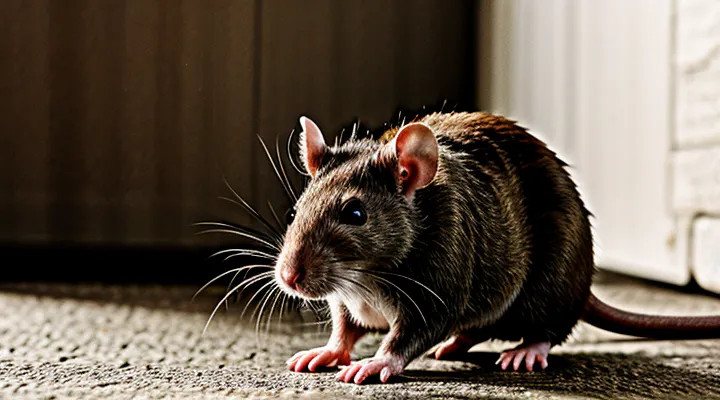
Understanding Rat Communication
Why Do Rats Make Sounds?
Social Bonding
Rats rely on a complex acoustic repertoire to strengthen affiliations within groups. Short, high‑frequency chirps emitted during close‑contact grooming signal mutual tolerance and encourage continued physical interaction. Low‑frequency squeaks produced when pups reunite with the dam reinforce maternal attachment and trigger nurturing behaviors. Adult males emit distinct trills during cohabitation, facilitating hierarchy stabilization and reducing aggression.
Key vocalizations associated with social bonding:
- Ultrasonic 50‑kHz calls: emitted during play, mating, and reciprocal grooming; correlate with positive affect and increase proximity seeking.
- Mid‑frequency 22‑kHz calls: occasionally paired with brief affiliative gestures, indicating a transition from alertness to calm within a familiar cohort.
- Brief “purr‑like” bursts: observed when rats cluster in nests; serve as a cue for collective rest and shared thermoregulation.
Research exploiting these acoustic markers can quantify relationship strength, monitor welfare, and predict group dynamics. Pet owners who recognize bonding calls can adjust handling to reinforce trust and minimize stress.
Warning and Danger Signals
Rats emit distinct vocalizations when faced with threats, and these sounds serve as immediate alerts to conspecifics. High‑frequency squeals, often above 30 kHz, accompany sudden disturbances such as predator presence or aggressive encounters. The intensity of the squeal correlates with the perceived level of danger, prompting nearby rats to adopt defensive postures or flee.
Low‑frequency chattering, ranging from 5 to 15 kHz, appears during territorial disputes and signals an imminent escalation. This sound is typically accompanied by aggressive body language, including raised fur and lunging movements. Listeners interpret the chattering as a cue to either retreat or prepare for confrontation.
Short, sharp clicks emerge during escape attempts through narrow passages. The clicks function as a rapid warning that the environment is constrained and potential hazards are present. Other rats respond by increasing vigilance and adjusting their navigation routes.
Key warning vocalizations include:
- Sustained high‑pitch squeal: immediate predator alert; provokes group dispersal.
- Rapid chattering series: escalation of aggression; triggers defensive readiness.
- Brief click bursts: environmental constraint warning; encourages route reassessment.
Understanding these acoustic signals enhances interpretation of rat behavior in both laboratory and urban settings, allowing researchers and pest managers to predict reactions to stressors and to implement more effective control strategies.
Expressing Needs
Rats communicate basic requirements through a limited repertoire of vocalizations. High‑frequency squeaks indicate immediate discomfort, such as hunger, thirst, or exposure to a stressor. Low‑frequency chattering signals a desire for social contact, often preceding grooming or nesting activities. Short, sharp chirps accompany the discovery of food, prompting conspecifics to investigate the source.
Key sound‑need associations include:
- Sharp, repetitive squeals – acute hunger or dehydration; frequency rises as the physiological deficit intensifies.
- Soft, rhythmic chitter – need for companionship; commonly observed when a rat is isolated.
- Rapid, high‑pitched chirps – detection of edible material; serves to recruit others to the find.
- Prolonged low‑tone growls – territorial or defensive posture; indicates a perceived threat to personal space or resources.
Environmental context modifies the expression of these calls. In cramped cages, rats increase chittering to signal overcrowding, while open‑field testing shows elevated squeaking when water is withheld. Monitoring vocal patterns enables precise assessment of welfare needs without invasive measures.
Researchers quantify these signals using ultrasonic microphones and spectrographic analysis, correlating amplitude, duration, and frequency bands with physiological markers such as blood glucose and cortisol. This methodological framework provides objective criteria for interpreting rat vocalizations as direct indicators of their essential needs.
Types of Rat Sounds
Ultrasonic Vocalizations (USVs)
Ultrasonic vocalizations (USVs) are high‑frequency sounds emitted by rats, typically ranging from 20 kHz to 100 kHz, beyond the range of human hearing. These calls are produced by rapid vibrations of the laryngeal muscles and are transmitted through the air as brief acoustic bursts. Recording equipment equipped with ultrasonic microphones captures the waveform, allowing precise analysis of frequency, duration, and modulation patterns.
USVs serve distinct communicative functions that correlate with the animal’s physiological and emotional state. The most widely documented categories include:
- 22‑kHz alarm calls: low‑frequency, long‑duration emissions associated with threat, pain, or social defeat; they often induce freezing or avoidance in conspecifics.
- 50‑kHz social calls: high‑frequency, short‑duration bursts linked to play, mating, and positive interactions; they can be flat, frequency‑modulated, or trill‑type, each subtype reflecting specific behavioral contexts.
Developmentally, pups emit USVs when separated from the dam, with peak rates occurring during the first two postnatal weeks. These distress calls trigger maternal retrieval behavior and provide a measurable index of early‑life stress. Adult rats modify call structure in response to environmental cues, drug exposure, or genetic manipulation, making USVs a reliable proxy for affective state and neurophysiological alterations.
In experimental settings, USVs offer a non‑invasive readout of brain function. Researchers quantify call frequency, amplitude, and temporal patterns to assess the impact of pharmacological agents, disease models, or behavioral interventions. Automated detection algorithms enhance throughput, while spectral analysis elucidates the acoustic signatures underlying specific motivational states. Consequently, ultrasonic vocalizations constitute a central tool for decoding rat communication and interpreting the biological significance of their sounds.
Joy and Contentment (50-kHz USVs)
Rats emit ultrasonic vocalizations around 50 kHz during social interactions that signal a state of joy or contentment. These calls appear when pups are nursed, adults engage in play, or groups share food, indicating a positive affective condition.
The acoustic structure of 50‑kHz calls distinguishes them from alarm or distress vocalizations. Typical features include a frequency range of 45–55 kHz, duration of 20–100 ms, and a smooth, harmonic waveform. Calls often occur in rapid sequences, with inter‑call intervals of less than 200 ms, creating a continuous chorus that reinforces social cohesion.
Research findings demonstrate several functional aspects:
- Reward association: Dopaminergic activity rises concurrently with 50‑kHz emissions, linking the calls to reward processing.
- Social bonding: Playback of these vocalizations increases approach behavior and grooming among conspecifics.
- Developmental marker: The frequency and complexity of calls grow with age, reflecting maturation of the affective system.
Pharmacological manipulation provides further evidence. Administration of anxiolytic agents amplifies the rate of 50‑kHz vocalizations, whereas stress‑inducing substances suppress them. This pattern confirms the calls as reliable indicators of a positive emotional state.
In experimental settings, researchers quantify 50‑kHz calls using ultrasonic microphones and spectrographic analysis. Metrics such as call count, mean duration, and peak frequency serve as objective measures of joy and contentment, enabling comparative studies across strains, ages, and environmental conditions.
Distress and Fear (22-kHz USVs)
Rats emit ultrasonic vocalizations around 22 kHz when experiencing distress or fear. These low‑frequency calls differ from the 50‑kHz bursts associated with positive states. The acoustic profile typically includes a frequency range of 18‑28 kHz, a duration of 0.5–2 seconds per call, and a relatively high amplitude compared to background noise, ensuring reliable detection by recording equipment.
The production of 22‑kHz calls occurs in several well‑documented situations:
- Exposure to predators or predator odors.
- Administration of mild foot shocks.
- Social defeat or aggressive encounters with conspecifics.
- Sudden environmental changes, such as abrupt lighting or loud noises.
Physiologically, the calls correlate with activation of the amygdala and periaqueductal gray, regions governing defensive behavior. Concurrent measurements show elevated corticosterone levels and increased heart rate, confirming a stress response. Behavioral observations reveal freezing, reduced locomotion, and avoidance of the stimulus that triggered the vocalization.
In experimental settings, 22‑kHz USVs serve as a non‑invasive indicator of affective state. Researchers employ automated spectrographic analysis to quantify call frequency, duration, and latency, allowing objective comparison across treatment groups. Manipulations that attenuate anxiety—pharmacological agents targeting GABAergic transmission, for example—typically reduce the number and intensity of these calls, validating their use as a biomarker for anxiolytic efficacy.
Understanding the function of distress calls enhances interpretation of rat communication networks and improves the translational relevance of rodent models for human anxiety and panic disorders.
Auditory Sounds (Audible to Humans)
Rats generate a spectrum of vocalizations that fall within the human audible range, each serving a distinct communicative function. These sounds provide immediate insight into the animal’s emotional state, social position, and environmental interactions.
- Sharp high‑pitched squeaks – indicate sudden threat, pain, or fear; frequency rises with intensity of the stimulus.
- Rapid chirping bursts – accompany exploratory behavior and social curiosity; often observed when rats encounter novel objects or unfamiliar conspecifics.
- Low‑frequency growls or grunts – signal territorial assertion or dominance; commonly emitted during male‑male encounters or when defending resources.
- Sustained squeals – accompany intense distress, such as confinement or injury; amplitude increases with prolonged discomfort.
- Soft chatter – occurs during grooming or affiliative interactions; functions as a soothing signal that reinforces social bonds.
The acoustic structure of each call—pitch, duration, rhythm—correlates with specific physiological responses in listeners, enabling rapid assessment of risk or opportunity. Researchers exploit these patterns to monitor rodent welfare, assess the effectiveness of pest‑control measures, and interpret behavioral experiments. Pet owners who recognize these cues can adjust handling techniques to reduce stress and promote cooperative behavior.
Squeaks and Chirps
Rats communicate through a range of ultrasonic vocalizations, with squeaks and chirps serving distinct functions. Both sounds occur above the human hearing range, typically between 20 and 80 kHz, and are produced by rapid vibration of the vocal folds during exhalation.
- High‑frequency squeaks (≈50–80 kHz): indicate agitation, distress, or a defensive response; intensity rises with proximity of a threat.
- Mid‑frequency chirps (≈30–50 kHz): accompany social interaction, such as grooming, play, or anticipation of reward; frequency modulation often correlates with positive arousal.
- Rapid succession of squeaks: signals escalation of aggression or imminent escape behavior.
- Soft, intermittent chirps: accompany exploratory activity and can reinforce social bonds within a colony.
Researchers record these vocalizations with specialized microphones and analyze spectral patterns to infer emotional states. Laboratory studies demonstrate that manipulating environmental stressors produces predictable shifts in squeak versus chirp prevalence, confirming their reliability as behavioral indicators.
Bruxing (Teeth Grinding)
Rats produce a distinct grinding noise when they clench and move their incisors together, a behavior known as bruxing. This sound differs from chirps, squeaks, or alarm calls and signals internal states rather than external threats.
Bruxing typically indicates:
- Heightened stress or anxiety, often triggered by confinement, handling, or abrupt environmental changes.
- Anticipation of a reward, such as food availability or a familiar caretaker’s approach.
- Physiological discomfort, including dental issues or oral pain, prompting the animal to adjust bite pressure.
Researchers correlate the frequency and duration of the grinding with cortisol levels, confirming its reliability as a stress indicator. Monitoring bruxing alongside other vocalizations provides a comprehensive picture of a rat’s emotional and physical condition, allowing caretakers to adjust housing, handling protocols, or health assessments accordingly.
Hissing
Hissing is a short, sharp expulsion of air that signals a rat’s immediate discomfort or defensive stance. The sound originates from the larynx and is often accompanied by raised fur, flattened ears, and a rigid posture. A hissing rat is prepared to bite or flee, and the vocalization serves as a warning to potential threats, including other rats, predators, or humans handling the animal.
Key indicators that accompany hissing:
- Tense body muscles, especially along the spine and hindquarters.
- Erect whiskers directed forward, increasing sensory awareness.
- Rapid, shallow breathing that may precede a sprint or a defensive charge.
- Visible teeth exposure or a slight retraction of the mouth, preparing for a bite.
Interpretation of hissing depends on context:
- Territorial encounter – a rat defending its nest or food source will hiss when another rat approaches.
- Pain response – sudden injury or handling that causes discomfort triggers a hiss as an immediate alarm.
- Fear of unfamiliar stimuli – loud noises, bright lights, or unfamiliar scents provoke a hiss as a pre‑emptive defense.
- Social hierarchy – subordinate rats may hiss when challenged by a dominant individual, indicating submission avoidance.
Effective management of hissing involves minimizing stressors, providing adequate hiding spaces, and handling rats calmly to reduce perceived threats. Recognizing the sound as an urgent alert allows caretakers to adjust the environment or interaction strategy, thereby preventing escalation to biting or chronic anxiety.
Chattering
Rats produce a rapid, high‑pitched vocalization known as chattering. The sound consists of a series of brief pulses lasting 5–10 ms each, with a dominant frequency between 30 and 50 kHz. Acoustic analysis shows a consistent harmonic structure, allowing reliable detection with ultrasonic microphones.
Chattering occurs in several behavioral contexts:
- Social grooming: emitted when a rat initiates or receives grooming, signalling a cooperative intent.
- Food competition: observed when individuals approach a shared food source, indicating mild aggression or territorial claim.
- Environmental novelty: produced during exploration of new objects, reflecting heightened arousal and information gathering.
- Maternal care: mothers emit chattering toward pups during retrieval, facilitating pup orientation.
Neurophysiological studies link chattering to activation of the ventral tegmental area and increased dopamine release, suggesting a role in reward processing. Experiments using playback of recorded chatter elicit approach behavior in conspecifics, confirming its function as an affiliative cue.
Field recordings combined with spectrographic analysis enable quantification of chatter rate, duration, and amplitude. Correlating these parameters with video‑tracked behavior yields predictive models of rat social dynamics, useful for assessing welfare in laboratory colonies and for interpreting communication patterns in wild populations.
Interpreting Specific Rat Sounds
The Happy Rat: Sounds of Contentment
Soft Chirps and Squeaks
Soft chirps and squeaks are low‑amplitude, broadband vocalizations produced by rats during close‑range interactions. Their frequency typically ranges between 10 and 30 kHz, and the duration is short, often under 100 ms.
These sounds occur most frequently when rats engage in affiliative behavior. Mothers emit them while nursing, and pups respond with matching chirps to signal contentment. Adult rats use the same calls during gentle grooming, food sharing, and when establishing a calm hierarchy within a nest.
Typical interpretations include:
- Contentment: steady, repetitive chirps indicate a relaxed state.
- Reassurance: brief squeaks from a mother signal safety to offspring.
- Non‑aggressive inquiry: soft chirps during exploratory encounters suggest curiosity without threat.
Researchers capture these signals with ultrasonic microphones and analyze spectrograms to differentiate chirp patterns from louder alarm calls. Correlating vocal output with video recordings clarifies the behavioral context of each sound.
Understanding soft chirps and squeaks refines assessments of rat welfare, improves laboratory housing protocols, and aids in distinguishing benign social communication from distress signals.
Gentle Bruxing
Gentle bruxing in rats is a low‑intensity grinding of the incisors that produces a soft, rhythmic sound. Researchers identify this vocalization as a marker of relaxed physiological state, often observed when animals are grooming, feeding, or resting in a familiar environment. The acoustic profile differs from aggressive or alarm calls by its reduced amplitude and steady frequency, typically ranging between 20 and 30 kHz.
The behavior serves several communicative functions:
- Signals contentment to conspecifics, reinforcing social cohesion within a colony.
- Indicates low‑level arousal that does not require immediate defensive action.
- Provides feedback to the animal about dental health, reflecting normal wear patterns.
Physiological measurements correlate gentle bruxing with decreased corticosterone levels and stable heart rate, confirming its association with reduced stress. In experimental settings, the presence of gentle bruxing can be used as a non‑invasive indicator that a rat is acclimated to the testing apparatus, thereby improving data reliability.
When interpreting recordings, analysts should differentiate gentle bruxing from high‑intensity chattering or squeaking. Spectral analysis reveals a narrower bandwidth and smoother envelope, features that automated classification algorithms can exploit for real‑time monitoring of animal welfare.
The Stressed or Frightened Rat: Sounds of Distress
Loud Squeals
Loud squeals are high‑amplitude, broadband vocalizations produced by rats when the animal experiences intense arousal. The sound peaks around 10–20 kHz, lasts 0.2–0.5 seconds, and is markedly louder than the soft chirps used for routine communication. Acoustic analysis shows a rapid rise in pressure followed by a sharp decay, a pattern that distinguishes these calls from other vocal types.
The primary functions of loud squeals include:
- Aggressive confrontation – emitted during fights or when a rat defends a resource.
- Predator alarm – released at the sight or scent of a predator, prompting conspecifics to flee.
- Pain or injury – produced when a rat sustains a wound or undergoes a painful procedure.
- Territorial intrusion – voiced when an unfamiliar rat enters an established burrow system.
- Mating competition – used by males to assert dominance during breeding encounters.
Recognizing loud squeals enables accurate assessment of rat welfare in laboratory settings and improves handling practices for pet owners. Immediate observation of such calls should trigger evaluation of environmental stressors, health status, or social dynamics to prevent escalation of distress.
Rapid, Harsh Bruxing
Rapid, harsh bruxing in rats is a high‑frequency, grating sound produced by rapid grinding of the incisors. The acoustic profile is sharp, short‑duration, and often accompanied by a visible clenching of the jaw.
The sound typically occurs in situations that demand immediate defensive or aggressive action. Rats emit it when confronting an intruder, during brief bouts of fear, or when establishing dominance over a cage mate. It also appears when an individual experiences acute discomfort, such as dental irritation or sudden environmental stress.
Common triggers include:
- Territorial challenges from conspecifics
- Sudden exposure to predators or loud noises
- Dental pain or misalignment
- Rapid changes in temperature or lighting
- Overcrowding or insufficient enrichment
For researchers, rapid harsh bruxing serves as a reliable behavioral marker of heightened arousal. In laboratory settings, its presence signals the need to assess welfare parameters and adjust housing conditions. For pet owners, hearing this sound should prompt inspection of the rat’s teeth and environment, followed by veterinary consultation if the behavior persists.
Hissing and Growling
Hissing in rats is a rapid expulsion of air through the mouth, produced when the animal feels threatened or is defending a resource. The sound is typically high‑pitched and may be accompanied by stiff body posture, raised fur, and a direct stare. Its primary function is to warn conspecifics or humans of potential danger and to discourage further approach.
Growling is a low‑frequency, throaty rumble emitted during heightened aggression or when a rat is preparing to fight. The vocalization often coincides with lunging, teeth baring, and a forward‑leaning stance. It signals an intent to dominate and can precede physical confrontation if the perceived challenge is not withdrawn.
Key interpretations of these two sounds:
-
Hissing
- Immediate threat perception
- Territorial defense
- Discomfort with handling or unfamiliar stimuli
-
Growling
- Escalated aggression
- Assertion of dominance within a hierarchy
- Preparation for combat
Understanding the context in which hissing and growling occur enables accurate assessment of a rat’s emotional state and guides appropriate handling strategies.
The Curious Rat: Sounds of Exploration
Soft, Investigatory USVs
Soft investigatory ultrasonic vocalizations are low‑amplitude calls emitted by rats during exploratory or socially investigative behavior. These sounds typically occupy the 30–40 kHz range, last 10–50 ms, and are produced at intensities below those of alarm or mating calls.
Acoustic parameters differentiate investigatory USVs from other categories. Frequency modulation is minimal, resulting in a relatively flat spectral profile. Amplitude remains low enough to avoid detection by conspecifics at a distance, suggesting a role in close‑range information exchange.
Behavioral observations link these calls to several contexts. Rats emit them while navigating novel environments, sniffing unfamiliar objects, or approaching a new cage mate. The vocalizations coincide with increased whisker activity and head scanning, indicating heightened sensory sampling. In social settings, soft USVs appear during gentle contact, such as grooming or huddling, reflecting a non‑aggressive, curiosity‑driven state.
Neurophysiological studies associate investigatory USVs with activity in the ventral tegmental area, nucleus accumbens, and prefrontal cortex. Dopaminergic signaling modulates call frequency, while the periaqueductal gray contributes to call initiation. Hormonal fluctuations, particularly low corticosterone levels, correlate with increased emission rates, supporting a link between reduced stress and vocal output.
Key methodological considerations for studying these calls include:
- High‑frequency microphones (≥100 kHz sampling) to capture low‑amplitude signals.
- Noise‑reduction algorithms that preserve fine spectral details.
- Automated detection thresholds calibrated to differentiate investigatory calls from background ultrasonic noise.
- Correlation of acoustic data with video tracking to align vocalizations with specific exploratory actions.
Collectively, soft investigatory USVs provide a reliable acoustic marker of rat curiosity and low‑stress social interaction, offering insight into the nuanced spectrum of rodent communication.
The Dominant Rat: Sounds of Assertion
Chattering Teeth
Rats produce a rapid, high‑frequency clicking that resembles the sound of chattering teeth. This vocalization occurs when the animal’s incisors rapidly close and open, generating a series of sharp, staccato noises. The sound is emitted through the oral cavity and can be heard at a distance of several meters in quiet environments.
The primary function of this behavior is to signal heightened arousal. When a rat encounters a potential threat, novel object, or aggressive conspecific, the chattering‑teeth pattern signals a state of alertness and readiness to act. It may also serve as a warning to nearby rats, indicating that the individual is prepared to defend territory or engage in a confrontation.
Typical situations that trigger chattering teeth include:
- Presence of a predator or sudden movement
- Encounter with an unfamiliar rat or dominant individual
- Exposure to a novel stimulus such as a new food source or object
- During the escalation phase of a fight, preceding bites or lunges
Understanding this specific vocalization helps differentiate it from other rat sounds such as ultrasonic squeaks, which usually convey distress or social bonding, and low‑frequency grunts, associated with contentment or grooming. Recognizing the chattering‑teeth pattern enables more accurate assessment of a rat’s emotional state and immediate intentions.
Aggressive Hissing
Aggressive hissing is a short, sharp exhalation that signals heightened agitation and a readiness to defend territory or resources. The sound originates from rapid airflow through the vocal cords, often accompanied by raised fur, flattened ears, and a stiffened body posture. Rats emit this noise when they perceive a direct threat, encounter an unfamiliar intruder, or experience competition over food or nesting material.
Key characteristics of aggressive hissing include:
- Sudden onset, lasting less than two seconds
- High-pitched, raspy tone
- Repetition at intervals of 3‑5 seconds during prolonged confrontations
- Synchronization with visual displays such as teeth baring and lunging
Interpretation of this vocalization informs caretakers about the animal’s stress level and potential for escalation. Immediate actions that reduce the likelihood of injury are:
- Remove the provoking stimulus or isolate the offending rat.
- Provide an escape route, such as an additional tunnel or hideout.
- Avoid direct eye contact and sudden movements that could intensify the response.
Long‑term management strategies involve maintaining stable group compositions, ensuring ample food distribution, and offering enrichment items that diminish competition. Monitoring frequency and intensity of hissing can reveal changes in social hierarchy or health status, prompting veterinary evaluation if the behavior becomes chronic or is accompanied by weight loss, lethargy, or abnormal grooming.
Factors Influencing Rat Vocalizations
Age and Development
Rats emit distinct vocalizations that change as they mature, providing reliable cues about their physiological and social status. Neonatal pups produce high‑frequency ultrasonic cries when separated from the dam; these calls peak in intensity during the first week of life and diminish as the litter gains thermoregulatory independence. Juvenile rats, aged 3–5 weeks, introduce a broader repertoire that includes short ultrasonic chirps and low‑frequency squeaks associated with exploratory behavior and mild aggression. Adult rats (8 weeks and older) display complex patterns: prolonged ultrasonic trills signal territorial marking, while brief broadband squeals accompany intense fights or pain.
Key developmental trends in rat vocal output:
- Frequency shift: Peak ultrasonic frequency declines from ~50 kHz in neonates to 30–35 kHz in mature individuals.
- Call duration: Neonatal distress calls are brief (<10 ms); adult trills extend up to 200 ms.
- Context specificity: Younger rats use calls primarily for maternal attachment, whereas adults employ a diverse set for dominance, mating, and threat communication.
Understanding these age‑related changes enables precise interpretation of rat sounds, supports accurate behavioral assessment, and informs experimental design involving auditory monitoring.
Social Context
Rats communicate through a range of vocalizations that convey specific social information. High‑frequency squeaks, often above human hearing, signal distress or danger and prompt immediate retreat or defensive behavior from nearby conspecifics. Low‑frequency chirps accompany grooming or feeding, reinforcing affiliative bonds and synchronizing group activity. Short, sharp chirrups occur during aggressive encounters, establishing dominance hierarchies and deterring rivals. Soft, repetitive purr‑like sounds accompany nest building, indicating a cooperative environment and encouraging group participation.
Key social functions of rat sounds include:
- Alarm signaling: ultrasonic squeaks trigger rapid escape responses.
- Affiliation reinforcement: low‑frequency chirps promote grooming and shared foraging.
- Dominance assertion: brief chirrups convey aggression and rank.
- Cooperative coordination: purr‑like noises facilitate collective nest construction.
These vocal patterns enable rats to maintain group cohesion, negotiate social status, and respond efficiently to environmental threats without visual cues.
Environmental Factors
Rats modify their vocal output in response to the conditions surrounding them. Temperature shifts alter the pitch of ultrasonic calls, with warmer air allowing higher‑frequency components to travel farther. Humidity affects attenuation; moist air reduces loss, enabling softer squeaks to reach conspecifics at greater distances.
- Light intensity influences call timing; low‑light periods see increased emission of short, high‑frequency chirps associated with foraging activity.
- Population density changes acoustic structure; crowded environments produce rapid, overlapping trills that facilitate group cohesion.
- Food scarcity triggers low‑frequency, longer‑duration sounds that signal distress and recruit assistance.
- Presence of predators induces abrupt, broadband alarm calls that differ from routine social chatter.
- Nesting material quality impacts resonance; soft bedding dampens vibrations, leading rats to raise amplitude to maintain signal efficacy.
- Surface composition (concrete, wood, soil) shapes reverberation patterns, prompting adjustments in call duration to avoid echo interference.
These environmental inputs interact with the rat’s auditory system, shaping the acoustic parameters used for communication. Recognizing the link between external factors and vocal characteristics improves interpretation of rat behavior in laboratory studies and enhances detection strategies in urban pest control.
Practical Implications for Rat Owners and Researchers
Monitoring Rat Well-being
Monitoring the health and emotional state of laboratory rats relies on systematic observation of their vocal output, body posture, and activity patterns. High‑frequency squeaks, ultrasonic chirps, and low‑frequency grunts each correspond to specific physiological or psychological conditions. Detecting deviations from baseline acoustic profiles enables early identification of pain, stress, or disease.
Effective monitoring combines the following components:
- Continuous acoustic recording using broadband microphones capable of capturing ultrasonic frequencies up to 100 kHz.
- Automated signal‑processing algorithms that classify calls by frequency, duration, and modulation patterns.
- Correlation of acoustic events with video tracking of locomotion, grooming, and nesting behavior.
- Integration of physiological sensors (e.g., heart‑rate telemetry) to validate acoustic indicators of distress.
Data interpretation follows a tiered approach. Baseline recordings establish normal call repertoires for each cohort. Subsequent recordings are compared against these baselines; increased occurrence of high‑amplitude, low‑frequency grunts typically signals nociception, while prolonged ultrasonic emissions often reflect heightened anxiety. Cross‑referencing acoustic shifts with reduced mobility or altered grooming confirms the presence of welfare concerns.
Routine implementation of this multimodal surveillance reduces the latency between onset of adverse conditions and intervention, thereby improving experimental reliability and ethical compliance.
Understanding Social Dynamics
Rats rely on a complex acoustic repertoire to coordinate group behavior. Vocalizations convey information about rank, threat, reproductive status, and affiliative intent, allowing individuals to adjust actions without visual cues.
- Ultrasonic chirps (≈50 kHz): emitted during exploration and play; reinforce social bonds and indicate low‑stress conditions.
- Low‑frequency alarm calls (≈22 kHz): produced when a predator or danger is detected; trigger immediate freezing or escape responses in conspecifics.
- Mating calls (≈30–40 kHz): accompany courtship; attract receptive females and signal male fitness.
- Aggressive grunts (≈5–10 kHz): accompany confrontations; establish or challenge dominance hierarchies.
These signals shape hierarchy by reinforcing dominant individuals through frequent low‑frequency calls, while subordinates respond with reduced vocal output. Cooperative tasks, such as nest building, are synchronized by shared ultrasonic chatter, reducing conflict and enhancing efficiency. Conflict resolution often follows a pattern where the initiator emits a brief, high‑pitch chirp, prompting the opponent to emit a conciliatory grunt, thereby de‑escalating aggression.
Monitoring vocal patterns provides insight into colony health. Elevated alarm call frequency correlates with heightened stress, whereas increased play chirps reflect stable social structures. Researchers use ultrasonic detectors to assess welfare in laboratory settings and to develop non‑lethal pest‑control strategies that disrupt communication pathways, thereby reducing population density without chemical agents.
Identifying Health Issues
Rat vocalizations provide a reliable window into the animal’s physiological state. Distinct acoustic patterns correspond to specific health conditions, allowing caretakers to detect problems before they become severe.
Key sounds and their typical health implications include:
- High‑frequency squeaks (above 30 kHz): Often signal respiratory distress, such as pneumonia or airway obstruction.
- Rapid, repetitive chirps: Commonly associated with fever or systemic infection, reflecting elevated metabolic activity.
- Low, guttural chattering: May indicate abdominal pain, gastrointestinal blockage, or severe constipation.
- Sudden silence after a period of vocal activity: Frequently precedes neurological events, including seizures or brain inflammation.
Observation protocols should record frequency, duration, and context of each sound. Correlating these data with physical examinations—temperature checks, respiratory rate measurements, and palpation—enhances diagnostic accuracy. Early identification of abnormal vocal patterns enables prompt veterinary intervention, reducing morbidity and supporting colony health.