
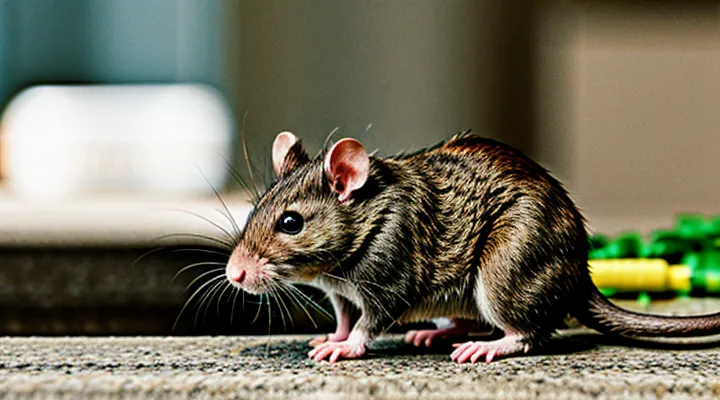
Rat Taxonomy and Classification
Rodentia Order
Family Muridae
The family Muridae represents the largest group of mammals within the order Rodentia, encompassing more than 700 species across roughly 140 genera. Members of this family share a set of morphological traits: a single pair of continuously growing incisors in each jaw, a well‑developed auditory bulla, and a dental formula of 1.0.0.3/1.0.0.3. These characteristics distinguish murids from other rodent families and facilitate efficient gnawing and diverse dietary habits.
Murids occupy a broad range of habitats, from tropical rainforests to arid steppes and urban environments. Their geographic distribution spans all continents except Antarctica, with the greatest species richness observed in Southeast Asia and sub‑Saharan Africa. Adaptations such as flexible diet, rapid reproductive cycles, and social structures enable murids to exploit variable ecological niches.
Key genera within Muridae include:
- Mus – true mice, primarily nocturnal, with high reproductive output.
- Rattus – rats, noted for commensal relationships with humans.
- Apodemus – field mice, prevalent in temperate forests.
- Gerbilliscus – African gerbils, adapted to arid conditions.
- Mastomys – multimammate rats, vectors for several zoonotic pathogens.
Reproductive biology is characterized by short gestation periods (approximately 3 weeks), large litter sizes, and early sexual maturity. These traits contribute to the rapid population turnover observed in many murid species. Parental care varies among taxa; some exhibit communal nesting while others provide minimal post‑natal assistance.
Phylogenetic analyses, based on mitochondrial and nuclear DNA sequences, place Muridae as a monophyletic clade within the superfamily Muroidea. Divergence estimates suggest that murids originated in the early Oligocene, with subsequent radiations linked to climatic fluctuations and the expansion of grassland habitats.
Ecologically, murids function as seed dispersers, prey items for a wide array of predators, and agents of soil aeration through burrowing activity. Their interactions with pathogens, both as reservoirs and vectors, have significant implications for public health and wildlife disease dynamics.
Genus Rattus
The genus Rattus comprises medium‑sized murid rodents classified within the family Muridae. Species share a robust skull, incisors that continuously grow, and a tail typically longer than the body. Dental formula is 1/1, 0/0, 0/0, 3/3.
Distribution spans most continents, with native ranges in Asia and extensive introduced populations in urban and agricultural environments worldwide. Adaptability to diverse habitats, from sewers to forests, underlies this global presence.
Reproductive biology features short gestation (≈ 21 days), large litter sizes (5–12 offspring), and rapid sexual maturity (≈ 6 weeks). These traits enable high population turnover and resilience to control measures.
Ecologically, Rattus species act as omnivorous opportunists, consuming plant material, invertebrates, and carrion. Their foraging behavior influences seed dispersal and waste recycling, while predation pressure affects local predator dynamics.
Disease relevance includes transmission of pathogens such as Leptospira spp., hantaviruses, and Yersinia pestis. Surveillance programs routinely monitor rodent populations for zoonotic risk.
Research applications exploit Rattus as model organisms in genetics, neurobiology, and toxicology, owing to well‑characterized genomes and ease of laboratory maintenance.
Conservation status varies: Rattus norvegicus and R. rattus are listed as Least Concern by the IUCN, whereas several island endemics face habitat loss and invasive competition, warranting targeted protection efforts.
Rat Anatomy and Physiology
Skeletal System
The rat skeleton provides structural support, protects internal organs, and enables locomotion. Bone tissue consists primarily of collagen fibers and hydroxyapatite crystals, yielding a matrix that balances strength and flexibility.
Key components include:
- Axial skeleton: skull, vertebral column, ribs, and sternum.
- Appendicular skeleton: scapulae, humeri, radii, ulnae, pelvis, femora, tibiae, fibulae, and associated limb bones.
- Sesamoid bones: embedded in tendons near joints, such as the patella.
The vertebral column exhibits regional specialization: cervical vertebrae allow head rotation, thoracic vertebrae articulate with ribs, and lumbar vertebrae support abdominal musculature. The pelvis forms a rigid platform for hind‑limb attachment, while the scapulocoracoid complex provides a versatile forelimb anchor.
Growth proceeds through endochondral ossification at epiphyseal plates. Plate closure occurs around eight weeks of age, after which longitudinal bone expansion ceases. Remodeling continues throughout life, mediated by osteoblasts and osteoclasts to maintain mineral balance and repair microdamage.
Dental support integrates the skeletal system with the masticatory apparatus. The mandible and maxilla house continuously erupting incisors, a feature that necessitates robust attachment sites for powerful masticatory muscles.
In biomedical research, rat skeletal morphology serves as a reference model for studying bone metabolism, fracture healing, and osteoporosis, offering a reproducible platform for experimental interventions.
Muscular System
The rat muscular system comprises three major tissue types—skeletal, cardiac, and smooth muscle—each contributing to the animal’s locomotion, circulation, and internal organ function.
Skeletal muscle in rats is organized into bundles of fibers that differ in contraction speed and metabolic profile. Fast‑twitch glycolytic fibers dominate in the hindlimb extensors, supporting rapid escape responses, while slow‑twitch oxidative fibers are prevalent in postural muscles such as the lumbar erector spinae, providing endurance for prolonged activity.
Cardiac muscle forms a continuous, striated network that contracts synchronously to propel blood through the circulatory system. The myocardium displays a high density of mitochondria, enabling sustained aerobic metabolism essential for the rat’s elevated basal heart rate.
Smooth muscle lines the walls of hollow organs, including the gastrointestinal tract, urinary bladder, and blood vessels. Its involuntary contractile activity regulates peristalsis, urine storage, and vascular tone, adapting quickly to physiological demands.
Key muscle groups and their primary functions are:
- Forelimb flexors – grasping and manipulation of objects.
- Hindlimb extensors – propulsion during running and climbing.
- Axial musculature – stabilization of the spine and support of the rib cage.
- Diaphragm – ventilation through rhythmic contraction.
- Masseter – powerful bite force for gnawing.
Adaptations reflect the rat’s ecological niche. Muscles involved in burrowing exhibit reinforced tendons and increased collagen content, enhancing resistance to repetitive stress. The high proportion of fast‑twitch fibers in the hindlimbs facilitates rapid sprinting to evade predators.
In laboratory settings, the rat muscular system serves as a model for studying muscular dystrophy, cardiac hypertrophy, and smooth‑muscle pharmacology. Comparative analyses of fiber-type composition and gene expression provide insights applicable to human muscle physiology and disease.
Digestive System
The rat digestive system is a compact, highly efficient tract adapted for omnivorous feeding. It begins with the oral cavity, where incisors and molars process food into a fine bolus. Salivary glands secrete enzymes that initiate carbohydrate breakdown.
The esophagus transports the bolus to the stomach, a muscular organ that mixes ingested material with gastric acid and pepsin, denaturing proteins and beginning protein hydrolysis. The partially digested chyme passes into the small intestine, where the duodenum, jejunum, and ileum coordinate nutrient absorption. Pancreatic secretions provide lipases, amylases, and proteases, while bile from the liver emulsifies fats. Villi and microvilli increase surface area, facilitating efficient uptake of amino acids, glucose, fatty acids, vitamins, and minerals.
The large intestine reclaims water and electrolytes, forming feces. A dense microbial community ferments resistant fibers, producing short‑chain fatty acids that supply additional energy. The cecum, enlarged in rats, hosts a substantial portion of this microbiota, contributing to vitamin synthesis and detoxification.
Key anatomical components:
- Mouth: incisors, molars, salivary glands
- Stomach: muscular wall, gastric glands
- Small intestine: duodenum, jejunum, ileum, villi, microvilli
- Pancreas: exocrine secretions (lipases, amylases, proteases)
- Liver and gallbladder: bile production and storage
- Large intestine: colon, rectum, fecal formation
- Cecum: microbial fermentation site
Physiological adaptations include rapid gastric emptying, high basal metabolic rate, and a flexible diet that allows exploitation of diverse food sources. These features support the rat’s role as a model organism in nutritional and gastrointestinal research.
Respiratory System
The respiratory apparatus of the common rat is adapted for high metabolic demand and rapid oxygen turnover. Air enters through a well‑developed nasal cavity lined with olfactory epithelium and turbinates that increase surface area for humidification and filtration. The nasal passages connect to the pharynx, larynx, and a short trachea that bifurcates into primary bronchi, each supplying a lung lobe.
The lungs consist of five lobes (four on the right, one on the left) composed of numerous alveolar sacs. Alveolar walls are thin, supported by a dense capillary network, enabling efficient diffusion of oxygen and carbon dioxide. Surfactant, produced by type II pneumocytes, reduces surface tension and prevents alveolar collapse during the high respiratory rates typical of rats.
Key functional characteristics include:
- Tidal volume of approximately 0.2 ml per gram of body weight, supporting a resting ventilation rate of 100–150 breaths per minute.
- Minute ventilation that can increase threefold during exercise or stress, driven by autonomic regulation of bronchial smooth muscle and diaphragm activity.
- High hemoglobin affinity for oxygen, facilitating rapid loading in the alveoli and delivery to metabolically active tissues.
- Robust chemoreceptor response to arterial CO₂ and pH shifts, ensuring precise control of breathing depth and frequency.
Ventilatory control relies on the medullary respiratory centers, which integrate sensory input from peripheral chemoreceptors (carotid and aortic bodies) and mechanoreceptors within the lungs. The diaphragm and intercostal muscles generate the negative intrathoracic pressure required for inhalation, while elastic recoil of lung tissue and abdominal musculature assist expiration.
Environmental adaptations are evident in the rat’s ability to tolerate hypoxic conditions. Elevated expression of hypoxia‑inducible factor (HIF‑1α) in pulmonary tissue enhances angiogenesis and erythropoiesis, supporting sustained oxygen transport when ambient oxygen levels decline.
Overall, the rat respiratory system combines structural efficiency with dynamic regulatory mechanisms, allowing the species to thrive in diverse habitats and maintain the energetic demands of a small, highly active mammal.
Circulatory System
Rats possess a four-chambered heart that mirrors the mammalian design, with two atria receiving venous return and two ventricles delivering arterial output. The left ventricle generates the highest pressure, supporting systemic circulation, while the right ventricle drives blood through the pulmonary circuit. Cardiac muscle mass constitutes roughly 0.5 % of body weight, enabling rapid contraction cycles that sustain a typical resting heart rate of 300–400 beats per minute.
The arterial network originates from the aortic arch, branching into the carotid, subclavian, and mesenteric arteries. Peripheral resistance is modulated by smooth‑muscle tone in arterioles, allowing swift adjustments to blood flow during locomotion or thermoregulatory challenges. Venous return follows the vena cava, with the superior and inferior branches collecting blood from the thoracic and abdominal regions, respectively. Valved veins prevent backflow and facilitate return against gravity when rats assume upright postures.
Blood composition in rats includes erythrocytes that transport oxygen via hemoglobin with an affinity comparable to other rodents, a hematocrit of 45–50 %, and leukocyte populations dominated by neutrophils and lymphocytes. Platelets contribute to hemostasis, forming clots within seconds of vascular injury. Plasma proteins, particularly albumin and globulins, maintain oncotic pressure and serve immune functions.
Regulatory mechanisms involve autonomic innervation: sympathetic fibers increase heart rate and contractility through β‑adrenergic receptors, while parasympathetic vagal input reduces cardiac output via muscarinic receptors. Baroreceptors located in the carotid sinus and aortic arch detect arterial pressure fluctuations, triggering reflex adjustments that stabilize systemic blood pressure within a narrow range (90–110 mm Hg systolic). Hormonal control includes renin‑angiotensin‑aldosterone signaling, which modulates blood volume and vascular tone.
Adaptations specific to rats include:
- High myocardial oxidative capacity, supporting sustained aerobic metabolism.
- Dense capillary networks in skeletal muscle, facilitating rapid oxygen delivery during bursts of activity.
- Efficient thermoregulatory blood flow redistribution, allowing peripheral vasodilation in warm environments and vasoconstriction during cold exposure.
Collectively, these features ensure effective circulation that meets the metabolic demands of a small, active mammal, supporting growth, reproduction, and survival.
Nervous System
Rats possess a highly developed nervous system that serves as a primary model for mammalian neurobiology. The central nervous system comprises a compact brain and a spinal cord extending from the medulla to the lumbar region. The brain contains distinct structures: the olfactory bulb processes scent cues; the hippocampus supports spatial memory; the neocortex mediates sensory integration and higher-order functions; the basal ganglia coordinate motor patterns; and the cerebellum refines movement precision.
The peripheral nervous system divides into somatic and autonomic branches. Somatic nerves convey tactile, visual, auditory, and proprioceptive information from peripheral receptors to the spinal cord. Motor fibers transmit impulses from spinal motor neurons to skeletal muscles, enabling rapid locomotor responses. Autonomic fibers regulate visceral functions through sympathetic and parasympathetic pathways, influencing heart rate, gastrointestinal motility, and thermoregulation.
Key cellular components include:
- Neurons: Multipolar pyramidal cells dominate the cortex, while interneurons provide inhibitory control. Motor neurons exhibit large, myelinated axons for fast conduction.
- Glial cells: Astrocytes maintain extracellular ion balance and support the blood‑brain barrier; oligodendrocytes form myelin sheaths around central axons; microglia act as resident immune cells.
- Synapses: Glutamatergic excitatory synapses predominate in cortical circuits; GABAergic inhibitory synapses shape network oscillations.
Neurophysiological features of rats align closely with other mammals. Action potentials propagate at velocities up to 120 m s⁻¹ in myelinated fibers. Synaptic plasticity, exemplified by long‑term potentiation in the hippocampal CA3‑CA1 pathway, underlies learning and memory processes. The blood‑brain barrier restricts peripheral substances, preserving a stable extracellular environment essential for neuronal function.
Developmentally, the rat nervous system undergoes rapid maturation during the first postnatal month. Neurogenesis peaks prenatally, followed by axonal pathfinding, synaptogenesis, and myelination. Critical periods for sensory system refinement occur within the first two weeks, after which experience-dependent plasticity continues throughout life.
In experimental contexts, the rat nervous system provides accessible access for electrophysiological recording, optogenetic manipulation, and pharmacological testing. Standardized stereotaxic coordinates enable precise targeting of brain nuclei, facilitating reproducible investigations of neural circuitry and disease models.
Reproductive System
The reproductive anatomy of the common laboratory rat reflects the typical mammalian organization, yet displays species‑specific adaptations that influence breeding efficiency and experimental outcomes.
In males, the system comprises paired testes enclosed by a thick tunica albuginea, epididymal ducts for sperm maturation, a single vas deferens, seminal vesicles, a prostate gland, and a bulbourethral gland. Sperm production follows a 48‑hour spermatogenic cycle, with a total turnover of approximately 12 days; daily sperm output reaches 50–70 million per testis. Hormonal regulation is mediated primarily by luteinizing hormone and follicle‑stimulating hormone from the anterior pituitary, which stimulate Leydig cell testosterone synthesis and Sertoli cell support of spermatogenesis.
Females possess paired ovaries, each containing follicles at various developmental stages. Ovulation occurs cyclically every four days, yielding a single oocyte per cycle. The oviduct (uterine tube) transports the oocyte to the uterine horn, where implantation may occur. The uterus consists of two longitudinal horns with a common cervix; each horn can support multiple embryos simultaneously. The endocrine axis involves gonadotropin‑releasing hormone, pituitary luteinizing hormone, and follicle‑stimulating hormone, which together drive follicular growth, ovulation, and luteal progesterone production.
Key reproductive parameters for laboratory rats include:
- Gestation length: 21–23 days.
- Litter size: 6–12 pups on average; extremes range from 2 to 20.
- Post‑natal development: sexual maturity reached at 5–6 weeks for males, 6–8 weeks for females.
- Estrous cycle: proestrus, estrus, metestrus, diestrus; each phase lasts ~12 hours.
Understanding these anatomical and physiological characteristics is essential for designing breeding programs, interpreting reproductive toxicology data, and managing colony health.
Rat Behavior and Ecology
Social Structure
Rats are highly social mammals whose interactions are organized around stable, size‑dependent hierarchies. Dominance is established through aggressive encounters, scent marking, and vocalizations, resulting in a clear ranking that influences access to food, nesting sites, and mates. Subordinate individuals exhibit reduced aggression, increased grooming of dominant partners, and heightened vigilance.
Group composition reflects reproductive strategies and environmental pressures. Colonies typically consist of a breeding pair, their offspring, and occasional non‑breeding adults that assist in pup care. Seasonal fluctuations in resource availability can cause temporary fission into smaller units, while abundant conditions promote larger, more cohesive groups.
Key elements of rat social structure include:
- Territoriality: Defined by scent‑marked boundaries; intrusion triggers defensive behavior.
- Cooperative breeding: Adults other than the primary parents participate in nest building, pup retrieval, and thermoregulation.
- Communication: Ultrasonic vocalizations convey alarm, affiliation, and dominance; chemical cues provide individual identification.
- Social learning: Naïve rats acquire foraging techniques and predator avoidance strategies by observing experienced conspecifics.
Physiological correlates underscore the social system. Elevated cortisol levels accompany rank ascension, whereas stable hierarchies correspond with lower basal stress markers. Neurochemical pathways involving oxytocin and vasopressin modulate bonding and affiliative actions, reinforcing group cohesion.
Empirical observations confirm that disruption of hierarchy—through removal of dominant individuals or environmental stress—leads to increased aggression, altered reproductive output, and reduced colony stability. Maintaining established social order is therefore essential for optimal health, reproductive success, and survival in rat populations.
Communication
Rats employ a multimodal communication system that integrates acoustic, chemical, tactile, and visual signals to coordinate social behavior, predator avoidance, and resource acquisition.
Acoustic signaling includes broadband vocalizations audible to humans and ultrasonic calls above 20 kHz, which convey information about emotional state, territorial boundaries, and mating intent. Ultrasonic emissions are produced by rapid laryngeal vibrations and detected by specialized cochlear hair cells tuned to high frequencies.
Chemical communication relies on scent marks deposited from the anal and flank glands. These secretions encode individual identity, reproductive status, and hierarchical rank. Olfactory receptors in the vomeronasal organ transduce pheromonal cues, triggering innate behavioral responses.
Tactile interactions involve whisker-mediated touch and direct body contact. Whisker deflection provides spatial awareness during close‑range encounters, while grooming and huddling reinforce affiliative bonds.
Key features of rat communication:
- Vocal repertoire: alarm cries, contact calls, ultrasonic courtship songs.
- Pheromonal signals: urine, glandular secretions, fecal deposits.
- Somatosensory cues: whisker contact, nose‑to‑nose sniffing, grooming.
- Visual displays: tail flicks, body posture adjustments during aggression or submission.
Neural pathways linking sensory input to motor output are conserved across rodents, with the auditory cortex, olfactory bulb, and somatosensory cortex processing modality‑specific information before integration in the limbic system to drive context‑appropriate responses. This integrated network underlies the adaptability of rats to diverse habitats and social structures.
Diet and Foraging
Rats are omnivorous mammals that exploit a broad spectrum of food resources across urban, agricultural, and natural habitats. Their digestive physiology accommodates plant matter, animal protein, and processed waste, allowing rapid adaptation to fluctuating availability. Primary dietary components include:
- Grains and seeds, providing carbohydrates and essential fatty acids.
- Insects, larvae, and other arthropods, supplying high‑quality protein and micronutrients.
- Fruit and vegetable matter, delivering vitamins and fiber.
- Human‑derived refuse, such as discarded food scraps, which offers dense caloric content.
Foraging behavior is characterized by opportunistic exploration, nocturnal activity peaks, and tactile assessment of potential items. Rats employ whisker‑mediated detection to evaluate texture and odor, then use incisors to sample and process material. In complex environments, they construct extensive burrow networks that serve as storage chambers, enabling caching of surplus food for later consumption. Social dynamics influence resource acquisition; dominant individuals often monopolize high‑value sites, while subordinate rats adopt peripheral routes to minimize competition. Seasonal shifts prompt adjustments in intake ratios, with increased reliance on high‑energy seeds during winter and greater insect predation in warmer months.
Habitat and Distribution
Rats occupy a broad range of environments, from densely populated cities to remote agricultural fields. Their adaptability stems from flexible nesting habits, omnivorous diet, and tolerance of varied climate conditions. Typical settings include:
- Underground tunnels and sewer systems, where humidity and stable temperatures support breeding colonies.
- Building interiors such as basements, attics, and wall voids, offering shelter and proximity to food waste.
- Open fields and grain storage facilities, providing access to stored crops and natural vegetation.
- Forest edges and riparian zones, where dense cover and water sources sustain wild populations.
Globally, rats are present on all inhabited continents. The brown rat (Rattus norvegicus) predominates in temperate regions of North America, Europe, and Asia, thriving in temperate to subtropical zones. The black rat (Rattus rattus) favors warmer climates, with strongholds in tropical Africa, South America, and parts of the Pacific. Both species have been introduced inadvertently through shipping and trade, establishing feral populations far from their native ranges. Their distribution reflects a combination of natural dispersal along river corridors and human-mediated transport, resulting in a nearly cosmopolitan presence across urban, suburban, and rural landscapes.
Reproduction and Development
Rats exhibit rapid sexual maturation, reaching reproductive capability between 5 and 7 weeks of age. Males develop functional testes and exhibit sperm production shortly after puberty, while females begin regular estrous cycles that last approximately 4–5 days. Ovulation is induced by copulation; the presence of a male triggers the release of luteinizing hormone, leading to follicular rupture.
Gestation in rats averages 21–23 days. A single pregnancy produces 6–12 offspring, with litter size influenced by strain, maternal nutrition, and environmental conditions. Embryonic development proceeds through well‑defined stages: implantation at day 5, organogenesis between days 8 and 15, and fetal growth thereafter. Placental efficiency supports high fetal growth rates, resulting in pups weighing 1.5–2 g at birth.
Neonatal rats are altricial; they are born hairless, blind, and dependent on maternal care. Key developmental milestones include:
- Day 1–3: Pup weight gain of 0.2 g per day; thermoregulation solely via maternal warmth.
- Day 4–7: Opening of eyes, emergence of whisker tactile response.
- Day 10–14: Initiation of locomotion, emergence of suckling reflex.
- Day 21: Weaning; pups transition to solid food and exhibit independent feeding behavior.
Maternal investment extends through lactation, with milk composition shifting from high‑protein colostrum to lipid‑rich mature milk. Prolactin and oxytocin regulate milk production and ejection, while maternal grooming influences pup stress resilience and social competence.
Post‑weaning growth follows a logarithmic pattern: body mass doubles approximately every 10 days until sexual maturity. Skeletal development proceeds rapidly, with epiphyseal closure occurring near 8 weeks. Hormonal axes—hypothalamic–pituitary–gonadal, growth hormone–IGF‑1—coordinate somatic and reproductive maturation.
Genetic studies exploit rat reproductive traits to investigate inheritance, epigenetic modifications, and disease models. Controlled breeding schemes, such as inbred line crosses, enable precise mapping of quantitative trait loci governing litter size, gestation length, and developmental timing.
Overall, rat reproductive biology combines brief gestation, large litters, and accelerated postnatal development, providing a robust framework for experimental research on mammalian fertility, developmental physiology, and genetic regulation.
Predation and Defense Mechanisms
Rats encounter a broad spectrum of predators, including birds of prey, snakes, mustelids, felids, and larger carnivorous mammals. Predation intensity varies with habitat, population density, and seasonal activity patterns of both rats and their antagonists.
Defensive traits in rats encompass morphological, behavioral, and physiological dimensions. Morphologically, compact bodies, flexible skeletons, and sharp incisors enable rapid escape and occasional counter‑attack. Physiologically, heightened stress‑induced adrenaline release accelerates heart rate and muscle performance, supporting burst locomotion.
Key anti‑predator mechanisms include:
- Nocturnal activity – reduced exposure to diurnal hunters.
- Burrowing – construction of complex tunnel systems that provide refuge and limit predator access.
- Keen auditory and olfactory senses – early detection of approaching threats.
- Social vigilance – individuals emit alarm calls; group cohesion increases detection probability.
- Tail autotomy avoidance – strong tail musculature prevents loss, preserving balance during evasive maneuvers.
These strategies collectively lower mortality risk, influence reproductive output, and shape rat distribution across ecosystems. Predation pressure thus drives the evolution of sophisticated defense systems, reinforcing the species’ adaptability to diverse environments.
Rat Genetics and Evolution
Genetic Diversity
Genetic diversity in rats reflects the cumulative effects of mutation, recombination, gene flow, and selection across wild and laboratory populations. Wild species such as Rattus norvegicus and Rattus rattus exhibit high levels of heterozygosity, driven by large effective population sizes and geographic subdivision. Laboratory strains, derived from a limited number of founders, display reduced polymorphism, which influences experimental reproducibility and disease modeling.
Key determinants of rat genetic variation include:
- Mutation rate: Spontaneous nucleotide changes introduce novel alleles at a measurable frequency per generation.
- Recombination hotspots: Chromosomal regions with elevated crossover activity generate new haplotypes during meiosis.
- Population structure: Isolation by distance and habitat fragmentation create distinct genetic clusters detectable by microsatellite and SNP analyses.
- Artificial selection: Breeding programs targeting specific phenotypes (e.g., obesity, hypertension) amplify alleles linked to those traits while suppressing unrelated variation.
Consequences of genetic diversity are evident in disease susceptibility, immune response, and behavioral phenotypes. High heterogeneity enhances the capacity of wild rats to adapt to pathogens and environmental stressors, whereas low diversity in inbred lines can mask genotype‑environment interactions. Comparative genomic studies leverage this spectrum of variation to identify conserved regulatory elements and to validate translational relevance of rat models for human health research.
Evolutionary History
Rats belong to the family Muridae, the most speciose lineage within the order Rodentia. Molecular clock analyses place the split between murine and other murid lineages at approximately 12–14 million years ago, during the Miocene. Early murine fossils, such as Progonomys from the late Miocene of Asia, exhibit dental patterns that anticipate the hypsodont cheek teeth characteristic of modern rats.
The diversification of rats accelerated in the Pliocene, coinciding with the expansion of grassland habitats. Key fossil taxa include Rattus praefiber and Rattus sivalensis, which display the incisor enamel microstructure and skull morphology that define extant members of the genus Rattus. By the early Pleistocene, the genus had achieved a global distribution, facilitated by the emergence of human agricultural settlements that provided novel food resources and dispersal pathways.
Genomic studies reveal a rapid accumulation of adaptive mutations in genes related to metabolism, olfaction, and immune response. Comparative analyses between Rattus norvegicus and its closest relatives show selective sweeps in loci controlling dietary flexibility and pathogen resistance, traits that underlie the species’ success in diverse environments.
Major milestones in rat evolutionary history:
- Late Miocene: emergence of basal murine forms (Progonomys spp.) in Asia.
- Pliocene: appearance of definitive Rattus species with modern dental and cranial features.
- Early Pleistocene: worldwide spread linked to human activity.
- Recent millennia: genomic adaptations enhancing omnivory and disease tolerance.
Adaptations to Environments
Rats exhibit a suite of adaptations that enable survival across a broad spectrum of habitats, from urban sewers to arid deserts. Their small size, high reproductive rate, and omnivorous diet provide flexibility in resource acquisition, allowing rapid colonization of novel environments.
Key physiological and morphological traits include:
- Dentition: Continuously growing incisors permit gnawing of hard materials, facilitating access to shelter and food sources unavailable to many competitors.
- Sensory systems: Enhanced tactile whiskers and acute olfactory receptors detect subtle environmental cues, supporting navigation in low‑light or underground settings.
- Thermoregulation: Dense fur and a high basal metabolic rate maintain body temperature in cold climates, while vasodilation in extremities dissipates heat in warm regions.
Behavioral strategies further expand ecological reach:
- Burrowing and nesting: Construction of complex tunnel networks offers protection from predators and extreme weather, while also creating microclimates that stabilize temperature and humidity.
- Social flexibility: Variable group sizes and hierarchical structures reduce intra‑specific competition and enable cooperative foraging, especially in resource‑limited habitats.
- Dietary opportunism: Ability to digest diverse food types, including grains, insects, and waste, reduces dependence on specific trophic niches.
These adaptations collectively underpin the rat’s status as a highly successful rodent, capable of thriving in environments that challenge less versatile mammals.
Rat in Research and Society
Role in Scientific Research
Rats possess a short gestation period, large litters, and well‑characterized physiology, attributes that facilitate rapid experimental cycles and reproducible outcomes. Their genome is fully sequenced, enabling precise genetic manipulation and comparative studies with human biology.
Key research domains that rely on rat models include:
- Genetics: CRISPR‑mediated gene editing, transgenic lines, and knockout strains.
- Neuroscience: Behavioral assays, electrophysiological recordings, and brain‑imaging techniques.
- Pharmacology: Dose‑response testing, metabolism profiling, and safety evaluation of new compounds.
- Toxicology: Chronic exposure studies, organ‑specific toxicity assessment, and biomarker discovery.
- Disease modeling: Induction of hypertension, diabetes, obesity, and neurodegenerative conditions.
Regulatory frameworks mandate humane handling, environmental enrichment, and justification of animal numbers, ensuring compliance with the 3Rs principle (Replacement, Reduction, Refinement). Institutional review boards evaluate protocols before approval, and standardized reporting guidelines (e.g., ARRIVE) promote transparency.
Data derived from rat experiments translate into clinical insights, informing drug development pipelines, risk assessment, and therapeutic strategies. The cumulative impact of these studies accelerates the progression from bench research to patient care.
Pest Status and Control
Rats are among the most economically damaging vertebrate pests worldwide, causing crop losses, contaminating stored food, and transmitting zoonotic pathogens such as Leptospira, hantavirus, and Salmonella. Their high reproductive rate, adaptability to urban and rural habitats, and ability to exploit human infrastructure make them persistent threats to public health and infrastructure.
Effective management combines preventive, mechanical, and chemical strategies:
- Sanitation and exclusion: Secure waste containers, seal building entry points, and eliminate food sources to reduce attractants.
- Physical removal: Deploy snap traps, live‑catch cages, or electronic devices in identified activity zones; position devices along walls and near burrows for optimal capture.
- Rodenticides: Apply anticoagulant baits or acute toxicants in accordance with integrated pest‑management (IPM) guidelines; rotate active ingredients to mitigate resistance.
- Biological control: Encourage predatory species (e.g., barn owls, feral cats) and employ rodent‑specific viruses where regulatory approval exists.
- Monitoring: Conduct systematic inspection using tracking plates, chew cards, or infrared cameras to assess population trends and adjust control measures promptly.
Coordinated implementation of these tactics, supported by regular data collection and compliance with local regulations, reduces rat populations to levels that no longer pose significant economic or health risks.
Cultural Significance
Rats have occupied a prominent position in human culture, shaping narratives, rituals, and social practices across continents. Their biological traits—high adaptability, rapid reproduction, and close association with human habitats—have facilitated repeated encounters that embed rats in collective memory.
- In ancient Egyptian iconography, the deity Set is depicted with a rat head, symbolizing chaos and protection against disease.
- Hindu mythology presents the rat as the vehicle of the god Ganesha, embodying humility and resourcefulness.
- Chinese folklore includes the rat as the first sign of the zodiac, representing cleverness and survival.
Literary works frequently employ rats as metaphors for subversion, decay, or resilience. Examples include the portrayal of a plague‑carrying rat in medieval chronicles, the use of a laboratory rat to explore ethical dilemmas in modern novels, and the depiction of urban rats as characters that navigate the margins of city life.
Idiomatic expressions reflect societal attitudes toward rats, ranging from “ratting out” (betrayal) to “as quiet as a mouse” (stealth). Such phrases illustrate the animal’s dual image as both a feared pest and a symbol of discreet competence.
Culinary traditions incorporate rats in specific regional dishes, notably in parts of Southeast Asia where they serve as a protein source. Traditional medicine systems occasionally attribute therapeutic properties to rat-derived substances, citing anecdotal efficacy in treating certain ailments.
Overall, the cultural imprint of rats derives from their biological interaction with human environments, producing a spectrum of representations that influence art, belief, language, and daily practices.