
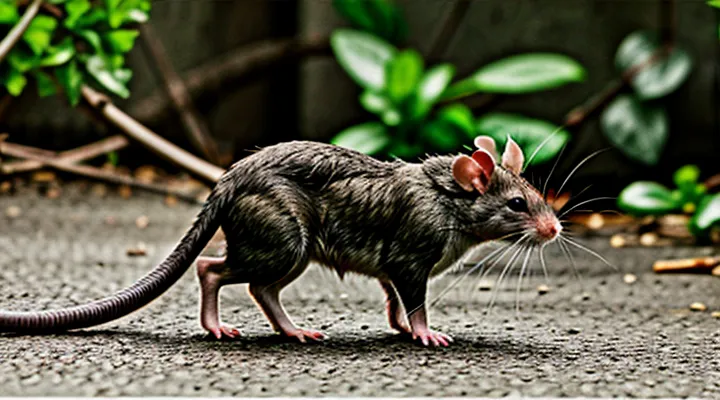
The Omnivorous Nature of Rats
Understanding Rat Diet
Opportunistic Foraging
Rats exhibit opportunistic foraging, consuming resources that become available without specialized hunting techniques. This behavior results from physiological adaptations such as a highly developed sense of smell and a dentition capable of processing both plant and animal matter.
Typical items encountered during opportunistic foraging include:
- Grain, seeds, and cultivated crops
- Insects, larvae, and small arthropods
- Carrion and discarded meat
- Human food waste and processed snacks
The diet breadth reflects a flexible energy acquisition strategy rather than a reliance on predation. Laboratory analyses show that protein intake from animal sources rarely exceeds 20 % of total caloric consumption, even when insects are abundant. Field observations confirm that rats prioritize easily accessible, high‑calorie items, resorting to animal prey only when other foods are scarce.
Consequences of opportunistic foraging extend to ecological impact. By scavenging waste, rats reduce organic matter buildup in urban environments; by consuming insects, they modestly influence invertebrate populations. However, the limited frequency of active hunting prevents classification of rats as primary predators. Their dietary profile aligns more closely with omnivorous opportunists that exploit diverse food sources according to availability.
Adaptability to Environment
Rats demonstrate remarkable physiological and behavioral flexibility that enables survival across urban, agricultural, and wild ecosystems. Their capacity to exploit diverse food sources stems from an omnivorous dentition, rapid gastrointestinal turnover, and a keen sense of smell that detects both plant matter and animal protein. When carrion or insects become available, rats readily incorporate them into their diet, indicating that predatory consumption is a conditional response rather than a fixed trait.
Key adaptive mechanisms include:
- Dietary plasticity – enzymes adapt to digest starch, protein, and fat simultaneously, allowing immediate exploitation of new resources.
- Reproductive acceleration – short gestation and high litter size increase population density, which intensifies competition and drives opportunistic feeding.
- Habitat exploitation – burrowing, climbing, and swimming skills expand access to underground stores, elevated waste, and waterborne prey.
Environmental pressures shape these adaptations. In densely populated cities, waste abundance reduces the need for active predation, while in rural settings where food scarcity prevails, rats increase scavenging and occasional predation on small vertebrates. Consequently, their role as predators fluctuates with habitat conditions, reflecting a direct link between environmental adaptability and dietary strategy.
Identifying Predatory Behaviors in Rats
Hunting Small Prey
Insects and Invertebrates
Rats regularly include arthropods and other invertebrates in their diet. Field observations and stomach‑content analyses show that they capture and eat a broad range of taxa, from winged insects to soft‑bodied mollusks.
Typical prey items include:
- Beetles (Coleoptera), especially larvae such as mealworms and carpet beetles.
- Crickets and grasshoppers (Orthoptera), which provide protein and moisture.
- Fly larvae (Diptera), commonly found in decaying organic matter.
- Earthworms (Annelida), consumed during foraging in moist soil.
- Small crustaceans (e.g., amphipods) when access to water sources occurs.
The predatory behavior exhibited toward these organisms varies with environmental conditions. In urban settings, abundant refuse reduces reliance on live prey, whereas in agricultural or natural habitats, opportunistic hunting of insects supplements grain and plant material. Seasonal shifts also influence intake; insects become a primary protein source during breeding periods when energetic demands rise.
Physiological studies indicate that rat digestion efficiently processes chitinous exoskeletons, extracting amino acids and lipids. Enzyme activity in the small intestine adapts to the presence of arthropod-derived nutrients, confirming a functional capacity for invertebrate consumption.
Overall, evidence supports the classification of rats as opportunistic predators of insects and invertebrates, rather than strict herbivores. Their dietary flexibility allows them to exploit invertebrate prey whenever it enhances caloric intake or fulfills specific nutritional requirements.
Small Vertebrates
Rats frequently include small vertebrates in their diet, especially when plant material and invertebrate sources are scarce. Their opportunistic feeding behavior allows them to exploit a range of vertebrate prey that are easily captured or scavenged.
Typical vertebrate items consumed by rats comprise:
- Juvenile amphibians such as tadpoles and newly metamorphosed frogs.
- Young reptiles, including hatchling lizards and small snakes.
- Nestlings of birds, particularly ground‑dwelling species whose eggs or chicks are accessible.
- Small fish caught in shallow water or trapped in containers.
The selection of vertebrate prey correlates with habitat characteristics. Urban environments provide abundant refuse that may contain dead or injured small animals, while agricultural fields and wetlands offer live amphibians and reptiles. Seasonal fluctuations affect availability; for instance, summer rains increase amphibian populations, leading to higher predation rates.
Nutritionally, vertebrate tissue supplies protein, essential amino acids, and lipids that complement the carbohydrate‑rich diet derived from grains and seeds. Analysis of rat stomach contents shows that vertebrate matter can represent up to 15 % of total intake in habitats where such prey is readily obtainable.
Ecologically, rat predation on small vertebrates contributes to population regulation but may also disrupt local biodiversity, especially on islands or in isolated ecosystems where native species lack evolved defenses against mammalian predators. Monitoring rat diets in sensitive areas assists in assessing their impact and informing control measures.
Scavenging vs. Predation
Rats consume a wide range of organic material, but their intake divides clearly between opportunistic scavenging and active predation. Scavenging involves locating dead or decaying matter, such as carrion, discarded food, and refuse. Rats detect these resources through olfactory cues and exploit them with minimal effort, often aggregating around human waste sites where food availability is high. This behavior accounts for the majority of their caloric intake in urban environments.
Active predation occurs when rats capture live prey, including insects, small vertebrates, and nestlings. Predatory events are documented in laboratory studies where rats successfully hunt crickets, cockroaches, and even juvenile mice. Field observations report occasional predation on amphibian larvae and bird eggs, especially in habitats where alternative food sources are scarce. Predation requires coordinated hunting, rapid bite force, and learned techniques, indicating a capacity for deliberate hunting beyond mere scavenging.
Key distinctions between the two foraging strategies:
- Energy source: Scavenging provides abundant, low‑effort calories; predation yields higher‑quality protein but requires greater effort.
- Risk level: Scavenging exposes rats to competition and disease; predation introduces injury risk from defensive prey.
- Seasonal variation: Scavenging dominates year‑round in cities; predation increases in temperate regions during spring and summer when insects and nestlings are plentiful.
- Ecological impact: Scavenging contributes to waste decomposition; predation influences local invertebrate and small vertebrate populations.
Overall, rats exhibit flexible foraging that integrates both scavenging and predation. Their primary dietary pattern remains opportunistic consumption of readily available refuse, while predatory behavior emerges under specific ecological pressures or resource limitations.
Impact of Dietary Preferences
Ecological Role
Seed Dispersal
Rats consume a wide range of plant material, including seeds that pass through their digestive tract intact. This process contributes to the relocation of viable seeds away from the parent plant, facilitating colonization of new sites. The extent of this contribution depends on the proportion of seeds in the rat’s diet and the survivability of seeds after ingestion.
Key factors influencing seed dispersal by rats:
- Seed size compatible with the rat’s gape and gut capacity.
- Seed coat resistance to digestive enzymes and mechanical breakdown.
- Habitat overlap between rat foraging areas and suitable germination sites.
Empirical observations show that rats often hoard seeds in shallow caches, some of which remain unretrieved and germinate. This behavior mirrors that of other granivorous mammals, providing a secondary dispersal mechanism beyond fecal transport. Consequently, despite their reputation as opportunistic omnivores, rats act as effective agents of seed movement, influencing plant community dynamics across urban and rural landscapes.
Pest Control (of other pests)
Rats consume a broad spectrum of food items, including insects, larvae, and small vertebrates that commonly damage stored products and crops. Their opportunistic feeding behavior enables them to reduce populations of grain beetles, moth larvae, and other arthropod pests when those organisms are readily available.
When evaluating rats as biological control agents, several factors determine their impact:
- Availability of alternative food sources; abundant refuse diminishes predation pressure on target pests.
- Habitat structure; cluttered environments facilitate hunting and increase encounter rates with insects.
- Seasonal fluctuations; colder periods limit activity, reducing predatory effectiveness.
- Species-specific preferences; Norway rats favor carrion and plant material, while roof rats more frequently prey on fruit‑feeding insects.
Practical application of rats for pest suppression requires management of waste to prevent attraction to human food supplies, and monitoring to avoid unintended damage to non‑target species or property. Integrating rat activity with sanitation and structural controls can enhance overall pest management outcomes without relying on chemical interventions.
Agricultural Implications
Crop Damage
Rats frequently consume grains, tubers, and leafy vegetables, directly reducing yields. Their opportunistic feeding pattern leads to selection of crops that are easy to harvest, stored, or have high moisture content. Damage manifests as consumption of kernels, gnawing of stems, and contamination with urine and feces, which can render produce unmarketable.
Seasonal abundance of preferred foods influences the intensity of crop loss. During harvest periods, rats intensify activity around fields where residues remain on the ground. In dry seasons, scarcity of natural seeds drives increased foraging on cultivated plants, expanding the range of affected species.
Key factors that exacerbate rat‑related crop damage include:
- High seed density in the soil profile, providing immediate food sources.
- Lack of effective storage facilities, allowing easy access to harvested produce.
- Proximity of field margins to unmanaged vegetation, offering shelter and alternative feeding sites.
Mitigation strategies must address both the attractiveness of crops and the availability of refuge. Practices such as timely removal of post‑harvest residues, reinforcement of storage structures, and habitat modification around fields reduce the incentive for rats to target crops, thereby limiting economic losses.
Stored Food Contamination
Rats frequently infiltrate storage facilities, exposing food supplies to biological contamination. Their omnivorous habits include scavenging on grains, cereals, and processed products, which creates direct contact between rodent saliva, urine, and stored items. This interaction introduces pathogens such as Salmonella, Leptospira, and viral agents, while also promoting spoilage through enzymatic degradation.
Key contamination mechanisms:
- Physical damage: gnawing creates entry points for microbes and molds.
- Excreta deposition: urine and feces deposit nitrogenous waste, fostering bacterial growth.
- Saliva transfer: enzymes in saliva initiate protein breakdown, accelerating decay.
- Vectoring: rats carry ectoparasites that can further contaminate food surfaces.
Mitigation requires integrated control measures:
- Structural barriers: seal cracks, install rat-proof doors, and employ metal shelving.
- Sanitation protocols: schedule regular cleaning, remove waste promptly, and disinfect surfaces with approved agents.
- Monitoring systems: implement traps, motion sensors, and periodic inspections to detect infestations early.
- Inventory management: rotate stock using first‑in‑first‑out practices to reduce long‑term exposure.
Understanding rat dietary preferences clarifies why they target stored commodities. Preference for high‑energy, carbohydrate‑rich foods drives them toward pantry staples, increasing the likelihood of contamination. Effective prevention hinges on eliminating access to these attractants and maintaining rigorous environmental controls.
Factors Influencing Rat Diet
Habitat and Availability
Urban Environments
Rats thriving in city landscapes exhibit remarkable adaptability, exploiting the constant flow of human-generated resources. Their presence in densely built areas creates a focal point for evaluating whether they function as predators or merely as opportunistic feeders.
Urban rat diets consist of diverse components:
- Refuse from households and restaurants, including cooked food residues.
- Stored grains and cereals found in warehouses or residential pantries.
- Insects such as cockroaches, beetles, and larvae that inhabit sewers and basements.
- Small vertebrates, including nestlings, juveniles of other rodents, and occasionally lizards or amphibians.
The consumption of insects and occasional capture of small vertebrates demonstrates predatory activity, yet these events represent a minor fraction of overall intake. The dominant feeding strategy remains omnivorous opportunism, driven by the abundant, high‑calorie waste typical of metropolitan settings.
This dietary pattern influences pest control priorities: management efforts must target waste reduction and secure storage to limit food availability, while acknowledging that rats also exert limited regulatory pressure on certain invertebrate populations. Their role as disease carriers persists, underscoring the need for integrated urban sanitation and rodent‑population monitoring.
Rural Settings
Rats inhabiting agricultural and pastoral landscapes encounter a food supply distinct from urban environments. Grain storages, livestock feed, and discarded crop residues constitute the primary caloric sources, while occasional access to small mammals, insects, and amphibians supplements their diet. This opportunistic feeding pattern reduces reliance on predatory behavior, as the abundance of plant-derived nutrients satisfies most nutritional requirements.
Predation incidents in rural zones occur primarily when rodent populations exceed the carrying capacity of available vegetation. In such cases, rats may capture field mice, voles, or beetles, but these events represent a minor proportion of overall intake. Empirical studies report that less than 10 % of stomach contents from rural specimens contain animal tissue, confirming a predominantly herbivorous habit.
Key dietary components observed in field analyses include:
- Cereal grains (wheat, corn, barley)
- Legume seeds (soy, peas)
- Root vegetables (potatoes, carrots)
- Opportunistic animal matter (insects, small vertebrates)
Seasonal fluctuations influence consumption patterns. During harvest periods, rodents ingest surplus grains, whereas post‑harvest scarcity prompts increased foraging of residual plant material and occasional predation. Overall, rural rats function mainly as granivores and herbivores, with predatory actions limited to opportunistic contexts driven by resource scarcity.
Seasonal Variations
Rats adjust their diet according to the availability of resources throughout the year, a pattern that directly influences their potential as predators.
In early spring, emerging vegetation and insect larvae become prominent. Rats frequently consume tender shoots, fresh grasses, and newly hatched insects, supplementing their grain stores with protein‑rich arthropods.
Summer brings abundant fruit, berries, and mature seeds. Rats exploit these high‑energy foods while also preying on larger insects and occasional amphibians that thrive in warm, moist environments.
Autumn introduces fallen nuts, acorns, and increased rodent activity. Rats harvest stored seeds and may capture smaller mammals that seek shelter, expanding their diet with higher‑fat content items.
Winter limits plant material and forces reliance on stored provisions. Rats shift toward stored grains, dried seeds, and scavenged carrion, occasionally killing weakened insects or small vertebrates that remain active under shelter.
Seasonal dietary shifts affect predatory behavior in several ways:
- Protein‑rich insects and amphibians consumed in spring and summer provide nutrients that support occasional hunting.
- Access to larger prey, such as small mammals, increases during autumn when competition for food intensifies.
- Winter scarcity drives opportunistic scavenging, blurring the line between omnivory and predation.
Overall, the seasonal availability of food resources determines the extent to which rats engage in predatory actions, positioning them as opportunistic predators rather than obligate hunters.
Competition with Other Species
Rats share food resources with a range of mammals, birds, and insects, creating direct competition that shapes their foraging behavior. Their omnivorous diet overlaps with species that exploit similar urban and rural niches, forcing rats to adjust consumption patterns and activity periods.
- House mice (Mus musculus) – compete for stored grains, seed remnants, and insect larvae; rats typically dominate larger food patches but avoid direct confrontation.
- Pigeons and sparrows – target exposed seeds and fruit; rats out‑compete these birds for ground‑level scraps, especially during nighttime.
- Red foxes (Vulpes vulpes) – hunt small rodents and scavenge carrion; fox predation reduces rat numbers while also removing shared carrion sources.
- Invertebrate predators (e.g., centipedes, beetles) – consume insects that rats also harvest; competition intensifies in moist habitats where both groups thrive.
Competitive pressure influences rat diet composition. When dominant competitors deplete preferred items such as grains, rats increase intake of protein‑rich insects, organic waste, and opportunistic carrion. Conversely, in environments with limited predator presence, rats favor high‑calorie plant material and stored food.
The dynamic between rats and co‑occurring species determines resource allocation, seasonal dietary shifts, and population stability. Understanding these interactions clarifies the extent to which rats function as predators versus opportunistic feeders within shared ecosystems.
Mitigation and Management
Understanding Dietary Habits for Control
Baits and Attractants
Bait selection directly reflects rat feeding behavior and determines the reliability of studies on their predatory potential. Researchers and pest‑control professionals rely on attractants that trigger strong gustatory and olfactory responses, ensuring consistent capture rates.
Typical bait categories include:
- Protein sources (e.g., dried fish, meat meal, insect larvae) that mimic prey items.
- Carbohydrate options (e.g., cornmeal, wheat flour, sugar crystals) representing plant‑based foods.
- Fat‑rich substances (e.g., peanut butter, lard, oilseed mash) providing high energy content.
- Mixed formulations combining protein, carbohydrate, and fat to simulate omnivorous diets.
Effective attractants share several measurable properties:
- High volatile compound concentration to stimulate olfaction.
- Moisture level that enhances palatability without promoting spoilage.
- Texture that permits easy ingestion and minimal waste.
- Stability under varying temperature and humidity conditions.
Field trials consistently show that baits containing fish oil or meat extracts generate the fastest approach times, while sweetened grain mixtures sustain longer feeding periods. Incorporating a small proportion of animal protein into otherwise plant‑based baits increases capture frequency by up to 30 %, indicating a measurable preference for animal tissue when available.
Accurate bait formulation therefore informs conclusions about rat dietary classification, supports effective population management, and provides a reproducible basis for comparative research across geographic regions.
Habitat Modification
Habitat alteration directly shapes the opportunities rats have to capture animal prey and to select plant material, thereby influencing assessments of their predatory status and feeding patterns.
Physical changes such as removal of vegetation, introduction of hard‑scape surfaces, or installation of storage structures modify the spatial distribution of insects, small vertebrates, and discarded food. Reduced ground cover limits shelter for arthropods, decreasing their density and forcing rats to shift toward alternative items. Conversely, cluttered environments with abundant debris create microhabitats that sustain high invertebrate populations, encouraging opportunistic hunting.
- Removal of litter and debris → lower invertebrate abundance, increased reliance on grains and refuse.
- Installation of elevated platforms or shelving → enhanced access to stored seeds and fruits, reduced ground‑level predation.
- Creation of water features → attraction of amphibians and aquatic insects, providing additional protein sources.
- Urban greening projects → expansion of vegetative cover, supporting larger insect communities and potential for predation.
Understanding how these modifications affect rat diet informs pest‑management strategies, allowing practitioners to predict shifts between scavenging and active predation and to design environments that limit undesirable hunting behavior.