
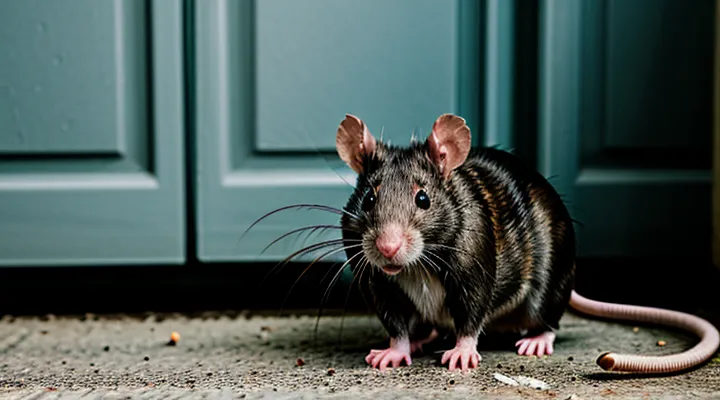
Understanding Rat Phobia
What Is It Called?
Specific Phobia: Animal Type
Specific phobia of animals refers to an intense, irrational fear triggered by the presence or anticipation of a particular creature. When the feared animal is a rat, the condition manifests as a pronounced aversion to rodents, often extending to images, sounds, or even the idea of rats.
The disorder typically emerges in childhood or early adolescence, with a higher prevalence among females. Epidemiological surveys indicate that animal‑type phobias constitute the most common category of specific phobias, and rat‑related fear ranks among the top three animal triggers.
Affected individuals experience rapid heart rate, sweating, trembling, and a compelling urge to flee upon encountering the stimulus. Cognitive symptoms include catastrophic thoughts about contamination or disease, while behavioral patterns involve deliberate avoidance of environments where rats might appear.
Diagnostic criteria align with the DSM‑5 framework: persistent fear that is excessive relative to the actual danger; immediate anxiety response upon exposure; active avoidance or endurance of distress; significant interference with occupational, social, or educational functioning; duration exceeding six months; and exclusion of other mental disorders or medical conditions as primary explanations.
Assessment incorporates structured clinical interviews, standardized questionnaires such as the Specific Phobia Questionnaire, and, when feasible, controlled exposure tests to gauge physiological reactivity.
Evidence‑based interventions focus on exposure‑based therapy. Core components include:
- Gradual, repeated confrontation with rat‑related cues, beginning with low‑intensity stimuli (e.g., pictures) and advancing to real‑world encounters.
- Cognitive restructuring to challenge exaggerated beliefs about danger.
- Relaxation training (deep breathing, progressive muscle relaxation) to manage autonomic arousal.
- Homework assignments that reinforce in‑session gains.
Pharmacological support may involve selective serotonin reuptake inhibitors or short‑term benzodiazepines, primarily to reduce acute anxiety during initial exposure phases.
Self‑managed strategies complement professional treatment: maintaining a log of feared situations, practicing relaxation techniques daily, and employing systematic desensitization using audio or video recordings of rats.
Collectively, these approaches yield substantial symptom reduction, enabling individuals to function without the debilitating avoidance that characterizes the phobia.
Musophobia
Musophobia, the specific fear of mice, often appears alongside or confused with the fear of rats. Both conditions belong to the broader category of rodent phobias, yet they differ in trigger stimuli and behavioral responses. Individuals with musophobia may experience rapid heartbeat, sweating, and avoidance when encountering a mouse, even if the animal is distant or merely imagined.
The disorder typically originates from a combination of genetic predisposition, traumatic encounters, and learned anxiety. Neurobiological studies link heightened amygdala activity to the exaggerated threat perception seen in sufferers. Prevalence estimates suggest that musophobia affects a small yet significant portion of the population, particularly among those with a family history of anxiety disorders.
Effective management relies on evidence‑based interventions:
- Cognitive‑behavioral therapy focusing on restructuring irrational thoughts about mice.
- Gradual exposure therapy, beginning with visual representations and progressing to controlled live encounters.
- Pharmacological support, such as selective serotonin reuptake inhibitors, to reduce baseline anxiety during exposure sessions.
- Relaxation techniques, including diaphragmatic breathing and progressive muscle relaxation, to mitigate acute physiological arousal.
Combining these approaches under professional supervision yields the most reliable reduction in fear intensity and improves daily functioning for individuals confronting musophobia.
Suriphobia
Suriphobia, the intense and persistent fear of rats, falls under the category of specific phobias in clinical psychology. Individuals experience immediate anxiety when encountering rats or even when anticipating their presence. Physiological responses may include rapid heartbeat, sweating, trembling, and shortness of breath, while behavioral reactions often involve avoidance of environments where rats might appear.
Diagnostic criteria align with DSM‑5 guidelines for specific phobias: marked fear that is disproportionate to the actual danger, recognition that the fear is excessive, and significant interference with daily activities. The condition persists for six months or longer and cannot be better explained by another mental disorder.
Common contributing factors include:
- Traumatic encounters with rats during childhood
- Observational learning from caregivers who display fear
- Genetic predisposition toward anxiety disorders
- Cultural narratives that portray rats as disease carriers
Effective treatment strategies rely on evidence‑based interventions:
- Cognitive‑behavioral therapy (CBT) to restructure irrational thoughts
- Graduated exposure therapy, beginning with imagined scenarios and progressing to controlled real‑world contact
- Pharmacological support, such as selective serotonin reuptake inhibitors (SSRIs) for severe anxiety
- Relaxation techniques (deep breathing, progressive muscle relaxation) to manage acute physiological symptoms
A multidisciplinary approach, integrating psychotherapy with medication when necessary, yields the highest remission rates. Early identification and consistent application of these methods reduce avoidance behavior and restore functional engagement with previously feared environments.
The Roots of Fear
Psychological Factors
Rat phobia, also known as musophobia, stems from a combination of psychological mechanisms that amplify fear responses toward rodents. Classical conditioning frequently links the sight or scent of rats with a distressing event, creating an automatic anxiety trigger. Operant conditioning reinforces avoidance behaviors, which reduce short‑term discomfort but strengthen the phobia over time.
Cognitive distortions contribute significantly. Individuals often overestimate the danger posed by rats, imagine uncontrollable infestations, and catastrophize potential bites or disease transmission. These exaggerated beliefs sustain heightened arousal even when objective risk is low.
Genetic and neurobiological factors shape susceptibility. Research indicates a familial pattern of specific phobias, suggesting inherited variations in amygdala reactivity and serotonin regulation. Persons with a history of generalized anxiety or panic disorder display increased sensitivity to fear‑inducing stimuli, including rodents.
Personality traits influence the development and persistence of rat fear. High harm avoidance, low novelty seeking, and a tendency toward introversion correlate with stronger phobic reactions. Early traumatic encounters with rats—or with animal‑related media—can embed lasting emotional memories that resurface in adulthood.
Cultural context modifies perception. Societies that portray rats as disease carriers or symbols of filth embed negative associations, reinforcing collective anxiety. Media representations that emphasize aggression or plague scenarios provide additional reinforcement for individual fear.
Key psychological factors
- Classical and operant conditioning
- Cognitive overestimation of threat
- Genetic predisposition and neural circuitry
- Comorbid anxiety disorders
- Personality dimensions (harm avoidance, introversion)
- Cultural and media influences
Understanding these components guides therapeutic interventions, such as exposure therapy, cognitive restructuring, and pharmacological support, which target the underlying psychological architecture of the phobia.
Traumatic Experiences
Rat phobia often originates from specific traumatic encounters with rodents. Direct assaults, such as being bitten or scratched, create vivid memories that the brain later categorizes as dangerous. Observing another person suffer a severe reaction to a rat can also embed fear, especially when the observer feels helpless. Accidental exposure—finding a rat in a confined space, hearing sudden scurrying sounds, or experiencing a sudden infestation—produces intense stress responses that persist beyond the immediate event. Childhood experiences, including stories of plague or disease associated with rats, can reinforce anxiety long after the factual threat has passed.
Common traumatic experiences linked to rat phobia include:
- Physical injury caused by a rat (bite, scratch, or claw wound)
- Sudden visual contact with a large swarm of rats
- Uncontrolled infestation in a home or workplace
- Witnessing a pet or family member harmed by a rat
- Exposure to graphic media depicting rat attacks or disease transmission
These events trigger the amygdala, strengthening neural pathways that associate rats with danger. The resulting hypervigilance manifests as avoidance, rapid heartbeat, sweating, and intrusive thoughts whenever rodents appear. Over time, the fear generalizes to related stimuli, such as images, sounds, or even discussions about rats.
Effective treatment addresses the underlying trauma. Cognitive‑behavioral therapy (CBT) restructures maladaptive thoughts, while exposure therapy gradually desensitizes the individual by introducing controlled, non‑threatening rat encounters. Eye‑movement desensitization and reprocessing (EMDR) targets the original memory, reducing emotional intensity. Pharmacological support, such as selective serotonin reuptake inhibitors, can stabilize anxiety levels during therapy. Combining these approaches yields the most reliable reduction in rat‑related fear, restoring functional interaction with environments where rodents may be present.
Learned Behavior
Fear of rats, clinically known as musophobia, often develops through associative learning. A person may witness another’s panic reaction, experience a negative encounter, or receive warnings that link rats to danger. These experiences create neural pathways that label rats as threatening, even in the absence of direct harm.
Learned behavior reinforces the phobia through repeated exposure to fear‑inducing cues. Observational learning allows an individual to adopt anxiety responses by watching family members or peers react with dread. Classical conditioning pairs the presence of rats with heightened physiological arousal, while operant conditioning strengthens avoidance actions that reduce immediate discomfort.
Treatment strategies target the learned components of the disorder. Effective interventions include:
- Systematic desensitization: gradual exposure to rat‑related stimuli while practicing relaxation techniques to overwrite conditioned fear.
- Cognitive‑behavioral therapy: identification and restructuring of beliefs formed from prior learning, reducing the perceived threat.
- Modeling therapy: observation of a therapist or peer interacting calmly with rats, providing new, non‑fearful behavioral templates.
- Virtual reality simulations: controlled, repeatable exposure that disrupts entrenched avoidance patterns without real‑world risk.
By dismantling the acquired associations and replacing them with neutral or positive experiences, the fear response diminishes, allowing functional interaction with environments where rats may be present.
Symptoms and Impact
Recognizing the Signs
Physical Manifestations
Physical manifestations of the fear of rats appear quickly after exposure to the trigger. The autonomic nervous system activates, causing a rapid heartbeat, sweating, and trembling. Breathing becomes shallow, and a sensation of choking may develop. Pupils dilate, and vision can blur, reducing the ability to focus on the source of anxiety.
The body may also produce gastrointestinal responses. Nausea, stomach cramps, and the urge to vomit are common. Some individuals experience a sudden rush of adrenaline that leads to a feeling of heat or flushing across the face and neck. Muscle tension often concentrates in the shoulders and neck, resulting in stiffness or aches after the episode.
Typical physical signs can be organized as follows:
- Increased heart rate (tachycardia)
- Profuse sweating, especially on palms and forehead
- Tremors or shaking of limbs
- Shortness of breath and hyperventilation
- Dilation of pupils (mydriasis)
- Nausea, abdominal discomfort, or urge to vomit
- Flushing or feeling of warmth in the upper body
- Muscle tension in neck, shoulders, and back
These reactions are involuntary and may persist for minutes to several hours after the encounter. Recognizing them helps differentiate a specific rat-related fear from a generalized anxiety response and guides appropriate therapeutic interventions.
Emotional Responses
Emotional reactions to the fear of rats manifest as intense distress that can dominate a person’s mental state. The experience typically includes sudden spikes of anxiety, overwhelming dread, and a pervasive sense of danger when rodents are present or even imagined.
- Acute panic
- Persistent dread
- Irritability
- Shame or embarrassment
- Helplessness
These responses trigger physiological changes such as accelerated heart rate, rapid breathing, and muscle tension, reinforcing avoidance behavior. The cycle of fear and physical arousal hampers daily functioning and complicates therapeutic interventions. Effective treatment must address both the cognitive perception of threat and the accompanying emotional surge, employing exposure techniques, cognitive restructuring, and relaxation training to break the pattern of heightened reactivity.
Behavioral Patterns
Individuals who experience an intense, irrational fear of rats exhibit distinct behavioral responses that differentiate the condition from ordinary aversion. The fear often triggers automatic avoidance, heightened vigilance, and physiological arousal when rats or rat-related cues are present.
Common behavioral patterns include:
- Immediate departure from environments where rats are sighted or suspected.
- Persistent checking of surroundings for signs of rodent activity, even in safe settings.
- Excessive cleaning or sealing of food containers to eliminate perceived contamination.
- Repeated seeking of reassurance from others regarding the absence of rats.
- Disruption of daily routines to minimize exposure, such as altering routes or avoiding certain public spaces.
These patterns shape therapeutic interventions. Exposure-based techniques target avoidance by gradually introducing rat-related stimuli under controlled conditions, while cognitive restructuring addresses reassurance‑seeking and catastrophizing thoughts. Behavioral activation counters routine disruption, encouraging engagement in normal activities despite the presence of rodent cues.
Effective treatment hinges on recognizing and modifying these entrenched behaviors, thereby reducing fear intensity and restoring functional behavior.
Daily Life Challenges
Social Avoidance
Social avoidance refers to the deliberate reduction of interpersonal interactions driven by intense fear of rats. Individuals with this specific phobia may decline invitations, limit time in public spaces, and withdraw from activities where rodent encounters are possible. The behavior protects the person from perceived threats but often amplifies isolation, reduces support networks, and hinders daily functioning.
The avoidance pattern typically develops through classical conditioning: a negative encounter with a rat creates an association between rodents and danger, which generalizes to situations where rats might appear. Cognitive distortions, such as overestimating the likelihood of rat presence, reinforce the reluctance to engage socially. Physiological responses—elevated heart rate, trembling, and heightened vigilance—activate whenever environments are perceived as risky, further discouraging participation.
Effective interventions target both the fear of rats and the broader social withdrawal. Recommended components include:
- Cognitive‑behavioral therapy (CBT) focused on restructuring catastrophic thoughts about rodents and social settings.
- Gradual exposure to rat‑related cues, beginning with low‑intensity stimuli (e.g., pictures) and progressing to controlled encounters, while simultaneously practicing social interactions.
- Social skills training to rebuild confidence in group contexts, emphasizing communication, assertiveness, and coping strategies for anxiety spikes.
- Pharmacological support, such as selective serotonin reuptake inhibitors, when anxiety levels impede therapeutic progress.
Combining exposure techniques with structured social rehearsal reduces avoidance, restores functional relationships, and diminishes the overall impact of the rat phobia on everyday life.
Occupational Difficulties
Fear of rats can create significant barriers in professional environments where rodents are present, either directly or indirectly. Employees may experience heightened anxiety when tasked with duties that involve cleaning, waste management, laboratory work, or food‑service operations, leading to reduced productivity and increased error rates. In settings such as research facilities, the presence of laboratory animals or the need to handle equipment contaminated by rodents may trigger avoidance behaviors, compromising both personal performance and institutional safety standards.
Key occupational challenges include:
- Inability to enter areas where rodent sightings are common, resulting in missed shifts or task reassignment.
- Elevated stress responses that impair concentration, decision‑making, and manual dexterity, raising the risk of accidents.
- Reluctance to accept promotions or responsibilities involving pest control, facility inspections, or field work in environments with known rodent activity.
- Necessity for employers to provide alternative assignments or accommodations, which can strain staffing resources and increase operational costs.
Effective management of these difficulties relies on evidence‑based interventions. Cognitive‑behavioral therapy, exposure techniques, and, when appropriate, pharmacological support can diminish the phobic response, enabling individuals to perform required duties safely. Employers should incorporate reasonable adjustments, such as offering remote work options, assigning tasks away from rodent‑prone zones, or providing access to mental‑health professionals familiar with specific animal phobias. Documentation of treatment progress facilitates coordinated workplace planning and reduces the likelihood of repeated disruptions.
Long‑term career planning should consider the prevalence of rodent exposure in prospective roles. Occupational counseling can guide affected individuals toward sectors with minimal rodent contact, while ongoing therapeutic maintenance helps preserve job stability in environments where exposure cannot be fully eliminated. By aligning clinical treatment with workplace accommodations, employees can sustain functional performance and mitigate the professional impact of rat‑related fear.
Reduced Quality of Life
Fear of rats constitutes a specific phobia that triggers intense anxiety when a person encounters, imagines, or anticipates contact with the animal. The reaction often includes rapid heartbeat, shortness of breath, and an overwhelming urge to flee. These physiological responses interfere with ordinary activities and diminish overall well‑being.
When rat phobia permeates daily life, individuals may:
- Avoid neighborhoods, parks, or storage facilities where rodents are likely, limiting recreational options and social interactions.
- Decline employment opportunities that involve warehouses, restaurants, or laboratories, reducing income potential and career advancement.
- Experience persistent stress, which can aggravate sleep disturbances, gastrointestinal issues, and cardiovascular strain.
- Rely on excessive cleaning or pest‑control measures, incurring financial costs and creating a preoccupation that distracts from work or family responsibilities.
The cumulative effect of these restrictions manifests as a lower perceived quality of life. Emotional distress, reduced autonomy, and compromised health converge to produce a chronic state of dissatisfaction and functional impairment.
Effective interventions—such as cognitive‑behavioral therapy, systematic desensitization, or pharmacological support—target the fear response, restore confidence in previously avoided environments, and alleviate physiological symptoms. Successful treatment correlates with measurable improvements in social participation, occupational performance, and physical health, thereby reversing the decline in life quality caused by the phobia.
Effective Treatment Approaches
Professional Help
Cognitive Behavioral Therapy (CBT)
Cognitive Behavioral Therapy (CBT) is a structured, evidence‑based approach used to reduce intense fear of rats, also known as muriphobia. The method focuses on the relationship between thoughts, emotions, and actions, modifying maladaptive patterns that sustain the phobic response.
During treatment, the therapist guides the client through several stages:
- Identification of automatic thoughts that trigger anxiety when encountering rats or related cues.
- Examination of evidence supporting or refuting those thoughts, fostering more realistic interpretations.
- Development of coping statements that replace catastrophic predictions with balanced assessments.
- Gradual exposure to rat‑related stimuli, beginning with low‑intensity images and progressing to controlled, real‑world encounters.
- Reinforcement of successful coping through homework assignments that track anxiety levels and practice new responses.
CBT’s effectiveness for specific phobias is documented in numerous clinical trials, showing significant reductions in self‑reported fear and physiological arousal after a limited number of sessions. The therapy’s emphasis on skill acquisition equips individuals with tools to manage future encounters without reliance on medication.
Key factors that enhance outcomes include therapist expertise in exposure techniques, client commitment to regular practice, and the use of measurable progress indicators such as the Fear of Rats Scale. When these elements align, CBT provides a reliable pathway to diminish rat‑related dread and restore functional daily living.
Exposure Therapy
Exposure therapy is the primary behavioral technique for reducing intense fear of rats. The method relies on systematic, repeated contact with the feared stimulus while preventing avoidance, which gradually weakens the anxiety response.
The process begins with an assessment that determines the severity of the phobia and the individual’s baseline tolerance. A hierarchy of rat‑related situations is then created, ranging from viewing a photograph to handling a live rodent. Each step is introduced only after the client can remain calm at the preceding level, typically measured by a subjective distress rating below a predetermined threshold.
Key formats of exposure therapy include:
- In‑vivo exposure – direct interaction with actual rats in a controlled environment.
- Imaginal exposure – vivid mental rehearsal of rat encounters when live animals are unavailable.
- Virtual‑reality exposure – computer‑generated simulations that replicate realistic rat scenarios without physical contact.
Sessions usually last 60–90 minutes and are scheduled weekly or bi‑weekly, depending on progress. Homework assignments reinforce learning by encouraging practice of the current hierarchy level between meetings. Successful completion of the hierarchy often results in a marked reduction of physiological arousal, avoidance behavior, and intrusive thoughts related to rats.
Evidence from randomized trials shows that exposure therapy produces substantial symptom relief for specific animal phobias, with remission rates exceeding 70 % after 8–12 sessions. Combining exposure with cognitive restructuring can enhance outcomes by challenging irrational beliefs about rats, but the core therapeutic effect remains the gradual desensitization achieved through repeated, controlled contact.
Relaxation Techniques
Relaxation techniques provide a practical means to reduce the physiological arousal that accompanies a fear of rats. By lowering heart rate, muscle tension, and cortisol levels, they create a mental state that facilitates exposure work and cognitive restructuring.
Deep breathing, performed with a slow inhalation through the nose for four counts, a brief pause, and an exhalation through the mouth for six counts, directly influences the autonomic nervous system. Regular practice of this pattern for five minutes before confronting a rodent stimulus can diminish panic responses.
Progressive muscle relaxation involves sequential tensing and releasing of major muscle groups. Starting with the feet and moving upward to the face, each contraction lasts five seconds, followed by a ten‑second release. This sequence, repeated three times, improves body awareness and interrupts the fight‑or‑flight cascade.
Guided imagery replaces distressing thoughts with calming mental scenes. Audio recordings that describe serene environments, such as a shoreline or forest, guide the listener to focus on sensory details while maintaining a relaxed posture. Sessions lasting ten minutes, performed twice daily, enhance the capacity to shift attention away from rat‑related cues.
Mindfulness meditation cultivates non‑judgmental observation of thoughts and sensations. A simple protocol includes sitting upright, fixing attention on the breath, and noting any intrusive images of rats without reacting. Practicing for fifteen minutes each morning strengthens tolerance for anxiety spikes during exposure exercises.
Autogenic training employs self‑suggested statements like “my arms are warm and heavy” to induce a state of calm. Repeating these phrases in a quiet setting for ten minutes, three times per week, supports the development of internal relaxation cues that can be activated during encounters with rodents.
Biofeedback devices measure heart rate variability and skin conductance, providing real‑time feedback on stress levels. Users learn to adjust breathing and posture to achieve target physiological markers. Sessions of twenty minutes, conducted under professional supervision, accelerate mastery of self‑regulation.
Combining these techniques creates a layered approach: initial deep breathing prepares the body; progressive muscle relaxation and guided imagery reduce immediate tension; mindfulness and autogenic training sustain long‑term control; biofeedback validates progress. Consistent implementation, aligned with exposure therapy, increases the likelihood of overcoming rat‑related anxiety.
Medication Options
Anti-Anxiety Medications
Anti‑anxiety medications are a primary pharmacological option for individuals suffering from severe fear of rodents. They work by modulating neurotransmitter systems that influence anxiety responses, thereby reducing the intensity of panic when confronted with rats.
Common drug classes include:
- Selective serotonin reuptake inhibitors (SSRIs) – increase serotonin availability; first‑line for many specific phobias; typical agents are sertraline and paroxetine.
- Serotonin‑norepinephrine reuptake inhibitors (SNRIs) – elevate both serotonin and norepinephrine; examples are venlafaxine and duloxetine.
- Benzodiazepines – enhance GABA activity; provide rapid relief but carry risk of dependence; short‑acting options such as alprazolam are often prescribed for situational use.
- Beta‑blockers – block peripheral adrenergic effects; propranolol reduces somatic symptoms like trembling and tachycardia.
- Azapirones – act on serotonin‑1A receptors; buspirone offers anxiolysis without sedation or significant dependence potential.
Prescribing considerations focus on severity of the phobia, comorbid conditions, and patient history. Initial dosing usually starts low and titrates upward to balance efficacy with tolerability. Common adverse effects include gastrointestinal upset (SSRIs, SNRIs), drowsiness (benzodiazepines), and dizziness (beta‑blockers). Regular monitoring of blood pressure, heart rate, and mental status is recommended, particularly during the first weeks of treatment.
Pharmacotherapy is most effective when combined with exposure‑based behavioral interventions. Medication can stabilize anxiety enough for patients to engage in systematic desensitization or cognitive‑behavioral techniques, accelerating progress toward a lasting reduction in rodent‑related fear.
Beta-Blockers
Beta‑blockers are a class of medications that block the action of adrenaline on beta‑adrenergic receptors, reducing heart rate, tremor, and the sense of panic that often accompany acute fear responses. By attenuating these somatic symptoms, they can make exposure to rats more tolerable for individuals with intense rodent‑related anxiety.
In clinical practice, beta‑blockers are prescribed for short‑term use before anticipated encounters with rats. Typical regimens involve a single oral dose taken 30–60 minutes prior to exposure, allowing peak plasma concentrations to coincide with the feared situation. The dosage is adjusted according to body weight and cardiovascular status, with low‑dose propranolol (10–40 mg) being the most common starting point.
Commonly used agents include:
- Propranolol (non‑selective)
- Atenolol (β1‑selective)
- Metoprolol (β1‑selective)
Side‑effect profile comprises fatigue, cold extremities, and occasional bronchospasm in patients with reactive airway disease. Contraindications encompass severe bradycardia, uncontrolled heart failure, and asthma that is not well controlled. Monitoring of blood pressure and heart rate is recommended after the initial dose.
Beta‑blockers are most effective when combined with cognitive‑behavioral strategies such as systematic desensitization or exposure therapy. The medication dampens physiological arousal, enabling the patient to focus on cognitive restructuring and gradual habituation to rat‑related cues. This multimodal approach maximizes the likelihood of lasting reduction in fear intensity.
Self-Help Strategies
Mindfulness and Meditation
Mindfulness and meditation provide practical tools for individuals who experience intense fear of rats. By training attention on the present moment, these practices reduce automatic threat responses and create space for rational evaluation of the stimulus.
Regular meditation sessions develop tolerance to physiological arousal. Techniques such as focused breathing, body scan, and open‑awareness meditation encourage the nervous system to shift from a sympathetic (fight‑or‑flight) state to a parasympathetic (rest‑and‑digest) state, which directly counteracts panic symptoms triggered by rodent exposure.
Applying mindfulness to rat phobia can follow a structured approach:
- Identify triggers – note specific situations (e.g., sight of a rat, sounds, thoughts) that provoke anxiety.
- Anchor attention – use breath or tactile sensations to maintain focus whenever a trigger arises.
- Label sensations – verbally acknowledge feelings (“I notice rapid heartbeat”) without judgment.
- Gradual exposure – combine mindfulness with controlled visual or imagined exposure, increasing duration as comfort grows.
- Reflect after each session – record changes in intensity, duration, and coping effectiveness.
Consistent practice cultivates emotional regulation, diminishes avoidance behavior, and supports long‑term recovery from rat‑related fear.
Gradual Exposure at Home
Gradual exposure at home offers a practical method for reducing the intense fear of rodents. The approach relies on repeated, controlled encounters with rat‑related stimuli, allowing the nervous system to adjust its response over time.
Begin with indirect exposure. Place a photograph of a rat on a desk for several minutes each day. Observe any physiological reactions, note them, and practice slow breathing to maintain calm. Continue this stage until the image no longer triggers a panic response.
Proceed to auditory exposure. Play recordings of rat sounds—scratching, squeaking, or chewing—at a low volume. Increase the volume incrementally only when the previous level is tolerated without distress.
Introduce tactile elements in the final phase. Start with a sealed container that holds a small, live rat. Observe the animal from a safe distance, then gradually move closer. When comfort is achieved, touch the container with a gloved hand. If progress remains steady, transition to handling a rat under supervision, using a calm environment and protective gloves.
Throughout each step, maintain a consistent schedule—daily sessions of 10–15 minutes—and record progress. If anxiety intensifies, pause the exposure and revert to the previous level before resuming advancement. This systematic, home‑based protocol can diminish the fear response without immediate professional intervention, though consultation with a therapist remains advisable for severe cases.
Support Groups
Support groups provide a structured environment where individuals with musophobia can share experiences, receive peer feedback, and learn coping strategies. Regular meetings reduce isolation, reinforce treatment goals, and expose members to practical techniques for managing anxiety triggered by rodent encounters.
Key advantages of group participation include:
- Observation of diverse coping methods applied in real‑time situations.
- Immediate feedback on exposure exercises prescribed by therapists.
- Development of a network that encourages accountability and sustained progress.
- Access to resources such as literature, audio guides, and referral contacts.
Finding an appropriate group involves several steps. First, consult a mental‑health professional for recommendations; many therapists maintain lists of local or online gatherings. Second, verify that the group’s focus aligns with rodent‑related phobias rather than generic anxiety topics. Third, review the facilitator’s credentials—licensed psychologists, certified counselors, or experienced peer leaders typically guide effective sessions.
During meetings, participants are expected to adhere to a set of norms: confidentiality of shared stories, punctual attendance, and respectful dialogue. Sessions often follow a predictable agenda—check‑in, brief education segment, guided exposure practice, and open discussion. Consistency in attendance correlates with measurable reductions in fear intensity, as documented in several clinical trials.
Online platforms expand access for individuals in remote areas. Video‑conference groups replicate the structure of in‑person meetings while offering anonymity for those hesitant to disclose their phobia publicly. When selecting a virtual group, assess the platform’s security features and the moderator’s ability to manage technical disruptions.
Integrating support groups with individual therapy maximizes treatment efficacy. While professional counseling supplies diagnostic insight and personalized interventions, peer groups reinforce those strategies through shared reinforcement and collective problem‑solving.