
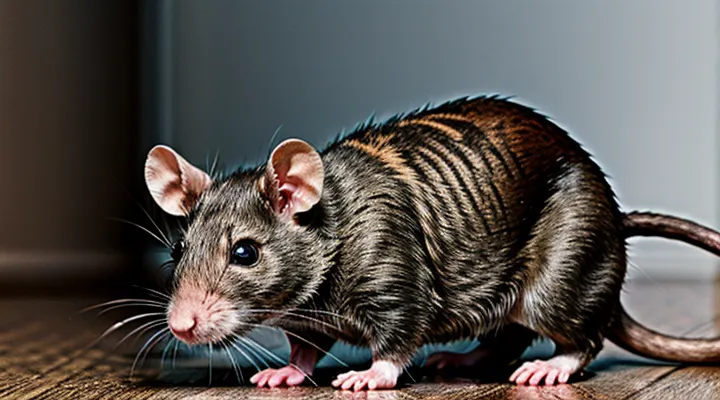
«Epidemiology of Cancer in Rats»
«Common Tumor Types»
Rats develop a spectrum of neoplasms that serve as essential models for translational cancer research. Accurate identification of the most frequently occurring tumors enables targeted diagnostic protocols and therapeutic trials.
- Mammary adenocarcinoma: epithelial malignancy of the mammary gland, often hormone‑responsive and amenable to surgical excision combined with systemic therapy.
- Pituitary adenoma: usually benign but may secrete excess hormones; diagnosis relies on imaging and endocrine assays, while treatment includes pharmacologic inhibition or transsphenoidal surgery.
- Schwannoma: peripheral nerve sheath tumor presenting as a well‑circumscribed mass; surgical resection provides definitive management.
- Hepatocellular carcinoma: primary liver cancer characterized by rapid growth; diagnosis incorporates ultrasonography, histopathology, and serum biomarkers, with options for resection, ablation, or chemotherapeutic regimens.
- Fibrosarcoma: connective‑tissue malignancy that infiltrates surrounding structures; treatment typically involves wide excision and adjuvant chemotherapy.
- Lymphoma: systemic disease of lymphoid tissue, frequently B‑cell origin; therapy includes combination chemotherapy protocols and, when appropriate, monoclonal antibody administration.
Understanding the prevalence and biological behavior of these tumor types informs the selection of imaging modalities, biopsy techniques, and treatment algorithms tailored to the rat model, thereby enhancing the relevance of preclinical findings to human oncology.
«Risk Factors and Predispositions»
Rats develop neoplasms under a combination of intrinsic and extrinsic influences that shape disease incidence and progression. Genetic background is a primary determinant; certain inbred strains (e.g., F344, Sprague‑Dawley) exhibit markedly higher spontaneous tumor rates than outbred populations. Specific germline mutations in tumor‑suppressor genes (p53, Rb) or oncogenes (Kras, Myc) confer susceptibility to multiple organ sites.
Environmental agents augment risk. Chronic exposure to carcinogenic chemicals—such as nitrosamines, polycyclic aromatic hydrocarbons, and aflatoxin—produces dose‑dependent increases in hepatic, lung, and mammary tumors. Persistent infection with rodent retroviruses (e.g., Rous sarcoma virus) accelerates sarcoma formation, while exposure to ionizing radiation elevates incidence of lymphoid and bone malignancies.
Dietary components modulate tumorigenesis. High‑fat, low‑fiber regimens promote gastrointestinal cancers, whereas diets enriched with antioxidants (vitamin E, selenium) demonstrate protective trends in experimental models.
Physiological factors contribute to predisposition. Advanced age correlates with cumulative DNA damage and reduced immune surveillance, leading to higher tumor prevalence. Hormonal status influences tissue‑specific risk; estrogen exposure increases mammary tumor frequency, whereas castration reduces prostate tumor development.
The following concise list summarizes the most frequently reported risk factors in rat cancer studies:
- Inbred strain susceptibility (genetic predisposition)
- Germline mutations in tumor‑suppressor or oncogene pathways
- Chronic chemical carcinogen exposure
- Viral oncogenesis (retrovirus infection)
- Ionizing radiation exposure
- High‑fat, low‑fiber diet
- Antioxidant‑deficient nutrition
- Advanced age
- Hormonal milieu (estrogen, androgen levels)
Understanding these determinants allows researchers to select appropriate animal models, design preventive interventions, and interpret therapeutic outcomes with greater precision.
«Diagnostic Approaches»
«Clinical Examination and History Taking»
Clinical examination and history taking constitute the first step in evaluating a rat suspected of neoplasia. Accurate documentation of signalment, housing conditions, diet, and prior medical interventions provides essential context for interpreting physical findings and selecting diagnostic modalities.
The history should capture:
- Onset, duration, and progression of palpable masses or abnormal behavior.
- Changes in weight, appetite, grooming, or activity levels.
- Exposure to known carcinogens, such as certain chemicals or radiation sources.
- Prior surgeries, biopsies, or treatments that may influence current presentation.
- Family history of tumors, if breeding records are available.
Physical examination follows a systematic approach:
- General assessment – observe posture, locomotion, and respiratory effort.
- Palpation – examine the entire body surface for subcutaneous nodules, assess size, consistency, mobility, and pain response.
- Regional lymph node evaluation – compare size and texture of cervical, axillary, inguinal, and popliteal nodes.
- Oral cavity – inspect for ulcerations, masses, or dental disease that may mimic or mask neoplastic lesions.
- Thoracic auscultation – listen for abnormal breath sounds suggesting pulmonary involvement.
- Abdominal palpation – detect organomegaly, masses, or ascites; note any discomfort.
- Neurological screening – evaluate gait, reflexes, and cranial nerve function to identify possible central nervous system neoplasms.
Documentation must include precise measurements, descriptive terminology, and photographic records when feasible. Findings guide the selection of imaging (radiography, ultrasound, CT) and laboratory tests (CBC, biochemistry, cytology) that refine staging and inform therapeutic planning.
«Imaging Modalities»
Imaging provides the primary means of visualizing tumor development, progression, and response to therapy in experimental rodent models of cancer. High‑resolution, non‑invasive techniques enable repeated measurements in the same animal, reducing variability and improving statistical power.
- Magnetic Resonance Imaging (MRI): Delivers soft‑tissue contrast with sub‑millimeter resolution; functional sequences (e.g., diffusion‑weighted imaging) assess cellular density and vascular permeability.
- Computed Tomography (CT): Supplies rapid three‑dimensional anatomical detail; contrast agents enhance visualization of calcified lesions and bone involvement.
- Positron Emission Tomography (PET): Quantifies metabolic activity using radiotracers such as ^18F‑FDG; often combined with CT for anatomical reference.
- Ultrasound: Offers real‑time imaging of superficial and intra‑abdominal masses; Doppler mode evaluates blood flow dynamics.
- Bioluminescence Imaging (BLI): Detects luciferase‑expressing tumor cells with high sensitivity; suitable for longitudinal tracking of tumor burden.
- Optical Imaging (Fluorescence, Near‑Infrared): Visualizes labeled biomarkers and angiogenesis; limited penetration depth restricts use to surface or intra‑operative applications.
- Micro‑CT: Provides detailed bone architecture assessment; useful for osteolytic or osteoblastic tumor models.
- Single‑Photon Emission Computed Tomography (SPECT): Measures distribution of gamma‑emitting tracers; complements PET for specific receptor imaging.
Selection of an imaging modality depends on spatial resolution, contrast mechanism, depth of penetration, radiation dose, and compatibility with repeated measurements. MRI and micro‑CT excel in structural detail, whereas PET and BLI deliver functional information about metabolism and cell viability. Ultrasound and optical methods supply rapid, cost‑effective assessments for superficial lesions.
Integration of imaging data with therapeutic interventions enables precise evaluation of treatment efficacy. Serial scans document tumor shrinkage, necrosis, or recurrence, informing dose adjustments and experimental endpoints. Combining anatomical and functional modalities—such as PET/CT or MRI/PET—provides comprehensive insight into tumor biology and therapeutic impact in rat cancer studies.
«Radiography»
Radiographic imaging provides a rapid, non‑invasive method for visualizing skeletal and thoracic abnormalities in laboratory rats undergoing oncologic evaluation. Standard digital radiography captures high‑resolution projections that reveal bone lysis, pathological fractures, and pulmonary nodules, enabling initial disease staging. Micro‑computed tomography (micro‑CT) extends this capability by delivering three‑dimensional reconstructions with isotropic voxel sizes down to 10 µm, allowing precise quantification of tumor volume, osteolytic lesions, and metastatic spread.
Effective radiographic assessment requires consistent animal preparation. Anesthetic protocols typically employ inhalational isoflurane to maintain immobility while preserving respiratory function. Body temperature should be regulated at 37 °C to prevent hypothermia‑induced artifacts. Positioning devices that immobilize the limb or thorax reduce motion blur and ensure reproducible views across serial examinations.
Interpretation of rat radiographs follows a systematic approach:
- Evaluate bone integrity: identify cortical disruption, periosteal reaction, and loss of trabecular pattern.
- Assess thoracic silhouette: detect pleural effusion, mediastinal enlargement, and parenchymal nodules.
- Measure lesion dimensions: record maximal diameter in orthogonal planes for trend analysis.
- Compare sequential images: document progression or regression in response to therapeutic interventions.
Radiation exposure is minimized by employing low‑dose protocols (≤0.2 Gy per scan) and limiting repeat imaging to clinically justified intervals. Integration with complementary modalities—such as magnetic resonance imaging for soft‑tissue contrast or positron emission tomography for metabolic activity—enhances diagnostic accuracy and guides treatment planning.
In therapeutic contexts, radiography assists in monitoring response to chemotherapy, radiotherapy, and targeted agents. Decrease in lesion size or restoration of cortical continuity signals effective disease control, whereas new osteolysis or pulmonary infiltrates may indicate progression or treatment‑related complications. Consequently, routine radiographic surveillance constitutes a core component of comprehensive oncologic management in rat models.
«Ultrasound»
Ultrasound offers real‑time, non‑invasive imaging for rodent cancer research, allowing rapid assessment of tumor size, location, and vascularity. High‑frequency transducers (30–70 MHz) deliver spatial resolution sufficient to visualize sub‑millimeter lesions in the abdominal cavity, thorax, and subcutaneous tissues of rats. Standard protocols include anesthesia with isoflurane, hair removal, and coupling gel to ensure acoustic contact; images are captured in both B‑mode for morphology and Doppler mode for blood flow evaluation.
The technique supports several clinical‑type applications:
- Baseline tumor measurement for longitudinal studies.
- Monitoring of therapeutic response by tracking changes in volume and perfusion.
- Guidance of fine‑needle aspiration or core biopsy, reducing procedural error.
- Evaluation of metastatic spread to liver, lungs, and lymph nodes.
Advantages include repeatability without ionizing radiation, low operating cost, and compatibility with adjunct modalities such as contrast agents that enhance vascular mapping. Limitations involve limited penetration depth for deep abdominal structures and dependence on operator skill for consistent image acquisition.
Integration of ultrasound data with histopathology and molecular analyses strengthens translational relevance, providing quantitative metrics that correlate with treatment efficacy in rat cancer models.
«Computed Tomography (CT)»
Computed tomography provides high‑resolution, three‑dimensional visualization of intra‑abdominal and thoracic structures in laboratory rats, enabling precise identification of neoplastic lesions. The technique captures isotropic voxels as small as 50 µm when micro‑CT systems are employed, allowing accurate delineation of tumor margins and involvement of adjacent organs.
Optimal imaging protocols require controlled anesthesia to eliminate respiratory motion, a calibrated field of view matching the animal’s size, and thin slice acquisition (≤ 0.1 mm) for volumetric reconstruction. Intravenous iodinated contrast agents enhance vascularized tumors, while delayed phases highlight necrotic or fibrotic components. Calibration phantoms ensure consistent Hounsfield unit scaling across longitudinal studies.
Diagnostic applications include:
- Detection of primary and metastatic masses down to 1 mm diameter.
- Quantitative measurement of tumor volume and growth kinetics.
- Assessment of bone invasion and cortical disruption.
- Evaluation of lung parenchymal metastases with high contrast between air and soft tissue.
For therapeutic planning, CT datasets are exported to treatment planning software to define radiation fields, calculate dose distributions, and guide surgical approaches. The spatial accuracy of CT‑derived coordinates supports stereotactic irradiation and image‑guided biopsy, reducing collateral damage to healthy tissue.
Serial CT examinations monitor treatment response by comparing volumetric data, density changes, and contrast enhancement patterns. Automated segmentation algorithms generate reproducible metrics such as percent change in tumor volume, facilitating statistical analysis of therapeutic efficacy.
Limitations comprise cumulative radiation exposure, which may influence tumor biology and necessitate dose‑optimization strategies; potential nephrotoxicity of contrast agents requiring renal function monitoring; and the need for specialized equipment and technical expertise. Cost considerations and throughput constraints may limit routine use in large‑scale studies.
«Magnetic Resonance Imaging (MRI)»
Magnetic Resonance Imaging provides high‑resolution, non‑invasive visualization of soft‑tissue structures in rodent cancer models, enabling precise delineation of primary tumors and metastatic lesions. The technique operates without ionizing radiation, preserving animal health for longitudinal studies.
Effective implementation requires selection of appropriate magnetic field strength (typically 7‑9.4 T for preclinical systems) and dedicated small‑animal radiofrequency coils that maximize signal‑to‑noise ratio. Anesthesia protocols must ensure physiological stability while minimizing motion; respiratory gating or fast acquisition schemes reduce artifact susceptibility.
Standard imaging sequences include T1‑weighted and T2‑weighted scans for anatomical detail, diffusion‑weighted imaging for cellular density assessment, and dynamic contrast‑enhanced protocols to quantify vascular permeability. Parameter optimization—such as echo time, repetition time, and b‑values—tailors contrast to specific tumor phenotypes.
Quantitative analysis extracts tumor volume, apparent diffusion coefficient, and perfusion metrics, supporting objective evaluation of disease progression. Repeated measurements at defined intervals generate growth curves and response trajectories that can be statistically compared across treatment arms.
In therapeutic investigations, baseline MRI establishes tumor burden before intervention, while post‑treatment scans detect changes in size, necrosis, and microenvironment. Correlation with histopathology validates imaging biomarkers and informs dose‑adjustment decisions for chemotherapy, radiation, or surgical approaches.
Limitations encompass high equipment cost, limited throughput, and potential variability introduced by scanner calibration or animal handling. Adherence to standardized acquisition protocols and regular quality‑control checks mitigates these issues, ensuring reproducible data across laboratories.
«Laboratory Diagnostics»
Laboratory diagnostics provide the essential data needed to confirm neoplastic disease in rats, characterize tumor type, and guide therapeutic decisions. Accurate diagnosis relies on systematic collection, processing, and analysis of biological specimens.
Key diagnostic modalities include:
- Histopathology: tissue fixation, paraffin embedding, and hematoxylin‑eosin staining reveal cellular architecture and malignancy grade.
- Immunohistochemistry: antibody panels detect lineage‑specific markers (e.g., Ki‑67, p53, cytokeratins) and differentiate tumor subtypes.
- Molecular assays: PCR and quantitative reverse‑transcription PCR quantify oncogene expression, mutation status, and viral integration.
- Flow cytometry: single‑cell analysis measures surface antigens and DNA content, enabling assessment of tumor heterogeneity.
- Imaging‑guided biopsies: MRI, PET, and micro‑CT provide non‑invasive tumor localization and facilitate targeted sampling.
- Serum biomarkers: ELISA kits detect proteins such as carcinoembryonic antigen or alpha‑fetoprotein, offering supplementary screening data.
- Cytogenetics: karyotyping and fluorescence in situ hybridization identify chromosomal aberrations relevant to prognosis.
Standard operating procedures ensure reproducibility. Tissue samples must be harvested within a defined post‑mortem interval, fixed in neutral‑buffered formalin for 24 hours, and processed under controlled temperature. DNA and RNA extraction protocols require contamination‑free reagents and spectrophotometric quality checks (A260/A280 ratios ≥ 1.8). Immunostaining controls include positive tissue sections and isotype‑matched antibodies. Molecular results are validated by duplicate runs and external reference standards.
Interpretation integrates morphological findings with molecular and immunophenotypic data. Pathologists assign tumor classification according to established rodent oncology criteria, while molecular profiles inform targeted therapy selection. Consistent documentation of diagnostic parameters supports longitudinal studies and comparative analyses across laboratories.
Best practices recommend regular proficiency testing, calibration of analytical instruments, and adherence to ethical guidelines for animal handling. Continuous updating of assay panels aligns diagnostics with emerging therapeutic agents and improves translational relevance of rat cancer models.
«Hematology and Biochemistry»
Hematologic evaluation provides quantitative and qualitative data that reflect tumor‑related alterations in the rat model. Complete blood counts reveal anemia, leukocytosis, or thrombocytopenia, each indicating marrow involvement or systemic inflammatory response. Differential leukocyte counts help discriminate between neutrophilic and lymphocytic patterns, which correlate with specific tumor types and stages.
Biochemical profiling complements hematology by identifying metabolic disruptions associated with neoplastic growth. Serum enzymes such as alanine aminotransferase, aspartate aminotransferase, and lactate dehydrogenase increase when hepatic infiltration occurs. Elevated alkaline phosphatase and calcium levels suggest bone metastasis or osteolytic activity. Kidney function markers—creatinine and blood urea nitrogen—monitor nephrotoxicity from chemotherapeutic agents.
Key parameters for routine monitoring:
- Hemoglobin concentration and hematocrit
- White blood cell count with neutrophil, lymphocyte, and monocyte percentages
- Platelet count
- Serum alanine aminotransferase (ALT) and aspartate aminotransferase (AST)
- Lactate dehydrogenase (LDH)
- Alkaline phosphatase (ALP)
- Total calcium and ionized calcium
- Creatinine and blood urea nitrogen (BUN)
Integration of these data supports staging, guides therapeutic decisions, and detects adverse effects early, thereby enhancing the reliability of preclinical rat cancer studies.
«Cytology and Histopathology»
Cytological examination of rodent neoplasms provides rapid cellular assessment, enabling identification of malignant morphology, mitotic activity, and inflammatory background. Fine‑needle aspirates, brushings, and lavage fluids are processed with standard smear techniques, stained with hematoxylin‑eosin, Papanicolaou, or Diff‑Quik. Diagnostic criteria focus on nuclear pleomorphism, nucleolar prominence, and cytoplasmic alterations. Immunocytochemical markers such as Ki‑67, p53, and cytokeratins refine tumor classification and prognostic estimation.
Histopathological analysis remains the definitive method for tumor typing, grading, and staging. Tissue sections are fixed in neutral‑buffered formalin, embedded in paraffin, and cut at 4–5 µm thickness. Staining protocols include:
- Hematoxylin‑eosin for overall architecture and cellular detail.
- Masson’s trichrome for stromal collagen evaluation.
- Periodic acid‑Schiff and Alcian blue for mucopolysaccharide detection.
- Immunohistochemistry panels targeting vimentin, desmin, CD31, and hormone receptors.
Quantitative assessment of mitotic figures, necrotic zones, and invasion depth informs therapeutic decision‑making. Molecular pathology, incorporating PCR‑based mutation analysis and next‑generation sequencing, complements morphological findings and guides targeted interventions.
Integration of cytology and histopathology accelerates diagnostic workflow, reduces animal use, and supports evidence‑based treatment planning for experimental rat cancer models.
«Biopsy Techniques»
Biopsy procedures provide definitive tissue confirmation of neoplastic lesions in laboratory rats, enabling precise classification, staging, and therapeutic decision‑making.
Commonly employed techniques include:
- Fine‑needle aspiration (FNA): thin gauge needle extracts cellular material for cytology; minimal invasiveness permits serial sampling.
- Core‑needle biopsy (CNB): larger bore needle retrieves cylindrical tissue cores, preserving architecture for histopathology and immunohistochemistry.
- Excisional biopsy: complete removal of accessible tumor nodules; yields ample material for molecular profiling and serves as a reference standard.
- Image‑guided percutaneous biopsy: ultrasonography or micro‑computed tomography directs needle placement, improving accuracy for deep or small lesions.
- Stereotactic biopsy: three‑dimensional coordinate system guides needle to precise intracranial or intra‑abdominal targets, essential for brain or visceral tumors.
Key procedural considerations:
- General anesthesia and analgesia must be administered to reduce stress and motion artifacts.
- Aseptic technique prevents infection and preserves sample integrity.
- Specimen handling protocols—immediate fixation in neutral‑buffered formalin for histology, snap‑freezing for nucleic acid extraction, or placement in transport media for flow cytometry—ensure reliable downstream analysis.
Biopsy results inform treatment selection, allowing adaptation of chemotherapeutic regimens, targeted agents, or radiation protocols based on tumor type, grade, and molecular markers. Repeated minimally invasive sampling (e.g., FNA) facilitates monitoring of therapeutic response and detection of resistance mechanisms without sacrificing animal welfare.
«Immunohistochemistry»
Immunohistochemistry (IHC) provides visual confirmation of protein expression in rat tumor specimens, enabling precise classification of neoplasms and assessment of therapeutic targets. Formalin‑fixed, paraffin‑embedded sections are incubated with validated antibodies, followed by chromogenic detection that reveals cellular localization of markers such as Ki‑67, p53, HER2, and CD31. The resulting staining patterns differentiate between benign and malignant lesions, identify histologic subtypes, and guide selection of targeted agents.
Key applications include:
- Proliferation assessment: Ki‑67 labeling index quantifies growth fraction, informing prognosis and treatment intensity.
- Tumor suppressor status: p53 immunoreactivity indicates mutation‑driven dysfunction, correlating with resistance to certain chemotherapeutics.
- Angiogenesis evaluation: CD31 staining measures microvessel density, supporting anti‑angiogenic therapy decisions.
- Receptor profiling: HER2 and EGFR detection determines eligibility for receptor‑targeted drugs.
Technical considerations encompass antigen retrieval optimization, antibody dilution titration, and inclusion of appropriate positive and negative controls. Automated staining platforms improve reproducibility, while digital image analysis offers quantitative metrics that reduce observer bias.
Interpretation of IHC results integrates with molecular assays, imaging findings, and clinical data to construct a comprehensive diagnostic and therapeutic strategy for rat malignancies. Limitations such as cross‑reactivity, epitope masking, and variability in fixation must be addressed through standardized protocols and rigorous validation.
«Molecular Diagnostics»
Molecular diagnostics provide precise identification of genetic and epigenetic alterations that drive neoplastic processes in laboratory rodents. By detecting mutations, translocations, and expression patterns, these methods enable differentiation between benign hyperplasia and malignant lesions, guide prognostic assessment, and inform selection of targeted therapies.
Key molecular techniques employed in rat cancer research include:
- Polymerase chain reaction (PCR) and quantitative PCR for mutation screening and gene‑expression quantification.
- Next‑generation sequencing (NGS) panels covering oncogenes, tumor‑suppressor genes, and pathways relevant to rodent models.
- Fluorescence in situ hybridization (FISH) for visualization of chromosomal rearrangements and copy‑number changes.
- DNA methylation assays to assess epigenetic silencing of tumor‑suppressor loci.
- Proteomic profiling using mass spectrometry to detect aberrant signaling proteins and post‑translational modifications.
Integration of molecular data with histopathology refines diagnostic accuracy, reduces false‑positive rates, and shortens the interval between tumor detection and therapeutic intervention. When molecular findings reveal actionable targets—such as mutant KRAS, EGFR overexpression, or PI3K pathway activation—researchers can apply corresponding inhibitors, monoclonal antibodies, or RNA‑based therapeutics, thereby aligning treatment strategies with the tumor’s molecular signature.
Routine implementation of these diagnostics in preclinical studies improves reproducibility of experimental outcomes, supports translational relevance to human oncology, and facilitates evaluation of novel agents under development.
«Treatment Strategies»
«Surgical Intervention»
Surgical management remains a central component of experimental cancer therapy in rats. Procedures aim to achieve complete removal of primary tumors, obtain tissue for histopathology, and provide access for adjunctive treatments. Accurate pre‑operative imaging, typically via high‑resolution ultrasound or MRI, guides incision planning and defines resection margins. Anesthesia protocols combine inhalational agents with analgesic adjuncts to maintain stable physiological parameters throughout the operation.
Key considerations for successful tumor excision include:
- Sterile technique to prevent postoperative infection.
- Selection of an appropriate surgical approach based on tumor location (e.g., dorsal flank incision for subcutaneous masses, thoracotomy for pulmonary lesions).
- En bloc resection with a margin of at least 5 mm of grossly normal tissue when feasible.
- Immediate intraoperative frozen section analysis to confirm clear margins.
- Placement of drains or sutures as needed to minimize seroma formation.
Post‑operative care emphasizes pain control, monitoring for wound dehiscence, and early detection of recurrence through serial imaging. When combined with systemic chemotherapy or targeted agents, surgical removal can extend survival and improve the translational relevance of rodent cancer models.
«Pre-operative Considerations»
Pre‑operative planning for rodent oncologic surgery requires a systematic assessment of the animal’s physiological status, tumor characteristics, and procedural logistics. Baseline evaluation includes complete blood count, serum chemistry, and coagulation profile to identify anemia, organ dysfunction, or coagulopathies that could compromise anesthesia or wound healing. Physical examination should document body condition score, respiratory rate, and any signs of systemic disease.
Imaging modalities such as high‑resolution ultrasound, micro‑CT, or MRI provide essential data on tumor size, depth, and involvement of adjacent structures. Accurate measurement informs surgical approach, determines the need for en‑bloc resection, and aids in predicting intra‑operative blood loss. Staging protocols, incorporating imaging and histopathology from pre‑operative biopsies, guide the extent of resection and the selection of adjunctive therapies.
Anesthetic preparation follows standard rodent protocols with adjustments for oncologic patients. Recommended steps include:
- Pre‑induction fasting for 4–6 hours, water withheld only if respiratory compromise is anticipated.
- Premedication with a short‑acting sedative (e.g., midazolam) to reduce stress.
- Induction using inhalational agents (isoflurane) or injectable combinations (ketamine‑xylazine) titrated to maintain stable heart rate and respiratory parameters.
- Continuous monitoring of oxygen saturation, end‑tidal CO₂, and body temperature; active warming devices prevent hypothermia.
- Post‑operative analgesia employing multimodal agents such as buprenorphine and NSAIDs, administered before incision closure to mitigate pain‑induced stress responses.
Surgical environment must ensure sterility and optimal visualization. Instruments should be calibrated for the small size of rodents, with micro‑scissors, fine forceps, and appropriate retractors. Hemostatic agents and suction devices prepared in advance reduce intra‑operative bleeding. If tumor removal involves vascular structures, vascular clamps and microsutures are required.
Finally, a detailed operative plan, documented in the animal’s record, should outline the surgical steps, anticipated complications, and contingency measures. This comprehensive preparation minimizes peri‑operative morbidity and supports successful oncologic outcomes in laboratory rats.
«Surgical Techniques for Specific Tumors»
Surgical management of neoplasms in laboratory rats requires precise technique, reliable anesthesia, and meticulous postoperative monitoring. Successful outcomes depend on accurate tumor identification, appropriate margin selection, and preservation of surrounding structures.
Preoperative assessment includes imaging modalities such as high‑resolution ultrasound or magnetic resonance scans to define tumor dimensions and vascular involvement. Anesthesia protocols typically combine inhalational agents (isoflurane) with analgesics (buprenorphine) to maintain stable physiologic parameters throughout the procedure.
Resection strategies vary by tumor type:
- Mammary adenocarcinoma: Wide local excision with a 5‑mm margin of healthy tissue; sentinel lymph node sampling performed when regional spread is suspected.
- Soft‑tissue sarcoma: En bloc removal of the mass together with adjacent fascia; intraoperative frozen sections verify clear margins.
- Intracranial glioma: Craniotomy followed by microsurgical excision using a surgical microscope; cortical mapping reduces functional loss, and postoperative MRI confirms residual disease.
- Gastrointestinal stromal tumor: Segmental intestinal resection with primary anastomosis; mesenteric lymphadenectomy considered for metastatic assessment.
Intraoperative techniques that enhance precision include:
- Microsurgical instruments for delicate dissection around neurovascular bundles.
- Electrocautery or harmonic scalpel to achieve hemostasis while minimizing thermal spread.
- Suturing with absorbable monofilament to reduce foreign‑body reaction and promote healing.
Postoperative care emphasizes analgesia, prophylactic antibiotics, and daily wound inspection. Early detection of complications such as dehiscence or infection relies on systematic scoring of activity, food intake, and incision appearance.
Collectively, these methods constitute a standardized framework for tumor‑specific surgery in rat models, facilitating reproducible results and advancing translational oncology research.
«Post-operative Care and Complications»
Effective post‑operative management of laboratory rats undergoing tumor resection requires strict adherence to aseptic technique, vigilant monitoring, and tailored supportive therapy. Immediately after surgery, place the animal in a warm recovery cage with temperature maintained between 28–30 °C to prevent hypothermia. Provide analgesia using a multimodal regimen, such as buprenorphine (0.05 mg/kg subcutaneously every 8–12 hours) combined with meloxicam (1–2 mg/kg orally once daily) for the first 48 hours. Ensure constant access to softened, nutritionally balanced feed and water to promote intake and wound healing.
Routine observations should include:
- Body temperature and respiration rate every 2 hours for the first 12 hours, then every 4 hours until the animal is ambulatory.
- Surgical site inspection for erythema, swelling, discharge, or dehiscence.
- Weight measurement daily; a loss exceeding 10 % of pre‑operative weight signals metabolic stress.
- Behavioral indicators of pain or distress, such as reduced grooming, hunching, or abnormal locomotion.
Common complications and recommended interventions:
- Infection – Administer broad‑spectrum antibiotics (e.g., enrofloxacin 10 mg/kg subcutaneously every 24 hours) pending culture results; replace dressings under sterile conditions.
- Hemorrhage – Apply gentle pressure to the wound; if bleeding persists, re‑explore the site and achieve hemostasis with cautery or ligatures.
- Dehiscence – Reinforce closure with absorbable sutures; limit cage enrichment that may stress the incision.
- Respiratory distress – Provide supplemental oxygen and assess for pneumothorax; intervene with thoracocentesis if fluid accumulation is detected.
- Gastrointestinal stasis – Offer metoclopramide (0.2 mg/kg subcutaneously every 12 hours) and monitor fecal output.
Document all observations, interventions, and outcomes in a standardized log to facilitate reproducibility and data analysis. Adjust care protocols based on species‑specific responses and the aggressiveness of the tumor model. Consistent application of these measures reduces morbidity and improves survival rates in experimental rodent oncology studies.
«Chemotherapy Protocols»
Chemotherapy protocols in rat cancer studies are designed to reflect human therapeutic regimens while accounting for species‑specific pharmacokinetics and tolerability. Researchers select agents based on tumor type, experimental objective, and available preclinical data. Standard practice involves precise dosing calculations relative to body surface area, administration route selection (intraperitoneal, intravenous, or oral), and defined treatment cycles.
Typical protocols include:
- Alkylating agents (e.g., cyclophosphamide 50 mg/kg, i.p., weekly for 4 weeks) for rapidly proliferating sarcomas.
- Platinum compounds (cisplatin 3 mg/kg, i.p., on days 1, 8, and 15) applied to lung and ovarian carcinoma models.
- Antimetabolites (5‑fluorouracil 20 mg/kg, i.p., daily for 5 days) used in colorectal tumor xenografts.
- Taxanes (paclitaxel 10 mg/kg, i.v., every 3 days) for breast cancer and melanoma studies.
- Combination regimens (e.g., cyclophosphamide 30 mg/kg + doxorubicin 2 mg/kg, i.p., bi‑weekly) to evaluate synergistic effects and resistance mechanisms.
Monitoring parameters encompass tumor volume measurement, weight changes, hematologic profiles, and organ histopathology. Dose adjustments follow predefined toxicity thresholds: ≥15 % body weight loss, neutrophil count <500 cells/µL, or serum creatinine elevation exceeding 1.5 × baseline. Supportive care, such as subcutaneous saline and anti‑emetic agents (ondansetron 0.1 mg/kg), mitigates adverse effects and maintains experimental integrity.
Protocol validation requires reproducibility across independent laboratories, adherence to ethical guidelines, and documentation of pharmacodynamic endpoints. Detailed records of drug preparation, administration timing, and adverse event grading enable cross‑study comparisons and facilitate translation of preclinical findings to clinical oncology.
«Common Chemotherapeutic Agents»
Chemotherapeutic agents constitute the primary pharmacologic strategy for controlling malignant growth in laboratory rats. Selection of a drug depends on tumor type, histologic grade, and experimental objectives. The most frequently employed compounds include:
-
Cisplatin – a platinum‑based alkylating agent that forms DNA cross‑links, leading to apoptosis. Typical dosing ranges from 2 to 5 mg/kg administered intraperitoneally weekly. Nephrotoxicity and myelosuppression are dose‑limiting toxicities.
-
Doxorubicin – an anthracycline that intercalates DNA and generates free radicals. Standard protocols employ 2–3 mg/kg intravenously every 7–10 days. Cardiotoxicity and cumulative marrow suppression require regular monitoring of cardiac function and blood counts.
-
Cyclophosphamide – an alkylating prodrug activated by hepatic enzymes. Effective doses span 30–100 mg/kg intraperitoneally, often combined with other agents for synergistic effect. Hemorrhagic cystitis and leukopenia are common adverse events; mesna co‑administration mitigates bladder toxicity.
-
5‑Fluorouracil (5‑FU) – a pyrimidine analog that inhibits thymidylate synthase, disrupting DNA synthesis. Doses of 25–50 mg/kg intraperitoneally daily for 5 days produce tumor regression in colorectal and breast models. Myelosuppression and mucositis limit prolonged use.
-
Vincristine – a vinca alkaloid that disrupts microtubule assembly. Administration at 0.5–1 mg/kg intravenously weekly yields antimitotic effects, particularly in lymphoid malignancies. Neurotoxicity and peripheral neuropathy are primary concerns.
-
Etoposide – a topoisomerase II inhibitor causing DNA strand breaks. Effective dosing is 10–20 mg/kg intraperitoneally every other day for three doses. Myelosuppression and gastrointestinal toxicity are observed at higher cumulative exposures.
-
Paclitaxel – a taxane that stabilizes microtubules, preventing cell division. Standard regimens use 5–10 mg/kg intravenously weekly. Peripheral neuropathy and hypersensitivity reactions necessitate premedication with corticosteroids and antihistamines.
Combination regimens, such as cisplatin‑doxorubicin or cyclophosphamide‑vincristine‑doxorubicin, exploit complementary mechanisms and improve response rates in aggressive sarcomas and lymphomas. Dose adjustments based on body surface area, renal and hepatic function, and hematologic parameters are essential to minimize toxicity while maintaining therapeutic efficacy. Regular assessment of tumor volume, survival endpoints, and adverse‑event profiles provides data for optimizing treatment protocols in rat cancer studies.
«Adverse Effects and Management»
Monitoring toxicity is essential when employing experimental therapies in rodent cancer models. Systematic assessment of adverse events ensures data integrity, animal welfare, and reproducibility of results.
Common toxicities observed in therapeutic studies with rats include:
- Hematologic suppression (anemia, neutropenia, thrombocytopenia)
- Gastrointestinal disturbances (diarrhea, vomiting, mucositis)
- Renal impairment (elevated creatinine, proteinuria)
- Hepatic injury (transaminase elevation, bilirubin increase)
- Peripheral neuropathy (reduced gait stability, hypoesthesia)
- Weight loss and cachexia
- Alopecia and skin ulceration
Management protocols rely on early detection and targeted intervention:
- Baseline and periodic complete blood counts; adjust dose or suspend treatment if thresholds are exceeded
- Antiemetic and antidiarrheal agents; fluid therapy for dehydration
- Renal protective measures such as hydration, dose reduction, and monitoring of urine output
- Hepatoprotective supplements; liver enzyme surveillance; modify regimen upon significant rise
- Analgesics and neuroprotective compounds; physiotherapy to maintain mobility
- Nutritional support, caloric supplementation, and appetite stimulants to counter weight loss
- Topical wound care and grooming assistance for skin lesions
Documentation of each adverse event, its severity, and corrective actions must be integrated into study records. Aligning toxicity management with experimental endpoints preserves scientific validity while complying with ethical standards governing animal research.
«Radiation Therapy»
Radiation therapy provides a localized, non‑invasive option for controlling malignant tumors in laboratory rats. By delivering ionizing photons or particles directly to the neoplastic tissue, it induces DNA damage that culminates in cell death while sparing surrounding healthy structures when properly planned.
Common modalities include:
- External beam radiation (EBRT) using linear accelerators or orthovoltage units.
- Brachytherapy with implanted radioactive seeds or catheters.
- Stereotactic body radiation therapy (SBRT) that delivers high‑precision, high‑dose fractions to small targets.
Effective treatment begins with imaging‑guided planning. Computed tomography or magnetic resonance scans define the gross tumor volume, while margins account for microscopic spread and organ motion. Dosimetric software calculates the optimal beam angles, energy, and intensity to achieve the prescribed dose distribution, ensuring that critical organs remain below tolerance thresholds.
Delivery systems for small‑animal research feature adjustable collimators and image‑guided positioning platforms that maintain sub‑millimeter accuracy. Typical fractionation regimens range from 2 Gy per session over 10–15 sessions for curative intent to single fractions of 8–12 Gy for palliative purposes. Dose rates are calibrated to balance tumor control probability against normal tissue complication probability.
Response assessment relies on serial imaging, histopathology, and functional biomarkers such as tumor‑specific enzyme activity. Acute toxicities manifest as erythema, ulceration, or gastrointestinal distress, while late effects may include fibrosis or vascular injury. Monitoring schedules adjust according to organ‑specific latency periods.
Radiation therapy is frequently combined with surgical excision or systemic chemotherapy to enhance overall efficacy. Coordinated timing—pre‑operative irradiation to reduce tumor size, or post‑operative adjuvant radiation to eradicate residual disease—optimizes treatment outcomes in rat cancer models.
«Principles and Delivery Methods»
Effective rat cancer research relies on principles that ensure data validity, reproducibility, and animal welfare. Study designs must incorporate precise phenotypic characterization, standardized imaging protocols, and validated biomarker panels. Ethical oversight requires minimal invasive procedures, appropriate analgesia, and adherence to institutional guidelines. Statistical power calculations guide sample size to detect treatment effects while limiting unnecessary animal use. Integration of longitudinal monitoring permits early detection of therapeutic response and disease progression.
Delivery of diagnostic agents and therapeutics to rats employs several established methods:
- Intravenous injection of soluble compounds for systemic exposure.
- Intraperitoneal administration for rapid distribution to abdominal organs.
- Orthotopic implantation of drug‑loaded matrices for localized tumor targeting.
- Viral vector delivery (e.g., adenovirus, lentivirus) to achieve gene modulation in specific tissues.
- Nanoparticle carriers engineered for controlled release and enhanced tumor penetration.
- Convection‑enhanced infusion for direct delivery into brain or deep tissue lesions.
Selection of a delivery route considers pharmacokinetics, target accessibility, and potential toxicity, ensuring that experimental outcomes reflect true therapeutic efficacy.
«Side Effects and Mitigation»
Rats used in cancer research experience a range of adverse reactions to diagnostic imaging, surgical procedures, and therapeutic agents. Recognizing these effects is essential for preserving animal welfare and ensuring reliable experimental outcomes.
Common adverse reactions include:
- Hematologic suppression (anemia, leukopenia, thrombocytopenia) after chemotherapy or radiation.
- Gastrointestinal irritation manifested as diarrhea, ulceration, or reduced appetite.
- Nephrotoxicity leading to elevated serum creatinine and decreased urine output.
- Hepatotoxicity indicated by increased liver enzymes and histopathologic changes.
- Neurological disturbances such as tremor, ataxia, or seizures following certain targeted drugs.
- Local tissue damage at injection or surgical sites, causing inflammation and delayed healing.
Mitigation strategies focus on dose adjustment, supportive care, and procedural refinement:
- Implement dose‑escalation protocols with interim hematologic monitoring; reduce or suspend treatment when counts fall below predefined thresholds.
- Provide prophylactic anti‑emetics and gastroprotective agents; adjust diet to include easily digestible, high‑calorie foods.
- Maintain hydration with isotonic fluids and consider nephroprotective compounds (e.g., N‑acetylcysteine) when nephrotoxic agents are employed.
- Schedule regular liver function assessments; introduce hepatoprotective supplements (silymarin, ursodeoxycholic acid) as needed.
- Conduct pre‑treatment neurological screening; employ dose‑spacing or alternative agents if neurotoxicity emerges.
- Use aseptic techniques, minimize incision size, and apply local anesthetics; monitor wound sites daily and replace sutures promptly if infection is suspected.
Integrating these measures reduces morbidity, improves data integrity, and aligns experimental protocols with ethical standards for rodent oncology studies.
«Targeted Therapies»
Targeted therapies in rat cancer research focus on molecular alterations that drive tumor growth and survival. Agents are selected based on the presence of specific genetic or proteomic abnormalities identified through sequencing, immunohistochemistry, or phospho‑protein profiling. The most frequently exploited pathways include epidermal growth factor receptor (EGFR), HER2, vascular endothelial growth factor (VEGF), and the phosphoinositide 3‑kinase (PI3K)/AKT/mTOR axis.
- Small‑molecule inhibitors: erlotinib, gefitinib, and lapatinib block tyrosine‑kinase activity of EGFR/HER2; everolimus and temsirolimus inhibit mTOR signaling.
- Monoclonic antibodies: cetuximab binds EGFR extracellular domain; bevacizumab neutralizes VEGF ligand.
- Nucleic‑acid therapeutics: siRNA and antisense oligonucleotides silence oncogenic transcripts such as KRAS or BRAF; CRISPR‑Cas9 systems generate loss‑of‑function mutations in driver genes for functional validation.
- Antibody‑drug conjugates: trastuzumab‑emtansine delivers cytotoxic payload directly to HER2‑expressing cells, reducing off‑target toxicity.
Pharmacodynamic assessment in rat models relies on serial tumor biopsies, plasma drug concentration monitoring, and downstream signaling readouts (e.g., phosphorylated ERK, AKT). Dose‑escalation studies define the maximum tolerated dose and the therapeutic window, while combination regimens with conventional chemotherapy or radiotherapy address intrinsic or acquired resistance. Biomarker-driven stratification improves response rates; for example, tumors harboring EGFR exon 19 deletions exhibit higher sensitivity to EGFR inhibitors than wild‑type counterparts.
Preclinical data guide translational pipelines: efficacy demonstrated in orthotopic and patient‑derived xenograft models informs clinical trial design for human malignancies. Ongoing research evaluates novel targets such as fibroblast activation protein (FAP) and immune checkpoints (PD‑1/PD‑L1) using rat‑specific antibodies, expanding the therapeutic repertoire beyond classic kinase inhibition.
«Palliative Care and Pain Management»
Palliative care for laboratory rats with neoplastic disease focuses on alleviating suffering while preserving physiological function. Pain assessment relies on validated behavioral scales, such as the Rat Grimace Scale and activity‑monitoring systems, to detect changes in facial expression, posture, and locomotion. Analgesic protocols combine agents with complementary mechanisms to achieve effective relief without compromising experimental outcomes.
- Opioids (e.g., buprenorphine, morphine) administered subcutaneously or via osmotic pumps provide strong nociception control; dosage is adjusted according to weight and observed response.
- Non‑steroidal anti‑inflammatory drugs (e.g., meloxicam, carprofen) reduce inflammatory pain; they are scheduled at regular intervals to maintain plasma levels.
- Local anesthetics (e.g., lidocaine, bupivacaine) applied to surgical sites or tumor masses limit peripheral nerve activation.
- Adjuvant drugs (e.g., gabapentin, amitriptyline) target neuropathic components of cancer pain; titration follows individual tolerance.
Supportive measures complement pharmacology. Environmental enrichment, temperature regulation, and soft bedding minimize stress‑induced discomfort. Nutritional supplementation, including high‑calorie gels, counters cachexia and sustains weight. Hydration is maintained through subcutaneous fluids or gel packs when oral intake declines.
Continuous monitoring records pain scores, body condition, and activity levels. Adjustments to analgesic regimens occur promptly when thresholds are exceeded. Humane endpoints are defined by specific criteria—persistent severe pain, rapid weight loss, or inability to feed—prompting euthanasia to prevent undue distress.
Implementing a structured palliative framework ensures ethical stewardship of animal subjects and enhances the reliability of oncological investigations by reducing pain‑related confounders.
«Prognosis and Follow-up»
«Factors Influencing Prognosis»
Prognosis in experimental rodent oncology depends on multiple measurable variables that together determine survival expectations and therapeutic outcomes.
Tumor‑related characteristics
- Histological type and differentiation grade
- Size and anatomical location at detection
- Presence of vascular or lymphatic invasion
- Molecular profile, including oncogene expression and mutational status
Host factors
- Age at tumor onset; younger animals generally exhibit longer disease courses
- Sex; hormonal influences can modify tumor growth rates
- Genetic strain; inherent susceptibility or resistance to specific neoplasms
Treatment variables
- Completeness of surgical excision or resection margins
- Chemotherapy regimen intensity, dosing schedule, and drug resistance markers
- Radiation dose fractionation and target accuracy
Environmental and systemic conditions
- Housing density and stress levels, which affect immune competence
- Nutritional status and specific dietary components influencing tumor metabolism
- Coexisting infections or inflammatory disorders that alter host response
Each factor contributes quantitatively to prognostic models, allowing researchers to stratify cohorts, predict median survival, and refine therapeutic protocols for laboratory rodents.
«Monitoring and Recurrence Detection»
Effective post‑treatment surveillance in laboratory rats requires a structured protocol that captures early signs of tumor regrowth. Continuous data collection enables timely therapeutic adjustments and reduces the likelihood of missed recurrences.
Key monitoring modalities include:
- Imaging: high‑resolution ultrasound, magnetic resonance imaging, and positron emission tomography provide quantitative tumor volume measurements at defined intervals.
- Serum biomarkers: enzyme‑linked assays for species‑specific tumor antigens or circulating DNA fragments detect biochemical changes preceding visible growth.
- Physical examination: routine palpation of subcutaneous sites and measurement of body weight identify rapid changes in tumor burden.
- Histopathology: scheduled biopsy or necropsy samples confirm cellular activity and differentiate residual disease from inflammatory responses.
Protocol timing should align with the tumor’s growth kinetics. Initial assessments occur weekly for the first month after therapy, then bi‑weekly for the subsequent two months, followed by monthly evaluations for up to six months. Adjustments to frequency depend on tumor type, treatment modality, and observed stability.
Recurrence detection relies on predefined thresholds. Imaging criteria may include a ≥20 % increase in longest tumor diameter compared with the previous scan. Biomarker alerts trigger when concentrations exceed two standard deviations above baseline. Physical signs such as new palpable masses or unexplained weight loss prompt immediate diagnostic imaging and, if necessary, confirmatory histology.
Integrating these components into a single monitoring framework ensures consistent detection of tumor return, supports evidence‑based decision‑making, and enhances the overall reliability of rodent cancer studies.
«Ethical Considerations in Rat Oncology»
«Quality of Life Assessment»
Quality of life (QoL) assessment provides essential data on the impact of experimental cancer protocols on laboratory rats, complementing histopathology and imaging findings. Researchers incorporate validated instruments—such as the Rat Grimace Scale, home‑cage activity monitoring, and body‑weight trajectories—to quantify pain, functional decline, and well‑being throughout diagnostic procedures and therapeutic regimens.
Standardized scoring systems enable comparison across studies. For example:
- Pain evaluation – facial expression coding captures acute nociception following tumor inoculation or surgical biopsy.
- Mobility analysis – automated video tracking records distance traveled, gait symmetry, and rearing frequency, reflecting musculoskeletal integrity.
- Physiological metrics – serial measurements of weight, food intake, and serum biomarkers indicate systemic stress and metabolic disruption.
Integrating QoL endpoints into experimental design informs dose selection, treatment scheduling, and humane endpoints. Early detection of adverse effects through continuous monitoring can trigger protocol adjustments, reducing animal suffering while preserving scientific validity. Data derived from QoL metrics also enhance translational relevance, as they mirror patient‑reported outcomes used in clinical oncology trials.
«Decision-Making for Owners»
When a rat receives a cancer diagnosis, owners must evaluate therapeutic options, expected outcomes, and the animal’s welfare. Veterinarians provide diagnostic data—imaging, cytology, histopathology—that quantify tumor type, stage, and aggressiveness. These metrics guide selection among surgery, chemotherapy, radiation, or palliative care.
Key considerations for owners include:
- Prognosis: Survival estimates derived from tumor grade and metastatic spread.
- Quality of life: Frequency of pain, mobility limitations, appetite changes, and behavioral alterations.
- Treatment burden: Frequency of injections or anesthetic events, need for hospitalization, and duration of care.
- Financial impact: Direct costs of procedures, medications, and follow‑up visits.
- Owner capacity: Time availability, emotional readiness, and ability to administer at‑home care.
Effective decision‑making relies on transparent communication with the veterinary oncologist. Questions about success rates, side‑effect profiles, and alternative palliative measures should be addressed before committing to a plan. Documentation of the owner’s preferences ensures that subsequent adjustments align with the rat’s condition and the owner’s goals.
Ultimately, the chosen path balances extending survival with preserving comfort. Owners who prioritize minimal distress may favor palliative strategies, while those seeking maximal disease control may opt for aggressive interventions, provided the anticipated benefit outweighs the associated risks.