
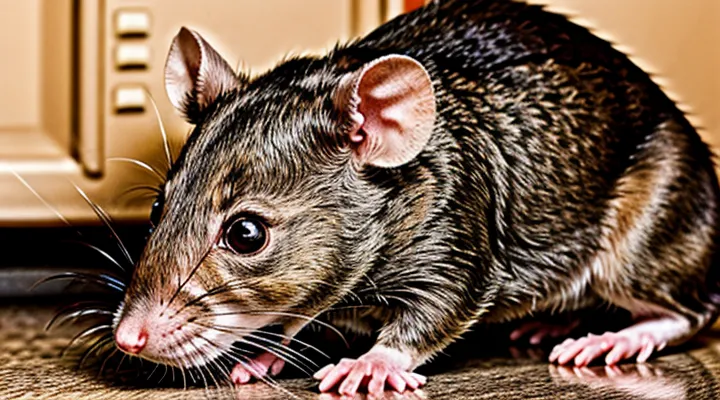
Understanding Rat Mycoplasmosis
What is Mycoplasma pulmonis?
Mycoplasma pulmonis is a cell‑wall‑less bacterium belonging to the class Mollicutes. It is the primary etiologic agent of respiratory disease in laboratory and pet rats, commonly referred to as rat mycoplasmosis. The organism attaches to the respiratory epithelium, proliferates on mucosal surfaces, and induces inflammation that can spread to the middle ear and the genital tract.
Key biological traits include:
- Small genome (≈0.8 Mb) and limited metabolic capabilities, requiring cholesterol from host membranes for membrane stability.
- Ability to pass through conventional bacterial filters due to its size (≈0.2 µm).
- Sensitivity to tetracyclines, macrolides, and fluoroquinolones, which form the basis of therapeutic regimens.
Transmission occurs primarily through direct contact, aerosolized secretions, and contaminated bedding. Infected rats often become asymptomatic carriers, facilitating silent spread within colonies. Colonization typically begins in the nasopharynx, progresses to the trachea and lungs, and may result in chronic rhinitis, otitis media, and pneumonia if untreated.
Understanding the organism’s taxonomy, pathogenic mechanisms, and drug susceptibility is essential for accurate diagnosis and effective management of rat respiratory infections.
How Rats Contract Mycoplasmosis
Rats acquire mycoplasma infections primarily through exposure to contaminated biological materials and environments. Direct contact with infected conspecifics enables transmission of the pathogen via nasal secretions, saliva, and urine. Aerosolized droplets generated during grooming or aggressive encounters can carry viable organisms to the respiratory tract of nearby individuals. Ingestion of feed or water tainted with bodily fluids from sick rats introduces the bacteria into the gastrointestinal system, where it may spread systemically.
Additional routes include:
- Maternal transmission: infected females can pass the organism to offspring during gestation or through nursing, establishing infection early in life.
- Environmental reservoirs: bedding, cage surfaces, and enrichment items retain moisture and organic debris that support bacterial survival, facilitating indirect exposure.
- Ectoparasite vectors: fleas, mites, and lice that feed on infected hosts may transport mycoplasma cells to uninfected rats during subsequent blood meals.
- Stress‑induced susceptibility: overcrowding, poor ventilation, and suboptimal nutrition weaken immune defenses, increasing the likelihood that low‑level exposure results in overt disease.
Effective control relies on minimizing these transmission pathways through strict biosecurity, regular health monitoring, and prompt isolation of symptomatic individuals.
Recognizing the Symptoms
Respiratory Symptoms
Sneezing and Nasal Discharge
Sneezing and nasal discharge are among the most frequently observed respiratory signs in rats infected with Mycoplasma species. The pathogen adheres to the mucosal epithelium of the upper airway, provoking inflammation that irritates the nasal passages and triggers reflexive sneezing. Excessive mucus production results from epithelial damage and increased vascular permeability, producing serous, mucoid, or purulent nasal exudate.
Clinical presentation typically includes:
- Repetitive, forceful sneezes occurring several times per hour;
- Nasal discharge varying in consistency and color, often beginning as clear fluid and becoming thickened or tinged with blood as the infection progresses;
- Accompanying signs such as ocular discharge, mild fever, and reduced activity, which may indicate systemic spread.
Diagnostic confirmation relies on laboratory analysis of nasal swabs or bronchoalveolar lavage fluid. Polymerase chain reaction (PCR) and culture on specialized media detect Mycoplasma DNA or viable organisms, distinguishing the infection from viral or bacterial agents that can produce similar symptoms.
Effective treatment combines antimicrobial therapy with supportive measures. Tetracycline-class antibiotics (e.g., doxycycline) administered at 5–10 mg/kg orally or subcutaneously for 7–10 days reduce bacterial load and alleviate sneezing. In cases with substantial nasal discharge, saline irrigation and humidified environments aid mucociliary clearance. Monitoring response includes daily assessment of sneeze frequency and discharge volume; persistence beyond the treatment window warrants re‑evaluation for secondary infections or antibiotic resistance.
Preventive strategies focus on quarantine of new arrivals, routine health screening, and maintaining low‑stress housing conditions, all of which limit the spread of Mycoplasma and reduce the incidence of sneezing and nasal discharge in laboratory and pet rat populations.
labored Breathing and Clicking Sounds
Labored breathing in infected rodents reflects pulmonary involvement caused by Mycoplasma spp. The organism adheres to respiratory epithelium, induces inflammation, and impairs gas exchange, resulting in increased respiratory effort. Audible clicking sounds, often heard during auscultation, correspond to turbulent airflow through narrowed bronchioles and alveolar collapse. Both signs appear early in the disease course and may precede systemic manifestations such as fever or weight loss. Detection relies on visual observation of rapid, shallow breaths and confirmation by acoustic examination; radiographic imaging can reveal interstitial infiltrates, while PCR of tracheal swabs identifies the pathogen.
- Initiate antimicrobial therapy with tetracycline-class agents; dosage adjusted for rat body weight.
- Provide supportive oxygen supplementation to reduce hypoxia.
- Administer bronchodilators (e.g., aerosolized albuterol) to alleviate airway constriction.
- Maintain a warm, humid environment to ease mucociliary clearance.
- Monitor respiratory rate and sound quality daily; adjust treatment if symptoms persist beyond 48 hours.
Weight Loss and Lethargy
Weight loss and lethargy are common clinical signs in rats infected with Mycoplasma spp. The pathogen interferes with nutrient absorption and reduces appetite, leading to measurable body‑mass decline within days of infection. Lethargy reflects systemic inflammation and reduced oxygen transport caused by the organism’s impact on pulmonary and cardiovascular function.
Diagnostic evaluation should include:
- Regular weighing to detect a 5 % or greater loss over a week.
- Observation of activity levels; prolonged inactivity or reduced response to stimuli indicates lethargy.
- Laboratory testing for Mycoplasma antibodies or PCR from respiratory swabs to confirm infection.
Therapeutic protocols focus on reversing catabolism and restoring energy. Administration of broad‑spectrum macrolides (e.g., tylosin) for 7–10 days combats the organism. Supplemental feeding with high‑calorie gel diets and forced oral nutrition mitigates weight loss. Fluid therapy with electrolytes supports metabolic demands and reduces fatigue. Monitoring weight and activity daily ensures treatment efficacy and guides adjustments.
Other Clinical Signs
Head Tilting and Balance Issues
Head tilting and balance disturbances are frequent neurological manifestations of mycoplasma infection in rats. The pathogen can invade the inner ear and vestibular nuclei, producing asymmetric vestibular input that forces the animal to adopt a tilted posture. The tilt may be unilateral or alternating and often worsens when the rat attempts to move.
Balance impairment appears as ataxia, unsteady gait, and frequent falls. Disruption of vestibular pathways reduces proprioceptive feedback, causing the animal to stumble or circle. The severity correlates with the extent of inflammation in the cerebellum and brainstem.
Diagnosis relies on a combination of clinical observation, otoscopic examination, and laboratory confirmation. Polymer‑chain‑reaction testing of nasal or tracheal swabs identifies Mycoplasma spp. Imaging (CT or MRI) can reveal inner‑ear edema or cerebellar lesions. Excluding other causes of vestibular disease, such as otitis media or toxin exposure, is essential for accurate treatment planning.
Therapeutic measures focus on eliminating the organism and supporting neurological recovery:
- Administer a macrolide antibiotic (e.g., tylosin or azithromycin) at the recommended dosage for 7‑10 days.
- Provide anti‑inflammatory medication (e.g., meloxicam) to reduce vestibular edema.
- Ensure a stress‑free environment, soft bedding, and easy access to food and water.
- Implement gentle physiotherapy: short, supervised walking sessions to encourage muscle coordination.
- Monitor weight and hydration; intervene with subcutaneous fluids if intake declines.
Prompt antimicrobial therapy combined with supportive care typically restores normal head orientation and gait within two weeks. Persistent deficits may indicate irreversible neural damage and warrant referral to a specialist for advanced interventions.
Ocular and Aural Discharge
Rats infected with Mycoplasma pulmonis often develop mucous exudate from the eyes and ears. The discharge may appear clear, serous, or purulent, and it typically originates from the conjunctival sac or the external auditory canal. Bilateral involvement is common, although unilateral cases occur when secondary bacterial invasion localizes to one side.
Key clinical features of ocular and aural secretions include:
- Watery or mucoid eye discharge that may crust around the eyelids, leading to mild irritation.
- Ear canal fluid that can range from thin serous to thick pus, sometimes accompanied by swelling of the pinna.
- Increased frequency of scratching or head shaking, indicating discomfort.
- Secondary bacterial infection signs such as foul odor, discoloration, or rapid thickening of the fluid.
Diagnostic confirmation relies on visual examination combined with laboratory analysis. Cytology of the discharge can reveal Mycoplasma organisms, while bacterial culture identifies opportunistic pathogens. Otoscopic inspection helps assess canal inflammation and rule out ear mites.
Effective management requires both antimicrobial therapy and supportive care. Recommended actions are:
- Administer a macrolide antibiotic (e.g., tylosin or azithromycin) at the dosage specified for rodents; macrolides target Mycoplasma cell membranes.
- If secondary bacterial infection is suspected, add a broad‑spectrum agent such as enrofloxacin, adjusting dosage for the animal’s weight.
- Clean the ocular and aural surfaces twice daily with sterile saline or a mild antiseptic solution to remove crusts and reduce bacterial load.
- Apply a topical ophthalmic ointment containing a fluoroquinolone for persistent eye involvement; use a compatible otic preparation for ear canal clearance.
- Monitor the animal for improvement within 48–72 hours; persistent or worsening discharge warrants re‑evaluation of antimicrobial susceptibility and possible adjustment of treatment duration.
Prompt identification and targeted therapy reduce the risk of chronic conjunctivitis and otitis, prevent tissue damage, and improve overall recovery rates in affected rodents.
Porphyrin Staining Around Eyes and Nose
Porphyrin staining around the eyes and nose is a recognizable external indicator of Mycoplasma infection in laboratory rats. The pigment, produced by the Harderian gland, appears as a reddish‑brown crust that accumulates on the periorbital and nasal skin when the gland is overstimulated.
The staining results from irritation of the ocular surface caused by the pathogen. Mycoplasma attaches to respiratory epithelium, provoking inflammation that spreads to the conjunctiva. The consequent increase in glandular secretion releases porphyrins, which oxidize on exposure to air and form the characteristic discoloration. Stressful housing conditions and immunosuppression amplify the response, leading to more extensive staining.
Presence of porphyrin deposits assists in distinguishing mycoplasma‑related disease from other rodent respiratory syndromes. Combined with signs such as sneezing, serous nasal discharge, and progressive weight loss, the staining strengthens the clinical suspicion and guides further laboratory confirmation (e.g., PCR or culture).
Effective management eliminates the staining by targeting the underlying infection and supporting tissue recovery. Recommended actions include:
- Administration of a Mycoplasma‑effective antibiotic (tetracycline, doxycycline, or a macrolide) for the prescribed duration.
- Daily removal of crusted material with sterile saline to prevent secondary skin infection.
- Environmental enrichment to lower stress levels (adequate nesting material, stable temperature, reduced crowding).
- Monitoring of weight and respiratory signs; adjust therapy if clinical improvement stalls.
Successful treatment typically resolves porphyrin staining within 7–10 days, confirming both therapeutic efficacy and disease resolution.
Diagnosis of Mycoplasmosis
Veterinary Examination
A thorough veterinary assessment is essential when a rat is suspected of mycoplasmal infection. The clinician begins with a visual inspection, noting coat condition, body weight, and any signs of respiratory distress such as open-mouth breathing or nasal discharge. Palpation of the thoracic region helps detect abnormal lung sounds, while auscultation confirms the presence of wheezes, crackles, or reduced breath sounds.
The examination proceeds to a systematic evaluation of the mucous membranes. Pale or cyanotic gums indicate hypoxia, and ocular discharge may accompany upper respiratory involvement. Temperature measurement provides a baseline, as fever is a common systemic response.
Diagnostic sampling follows the physical findings. The practitioner collects nasal swabs, tracheal washes, or lung tissue for polymerase chain reaction (PCR) testing, which offers high sensitivity for Mycoplasma detection. Culture is rarely successful due to fastidious growth requirements, but when performed, it confirms viable organisms. Complete blood counts frequently reveal leukocytosis with a left shift, supporting an inflammatory process.
Imaging complements the clinical picture. Radiographs of the thorax display interstitial patterns, alveolar infiltrates, or pleural effusion, aiding in the differentiation of primary mycoplasmal pneumonia from secondary bacterial infections. Ultrasonography can identify fluid accumulation and assess heart function, which may be compromised in severe cases.
The veterinarian integrates these observations to establish a definitive diagnosis and to guide therapeutic decisions. Prompt identification of mycoplasmal disease enables targeted antimicrobial therapy, supportive care, and monitoring of treatment efficacy through repeat examinations and follow‑up testing.
Diagnostic Tests
PCR Testing
Polymerase chain reaction (PCR) provides rapid, species‑specific detection of Mycoplasma organisms in rodent specimens. Tissue samples, nasal swabs, or blood are homogenized, and nucleic acids are extracted with commercial kits that include inhibitor‑removal steps. Primers targeting the 16S rRNA gene of Mycoplasma pulmonis amplify only the pathogen, allowing identification within hours rather than days required for culture.
Key attributes of PCR in this context include:
- High sensitivity, detecting low‑level infections that may be missed by serology.
- Specificity achieved through primer design, reducing cross‑reactivity with commensal bacteria.
- Quantitative real‑time formats that estimate bacterial load, informing severity assessment.
Interpretation follows established cycle‑threshold (Ct) cut‑offs: Ct < 30 typically indicates active infection, while Ct > 35 suggests low‑grade or residual DNA. Positive results prompt immediate antimicrobial therapy, often with doxycycline or enrofloxacin, and guide isolation measures to prevent colony spread. Negative PCR, combined with clinical signs, may warrant repeat testing after a week to rule out early‑stage infection.
Limitations comprise the need for proper sample handling to avoid contamination, and the inability of PCR to differentiate between viable and non‑viable organisms. Consequently, results should be corroborated with clinical observation and, when feasible, culture or histopathology.
In practice, integrating PCR into diagnostic protocols shortens the interval between symptom onset and targeted treatment, improving outcomes for affected rodent populations.
Serology
Serologic testing provides a direct method for confirming infection with Mycoplasma spp. in laboratory and pet rats. Blood samples collected from the tail vein or retro-orbital sinus are processed to obtain serum, which is then examined for specific antibodies.
Common assays include:
- Enzyme‑linked immunosorbent assay (ELISA) – quantifies IgG and IgM against Mycoplasma antigens, delivering results in a few hours.
- Indirect fluorescent antibody test (IFA) – visualizes bound antibodies under a fluorescence microscope, useful for confirming low‑titer samples.
- Complement fixation (CF) – detects antibodies capable of fixing complement, historically employed for epidemiologic surveys.
Interpretation of titers follows established thresholds: a single serum with a titer ≥1:160 generally indicates exposure, while a four‑fold rise between acute (day 0–3) and convalescent (day 14–21) samples confirms recent infection. Elevated IgM suggests early disease, whereas persistent high IgG may reflect chronic infection or past exposure.
Serology aids treatment decisions by identifying infected colonies before clinical signs appear. Positive results prompt antimicrobial therapy, typically doxycycline or enrofloxacin, administered for 2–4 weeks. Follow‑up testing at the end of therapy verifies seroconversion; a decline in IgG titer by at least two dilutions signals successful clearance.
Limitations include cross‑reactivity with related Mycoplasma species and the inability to differentiate between active infection and residual antibodies after successful treatment. Therefore, serologic data should be combined with clinical observation and, when feasible, PCR confirmation from respiratory or genital swabs.
Radiography
Radiography provides a rapid, non‑invasive method to assess pulmonary involvement in rats infected with Mycoplasma spp. The technique visualizes alveolar patterns, pleural effusion, and mediastinal changes that correlate with clinical severity.
Key radiographic findings include:
- Diffuse interstitial infiltrates suggesting alveolar edema.
- Focal consolidation representing lobar pneumonia.
- Small pleural fluid collections detectable in lateral projections.
- Enlargement of hilar lymph nodes indicating inflammatory response.
Standard practice employs a portable X‑ray unit with a 0.5‑mm copper filter, exposure settings of 30 kVp and 0.2 mAs, and a 2‑minute anesthesia interval to minimize motion artifacts. Images are captured in dorsoventral and lateral views; digital post‑processing enhances contrast for subtle lesions.
Interpretation guides therapeutic decisions. Presence of extensive consolidation prompts immediate antimicrobial therapy, while limited infiltrates may allow supportive care and monitoring. Detection of pleural effusion often necessitates thoracocentesis to relieve respiratory distress and obtain diagnostic fluid. Serial radiographs track response to treatment, revealing resolution of infiltrates or progression that warrants regimen adjustment.
Limitations include reduced sensitivity for early microscopic changes and potential overlap with other pulmonary disorders. Complementary diagnostics—such as PCR, serology, and clinical examination—should accompany radiographic assessment to confirm Mycoplasma infection and tailor management.
Treatment Options
Antibiotic Therapy
Common Antibiotics Used
Mycoplasma pulmonis infection in laboratory and pet rats requires antimicrobial therapy that targets cell‑wall‑less organisms. Several antibiotics have demonstrated efficacy in controlled studies and field reports.
- Tetracyclines – Doxycycline (5 mg/kg orally twice daily) and tetracycline (25–50 mg/kg subcutaneously once daily) achieve bacteriostatic concentrations in respiratory tissues. Treatment courses typically last 14–21 days to prevent relapse.
- Macrolides – Azithromycin (10 mg/kg orally once daily) and erythromycin (50 mg/kg orally twice daily) penetrate pulmonary secretions effectively. Macrolides are preferred when tetracycline intolerance occurs.
- Fluoroquinolones – Enrofloxacin (10 mg/kg orally once daily) exhibits strong activity against Mycoplasma spp. Use is limited to severe cases because of potential cartilage toxicity in young rodents.
- Lincosamides – Clindamycin (10 mg/kg orally twice daily) provides an alternative for infections unresponsive to the above agents, though gastrointestinal disturbances are common.
Selection criteria include the animal’s age, pregnancy status, and concurrent illnesses. Intraperitoneal injection offers rapid serum levels but may cause peritonitis; oral administration is generally safer for prolonged regimens. Monitoring involves weekly clinical assessment and, when feasible, quantitative PCR of nasal swabs to verify bacterial clearance. Adjustments are made if clinical signs persist after 5 days of therapy, indicating possible resistance or inadequate dosing.
Administration Methods and Duration
Effective control of mycoplasma infection in laboratory rats requires precise delivery of antimicrobial agents and adherence to a defined therapeutic timeline.
Oral administration, typically via medicated feed or drinking water, offers continuous exposure but demands careful calculation of drug concentration to compensate for variable consumption rates. Subcutaneous injection provides rapid systemic absorption; it is suited for drugs with limited oral bioavailability. Intraperitoneal injection delivers medication directly into the peritoneal cavity, ensuring high plasma levels for agents that act quickly against the pathogen. Aerosolized treatment, delivered through a nebulizer within a sealed chamber, targets respiratory colonization and reduces systemic toxicity.
Treatment duration depends on the antimicrobial class and severity of clinical signs. Standard protocols recommend a minimum of 10‑14 days of continuous therapy for acute presentations, extending to 21 days for chronic or subclinical infections. Dosage schedules usually follow a twice‑daily regimen for oral or injectable formulations; aerosolized protocols often employ three daily exposures of 15‑20 minutes each.
Monitoring of body weight, respiratory rate, and serological markers should accompany therapy. If clinical improvement stalls after five days, dosage escalation or a switch to an alternative administration route may be warranted. Completion of the full course, even after symptom resolution, prevents relapse and limits carrier status within the colony.
Importance of Consistent Treatment
Rat mycoplasma infection produces respiratory distress, weight loss, and reproductive failure in affected rodents. Effective management depends on maintaining the prescribed therapeutic course without interruption.
Interrupting treatment allows the pathogen to survive at sub‑therapeutic concentrations, leading to relapse and prolonged clinical signs. Recurrent infection increases the likelihood of secondary complications such as pneumonia and reduced breeding success.
Repeated exposure to low‑dose antibiotics encourages selection of resistant strains. Resistant mycoplasma isolates diminish the efficacy of standard regimens and may require more toxic or costly alternatives.
Consistent dosing reduces bacterial shedding, limiting spread to other animals in the same colony. Controlling transmission preserves the health status of the entire population and prevents costly depopulation measures.
Key practices for reliable therapy:
- Administer medication at the exact times and dosages indicated on the prescription.
- Complete the full course, even if symptoms improve early.
- Monitor clinical response daily; record temperature, respiratory rate, and appetite.
- Consult a veterinarian promptly if adverse reactions or lack of improvement occur.
Adherence to these protocols maximizes cure rates, safeguards colony health, and prevents the emergence of drug‑resistant mycoplasma.
Supportive Care
Environmental Management
Effective environmental management reduces the incidence of Mycoplasma infection in laboratory and breeding rat colonies. Maintaining low humidity and stable temperature limits bacterial survival in bedding and cages. Regular replacement of bedding with sterile material removes contaminated organic matter before pathogens multiply.
Implementing rigorous sanitation protocols prevents cross‑contamination. Daily removal of feces and urine, followed by spot cleaning with an approved disinfectant, eliminates sources of infection. Weekly deep cleaning of cages, racks, and surrounding surfaces with a Mycoplasma‑effective agent ensures residual organisms are destroyed.
Rodent exclusion strategies protect colonies from external carriers. Seal gaps in walls, doors, and ventilation ducts; install air curtains at entry points; and maintain a perimeter barrier of non‑attractive material. Traps and bait stations positioned outside the animal room reduce wild rodent incursions without exposing the colony to toxicants.
Water and feed systems require aseptic handling. Use autoclaved or filtered water, and store feed in sealed containers. Routinely test water lines for microbial contamination and replace filters according to manufacturer recommendations.
Monitoring and documentation support early detection and response. Record cleaning schedules, disinfectant concentrations, and environmental parameters. Conduct periodic environmental swabs of cages, work surfaces, and air filters; analyze results to identify hotspots and adjust procedures promptly.
Key actions for environmental control:
- Seal structural openings and install air barriers.
- Perform daily spot cleaning and weekly deep sanitation with Mycoplasma‑active disinfectants.
- Replace bedding with sterile material on a fixed schedule.
- Maintain temperature 20‑24 °C and relative humidity 30‑50 %.
- Provide autoclaved water and sealed feed.
- Conduct regular environmental sampling and maintain detailed logs.
Adhering to these measures minimizes exposure, supports accurate diagnosis, and enhances the effectiveness of therapeutic interventions for affected rats.
Nutritional Support
Nutritional support mitigates the impact of Mycoplasma infection in laboratory and pet rodents by supplying substrates that sustain immune function and tissue repair. Adequate protein levels, provided through high‑quality casein or soy isolate, supply amino acids essential for antibody synthesis and mucosal regeneration. Essential fatty acids, particularly omega‑3 (eicosapentaenoic and docosahexaenoic acids), reduce inflammatory mediators and improve cellular membrane integrity.
Vitamins and minerals influence disease outcome as follows:
- Vitamin C: antioxidant, enhances leukocyte activity.
- Vitamin E: protects lipid membranes from oxidative damage.
- B‑complex (B6, B12, folate): supports hematopoiesis and energy metabolism.
- Zinc: cofactor for numerous immune enzymes, promotes wound healing.
- Selenium: component of glutathione peroxidase, limits oxidative stress.
Carbohydrate sources should be low‑glycemic to avoid hyperglycemia, which can impair neutrophil function. Fiber inclusion (e.g., beet pulp) maintains gut motility and supports a balanced microbiota, reducing secondary bacterial overgrowth.
Fluid intake must be sufficient; electrolyte‑balanced solutions prevent dehydration caused by respiratory distress and reduced water consumption. In severe cases, subcutaneous or oral rehydration formulations enriched with glucose and electrolytes are advisable.
Implementing these dietary measures alongside antimicrobial therapy shortens clinical signs, limits weight loss, and improves survival rates in affected rats. Regular monitoring of body condition and blood parameters ensures adjustments are made promptly to meet the evolving nutritional demands of the infected animal.
Stress Reduction Techniques
Stress in laboratory rodents can exacerbate clinical signs of Mycoplasma infection, impair immune response, and hinder therapeutic efficacy. Implementing targeted stress‑reduction protocols enhances recovery rates and supports humane animal care.
Environmental enrichment addresses chronic stressors. Provide nesting material, chewable objects, and varied cage layouts to stimulate natural behaviors. Maintain stable temperature, humidity, and lighting cycles; abrupt changes increase cortisol levels and may worsen respiratory manifestations.
Handling practices influence physiological stress. Adopt low‑velocity restraint, use habituation sessions before procedures, and limit duration of exposure. Apply consistent caretaker identification to reduce novelty anxiety.
Nutritional support contributes to stress mitigation. Offer balanced diets enriched with omega‑3 fatty acids and antioxidants; these nutrients modulate inflammatory pathways linked to Mycoplasma‑induced pathology.
Pharmacological adjuncts may be employed when non‑pharmacologic measures are insufficient. Low‑dose anxiolytics, such as benzodiazepine derivatives, can be integrated with antimicrobial regimens under veterinary supervision, ensuring no interference with drug metabolism.
Routine monitoring detects stress‑related deviations promptly. Record body weight, grooming behavior, and activity levels daily; deviations from baseline trigger immediate environmental or therapeutic adjustments.
Key techniques:
- Enrichment items (nesting, chew toys)
- Stable environmental parameters
- Gentle, habituated handling
- Nutrient‑rich diet
- Controlled anxiolytic use
- Continuous health and behavior monitoring
Applying these measures systematically reduces physiological stress, thereby improving the clinical outcome of Mycoplasma‑related disease in rats.
Prevention and Management
Biosecurity Measures
Effective biosecurity is essential for preventing and managing Mycoplasma infections in laboratory and pet rat colonies.
All incoming animals must undergo a quarantine period of at least 30 days, during which clinical signs such as respiratory distress, nasal discharge, or reduced activity are monitored daily. Diagnostic swabs taken at the start and end of quarantine enable early detection and reduce the risk of introducing the pathogen to established groups.
Personnel handling rats should wear disposable gloves, dedicated lab coats, and shoe covers. Clothing and equipment used in the quarantine area must remain separate from those in the main housing zone. Hand hygiene stations with alcohol‑based sanitizer should be positioned at each entry and exit point.
Environmental control includes:
- Daily removal of bedding, droppings, and food waste from cages.
- Weekly deep cleaning of cages with an approved disinfectant effective against Mycoplasma spp. (e.g., 0.5 % sodium hypochlorite solution with a minimum 10‑minute contact time).
- Regular replacement of water bottles and food containers to prevent microbial growth.
- Installation of physical barriers such as sealed doors and HEPA‑filtered ventilation to limit aerosol transmission.
Rodent population management requires:
- Elimination of wild rodent access by sealing gaps, installing door sweeps, and maintaining perimeter fences.
- Use of baited traps placed outside the facility, never inside animal rooms, to reduce external contamination sources.
- Immediate removal and humane euthanasia of any rat displaying overt clinical signs, followed by thorough decontamination of the affected cage and surrounding area.
Record‑keeping is critical. Maintain a log of all health observations, quarantine dates, disinfectant batches, and personnel training sessions. Audits conducted quarterly ensure compliance and allow rapid correction of any procedural lapses.
By integrating strict quarantine, personal protective equipment, rigorous sanitation, and controlled rodent access, facilities can substantially lower the incidence of Mycoplasma‑related disease and safeguard both animal welfare and research integrity.
Regular Veterinary Check-ups
Regular veterinary examinations are essential for early detection of Mycoplasma infections in pet rats. Veterinarians can identify subtle respiratory changes, weight loss, or abnormal behavior that owners might overlook. Prompt diagnosis allows immediate intervention before the disease progresses to severe pneumonia or systemic involvement.
During each appointment, clinicians should:
- Conduct a thorough physical exam, focusing on nasal discharge, lung sounds, and body condition.
- Collect nasal or throat swabs for laboratory testing when respiratory signs are present.
- Review the rat’s diet, housing conditions, and stress factors that could predispose to infection.
- Update vaccination and parasite control protocols as appropriate for the species.
Consistent check-ups reduce the risk of delayed treatment, improve therapeutic outcomes, and support overall colony health. Owners who adhere to a routine schedule enable veterinarians to monitor disease trends and adjust management strategies swiftly.
Quarantine Protocols for New Rats
New rats must be separated from established colonies before any health assessment. Isolation prevents the introduction of mycoplasma agents that cause respiratory disease and reduces the risk of asymptomatic carriers contaminating the entire group.
The first step is to place each animal in an individual cage equipped with fresh bedding, food, and water. Cages should be located in a dedicated quarantine room with controlled temperature and ventilation. Maintain this environment for at least 30 days, the period required for clinical signs of infection to appear.
- Observe each rat twice daily for coughing, sneezing, nasal discharge, or lethargy.
- Record body weight every five days; a loss greater than 10 % signals possible disease.
- Conduct a nasal swab and a blood sample on day 7 and day 21; submit specimens to a certified laboratory for mycoplasma PCR or culture.
- Administer any prescribed prophylactic antibiotics only after laboratory confirmation.
During quarantine, restrict personnel movement between the quarantine area and the main colony. Wear disposable gloves and a mask when handling animals; disinfect gloves and equipment with an appropriate virucidal solution before leaving the room. Clean cages with a rodent‑safe disinfectant at least twice weekly, and replace all bedding after each cleaning cycle.
Document all observations, test results, and interventions in a centralized log. Only after two consecutive negative tests, a minimum of 14 days apart, may the rat be transferred to the main colony. Adhering to these procedures eliminates the primary pathway for mycoplasma transmission and safeguards colony health.
Prognosis and Long-Term Outlook
Managing Chronic Mycoplasmosis
Chronic Mycoplasma infection in rats manifests as intermittent respiratory distress, weight loss, and reduced reproductive performance, persisting beyond the acute phase despite initial therapy. The pathogen’s ability to evade host immunity necessitates a structured, long‑term approach.
Effective management relies on sustained antimicrobial regimens, selection of agents with proven intracellular activity, and adherence to dosage schedules that achieve therapeutic concentrations in pulmonary tissue. Commonly employed drugs include tetracyclines, macrolides, and fluoroquinolones; each requires monitoring for resistance development and adverse effects.
Supportive interventions reduce bacterial load and enhance recovery:
- Regular cage cleaning and disinfection with Mycoplasma‑effective agents.
- Implementation of quarantine protocols for newly introduced animals.
- Provision of high‑quality protein and vitamin‑enriched diets to counteract catabolic effects.
- Minimization of stressors through stable housing conditions and consistent handling practices.
Continuous assessment determines treatment success. Serial PCR or culture assays confirm bacterial clearance, while periodic physical examinations track symptom resolution. Documentation of drug dosages, test results, and environmental changes facilitates adjustments and prevents relapse.
Impact on Quality of Life
Rat mycoplasma infection in rodents imposes a measurable decline in daily functioning. Respiratory distress, nasal discharge, and weight loss limit physical activity, reducing the ability to forage, explore, and engage in normal social behavior. Persistent coughing and lethargy often force affected animals to remain in sheltered areas, decreasing exposure to enrichment items and hindering natural exercise routines.
Treatment protocols, typically involving antibiotics and supportive care, introduce additional stressors. Repeated handling for injections or oral dosing can trigger anxiety, elevate cortisol levels, and disrupt established hierarchies within a colony. Isolation during quarantine prevents contact with conspecifics, further diminishing social interaction and potentially leading to depressive‑like states.
Key quality‑of‑life dimensions affected include:
- Physical health: diminished stamina, impaired growth, and heightened susceptibility to secondary infections.
- Behavioral welfare: reduced play, grooming, and nesting activities; increased aggression or withdrawal.
- Psychological state: heightened fear responses, altered circadian patterns, and lowered motivation to explore.
- Reproductive capacity: delayed sexual maturation and decreased litter size due to systemic inflammation.
Effective management mitigates these impacts by minimizing treatment frequency, employing gentle restraint techniques, and providing environmental enrichment during recovery periods. Continuous monitoring of weight, activity levels, and social behavior offers objective metrics to assess improvement and guide adjustments in therapeutic strategies.