
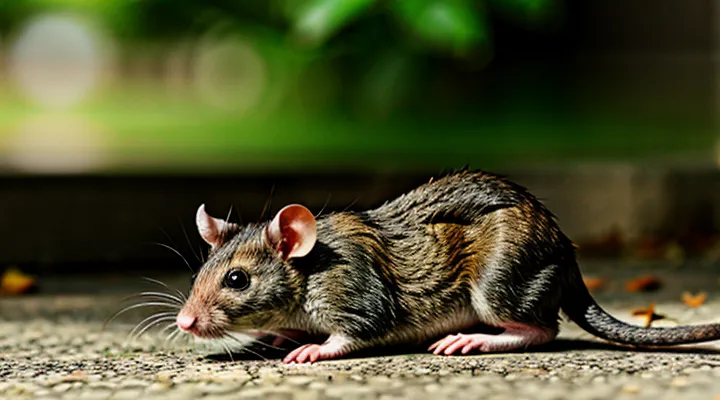
Why Does a Rat Lie on Its Back?
Body Language Basics in Rats
Reading Rat Cues
A rat positioned on its back offers a clear window into its emotional and physiological state. Observers can extract reliable information by focusing on specific behaviors, body language, and vocalizations that accompany this posture.
Key indicators include:
- Muscle tension: Relaxed limbs and a limp torso suggest comfort or fatigue, while rigid, clenched muscles point to stress or defensive readiness.
- Tail position: A loosely draped tail signals calm; a tightly curled or elevated tail often accompanies heightened arousal.
- Ear orientation: Ears flattened against the head indicate fear or aggression; ears held outward denote curiosity or relaxation.
- Vocal output: Soft chirps or silence align with a contented state, whereas sharp squeaks or chattering reveal agitation.
- Breathing pattern: Even, shallow breaths reflect tranquility; rapid, irregular respiration signals distress.
Contextual cues strengthen interpretation. For example, a rat lying on its back while grooming or feeding typically demonstrates trust and security. Conversely, the same posture during handling or in an unfamiliar enclosure may indicate a defensive submission, especially if combined with tense muscles and defensive vocalizations.
Assessing these elements together provides a comprehensive picture of the animal’s condition. Accurate reading of rat cues enables caretakers, researchers, and owners to adjust environments, handling techniques, and health monitoring to promote welfare and reduce stress.
Common Rat Postures
Rats display a limited set of postures that convey their physiological state, stress level, and intent. Recognizing these positions helps interpret the meaning behind a rat that is positioned on its dorsal side.
Typical postures include:
- Supine position – the animal rests on its belly with limbs splayed. This posture signals a high degree of trust, reduced vigilance, or a temporary state of relaxation after a feeding bout.
- Crouched stance – body lowered, tail curled close to the hindquarters. Indicates alertness, readiness to flee, or mild discomfort.
- Standing on hind legs – forepaws elevated, often while sniffing. Reflects exploratory behavior, curiosity, or a reaction to a novel stimulus.
- Grooming posture – forepaws directed toward the head or body while seated. Demonstrates self‑maintenance, normal health, and low stress.
- Flat‑lying – abdomen pressed against the substrate, limbs tucked. Represents sleep, energy conservation, or a defensive response when the animal feels threatened.
When a rat adopts the supine position, the behavior typically follows a period of feeding, social interaction, or environmental safety. The animal’s exposure of vulnerable areas suggests confidence in the surrounding conditions. Conversely, a sudden shift from supine to crouched or flat‑lying can indicate emerging stressors, such as predator cues or abrupt changes in temperature.
Understanding these postures enables accurate assessment of a rat’s welfare and informs handling practices that minimize distress.
Interpreting Specific Meanings of a Rat Lying on Its Back
Relaxation and Comfort
Safe Environment Indicators
When a rat adopts a supine posture, the surrounding conditions usually meet specific safety criteria. Observers can rely on several measurable factors to confirm that the environment supports this behavior.
- Temperature maintained between 20 °C and 26 °C, preventing heat stress.
- Humidity kept within 40‑60 % to avoid respiratory irritation.
- Cage size providing at least 0.5 m² of floor space per animal, ensuring freedom of movement.
- Bedding free of sharp particles, regularly changed to maintain cleanliness.
- Enrichment items such as tunnels, chew blocks, and nesting material positioned securely to prevent entanglement.
- Lighting cycles of 12 hours light and 12 hours dark, with gradual transitions to reduce glare.
- Noise levels below 50 dB, minimizing startle responses.
- Handling protocols that involve gentle restraint and minimal direct contact, reducing fear.
These indicators collectively signal a habitat where a rat can safely display a relaxed, back‑lying posture without compromising health or welfare.
Trust and Affection Displays
A rat that rolls onto its back exposes its belly, lowers its body tension, and remains motionless for several seconds. This posture signals a high level of trust toward the observer or companion, because the animal willingly reveals its most vulnerable area.
The display combines several physiological cues:
- Flattened ears and relaxed whiskers indicate reduced alertness.
- Slow, regular breathing shows the autonomic nervous system is in a calm state.
- Absence of defensive movements such as kicking or biting confirms the rat does not perceive threat.
In social interactions, the behavior serves as an invitation for grooming, gentle handling, or reciprocal affection. Conspecifics often respond by licking the exposed skin, reinforcing pair bonds. When humans encounter this posture, gentle petting of the belly can strengthen the animal‑handler relationship and improve welfare outcomes.
For researchers and pet owners, recognizing the back‑lying posture as a trust signal enables more accurate assessment of stress levels, facilitates humane handling protocols, and supports enrichment strategies that encourage positive social engagement.
Play Behavior
Playful Wrestling
When a rat positions itself on its back, it often initiates a series of movements that resemble playful wrestling. This behavior serves as a clear signal of social engagement and physical conditioning.
The typical sequence includes:
- Rapid paw strikes directed at a partner or an object.
- Alternating rolls that maintain the rat’s dorsal exposure.
- Vocalizations that intensify as the interaction progresses.
These actions fulfill several functions:
- Skill development – coordinated strikes and rolls improve motor control.
- Hierarchy assessment – participants gauge each other's strength without causing injury.
- Bond reinforcement – repeated bouts strengthen group cohesion.
Observing a rat in this posture allows researchers to infer the animal’s emotional state. A relaxed posture, steady breathing, and consistent wrestling patterns indicate a low‑stress environment. Conversely, abrupt cessation of movement, tense muscles, or defensive retreats suggest heightened anxiety.
In laboratory settings, documenting the frequency and duration of these bouts provides quantitative data on social health. Researchers record metrics such as:
- Number of rolls per minute.
- Average strike amplitude.
- Latency between successive engagements.
These parameters correlate with overall well‑being and can guide interventions aimed at improving welfare.
Inviting Interaction
When a rat assumes a supine position, the animal exposes its belly, limbs, and whiskers. This posture signals a shift from defensive vigilance to a state of receptivity. The rat’s muscles relax, and its eyes often appear half‑closed, indicating reduced threat perception.
The exposed abdomen functions as a visual cue that the individual is open to contact. In laboratory and home‑cage settings, rats that lie on their backs frequently solicit handling, grooming, or play. The behavior reduces the risk of aggression because the animal signals that it does not intend to bite or flee.
For caregivers seeking to engage safely, follow these steps:
- Approach slowly, keeping movements within the rat’s peripheral vision.
- Extend a hand palm‑up, allowing the rat to sniff and nuzzle.
- Offer a gentle stroke along the dorsal spine or a brief palm massage on the belly.
- Observe ear position and whisker orientation; relaxed ears and forward‑pointing whiskers confirm continued comfort.
- If the rat attempts to roll away or shows tension in the forelimbs, cease interaction immediately.
Consistent, respectful handling of rats in this posture reinforces trust, encourages social bonding, and facilitates routine procedures such as health checks or environmental enrichment.
Vulnerability and Submission
Dominance Hierarchies
A rat that lies on its back with its belly exposed conveys a specific social message. The posture is not random; it functions as a signal within the group’s dominance hierarchy.
Rodent dominance hierarchies are organized by repeated interactions that establish rank. Typical indicators include:
- Elevated posture and forward thrusts for dominant individuals.
- Tail rattling, grooming of higher‑ranking peers, and avoidance of eye contact for subordinates.
- Rapid retreat or freezing when confronted by a higher‑rank rat.
When a rat adopts a supine position, two interpretations dominate the hierarchy framework:
- Submission – exposing vulnerable body parts signals acceptance of a lower rank, reducing the likelihood of aggression from dominant conspecifics.
- Confidence – in a stable hierarchy where the individual already holds high rank, the posture may demonstrate control, inviting play or social interaction without threat.
Observational studies confirm that rats in established groups use the supine posture primarily as a de‑escalation tool, allowing dominant members to assert authority without resorting to physical conflict. In unstable or newly formed groups, the same posture can appear as a challenge, prompting immediate re‑assessment of rank through aggressive displays.
Conflict De-escalation
The observation of a rat exposing its belly can serve as a practical illustration for de‑escalating interpersonal or organizational conflicts. When a rat lies on its back, it signals vulnerability and a willingness to cease aggression; this non‑verbal cue parallels the human need to demonstrate openness before tensions subside.
Effective de‑escalation relies on three interrelated actions:
- Communicate calm intent through steady voice, measured pace, and neutral body language.
- Offer a tangible concession or gesture that mirrors the rat’s exposed position, thereby reducing perceived threat.
- Redirect focus from blame to shared objectives, allowing parties to re‑establish trust.
Applying these steps in a heated discussion mirrors the rat’s behavior: a clear, non‑threatening stance invites the counterpart to lower defenses, creating space for constructive dialogue. Consistent use of calm signals, modest concessions, and goal‑oriented reframing transforms confrontational energy into collaborative problem‑solving.
Signs of Distress or Illness
Pain or Discomfort
When a rat is observed on its back, the posture often signals pain or discomfort rather than relaxation. The animal’s ventral exposure leaves vital organs vulnerable, a condition it avoids unless compelled by distress. Muscular tension, rapid breathing, and vocalizations frequently accompany this position, indicating heightened stress levels.
Typical indicators that the supine posture reflects suffering include:
- Rigid limbs or clenched paws
- Grimacing or facial tension
- Excessive grooming of the exposed belly
- Vocal squeaks or high‑pitched cries
- Rapid, shallow respiration
If any of these signs appear, immediate assessment of the environment, handling technique, and health status is required. Reducing potential sources of injury, providing safe hiding spaces, and monitoring for underlying medical conditions can prevent escalation of discomfort.
Neurological Issues
A rat observed in a supine posture often signals underlying neurological dysfunction. The position eliminates the animal’s ability to maintain normal balance, suggesting impairment of motor control circuits.
Common neurological conditions associated with this behavior include:
- Generalized seizures that disrupt cortical and subcortical activity, causing loss of postural reflexes.
- Vestibular system failure, leading to disorientation and inability to right the body.
- Cerebral edema or intracranial pressure elevation, which compromises brainstem functions that coordinate posture.
- Spinal cord injury at thoracic or lumbar levels, impairing hind‑limb support and prompting the animal to assume a dorsal stance.
- Neurotoxic exposure (e.g., organophosphates, rodenticide) that depresses synaptic transmission and results in abnormal body positioning.
Diagnostic evaluation should integrate behavioral observation with objective measures: electrophysiological recordings to detect seizure activity, otolithic function tests for vestibular deficits, imaging (MRI or CT) to assess intracranial pathology, and histopathological examination for toxin‑induced lesions.
Therapeutic interventions target the identified cause. Anticonvulsants reduce seizure frequency; vestibular rehabilitation restores equilibrium; osmotic agents alleviate cerebral swelling; surgical decompression addresses spinal trauma; and chelation therapy counteracts specific neurotoxins. Prompt identification of the underlying neurological issue improves prognosis and prevents progression to more severe systemic effects.
Respiratory Problems
When a rat is observed lying on its back, the posture often signals a respiratory emergency. The animal’s dorsal position impedes normal airflow, indicating that the airway may be obstructed or that the lungs cannot expand effectively.
Typical indicators accompanying this posture include:
- Rapid, shallow breathing or gasping
- Audible wheezing or rattling sounds
- Cyanotic mucous membranes
- Lack of response to gentle stimulation
The most common causes are:
- Aspiration of foreign material, which blocks the trachea or bronchi
- Pulmonary edema resulting from heart failure or severe infection
- Acute bronchospasm triggered by allergens or irritants
- Severe pneumonia that compromises alveolar ventilation
Immediate intervention should focus on clearing the airway, providing supplemental oxygen, and administering appropriate antimicrobial or anti‑inflammatory agents. If the rat fails to resume normal respiration within minutes, euthanasia may be the humane option to prevent prolonged suffering.
Factors Influencing Rat Behavior
Social Dynamics
Group Play
Observing a rat that lies on its back while interacting with conspecifics provides a clear indicator of social dynamics. The posture often appears during collective activities where individuals engage in mutual stimulation and physical contact.
Group play among rodents involves coordinated chasing, wrestling, and gentle biting. These actions create a structured environment that encourages skill development, hierarchy negotiation, and stress reduction.
When a rat adopts a supine position within this setting, several meanings emerge:
- Trust – exposing the ventral surface signals confidence in nearby partners.
- Submission – the posture can denote acknowledgment of a higher‑ranking individual.
- Play invitation – a backward tilt invites others to initiate or continue interactive bouts.
- Physiological regulation – muscle relaxation during the pose aids in lowering cortisol levels.
Researchers and animal caretakers can use the occurrence of this behavior to assess group cohesion, identify dominant or vulnerable members, and adjust enclosure design to promote healthy interaction patterns.
Solitary Relaxation
A rat that lies on its back without companions demonstrates a specific state of solitary relaxation. This posture indicates that the animal feels secure enough to expose its vulnerable ventral side, a behavior uncommon in wild or stressed individuals. The absence of conspecifics removes social pressures, allowing the rat to adopt a passive, energy‑conserving stance.
Key physiological and behavioral markers associated with this condition include:
- Reduced heart rate and respiration, reflecting lowered arousal.
- Minimal grooming activity, suggesting a focus on rest rather than self‑maintenance.
- Prolonged immobility, which distinguishes genuine relaxation from brief pauses during exploration.
Interpretation of the behavior relies on environmental context. In a controlled setting with stable temperature, consistent lighting, and absence of predators, a solitary rat will more readily assume the supine position. Conversely, fluctuating conditions or recent handling can suppress this response, prompting the animal to remain alert and maintain a defensive posture.
Understanding solitary relaxation in rats provides insight into their capacity for self‑soothing and stress management. It also offers a baseline for evaluating welfare interventions, as deviations from this relaxed state may signal discomfort or anxiety.
Environmental Conditions
Temperature Regulation
A rat that adopts a supine posture often does so to adjust its body temperature. When the animal lies on its back, the ventral surface—rich in blood vessels—receives increased exposure to ambient air, facilitating heat loss.
The posture triggers several physiological responses:
- Cutaneous vasodilation expands blood flow to the skin, raising heat transfer to the environment.
- Increased respiratory rate enhances evaporative cooling through nasal passages.
- Muscular relaxation reduces internal heat production, allowing core temperature to decline.
These mechanisms operate together to maintain thermal homeostasis during periods of elevated ambient temperature or after intense activity. The behavior therefore serves as a rapid, low‑energy strategy for regulating body heat without the need for external water sources or shelter.
Perceived Threats
A rat that rolls onto its back does not do so out of curiosity; the posture is a defensive response triggered by specific perceived threats. When a rat feels vulnerable, it exposes its ventral surface to increase awareness of surrounding dangers, allowing rapid detection of predators or aggressive conspecifics.
Key factors that prompt this behavior include:
- Sudden movement or looming shadows that suggest a predator’s approach.
- Direct eye contact from a larger animal, interpreted as an imminent attack.
- Loud, unfamiliar noises that signal environmental disturbance.
- Physical contact that restricts the rat’s ability to flee, such as being gently grasped or trapped.
- Presence of unfamiliar scents, especially those associated with carnivores.
The exposed belly enables the rat to monitor threats from multiple angles and to execute a swift escape if the situation escalates. Observers should interpret the posture as an alert state rather than a sign of submission; any further provocation may lead to frantic scrambling or biting. Recognizing these cues helps prevent unnecessary stress for the animal and informs humane handling practices.
When to Seek Veterinary Advice
Persistent or Unusual Behavior
Changes in Appetite or Activity
When a rodent assumes a supine position, the behavior often coincides with measurable shifts in feeding or locomotor patterns. Observers should record any deviation from baseline consumption and activity levels to determine whether the posture reflects a transient response or an underlying health issue.
- Reduced food intake may signal pain, gastrointestinal distress, or systemic infection.
- Increased appetite can indicate metabolic imbalance, gestation, or heightened environmental stimulation.
- Diminished movement—fewer wheel rotations, slower cage exploration—often accompanies lethargy or musculoskeletal discomfort.
- Elevated activity—excessive pacing or frantic attempts to right the body—may point to neurological irritation or stress.
Consistent monitoring of these parameters provides objective data for diagnostic evaluation. Persistent appetite loss or abnormal activity warrants veterinary assessment, while short‑term fluctuations may resolve with environmental adjustments such as temperature regulation, enrichment enrichment, or reduced handling stress.
Difficulty Moving
Observing a rat positioned on its back often signals an inability to right itself. The posture results from compromised muscular control, reduced coordination, or pain that prevents the animal from executing the flip required to regain a stable stance.
Signs associated with limited mobility include:
- Weakness in hind limbs, evident by sluggish or absent attempts to push off the ground.
- Tremors or irregular gait preceding the supine position.
- Vocalizations or frantic movements that cease once the rat lies on its back, indicating exhaustion or distress.
- Visible injuries such as bruises, abrasions, or swelling that restrict movement.
Underlying factors typically involve:
- Traumatic injury (fractures, sprains) that impair limb function.
- Neurological disorders (spinal cord damage, peripheral neuropathy) disrupting signal transmission.
- Infectious or metabolic diseases (sepsis, hypoglycemia) that diminish energy reserves.
- Environmental stressors (extreme temperature, overcrowding) that provoke lethargy and collapse.
When a rat cannot reposition itself, the supine posture serves as a diagnostic cue. It suggests acute or progressive impairment requiring immediate assessment of musculoskeletal integrity, neurological status, and overall health. Prompt intervention—pain management, supportive care, or veterinary evaluation—can prevent secondary complications such as respiratory distress or prolonged immobility.
Other Concerning Symptoms
A rat positioned on its back often signals underlying distress. Recognizing additional signs helps differentiate between harmless behavior and serious illness.
- Labored breathing, rapid or shallow respiration.
- Persistent trembling or muscle spasms.
- Unusual discharge from eyes, nose, or mouth.
- Bloody or watery stools, sudden weight loss.
- Loss of coordination, stumbling, or inability to right itself.
- Reduced appetite, prolonged periods without food or water.
- Pale or bluish gums indicating poor circulation.
- Excessive drooling or foamy saliva.
Each symptom warrants immediate veterinary assessment. Delayed intervention can accelerate disease progression and increase mortality risk.