
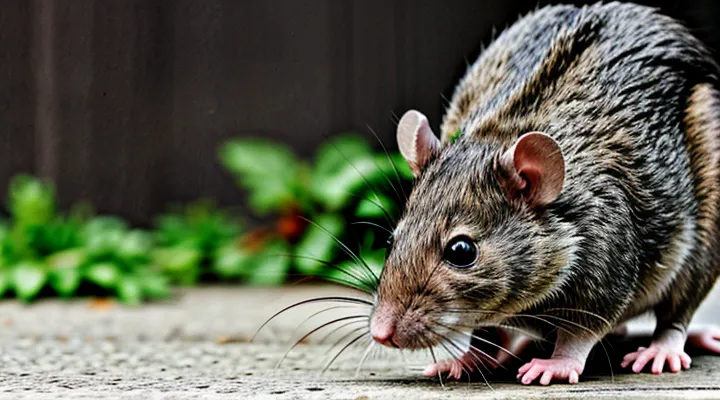
Understanding Rat Lifespan
Average Lifespan of Domesticated Rats
Domesticated rats typically live between two and three years, with most individuals reaching the midpoint of this interval under standard care conditions.
Several variables influence this outcome:
- Genetic background: selective breeding for specific traits can extend or shorten life expectancy.
- Nutritional quality: balanced diets rich in protein, vitamins, and minerals support organ function and delay age‑related decline.
- Environmental conditions: stable temperature, low stress, and adequate space reduce physiological strain.
- Preventive health measures: regular veterinary examinations, parasite control, and prompt treatment of infections improve survival rates.
Compared with wild counterparts, pet rats experience reduced exposure to predators, pathogens, and harsh climates, contributing to the observed increase in average longevity. Environmental enrichment that encourages natural behaviors further enhances well‑being and may modestly extend lifespan.
Understanding these determinants enables caretakers to optimize husbandry practices, thereby maximizing the potential life span of domesticated rats.
Lifespan of Wild Rats
Wild rats living outside controlled environments typically experience shorter lifespans than laboratory counterparts. Average longevity ranges from six to twelve months, with considerable variation driven by external pressures.
Key determinants of survival include:
- Predation pressure from birds, mammals, and reptiles, which reduces average age by eliminating vulnerable individuals.
- Pathogen exposure, encompassing bacterial, viral, and parasitic infections that accelerate mortality.
- Food availability, where scarcity limits energy intake and shortens life, while abundant resources can extend it modestly.
- Seasonal climate fluctuations, with extreme temperatures imposing physiological stress that shortens lifespan.
- Genetic factors, influencing disease resistance and reproductive strategies that affect longevity.
- Population density, leading to increased competition and heightened transmission of contagious diseases.
Research indicates that habitat fragmentation intensifies predation and disease risks, thereby further reducing age expectancy. A field study reported that «Rattus norvegicus populations in urban sewers exhibited median survival of eight weeks, compared with twelve weeks in parkland settings». This disparity underscores the role of environmental stability.
Management practices aiming to control wild rat populations often exploit these vulnerabilities, employing sanitation improvements, habitat modification, and targeted biocontrol to diminish survival rates. Understanding the interplay of these elements provides a foundation for both ecological research and public‑health interventions.
Factors Distinguishing Domesticated and Wild Rat Lifespans
Domestic rats routinely outlive their wild counterparts, a disparity rooted in measurable environmental and biological variables.
- Nutrition: captive diets provide balanced macro‑ and micronutrients, while wild rats forage opportunistically, often encountering deficiencies.
- Predation pressure: wild individuals face continual threats from birds, mammals, and humans; domestic rats experience negligible predation.
- Disease exposure: natural habitats harbor diverse pathogens; laboratory or pet environments limit infection risk through sanitation and veterinary oversight.
- Chronic stress: fluctuating shelter, social hierarchy, and competition elevate cortisol in wild populations; stable cages reduce stress hormones.
- Genetic selection: breeding programs favor longevity traits in domesticated lines; wild gene pools retain alleles linked to rapid reproduction rather than extended lifespan.
- Environmental conditions: controlled temperature, humidity, and lighting mitigate physiological strain; outdoor habitats expose rats to extreme weather and seasonal scarcity.
- Veterinary care: routine health checks, parasite control, and emergency treatment extend life expectancy for captive rats; such interventions are absent in the wild.
These factors interact cumulatively, producing a typical lifespan of 2–3 years for domesticated rats versus approximately 1 year for their wild relatives. The contrast underscores the pivotal role of managed living conditions in extending rodent longevity.
Genetic Predisposition
Inherited Traits and Longevity
Inherited genetic variation exerts a measurable influence on rat longevity. Specific alleles of growth‑factor receptors, insulin‑signaling components, and oxidative‑stress regulators correlate with extended or reduced lifespans across laboratory strains. Mitochondrial DNA haplotypes contribute to cellular energy efficiency, while telomere‑maintenance genes affect chromosomal stability in aging tissues. Epigenetic marks transmitted through the germ line modify gene expression without altering nucleotide sequences, thereby shaping age‑related phenotypes in successive generations.
Key hereditary factors identified in rodent models include:
- Polymorphisms in the Igf1r gene that alter growth‑factor signaling intensity.
- Variants of the Sod1 and Catalase genes that enhance antioxidant capacity.
- QTLs linked to adiposity regulation, influencing metabolic health and survival.
- Mitochondrial haplogroups associated with reduced reactive‑oxygen‑species production.
«Genetic inheritance determines baseline lifespan potential, while environmental inputs modulate its expression». Selective breeding programs that amplify favorable alleles have produced rat lines with median lifespans exceeding 30 % of standard laboratory cohorts, demonstrating the practical impact of heritable traits on aging trajectories.
Breeding for Health and Longevity
Breeding programs aimed at extending rat longevity focus on genetic health, disease resistance, and physiological robustness. Selection criteria prioritize alleles linked to reduced incidence of neoplasia, cardiovascular integrity, and metabolic efficiency, while eliminating markers associated with premature senescence.
Key genetic strategies include:
- Identification of quantitative trait loci correlated with extended lifespan through genome‑wide association studies.
- Cross‑breeding of lines exhibiting complementary health profiles to enhance heterozygosity.
- Exclusion of carriers for recessive deleterious mutations via DNA screening.
- Implementation of controlled outcrossing to prevent inbreeding depression.
Management practices that support breeding objectives comprise:
- Standardized nutrition regimes providing balanced macro‑ and micronutrients throughout development.
- Environmental enrichment that reduces chronic stress and promotes physical activity.
- Routine veterinary monitoring to detect subclinical pathologies early.
- Record‑keeping of pedigree, health metrics, and lifespan data to refine selection algorithms.
Evidence from longitudinal cohorts demonstrates that rigorously applied breeding protocols yield populations with median lifespans exceeding baseline values by 20 % to 30 %. Continuous integration of genomic data and phenotypic feedback sustains progress toward rat models with superior health and longevity.
Environmental Influences
Housing Conditions
Cage Size and Enrichment
Cage dimensions directly affect physiological stress levels in rats, which in turn influence longevity. Studies demonstrate that a minimum floor area of 0.1 m² per adult animal reduces aggression and promotes normal movement patterns. Larger enclosures allow for more extensive exploration, supporting musculoskeletal health and preventing obesity‑related complications.
Enrichment elements supplement spatial considerations by stimulating cognitive and sensory systems. Effective items include:
- Nesting material such as shredded paper or cotton; encourages natural burrowing behavior.
- Chewing substrates like untreated wood blocks; maintains dental integrity.
- Elevated platforms or tunnels; provide vertical space and refuge.
- Rotating objects (e.g., plastic tubes, puzzle devices); prevent habituation and reduce stereotypic behaviors.
Implementing both adequate space and a varied enrichment program creates an environment that mitigates chronic stress, supports physical condition, and ultimately contributes to extended lifespan in laboratory rats.
Bedding and Substrate
Bedding and substrate constitute a primary environmental variable that directly affects rat longevity. The material in contact with the animal determines exposure to dust, ammonia, and pathogens, each of which can accelerate physiological decline.
Key material characteristics:
- Absorbency: high‑capacity substrates reduce moisture buildup, limiting bacterial growth.
- Dust content: low‑dust options minimize respiratory irritation and chronic inflammation.
- Chemical inertness: untreated fibers prevent toxic leachates that may impair organ function.
- Thermal conductivity: substrates that retain warmth support thermoregulation in cooler climates.
Maintenance practices exert comparable influence. Regular removal of soiled bedding, typically every 2–3 days, prevents ammonia accumulation. Complete substrate replacement on a weekly schedule eliminates residual contaminants. Disinfection of reusable components with mild, non‑residual agents preserves microbiological balance without introducing harmful residues.
The interaction between bedding quality and health outcomes manifests in measurable parameters. Reduced respiratory infections, lower incidence of skin lesions, and stabilized body weight correlate with optimal substrate selection and diligent upkeep. Consequently, implementing low‑dust, highly absorbent, chemically neutral bedding, coupled with systematic cleaning, constitutes an evidence‑based strategy to extend rat lifespan.
Temperature and Humidity
Temperature directly influences metabolic rate in rats; higher ambient heat accelerates enzymatic activity, leading to faster consumption of physiological reserves and earlier onset of age‑related decline. Conversely, excessively low temperatures trigger thermoregulatory stress, increasing energy expenditure for heat production and shortening lifespan. Optimal temperature range for laboratory rats is «20–26 °C», where basal metabolic demand remains balanced and longevity is maximized.
Humidity affects respiratory efficiency and skin hydration. Relative humidity above 70 % promotes microbial growth in bedding, raising infection risk and reducing survival. Humidity below 30 % accelerates water loss through the integument, causing dehydration‑induced stress that shortens life expectancy. Maintaining relative humidity between 40 % and 60 % supports stable physiological homeostasis.
Key environmental parameters for extending rat life:
- Ambient temperature: 20–26 °C
- Relative humidity: 40–60 %
- Gradual acclimation when adjusting either factor
- Continuous monitoring to prevent abrupt fluctuations
Consistent control of these conditions minimizes metabolic strain and disease susceptibility, thereby contributing to increased longevity in rat populations.
Social Environment
Impact of Solitary vs. Group Living
Solitary housing reduces exposure to pathogens but increases chronic stress markers such as corticosterone, which correlates with shortened lifespan in laboratory rats. Group housing introduces social interaction that lowers basal stress hormones, yet it raises the probability of contagious diseases and parasite load, potentially offsetting longevity gains.
Elevated stress in isolated individuals impairs immune function, decreasing lymphocyte proliferation and antibody response. Conversely, social groups stimulate immune surveillance through regular grooming and shared microbiota, enhancing resistance to opportunistic infections.
Behavioral enrichment inherent to group living promotes neuroplasticity, improves motor coordination, and sustains exploratory activity, all linked to delayed age‑related decline. Isolation limits environmental complexity, leading to stereotypic behaviors and reduced cognitive stimulation, factors associated with accelerated senescence.
Key influences of housing condition on rat longevity:
- Stress hormone profile: higher in solitary, lower in group environments.
- Immune competence: compromised by isolation, bolstered by social contact.
- Disease dynamics: lower pathogen exposure in isolation, higher transmission risk in groups.
- Neurobehavioral health: enriched by group interaction, diminished in solitary settings.
Balancing reduced pathogen exposure with the benefits of social enrichment is essential for optimizing rat lifespan under experimental and husbandry conditions.
Stress from Social Dynamics
Social hierarchy imposes chronic stress on laboratory rats, elevating glucocorticoid levels and suppressing immune function. Elevated cortisol disrupts hypothalamic‑pituitary‑adrenal feedback, leading to metabolic imbalances that accelerate cellular senescence. Consequently, subordinate individuals exhibit reduced median lifespan compared with dominant counterparts.
Key mechanisms linking social stress to shortened longevity include:
- Persistent activation of the sympathetic nervous system, causing hypertension and cardiac remodeling.
- Inhibition of neurogenesis in the hippocampus, impairing cognitive resilience and increasing vulnerability to neurodegenerative processes.
- Dysregulated cytokine production, fostering chronic inflammation that damages vascular and organ tissues.
Mitigation strategies such as environmental enrichment, stable group composition, and controlled population density lower aggression indices and normalize stress hormone profiles, thereby extending the life expectancy of rats under experimental conditions.
Nutritional Aspects
Diet Composition and Quality
Protein Requirements
Protein intake directly influences rat longevity by affecting growth, tissue repair, and metabolic efficiency. Adequate dietary protein supports immune competence and reduces age‑related decline in organ function, thereby extending the average lifespan observed in laboratory colonies.
Experimental data indicate that a diet containing 18–20 % crude protein optimizes survival rates in adult rats. Levels below 12 % result in reduced body mass, compromised muscle integrity, and increased mortality. Conversely, protein exceeding 25 % does not further increase lifespan and may accelerate renal stress.
Protein requirements interact with caloric density, amino acid profile, and environmental stressors. Balanced amino acid composition, particularly sufficient lysine and methionine, enhances the benefits of adequate protein levels. Energy restriction combined with optimal protein improves longevity more effectively than unrestricted feeding.
Recommended protein percentages by life stage:
- Juvenile (3–5 weeks): 20–22 %
- Young adult (6–12 weeks): 18–20 %
- Mature adult (13 weeks onward): 18 %
- Aged (18 months+): 16–18 %
Maintaining these intake ranges, alongside consistent amino acid balance, provides the most reliable strategy for maximizing rat lifespan under controlled conditions.
Carbohydrate and Fat Balance
Dietary macronutrient composition exerts a measurable impact on rodent longevity. Research demonstrates that the proportion of carbohydrates to fats determines metabolic efficiency, oxidative burden, and age‑related disease incidence.
Elevated carbohydrate intake accelerates post‑prandial glucose spikes, promotes insulin resistance, and increases formation of advanced glycation end‑products. These processes impair cellular repair mechanisms and shorten lifespan.
Fat consumption influences longevity through fatty‑acid profile. Saturated fatty acids elevate systemic inflammation, whereas mono‑ and polyunsaturated fatty acids support membrane integrity and modulate signaling pathways linked to aging.
Balancing «carbohydrate» and «fat» intake mitigates metabolic stress. An optimal ratio maintains stable blood glucose, preserves insulin sensitivity, and supplies essential fatty acids for cellular maintenance. Empirical data suggest that moderate carbohydrate levels combined with a predominance of unsaturated fats produce the most favorable outcomes.
Practical recommendations for laboratory studies:
- Carbohydrate contribution: 45–55 % of total energy.
- Total fat contribution: 30–40 % of total energy.
- Unsaturated fat fraction: ≥70 % of total fat.
- Restriction of simple sugars and saturated fats to ≤10 % of total energy.
Implementing these parameters reduces variability in age‑related biomarkers and enhances reproducibility of lifespan investigations.
Vitamins and Minerals
Vitamins and minerals exert measurable effects on rat longevity by modulating metabolic pathways, oxidative balance, and immune competence. Adequate intake supports cellular repair mechanisms and reduces age‑related decline, whereas deficiencies or excesses accelerate physiological deterioration.
Key nutrients and their documented influence include:
- Vitamin A – regulates epithelial integrity and visual function; deficiency predisposes to respiratory infections that shorten lifespan.
- Vitamin D – facilitates calcium absorption and bone mineralization; low serum levels correlate with reduced bone density and heightened mortality.
- Vitamin E – functions as a lipid‑soluble antioxidant; supplementation diminishes membrane lipid peroxidation, extending average lifespan in controlled studies.
- Vitamin C – water‑soluble antioxidant; deficiency impairs collagen synthesis and compromises wound healing, contributing to premature death.
- B‑complex vitamins (B1, B2, B6, B12, folate) – essential for energy metabolism and neuronal health; inadequate supply leads to metabolic inefficiency and neurodegeneration.
- Calcium – critical for skeletal strength and cardiac rhythm; both hypocalcemia and hypercalcemia disrupt physiological homeostasis, affecting survival rates.
- Phosphorus – partners with calcium in bone formation; imbalanced phosphorus intake influences renal function and lifespan.
- Zinc – cofactor for numerous enzymes involved in DNA repair and immune response; deficiency reduces resistance to pathogens, decreasing longevity.
- Magnesium – stabilizes ATP and regulates vascular tone; low magnesium levels associate with increased oxidative stress and shortened lifespan.
- Selenium – incorporated into selenoproteins that protect against oxidative damage; optimal selenium status improves survival outcomes.
Experimental data demonstrate that balanced micronutrient profiles, achieved through diet formulation or targeted supplementation, consistently yield higher median ages in laboratory rat populations. Conversely, diets lacking essential vitamins or minerals produce elevated morbidity, accelerated aging markers, and reduced overall survival.
Feeding Schedule and Quantity
Feeding schedule and quantity exert a measurable impact on rat longevity. Regularly timed meals synchronize circadian rhythms, which influence hormone secretion, metabolism, and cellular repair processes. Consistent intervals reduce stress on digestive systems and promote stable blood glucose levels, thereby decreasing the risk of metabolic disorders that shorten lifespan.
Caloric intake directly correlates with body condition and lifespan outcomes. Excess calories accelerate weight gain, increase adipose tissue, and elevate inflammatory markers, all of which are associated with reduced longevity. Conversely, modest caloric restriction, while maintaining essential nutrients, has been shown to extend lifespan by slowing age‑related physiological decline.
Key considerations for optimal feeding practice:
- Provide meals at fixed times each day (e.g., morning and evening) to reinforce biological clocks.
- Limit daily caloric intake to 10–12 kcal per 100 g of body weight for adult rats, adjusting for growth phases and activity levels.
- Ensure a balanced diet containing protein (15–20 % of calories), fat (5–10 %), fiber, vitamins, and minerals.
- Monitor body weight weekly; adjust portion size to maintain a stable growth curve without excessive gain.
- Avoid sudden changes in diet composition, which can disrupt gut microbiota and impair nutrient absorption.
Implementing a structured feeding regimen with carefully measured portions supports metabolic health, minimizes disease risk, and contributes to the extension of rat lifespan.
Access to Fresh Water
Access to uncontaminated drinking water directly determines the physiological stability of laboratory and wild rats. Adequate hydration maintains blood volume, supports thermoregulation, and enables efficient nutrient transport, all of which contribute to extended survival.
Key effects of reliable fresh‑water supply include:
- Sustained renal filtration, preventing buildup of nitrogenous waste and reducing incidence of kidney failure.
- Stabilized electrolyte balance, averting cardiac arrhythmias and muscular dysfunction.
- Lowered susceptibility to gastrointestinal infections, as pathogens proliferate less in clean water environments.
- Optimized metabolic rate, allowing consistent energy expenditure without the stress of dehydration.
Research protocols that ensure continuous access to fresh water report average lifespan increases of 10–15 % compared with cohorts exposed to intermittent or polluted sources. Facility managers should implement automated water dispensers, conduct regular microbial testing, and replace water reservoirs at least weekly to preserve water quality.
Health and Disease Management
Common Rat Ailments
Respiratory Infections
Respiratory infections constitute a significant mortality factor in laboratory and wild rats, directly reducing average lifespan by accelerating systemic decline. Pathogenic agents target the pulmonary epithelium, impair gas exchange, and trigger inflammatory cascades that compromise cardiovascular function.
Common respiratory pathogens include:
- Mycoplasma pulmonis – chronic colonizer, induces rhinitis and bronchitis.
- Streptococcus pneumoniae – acute pneumonia, high lethality in immunocompromised individuals.
- Sendai virus – paramyxovirus, causes severe bronchiolitis and secondary bacterial invasion.
- Pseudomonas aeruginosa – opportunistic, thrives in damp housing, leads to necrotizing pneumonia.
Susceptibility varies with environmental conditions and genetic background. High humidity, inadequate ventilation, and overcrowding increase aerosol transmission. Strains possessing robust innate immunity, such as those with elevated Toll‑like receptor expression, exhibit reduced infection rates. Age‑related immunosenescence further predisposes older rats to severe outcomes.
Mitigation strategies focus on environmental control, prophylactic vaccination, and targeted antimicrobial therapy. Routine monitoring of colony air quality, regular health screenings, and prompt isolation of symptomatic individuals limit outbreak propagation. When infection occurs, early administration of appropriate antibiotics or antivirals, combined with supportive respiratory care, improves survival odds and preserves lifespan potential.
Tumors and Cancers
Tumor development represents a principal cause of reduced longevity in laboratory rats. Malignant growths frequently emerge in middle‑aged individuals and accelerate mortality by impairing organ function and provoking systemic complications.
Genetic susceptibility influences tumor incidence. Inbred strains such as Sprague‑Dawley and Wistar display distinct baseline frequencies of spontaneous neoplasms, reflecting variations in DNA repair capacity, oncogene activation, and tumor suppressor gene expression. Selective breeding for cancer‑prone phenotypes yields models with predictable lifespan shortening, whereas outbred populations generally exhibit lower tumor prevalence.
Environmental carcinogens contribute substantially to neoplastic risk. Chronic exposure to polycyclic aromatic hydrocarbons, nitrosamines, and ionizing radiation elevates mutation rates in epithelial and mesenchymal tissues. Diets high in saturated fats and low in antioxidants correlate with increased tumor burden, underscoring the impact of nutritional composition on lifespan determinants.
Hormonal milieu modulates tumor growth. Elevated estrogen levels promote mammary adenocarcinomas, while androgen excess predisposes to prostate hyperplasia and subsequent malignant transformation. Disruption of endocrine signaling through endocrine‑disrupting chemicals accelerates neoplastic progression in multiple organ systems.
Common neoplasms and typical effects on lifespan:
- Hepatocellular carcinoma – rapid hepatic failure, median survival reduction of 30 % compared with tumor‑free peers.
- Mammary adenocarcinoma – progressive weight loss and metastatic spread, average lifespan decrease of 25 % in affected females.
- Lymphoma – systemic infiltration of lymphoid organs, median survival shortened by 40 % across sexes.
- Fibrosarcoma – localized invasion with occasional metastasis, lifespan impact variable but often exceeds 20 % reduction.
Effective control of tumor incidence—through genetic selection, environmental mitigation, and hormonal regulation—directly extends the expected lifespan of rat populations.
Dental Problems
Dental health significantly influences rat longevity. Malocclusion, the most common dental disorder, causes continuous over‑growth of incisors. Over‑grown teeth impede food intake, leading to weight loss and reduced survival. Periodontal disease, characterized by inflammation of the gums, can result in systemic infection and organ failure. Tooth decay, although less frequent, creates painful lesions that diminish feeding efficiency.
Key effects of dental problems on lifespan include:
- Reduced nutrient absorption due to impaired chewing.
- Increased susceptibility to bacterial sepsis from oral infections.
- Elevated stress responses that accelerate metabolic decline.
Preventive measures focus on diet composition, cage enrichment, and regular oral examinations. High‑fiber foods promote natural tooth wear, while chewable objects provide mechanical abrasion. Early detection of abnormal tooth length allows timely trimming, preventing progression to severe pathology.
Overall, maintaining optimal dental condition is essential for extending rat life expectancy.
Preventive Care
Regular Veterinary Check-ups
Regular veterinary examinations constitute a measurable influence on the longevity of pet rats. Early identification of health issues, such as respiratory infections, dental overgrowth, and parasitic infestations, prevents conditions from progressing to fatal stages.
Typical components of a check‑up include:
- Comprehensive physical assessment
- Body‑weight tracking and growth curve analysis
- Dental inspection and trimming when necessary
- Screening for common parasites (mites, worms, coccidia)
- Vaccination updates and booster administration
- Nutritional counseling based on age and health status
Frequency recommendations depend on age and health history. Juvenile rats benefit from examinations every three to four months, allowing rapid detection of developmental anomalies. Adult rats with stable health records require semi‑annual visits, while senior individuals merit annual assessments supplemented by additional diagnostic testing.
Consistent veterinary oversight extends average rat lifespan by reducing mortality from preventable diseases, optimizing diet, and ensuring a safe living environment. The cumulative effect of routine professional care translates into measurable gains in overall health and survival expectancy.
Vaccinations and Parasite Control
Vaccinations protect rats from viral and bacterial diseases that can abruptly shorten life expectancy. Core immunizations include protection against Sendai virus, rat coronavirus, and leptospirosis. Regular booster schedules, typically every six to twelve months, maintain antibody levels and prevent re‑infection.
Effective parasite control reduces chronic physiological stress and organ damage. Key measures comprise:
- Monthly administration of ivermectin or milbemycin to eliminate internal nematodes.
- Weekly topical treatments (e.g., fipronil or selamectin) to eradicate fleas, mites, and lice.
- Routine fecal examinations to identify subclinical infestations and guide targeted therapy.
Both vaccination and parasite management contribute to stable immune function, lower mortality from secondary infections, and support optimal growth rates. Consistent preventive protocols therefore represent essential components of any program aimed at extending rat longevity.
Early Detection and Treatment of Illnesses
Early identification of disease significantly extends the average lifespan of laboratory rats by reducing the duration of pathological processes. Routine health monitoring, including weekly physical examinations and monthly hematological panels, reveals subclinical abnormalities before they compromise organ function. Prompt therapeutic intervention, tailored to the specific pathogen or metabolic disorder, limits tissue damage and preserves physiological homeostasis.
Key components of an effective early‑detection program:
- Daily observation of behavior, grooming, and food intake for deviations from baseline.
- Biweekly weight measurements with statistical thresholds for alert.
- Quarterly serological testing for common viral agents such as Sendai and rat coronavirus.
- Monthly urine analysis targeting proteinuria and glucose excretion.
When a condition is confirmed, treatment protocols should follow evidence‑based guidelines:
- Antimicrobial therapy selected according to susceptibility profiles, administered within 24 hours of diagnosis.
- Supportive care, including fluid therapy and nutritional supplementation, adjusted to the animal’s metabolic demands.
- Monitoring of therapeutic response through repeat diagnostics, ensuring resolution before discontinuation.
Integration of these practices into colony management reduces morbidity rates, thereby contributing to longer, healthier rat populations and more reliable experimental outcomes.
Stress and Psychological Factors
Impact of Chronic Stress
Chronic stress exerts measurable effects on rat longevity. Persistent activation of the hypothalamic‑pituitary‑adrenal axis elevates circulating glucocorticoids, which disrupts metabolic homeostasis, suppresses immune function, and accelerates cellular senescence. These physiological alterations reduce average lifespan and increase incidence of age‑related diseases.
Key mechanisms include:
- Hypercortisolemia‑induced protein catabolism, leading to loss of lean body mass and impaired tissue repair.
- Inhibition of neurogenesis in the hippocampus, associated with cognitive decline and heightened vulnerability to neurodegeneration.
- Dysregulation of oxidative stress pathways, resulting in accumulation of DNA damage and mitochondrial dysfunction.
- Chronic inflammation marked by elevated cytokines (IL‑6, TNF‑α), promoting atherosclerosis and organ failure.
Experimental data reveal that rats subjected to prolonged restraint or unpredictable noise exhibit a 10‑15 % reduction in median survival compared with unstressed controls. Interventions such as environmental enrichment, pharmacological glucocorticoid antagonists, and antioxidant supplementation partially mitigate these effects, extending lifespan toward baseline levels.
Overall, chronic stress constitutes a significant determinant of rat aging trajectories, influencing both the rate of physiological decline and the probability of premature mortality.
Enrichment and Mental Stimulation
Toys and Puzzles
Enrichment through toys and puzzles constitutes a measurable element in the determination of rat longevity. Physical apparatus such as running wheels, climbing structures, and tunnels promotes regular aerobic activity, which correlates with improved cardiovascular function and reduced incidence of metabolic disorders. Cognitive challenges, including maze systems, puzzle feeders, and pattern‑recognition devices, stimulate neural pathways, supporting synaptic plasticity and mitigating age‑related cognitive decline.
Key impacts of enrichment include:
- Increased voluntary exercise, leading to lower body fat percentage and enhanced insulin sensitivity.
- Reduction of chronic stress markers; engagement with novel objects lowers corticosterone levels, decreasing the risk of stress‑induced pathology.
- Preservation of hippocampal volume; problem‑solving tasks encourage neurogenesis, contributing to sustained memory performance.
- Improved bone density; climbing activities generate mechanical loading that supports skeletal health.
Implementation guidelines recommend rotating items weekly to maintain novelty, ensuring safe material composition, and calibrating puzzle difficulty to match the animal’s developmental stage. Monitoring of weight, activity patterns, and behavioral indicators provides feedback for adjusting enrichment protocols, thereby optimizing conditions that favor extended, healthy lifespans in laboratory and pet rat populations.
Interaction with Owners
Interaction with owners constitutes a measurable determinant of rat longevity. Regular, gentle handling establishes trust, reduces chronic stress, and promotes physiological stability. Consistent social contact stimulates exploratory behavior, which correlates with improved cardiovascular function and immune responsiveness.
Key aspects of owner‑rat interaction include:
- Daily tactile engagement that lowers cortisol levels and supports adrenal health.
- Structured play sessions that provide cognitive challenges, encouraging neurogenesis and delaying age‑related decline.
- Balanced feeding routines coordinated by the caretaker, ensuring consistent nutrient intake and preventing obesity‑related complications.
- Observation of subtle health changes, enabling early intervention for ailments that could otherwise shorten lifespan.
Effective caretaker practices combine predictable handling, enrichment, and vigilant health monitoring. Implementing these measures maximizes the probability of extended, healthy life expectancy in pet rats.
Age-Related Changes
Physical Decline in Older Rats
Physical decline characterises the later stage of a rat’s life, influencing overall longevity. Age‑related reductions in muscle mass, bone density, sensory acuity, metabolic efficiency, cardiovascular performance, and immune competence collectively limit functional capacity.
Sarcopenia manifests as a measurable loss of lean tissue, accompanied by decreased grip strength and slower treadmill performance. Concurrently, bone mineral density diminishes, increasing fracture susceptibility and altering gait stability.
Sensory systems deteriorate with age. Visual acuity declines, evidenced by reduced optokinetic responses. Auditory thresholds rise, limiting detection of high‑frequency sounds. Olfactory discrimination weakens, affecting food selection and social communication.
Metabolic regulation becomes less precise. Glucose tolerance tests reveal delayed insulin response, while basal metabolic rate declines, contributing to weight gain despite reduced intake. Cardiovascular assessments show lowered maximal heart rate and impaired ventricular compliance, elevating the risk of arrhythmia.
Immune function exhibits senescence. Peripheral blood analysis indicates reduced lymphocyte proliferation and a shift toward pro‑inflammatory cytokine profiles, compromising pathogen clearance and tissue repair.
Key aspects of physical deterioration in older rats include:
- Loss of skeletal muscle and strength
- Decrease in bone mineral content
- Impairment of vision, hearing, and olfaction
- Decline in glucose handling and metabolic rate
- Reduced cardiac output and vascular elasticity
- Attenuated immune responsiveness
Understanding these physiological changes informs experimental design, improves age‑matched control selection, and enhances the interpretation of interventions aimed at extending rodent lifespan.
Cognitive Decline
Cognitive decline represents a measurable component of age‑related change in laboratory rodents. Declining performance on maze navigation, object recognition, and operant conditioning tasks correlates with reduced neuroplasticity, synaptic loss, and altered neurotransmitter balance. These functional impairments emerge earlier in strains predisposed to shorter lifespans, indicating a direct link between mental deterioration and overall longevity.
Key biological mechanisms underlying the decline include:
- Accumulation of oxidative damage to neuronal membranes and DNA.
- Decreased expression of brain‑derived neurotrophic factor and other growth‑supporting proteins.
- Dysregulation of the hypothalamic‑pituitary‑adrenal axis, leading to chronic glucocorticoid exposure.
- Progressive loss of myelin integrity and white‑matter tract coherence.
Environmental variables modulate the trajectory of cognitive aging. Enriched housing, regular physical activity, and dietary supplementation with omega‑3 fatty acids have been shown to preserve spatial learning and memory, thereby extending functional lifespan. Conversely, chronic stress, high‑fat diets, and exposure to neurotoxic agents accelerate deficits and shorten survival.
Interpretation of experimental data requires careful control of confounding factors such as sex, genetic background, and housing density. Standardized testing protocols and longitudinal designs improve comparability across studies, enabling precise quantification of how mental deterioration contributes to the broader pattern of age‑related mortality in rats.
Managing Age-Related Health Issues
Managing health concerns that emerge with advancing age in laboratory rats requires systematic monitoring, preventive interventions, and targeted treatment protocols. Regular assessment of body condition, activity levels, and sensory function establishes a baseline for detecting deviations that signal disease onset. Early identification of metabolic shifts, renal insufficiency, or musculoskeletal degeneration enables timely therapeutic adjustments, reducing morbidity and extending functional lifespan.
Key components of an age‑focused health program include:
- Scheduled physical examinations every four to six weeks, incorporating weight measurement, coat evaluation, and gait analysis.
- Routine laboratory testing for blood glucose, kidney markers (blood urea nitrogen, creatinine), and liver enzymes to track organ performance.
- Dietary modification toward reduced caloric density, increased fiber, and supplemented antioxidants to mitigate oxidative stress.
- Environmental enrichment that promotes gentle exercise, such as low‑profile climbing structures, to preserve muscle tone and joint flexibility.
- Preventive pharmacotherapy, for example low‑dose antihypertensives or osteo‑protective agents, administered based on individual risk profiles.
Documentation of all observations and interventions in a centralized digital record facilitates longitudinal analysis, allowing researchers to correlate specific management strategies with improved health outcomes and delayed onset of age‑related pathology. Continuous refinement of protocols, informed by emerging scientific evidence, sustains optimal care for senior rodent populations.