
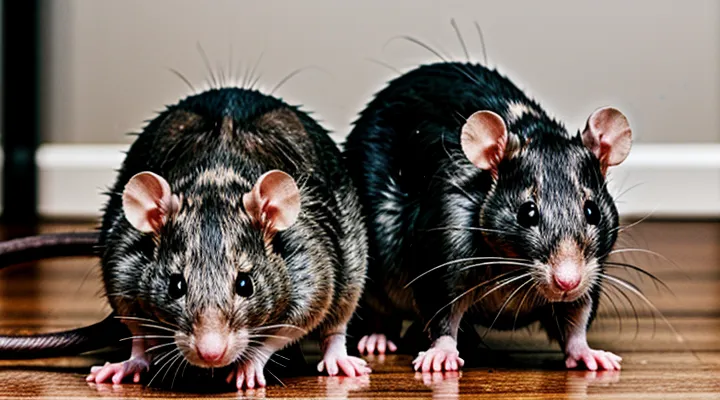
What is Rat Jealousy?
Distinguishing Jealousy from Other Behaviors
Jealousy in rats manifests as a specific response to perceived social displacement, distinct from general aggression, fear, or territorial defense. Recognizing this emotion requires observation of patterns that link the behavior to a rival’s access to resources, such as food, nesting sites, or a preferred companion.
Key indicators that separate jealousy from other actions include:
- Targeted attention – the subject directs vocalizations, grooming, or following behavior toward the individual receiving the coveted resource.
- Resource‑focused agitation – heightened activity appears only when the rival gains immediate access, not during routine encounters.
- Absence of threat cues – body posture lacks the rigid stance, raised fur, or rapid lunges typical of defensive aggression.
- Persistent monitoring – the rat maintains visual or olfactory surveillance of the rival after the resource exchange, suggesting emotional investment rather than a simple territorial claim.
In contrast, ordinary aggression presents as generalized hostility toward any intruder, regardless of resource status. Fear responses are characterized by freezing, retreat, or avoidance, while territorial behavior concentrates on defending a specific area without reference to a competitor’s gain.
Accurate differentiation allows caretakers to apply appropriate interventions, such as resource redistribution or environmental enrichment, to mitigate jealousy without mislabeling other adaptive behaviors.
Common Triggers of Jealousy in Rats
Rats exhibit jealousy when circumstances threaten their perceived status or access to valued resources. The behavior emerges from innate competition for food, mates, and territory, and it can disrupt group harmony if left unchecked.
- Limited food supply – sudden reduction in available pellets or competition for a favored treat triggers protective aggression toward conspecifics.
- Exclusive nesting sites – introduction of a new cage mate that claims a preferred burrow or shelter prompts defensive posturing.
- Mating opportunities – presence of a rival male during estrus or a dominant female’s attention shifting to another male intensifies rivalry.
- Social hierarchy changes – removal of a dominant individual or insertion of a higher‑ranking rat destabilizes established order, leading to envy‑driven challenges.
- Attention from caretakers – selective handling or rewarding of one rat while others are ignored creates a perceived imbalance and elicits jealous responses.
- Resource monopolization – a single rat monopolizing enrichment items such as wheels, tunnels, or chew toys provokes displacement attempts by peers.
Understanding these triggers enables targeted interventions: equalize food distribution, provide multiple nesting options, rotate enrichment devices, and ensure balanced human interaction. Prompt identification of jealousy reduces stress, prevents injury, and maintains a stable colony.
Recognizing the Signs of Jealousy
Behavioral Indicators
Rats display jealousy through distinct, observable actions that differentiate ordinary social behavior from competition-driven responses. Recognizing these signals enables timely intervention and improves group harmony.
- Aggressive lunges or rapid bites directed at a specific conspecific when the latter receives food or attention.
- Persistent vocalizations, such as high‑pitched squeaks, that increase in frequency during moments of perceived resource disparity.
- Excessive grooming of the self or the object of envy, often accompanied by a stiff posture and narrowed eyes.
- Territorial marking with increased urine or droppings near the favored individual’s nesting area.
- Withdrawal from communal activities, including reduced participation in group foraging or play, paired with heightened vigilance.
These behaviors emerge when a rat perceives an imbalance in access to valued resources, such as food, nesting sites, or social interaction. The intensity of each indicator correlates with the significance of the contested resource; more valuable assets trigger stronger, more frequent displays. Monitoring the pattern and escalation of these signs allows caretakers to adjust environmental conditions, redistribute resources, and mitigate stress, thereby curbing jealousy‑driven disruptions within the colony.
Physical Manifestations
Jealous behavior in rodents produces observable physical cues that signal emotional disturbance. Recognizing these cues enables timely intervention and improves colony welfare.
- Heightened aggression toward conspecifics, manifested by rapid bites, lunges, and territorial charging.
- Altered grooming patterns: excessive self‑cleaning or neglect of fur, indicating stress.
- Postural changes: lowered tail, flattened ears, and rigid stance during encounters with dominant peers.
- Vocalizations: sharp squeaks or chattering that intensify when a rival obtains preferred resources.
- Physiological stress markers: elevated heart rate, increased respiratory frequency, and higher corticosterone concentrations measurable in blood or saliva samples.
- Feeding disruptions: reduced intake of standard chow or hoarding of food previously shared with the dominant individual.
These manifestations appear consistently across laboratory and pet environments. Monitoring aggression, grooming, and vocal output provides immediate visual evidence, while periodic hormone assays confirm underlying stress. Early detection prevents escalation, reduces injury risk, and supports harmonious group dynamics.
Subtle Cues to Observe
Rats display jealousy through subtle, often overlooked signals. Recognizing these cues enables timely intervention and improves group harmony.
- Decreased grooming of the jealous individual while increasing attention toward the rival’s fur or whiskers.
- Sudden shift in feeding order, such as snatching food immediately after the dominant rat finishes.
- Brief, sharp vocalizations that differ from normal chirps, typically occurring when a favored companion receives attention.
- Lowered ears combined with a stiffened tail, indicating heightened alertness without overt aggression.
- Brief, repeated pacing near the source of perceived loss, suggesting mental preoccupation.
Additional observations strengthen diagnosis. A jealous rat may exhibit reduced exploratory behavior in shared spaces, preferring isolation. Conversely, it may intensify nest‑building activities, attempting to reclaim perceived ownership. Monitoring these patterns alongside social interactions provides a reliable framework for addressing jealousy without disrupting the colony’s stability.
Impact of Jealousy on Rat Well-being
Stress and Anxiety
Rats exhibit jealousy when a dominant individual perceives a threat to its access to resources such as food, nesting spots, or social attention. This perception triggers physiological arousal that frequently escalates into stress and anxiety, impairing normal behavior and health.
Stress appears as heightened vigilance, rapid respiration, and frequent grooming. Rats may abandon established routes, display aggression toward cage mates, or reduce intake of food and water. Prolonged stress elevates cortisol levels, weakens immune function, and can accelerate weight loss.
Anxiety manifests through avoidance of novel objects, reluctance to explore, and excessive freezing. Affected rats often emit high‑frequency vocalizations and show irregular locomotor patterns, indicating discomfort with the surrounding environment.
Effective intervention focuses on environmental stability, predictable routines, and gradual exposure to potential stressors. Practical measures include:
- Providing multiple feeding stations to eliminate competition for food.
- Installing separate enrichment zones to allow individual access to toys and shelters.
- Maintaining consistent lighting and temperature schedules.
- Introducing new rats or objects incrementally, monitoring reactions before full integration.
- Using pheromone diffusers that convey calm signals, reducing perceived threats.
Implementing these steps reduces the physiological cascade that links jealousy to stress and anxiety, supporting healthier social dynamics among laboratory or pet rats.
Aggression Towards Cagemates
Aggressive interactions between rats sharing a cage often stem from rivalry over limited resources such as food, space, or attention. When one individual perceives another as a threat to its access, jealousy can trigger biting, chasing, or mounting behaviors that jeopardize group stability.
Observable indicators include sudden lunges, sharp vocalizations, persistent displacement of a partner from preferred spots, and repeated attempts to monopolize food or nesting material. These actions usually appear after the introduction of a new rat, a change in feeding schedule, or the presence of a favored human caretaker.
Underlying drivers involve competition for essential commodities, disruption of established dominance hierarchies, and heightened stress when environmental enrichment is insufficient. A lack of clear boundaries or overcrowding amplifies the likelihood of hostile encounters.
Practical measures to reduce aggression:
- Ensure each rat has an individual feeding station and sufficient nesting zones.
- Introduce newcomers gradually, using a neutral enclosure before full integration.
- Provide multiple enrichment items (toys, tunnels, chew blocks) to disperse attention.
- Monitor weight and health, adjusting diet to prevent one animal from dominating food access.
- Schedule regular cage cleaning to eliminate scent markings that reinforce territorial claims.
Consistent application of these steps diminishes jealousy‑driven hostility and promotes harmonious cohabitation.
Avoidance and Isolation
Rats experiencing jealousy often withdraw from familiar environments, opting for solitary corners or hidden tunnels. This avoidance signals an underlying perception of competition, where the animal limits exposure to potential rivals. Observable signs include reduced grooming of peers, reluctance to share food sources, and increased time spent in secluded nesting areas.
Isolation intensifies stress hormones, reinforcing the jealous mindset and diminishing social learning opportunities. Prolonged seclusion may lead to weight loss, weakened immune response, and heightened aggression when contact is finally forced.
Practical steps to counteract avoidance and isolation:
- Re‑introduce neutral enrichment objects that encourage shared exploration without direct competition.
- Gradually increase group feeding sessions, monitoring for calm interaction before expanding the group size.
- Provide multiple nesting sites to reduce territorial disputes and give each rat a personal refuge.
- Use consistent, low‑stress handling to build trust, ensuring the animal associates human presence with safety rather than threat.
- Track behavioral changes daily, noting reductions in solitary behavior and increases in cooperative activities.
By systematically addressing the tendency to hide and separate, caretakers can diminish jealous responses, promote healthier social structures, and improve overall welfare.
Strategies for Overcoming Rat Jealousy
Environmental Enrichment
Environmental enrichment provides the sensory, cognitive, and physical stimuli necessary to reduce competitive tension among laboratory and pet rats. By diversifying the habitat, owners decrease the likelihood that individuals will focus on limited resources, a common trigger for jealous responses.
Key elements of an enriched cage include:
- Multiple nesting sites placed at equal distances from feeding stations.
- Varied chewing materials (wood blocks, cardboard tubes) to occupy oral exploration.
- Elevated platforms and tunnels that allow escape routes and personal space.
- Rotating puzzle feeders that require problem‑solving for food access.
- Regular introduction of novel objects (plastic toys, scent markers) on a scheduled basis.
Implementing these components creates alternative outlets for attention‑seeking behavior. When rats can explore, manipulate, and hide, they are less inclined to guard a single prized resource, thereby diminishing jealousy‑driven aggression.
Monitoring interactions after enrichment adjustments reveals changes in social hierarchy. A reduction in displaced grooming, vocalizations, and mounting of one rat over another signals effective mitigation. Consistent observation and timely modification of enrichment items sustain a balanced environment and support long‑term behavioral stability.
Social Adjustments
Jealousy among rats disrupts group cohesion, prompting changes in hierarchy, grooming patterns, and resource allocation. Recognizing these shifts is essential for maintaining a stable colony.
Observable indicators include:
- Increased aggression toward dominant individuals or newcomers.
- Reduced participation in communal feeding or nesting activities.
- Excessive scent marking or territorial displays.
- Withdrawal from usual social interactions.
When these behaviors appear, targeted social adjustments can restore balance:
- Redistribute resources – ensure equal access to food, nesting material, and enrichment objects to diminish competition.
- Reestablish hierarchy – introduce neutral spaces where dominant rats can display leadership without provoking rivals, allowing subordinates to observe without confrontation.
- Facilitate positive interactions – schedule group grooming sessions and shared play periods to reinforce affiliative bonds.
- Monitor stress indicators – track weight, coat condition, and activity levels; intervene with environmental enrichment if decline is detected.
- Gradual integration of newcomers – isolate new rats briefly, then introduce them through controlled, short interactions before full group access.
Consistent application of these measures reduces jealousy-driven tension, promotes cooperative behavior, and supports the overall health of the rat community.
Behavioral Modification Techniques
Rats may exhibit jealousy when a new companion, food source, or attention disrupts an established hierarchy. Unchecked jealousy can lead to aggression, stress‑induced health problems, and impaired social learning. Effective behavioral modification targets the underlying triggers and replaces maladaptive responses with constructive alternatives.
Key techniques include environmental enrichment, differential reinforcement, systematic desensitization, and counter‑conditioning. Enrichment supplies diverse stimuli that reduce competition for limited resources. Differential reinforcement rewards calm interactions while ignoring hostile displays. Systematic desensitization gradually introduces the feared stimulus at sub‑threshold intensity, allowing the animal to habituate without conflict. Counter‑conditioning pairs the presence of a rival or novel item with a highly valued reward, reshaping the emotional association.
Implementation steps:
- Assess the specific trigger (e.g., new cage mate, food competition, human attention).
- Introduce enrichment objects (tunnels, chew toys, foraging puzzles) to disperse focus.
- Establish a reinforcement schedule that delivers treats only when the rat engages in non‑aggressive behavior toward the trigger.
- Conduct brief exposure sessions, starting at a distance that elicits minimal tension, and incrementally reduce the gap over successive trials.
- Pair each exposure with a preferred food item to create a positive link.
Continuous observation is essential. Record frequency and intensity of jealous episodes, adjust exposure duration, and modify reinforcement ratios as the rat’s tolerance improves. When progress stalls, introduce additional enrichment or consult a veterinary behaviorist for tailored pharmacological support. Consistent application of these methods reduces jealousy, stabilizes social dynamics, and promotes overall welfare.
When to Seek Professional Help
Rats may exhibit jealousy when a new companion receives more attention, food, or space. Persistent jealousy can lead to aggression, chronic stress, or self‑injury, indicating that informal adjustments may be insufficient.
Indicators that professional assistance is warranted
- Repeated attacks on owners or other pets despite environmental changes.
- Continuous vocalizations, pacing, or destructive behavior linked to perceived competition.
- Signs of physical deterioration such as weight loss, fur loss, or abnormal grooming.
- Failure of basic enrichment strategies (e.g., additional toys, separate feeding stations) to reduce tension.
When these patterns emerge, a qualified veterinarian or certified animal behaviorist should be consulted. Veterinary evaluation rules out medical conditions that can mimic or exacerbate jealous responses. Behavior specialists apply evidence‑based protocols, including desensitization, counter‑conditioning, and structured socialization plans.
Selecting a practitioner involves verifying credentials, reviewing experience with rodent patients, and confirming a willingness to collaborate with the owner on a tailored management plan. Initial steps include scheduling a comprehensive health exam, providing a detailed behavior log, and preparing the home environment for potential modifications recommended by the professional.
Preventing Jealousy in Multi-Rat Households
Proper Introduction Protocols
When a rat exhibits jealousy, the initial interaction sets the tone for subsequent behavior modification. An introduction that respects the animal’s territorial instincts reduces defensive responses and facilitates observation of emotional cues.
Begin by allowing the rat to explore the new environment without direct contact. Observe body language—raised whiskers, rapid tail flicks, or vocalizations indicate heightened arousal. Once the animal appears calm, approach slowly, keeping the hand low and moving in a controlled manner.
Key elements of the protocol include:
- Gradual exposure: introduce new stimuli over several short sessions rather than a single prolonged encounter.
- Consistent posture: maintain a relaxed stance, avoid sudden movements that could be interpreted as threats.
- Positive reinforcement: reward calm behavior with a preferred treat or gentle petting, reinforcing the association between the newcomer and safety.
- Monitoring: record reactions after each session to track progress and adjust the pace accordingly.
Concluding the introduction with a predictable routine—such as returning the rat to its familiar enclosure and providing a familiar scent marker—helps solidify the sense of security. Repeating this structured approach lowers jealousy-driven aggression and creates a foundation for more advanced behavioral interventions.
Ensuring Resource Abundance
Providing rats with ample resources prevents the emergence of jealousy that can disrupt group harmony. Sufficient nutrition, space, and environmental enrichment satisfy individual needs, reducing competition for limited assets.
Key measures for maintaining resource abundance:
- Balanced diet: Offer a varied menu that meets caloric and micronutrient requirements for every animal. Rotate fresh foods to avoid monotony and ensure each rat receives an equal share.
- Multiple feeding stations: Install at least two dispensers per cage tier. Position them opposite each other to discourage dominance at a single point.
- Spacious housing: Allocate a minimum of 0.5 sq ft per rat of floor area, plus vertical climbing structures. Adequate room allows simultaneous exploration and reduces territorial disputes.
- Enrichment variety: Supply interchangeable toys, tunnels, and foraging puzzles. Rotate items weekly to avoid scarcity of stimulating objects.
- Regular health monitoring: Track weight and behavior to detect early signs of resource stress. Adjust provisions promptly when deviations appear.
Consistent application of these practices creates a stable environment where competition diminishes, enabling rats to coexist without jealousy.
Monitoring Group Dynamics
Monitoring group dynamics provides the primary data needed to detect jealousy among laboratory rats and to implement corrective measures. Direct observation of interactions, combined with systematic recording, reveals patterns such as repeated displacement, aggressive posturing, and unequal access to food or nesting material. These behaviors indicate a hierarchy shift that often precedes or accompanies jealous responses.
Effective monitoring relies on three core practices:
- Continuous video surveillance positioned to capture all cage zones, ensuring no interaction goes unnoticed.
- Behavioral scoring sheets that assign numerical values to specific actions (e.g., push, bite, retreat) and track frequency over time.
- Environmental audits that log resource placement, lighting, and enrichment items to correlate external factors with social tension.
Data collected through these practices guide interventions. Adjusting resource distribution—splitting food trays, adding multiple shelters, and rotating enrichment devices—reduces competition and stabilizes the hierarchy. When aggression persists, gradual reshuffling of cage mates, paired with brief supervised introductions, reestablishes clear social roles without triggering heightened stress.
Regular review of monitoring reports allows caretakers to anticipate jealous outbreaks before they manifest as severe aggression, maintaining both animal welfare and experimental integrity.