
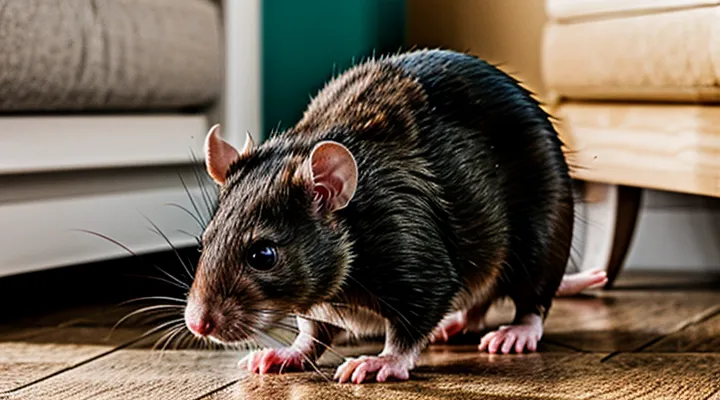
Understanding the Problem: Signs of a Rat Infestation
Recognizing the Presence of Rats
Visual Evidence of Rats
Visual evidence is the most reliable indicator that a rodent is present in a residence. Direct sightings confirm activity, while indirect signs provide a traceable pattern of infestation.
Typical visual cues include:
- Droppings: small, dark, cylindrical pellets, often found along walls, behind appliances, and in cabinets. Fresh droppings appear glossy; older ones become dry and crumbly.
- Gnaw marks: clean, parallel cuts on wood, plastic, or wiring. Fresh gnawing shows bright, smooth edges; older damage darkens and may exhibit frayed shavings.
- Grease trails: oily smears along baseboards, under sinks, or on pantry shelves, formed by the animal’s fur rubbing against surfaces.
- Nests: compacted shredded material such as paper, fabric, insulation, or dried food, usually hidden in concealed spaces like wall voids, attics, or behind appliances.
- Pathways: continuous lines of small footprints or tail marks in dusty areas, often leading to food sources or entry points.
- Damage to stored food: open packaging, chewed bags, or spilled contents, indicating foraging activity.
Documenting these signs enhances communication with pest‑control professionals. Photographs should be clear, well‑lit, and include a reference object for scale (e.g., a ruler or coin). Capture multiple angles of each sign and label images with date, location, and description.
When visual evidence accumulates, it signals the need for immediate intervention. The documented proof supports targeted treatment, helps verify the effectiveness of control measures, and provides a record for future prevention.
Sounds Indicating Rats
Rats produce a distinct set of noises that can reveal their presence before visual signs appear. Recognizing these sounds enables early intervention and reduces damage to property and health risks.
Typical rat sounds include:
- Scratching on walls, ceilings, or stored items, especially at night.
- Gnawing on wood, plastic, or wiring, producing a sharp, repetitive bite.
- Scurrying across empty spaces, often heard as rapid footfalls in attics or crawl spaces.
- Squeaking or high‑pitched chirps, most common among young rats communicating with littermates.
- Rattling of droppings or nesting material when disturbed.
When any of these noises are detected, verify the source by following the sound to its origin, inspecting for droppings, gnaw marks, or burrows. Seal entry points, set appropriate traps, and consider professional pest control if activity persists. Continuous monitoring of sound patterns helps assess the effectiveness of control measures and prevents re‑infestation.
Odors Associated with Rats
Rats emit distinct smells that signal their presence and activity inside a dwelling. The most common odors include a sharp, ammonia‑like scent from urine, a pungent, greasy odor from the oily glands on their bodies, and a musty, decomposing aroma from droppings and nesting material. These odors intensify in confined spaces such as wall voids, attics, and crawl spaces where ventilation is limited.
Urine produces a strong, acrid smell that can be detected even after the liquid has evaporated, leaving a residue on surfaces. Droppings generate a faint, sour odor that becomes noticeable when they accumulate in large numbers. The musky scent released by the rats’ fur and glandular secretions lingers on fabrics, insulation, and stored goods, often described as “rotting fish” or “wet wool.” A combination of these odors typically indicates an established infestation rather than a single stray animal.
To address rat‑related odors, follow these steps:
- Locate the source by inspecting areas with strong ammonia or greasy smells; prioritize hidden cavities, behind appliances, and near food storage.
- Remove contaminated materials, including droppings, nesting debris, and any soaked insulation.
- Clean surfaces with a detergent solution, then apply an EPA‑registered disinfectant to eliminate residual bacteria.
- Increase airflow by opening windows, using fans, or installing ventilation ducts to disperse lingering scents.
- Seal entry points to prevent re‑entry; use steel wool, caulk, or metal flashing where gaps exist.
- Consider professional pest‑control services for extensive infestations, especially when odors persist after thorough cleaning.
Prompt identification and elimination of these odors reduce health risks, discourage further rodent activity, and restore a sanitary indoor environment.
Damage Caused by Rats
Rats infiltrating a residence cause extensive material loss and health hazards. Their gnawing habit compromises structural components, while their presence contaminates food supplies and spreads pathogens.
- Chewed wooden beams and joists weaken floor support.
- Damaged insulation reduces energy efficiency and increases heating costs.
- Burrowed holes in walls allow entry of additional pests and moisture.
- Gnawed electrical wiring creates short circuits, fire risk, and costly repairs.
- Contaminated stored food leads to spoilage, financial waste, and attraction of insects.
- Excrement, urine, and saliva introduce bacteria, viruses, and parasites that can infect humans and pets.
Beyond direct physical harm, infestations elevate insurance premiums and depress property value. Prompt identification of these damage indicators enables targeted remediation and prevents escalation.
Immediate Actions and Safety Measures
Prioritizing Safety and Hygiene
Protecting Food and Water Sources
Rats quickly locate unsecured food and water, contaminating supplies with droppings, urine, and pathogens. Effective protection demands immediate, systematic actions.
- Store all dry goods in metal or thick‑wall plastic containers with tight‑fitting lids. Verify seals regularly for damage.
- Keep perishable items in refrigerated units; ensure doors close fully and seals are intact.
- Place pet food in sealed containers and remove leftovers after each feeding.
- Install a dedicated water dispenser with a sealed lid; discard standing water that exceeds 24 hours.
- Clean countertops, floors, and shelves daily to eliminate crumbs and spills. Use a disinfectant approved for food‑contact surfaces.
- Seal gaps around pipes, vents, and cabinets with steel wool, caulk, or metal mesh; rats cannot gnaw through these materials.
- Position traps or bait stations along walls, behind appliances, and near known entry points. Monitor and replace them regularly.
- Conduct routine inspections of pantry shelves and storage areas; discard any food showing signs of rodent damage.
- Maintain exterior cleanliness: remove leaf piles, compost, and debris within 10 feet of the building; trim vegetation that contacts the structure.
By combining secure storage, diligent cleaning, and structural reinforcement, households deny rats access to nutrition and hydration, dramatically reducing infestation risk.
Cleaning and Disinfecting Infested Areas
Effective cleaning and disinfection are essential after discovering rat activity. Remove all visible debris, including droppings, urine stains, and nesting material, before applying any chemical treatment.
- Wear disposable gloves and a mask to prevent exposure to pathogens.
- Sweep or vacuum the area using a HEPA‑rated filter; discard the filter or bag immediately.
- Soak contaminated surfaces with a solution of 1 part bleach to 10 parts water; let it stand for at least 10 minutes.
- Rinse with clean water and dry thoroughly to inhibit mold growth.
- Apply an EPA‑registered disinfectant to all non‑porous surfaces; follow the label’s contact time.
- For porous items (carpet, upholstery) that cannot be fully cleaned, consider disposal or professional steam cleaning.
After treatment, seal cracks, gaps, and entry points to stop re‑infestation. Maintain a regular cleaning schedule, focusing on food‑storage areas, garbage bins, and utility rooms, to reduce attractants and limit disease risk.
Personal Protective Equipment
When confronting a rodent intrusion inside a residence, personal protective equipment (PPE) is essential to prevent bites, scratches, and exposure to disease‑carrying contaminants. Select gear that creates a barrier between skin and potential hazards, and ensure each item meets industry standards for durability and coverage.
- Thick, puncture‑resistant gloves (e.g., nitrile or leather) protect hands while setting traps, handling carcasses, or cleaning contaminated surfaces.
- Disposable coveralls or a reusable work shirt and trousers made of tightly woven fabric prevent fur and droppings from reaching clothing.
- Protective eyewear with side shields guards against splashes of urine, feces, or debris when flushing or disinfecting areas.
- A half‑face respirator equipped with a P100 filter blocks aerosolized pathogens and dust generated during demolition of nesting sites.
- Slip‑resistant, waterproof boots with steel toe caps shield feet from sharp objects and provide stability on wet or uneven floors.
Before beginning any removal operation, inspect each piece for tears, cracks, or compromised seals. Don the equipment in the proper sequence: gloves last, respirator after headgear, and boots before entering the affected zone. After the task, remove PPE carefully to avoid cross‑contamination—take off gloves, then coveralls, and finally respirator, disposing of single‑use items in sealed bags. Clean reusable components according to manufacturer instructions and store them in a dry, clean environment.
Proper PPE selection and disciplined usage significantly reduce health risks associated with rodent control activities, allowing homeowners to address the problem safely and efficiently.
Identifying Entry Points
Inspecting Walls and Foundations
Inspecting walls and foundations is the first line of defense against a rodent intrusion. Early detection of entry points prevents population growth and limits damage to structural components.
When examining walls, follow these actions:
- Scan for gnaw marks on timber, insulation, or drywall.
- Look for fresh droppings, urine stains, or greasy smears along baseboards and corners.
- Check for small holes or cracks, especially near utility penetrations, vents, and pipe sleeves.
- Use a flashlight to illuminate hidden cavities; a mirror can help view behind fixtures.
- Record the location of each finding for targeted sealing.
Foundation assessment requires attention to the building’s perimeter and underground interface:
- Walk the exterior foundation, noting any gaps larger than ¼ inch, deteriorated mortar, or displaced bricks.
- Inspect the soil adjacent to the foundation for burrows, mound formations, or fresh soil displacement.
- Verify that drainage systems function properly; standing water near the base creates a favorable environment for rodents.
- Examine crawl spaces for insulation damage, nesting material, or evidence of chewing.
- Test the integrity of slab edges and perimeter walls with a probe or awl to detect hidden openings.
After identifying vulnerabilities, prioritize sealing with steel wool, copper mesh, or cement-based filler, and reinforce with hardware cloth where larger gaps exist. Regular re‑inspection, especially after severe weather, ensures that new breaches are addressed before rats can re‑establish access.
Checking Pipes and Utilities
When rodents infiltrate a residence, the first line of defense involves a systematic inspection of all water, gas, and sewage lines. Their small size and gnawing ability allow rats to breach insulation, penetrate joints, and create entry points that remain hidden without a thorough examination.
Begin with visible sections of plumbing. Look for fresh gnaw marks on copper, PVC, and steel pipes, especially near joints, elbows, and support brackets. Check for rusted or frayed insulation, which may indicate repeated chewing. Examine pipe sleeves and conduit runs for loose fittings or gaps that could serve as passageways.
Inspect utility connections in basements, crawl spaces, and utility rooms. Verify that gas lines are intact, with no exposed wires or damaged protective sheathing. Test water shut‑off valves for smooth operation; a jammed valve may suggest blockage caused by debris or nesting material.
Survey drainage systems. Run a flashlight along sewer cleanouts, floor drains, and trap seals. Look for droppings, urine stains, or shredded material near the base of drains. Ensure trap seals hold water; a dry seal can attract rats seeking water sources.
Document findings and prioritize repairs:
- Replace compromised pipe insulation with rodent‑resistant material.
- Seal gaps with stainless‑steel mesh or metal flashing.
- Tighten loose fittings and apply pipe‑wrap sealant to vulnerable joints.
- Install lint‑free screens over vent openings and utility entry points.
- Maintain water traps by periodically flushing drains to keep seals full.
After repairs, conduct a follow‑up inspection within 48 hours to confirm that all identified weaknesses have been addressed. Regular maintenance schedules—quarterly checks of plumbing and utility areas—reduce the likelihood of re‑infestation and protect the home’s infrastructure from future damage.
Sealing Small Gaps and Cracks
Sealing small gaps and cracks is a critical step in preventing rats from entering a residence. Identify all potential entry points by inspecting walls, floors, windows, doors, and utility penetrations. Pay special attention to areas around pipes, vents, and wiring sleeves, as rodents can exploit openings as narrow as a quarter‑inch.
Effective sealing requires durable, rodent‑resistant materials. Use steel wool combined with expanding polyurethane foam for irregular cavities, then cover with metal mesh or cement to deter chewing. Apply silicone caulk to interior trim and exterior siding joints, ensuring a continuous barrier. Replace deteriorated weatherstripping on doors and windows with heavy‑duty options that compress tightly when closed.
Recommended sealing process:
- Conduct a systematic walk‑through, marking each opening with a colored tag.
- Clean the area to remove debris and moisture that could weaken adhesives.
- Insert steel wool into the gap, compressing it firmly.
- Fill the remaining space with expanding foam, allowing it to cure fully.
- Overlay with metal flashing or cement patch for added strength.
- Test the seal by attempting to insert a thin probe; no passage should be possible.
Regular maintenance reinforces the barrier. Re‑inspect sealed areas quarterly, especially after severe weather or home renovations, and repair any damage promptly. A well‑executed sealing regimen reduces the likelihood of rat intrusion and minimizes the need for more invasive control measures.
Effective Rat Removal Strategies
Non-Lethal Methods
Humane Trapping Techniques
Humane trapping provides an effective, non‑lethal solution for removing rats from residential spaces while minimizing suffering. Proper selection, placement, and monitoring of traps are essential to achieve reliable results.
Choose traps that immobilize without injury. Options include live‑catch cages with spring‑loaded doors, multi‑catch traps with mesh funnels, and humane snap devices calibrated to release quickly without crushing. Verify that the trap size matches the target species; a 5‑inch cage accommodates adult rats comfortably.
Placement follows a logical pattern. Identify runways—walls, behind appliances, near food sources—and set traps perpendicular to these paths, with the entry side facing the wall. Position traps 1–2 feet above the floor, where rats prefer to travel. Ensure that each trap is anchored to prevent displacement by curious pets or children.
Bait selection influences capture rates. Use high‑protein or high‑fat items such as peanut butter, cooked bacon, or dried fruit. Apply a pea‑sized amount directly to the trigger mechanism to avoid spillage that could attract non‑target animals.
Monitor traps at least twice daily. Remove captured rats promptly, wearing disposable gloves and a mask to reduce disease risk. Release live‑catch captures at least one mile from the residence, in a suitable habitat with adequate shelter and food. For multi‑catch devices, empty compartments regularly to maintain effectiveness.
Maintain hygiene throughout the process. Clean traps with a mild detergent after each use, rinse thoroughly, and allow to dry before redeployment. Replace worn bait or damaged components to preserve functionality.
By adhering to these practices, homeowners can resolve rat infestations responsibly, protecting both the household and the animal’s welfare.
Repelling Rats Naturally
Rats entering a dwelling require immediate, non‑chemical deterrence to prevent damage and disease. Natural repellents exploit sensory aversion, create hostile environments, and block access without hazardous residues.
- Peppermint oil: saturate cotton balls, place near entry points and nesting sites; the strong menthol scent overwhelms rodent olfactory receptors.
- Eucalyptus or clove oil: mix with water, spray along baseboards and behind appliances; volatile compounds act as irritants.
- Cayenne pepper, ground black pepper, or crushed red pepper flakes: dust in cracks, cupboards, and along walls; capsaicin causes discomfort upon contact.
- Fresh mint leaves or dried lavender: distribute in pantry shelves and storage areas; rodents avoid strong aromatic foliage.
- Ammonia solution (1:1 with water): apply on rags, position in concealed corners; the pungent vapor mimics predator urine.
- Steel wool or copper mesh: pack into holes and gaps; rodents cannot gnaw through metal, eliminating pathways.
Apply repellents consistently, replenishing every two weeks or after cleaning. Combine scent barriers with physical exclusion: seal gaps with caulk, install door sweeps, and repair damaged screens. Maintain a tidy environment by storing food in airtight containers, removing crumbs, and disposing of waste promptly; reduced attractants reinforce the effectiveness of natural deterrents.
Integrate the above measures with humane trapping when necessary. Monitor activity with motion‑activated cameras or tracking powder to identify persistent hotspots, then concentrate repellent applications there. This layered approach minimizes reliance on poisons while sustaining long‑term rodent control.
Professional Pest Control Consultation
Professional pest‑control consultation begins with a thorough site inspection. The specialist identifies entry points, assesses the extent of rodent activity, and evaluates conditions that attract rats, such as food sources, water availability, and shelter. Evidence collection includes droppings, gnaw marks, and nesting material, which help estimate population size and species.
During the assessment, the consultant documents:
- Structural vulnerabilities (gaps around pipes, vents, doors)
- Sanitation deficiencies (improper waste storage, food debris)
- Current control measures and their effectiveness
- Potential health risks associated with rodent presence
Based on the findings, the expert develops a customized management plan. The plan outlines immediate actions—such as sealing openings, setting traps, and applying bait stations—followed by long‑term strategies like habitat modification and routine monitoring. Recommendations specify product types, placement density, and safety precautions to protect occupants and pets.
The consultation also includes a cost estimate, timeline for implementation, and a schedule for follow‑up visits. Clients receive written instructions for maintaining a rat‑free environment, including regular waste removal, proper food storage, and periodic inspection of vulnerable areas.
Engaging a qualified professional ensures compliance with local regulations, reduces the risk of disease transmission, and provides a systematic approach that minimizes recurrence.
Lethal Methods (When Necessary)
Snap Traps: Proper Placement and Baiting
Snap traps remain one of the most reliable tools for eliminating rats that have entered a residence. Their effectiveness depends on two factors: positioning the device where rats are most likely to encounter it, and using bait that provokes a quick, decisive bite.
Place each trap along established rodent pathways. Typical locations include:
- Along walls, where rats travel for safety.
- Near food storage areas, such as pantry shelves or behind appliances.
- Inside concealed entry points, like gaps under cabinets or within crawl spaces.
- Adjacent to droppings, gnaw marks, or fresh burrow entrances.
- At a height of 2–3 inches above the floor, matching the average rat’s body level.
Secure the trap on a solid surface to prevent wobbling. Use a thin layer of newspaper or cardboard beneath the device to keep it stable and to reduce noise that might alert the animal.
Bait selection influences capture rates. Effective attractants contain strong, oily scents and a slight sweetness. Recommended options are:
- Peanut butter mixed with a few drops of vanilla extract.
- Small pieces of bacon or cooked ham.
- Dried fruit, such as raisins or apricots, combined with a dab of cheese.
- Commercial rodent lures that combine protein and fat.
Apply only a pea‑sized amount of bait to the trigger mechanism. Excessive bait can allow the rat to feed without activating the spring, reducing trap efficiency. Replace the bait after each capture to maintain freshness and scent strength.
Inspect traps daily. Remove dead rodents promptly, reset the device, and rotate placement if activity diminishes. Consistent monitoring, combined with strategic positioning and appropriate bait, maximizes the probability of rapid eradication of indoor rat problems.
Poison Baits: Risks and Safety Precautions
Poison baits are an effective tool for controlling indoor rat populations, but they carry inherent dangers that require strict handling procedures. Accidental ingestion by children, pets, or non‑target wildlife can result in severe toxicity, and improper placement may lead to contamination of food preparation areas.
Risk factors include:
- Secondary poisoning – predators or scavengers that consume a poisoned rat can suffer lethal effects.
- Environmental spread – baits left in open containers may leak onto surfaces, creating long‑lasting residues.
- Resistance development – repeated exposure to the same active ingredient can reduce efficacy over time.
Safety precautions must be observed at every stage:
- Choose baits labeled for indoor use and approved by relevant health authorities.
- Store products in locked, child‑proof containers away from food, utensils, and pet supplies.
- Place bait stations in concealed locations inaccessible to non‑target animals, such as behind appliances, inside wall voids, or within sealed traps.
- Mark bait stations with clear warnings and maintain a log of placement dates and locations.
- Wear disposable gloves when handling baits; wash hands thoroughly after contact.
- Remove and dispose of spent bait stations according to local hazardous‑waste guidelines.
- Conduct a post‑treatment inspection to confirm that no baits remain in areas where people or animals may encounter them.
Adhering to these measures minimizes health hazards while preserving the efficacy of poison baits in reducing rat infestations.
Considerations for Professional Extermination
Professional rat control demands a methodical approach that addresses safety, efficacy, and long‑term prevention. Selecting a qualified exterminator begins with verifying credentials; reputable firms hold licenses issued by local health or agricultural departments and maintain insurance coverage for liability. An initial inspection should identify entry points, nesting sites, and signs of activity, enabling the technician to design a targeted treatment plan rather than applying generic measures.
Key factors to evaluate before committing to a service include:
- Integrated pest management (IPM) strategy – prioritizes exclusion, sanitation, and low‑toxicity interventions; chemical applications are reserved for confirmed hotspots.
- Product selection – approved rodenticides must meet regulatory standards, possess clear labeling, and be appropriate for indoor use to protect occupants and pets.
- Application technique – bait stations, traps, or dust should be placed according to the pest’s movement patterns; proper placement reduces non‑target exposure.
- Safety protocols – technicians must follow personal protective equipment (PPE) guidelines and provide clear instructions for household members during and after treatment.
- Follow‑up schedule – monitoring visits confirm elimination and allow adjustments; a written guarantee outlines the duration of post‑treatment support.
- Cost transparency – detailed estimates break down labor, materials, and any additional services such as sealing gaps or installing deterrents.
- Environmental impact – firms that minimize chemical footprints and dispose of waste according to hazardous material regulations demonstrate responsible practice.
After the service, homeowners should retain records of the exterminator’s license, the chemicals used, and the follow‑up plan. Implementing recommended structural repairs—such as sealing cracks, installing door sweeps, and securing food storage—complements professional efforts and prevents reinfestation. Continuous vigilance, combined with a qualified provider’s expertise, delivers the most reliable resolution to residential rat problems.
Preventing Future Infestations
Maintaining a Rat-Free Environment
Regular Cleaning and Sanitation
Regular cleaning eliminates food residues that attract rodents. Sweep and mop floors daily to remove crumbs and spilled liquids. Wipe countertops, cabinets, and appliance exteriors with a disinfectant after each use. Store dry goods in sealed containers; never leave pet food uncovered.
Maintain waste management. Transfer trash to a sealed bin at least once daily. Keep garbage cans with tight‑fitting lids and place them away from entry points. Clean the interior of bins with a mild bleach solution weekly to prevent odor buildup.
Control moisture sources. Dry wet areas promptly after spills, leaks, or pet accidents. Use a dehumidifier in damp basements or crawl spaces, and ensure proper ventilation in kitchens and bathrooms.
Inspect and sanitize surrounding areas. Remove clutter, such as cardboard boxes and piles of newspaper, that provide hiding places. Trim vegetation, clear debris, and store firewood at least 30 cm off the ground and away from walls.
Action checklist
- Sweep, mop, and disinfect high‑traffic surfaces each day.
- Store all food in airtight containers; discard leftovers promptly.
- Empty garbage cans nightly; ensure lids seal tightly.
- Clean and disinfect interior of waste bins weekly.
- Dry spills and fix leaks within 24 hours.
- Use dehumidifiers in humid zones; ventilate regularly.
- Remove clutter and keep storage areas orderly.
- Trim exterior vegetation; keep firewood elevated and distant from the house.
Consistent execution of these measures removes attractants, reduces shelter options, and creates an environment that discourages rat activity.
Proper Waste Management
Effective waste control reduces the likelihood of rodent infestation. Store garbage in containers with tight-fitting lids; replace damaged seals promptly. Position bins away from walls and food preparation areas to limit easy access. Empty receptacles at least once daily in high‑traffic households; increase frequency during warmer months when rats are most active.
Maintain cleanliness in waste‑handling zones. Sweep residual crumbs from the floor, countertops, and under appliances after each meal. Rinse food‑related waste before disposal to remove attractants. Use biodegradable bags that decompose quickly, but ensure they are sealed before placement in the bin.
Manage compost responsibly. Keep compost piles covered with a solid lid or mesh to prevent entry. Locate compost bins at a distance of at least three meters from the house. Turn the material regularly to promote aerobic decomposition, which discourages rodent habitation.
Inspect and repair structural entry points. Seal gaps around pipes, vents, and utility lines with steel wool or metal flashing; rodents can gnaw through softer materials. Install door sweeps on exterior doors to block gaps beneath them.
Implement a routine inspection schedule. Check for signs of rodent activity—droppings, gnaw marks, or urine odor—near waste storage areas weekly. Promptly address any breach in containment to prevent population growth.
Adopt these practices consistently to create an environment that deprives rats of food sources and shelter, thereby minimizing the risk of indoor infestation.
Securing Outdoor Areas
Rats readily exploit gaps, debris, and food sources in gardens, patios, and other exterior spaces. Eliminating these attractions reduces the likelihood that rodents will enter a residence.
Inspect all perimeter walls, fences, and utility lines. Seal cracks larger than a quarter‑inch with cement, metal mesh, or expanding foam. Install metal flashing where pipes penetrate foundations. Ensure that doors and windows have tight-fitting screens without tears.
Maintain the yard to deter nesting. Remove piles of leaves, wood, or compost that are not enclosed. Store firewood at least two feet off the ground and away from structures. Keep garbage containers covered with tight‑locking lids; empty them frequently.
Control vegetation that offers shelter. Trim shrubs and trees so branches do not touch the house. Keep grass mowed at a moderate length and eliminate low‑lying weeds.
Implement physical barriers where rodents are most likely to travel. Place heavy‑gauge hardware cloth around garden beds, under deck railings, and over drainage openings. Securely fasten all vent covers and gutter guards.
Regular monitoring reinforces prevention. Conduct monthly walkthroughs to detect new entry points, gnaw marks, or droppings. Promptly repair any damage to maintain a continuous barrier.
By systematically fortifying outdoor areas, homeowners create an environment that discourages rat activity and complements indoor control measures.
Long-Term Prevention Measures
Ongoing Inspection and Maintenance
Regular, systematic checks are essential for preventing rodent re‑entry. Inspect all exterior walls, foundations, and rooflines monthly. Look for gaps larger than ¼ inch, damaged siding, or loose flashing, and seal each opening immediately with steel wool, caulk, or metal mesh.
Maintain a clutter‑free environment to eliminate shelter. Store food in airtight containers, keep countertops clear, and remove standing water. Dispose of garbage in sealed bins and take it out regularly. Trim vegetation and remove debris within two feet of the building to reduce cover.
Key inspection tasks
- Verify integrity of door sweeps and window screens.
- Examine utility penetrations (pipes, cables) for cracks.
- Test weatherstripping on exterior doors.
- Check crawl spaces and basements for droppings or gnaw marks.
Routine maintenance actions
- Apply rodent‑resistant sealants to identified entry points.
- Replace damaged vent covers with metal hardware cloth.
- Install door‑bottom seals on all exterior doors.
- Schedule quarterly professional pest‑management reviews to validate effectiveness.
Educating Household Members
All residents must understand how rodents exploit household weaknesses. Knowledge of typical signs—droppings, gnaw marks, nocturnal noises—enables early detection and prevents infestation growth.
Education should cover five practical areas:
- Identification of rat activity and safe reporting procedures.
- Proper food storage: sealed containers, immediate cleanup of crumbs.
- Waste management: sealed bins, regular removal, avoidance of outdoor food piles.
- Structural maintenance: sealing cracks, installing door sweeps, trimming vegetation near entry points.
- Personal hygiene: hand washing after handling trash or cleaning suspected sites.
Effective delivery combines brief group briefings, printed checklists posted in kitchens and utility rooms, and visual reminders such as infographics illustrating entry points. Role‑playing scenarios reinforce correct response when sightings occur.
Responsibility rotates among household members; a simple schedule assigns weekly inspection tasks and records findings. Quarterly reviews assess compliance, update procedures, and address gaps. Continuous reinforcement sustains vigilance and reduces the likelihood of a full‑scale rodent problem.
Monitoring for Re-infestation
Effective monitoring after a rat removal program prevents a new outbreak. Begin with a baseline inspection of all potential entry points—gaps around pipes, vents, doors, and foundation cracks. Seal any openings with steel wool, metal flashing, or cement; document each repair in a simple log.
Set up a regular surveillance routine:
- Weekly visual checks of stored food, trash containers, and pet feeding areas for droppings, gnaw marks, or shredded material.
- Bi‑weekly placement of snap‑type or live‑catch traps along established runways, such as along walls, behind appliances, and near exterior doors.
- Monthly installation of non‑lethal monitoring stations—plastic tubes with fresh bait and a clear lid—to detect activity without harming animals.
Record all observations in a spreadsheet: date, location, evidence type, and trap result. Look for trends; an increase in droppings or multiple trap captures in the same zone signals re‑infestation risk.
If evidence appears, act immediately: reinforce barriers, replace bait, and increase trap density to two per suspected pathway. Maintain the surveillance schedule for at least six months after the last confirmed capture, then reduce to monthly checks for another six months.
Periodic professional assessment—once per year or after any significant structural change—provides an external verification of the home’s integrity and helps adjust the monitoring protocol as needed.