
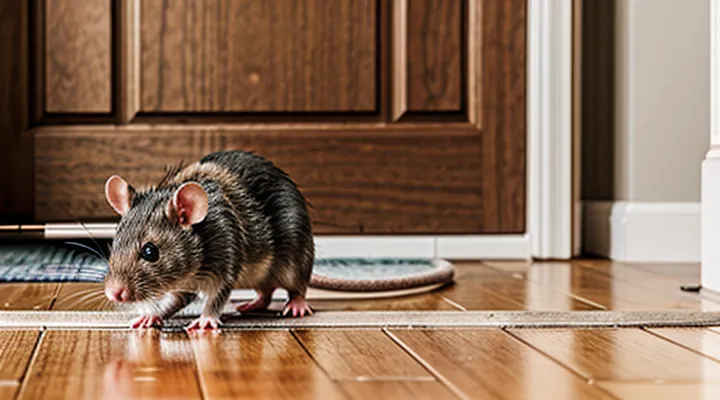
Understanding the Threat: Why Rodents in the Entrance Hall are Dangerous
Health Risks Associated with Rodents
Diseases Carried by Rats
Rats that enter an entryway can transmit a range of pathogens that affect humans and domestic animals. The most frequently encountered agents include:
- Leptospira interrogans – bacteria causing leptospirosis, a febrile illness that may progress to kidney or liver failure.
- Salmonella spp. – bacteria responsible for salmonellosis, producing gastrointestinal symptoms such as diarrhea, fever, and abdominal cramps.
- Yersinia pestis – the bacterium behind plague; transmission occurs through flea bites that have fed on infected rodents.
- Hantavirus – viruses causing hantavirus pulmonary syndrome or hemorrhagic fever with renal syndrome, both marked by rapid respiratory distress and renal impairment.
- Bartonella henselae – agent of cat‑scratch disease; rats serve as reservoirs, facilitating occasional human infection.
- Rickettsia typhi – bacteria that cause murine typhus, presenting with headache, rash, and fever.
- Streptobacillus moniliformis – bacteria leading to rat‑bite fever, characterized by fever, arthritis, and rash after direct bites or scratches.
In addition to bacterial and viral agents, rats often carry parasites that contaminate surfaces and food:
- Trematodes (e.g., Hymenolepis nana) – cause intestinal helminthiasis.
- Protozoa (e.g., Giardia lamblia) – produce diarrheal disease.
- Ectoparasites (fleas, mites, ticks) – serve as vectors for the above pathogens and may bite occupants directly.
Contamination typically occurs through urine, feces, saliva, or direct contact with bite wounds. Prompt removal of the animal, thorough disinfection of affected areas, and medical evaluation for any symptoms are essential steps to prevent disease transmission.
Allergic Reactions and Asthma Triggers
Rodent presence in an entrance area introduces allergens that can provoke immediate hypersensitivity reactions and exacerbate chronic respiratory conditions. Mouse and rat urine, feces, and saliva contain proteins that become airborne as dust particles; inhalation of these particles can trigger IgE‑mediated responses, resulting in sneezing, nasal congestion, skin rash, or anaphylaxis in sensitized individuals. The same particles can act as bronchoconstrictive agents, increasing airway resistance and precipitating asthma attacks.
Common triggers associated with rodent infestations include:
- Dander and hair shed from the animals
- Dried urine and fecal matter that become aerosolized
- Mold growth in damp nesting material
- Secondary dust disturbed during cleaning or movement
Individuals with known allergies or asthma should avoid direct contact with contaminated surfaces. Protective measures consist of wearing disposable gloves, a fit‑tested N95 respirator, and eye protection while handling debris. After removal of the rodents, thorough decontamination with HEPA‑filtered vacuuming and wet cleaning eliminates residual allergens.
If symptoms develop, immediate medical response is required. Administer prescribed epinephrine auto‑injectors for anaphylactic signs, and use short‑acting bronchodilators for wheezing or shortness of breath. Follow‑up evaluation by an allergist or pulmonologist can confirm specific sensitivities and guide long‑term management, including immunotherapy or adjusted inhaled corticosteroid regimens.
Structural Damage Caused by Rodents
Gnawing on Wires and Pipes
Rats entering an entryway often target electrical wiring and plumbing, creating immediate safety hazards. Their incisors can sever insulation, expose live conductors, and damage pipe seals, leading to short circuits, fire risk, and water leaks.
To mitigate damage, follow these steps:
- Inspect visible wiring and pipe sections for chew marks; replace any compromised insulation or fittings.
- Install rodent-resistant conduit or metal sleeves around vulnerable cables and pipe runs.
- Apply non-toxic deterrent granules or ultrasonic devices near entry points to discourage gnawing.
- Seal gaps around walls, doors, and foundations with steel mesh or cement‑based caulk.
- Schedule regular professional inspections, especially after known rodent activity, to detect early signs of damage.
Prompt identification and reinforcement of exposed infrastructure prevent costly repairs and protect occupants from electrical and water hazards.
Contamination of Food and Surfaces
Rats entering an entrance hall can introduce pathogens that compromise food safety and surface hygiene. Saliva, urine, and droppings contain bacteria such as Salmonella and Leptospira, which readily transfer to exposed food items and high‑touch surfaces. Contamination may occur directly, when rodents gnaw packaging or spill waste, and indirectly, through the movement of contaminated dust and debris.
Immediate actions reduce health risks and prevent further spread:
- Remove all food from the affected area; seal it in airtight containers or relocate to a secure storage space.
- Discard any items showing signs of chew marks, stains, or droppings.
- Clean surfaces with a detergent solution, then apply an EPA‑registered disinfectant according to label instructions.
- Dispose of cleaning materials in sealed bags to avoid secondary contamination.
After sanitation, inspect adjacent zones for secondary contamination. Identify and seal entry points, such as gaps around doors, vents, or utility conduits, to block future access. Install traps or contact a pest‑control professional for a targeted eradication plan. Regular monitoring and documentation of rodent activity support timely interventions and maintain compliance with food‑safety standards.
Immediate Action: What to Do When You Spot a Rat
Safety Precautions Before Taking Action
Protecting Yourself from Bites and Scratches
Encountering a rodent in the entryway requires immediate personal protection to avoid bites and scratches.
- Wear thick, insulated gloves that cover the wrists.
- Choose sturdy, closed‑toe shoes or boots with reinforced toe caps.
- Use long‑sleeved shirts and pants made of tightly woven fabric; avoid loose garments that a rodent can grip.
- Keep a face shield or safety glasses on hand to guard eyes and nose from sudden lunges.
If a bite or scratch occurs, follow these steps without delay:
- Apply pressure with a clean cloth to stop bleeding.
- Rinse the wound thoroughly under running water for at least 30 seconds.
- Disinfect with an antiseptic solution such as iodine or hydrogen peroxide.
- Cover with a sterile dressing and seek medical evaluation, especially for potential rabies exposure.
Regularly inspect clothing and protective gear for tears before each inspection of the entrance hall. Replace damaged items promptly to maintain an effective barrier against rodent attacks.
Securing Pets and Children
Encountering a rat in the entrance hall creates immediate hazards for pets and children. Small mammals can bite, transmit diseases, and provoke panic. Protecting vulnerable family members requires swift, concrete actions.
- Remove food sources: store pet food in sealed containers, clean crumbs, and keep garbage tightly closed.
- Block access points: seal gaps around doors, windows, and baseboards with steel wool, caulk, or metal mesh.
- Install barriers: use pet gates or child‑proof screens to restrict movement into the affected area until the rodent is eliminated.
- Supervise closely: keep pets and children under direct observation when they are near the entrance until the infestation is resolved.
- Use humane traps or professional pest control: select methods that do not endanger non‑target animals or children.
After removal, maintain vigilance. Conduct daily inspections for new droppings or gnaw marks, and reinforce preventive measures before the next season. Continuous monitoring and immediate response keep the household safe from rodent‑related risks.
Initial Steps for Rodent Removal
Sealing Entry Points
Rats gain access through gaps, cracks, and openings that connect the exterior to the entrance area. Identifying and closing these pathways eliminates the primary route of intrusion and reduces the likelihood of recurring problems.
- Inspect the perimeter for voids larger than ¼ inch; common sites include door frames, window sills, utility penetrations, and foundation cracks.
- Apply steel wool or copper mesh to fill small openings, then seal with silicone caulk or expanding polyurethane foam for durability.
- Install weatherstripping on exterior doors; replace damaged strips promptly.
- Fit metal flashing around vents, exhaust fans, and pipe entries; secure with stainless‑steel screws to resist gnawing.
- Use concrete patch or mortar to repair foundation fissures; smooth the surface to prevent debris accumulation.
After sealing, monitor the entry hall for fresh signs of activity. Persistent evidence indicates missed gaps or secondary entry points that require additional attention. Regular maintenance of the sealed areas sustains the barrier against future rodent incursions.
Setting Traps: Types and Placement
When rodents appear in an entrance hall, immediate control relies on correctly chosen traps and their strategic positioning.
Common trap categories include:
- Snap traps: metal devices with a spring‑loaded bar; suitable for quick kills.
- Live‑catch traps: cage‑style enclosures with a trigger mechanism; allow relocation of captured animals.
- Glue boards: adhesive surfaces that immobilize pests; best for monitoring and low‑traffic zones.
- Electronic traps: battery‑powered units delivering a lethal shock; useful for indoor environments where sanitation is a concern.
- Bait stations: sealed containers holding anticoagulant or non‑anticoagulant poison; intended for professional use and require careful placement away from non‑target species.
Effective placement follows these principles:
- Position traps along walls, behind furniture, and near known runways; rodents habitually travel close to surfaces.
- Place bait or trigger mechanisms within 1–2 inches of the floor to match the animal’s height.
- Deploy multiple traps at intervals of 12–18 inches in high‑activity zones to increase capture probability.
- Avoid areas with heavy foot traffic to reduce accidental interference.
- Rotate trap locations after several days to prevent habituation and to cover fresh activity spots.
Consistent monitoring and prompt disposal of captured rodents complete the control cycle and reduce the likelihood of reinfestation.
Contacting Professional Pest Control
When to Call an Expert
Rodent sightings in an entryway often signal underlying conditions that require professional assessment. Immediate self‑treatment may suffice for isolated incidents, but several indicators demand expert intervention.
- Infestation signs extend beyond a single droppings pile, including gnaw marks on structural components, multiple active burrows, or audible scurrying at night.
- Damage to electrical wiring, insulation, or plumbing appears rapidly and poses safety hazards that only a licensed technician can evaluate.
- Repeated returns after previously applied traps or baits suggest that the population exceeds the capacity of DIY measures.
- Presence of disease‑carrying species, such as Norway rats, in proximity to food storage or human traffic areas necessitates containment by a certified pest‑control professional.
- Legal or insurance requirements mandate documented eradication procedures for commercial properties or rental units.
When any of these conditions are observed, contact a qualified pest‑management specialist. The specialist will conduct a thorough inspection, identify entry points, and implement an integrated control plan that combines exclusion, sanitation, and targeted treatment. Prompt professional response prevents structural deterioration, mitigates health risks, and reduces long‑term remediation costs.
What to Expect from Professional Services
Rats discovered in an entrance hall require immediate professional assessment. A qualified pest‑control provider begins with a thorough inspection of the entryway, adjoining rooms, and potential entry points. The inspection identifies species, activity level, and structural vulnerabilities.
The service package typically includes:
- Detailed report of findings, illustrated with photographs or diagrams.
- Customized control plan that specifies bait placement, trapping methods, and exclusion measures.
- Execution of the plan by certified technicians using approved products.
- Post‑treatment verification to confirm elimination of activity.
Clients receive a clear schedule: initial inspection within 24 hours, treatment implementation within 48 hours, and a follow‑up visit after one week. Guarantees cover re‑infestation for a defined period, often 30 days, and include documentation required for insurance or regulatory compliance. All chemicals and devices meet local health and safety standards, and technicians provide safety instructions for occupants.
Preventing Future Infestations: Long-Term Solutions
Maintaining a Clean Environment
Proper Food Storage
Proper food storage is a critical control measure for preventing rodent activity in entryways. Secure containers made of metal or heavy‑wall plastic block access to grains, nuts, and pet food. Keep lids sealed with locking mechanisms; simple snap‑on caps are insufficient.
Store all dry goods off the floor. Shelves should be at least six inches above the surface and positioned away from walls to eliminate climbing routes. Inspect storage areas weekly for torn packaging or spills, and discard compromised items immediately.
Maintain a clean environment around food supplies. Sweep crumbs, vacuum debris, and wipe surfaces with a mild detergent after each use. Empty trash bins daily, using containers with tight‑fitting lids; replace liners regularly to avoid odor buildup that attracts rodents.
Implement a rotation system for consumables. Label each package with the receipt date and use the “first‑in, first‑out” method to prevent stale or expired products from lingering. Rotate stock so that older items are consumed before newer ones, reducing the time food remains vulnerable.
Control humidity levels. Moisture encourages mold and draws rodents. Use dehumidifiers or silica packets in sealed storage cabinets, and ensure ventilation prevents condensation.
Adopt these practices consistently to eliminate food sources that lure rats into the entrance hall and to support overall pest‑management efforts.
Regular Waste Disposal
Effective waste management directly reduces the likelihood of rodents gathering in an entrance hall. Food scraps, packaging, and organic debris emit odors that attract rats; removing these sources eliminates a primary incentive for infestation.
- Collect waste daily; do not allow trash to accumulate for more than 24 hours.
- Use containers with tight‑fitting lids; ensure lids seal completely after each deposit.
- Position bins away from the building’s entry points; keep them on a non‑transparent surface to discourage visual attraction.
- Empty and clean containers weekly; scrub interiors with a disinfectant solution to remove residue.
- Inspect surrounding areas for spillage; wipe any crumbs or liquid immediately.
Neglecting regular disposal creates a steady food supply, encourages breeding, and increases the chance of rats entering through gaps or doors. Persistent waste buildup also leads to foul odors and unsanitary conditions, complicating any pest‑control measures.
Establish a documented schedule that assigns responsibility for waste removal, container inspection, and cleaning. Record compliance daily; review logs weekly to identify lapses and adjust procedures promptly. Consistent adherence to this routine maintains a low‑attraction environment and supports broader rodent‑prevention efforts.
Rodent-Proofing Your Home
Sealing Cracks and Gaps
Sealing cracks and gaps is a fundamental step in preventing rodents from entering an entrance hall. Small openings around doors, windows, baseboards, and utility penetrations often serve as entry points for rats and mice. Identifying and eliminating these pathways reduces the likelihood of infestation and supports any subsequent control measures.
Inspect the perimeter for visible gaps, then probe less obvious areas such as:
- Gaps around door sweeps and thresholds
- Openings around pipe sleeves and vent ducts
- Cracks in foundation walls and mortar joints
- Spaces behind electrical boxes and conduit
Use durable, rodent‑proof materials to close each opening. Recommended options include:
- Steel wool combined with expanding foam for irregular cracks
- Heavy‑duty silicone sealant for small seams around windows and doors
- Cement mortar or concrete patch for larger foundation cracks
- Metal flashing or stainless‑steel mesh for vent and pipe penetrations
Apply sealants according to manufacturer instructions, ensuring complete coverage and a tight bond. After sealing, conduct a follow‑up inspection to verify that no new gaps have formed and that existing seals remain intact. Regular maintenance—re‑checking seals after seasonal temperature changes or building renovations—maintains the barrier against rodent intrusion.
Installing Door Sweeps and Vents
Installing door sweeps and ventilation openings forms a critical barrier against rodent entry in entryways. A properly fitted sweep seals the gap between the bottom of the door and the floor, eliminating the primary route used by rats and mice to infiltrate indoor spaces. Vent openings, when equipped with mesh screens, prevent animals from exploiting HVAC or utility ducts while preserving airflow.
Selection guidelines
- Choose sweeps made of durable rubber or silicone with a metal or heavy‑duty fabric backing.
- Verify the sweep length matches the door width; excess material can cause binding, while short sweeps leave gaps.
- For vents, use stainless‑steel mesh with openings no larger than ¼ inch to block even juvenile rodents.
- Confirm that the mesh material resists corrosion and can withstand cleaning agents.
Installation steps
- Remove any existing sweeps or debris from the door bottom.
- Measure the door’s width and the floor clearance; trim the sweep if necessary.
- Align the sweep so the sealing edge contacts the floor when the door closes.
- Secure the sweep with the supplied screws or adhesive, ensuring even pressure along the length.
- For each vent, detach the cover, insert the mesh screen, and fasten it with clips or screws, confirming a tight fit.
- Test door closure and airflow; adjust sweep tension or vent screen positioning if gaps remain.
Maintenance practices
- Inspect sweeps monthly for wear, tearing, or displacement; replace any compromised sections immediately.
- Clean vent screens with a brush or vacuum to prevent debris buildup that could create alternative entry points.
- Re‑tighten fasteners after six months of use, as vibration and temperature changes may loosen connections.
By adhering to these specifications, property managers and homeowners create a continuous physical barrier that deters rodents from exploiting the entrance hall, reducing the likelihood of infestation without reliance on chemical controls.
Monitoring and Ongoing Vigilance
Regular Inspections
Regular inspections of the entrance hall provide the earliest reliable indication of rodent presence. Detecting signs such as droppings, gnaw marks, or odor before infestation spreads prevents damage to doors, flooring, and structural components.
Inspections should occur at least once every two weeks in high‑traffic buildings, and weekly during warmer months when activity peaks. Each visit must cover the floor, walls, baseboards, and any concealed spaces behind fixtures.
- Examine floors for chew marks and small holes.
- Scan walls and corners for droppings or urine stains.
- Check utility openings, vents, and pipe sleeves for gaps.
- Verify that door sweeps and weatherstripping are intact.
- Test traps or monitoring stations for recent captures.
Record findings immediately in a centralized log, noting location, type of evidence, and date. When any sign of activity is confirmed, initiate a predefined response: seal entry points, deploy bait stations, and schedule a professional pest‑control service within 24 hours. Maintaining this routine eliminates surprise infestations and safeguards the hall’s structural integrity.
Recognizing Early Signs of Rodent Activity
Early detection of rodent activity prevents infestations in high‑traffic entryways. Visible evidence, odor, and structural damage indicate that a problem is developing before sightings become frequent.
- Small, dark droppings near walls, baseboards, or food containers
- Gnaw marks on wood, plastic, or wiring, especially at corners and low‑lying surfaces
- Scratching or scurrying sounds in ceilings, ducts, or behind panels
- Nests made of shredded paper, fabric, or insulation in hidden corners
- Muddy footprints or tail‑drag marks along walls or flooring
- Streaks of urine on surfaces, often accompanied by a strong, musky odor
- Displaced or chewed food packaging, crumbs, or spilled grain
Frequent droppings or multiple gnaw sites suggest an established foraging route. Concentrated damage near entry points signals where rodents gain access. Consistent tracks or urine trails reveal preferred pathways and nesting zones.
Upon confirming any of these signs, inspect the surrounding area, seal gaps larger than a quarter‑inch, and eliminate food sources. Deploy appropriate traps or bait stations, and consider professional pest control to verify containment and prevent recurrence.