
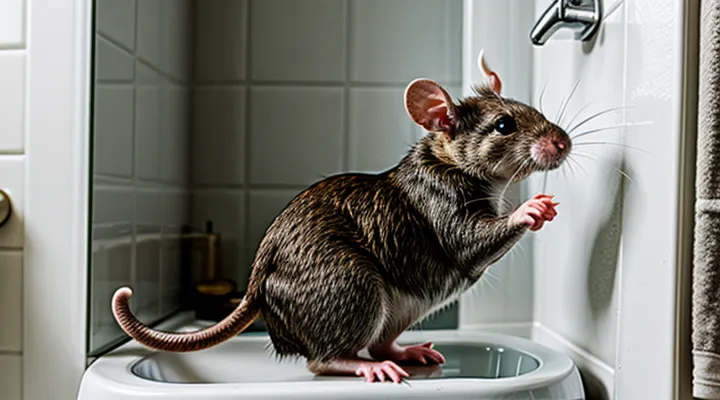
Understanding the Threat: Why Rats Love Bathrooms
Common Entry Points
Gaps in Foundations
Rats gain access to bathroom spaces through openings that connect the building’s foundation to the interior. Small cracks, unfinished joints, and gaps around utility penetrations serve as entry points. Identifying these vulnerabilities is the first step in eliminating the risk.
Inspection should focus on:
- Visible cracks in slab or crawl‑space walls.
- Gaps around pipes, vents, and drainage lines.
- Openings beneath door thresholds and window sills.
- Unsealed seams where concrete meets foundation footing.
Sealing methods include:
- Expanding polyurethane foam for irregular gaps.
- Hydraulic cement for active water‑exposed cracks.
- Steel wool or copper mesh backed by caulking for larger openings.
- Concrete patching compounds for structural fissures.
Maintenance practices that sustain a barrier:
- Periodic visual checks after seasonal temperature changes.
- Prompt repair of water intrusion that can enlarge cracks.
- Installation of gutter extensions to direct runoff away from foundation walls.
- Use of metal flashing around utility penetrations to prevent deterioration.
By systematically locating and reinforcing foundation gaps, the pathway for rodents to enter bathroom areas is removed, reducing the likelihood of infestation.
Unsealed Pipes and Drains
Unsealed pipes and drains create direct pathways for rodents to enter bathroom spaces. Gaps around pipe sleeves, vent openings, and floor‑level drain connections allow rats to slip through gaps as small as a quarter of an inch. Once inside, the humid environment provides shelter and access to water sources.
Typical signs of compromised sealing include visible rust, cracked caulking, and loose pipe collars. Inspection should focus on:
- Exterior pipe sleeves where they pass through walls or floors
- Under‑sink plumbing joints and shut‑off valves
- Floor drain covers and surrounding grout lines
- Vent stacks protruding through roof or wall surfaces
Remediation involves:
- Removing deteriorated sealant and cleaning surfaces.
- Installing stainless‑steel or copper pipe sleeves with tight‑fit collars.
- Applying high‑grade, waterproof sealant rated for mold resistance.
- Securing drain covers with tamper‑proof screws and ensuring a watertight seal.
Regular maintenance schedules, including quarterly visual checks and annual professional assessments, reduce the likelihood of rodent ingress. By eliminating unsealed conduits, the risk of rats establishing a foothold in bathroom environments diminishes substantially.
Vents and Exhausts
Effective ventilation and exhaust systems are essential components in deterring rodents from bathroom spaces. Proper airflow reduces moisture accumulation, eliminates stagnant air pockets, and eliminates hidden pathways that rats exploit.
Key considerations for vent and exhaust installation:
- Seal all vent openings with metal mesh of at least ¼‑inch gauge to prevent entry while allowing air passage.
- Position exhaust fans near potential entry points, such as under sinks and near shower stalls, to create a negative pressure zone that discourages rodent movement.
- Maintain a regular cleaning schedule for fan blades and ductwork; debris and grease attract pests and obstruct airflow.
- Inspect vent grilles quarterly for signs of gnawing or nesting material; replace damaged components promptly.
- Integrate backflow preventers on exhaust ducts that lead to exterior walls, ensuring that pressure fluctuations do not draw rats inward.
Additional measures complement ventilation efforts:
- Install door sweeps and threshold seals to block low‑level gaps.
- Apply rodent‑resistant sealants around pipe penetrations and wall joints.
- Keep bathroom humidity below 50 % by using dehumidifiers in conjunction with exhaust fans; lower humidity diminishes the appeal of the environment for rodents.
By combining airtight vent protection, consistent maintenance, and moisture control, the likelihood of rat intrusion in bathroom areas is significantly reduced.
Attractors in Your Bathroom
Food and Water Sources
Rats are drawn to bathrooms when food remnants or water supplies are accessible. Eliminating these attractants removes a primary incentive for entry.
- Uneaten crumbs from meals, snacks, or pet food left on counters or floors.
- Spilled liquids, standing water in sinks, bathtubs, or shower trays.
- Open containers of cereal, canned goods, or packaged snacks stored near the bathroom.
- Leaking pipes, dripping faucets, or condensation that creates a moist environment.
- Moisture‑rich cleaning solutions left uncapped or placed on shelves.
Secure all food in sealed containers, promptly clean surfaces, repair leaks, and keep sinks dry after use. Regular inspection of storage areas and immediate removal of waste further reduce the likelihood of rodent presence.
Shelter and Warmth
Rats seek bathroom environments that provide easy access to water, food residues, and concealed spaces offering shelter and warmth. When a bathroom contains gaps around pipes, cracks in walls, or poorly insulated fixtures, it creates a microhabitat suitable for nesting and survival. Reducing these conditions eliminates the incentive for rodents to establish a foothold.
Effective actions include:
- sealing all openings larger than ¼ inch with steel wool followed by caulk or expanding foam;
- installing weather‑stripping on doors and windows to block drafts;
- insulating exposed pipes with foam sleeves to remove heat sources;
- applying rigid insulation to exterior walls adjacent to the bathroom;
- removing clutter such as stacks of towels, boxes, or laundry that can conceal nests;
- ensuring adequate ventilation to lower humidity levels that attract rodents.
Regular inspection reinforces protection. Conduct monthly checks for new gaps, moisture buildup, or signs of gnawing. Prompt repair of compromised seals prevents re‑establishment of shelter. Maintaining a dry, well‑ventilated, and tightly sealed bathroom removes the essential elements of shelter and warmth, thereby deterring rat intrusion.
Prevention Strategies: Keeping Rats Out
Sealing Entry Points
Inspecting and Repairing Walls
Inspecting bathroom walls is essential for preventing rodent intrusion. Look for gaps larger than a quarter‑inch, cracks, and holes where pipes or fixtures penetrate the surface. Pay special attention to baseboards, tile grout, and areas around vent fans.
Repair work should follow a systematic approach:
- Clean the affected area to remove debris and dust.
- Apply a suitable sealant or expanding foam to fill gaps.
- Use cement, mortar, or wall patching compound to close cracks.
- Reinforce repaired sections with mesh tape when necessary.
- Paint or tile over the repaired surface to restore a smooth finish.
Regular visual checks, at least once a month, help identify new damage before it becomes a pathway for pests. Maintain a schedule for re‑sealing joints and inspecting grout lines, especially after heavy cleaning or water exposure. By keeping walls intact, the likelihood of rodent entry into the bathroom is significantly reduced.
Securing Pipes and Drains
Rats can infiltrate bathrooms through gaps in plumbing, unsecured drains, and damaged vent pipes. Properly sealing and protecting these components eliminates the most common pathways for rodent entry.
- Inspect all pipe penetrations for cracks, loose fittings, or missing collars; replace deteriorated sections immediately.
- Install stainless‑steel mesh or solid metal caps over vent stacks, ensuring a tight fit that resists gnawing.
- Fit drain covers with reinforced lips and lockable fasteners; choose models rated for rodent resistance.
- Apply rodent‑grade sealant around pipe sleeves, joints, and wall openings; maintain a continuous barrier without gaps.
Routine checks prevent re‑entry. Schedule quarterly visual inspections, verify that seals remain intact, and clean debris that could conceal damage. Replace worn components promptly to sustain a secure plumbing system and keep the bathroom free from rodent intrusion. «Effective sealing is the cornerstone of long‑term pest prevention».
Installing Mesh on Vents
Installing mesh on bathroom vents creates a physical barrier that blocks rodent entry while preserving airflow. The barrier must be durable, corrosion‑resistant, and sized to fit the vent opening precisely.
- Measure the width and height of each vent opening with a steel ruler.
- Choose stainless‑steel or galvanized steel mesh with apertures no larger than ¼ inch.
- Cut the mesh to dimensions that allow a ½‑inch overlap on all sides.
- Position the mesh over the vent, aligning edges with the overlap margin.
- Secure the mesh using self‑drilling screws or rivets spaced every 2 inches.
- Apply a silicone‑based sealant around the perimeter to close any gaps.
Regular inspection confirms the mesh remains intact and free of damage. If wear or corrosion appears, replace the mesh promptly to maintain the protective function. This straightforward installation reduces the likelihood of rodents accessing bathroom spaces through ventilation systems.
Eliminating Attractants
Maintaining Cleanliness
Maintaining a high level of cleanliness in bathroom spaces reduces the likelihood of rodent intrusion. Food residues, damp towels, and standing water create attractive conditions for rats; eliminating these elements disrupts their foraging and nesting behavior.
Effective sanitation practices include:
- Removing all food waste and spills immediately after use.
- Storing toiletries and cleaning supplies in sealed containers.
- Regularly drying wet surfaces, especially after showers or baths.
- Disposing of trash in bins equipped with tight‑fitting lids and emptying them frequently.
- Inspecting and repairing any leaks in faucets, pipes, or seals to prevent persistent moisture.
Routine monitoring complements these measures. Visual checks for droppings, gnaw marks, or gnawed plumbing should be conducted weekly. Prompt repair of identified damage prevents the formation of entry points, thereby sustaining a hygienic environment that deters rodent presence.
Storing Toiletries Properly
Proper storage of bathroom toiletries reduces attractants and nesting materials that draw rodents into the space. Sealed containers prevent scent diffusion, limit moisture exposure, and eliminate easy food sources.
- Use airtight plastic or glass jars with screw‑on lids for shampoos, conditioners, and liquid soaps.
- Store toothpaste, mouthwash, and creams in original packaging only if the seal remains intact; otherwise transfer to sealed containers.
- Keep loose powders, such as talc or baby powder, in resealable bags or containers with tight closures.
- Arrange all items on shelves that are at least six inches above the floor to avoid contact with droppings or gnaw marks.
Regular inspection supports long‑term effectiveness. Examine lids for cracks, replace damaged containers promptly, and dispose of expired products in sealed garbage bags before removal. Clean shelf surfaces weekly with a disinfectant to remove residue that could attract pests. Maintaining these practices strengthens overall rodent‑deterrence measures within the bathroom environment.
Fixing Leaks Promptly
Prompt repair of bathroom leaks eliminates water sources that attract rodents, reducing the likelihood of infestation. Moisture accumulation creates ideal conditions for rats seeking shelter and food; eliminating the source removes the incentive for entry.
Effective leak management includes:
- Immediate inspection of all fixtures, pipes, and seals after detection of moisture.
- Use of waterproof sealants or replacement of damaged components within 24 hours.
- Installation of drip‑catching devices under sinks and tubs to channel any residual flow away from walls.
- Regular verification of repair integrity through visual checks and moisture meters at weekly intervals for the first month.
Documentation of each repair action, including date, material used, and responsible technician, supports accountability and facilitates future maintenance planning. Continuous monitoring of humidity levels in the bathroom, maintaining values below 60 % relative humidity, further discourages rodent habitation.
Adherence to these procedures ensures that water sources do not persist, thereby preventing rats from establishing a presence in bathroom environments.
What to Do If You Find a Rat
Safe Removal Methods
Trapping Techniques
Effective control of rodent presence in a bathroom requires targeted trapping methods.
Mechanical devices remain the most reliable option. Snap traps, positioned along walls, behind toilet tanks, and near pipe entry points, deliver immediate termination. Proper placement aligns with rodent pathways identified by droppings or gnaw marks. Bait selection influences success; high‑protein items such as peanut butter or dried fish attract nocturnal foragers.
Live‑capture cages provide an alternative when removal without killing is preferred. Cages equipped with a single‑entry portal and a secure latch allow capture of individual animals. After capture, relocation must comply with local wildlife regulations to prevent re‑infestation elsewhere.
Electronic traps emit a high‑frequency shock upon contact, killing rodents instantly. Models featuring a sealed chamber prevent odor leakage and reduce the risk of secondary contamination.
For persistent problems, combine methods. Deploy snap traps in high‑traffic zones while supplementing with live‑capture cages near concealed access points. Maintain a clean environment: eliminate standing water, seal gaps around plumbing fixtures, and store food waste in sealed containers.
Regular inspection of trap performance ensures continued effectiveness. Replace bait daily, reset malfunctioning devices, and monitor capture rates. Declining captures indicate the need for additional traps or reinforcement of structural barriers.
«Proper execution of these techniques minimizes health hazards and restores sanitary conditions in bathroom spaces».
Professional Pest Control
Rats entering bathroom areas present health hazards and structural damage. Moisture, concealed pipes, and easy access points create environments conducive to rodent activity. Early detection and targeted intervention reduce infestation likelihood and associated costs.
Professional pest control providers employ integrated strategies that combine inspection, exclusion, and population management. Certified technicians assess structural vulnerabilities, identify signs of activity, and implement species‑specific solutions. Use of licensed baits and traps ensures compliance with safety regulations and minimizes non‑target exposure.
Key actions performed by experts include:
- Comprehensive survey of drainage, vent stacks, and wall cavities.
- Sealing gaps with durable materials such as steel wool, silicone, or metal flashing.
- Placement of tamper‑resistant bait stations in concealed locations.
- Installation of snap or electronic traps calibrated for rodent size.
- Documentation of findings and recommendations for ongoing monitoring.
Routine follow‑up visits verify exclusion integrity and adjust control measures as needed. Homeowners receive detailed reports outlining maintenance tasks, such as regular cleaning of debris, prompt repair of leaks, and periodic re‑inspection of potential entry points. Consistent application of these protocols maintains a rat‑free bathroom environment.
Post-Removal Sanitization
Disinfecting Surfaces
Rats entering bathrooms can contaminate tiles, fixtures, and flooring with urine, feces, and pathogens. Prompt disinfection of all surfaces reduces the likelihood of disease transmission and deters further rodent activity.
Effective surface disinfection relies on three principles: thorough cleaning, appropriate chemical selection, and sufficient contact time. Cleaning removes organic material that can neutralize disinfectants. Disinfectants must be registered for use against rodent‑borne pathogens, such as quaternary ammonium compounds, bleach solutions (5 % sodium hypochlorite), or hydrogen peroxide at 3 % concentration. Contact time varies by product but generally ranges from 5 to 10 minutes.
- Remove debris with detergent and warm water.
- Rinse and dry the area completely.
- Apply the chosen disinfectant evenly, ensuring all crevices are covered.
- Maintain the recommended exposure period before wiping or allowing the surface to air‑dry.
- Dispose of cleaning materials in sealed containers to prevent re‑contamination.
Regular maintenance includes weekly cleaning of high‑traffic zones and monthly application of a broad‑spectrum disinfectant. Visual inspection for droppings, gnaw marks, or chew damage should trigger immediate re‑treatment. Consistent adherence to these practices limits rodent attraction and supports a hygienic bathroom environment.
Preventing Re-entry
Rats that have been removed from a bathroom can return if entry points remain unsealed and environmental conditions stay favorable. Continuous access enables the animal to re‑establish a nesting site, leading to repeated infestations and health hazards.
Effective measures to prevent re‑entry include:
- Inspecting walls, floors, and ceilings for gaps larger than ¼ inch; seal each opening with steel‑wool and expanding foam.
- Installing a flush‑mounted trap door on the bathtub overflow to block hidden passages.
- Repairing cracked tiles and grout; replace damaged sections with water‑resistant cement.
- Ensuring all plumbing penetrations are fitted with rubber sleeves and metal clamps.
- Maintaining a dry environment by fixing leaks, using exhaust fans, and wiping surfaces after use.
- Removing food sources: store toiletries in sealed containers and clean spills promptly.
Regular monitoring reinforces prevention. Conduct monthly visual checks for new cracks or signs of gnawing. Replace compromised seals immediately. Consistent application of these practices eliminates pathways, reducing the likelihood of a rat re‑entering the bathroom.