
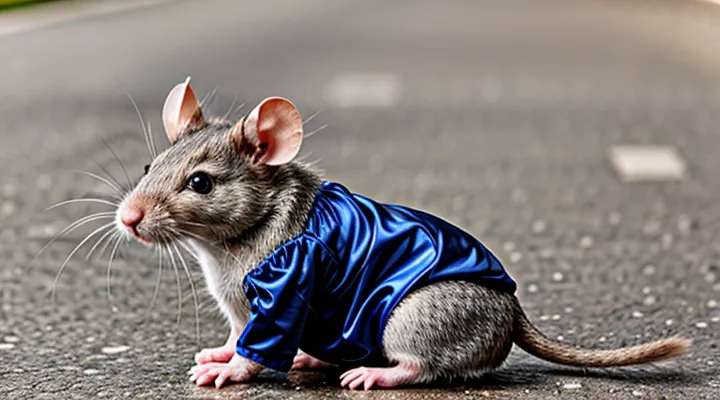
Why Dress Your Pet Rat?
Uniqueness and Personal Expression
The practice of dressing a small rodent in custom garments transforms a common pet into a visual statement of individuality. By selecting fabrics, patterns, and accessories that differ from conventional pet attire, owners convey personal aesthetics and challenge standard notions of animal presentation.
Distinctive elements emerge through deliberate choices:
- Tailored silhouettes that accentuate the animal’s natural form while introducing unexpected lines.
- Color palettes that reflect the owner’s preferences rather than typical pet colors.
- Accessory combinations that juxtapose whimsical motifs with sophisticated textures.
Each decision contributes to a narrative where the pet serves as a moving canvas. The result is a tangible expression of creativity, reinforcing the bond between caretaker and companion through shared artistic vision. «Individuality thrives when pets become canvases for creativity».
Photo Opportunities and Social Media Appeal
Stylish rodent attire creates distinctive visual content that attracts attention across visual platforms. The combination of a miniature dress and a small pet yields a striking contrast, generating curiosity and encouraging shares.
Key elements that enhance photographic impact:
- Bright, complementary background that highlights the garment’s colors.
- Close‑up framing that captures the texture of the fabric and the animal’s expression.
- Natural lighting to avoid harsh shadows and preserve detail.
- Consistent styling across a series of images to build a recognizable visual identity.
Social‑media appeal depends on clear storytelling and strategic posting. Captions should provide concise context, such as the inspiration behind the outfit or the occasion for the shoot. Tagging relevant fashion and pet‑care accounts expands reach, while using platform‑specific hashtags aligns the content with trending topics. Engaging comments from followers increase algorithmic visibility, leading to higher organic reach.
Maintaining a regular publishing schedule sustains audience interest. An editorial calendar that alternates between themed shoots, behind‑the‑scenes glimpses, and user‑generated content ensures variety while reinforcing the brand’s niche focus on fashionable pet presentation.
Comfort and Warmth Considerations
When dressing a small rodent in a garment, the primary priority is maintaining body temperature without restricting movement.
Materials must combine softness with insulation. Natural fibers such as brushed cotton or lightweight fleece provide warmth while allowing skin to breathe. Synthetic alternatives, for example micro‑polyester blends, should be chosen only if they feature moisture‑wicking properties and a low risk of static buildup.
Fit considerations include:
- Seam placement away from the abdomen and limbs to prevent pressure points.
- Adjustable closures (e.g., velcro strips) that accommodate growth and allow quick removal.
- Stretch zones at the shoulders and back to support natural postural changes.
Temperature regulation relies on ambient conditions. In environments below 18 °C, an additional inner layer of thermal liner can prevent hypothermia. Conversely, in heated rooms, a single‑layer dress with breathable mesh panels reduces overheating.
Safety aspects demand that all decorative elements be securely attached. Small embellishments must not detach, as ingestion poses a choking hazard. Threads should be heat‑resistant to avoid melting if the animal contacts a warm surface.
Regular inspection of the garment after each use ensures that seams remain intact and that the fabric has not become frayed, preserving both comfort and durability.
Choosing the Perfect Outfit for Your Rodent Royalty
Materials Matter: Comfort and Safety First
Choosing fabrics for a dressed rodent requires strict attention to comfort and safety. Soft, breathable materials prevent skin irritation and allow natural movement. Lightweight fibers reduce strain on the animal’s small frame.
Safety considerations include non‑toxicity, durability, and secure construction. Materials must be free of harmful chemicals, resistant to chewing, and stitched with reinforced seams to avoid loose threads that could be swallowed.
Recommended fabrics:
- Cotton blends with a high thread count – provide «soft» feel and «breathable» airflow.
- Bamboo viscose – naturally hypoallergenic, moisture‑wicking, and biodegradable.
- Lightweight fleece – offers warmth without excess bulk, suitable for short‑term wear.
- Silk organza – adds decorative flair, but should be limited to decorative trims due to fragility.
Avoid synthetic fabrics that shed fibers, such as polyester fleece, which can cause respiratory issues. Use snap closures or Velcro strips that lock securely yet release without excessive force. All seams should be double‑stitched, and decorative elements must be firmly attached to prevent detachment.
Styles and Designs: From Casual to Couture
The fashionable pet look for rats has evolved into a distinct segment of animal apparel, where designers translate human trends into miniature garments. Market analysis shows a growing demand for outfits that balance comfort with visual impact, prompting manufacturers to develop collections ranging from everyday wear to runway-inspired couture.
Casual attire emphasizes practicality and ease of movement. Typical features include:
- Soft, breathable fabrics such as cotton blends.
- Simple color palettes, often earth tones or pastel shades.
- Minimalist construction with elastic closures for quick dressing.
- Adjustable straps to accommodate growth phases.
Couture offerings target special occasions and exhibitions, focusing on intricate detailing and high‑end materials. Characteristics comprise:
- Luxurious fabrics like silk organza or velvet, occasionally embellished with sequins.
- Hand‑stitched embellishments, including miniature ribbons and beaded motifs.
- Tailored silhouettes that accentuate the rat’s natural posture while maintaining mobility.
- Limited‑edition designs, often presented in themed series reflecting seasonal motifs.
Production processes prioritize humane handling, ensuring that garments are lightweight and non‑restrictive. Testing protocols verify that each piece allows unrestricted locomotion and does not interfere with the animal’s natural behaviors. Manufacturers collaborate with veterinary experts to certify safety standards, reinforcing the credibility of the pet fashion industry.
Sizing Up: Getting the Right Fit
Accurate measurement is essential for creating a well‑fitted outfit for a small pet rodent. Begin by laying the animal on a flat surface, then use a flexible tape to record three dimensions: length from the tip of the nose to the base of the tail, chest circumference at the widest point, and neck girth just behind the ears. Record each value in centimeters to ensure compatibility with pattern specifications.
Next, compare the recorded measurements with the manufacturer’s size chart. Select the size where the pet’s dimensions fall within the recommended range, allowing a margin of 0.5 – 1 cm for comfort and movement. If the pet’s measurements sit between two sizes, choose the larger option to avoid restriction.
Key considerations for a proper fit:
- Seam placement should align with natural body curves to prevent chafing.
- Fabric stretch must accommodate growth; prioritize materials with a modest give.
- Closures (snap, Velcro, or elastic) should be positioned where the animal can be secured without pressure on delicate areas.
Final verification involves dressing the pet and observing its behavior for signs of discomfort, such as excessive scratching or restricted gait. Adjustments to length or looseness are made until the attire allows free movement while maintaining the desired aesthetic.
The Art of Dressing a Rat: Tips and Tricks
Acclimation and Positive Reinforcement
Acclimating a small rodent to a decorative outfit requires a systematic approach that minimizes stress while encouraging cooperation. The process begins with short, non‑intrusive sessions in which the animal becomes familiar with the texture and weight of the garment. Gradual exposure builds tolerance without overwhelming the pet’s sensory perception.
Key steps for successful habituation:
- Introduce the fabric while the rat is calm, allowing sniffing and gentle pawing.
- Place the garment loosely for a few seconds, then remove it, rewarding immediate calm behavior.
- Extend wearing time by 10‑15 % each session, maintaining a relaxed environment.
- Observe body language; discontinue if signs of agitation appear.
Positive reinforcement amplifies desired responses. Immediate delivery of a high‑value treat, such as a small piece of fresh fruit or a commercial rodent reward, creates a clear association between the outfit and a pleasant outcome. Consistent timing—reward within two seconds of the desired action—strengthens the link. A clicker or soft verbal cue can serve as a secondary marker, signaling that the behavior will be rewarded.
Safety considerations remain paramount. Ensure the garment does not restrict movement, breathing, or access to food and water. Fastenings must be secure yet easily removable. Regular checks for skin irritation or fur loss prevent long‑term health issues.
By integrating gradual exposure with prompt, tangible rewards, the pet adapts to fashionable attire while maintaining well‑being and confidence. «Consistent, reward‑based training yields reliable compliance».
Gentle Handling Techniques
Gentle handling is essential when a rat is dressed in a stylish outfit, as the garment can restrict movement and increase sensitivity. Proper technique minimizes stress, prevents injury, and allows the animal to display the fashion piece confidently.
- Approach the rat slowly, allowing visual and olfactory cues to register before contact.
- Use both hands: one hand supports the chest and the other steadies the hindquarters, creating a secure cradle.
- Avoid pulling or tugging on the clothing; instead, guide the rat by the body, keeping the fabric loose enough for natural posture.
- Offer a small treat before, during, and after handling to reinforce a positive experience.
- Limit each session to a few minutes, observing ear position, whisker orientation, and movement to gauge comfort.
- After handling, return the rat to its familiar environment promptly, ensuring the outfit remains unobstructed and breathable.
Consistent application of these practices promotes calm behavior, enhances the visual appeal of the attire, and supports the rat’s overall well‑being.
When to Remove the Outfit
When a small rodent wears a garment, removal should occur promptly under specific conditions.
Signs of discomfort indicate immediate action. If the animal exhibits rapid breathing, attempts to bite or shred the fabric, or displays agitation, the outfit must be taken off without delay.
Temperature changes dictate timing. In environments warmer than 22 °C (71 °F), fabric can trap heat, raising the risk of overheating. Remove the clothing after 15–20 minutes or sooner if the pet shows signs of sweating around the ears and paws.
After bathroom activities, the outfit should be detached. Moisture from urine or droppings can cause skin irritation and promote bacterial growth.
During feeding periods, remove the attire to prevent interference with chewing motions and reduce the chance of choking on loose threads.
Exposure to water, whether from cleaning or accidental splash, requires immediate removal. Wet fabric loses structural integrity and can cling to the skin, increasing friction and potential injury.
Routine checks by a veterinarian or experienced handler recommend removal after each session of play or photo‑shooting. This practice allows inspection of the skin for redness, abrasions, or hair loss.
General guidelines for safe removal:
- Observe the animal continuously while dressed.
- Limit wear time to a maximum of 30 minutes in moderate climates.
- Discard or replace any garment showing signs of wear, fraying, or odor.
- Store clean outfits in a dry, ventilated container to maintain hygiene.
Adhering to these criteria ensures the pet’s welfare while preserving the aesthetic appeal of a fashionable ensemble.
Beyond the Dress: Accessorizing Your Rat
Miniature Hats and Headwear
Miniature hats transform a small rodent’s appearance into a stylish statement, aligning with contemporary pet fashion trends. Designers prioritize lightweight fabrics, breathable interiors, and secure fastening systems to ensure comfort and safety while maintaining visual appeal.
Key design elements include:
- Scale‑appropriate dimensions – crowns measured in millimeters to fit the animal’s head without restricting movement.
- Soft, non‑abrasive materials – cotton, felt, or silk blends that reduce skin irritation.
- Gentle attachment methods – elastic loops, detachable clips, or velcro strips that avoid choking hazards.
- Thematic embellishments – miniature ribbons, tiny feathers, or embroidered motifs that echo larger fashion concepts without overwhelming the wearer.
Construction techniques focus on precision stitching and reinforced edges to withstand the active nature of small pets. Pattern templates are often derived from human millinery drafts, then reduced proportionally using digital scaling tools.
Styling recommendations:
- Match hat color to the animal’s coat for a harmonious look.
- Limit wear time to short intervals, monitoring behavior for signs of discomfort.
- Rotate designs to prevent material fatigue and maintain visual variety.
Overall, miniature headwear integrates aesthetic creativity with practical considerations, delivering a fashionable yet functional accessory for pet rodents.
Tiny Jewelry and Charms
Tiny jewelry and charms enhance the visual impact of a dressed rodent, adding a refined sparkle that complements miniature garments.
Selection criteria focus on dimensions, weight, and material safety. Items must not exceed a few millimeters in diameter, should be lightweight to prevent strain, and require hypoallergenic finishes such as stainless steel or polished ceramic to avoid skin irritation.
Recommended accessories include:
- miniature pendant necklaces, sized to rest gently on the neck;
- tiny anklets with detachable charms, fastened with soft elastic loops;
- micro‑brooches affixed to collars, featuring engraved motifs;
- petite hairpins for decorative fur tufts, secured with flexible, non‑sharp bases.
Regular inspection ensures that clasps remain secure and that no fragments detach during movement. Cleaning with a mild, fragrance‑free solution preserves shine while maintaining hygiene. Properly chosen tiny adornments contribute to a cohesive, fashionable appearance for the pet rat without compromising comfort or health.
Functional vs. Fashionable Accessories
When dressing a pet rat, the choice between purely functional accessories and those designed primarily for visual appeal determines both safety and aesthetic success. Functional items prioritize secure fastening, breathable fabrics, and materials that resist chewing, thereby reducing risk of injury. Fashionable pieces emphasize color coordination, texture contrast, and trend‑aligned silhouettes, aiming to enhance the animal’s appearance without compromising basic comfort.
Key considerations for functional accessories include:
- Reinforced stitching that withstands gnawing.
- Adjustable closures that prevent slipping.
- Non‑toxic, lightweight fabrics that allow unrestricted movement.
- Easy‑to‑clean surfaces that inhibit odor buildup.
Fashionable accessories add value through:
- Coordinated color palettes that complement the rat’s natural hue.
- Decorative elements such as miniature bows, patterned trims, or subtle embellishments.
- Seasonal themes that align with owner‑led styling concepts.
- Seamless integration of style and function, where aesthetic details do not impede mobility.
Balancing these aspects requires assessing the individual animal’s behavior. Rats that frequently explore tight spaces benefit from robust, low‑profile designs, while those accustomed to gentle handling can tolerate more elaborate adornments. Selecting accessories that meet durability standards while reflecting current pet fashion trends creates a cohesive look without sacrificing welfare.
Addressing Common Concerns and Misconceptions
Is It Cruel or Unnatural?
Dressing small rodents for aesthetic display raises questions about animal welfare. Observations indicate that tightly fitted garments may restrict movement, impede thermoregulation, and cause skin irritation. Veterinary assessments report elevated cortisol levels in subjects exposed to repetitive costume sessions, suggesting heightened stress.
The practice also conflicts with innate behaviors. Rodents rely on natural grooming to maintain coat condition and to regulate body temperature. Artificial coverings interfere with these processes, potentially leading to parasite buildup and impaired self‑care. Behavioral studies document reduced exploratory activity when animals wear restrictive attire, reflecting a departure from typical locomotor patterns.
Key considerations:
- Physical restriction: limited limb extension and altered gait.
- Thermoregulatory impact: increased heat retention or loss depending on material.
- Stress response: measurable hormonal changes indicating discomfort.
- Disruption of grooming: hindered self‑maintenance and increased hygiene risks.
- Behavioral alteration: decreased natural exploratory and social interactions.
Collectively, evidence supports the view that imposing decorative clothing on rats constitutes a practice that is both «cruel» and «unnatural».
Hygiene and Cleaning of Rat Attire
Proper care of miniature pet garments prevents skin irritation, odor buildup, and fabric degradation. Regular cleaning removes debris and microbial growth that can compromise animal health.
Cleaning protocol includes:
- Hand‑wash delicate fabrics in lukewarm water with a mild, fragrance‑free detergent.
- Rinse thoroughly to eliminate soap residue.
- For synthetic blends, machine wash on a gentle cycle using a mesh laundry bag; select cold water and a low spin speed.
- Spot‑treat stains with a diluted enzymatic solution applied directly to the affected area, allowing five minutes before washing.
- Air‑dry garments on a clean rack away from direct sunlight to preserve shape and color.
After each wash, inspect seams for wear, replace damaged components, and store in a breathable container to maintain ventilation. Rotating outfits minimizes repeated exposure of a single garment to moisture and wear, extending service life while sustaining hygiene standards.
Durability and Longevity of Rat Fashion
Durability and longevity of small‑pet apparel depend on material selection, construction quality, and maintenance practices.
Materials designed for rodent wear must resist chewing, moisture, and frequent laundering. Synthetic fibers such as nylon‑blend or polyester‑spandex provide high tensile strength while remaining lightweight. Natural fibers, including cotton treated with anti‑chew coating, offer breathability but require additional reinforcement at stress points.
Construction techniques influence lifespan. Reinforced stitching with double‑thread seams prevents unraveling under repeated movement. Bar‑tack closures at attachment points distribute load and reduce tearing. Seamless bonding for decorative elements eliminates weak junctions that rodents often target.
Maintenance procedures extend service life. Machine washing at low temperature (≤30 °C) preserves fiber integrity; high‑temperature cycles accelerate degradation. Air‑drying reduces heat‑induced shrinkage. Regular inspection for frayed edges and prompt repair of minor damage prevent catastrophic failure.
Key factors affecting durability:
- Fiber tensile strength and abrasion resistance
- Presence of chew‑deterrent treatments
- Seam reinforcement method (double‑stitch, bar‑tack)
- Attachment hardware quality (snap, Velcro)
- Care regimen (temperature, drying method)
Testing standards applied by manufacturers include cyclic stress simulation, moisture absorption assessment, and chew‑resistance trials. Results indicate an average functional lifespan of 3–6 months for daily‑wear ensembles, extending to 12 months for occasional use when maintenance guidelines are followed. Replacement cycles should be scheduled based on observed wear rather than fixed calendar intervals.
Overall, selecting robust fibers, employing reinforced seams, and adhering to prescribed care protocols ensure that fashionable rodent attire remains functional and aesthetically appealing throughout its intended service period.
DIY Rat Fashion: Crafting Your Own Creations
Simple Sewing Projects
Creating a petite garment for a small rodent requires only basic sewing skills and minimal equipment. The result offers a charming, runway‑ready look that highlights the animal’s natural elegance while remaining comfortable and safe.
Essential supplies include:
- «fabric» with a soft hand, such as cotton voile or lightweight jersey
- «sewing pattern» designed for miniature bodies, available in printable PDF form
- Fine‑gauge thread matching the fabric colour
- Small, sharp scissors or rotary cutter
- Needle suitable for delicate work, preferably a micro‑ballpoint
- Lightweight closure, for example a tiny snap or velcro strip
The construction process follows a concise sequence. Begin by printing the pattern at the scale indicated for a rodent’s dimensions. Cut the pattern pieces, then trace them onto the fabric, leaving a ¼‑inch seam allowance. Sew the main panels together using a straight stitch, maintaining an even tension to prevent puckering. Insert the closure along the opening, ensuring that it does not restrict movement. Finally, press the seams lightly with a cool iron to achieve a smooth finish.
Fit adjustments are critical. Measure the animal’s torso and tail length before cutting, then compare the sewn piece to these measurements. Trim excess fabric if the garment drapes overly. Verify that all seams are securely stitched to avoid fraying, and inspect the closure for sharp edges that could harm the pet’s skin.
By adhering to these straightforward steps, a simple sewing project transforms a modest rodent into a stylish centerpiece, suitable for photo shoots, themed events, or everyday companionship. The approach combines practicality with aesthetic appeal, delivering a polished outfit without requiring advanced tailoring expertise.
No-Sew Options and Upcycling Ideas
Creative pet rat attire can be achieved without stitching, relying on simple fastening methods and repurposed materials. Elastic loops cut to size wrap around the torso, providing a snug yet removable fit. Adjustable Velcro strips attach to pre‑cut fabric panels, allowing quick changes and secure closure. Safety pins, when covered with protective caps, join overlapping edges without puncturing the animal’s skin. Glue‑backed fabric tape creates detachable sleeves that slide on and off, eliminating the need for any needle work.
Upcycling transforms household textiles into fashionable rat garments. Old children’s socks, turned inside out, serve as breathable bodysuits when trimmed to the animal’s length. Discarded tea towels, cut into panels, become decorative capes that drape elegantly over the back. T‑shirt sleeves, reinforced with a thin strip of elastic, function as arm‑style accessories for small rodents. Fabric remnants from quilting projects can be layered to produce patterned skirts, secured with the aforementioned Velcro or elastic bands.
Practical considerations include selecting fabrics that are lightweight, washable, and free of loose threads. Natural fibers such as cotton or bamboo reduce static buildup and minimize skin irritation. All fasteners should be inspected regularly for wear, ensuring they remain secure while allowing the pet to move freely.
By combining these no‑sew techniques with resourceful reuse of everyday textiles, owners can craft stylish, comfortable outfits that highlight the animal’s personality without the complexity of traditional tailoring.
Pattern Resources and Inspiration
«Pattern Resources and Inspiration» provides the foundation for creating a sophisticated wardrobe for small companion animals. Access to high‑quality pattern libraries enables precise tailoring, while diverse sources of creative influence shape the visual narrative of each ensemble.
- Textile archives offering printable templates and cut‑and‑sew guides.
- Digital repositories such as open‑source pattern platforms and community‑driven design forums.
- Historical costume collections documenting era‑specific silhouettes and embellishments.
- Fashion publications presenting seasonal color palettes and trend forecasts.
- Natural observations of fur patterns, habitats, and movement dynamics.
Inspiration derives from multiple domains. Contemporary runway collections introduce avant‑garde silhouettes adaptable to miniature proportions. Street‑style photography reveals practical layering techniques and accessorizing strategies. Cultural motifs, including traditional embroidery and regional prints, inject narrative depth. Color theory resources guide harmonious palette selection, ensuring visual coherence between garment and animal coat.
Effective integration follows systematic steps. Begin with pattern selection aligned to the animal’s body measurements. Adjust seam allowances to accommodate fur thickness and mobility. Choose fabrics that balance durability with comfort, prioritizing breathability and stretch. Apply decorative elements—such as appliqués or trims—sparingly, referencing the identified inspirational cues. Conduct fit trials to verify ease of movement before final stitching.