
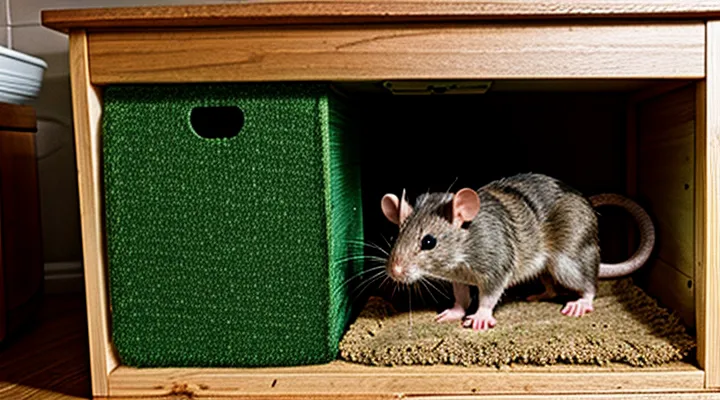
«Social and Behavioral Aspects»
«Why Companionship Matters»
Companionship profoundly influences a rat’s wellbeing within a carefully designed habitat. Social interaction reduces stress hormones, stabilizes heart rate, and promotes regular grooming behaviors that maintain coat health. Rats housed alone often exhibit repetitive pacing, diminished appetite, and weakened immune responses, whereas paired individuals display higher activity levels and more balanced eating patterns.
- Mutual grooming removes parasites and distributes scent markers, reinforcing group cohesion.
- Shared exploration of enrichment items encourages problem‑solving and prevents boredom.
- Vocal exchanges and scent communication strengthen hierarchical structures, reducing aggression.
When assembling a comfortable enclosure, allocate sufficient space for at least two compatible individuals. Provide multiple nesting zones, climbing structures, and hiding spots to accommodate shared use without crowding. Monitor weight, coat condition, and activity levels regularly; improvements typically correlate with the presence of a stable partner.
«Nocturnal vs. Diurnal Habits»
Rats are primarily nocturnal, with peak activity occurring during the dark phase of the light‑dark cycle. Their eyes adapt to low light, and they rely on scent and tactile cues to navigate. When awake, they explore, chew, and engage in social interactions, while daylight hours are spent largely resting in concealed areas.
Designing a comfortable rat habitat must accommodate this rhythm. Lighting should follow a consistent schedule that mimics natural darkness at night and provides a dim, steady illumination during the day to prevent stress. Feeding times aligned with the evening activity window encourage natural foraging behavior and reduce competition.
Key enclosure features for nocturnal animals include:
- Secure hideouts: tunnels, igloos, and overturned containers placed in low‑light corners.
- Scent‑rich enrichment: chewable toys, natural fibers, and fresh bedding refreshed nightly.
- Quiet zones: areas insulated from daytime vibrations and human traffic.
- Adjustable lighting: programmable LED strips set to low intensity after dusk.
If a rat displays diurnal tendencies, the same elements apply, but the timing of light exposure and feeding should shift to daylight hours. Monitoring individual activity patterns ensures that the enclosure environment remains aligned with each rat’s intrinsic schedule, promoting health and well‑being.
«Essential Enclosure Components»
«Choosing the Right Cage»
Selecting a cage that meets the specific needs of rats is the first step toward a secure, healthy enclosure. The cage determines space for movement, access to enrichment, and the ease of daily maintenance.
- Minimum floor area: 2 sq ft per adult rat; larger groups require proportionally more space.
- Minimum height: 12 in, allowing vertical climbing and hammocks.
- Material: solid plastic or metal with a powder‑coat finish; avoid untreated wood that can splinter or absorb urine.
- Ventilation: mesh panels covering at least 30 % of the side walls; ensure mesh size prevents escape but allows airflow.
- Safety: no sharp edges, loose wires, or small gaps larger than ¼ in.
- Cleaning: removable trays, smooth surfaces, and compatible disinfectants.
- Accessibility: doors large enough for hand placement and cleaning tools; hinged or slide mechanisms reduce stress during handling.
Measure the intended floor space before purchase; a cage measuring 30 × 18 in provides the minimum for a pair of rats, while 36 × 24 in accommodates three or four. Metal cages with a powder‑coat finish resist rust and simplify sterilization; high‑grade plastic models resist chewing and are lightweight for relocation. Mesh sections should be constructed from stainless steel to avoid rust and maintain structural integrity.
Adhering to these specifications ensures the enclosure supports natural behavior, minimizes health risks, and simplifies routine care. Selecting a cage that satisfies size, material, ventilation, safety, and cleaning criteria establishes a reliable foundation for a comfortable rat habitat.
«Size and Bar Spacing Considerations»
When selecting an enclosure for pet rats, dimensions and cage bar spacing directly affect health, safety, and enrichment. A minimum floor space of 2 sq ft per animal prevents overcrowding, encourages natural foraging behavior, and reduces stress. Larger habitats, such as 4 sq ft per rat, provide room for tunnels, climbing structures, and separate zones for feeding and nesting.
Bar spacing must restrict escape while allowing adequate ventilation. Gaps larger than ½ inch (12.7 mm) enable a rat’s head to pass, creating a hazard. A spacing of ¼ inch (6 mm) to ⅜ inch (9.5 mm) blocks passage yet maintains airflow. Metal cages with welded corners reduce the risk of sharp edges that could injure delicate paws.
Key measurements:
- Minimum floor area: 2 sq ft (0.19 m²) per rat; ideal 4 sq ft (0.37 m²) for active individuals.
- Height: at least 12 in (30 cm) to accommodate vertical climbing accessories.
- Bar spacing: ¼‑⅜ inch (6‑9.5 mm) for safety; avoid larger openings.
- Door opening: no larger than 1 in (25 mm) to prevent accidental exits.
Choosing a cage that meets these criteria ensures a secure environment, supports natural activity patterns, and simplifies cleaning and maintenance.
«Material and Ventilation»
Choosing appropriate construction materials directly influences the durability and safety of a rat enclosure. Solid wood such as untreated pine or birch provides structural strength while resisting gnawing; PVC panels offer moisture resistance and easy cleaning; acrylic sheets give visibility and are impact‑resistant; glass ensures a clear view but requires reinforced framing; metal mesh with a 1‑inch aperture supplies ventilation without compromising security. For flooring, paper‑based bedding, aspen shavings, or coconut fiber mats deliver absorbency and comfort, whereas cedar and pine shavings should be avoided due to volatile oils.
Effective ventilation prevents respiratory issues and controls humidity. Incorporate the following elements:
- Perforated side panels spaced 2–3 cm apart to allow continuous airflow.
- Adjustable vent slats positioned near the top of the enclosure for warm air escape.
- Small, low‑noise fans equipped with HEPA filters to circulate air without creating drafts on the animals.
- Mesh-covered openings that can be sealed during winter to maintain temperature while preserving exchange.
Regular inspection of material integrity and vent clearance ensures a stable environment. Replace worn wood or cracked acrylic promptly, and clean vent openings weekly to prevent dust accumulation. Maintaining these standards supports healthy, active rats within a compact, well‑ventilated habitat.
«Bedding and Substrate»
Choosing the right bedding and substrate directly affects a rat’s comfort, hygiene, and natural behavior. The material must absorb moisture, control odor, and allow for digging and nesting. Avoid cotton pads or synthetic fibers that retain urine and promote bacterial growth; instead, select products specifically designed for small mammals.
- Aspen shavings – low dust, safe for chewing, provides a soft base.
- Paper-based pellets – highly absorbent, easy to replace, minimal scent.
- Coconut fiber (coir) – promotes digging, retains moderate moisture, biodegradable.
- Hemp bedding – sturdy, low allergen potential, supports nesting.
- Unbleached wood pulp – gentle on paws, good absorbency, inexpensive.
When layering, place a thin foundation of absorbent material, then add a loose top layer for nesting. Replace the entire substrate regularly, typically every two weeks, or sooner if dampness or strong odor appears. Ensure the enclosure floor remains level to prevent pooling and maintain easy cleaning.
«Safe and Absorbent Options»
Choosing materials that protect health while managing moisture is essential for a functional rat habitat. Absorbent substrates prevent damp spots that can lead to bacterial growth, while safety standards eliminate risks of ingestion, inhalation, or skin irritation.
Paper‑based bedding, such as shredded newspaper or commercial paper pellets, offers high absorbency and low dust levels. The fibers break down quickly, reducing the chance of obstruction if ingested. Replace the layer weekly to maintain dryness.
Wood shavings must meet strict criteria. Aspen and kiln‑dried maple provide adequate absorption without the aromatic oils found in pine or cedar, which can cause respiratory issues. Ensure particles are uniformly sized to avoid splinters that could harm paws.
Mineral‑based options, like calcium carbonate granules, absorb liquid efficiently and remain inert. Use a thin layer beneath a softer top dressing to prevent direct contact with the animal’s paws.
Synthetic mats designed for small mammals combine waterproof backing with a fleece surface. The backing captures spills, while the fleece offers a comfortable resting area. Verify that the material is free of BPA and phthalates.
Maintain a routine cleaning schedule: remove soiled sections daily, replace the entire substrate weekly, and sterilize the enclosure with a dilute vinegar solution. This regimen preserves the integrity of safe and absorbent materials, supporting long‑term well‑being.
«Avoidance of Harmful Materials»
When constructing a rat habitat, eliminate any material that can release toxins, cause abrasions, or encourage bacterial growth. Plastic cages often contain phthalates and BPA, which leach into the environment and can be absorbed through a rat’s skin or inhaled as fumes. Avoid untreated wood, especially pine or cedar, because natural oils in these species irritate respiratory pathways and can lead to chronic breathing problems. Metal components should be powder‑coated or stainless steel; uncoated steel may rust, creating sharp edges and a source of iron overload.
Select alternatives that are inert, easy to clean, and resistant to chewing. Safe options include:
- Powder‑coated acrylic or polycarbonate panels, free of harmful plasticizers.
- Untreated hardwoods such as maple or birch, which lack irritating oils.
- Food‑grade silicone mats for flooring, providing a non‑porous surface that resists bacterial colonization.
- Stainless steel accessories (water bottles, feeding trays) that resist corrosion and do not degrade over time.
Regularly inspect all components for signs of wear, fraying, or chemical degradation. Replace any item that shows damage promptly to maintain a hazard‑free environment. Cleaning agents should be limited to diluted vinegar or enzyme‑based cleaners; avoid bleach, ammonia, or scented products that can irritate sensitive respiratory tissues. By systematically excluding harmful substances and opting for proven safe materials, the enclosure will support optimal health and longevity for pet rats.
«Food and Water Solutions»
Providing consistent nutrition and hydration is essential for a healthy rodent habitat. Select a balanced commercial pellet as the staple, supplement with fresh vegetables, occasional fruit, and protein sources such as boiled egg or mealworms. Store dry food in an airtight container to protect against moisture and pests.
For water, use a sturdy bottle equipped with a stainless‑steel spout that prevents leakage and contamination. Position the bottle at a height where the animal can easily reach the spout without strain. Clean the bottle and replace the water daily to inhibit bacterial growth.
Key practices for reliable feeding and watering:
- Keep a weekly inventory of staple pellets, fresh produce, and protein treats; rotate stock to maintain freshness.
- Offer fresh vegetables in small, bite‑size portions; remove uneaten pieces within 24 hours to prevent spoilage.
- Use a bottle with a transparent chamber to monitor water level at a glance.
- Disinfect the bottle and spout with a mild bleach solution (1 % concentration) weekly, followed by thorough rinsing.
- Place food bowls and water bottles on stable platforms to avoid tipping and to keep the enclosure clean.
Implementing these measures ensures that the enclosure supports optimal growth, activity, and overall well‑being.
«Types of Food Bowls»
When choosing a feeding vessel for a rat enclosure, material, size, and design directly affect hygiene and durability.
Ceramic bowls resist chewing, retain heat, and are dishwasher‑safe. Their weight prevents tipping, but they can break if dropped.
Stainless‑steel dishes offer superior durability and are impervious to bacteria. They are lightweight, easy to clean, and come in shallow or deep styles to accommodate different diets.
Plastic containers are inexpensive and lightweight, but most rats will gnaw through them. Only high‑density, chew‑resistant plastics should be considered, and they require frequent replacement.
Glass dishes provide a clear view of food levels and are non‑porous. They are heavy enough to stay stationary, yet fragile under rough handling.
Silicone trays are flexible, easy to clean, and can be folded for storage. Their soft surface may be chewed, so they are best used for occasional treats rather than daily meals.
Key dimensions include a diameter of 2–3 inches for standard pellets and a deeper bowl of 4–5 inches for wet foods. A shallow lip prevents spillage while allowing easy access.
Selecting a bowl that matches the rat’s chewing habits, the type of food served, and the overall maintenance routine ensures a clean, functional feeding area within the habitat.
«Water Bottle Placement and Maintenance»
A reliable water bottle provides constant hydration without contaminating bedding, a fundamental requirement for a healthy rat habitat.
- Position the bottle at the cage’s mid‑height to prevent rats from climbing onto the dispenser and soiling the water.
- Attach the bottle to a solid side wall, away from food dishes and chewable items, to reduce the risk of accidental spills.
- Ensure the nozzle protrudes at least one inch from the cage interior, allowing easy access while preventing droplet accumulation on the floor.
- Verify that the bottle’s cap seals tightly after each refill; a loose seal creates leaks and promotes mold growth.
Regular maintenance preserves water quality and prevents equipment failure. Empty the bottle daily, rinse with warm water, and scrub the interior with a mild, unscented dish soap. Rinse thoroughly to remove soap residues, then disinfect with a 1‑part white vinegar to 4‑part water solution, allowing a five‑minute soak before the final rinse. Inspect the bottle for cracks or wear each week; replace any damaged component immediately. Rotate the bottle’s position quarterly to discourage localized wear on the cage wall and to keep rats engaged with the water source.
«Enrichment and Play»
Providing rats with varied enrichment and opportunities for play enhances physical health, mental stimulation, and reduces stress. A well‑designed enclosure should incorporate elements that encourage natural behaviors such as foraging, climbing, chewing, and social interaction.
- Foraging stations – hide small portions of food inside cardboard tubes, paper rolls, or treat‑filled tunnels. Rotate items weekly to maintain novelty.
- Climbing structures – install sturdy wooden branches, rope ladders, or plastic mesh walls. Position them at different heights to promote vertical movement.
- Chewable accessories – supply untreated hardwood blocks, natural branches, or mineral chews. Replace worn pieces promptly to prevent ingestion of splinters.
- Puzzle toys – use containers with removable lids, sliding doors, or twist‑lock mechanisms that require problem‑solving to access treats.
- Social zones – create open floor areas with soft bedding where multiple rats can interact safely. Include narrow passages that allow one‑by‑one access to shared resources.
Regularly observe the rats’ engagement with each item. Items that receive little interaction should be swapped out for alternatives that better match the animals’ preferences. Maintaining a rotation schedule—introducing new enrichment every 7‑10 days—prevents habituation and sustains curiosity.
Clean all accessories weekly with mild, unscented soap and rinse thoroughly. Discard any damaged or excessively worn components to avoid injury. By integrating a balanced mix of foraging challenges, climbing opportunities, chewable materials, puzzle devices, and social spaces, the enclosure becomes a dynamic environment that supports the rats’ innate drive to explore and play.
«Tunnels and Hiding Spots»
Tunnels and hiding spots provide essential vertical and horizontal pathways that mimic a rat’s natural environment. They allow movement between different sections of the enclosure while offering secure retreats for rest and exploration.
- Use solid‑core PVC, untreated wood, or thick acrylic for durability and chew resistance.
- Ensure internal diameters of at least 5 cm to accommodate adult rats without restriction.
- Incorporate multiple entry points to prevent bottlenecks and encourage independent navigation.
- Position tunnels near feeding stations, water sources, and sleeping areas to create a balanced layout.
- Secure all connections with pet‑safe adhesives or zip ties to eliminate gaps that could cause injury.
A well‑designed network of tunnels reduces stress by granting privacy and control over the surrounding space. Hiding spots, such as closed boxes or fabric pouches, give rats a place to withdraw when startled, supporting normal sleep cycles and exploratory behavior.
- Choose hideouts with breathable fabrics or perforated wood to maintain airflow.
- Size hideouts to allow full body rotation; a minimum interior volume of 150 cm³ is recommended.
- Clean hideouts weekly with mild, unscented soap and rinse thoroughly to prevent bacterial buildup.
- Rotate hideout locations periodically to stimulate curiosity and prevent territorial stagnation.
Integrating tunnels and hiding spots into a rat habitat creates a complex, enriching environment that promotes physical health and psychological well‑being.
«Chew Toys for Dental Health»
Chew toys are essential for maintaining healthy incisors in pet rats. Continuous gnawing wears down teeth that grow continuously, preventing overgrowth that can lead to malocclusion, difficulty eating, and infection.
Select toys made from safe, natural materials such as untreated wood, mineral blocks, or compressed hay. Avoid plastics that can splinter or contain harmful chemicals. The size of each item should allow the rat to grasp it comfortably; pieces smaller than a quarter inch may pose choking hazards.
Place chew items throughout the enclosure to encourage regular use. Position at least one toy on each level of a multi‑tier habitat, near nesting zones, and beside climbing structures. Rotate toys weekly to sustain interest and provide varied textures.
Routine inspection is required. Remove any fragments, splinters, or moldy sections before they cause injury. Clean wooden toys with a mild, unscented soap and rinse thoroughly; mineral blocks generally need no washing but should be checked for dust accumulation.
A typical selection might include:
- Untreated apple or willow branches (soft wood, natural aroma)
- Mineral chew blocks (hard, high calcium content)
- Compressed hay cubes (fibrous, promotes chewing and digestion)
- Cardboard tubes (lightweight, easy to replace)
Integrating these chew toys into the overall design of a comfortable rat habitat supports dental health, promotes natural behavior, and contributes to a thriving, stress‑free pet.
«Climbing Structures and Ladders»
Climbing structures give rats opportunities for vertical movement, muscle development, and mental stimulation. Position them at varying heights to encourage exploration without forcing constant ascent. Secure attachment points to the enclosure frame to prevent wobbling; use stainless‑steel brackets or zip ties rated for at least 150 g load.
Materials such as untreated hardwood, natural bamboo, and sturdy plastic provide durability and resistance to gnawing. Avoid painted surfaces that may chip or contain toxic solvents. Ensure all edges are smooth to reduce the risk of injury.
Design considerations:
- Length and angle – a 30‑40 cm horizontal branch placed 15 cm above the floor allows easy access; a 20‑cm inclined ramp connects lower and higher levels.
- Diameter – a 2‑3 cm thickness accommodates adult rats while supporting their weight.
- Surface texture – lightly sanded wood or rope-wrapped sections increase grip.
Ladders function as bridges between platforms. Space rungs 2‑3 cm apart to match a rat’s natural stride. Use interchangeable modules so the layout can be reconfigured as the colony grows.
Maintenance includes weekly inspection for splinters, loose fasteners, and chew damage. Replace compromised components promptly to preserve structural integrity and animal safety.
«Creating a Healthy Environment»
«Temperature and Humidity Control»
Maintaining stable temperature and humidity is critical for rat health and comfort. Rats thrive near 68–75 °F (20–24 °C) with relative humidity between 40 % and 60 %. Deviations cause stress, respiratory issues, and reduced activity.
- Use a digital thermostat to set and maintain the desired temperature; connect it to a low‑wattage heating pad or ceramic heat emitter placed under the cage floor.
- Install a hygrometer to monitor humidity levels; employ a small ultrasonic humidifier when humidity falls below 40 % and a vented enclosure or dehumidifier when it exceeds 60 %.
- Position the enclosure away from drafts, direct sunlight, and heating vents to prevent rapid fluctuations.
- Provide a sealed but ventilated lid; incorporate adjustable airflow vents to fine‑tune exchange without compromising temperature.
Regular checks ensure parameters stay within target ranges. Record temperature and humidity readings at least twice daily; adjust heating or humidifying devices promptly if values drift. Consistent monitoring, combined with reliable equipment, creates a stable microclimate that supports optimal rat well‑being.
«Cleaning and Maintenance Schedule»
A well‑structured cleaning and maintenance routine preserves a healthy, comfortable environment for pet rats and reduces the risk of disease. Consistency is essential; each task has a defined frequency and method.
Daily duties focus on hygiene and observation. Remove uneaten food, discard soiled bedding, and wipe the cage floor with a damp cloth. Spot‑clean water bottles and refill with fresh water. Inspect the enclosure for signs of wear, droppings, or pest activity.
Weekly tasks address deeper sanitation. Empty all bedding, replace with fresh material, and scrub the cage interior using a mild, non‑toxic detergent. Rinse thoroughly and dry before re‑adding bedding. Clean food bowls, toys, and climbing structures with warm, soapy water, then rinse. Rotate enrichment items to maintain interest.
Monthly maintenance targets structural and mechanical components. Disassemble the cage frame, check bolts and hinges for tightness, and lubricate moving parts with a pet‑safe silicone spray. Wash all removable accessories in a dishwasher or large basin using a high‑temperature cycle, then air‑dry. Apply a thin layer of natural oil to wooden elements to prevent cracking.
A seasonal review, performed every three months, evaluates ventilation, lighting, and overall layout. Replace filtered air panels, test lighting timers, and rearrange accessories to promote exploration and exercise. Document any changes in a logbook, noting dates, observations, and corrective actions.
Cleaning and maintenance schedule
- Daily: remove food waste, spot‑clean floor, refresh water, visual inspection.
- Weekly: replace bedding, deep clean cage interior, wash accessories, rotate toys.
- Monthly: tighten hardware, lubricate hinges, thorough wash of all removable parts, condition wood.
- Quarterly: service ventilation, test lighting, restructure enclosure, update logbook.
Adhering to this schedule ensures the enclosure remains a safe, odor‑free, and stimulating habitat, supporting the well‑being of the rats and simplifying long‑term care.
«Daily Spot Cleaning»
Daily spot cleaning maintains hygiene and prevents odor buildup in a rat habitat. Removing waste and soiled bedding each day reduces the risk of disease and keeps the environment comfortable for the animals.
Effective daily cleaning follows a simple routine:
- Inspect all corners of the enclosure for droppings, urine stains, or food residue.
- Use a small scoop or hand to collect solid waste, placing it directly into a sealed container.
- Wipe wet spots with a damp, lint‑free cloth; avoid soaking the substrate to preserve its absorbency.
- Spot‑clean any areas where food has been spilled, discarding leftover crumbs and resetting the feeder.
- Replace a thin layer of fresh bedding over the cleaned area to maintain a uniform surface.
Consistent execution of these steps preserves the overall cleanliness of the cage, supports the health of the rats, and minimizes the effort required for deeper weekly maintenance.
«Weekly Deep Cleaning»
A weekly deep cleaning routine preserves the health of a rat habitat and prevents the buildup of odors, parasites, and mold. Regularly removing debris and sanitizing surfaces eliminates sources of bacterial growth that can affect both animals and owners.
- Empty the enclosure completely, placing rats in a secure temporary carrier.
- Disassemble removable accessories (bedding, tunnels, wheels) and discard used substrate.
- Scrub all plastic, glass, and metal components with a solution of warm water and a mild, animal‑safe detergent; rinse thoroughly.
- Apply a diluted white‑vinegar or hydrogen‑peroxide solution to hard‑to‑reach corners, allowing a two‑minute contact time before wiping.
- Rinse all items with clean water, dry with a lint‑free cloth, and reassemble only after confirming they are moisture‑free.
- Replace bedding with a fresh, absorbent layer of appropriate material; add a small amount of nesting material to encourage natural behavior.
After cleaning, inspect the enclosure for wear, repair damaged parts, and verify that ventilation openings remain unobstructed. Maintaining this schedule reduces the need for emergency interventions and supports a stable, comfortable environment for pet rats.
«Advanced Setup Tips»
«Multi-Level Cages»
Multi‑level cages provide vertical space that mimics a rat’s natural tendency to climb and explore. By stacking platforms, ramps, and hideaways, owners increase usable area without expanding the enclosure’s footprint.
Key design elements:
- Sturdy frame, preferably stainless steel or powder‑coated metal, to prevent bending under the weight of multiple levels.
- Secure, chew‑resistant mesh on all sides; mesh size should be ¼‑inch or smaller to contain even the smallest pups.
- Non‑slip surfaces on each platform, such as textured wood or acrylic, to reduce accidents.
- Wide, gently sloping ramps or ladders that allow easy movement between levels; a 30‑degree angle is optimal for most rats.
- Integrated hiding spots on each tier, using solid tubes, hammocks, or PVC shelters, to satisfy the species’ need for concealment.
When arranging levels, maintain a clear path from the enclosure’s entry point to the highest platform. This layout encourages exercise while simplifying cleaning. Place food and water stations on a lower tier to prevent spillage onto higher platforms, and locate a solid floor beneath the lowest level for easy waste removal.
Material selection influences durability and hygiene. Untreated pine can splinter; sealed hardwood or acrylic panels resist moisture and are easy to disinfect. All connections should use lockable bolts rather than clips, ensuring stability during vigorous play.
Regular maintenance includes:
- Weekly removal of debris from each platform.
- Monthly inspection of mesh integrity and bolt tightness.
- Quarterly replacement of worn ramps or hideouts.
By integrating these considerations, a multi‑level cage transforms a basic habitat into a stimulating, spacious environment that supports healthy behavior and simplifies upkeep.
«DIY Enrichment Ideas»
Enrichment devices keep rats physically active and mentally engaged, reducing stress and encouraging natural behaviors. Simple, safe materials such as untreated wood, cardboard, paper tubes, and natural fibers provide the foundation for effective DIY projects.
- Tunnel system: Connect cardboard tubes of varying diameters to create a maze that promotes exploration. Secure joints with non‑toxic glue or staple-free tape.
- Climbing platform: Cut a solid wood slab, attach sturdy branches or dowels as rungs, and anchor the structure to the enclosure wall. Ensure surfaces are sanded smooth to prevent splinters.
- Foraging puzzle: Hide dry seed mixes inside a folded paper pouch or a wooden block with drilled holes. Rats must manipulate the object to retrieve food, stimulating problem‑solving skills.
- Hideaway nest: Form a small dome from a rolled towel or a fabric pouch, line it with fleece, and place it in a quiet corner. The enclosed space offers a sense of security.
- Chew toys: Bundle twine, untreated pine shavings, or natural rope into compact bundles, tie securely, and hang at different heights. Continuous chewing supports dental health.
- Sensory enrichment: Spread fresh herbs (e.g., mint, basil) on a shallow dish or sprinkle dried lavender on a fabric strip. Aromas encourage sniffing and investigation.
Construction guidelines emphasize durability and safety: avoid toxic paints, adhesives, or metal parts that could rust. Test each item for stability before introducing it to the cage, and supervise initial interactions to confirm proper use.
Rotate enrichment pieces weekly to maintain novelty. Clean reusable components with mild soap and water, then dry thoroughly before reuse. Regular updates prevent habituation and sustain the rats’ curiosity.