
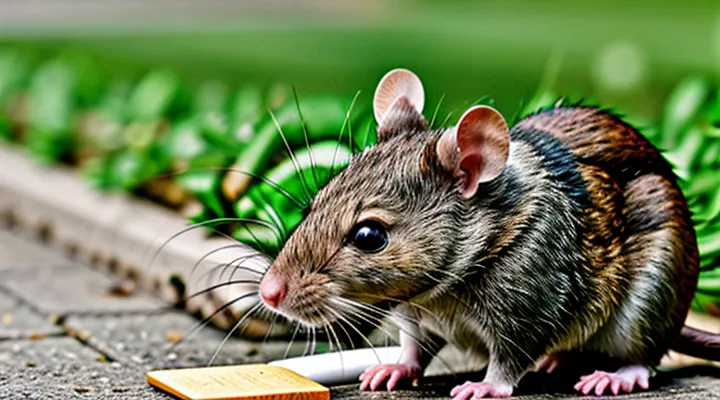
Understanding Rat Glue
What is Rat Glue?
Composition and Mechanism
Rat glue formulations consist of a polymeric base, typically a synthetic acrylic or natural rubber resin, that provides high tack and rapid setting. Plasticizers such as phthalates or glycerol are added to maintain flexibility across temperature fluctuations. Solvents, often low‑volatility hydrocarbons, keep the adhesive fluid until exposure to air initiates curing. Food‑grade attractants—grain, peanut oil, or synthetic pheromones—are incorporated in concentrations sufficient to entice rodents without compromising adhesive strength. Some products include a mild anticoagulant or irritant to accelerate mortality after capture, though regulatory guidelines may restrict such additives.
The mechanism of action relies on immediate adhesion upon contact. When a rodent steps onto the surface, the polymer matrix bonds with the animal’s fur and pads, creating a mechanical lock that resists movement. The adhesive’s shear strength exceeds the force generated by the rodent’s locomotion, preventing escape. Entrapment leads to immobilization, exhaustion, and eventual death if the animal cannot free itself. The attractant component ensures that the glue is placed in high‑traffic zones, increasing encounter probability.
Key functional attributes:
- High initial tack for instant capture
- Sustained adhesion under humidity and temperature variation
- Non‑toxic attractants to comply with safety standards
- Optional secondary agents for humane kill or rapid incapacitation
Understanding these components and their interaction enables precise deployment in rodent management programs, ensuring effective reduction of infestations while adhering to regulatory and ethical considerations.
Types of Glue Traps
Glue traps come in several configurations, each suited to particular infestation scenarios and handling preferences.
-
Disposable single‑use traps: Thin adhesive sheets mounted on cardboard or plastic frames. Designed for short‑term placement, they collapse after a capture and are discarded. Ideal for quick response in confined areas such as cabinets or crawl spaces.
-
Reusable hinged traps: Rigid plastic or metal bases with a replaceable adhesive pad. The hinge allows easy removal of captured rodents without destroying the trap. Suitable for long‑term monitoring in warehouses or agricultural facilities where frequent checking is required.
-
Scent‑enhanced traps: Adhesive surfaces infused with attractants such as peanut butter, grain, or synthetic pheromones. The added lure increases capture rates in environments where rodents are wary of plain surfaces. Commonly employed in residential basements and attics.
-
Transparent window traps: Clear acrylic panels with adhesive borders. Visibility of the capture area helps operators assess effectiveness without disturbing the trap. Often used in laboratory settings or food‑processing plants where visual inspection is mandatory.
-
Heavy‑duty floor traps: Thick, reinforced plates with high‑strength glue, capable of supporting larger rodents like rats. The robust construction prevents escape and reduces breakage on rough surfaces such as concrete floors. Frequently deployed in sewer systems and industrial drainage areas.
Selection of a trap type should consider target species size, placement location, frequency of inspection, and disposal regulations. Matching the appropriate configuration to the specific control objective maximizes efficiency and minimizes unnecessary handling.
Advantages of Using Rat Glue
Simplicity and Accessibility
Rat glue offers a straightforward solution for managing rodent infestations. The product requires no specialized equipment; a single container can be placed directly in problem areas. Users simply open the package, apply a thin layer to a flat surface, and allow the adhesive to set. This minimal preparation eliminates the need for complex mixing or calibration.
Key aspects of its accessibility include:
- Low cost – a small purchase covers multiple deployment sites.
- Ease of application – no training beyond basic safety instructions.
- Immediate results – rodents become trapped within minutes of contact.
- Portable packaging – suitable for residential, commercial, or field use.
Safety considerations remain essential. Wear disposable gloves, keep the glue out of reach of children and pets, and dispose of trapped rodents according to local regulations. The simplicity of the method does not diminish its effectiveness; proper placement in high‑traffic zones maximizes capture rates while preserving a user‑friendly approach.
Non-Toxic Nature
Rat glue products formulated for rodent management rely on a non‑toxic adhesive matrix that immobilizes pests without introducing harmful chemicals. The glue base consists of food‑grade polymers, vegetable‑derived resins, and water‑soluble carriers, ensuring safety for humans, pets, and non‑target wildlife when applied according to label directions.
Key aspects of the non‑toxic composition include:
- Food‑grade polymer – approved for incidental contact with food items, reducing regulatory concerns.
- Plant‑derived resin – biodegradable, minimizing environmental persistence.
- Water‑soluble carrier – enables easy cleanup; residue dissolves with mild soap and water.
Safety considerations:
- Apply glue traps in concealed locations inaccessible to children and domestic animals.
- Avoid placement near food preparation surfaces to prevent accidental contact.
- Dispose of captured rodents in sealed containers before removal from the premises.
The non‑toxic formulation permits indoor and outdoor deployment without the need for specialized protective equipment, simplifying integration into integrated pest‑management programs.
Disadvantages and Ethical Concerns
Inhumane Trapping
Adhesive traps are marketed as a quick solution for rodent infestations, yet their operation raises serious welfare concerns. When a rat contacts the glue surface, it becomes immobilized and experiences prolonged distress as it struggles to free itself. The animal often suffers severe skin damage, dehydration, and eventual death from exhaustion or infection, outcomes that conflict with humane pest‑management standards.
Key drawbacks of adhesive trapping:
- Immediate immobilization without a painless kill.
- High probability of non‑target capture, affecting birds, reptiles, and small mammals.
- Legal restrictions in jurisdictions that prohibit cruelty‑based methods.
- Inefficiency: trapped rodents may die over hours or days, requiring frequent monitoring and disposal.
- Negative public perception, potentially damaging property owner reputation.
Professionals recommend alternatives such as snap traps with proper placement, live‑capture cages paired with humane euthanasia, or integrated pest‑management strategies that combine sanitation, exclusion, and population monitoring. These methods reduce suffering, comply with animal‑welfare regulations, and provide more reliable control outcomes.
Potential for Accidental Catches
Adhesive traps designed for rodent control can inadvertently capture non‑target species, including small mammals, reptiles, birds, domestic pets, and, in rare cases, children. Such unintended captures pose ethical concerns, potential legal liabilities, and may compromise the effectiveness of a pest‑management program.
Key factors that increase the likelihood of accidental catches:
- Placement near food storage, feeding stations, or pathways used by pets and wildlife.
- Insufficient barrier protection, such as lack of a surrounding enclosure or cover.
- Use of overly attractive bait that appeals to a broad range of animals.
- Improper labeling or inadequate warning signs in areas accessed by non‑target occupants.
Mitigation measures:
- Install traps inside sealed bait stations or cages that allow only rodents of a specific size to enter.
- Position traps away from known pet routes, bird feeders, and child‑accessible zones.
- Employ low‑toxicity, species‑specific attractants to reduce attraction of other animals.
- Mark trap locations with clear, durable warnings indicating the presence of adhesive devices.
- Conduct regular inspections to remove any non‑target captures promptly and adjust placement as needed.
By adhering to these practices, operators can minimize accidental entrapments while maintaining the efficacy of adhesive rodent control solutions.
Limited Effectiveness for Large Infestations
Adhesive traps can capture individual rodents but their capacity is insufficient when an establishment hosts dozens or hundreds of pests. The glue surface saturates after a few captures, reducing the chance of further entrapment and requiring frequent replacement. Replacement costs rise sharply, often exceeding the expense of conventional bait stations in large-scale scenarios.
Limited coverage also hampers effectiveness. Glue boards occupy a small footprint; deploying enough units to blanket a warehouse or multi‑unit building demands extensive labor and precise placement. Misaligned positioning leaves gaps where rats can travel unimpeded, sustaining the infestation.
Environmental factors diminish performance. Dust, humidity, and debris accumulate on the adhesive, weakening its stickiness. In high‑traffic areas, cleaning routines may inadvertently remove or contaminate traps, further curtailing their usefulness.
For extensive problems, integrated pest management (IPM) offers a more reliable framework. Recommended actions include:
- Conducting a thorough inspection to identify entry points and harborage zones.
- Sealing structural gaps to prevent reinfestation.
- Deploying a combination of bait stations, snap traps, and, where appropriate, rodenticides under professional supervision.
- Monitoring activity with strategically placed tracking stations to assess population trends.
When adhesive traps are employed within an IPM program, they serve best as supplemental tools for confirming presence or targeting isolated hotspots, rather than as the primary control method for sizable infestations.
Effective Use of Rat Glue in Rodent Control
Preparation Before Deployment
Identifying Rodent Activity
Accurate detection of rodent presence is a prerequisite for effective deployment of adhesive traps. Inspectors should focus on tangible evidence rather than speculation.
Typical indicators include:
- Fresh gnaw marks on wood, plastic, or wiring.
- Accumulated droppings, typically dark, pellet‑shaped, and located near food sources or travel routes.
- Chewed food packaging, exposed grain, or shredded insulation.
- Distinctive odor from urine, especially in confined spaces.
- Pathways of shredded material or nesting debris along walls and under appliances.
When signs appear, map their distribution to identify high‑traffic corridors. Prioritize areas where multiple indicators converge, as these zones represent the most active segments of the population.
Document findings with photographs and timestamps. Correlate observations with seasonal patterns, sanitation practices, and structural vulnerabilities. This systematic record supports targeted placement of adhesive devices and facilitates ongoing assessment of control measures.
Cleaning the Area
Before applying adhesive traps, eliminate food residues, droppings, and nesting material. Thorough removal of attractants reduces false captures and improves trap efficiency.
- Sweep floors, vacuum carpets, and mop hard surfaces to collect crumbs and debris.
- Dispose of waste in sealed containers; avoid placing garbage near trap locations.
- Sanitize surfaces with a detergent solution, then rinse and dry completely.
- Inspect walls, ceilings, and storage areas for hidden food sources; clean any identified spots.
After cleaning, allow the area to dry fully. Moisture can weaken the adhesive surface and cause premature deactivation of the trap. Once the environment is dry and free of contaminants, position the glue boards according to established placement guidelines. This preparation ensures optimal performance and minimizes non‑target exposures.
Safety Precautions
When employing adhesive traps for rodent management, strict safety measures are essential to protect humans, non‑target animals, and the environment.
- Wear disposable gloves and, if exposure risk is high, a face shield or goggles.
- Ensure the work area is well‑ventilated; avoid confined spaces where fumes could accumulate.
- Position traps out of reach of children, pets, and wildlife; use sealed containers or barriers when placing them in accessible locations.
- Do not apply glue near food preparation surfaces, waste bins, or drainage systems to prevent accidental contact with food or water supplies.
- Store adhesive boards in their original packaging, clearly labeled, and keep them in a locked cabinet away from heat sources.
- If a trap is disturbed or broken, handle the contaminated material with gloves, place it in a sealed bag, and follow local hazardous waste disposal regulations.
- In case of skin contact, rinse the area immediately with soap and water; seek medical attention if irritation persists.
Regularly inspect placed traps for accidental activation and remove them promptly once they have served their purpose. Documentation of placement locations, dates, and disposal actions supports compliance with occupational safety standards.
Strategic Placement of Glue Traps
High-Traffic Areas
When deploying adhesive bait stations, prioritize locations with frequent rodent movement. These zones provide the greatest opportunity for contact and reduce the amount of product needed for effective control.
Identify entry points and pathways that intersect with daily activity. Typical high‑traffic zones include:
- Kitchen countertops, under appliances, and pantry shelves where food residues accumulate.
- Waste‑handling areas such as garbage rooms, dumpsters, and recycling stations.
- Utility corridors, basements, and crawl spaces where moisture and shelter are common.
- Commercial storage facilities, loading docks, and shelving units with constant handling of goods.
- Outdoor entryways, including door thresholds, garage doors, and vent openings.
Place glue stations flush against walls or along the edges of these pathways. Ensure the adhesive surface faces upward and remains undisturbed by cleaning routines. Use tamper‑resistant containers to prevent accidental contact by non‑target species and to maintain placement integrity.
Regularly inspect stations for signs of activity, replace saturated units, and rotate placement to cover new routes identified during monitoring. Maintain a log of locations, dates of application, and observed captures to track efficacy and adjust distribution patterns as needed.
Near Walls and Corners
Placement of adhesive traps near walls and corners maximizes contact with rodent pathways. Rats travel along edges where they feel protected from open exposure, so positioning glue stations in these zones intercepts movement without requiring extensive coverage of open floor space.
- Apply a thin, continuous strip of glue directly onto the baseboard or the interior side of a corner joint.
- Ensure the surface is clean, dry, and free of dust or grease to maintain adhesive strength.
- Position the strip no more than 2–3 cm from the wall, aligning it parallel to the edge to match the animal’s natural gait.
- Use multiple strips spaced 0.5–1 m apart in long corridors to create a continuous barrier.
After installation, inspect traps daily for captured rodents and for loss of tackiness. Remove and replace any compromised sections promptly to prevent escape and to sustain effectiveness. Wear disposable gloves when handling glue to avoid skin contact, and keep traps out of reach of children and non‑target wildlife.
Avoiding Environmental Hazards
When adhesive traps are employed for rodent management, the risk of contaminating soil, water, and non‑target organisms must be addressed directly. The adhesive compound can leach toxic substances if it contacts moisture, and improperly discarded traps may become hazards for wildlife and children.
Key practices to minimize environmental impact:
- Apply glue only on sealed, elevated platforms that prevent rainwater exposure.
- Use bait stations with removable trays, allowing safe disposal of trapped rodents without releasing adhesive into the surrounding area.
- Collect and seal used traps in airtight containers before transport to a licensed waste facility.
- Choose formulations certified as low‑toxicity and biodegradable, verified by reputable regulatory bodies.
- Conduct regular inspections to remove traps promptly, avoiding prolonged exposure that could increase runoff potential.
Implementing these measures ensures effective rodent control while protecting ecosystems and public health.
Deployment Techniques
Baiting the Traps
Effective baiting determines the success of adhesive traps for rodent management. Choose a bait that appeals to the target species and complements the sticky surface. Common options include peanut butter, dried fruit, and small pieces of meat. Apply the bait sparingly to avoid saturating the glue, which reduces stickiness.
- Place a thin dab of bait directly on the adhesive pad, forming a small mound no larger than a pea.
- Position the trap along established runways, near walls, or behind appliances where activity signs are evident.
- Secure traps at a distance of 1–2 feet from each other to cover multiple pathways without overcrowding.
- Replace bait every 24 hours or when it dries, ensuring continuous attractiveness.
- Inspect traps daily; remove captured rodents promptly to prevent odor buildup that may deter further catches.
Select bait based on local food preferences; for urban environments, oily spreads like peanut butter often outperform dry cereals. Avoid strong-smelling chemicals that could mask the bait’s scent. When deploying traps in sensitive areas, such as kitchens, use disposable gloves and seal captured rodents in sealed bags before disposal. Proper bait placement and maintenance maximize the adhesive’s lethality while minimizing non-target exposure.
Securing the Traps
When using adhesive products to capture rodents, the trap must remain immobile and properly anchored to prevent displacement by the animal’s attempts to escape. Secure placement begins with selecting a surface that can support the adhesive’s weight without flexing. Concrete floors, metal shelving, or thick plywood provide the necessary stability. Avoid thin plastic trays or cardboard, which can bend under pressure and compromise the glue’s effectiveness.
Before positioning the trap, clean the area of dust, grease, or debris. A dry, clean surface ensures maximum adhesion and reduces the risk of the trap sliding. Use a solvent‑free cleaner, wipe the spot with a lint‑free cloth, and allow it to dry completely.
Fix the trap using one of the following methods:
- Mechanical fasteners: Screw the base of the trap into the floor or mounting bracket. Use stainless‑steel screws to resist corrosion.
- Adhesive backing: Apply a strong, weather‑resistant double‑sided tape to the trap’s underside, then press firmly onto the prepared surface.
- Clamp fixtures: For temporary setups, clamp the trap between two sturdy objects (e.g., a pipe and a wooden block) and tighten with a ratchet strap.
After attachment, test the stability by applying lateral pressure equal to the expected force of a struggling rodent. The trap should not shift more than a few millimetres. If movement occurs, reinforce the anchoring method or choose a more robust surface.
Finally, inspect the secured trap daily. Replace any compromised fasteners, re‑apply adhesive backing if it loses tack, and reposition the trap if debris accumulates around the base. Consistent maintenance preserves trap integrity and maximizes capture rates.
Monitoring and Checking
Effective rodent control with adhesive traps depends on continuous observation and verification of trap performance. After placement, operators must record capture data at regular intervals to determine whether the baiting strategy achieves the desired reduction in activity.
Key observation points include:
- Location of each trap relative to known runways and entry points.
- Number of rodents captured per trap per inspection cycle.
- Presence of non‑target species or debris that may reduce adhesive effectiveness.
- Ambient temperature and humidity, which influence glue viscosity and drying time.
A practical monitoring routine follows these steps:
- Inspect traps every 24 hours during the first week, then adjust frequency based on capture trends.
- Remove captured rodents, document species, sex, and condition, and replace the glue surface if contamination is evident.
- Log environmental readings alongside capture counts in a centralized spreadsheet or field notebook.
- Compare current data with baseline activity recorded before trap deployment to assess impact.
Accurate record‑keeping enables quantitative analysis. Plotting daily capture rates reveals peak activity periods, informs repositioning of underperforming traps, and highlights any escalation of non‑target captures that require immediate corrective action.
Routine verification ensures that adhesive devices remain functional, that bait placement aligns with rodent movement patterns, and that the overall program adapts promptly to changing conditions. Continuous monitoring thus safeguards both efficacy and safety throughout the control effort.
Handling Trapped Rodents
Humane Euthanasia Considerations
When adhesive traps are employed for rodent management, the decision to end an animal’s life must follow humane standards. Immediate cessation of suffering is the primary criterion; lethal methods should produce rapid loss of consciousness without pain. Chemical agents approved for euthanasia, such as carbon dioxide at appropriate concentrations, meet this requirement better than mechanical crushing or prolonged exposure to glue.
Key points for humane termination in adhesive trap scenarios:
- Verify that the animal is immobilized before administering a euthanasia agent.
- Use a dosage calculated for the species and weight to avoid under‑dosing, which can cause distress.
- Apply the agent in a well‑ventilated area to protect personnel and prevent secondary exposure.
- Document the procedure, including agent used, concentration, and time of administration, to ensure accountability.
If a non‑lethal outcome is preferred, release protocols should involve careful removal of the animal from the adhesive surface, thorough cleaning of the glue residue, and immediate transport to a suitable release site. This approach eliminates ethical concerns associated with killing and aligns with best practices for responsible pest control.
Disposal of Traps and Rodents
When glue traps have captured rodents, the next step is safe removal and disposal. Protective gloves, a disposable bag, and a sealed container prevent direct contact with pathogens that may be present on the animal or adhesive surface. After securing the trap, place it in a thick‑walled plastic bag, expel excess air, and seal it with tape.
Disposal procedure
- Transfer the sealed bag to a rigid, leak‑proof container (e.g., a metal drum).
- Label the container with “biological waste – rodents” and record the date of collection.
- Contact local waste‑management authorities to arrange pickup or drop‑off at an approved hazardous‑waste facility.
- Do not place traps in regular trash or recycling streams.
Dead rodents must be handled with equal caution. Place each carcass in a separate, sealed biohazard bag, double‑bag if necessary, and store at low temperature until disposal. Incineration or approved landfill burial are the preferred final methods; composting or feeding to scavengers is prohibited by health regulations. Clean and disinfect all tools and surfaces after use, then discard disposable items according to the same biohazard protocol.
Sanitation After Removal
After a rodent glue trap has captured a pest, thorough sanitation prevents disease spread and eliminates residual adhesive that could attract other animals.
First, wear disposable gloves and, if possible, a mask to protect against pathogens and adhesive fumes. Carefully lift the trap, placing it in a sealed plastic bag. Dispose of the bag according to local hazardous‑waste regulations; do not place it in regular trash where it could contaminate recyclables.
Next, clean the surface where the trap was set:
- Remove any visible glue residue with a plastic scraper; avoid metal tools that could damage floors or countertops.
- Apply a solvent safe for the material—such as mineral spirits for metal, or a citrus‑based remover for wood—following the manufacturer’s instructions.
- Wipe the area with a microfiber cloth dampened with warm, soapy water. Rinse with clean water and dry completely.
For porous surfaces (carpet, upholstery), use a commercial adhesive remover designed for fabrics. After treatment, vacuum the area thoroughly to extract loosened particles and any remaining glue fragments.
Finally, disinfect the cleaned zone with an EPA‑registered sanitizer. Allow the disinfectant to remain on the surface for the contact time specified on the label before wiping it off or allowing it to air‑dry. Replace any protective equipment and wash hands with soap and water.
Adhering to these steps eliminates health hazards, restores hygiene, and reduces the likelihood of secondary infestations.
Preventing Future Infestations
Sealing Entry Points
Sealing entry points is a prerequisite for effective adhesive rodent control. By eliminating gaps, cracks, and openings that rodents use to access buildings, the concentration of glue traps can be focused on remaining pathways, increasing capture rates while reducing the amount of bait required.
Identify all potential ingress locations, including:
- Gaps around utility pipes and cables
- Openings at foundation walls, vents, and crawl‑space doors
- Underside of doors and windows, especially weather‑stripping deficiencies
- Holes in soffits, eaves, and roof vents
- Cracks in exterior siding, brickwork, and stucco
Apply appropriate sealing materials after inspection. Use steel wool or copper mesh for larger voids, then cover with silicone caulk, expanding foam, or metal flashing to prevent re‑entry. For movable fixtures, install door sweeps and rodent‑proof screens. Verify the integrity of each seal by conducting a visual check and, if necessary, a smoke test to confirm no airflow escapes through the treated area.
Maintain the sealed envelope by regularly inspecting for new damage, especially after seasonal weather changes or building renovations. Prompt repair of compromised seals preserves the efficacy of adhesive traps and minimizes the need for additional chemical interventions.
Food Storage Practices
Effective adhesive traps depend on denying rodents access to viable food sources. Secure storage eliminates attractants, reduces trap failure, and limits secondary contamination.
- Store dry goods in containers with airtight seals and smooth interiors.
- Label each container with contents and expiration dates; rotate stock to use older items first.
- Position storage units away from walls, corners, and floor level to prevent gnawing routes.
- Maintain a minimum clearance of 6 inches between containers and surrounding structures.
- Clean spills immediately; dispose of waste in sealed bags and remove from the area.
When deploying adhesive devices, locate them adjacent to, but not directly on, sealed containers. Check traps daily; replace compromised units to preserve efficacy. Ensure that any trapped rodents are removed using gloves and placed in sealed disposal bags to prevent scent transfer to stored food.
Adhering to these storage protocols integrates seamlessly with adhesive control methods, delivering consistent reduction of rodent activity and safeguarding food integrity.
Regular Cleaning and Maintenance
Regular cleaning and maintenance are essential for the effectiveness of adhesive rodent traps. Dust, debris, and food residues can reduce the adhesive surface, allowing rodents to escape and encouraging new infestations. Clean the trap area weekly, removing crumbs and spills that attract pests. After each capture, dispose of the trap according to local regulations and replace it with a fresh unit to maintain optimal stickiness.
Key maintenance actions include:
- Wipe surfaces with a mild detergent solution to eliminate grease that weakens glue.
- Inspect trap placement weekly; relocate any unit that has lost adhesion or become clogged.
- Store unused traps in a sealed container to protect them from humidity and temperature fluctuations.
- Record trap performance in a log to identify high‑activity zones and adjust placement accordingly.
Consistent upkeep minimizes trap failure, prolongs product lifespan, and supports a comprehensive rodent management program.
Alternatives and Integrated Pest Management
Other Rodent Control Methods
Snap Traps
Snap traps remain a cornerstone of effective rodent management when adhesive baits are employed. Their rapid kill mechanism reduces the risk of disease transmission and limits the time a dead rodent remains in the environment. Proper selection and deployment enhance the overall success of an adhesive‑based program.
When choosing a snap trap, consider the following criteria:
- Spring tension: high‑tension models deliver instant impact, suitable for larger species such as Norway rats.
- Size of the trigger platform: a broader platform accommodates wary mice and larger rodents.
- Construction material: stainless steel resists corrosion in damp basements or sewers.
Placement strategies maximize capture rates:
- Position traps along walls, behind appliances, and near known gnawing sites; rodents travel close to surfaces.
- Set traps perpendicular to the wall, with the trigger end facing the anticipated travel path.
- Bait the trap with a small amount of adhesive lure, ensuring the glue does not coat the trigger mechanism. A pea‑sized dab placed on the bait platform attracts the animal while preserving spring function.
Maintenance practices sustain trap efficiency:
- Inspect traps daily; remove captured rodents promptly to prevent secondary attraction.
- Clean the trigger mechanism with alcohol to eliminate residue that could impair sensitivity.
- Replace spring components after 30–40 uses, as fatigue diminishes force.
Integrating snap traps with adhesive bait creates a dual‑action approach: glue attracts and immobilizes, while the snap trap provides a humane, immediate kill for individuals that avoid the adhesive surface. This combination reduces overall infestation levels more quickly than either method alone.
Live Traps
Live traps provide a humane alternative to adhesive bait when managing rodent populations. They capture animals without causing injury, allowing for relocation or euthanasia according to local regulations. When integrating live traps with adhesive methods, consider the following points:
- Placement: Position traps along walls, near gnaw marks, and close to food sources. Rodents prefer travel routes that offer concealment.
- Bait selection: Use high‑protein foods such as peanut butter, dried fruit, or boiled egg. Strong scents increase capture rates and reduce reliance on glue.
- Trap type: Choose multi‑catch models for heavy infestations or single‑catch designs for targeted removal. Ensure the trap size accommodates the target species.
- Monitoring: Check traps at least twice daily. Prompt removal prevents stress and reduces the chance that a captured rodent will encounter glue‑treated areas.
- Hygiene: Clean traps with mild detergent after each use. Residual odors may deter future captures.
- Legal compliance: Verify that relocation is permitted in the jurisdiction. Some regions prohibit moving captured rodents due to disease risk.
Combining live traps with adhesive bait creates a layered control strategy. Glue stations can reduce overall activity, while traps address individuals that avoid sticky surfaces. This dual approach maximizes population suppression while minimizing non‑target impacts.
Baits and Poisons
Bait selection and poison formulation are critical components when incorporating adhesive devices into a rodent management program. Effective bait must attract the target species, maintain palatability under the conditions of the glue trap, and deliver an appropriate dose of active ingredient without compromising the adhesive’s function.
The most common bait categories include:
- Grain‑based mixtures: wheat, corn, or oatmeal combined with oil or butter to enhance scent and stickiness.
- Protein‑rich formulations: dried fish, meat scraps, or peanut butter, useful for omnivorous rodents that prefer high‑protein sources.
- Synthetic attractants: pheromone‑based lures that stimulate feeding behavior without adding bulk.
Poison options fall into two primary groups:
- Anticoagulant rodenticides: compounds such as brodifacoum, bromadiolone, or difenacoum. These agents inhibit vitamin K recycling, causing fatal internal bleeding after a single ingestion. Their potency allows for low‑dose application, but they present a risk of secondary poisoning and require strict compliance with regulatory limits.
- Acute neurotoxins: substances like bromethalin or zinc phosphide act quickly, disrupting nerve function or releasing phosphine gas upon ingestion. These poisons reduce the time between bait consumption and mortality, limiting the window for non‑target exposure.
Integration guidelines:
- Apply a thin layer of bait directly onto the adhesive surface, ensuring the glue does not interfere with the poison’s stability.
- Use a measured amount of poison, typically 0.005–0.025 mg per gram of bait, to achieve lethal dosing while minimizing excess residue.
- Position traps in high‑traffic pathways, near walls, and close to known gnawing sites to maximize encounter rates.
- Monitor trap activity daily, replace depleted baits, and record capture data to assess efficacy and adjust placement strategies.
Safety considerations:
- Wear disposable gloves when handling poisons to prevent dermal absorption.
- Store bait‑poison mixtures in sealed containers, away from food preparation areas and children’s access.
- Follow local pest‑control regulations regarding the use of anticoagulants and acute toxins, including required signage and disposal procedures for captured rodents.
By aligning bait composition, poison selection, and trap placement, adhesive control methods achieve a synergistic effect that enhances overall reduction of rodent populations while maintaining compliance with health and environmental standards.
Electronic Repellents
Electronic repellents emit ultrasonic or electromagnetic frequencies that deter rodents without physical contact. Devices are powered by batteries or mains electricity and can cover areas ranging from a single room to an entire building. Installation requires placement near entry points, walls, or along known rodent pathways; positioning directly opposite glue‑based traps maximizes overall effectiveness.
Key characteristics of electronic deterrents:
- Frequency spectrum: 20–65 kHz, beyond human hearing but audible to rats.
- Coverage radius: typically 30–50 feet per unit.
- Power source: plug‑in adapters or long‑life rechargeable cells.
- Safety features: automatic shutdown on power loss, no toxic chemicals.
When integrated with adhesive traps, electronic repellents serve two functions. First, they reduce overall rodent activity, limiting the number of individuals that encounter glue surfaces. Second, they encourage rats to seek alternative routes, increasing the likelihood of contact with strategically placed adhesive pads. For optimal results, follow a systematic approach:
- Identify all ingress points and high‑traffic zones.
- Install repellent units at each point, ensuring overlapping coverage.
- Place glue traps in corners, behind appliances, and along walls where rodents travel.
- Monitor trap catch rates weekly; adjust repellent placement if activity persists.
- Replace batteries or reset devices according to manufacturer guidelines.
Effective deployment combines the immediate capture capability of adhesive traps with the non‑lethal, continuous deterrence offered by electronic devices. This dual strategy minimizes infestation levels while reducing reliance on chemical poisons.
Integrated Pest Management (IPM) Approach
Combining Methods for Optimal Results
Effective rodent management often requires more than a single tactic. Integrating adhesive traps with complementary strategies maximizes capture rates and reduces population rebound.
Adhesive traps should be positioned along established runways, near food sources, and in concealed corners. Placement accuracy ensures that rodents encounter the glue surface before seeking alternative routes.
Combine adhesive devices with the following measures:
- Exclusion: Seal entry points, repair gaps, and install door sweeps to prevent re‑infestation.
- Sanitation: Remove accessible food, store waste in sealed containers, and eliminate standing water.
- Habitat modification: Trim vegetation, clear clutter, and maintain tidy storage areas to diminish shelter opportunities.
- Chemical deterrents: Apply non‑lethal repellents around perimeter zones to discourage entry while adhesive traps operate indoors.
Synchronize monitoring and removal. Inspect traps daily, document captures, and replace spent glue sheets promptly. Record exclusion work and sanitation improvements to track efficacy over time.
By coordinating adhesive trapping with exclusion, sanitation, habitat alteration, and deterrent applications, pest managers achieve higher success rates, lower labor costs, and sustained control of rodent populations.
Long-Term Prevention Strategies
Effective rodent control extends beyond the immediate application of adhesive traps. Sustainable prevention relies on eliminating factors that attract rats and on maintaining an environment that discourages re‑infestation.
First, seal all potential entry points. Inspect foundations, walls, and utility penetrations; install steel wool, metal flashing, or concrete patches where gaps exist. Regularly test seals after construction or renovation activities to ensure integrity.
Second, manage food sources. Store bulk feed, grain, and waste in sealed containers made of metal or heavy‑wall plastic. Keep trash bins covered and empty them frequently. Clean spills promptly, especially in kitchens, pantries, and storage areas.
Third, control water availability. Repair leaking pipes, drips, and condensation problems. Direct downspouts away from building foundations and eliminate standing water in basements or crawl spaces.
Fourth, reduce clutter and nesting sites. Remove piles of cardboard, debris, and vegetation near the structure. Organize storage areas to keep items off the floor and elevate them from walls.
Fifth, implement a monitoring schedule. Place adhesive traps in strategic locations such as known travel routes, near entry points, and around food storage zones. Record capture data weekly to identify activity patterns and adjust placement accordingly.
Sixth, integrate complementary control methods. Combine adhesive traps with bait stations, exclusion devices, and professional inspections to address populations that avoid glue surfaces. Rotate tactics periodically to prevent habituation.
Seventh, educate occupants. Provide clear guidelines on waste handling, food storage, and reporting signs of activity. Consistent behavior among residents reinforces the preventive framework.
By adhering to these measures, the reliance on adhesive traps becomes part of a broader, long‑term strategy that minimizes rodent resurgence and protects property health.