
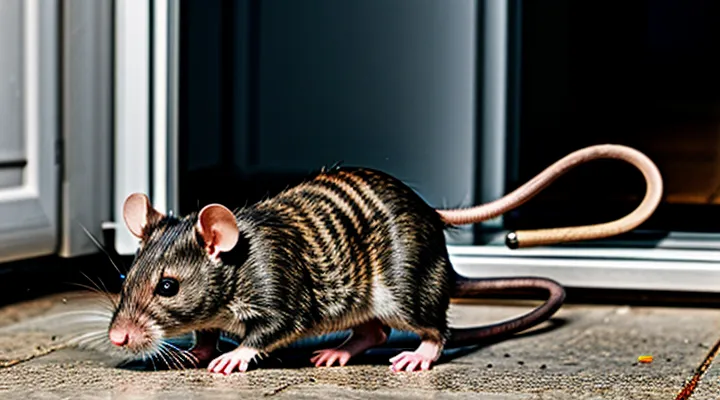
Understanding Rat Scratching Behavior
Normal vs. Excessive Scratching
Rats groom themselves regularly; a brief, intermittent scratch of the skin or fur is typical. Normal grooming lasts a few seconds, occurs several times a day, and does not result in visible damage. The behavior serves to remove debris and maintain coat condition.
Excessive scratching differs in frequency, intensity, and outcome. It occurs more than ten times per hour, persists for extended periods, and often produces redness, hair loss, or ulceration. Persistent irritation may indicate underlying issues such as parasites, allergies, infections, or dermatological disorders.
- Frequency: occasional (normal) vs. multiple times per hour (excessive)
- Duration: seconds to a minute (normal) vs. several minutes continuously (excessive)
- Physical signs: no lesions (normal) vs. erythema, alopecia, scabs (excessive)
- Triggers: routine grooming (normal) vs. parasites, mites, fungal infection, environmental irritants, stress (excessive)
Identifying the shift from normal to excessive scratching is essential for diagnosing the cause of heightened itch behavior in rats. Prompt veterinary assessment is recommended when the described criteria are met.
Identifying Signs of Distress
Rats that scratch repeatedly often signal underlying distress. Recognizing accompanying behaviors allows caretakers to intervene before health issues worsen.
Key indicators of discomfort include:
- Excessive grooming that leaves bald patches or inflamed skin.
- Reduced activity or reluctance to explore the cage, suggesting pain or anxiety.
- Altered eating and drinking patterns, such as skipping meals or drinking excessively.
- Vocalizations louder or more frequent than normal, especially when handled.
- Changes in posture, including hunched back or tucked tail, reflecting tension.
- Aggressive or withdrawn interactions with cage mates, indicating social stress.
When multiple signs appear alongside frequent scratching, a veterinary assessment is warranted. Diagnostic steps typically involve skin examination, parasite screening, and evaluation for environmental irritants. Prompt treatment—ranging from antiparasitic medication to environmental enrichment—reduces suffering and restores normal behavior.
Common Causes of Excessive Scratching
Parasitic Infestations
Mites
Rats that exhibit persistent scratching often suffer from mite infestations. Mites penetrate the skin or colonize hair shafts, provoking intense pruritus that leads to self‑induced trauma.
- Fur mites (e.g., Myobia musculi) – inhabit hair follicles, cause hair loss and scaly patches.
- Ear mites (e.g., Psoroptes cuniculi) – accumulate in the external auditory canal, generate waxy debris and inflammation.
- *Cheyletiella spp. – surface‑dwelling parasites that produce dry, flaky skin and excessive grooming.
Typical manifestations include concentrated scratching of the head, neck, and limbs; alopecia; crusted lesions; and, in ear‑mite cases, darkened ear wax and shaking of the head. Skin scrapings examined under a microscope reveal characteristic mite bodies or eggs, confirming the diagnosis. Veterinarians may also use adhesive tape tests or otoscopic inspection for ear involvement.
Effective control relies on acaricidal therapy. Options comprise:
- Topical products containing selamectin, ivermectin, or fipronil, applied directly to affected areas.
- Systemic medications such as oral ivermectin, administered according to weight‑based dosing schedules.
- Environmental decontamination: thorough cleaning of cages, bedding, and accessories; use of diluted bleach or commercial disinfectants; and regular replacement of substrate.
Preventive measures reduce recurrence. Quarantine new rats for at least two weeks, monitor for signs of itching, maintain low‑density housing, and schedule routine health checks. Consistent hygiene and prompt treatment of detected infestations interrupt the mite life cycle and minimize scratching episodes.
Fleas
Rats that scratch often do so because of ectoparasites, and fleas are a primary contributor. Fleas attach to the host’s skin, feed on blood, and inject saliva that contains anticoagulants and irritants. The resulting inflammation triggers the rat’s grooming reflex, leading to repeated scratching.
Typical indicators of a flea infestation include:
- Small, dark specks (feces) on the fur or bedding
- Visible movement of tiny, wingless insects on the skin
- Patches of hair loss where the animal has scratched intensively
- Red, raised lesions around the neck, tail base, and abdomen
Fleas complete their life cycle in four stages: egg, larva, pupa, and adult. Eggs are deposited in the environment, hatch into larvae that feed on organic debris, and later emerge as adults ready to infest the host. Because the majority of the population develops off‑host, environmental control is essential alongside direct treatment of the rat.
Effective management strategies involve:
- Topical or systemic insecticides approved for rodents, applied according to label instructions.
- Environmental sanitation: regular cleaning of cages, removal of soiled bedding, and vacuuming of surrounding areas to eliminate eggs and larvae.
- Preventive products: long‑acting flea collars or spot‑on formulations that maintain therapeutic levels for several weeks.
Prompt identification and combined host‑focused and environmental measures reduce flea numbers, alleviate irritation, and prevent secondary infections caused by excessive scratching.
Lice
Rats that exhibit persistent scratching often harbor ectoparasites, with lice being a primary culprit. These insects attach to fur, feeding on blood and skin debris, which creates irritation and provokes the host’s grooming response. The mechanical damage caused by mouthparts, combined with allergic reactions to saliva, amplifies the urge to scratch.
Typical indicators of a lice infestation include:
- Visible insects or nits (eggs) attached to hair shafts
- Excessive fur loss or patchy bald spots
- Red, inflamed skin lesions along the spine and flanks
- Secondary bacterial infections arising from skin breaches
Effective control requires thorough environmental sanitation, regular cage cleaning, and targeted ectoparasitic treatment. Products containing ivermectin or pyrethrin, applied according to veterinary guidelines, eradicate adult lice and prevent reinfestation. Continuous monitoring after treatment ensures that the scratching behavior subsides and the rat’s skin returns to normal condition.
Skin Conditions
Allergies
Rats that scratch excessively often do so because their skin reacts to environmental or dietary allergens. Allergic responses trigger inflammation, leading to intense pruritus and self‑induced lesions.
Common allergens affecting laboratory and pet rats include:
- Dust mites and bedding particles – keratin fragments and fecal proteins provoke IgE‑mediated reactions.
- Food components – soy, wheat, and certain grain proteins are frequent sensitizers.
- Cage disinfectants – phenolic and quaternary ammonium compounds can cause contact dermatitis.
- Fungal spores – Aspergillus and Penicillium species generate respiratory and cutaneous hypersensitivity.
- Parasite proteins – mite or flea saliva may act as secondary allergens.
Pathophysiology involves mast cell degranulation, histamine release, and cytokine cascades that increase vascular permeability and nerve stimulation. Visible signs comprise erythema, papules, and crusted lesions, often concentrated on the head, neck, and ventral torso.
Diagnostic steps:
- Detailed history of diet, bedding, and cleaning agents.
- Physical examination focusing on lesion distribution.
- Skin scrapings or cytology to exclude ectoparasites.
- Serum or intradermal testing for specific IgE when feasible.
Management strategies:
- Eliminate identified allergens by switching to low‑dust bedding, hypoallergenic feed, and non‑irritant disinfectants.
- Administer antihistamines (e.g., diphenhydramine) or corticosteroids for acute flare‑ups, following veterinary dosage guidelines.
- Apply topical barrier creams containing zinc oxide or lanolin to protect damaged skin.
- Monitor for secondary infections; initiate appropriate antimicrobial therapy if bacterial colonization appears.
Preventive measures focus on maintaining a clean, low‑allergen environment, rotating feed formulations cautiously, and conducting periodic health checks to detect early hypersensitivity. Consistent implementation reduces scratching frequency and improves overall welfare.
Fungal Infections
Frequent scratching in rats often signals a dermatological problem, and fungal infections are a common underlying factor. Dermatophytes such as Trichophyton and Microsporum colonize the keratinized layers of the skin, producing itchy lesions that prompt persistent grooming. Yeast species, particularly Candida albicans, can proliferate on moist skin surfaces, leading to similar pruritic responses.
Key characteristics of fungal dermatitis in rats include:
- Localized erythema and scaling, frequently observed on the ears, tail base, and ventral abdomen.
- Presence of dry, crusty plaques that may coalesce into larger areas of alopecia.
- Secondary bacterial infection risk when the skin barrier is compromised.
Transmission occurs through direct contact with contaminated bedding, cages, or other rodents, and through environmental spores that thrive in humid, poorly ventilated settings. Immunocompromised individuals, young rats, and those subjected to stress exhibit heightened susceptibility.
Diagnosis relies on:
- Visual assessment of lesions.
- Microscopic examination of skin scrapings stained with potassium hydroxide to reveal fungal hyphae or yeast cells.
- Culture on Sabouraud dextrose agar for species identification.
Effective management combines topical and systemic antifungal agents. Topical options include miconazole or clotrimazole creams applied twice daily for 2–3 weeks. Systemic treatment with itraconazole or fluconazole, dosed according to body weight, addresses deeper infections and prevents recurrence. Treatment duration should extend at least one week beyond clinical resolution to ensure eradication.
Prevention strategies focus on environmental control:
- Maintain low humidity (<60 %) and ensure adequate airflow in housing units.
- Replace bedding regularly and disinfect cages with a dilute bleach solution.
- Separate newly introduced rats for a minimum of 14 days to monitor for signs of infection.
Prompt recognition and targeted antifungal therapy reduce scratching behavior, protect skin integrity, and improve overall welfare of laboratory and pet rats.
Bacterial Infections
Excessive scratching in rats often signals a bacterial infection affecting the skin or underlying tissues. Pathogenic bacteria invade the epidermis, provoke inflammation, and generate pruritic lesions that compel the animal to lick or scratch.
Common bacterial agents include:
- Staphylococcus aureus: colonizes hair follicles, produces pyogenic lesions, and elicits intense itching.
- Streptococcus pyogenes: spreads through superficial wounds, causing erythema, edema, and pruritus.
- Pseudomonas aeruginosa: thrives in moist environments, leads to ulcerative dermatitis with a characteristic foul odor.
- Clostridium perfringens: releases toxins that degrade tissue, resulting in necrotic spots and persistent scratching.
Infection mechanisms involve bacterial adherence to keratinocytes, secretion of exotoxins, and recruitment of inflammatory cells. Histamine release and cytokine cascades amplify the itch sensation, while tissue damage creates a feedback loop of self‑trauma.
Diagnostic steps consist of:
- Visual inspection for erythema, pustules, or exudate.
- Cytology or bacterial culture from swab samples.
- Histopathological examination of biopsy material when lesions persist.
Effective treatment combines systemic antibiotics targeting the identified organism with topical antiseptics to reduce surface bacterial load. Supportive measures—such as environmental sanitation, humidity control, and wound cleaning—prevent reinfection and promote healing.
Prevention relies on regular cage cleaning, prompt removal of debris, and monitoring for early signs of skin irritation. Maintaining optimal nutrition and reducing stress further diminish susceptibility to bacterial skin disease.
Dry Skin
Dry skin is a common physiological condition that predisposes rats to persistent itching. Reduced epidermal moisture compromises the skin barrier, allowing irritants to contact nerve endings more readily. The resulting heightened sensitivity triggers frequent grooming or scratching behaviors.
Key characteristics of dermatological dehydration in rats include:
- Flaky or powdery coat texture
- Visible fine scales, especially on the back and tail
- Dull fur lacking natural luster
- Increased grooming frequency without obvious external parasites
Management strategies focus on restoring skin hydration and protecting the barrier:
- Increase ambient humidity to 50‑60 % using a humidifier or water dish with a broad surface.
- Provide a balanced diet enriched with essential fatty acids (omega‑3 and omega‑6) to support lipid synthesis.
- Apply veterinarian‑approved moisturising ointments or emollient sprays to affected areas, following a strict dosing schedule.
- Limit exposure to harsh bedding materials; opt for soft, low‑dust substrates such as paper pulp or aspen shavings.
- Conduct regular health checks to differentiate dry skin from parasitic infestations or allergic reactions that may require separate treatment.
Addressing cutaneous dehydration reduces the stimulus for excessive scratching, improves coat quality, and promotes overall well‑being in laboratory and pet rats.
Environmental Factors
Cage Hygiene
Clean cages reduce skin irritation that often leads rats to scratch. Accumulated waste releases ammonia, which dries the epidermis and provokes itching. Moisture‑laden bedding fosters bacterial growth, creating dermatitis that manifests as frequent scratching.
Effective hygiene involves regular removal of soiled material and thorough disinfection of all surfaces. A schedule that includes daily spot cleaning and full substrate replacement weekly prevents buildup of irritants.
- Replace bedding with low‑dust, absorbent substrates; change it at least once every seven days.
- Scrape and wash the cage interior with a mild, non‑chlorine disinfectant; rinse thoroughly to eliminate residue.
- Clean water bottles and food dishes daily; inspect for mold or biofilm.
- Maintain ventilation to disperse ammonia; ensure vents remain unobstructed.
- Remove uneaten food promptly; store feed in sealed containers to avoid contamination.
Monitoring the enclosure for signs of parasites, such as mites or fleas, complements routine cleaning. Early detection and prompt treatment of infestations prevent secondary skin problems that trigger scratching.
Irritants and Allergens in Bedding
Rats that scratch excessively often react to substances present in their bedding. Common irritants include low‑grade wood shavings that release fine particles, synthetic fibers that generate static electricity, and chemically treated fabrics that leach residues. These materials can damage sensitive skin and stimulate the nervous system, leading to persistent grooming and skin lesions.
Allergens in bedding further aggravate the problem. Dust mites thrive in dense, moisture‑retaining substrates such as cotton or paper bedding, producing proteins that trigger hypersensitivity reactions. Mold spores proliferate in damp bedding, releasing spores that provoke inflammatory responses. Additionally, scented bedding contains fragrance compounds that may act as contact allergens for susceptible individuals.
Identifying problematic bedding involves observing the rat’s behavior and inspecting the environment:
- Frequent, localized scratching or fur loss.
- Red, inflamed skin patches near the dorsal or ventral areas.
- Presence of visible debris, clumps, or mold growth in the bedding material.
Mitigation strategies focus on selecting low‑allergen, breathable substrates and maintaining optimal hygiene:
- Use kiln‑dried hardwood shavings or paper‑based bedding with low dust content.
- Avoid bedding treated with preservatives, pesticides, or fragrances.
- Replace bedding regularly to prevent moisture buildup and mold development.
- Clean the enclosure with mild, non‑irritating disinfectants and ensure adequate ventilation.
By eliminating irritants and allergens from the bedding, the primary trigger for the rat’s scratching behavior can be reduced, supporting healthier skin and overall well‑being.
Humidity Levels
Humidity directly affects the condition of a rat’s skin and the activity of external parasites. When ambient moisture drops below the comfort zone, the epidermis loses elasticity, leading to flaking and irritation that provoke frequent scratching.
Elevated moisture creates an environment conducive to mites, ticks, and fungal growth. These organisms feed on skin secretions or burrow into the fur, generating intense pruritus that manifests as repeated scratching bouts.
Maintaining a stable relative humidity mitigates both extremes. Recommended parameters for indoor housing are:
- Relative humidity = 45 %–55 % (measured with a calibrated hygrometer).
- Daily checks, especially during seasonal transitions.
- Use of dehumidifiers in overly damp rooms and humidifiers in arid conditions.
- Regular cleaning of bedding to prevent mold and mite proliferation.
Adhering to these controls reduces dermatological distress and lowers the incidence of scratching in captive rats.
Other Potential Causes
Nutritional Deficiencies
Rats that scratch excessively often do so because their diet lacks essential nutrients. Deficiencies disrupt skin integrity, impair immune function, and alter fur quality, prompting the animal to seek relief through scratching.
- Protein shortage – insufficient amino acids weaken keratin formation, leading to brittle fur and exposed skin that irritates easily.
- Essential fatty acids deficit – low omega‑3 and omega‑6 levels reduce skin moisture, cause dryness, and increase inflammation.
- Vitamin A insufficiency – hampers epithelial cell renewal, resulting in flaky skin and heightened sensitivity to external irritants.
- Vitamin E deficiency – diminishes antioxidant protection, allowing oxidative damage to skin cells and promoting itchiness.
- Zinc lack – impairs wound healing and compromises the barrier function of the epidermis, making minor abrasions painful and prone to scratching.
- Biotin (vitamin B7) shortage – affects hair shaft strength, causing breakage and exposing the underlying skin to irritation.
Correcting these nutritional gaps typically reduces scratching behavior. Formulating a balanced rat diet that meets recommended protein, fat, vitamin, and mineral levels restores skin health and minimizes the need for self‑induced grooming. Regular monitoring of feed composition and periodic health assessments ensure that deficiencies are addressed before they manifest as chronic itching.
Stress and Anxiety
Frequent scratching in rats often signals underlying stress and anxiety. Elevated cortisol levels trigger skin irritation and heightened grooming, which can manifest as persistent scratching. Environmental changes—such as new cage setups, loud noises, or altered lighting—disrupt routine and increase nervous tension, leading to more frequent self‑inoculation. Social stress, including overcrowding, hierarchy disputes, or isolation, intensifies anxiety and prompts compulsive grooming behaviors that may damage the skin.
Key stressors linked to excessive scratching:
- Sudden temperature fluctuations
- Inconsistent feeding schedules
- Exposure to unfamiliar odors or chemicals
- Lack of enrichment objects
- Aggressive interactions with cage mates
Mitigation strategies focus on reducing anxiety triggers and promoting a stable environment. Consistent daily routines, gradual introduction of new items, and providing nesting material and hideouts help lower cortisol responses. Monitoring social dynamics and separating dominant individuals when necessary prevent hierarchy‑related tension. Regular health checks ensure that skin lesions are not confused with parasitic infestations, allowing targeted treatment if secondary infections arise.
Pain or Discomfort
Rats scratch repeatedly when they experience pain or discomfort, and the behavior often signals an underlying health issue. The sensation may arise from skin irritation, muscular strain, or internal lesions, prompting the animal to seek relief through vigorous grooming.
- External parasites such as mites, fleas, or lice bite the skin, creating localized pain that triggers scratching.
- Dermatitis caused by allergic reactions to bedding material, feed additives, or cleaning agents inflames the epidermis and produces itching sensations.
- Wounds, abrasions, or ulcerations on the paws, tail, or ventral surface generate constant irritation; the rat instinctively attempts to remove debris and alleviate pressure.
- Dental problems, including overgrown incisors or abscesses, cause facial discomfort that can manifest as excessive scratching of the head and whisker area.
- Internal conditions such as gastrointestinal distress or abdominal tumors produce referred pain, leading the rat to scratch the lower abdomen or flank.
- Environmental factors like rough cage surfaces, sharp edges, or excessively dry air dry out the skin, increasing sensitivity and prompting grooming spikes.
Observation of scratching intensity, location, and accompanying signs—such as reddened skin, scabs, or changes in posture—helps differentiate pain sources. Prompt veterinary assessment and targeted treatment, whether parasite control, allergy management, wound care, dental correction, or environmental modification, reduce discomfort and curb the scratching behavior.
When to Seek Veterinary Care
Red Flags and Urgent Symptoms
Rats that scratch excessively may be experiencing underlying health problems that require prompt attention. Recognizing warning signs helps prevent disease progression and reduces suffering.
- Sudden increase in scratching frequency or intensity
- Blood or pus in the fur or on the skin
- Swelling, heat, or palpable masses near the affected area
- Rapid weight loss or loss of appetite accompanying the behavior
- Lethargy, fever, or abnormal breathing
These indicators suggest infection, infestation, allergic reaction, or systemic illness. When any of them appear, immediate veterinary evaluation is essential. Delayed treatment can lead to severe tissue damage, secondary infections, or life‑threatening complications. Prompt professional care improves outcomes and preserves the animal’s welfare.
Preparing for a Vet Visit
When a pet rat shows persistent scratching, a veterinary assessment is often necessary. Preparing for the appointment maximizes diagnostic efficiency and reduces stress for both animal and owner.
Gather the rat’s recent health history. Note the onset of scratching, any changes in diet, environment, or behavior, and any visible skin lesions. Record previous treatments, including topical sprays, dietary supplements, or parasite control products.
Collect relevant items for the visit:
- The rat’s current cage liner or bedding sample for parasite examination.
- Any medications or supplements currently administered, including dosage and frequency.
- A clean, secure carrier that allows ventilation while preventing escape.
- A brief written summary of observations, organized chronologically.
Schedule the appointment with a veterinarian experienced in small exotic mammals. Confirm that the clinic can perform skin scrapings, fungal cultures, and mite identification, as these are common causes of excessive scratching.
Before the visit, isolate the rat from other pets to prevent potential transmission of ectoparasites. Provide fresh water and a small amount of familiar food in the carrier, but avoid feeding large meals that could cause stress.
During the appointment, be ready to answer questions about the rat’s housing conditions, humidity levels, and cleaning schedule. Present the collected samples and documentation promptly to facilitate laboratory analysis.
After the consultation, follow the veterinarian’s treatment plan precisely. Update the carrier with any prescribed medications, and adjust husbandry practices—such as increasing cage hygiene, regulating temperature, and monitoring for reinfestation—to support recovery and prevent recurrence.
Diagnostic Procedures
Frequent scratching in rats demands a systematic diagnostic approach to pinpoint underlying factors.
A thorough clinical assessment begins with a detailed history of diet, housing conditions, recent introductions of new animals, and any prior treatments. Physical examination should record the distribution, intensity, and appearance of lesions, noting erythema, crusting, alopecia, or secondary infections.
- Observe behavior for signs of discomfort or pain.
- Examine ears, paws, tail, and ventral surfaces for parasites or trauma.
- Record body condition score and weight changes.
Laboratory analysis starts with skin scrapings and impression smears. Samples are examined microscopically for mites, lice, and fungal elements. Direct smears enable rapid identification of ectoparasites and superficial fungal infections.
Cultures of skin lesions provide bacterial identification. Swabs are inoculated on selective media to isolate Staphylococcus, Streptococcus, or opportunistic gram‑negative organisms. Sensitivity testing guides antimicrobial selection.
Parasitological evaluation includes ear canal washes and fur brushings. Sediments are examined for Demodex, Myobia, or other arthropods. Quantitative counts help differentiate infestation from incidental presence.
Allergy assessment may involve serum IgE measurement against common rodent allergens, such as dust mites, pollens, or food proteins. Intradermal injections of suspect allergens can confirm hypersensitivity when systemic testing is inconclusive.
Complete blood count and serum chemistry reveal systemic inflammation, anemia, or organ dysfunction that could contribute to pruritus. Elevated eosinophils or IgE support an allergic etiology; leukocytosis suggests infection.
Imaging, though rarely required, assists when internal disease is suspected. Radiographs identify skeletal lesions or foreign bodies; abdominal ultrasound detects organomegaly or masses that may produce pruritic mediators.
Environmental review completes the work‑up. Inspect bedding for irritants, assess humidity and temperature, and verify cleaning protocols. Substituting low‑dust bedding or adjusting ventilation often reduces irritant dermatitis.
Combining these procedures yields a comprehensive diagnostic profile, enabling targeted treatment and prevention of recurrent scratching.
Prevention and Management
Regular Health Checks
Regular health examinations provide the most reliable method for identifying the underlying reasons behind persistent scratching in rats. By systematically reviewing each physiological system, veterinarians can distinguish between dermatological conditions, parasitic infestations, allergic reactions, and systemic illnesses that manifest as skin irritation.
A comprehensive check should include:
- Physical inspection of the coat and skin for lesions, erythema, or parasites.
- Microscopic analysis of skin scrapings to detect mites, fleas, or fungal elements.
- Blood panel evaluating complete blood count, serum chemistry, and eosinophil levels to reveal infection, inflammation, or allergic predisposition.
- Nutritional assessment confirming adequate intake of essential fatty acids, vitamins, and minerals that support skin integrity.
- Environmental review of cage hygiene, bedding material, and humidity to rule out irritants or excessive dryness.
Early detection through routine examinations allows prompt treatment, reduces the risk of secondary infections, and prevents the escalation of chronic scratching. Consistent scheduling of health checks—monthly for young or compromised rats, quarterly for healthy adults—ensures that emerging issues are addressed before they become severe.
Maintaining Optimal Cage Conditions
Bedding Choices
Choosing appropriate bedding directly influences the frequency and intensity of scratching behavior in pet rats. Rough fibers, such as pine shavings or straw, abrade paw pads and stimulate the skin, leading to increased self‑grooming and scratching. Soft, low‑dust materials, like paper pulp or aspen chips, reduce mechanical irritation and limit the spread of allergens that can provoke itchiness.
Key considerations for bedding selection:
- Texture: Fine, smooth substrates minimize friction on the paws and tail.
- Dust content: Low‑dust options prevent respiratory irritation, which can manifest as skin discomfort.
- Absorbency: Highly absorbent bedding maintains a dry environment, reducing moisture‑related skin problems.
- Chemical composition: Avoid bedding treated with aromatic oils or pesticides that may cause dermal reactions.
Implementing a bedding regimen that prioritizes these factors lowers the likelihood of excessive scratching. Regularly monitor the cage for signs of irritation, replace soiled material promptly, and rotate bedding types if a rat shows a preference for a particular texture. Consistent maintenance combined with suitable bedding creates a stable habitat that supports skin health and reduces scratching incidents.
Cleaning Regimen
A proper cleaning routine mitigates many factors that provoke persistent scratching in rats. Regular removal of debris, urine, and fecal matter reduces skin irritation and eliminates parasites that thrive in soiled environments.
- Daily spot‑clean cages: wipe surfaces with a damp cloth, discard any wet bedding, and replace with fresh material.
- Weekly deep clean: empty the cage, scrub all surfaces with a mild, unscented detergent, rinse thoroughly, and disinfect with a diluted veterinary‑approved solution (e.g., 1 % chlorhexidine). Allow complete drying before re‑adding bedding.
- Bedding management: use absorbent, low‑dust substrate; change it at least twice a week or sooner if damp. Avoid cedar or pine shavings, which release volatile compounds that can irritate skin.
- Food and water stations: clean containers daily, inspect for mold or biofilm, and refill with fresh supplies.
- Enrichment items: wash toys, tunnels, and hideouts weekly; replace any items showing wear or excessive soiling.
Consistent adherence to this regimen lowers the presence of mites, fleas, and fungal spores, all of which contribute to excessive grooming and scratching. Clean environments also support healthy skin barrier function, decreasing the likelihood of secondary infections that exacerbate the problem.
Dietary Considerations
Excessive scratching in rats often reflects dietary imbalances or irritants. Nutrient deficiencies, excesses, and allergens can trigger skin irritation, leading to frequent grooming and skin lesions.
- Protein overload – diets containing more than 20 % crude protein may elevate metabolic waste, increasing skin inflammation.
- Essential fatty‑acid deficiency – insufficient omega‑3 fatty acids reduce skin barrier integrity, promoting dryness and itch.
- Vitamin A or E shortage – low levels impair epidermal renewal, resulting in scaling and irritation.
- Trace mineral imbalance – inadequate zinc or copper hampers wound healing and may provoke pruritus.
- Allergenic ingredients – soy, wheat gluten, and certain artificial flavorings can provoke hypersensitivity reactions in susceptible individuals.
Adjusting the diet addresses these issues. Provide a balanced commercial pellet formulated for laboratory or pet rats, ensuring protein content between 14–18 %, supplemented with high‑quality animal‑derived fats rich in omega‑3. Add a modest amount of fresh vegetables (e.g., carrots, kale) to supply vitamins A and E, and consider a calibrated vitamin‑mineral supplement if the primary feed lacks completeness. Eliminate known allergens by avoiding soy‑based treats and grain mixes containing gluten. Monitor body condition and skin health after changes; improvements typically appear within two to three weeks if the diet was the primary factor.
Stress Reduction Techniques
Frequent scratching in rats often signals heightened stress levels. Reducing environmental and physiological stress can diminish the behavior and improve welfare.
Effective stress mitigation includes:
- Providing a stable, quiet habitat with minimal sudden noises or vibrations.
- Offering nesting material and shelters that allow concealment and control over personal space.
- Maintaining a consistent light‑dark cycle, typically 12 hours of light followed by 12 hours of darkness.
- Ensuring a balanced diet rich in essential nutrients and free from contaminants that could provoke irritation.
- Implementing regular, gentle handling sessions to acclimate rats to human contact without inducing fear.
- Introducing enrichment objects such as tunnels, chew sticks, and puzzle feeders to promote mental stimulation.
- Monitoring temperature and humidity to stay within the species’ optimal range (20‑24 °C, 40‑60 % relative humidity).
Routine health checks should identify underlying medical conditions that may exacerbate stress. Prompt treatment of infections, parasites, or skin disorders prevents secondary scratching triggers.
Combining environmental stability, proper nutrition, enrichment, and careful handling creates a low‑stress setting, directly reducing excessive scratching incidents.