
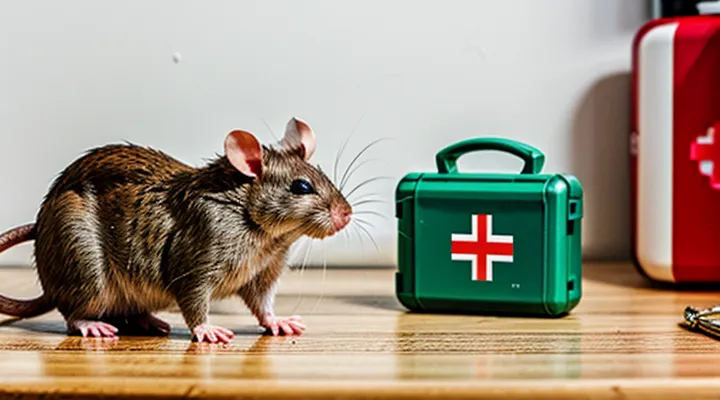
Why Every Rat Owner Needs a First Aid Kit
Rats are small, active animals that can suffer from injuries, illnesses, and emergencies that progress rapidly. A dedicated emergency supply set enables swift intervention, reduces suffering, and increases the likelihood of successful recovery. Without such a kit, owners rely on chance, distant veterinary services, or improvised solutions that may be ineffective or harmful.
- Immediate treatment for wounds, burns, or fractures prevents infection and stabilizes the animal.
- Access to antiseptics, bandages, and pain relievers allows owners to manage minor emergencies at home.
- Inclusion of a thermometer, syringe, and saline solution facilitates monitoring and supportive care during illness.
- A compact, well‑organized kit ensures that needed items are available quickly, even during power outages or travel.
Owning a rat entails a duty to anticipate health crises. Preparing a comprehensive first‑aid collection demonstrates responsible stewardship, lowers emergency costs, and minimizes stress for both pet and caretaker. The presence of essential tools transforms a potentially fatal situation into a manageable event, reinforcing the owner’s ability to provide consistent, high‑quality care.
Essential Medical Supplies
Wound Care Essentials
Antiseptics and Disinfectants
A rat emergency kit must contain agents that effectively reduce microbial load without harming delicate tissue. Select antiseptics that are safe for small mammals, dilute them according to veterinary guidelines, and apply only to open wounds or contaminated areas.
- Povidone‑iodine (Betadine) – dilute to 1% (10 ml of stock solution in 90 ml sterile water); suitable for initial wound cleaning, broad‑spectrum activity, limited contact time to prevent irritation.
- Chlorhexidine gluconate – 0.05% solution; provides persistent antimicrobial effect, compatible with mucous membranes, avoid use on large open lesions without veterinary advice.
- Hydrogen peroxide – 3% solution, further diluted to 1% for gentle debridement; use sparingly, as excessive exposure can damage granulation tissue.
- Veterinary‑grade wound spray (e.g., silver‑based or lactated Ringer’s with antiseptic additives); offers rapid coverage, useful for minor abrasions.
- Sterile saline – isotonic solution for flushing debris before applying a stronger antiseptic; reduces risk of tissue desiccation.
Store all liquids in tightly sealed, amber‑colored bottles to protect from light degradation. Label each container with concentration, expiration date, and intended use. Keep the kit in a cool, dry location away from direct heat sources. Before each application, verify the solution’s clarity and absence of particulate matter; discard any product that appears cloudy or expired. Proper handling minimizes the risk of chemical burns and ensures optimal antimicrobial performance for rat injuries.
Bandages and Dressings
Bandages and dressings are indispensable components of any emergency care set for pet rats. Small injuries, abrasions, or surgical sites require protection against infection and further trauma, and appropriate materials ensure rapid closure and comfort.
- Self‑adhesive sterile strips (2‑3 mm width) for minor cuts; easy to apply without knots.
- Non‑adhesive gauze pads (¼‑inch thickness) cut to 1‑2 cm squares, suitable for larger wounds.
- Elastic cohesive bandage (2‑inch width) that adheres to itself, allowing gentle compression without tape.
- Non‑woven absorbent dressing (e.g., Telfa) for exudative wounds, provides moisture balance.
- Small roll of medical‑grade adhesive tape (hypoallergenic) for securing dressings when needed.
- Antimicrobial ointment (e.g., bacitracin or povidone‑iodine) applied before covering to reduce bacterial load.
- Sterile saline solution for cleaning wounds prior to dressing application.
Each item should be stored in a sealed, labeled pouch within the emergency kit to maintain sterility and facilitate quick access during treatment.
Topical Ointments
Topical ointments are indispensable components of a rat emergency kit, providing rapid relief for skin abrasions, minor burns, and localized infections. Their primary function is to create a protective barrier, reduce inflammation, and deliver antimicrobial agents directly to the affected area.
Effective options include:
- Antibiotic ointment (e.g., bacitracin or neomycin): Prevents bacterial colonization on cuts and puncture wounds.
- Hydrocortisone cream (1%): Alleviates swelling and itching caused by dermatitis or allergic reactions.
- Burn gel (e.g., aloe‑vera or silver sulfadiazine): Cools superficial burns and promotes tissue regeneration.
- Antifungal ointment (e.g., miconazole): Treats ringworm or yeast infections on the fur and skin.
- Wound‑healing salve (e.g., lanolin‑based): Maintains moisture, accelerates epithelial growth, and protects against drying.
Selection criteria focus on sterility, minimal fragrance, and compatibility with rodent skin. Products formulated for human use are acceptable if they lack toxic additives such as parabens, lanolin for allergic rats, or high concentrations of alcohol.
Application protocol:
- Clean the lesion with sterile saline or a mild antiseptic solution.
- Apply a thin layer of the chosen ointment using a sterile cotton swab.
- Cover with a small, breathable gauze pad if the site is exposed to the cage environment.
- Monitor the area daily for signs of improvement or adverse reaction; discontinue use if redness or swelling increases.
Storage recommendations:
- Keep ointments in a sealed container to prevent contamination.
- Store at room temperature, away from direct sunlight.
- Label each tube with the date of opening; discard after the manufacturer’s recommended period, typically six months.
Including a well‑curated set of topical ointments ensures prompt, targeted care for common dermatological issues in pet rats, reducing the risk of complications and supporting swift recovery.
Oral Medications
Pain Relief Options
Effective pain management is a critical component of any emergency care kit for rats. Selecting appropriate analgesics requires consideration of species‑specific metabolism, dosage accuracy, and the potential for adverse reactions.
- Non‑steroidal anti‑inflammatory drugs (NSAIDs) such as meloxicam or carprofen, administered at veterinary‑prescribed doses, reduce inflammation and moderate pain.
- Opioid analgesics (e.g., buprenorphine) provide strong relief for severe discomfort; they must be dosed precisely and monitored for respiratory depression.
- Low‑dose acetaminophen is contraindicated; rodents lack the metabolic pathways to process it safely.
- Topical agents containing lidocaine or benzocaine can be applied to minor wounds, avoiding ingestion.
- Natural options, including diluted chamomile tea or ginger extract, may alleviate mild discomfort but lack robust dosing guidelines.
When assembling the kit, include pre‑measured syringes or calibrated droppers, a clear dosage chart, and a brief instruction sheet referencing veterinary guidance. Store all medications in a cool, dry environment, separate from food supplies, and label each container with expiration dates.
Anti-inflammatories
Anti‑inflammatory agents are indispensable for managing pain and swelling caused by injuries, surgery, or disease in pet rats. Prompt administration reduces tissue damage and accelerates recovery, making them a core component of any emergency supply.
- Meloxicam – oral suspension, 0.2 mg/kg every 24 hours; injectable formulation (0.2 mg/kg) for rapid effect.
- Carprofen – oral tablets, 5 mg/kg once daily; injectable version (5 mg/kg) for severe cases.
- Ketoprofen – oral solution, 1 mg/kg every 12 hours; injectable dose 1 mg/kg.
- Ibuprofen – limited use; oral dose 5 mg/kg every 12 hours, only under veterinary guidance due to narrow safety margin.
All products must be stored in a cool, dry place away from direct sunlight. Labels should indicate expiration dates and dosage instructions. Separate containers for oral and injectable forms prevent cross‑contamination.
Do not combine anti‑inflammatories with other NSAIDs or corticosteroids without veterinary approval. Monitor rats for signs of gastrointestinal distress, renal impairment, or abnormal behavior. Adjust dosage for juvenile or geriatric individuals, and discontinue use if adverse reactions appear. Veterinary consultation is required for long‑term therapy or when underlying conditions exist.
Tools and Instruments
Scissors and Tweezers
Scissors and tweezers are indispensable tools for any rat emergency kit. Precision cutting is required for trimming fur, removing loose skin, or clearing debris from wounds; only small, sharp, stainless‑steel scissors can achieve clean edges without damaging delicate tissue. Tweezers must have fine, pointed tips and a non‑slipping grip to extract foreign objects, splinters, or ticks safely.
- Scissors: 1–2 inches long, stainless steel, serrated or straight edge, rounded tips to prevent accidental puncture.
- Tweezers: 1–1.5 inches, fine tip, stainless steel or titanium, ergonomic handle, sterilizable surface.
Both tools should be stored in a sealed, dry compartment to maintain sterility. After each use, rinse with sterile saline, disinfect with an appropriate antiseptic, and allow to air‑dry before resealing. Regular inspection for rust or dullness ensures reliable performance during urgent care.
Syringes and Droppers
Syringes and droppers are essential components of any emergency kit for pet rats. They enable precise administration of fluids, medications, and electrolytes, which is critical when a small animal cannot drink or eat independently.
A reliable selection includes:
- 1 ml insulin syringes with detachable needles for subcutaneous injections; the 30‑gauge needle minimizes tissue trauma.
- 0.5 ml tuberculin syringes for oral dosing or eye drops; the fine tip allows accurate measurement of minute volumes.
- Plastic droppers with graduated markings (0.1 ml increments) for applying topical treatments or delivering liquid medication onto the tongue.
- Sterile, single‑use syringes to prevent cross‑contamination; keep them sealed until needed.
- A small bottle of sterile saline (0.9% NaCl) for fluid replacement; store in a cool, dark place to maintain sterility.
All devices should be made of medical‑grade plastic or stainless steel, resistant to corrosion and easy to clean. After each use, rinse with warm water, disinfect with a mild antiseptic, and allow to air‑dry before storage. Keep the entire set in a compact, waterproof container labeled clearly to avoid confusion during an emergency.
Magnifying Glass
A magnifying glass is a practical addition to any emergency kit designed for small rodents. It enables precise inspection of injuries, parasites, and skin conditions that are difficult to see with the naked eye. By enlarging the visual field, the tool helps identify bleeding points, wound depth, and signs of infection, allowing swift and accurate treatment.
When selecting a magnifying glass for this purpose, consider the following criteria:
- Lens diameter of 2–3 inches to provide adequate coverage without excessive bulk.
- Magnification power of 3× to 5×, sufficient for clear detail on tiny anatomy.
- Light source integrated into the frame or a detachable LED, ensuring illumination in low‑light environments.
- Durable, shatter‑resistant material such as polycarbonate to withstand transport and accidental drops.
- Non‑slipping grip or rubberized edges for steady handling during delicate procedures.
During use, hold the glass a few centimeters above the rat’s body, adjust focus until the area appears sharp, and observe for abnormal coloration, swelling, or foreign objects. The magnifier should be cleaned with an alcohol‑based wipe after each session to prevent cross‑contamination.
Including this instrument in the emergency collection reduces diagnostic uncertainty, shortens response time, and improves the likelihood of successful intervention for common rat injuries.
Non-Medical Support Items
Comfort and Handling Aids
Small Towels or Cloths
Small towels or cloths are a practical component of a rat emergency kit. Their primary function is to absorb blood, clean wounds, and provide gentle pressure on bleeding sites. Because rats are small, a piece of fabric measuring roughly 2 × 3 inches (5 × 7 cm) offers sufficient coverage without overwhelming the animal.
Select fabrics that are lint‑free, non‑abrasive, and easy to sterilize. Ideal materials include cotton gauze, microfiber, or fine muslin. Avoid wool or synthetic fibers that may shed or cause irritation. Pre‑cut strips allow quick application; a set of three to five pieces per kit ensures availability for multiple incidents.
Benefits of including small towels or cloths:
- Immediate absorption of blood or exudate, reducing the risk of hypothermia.
- Gentle compression to stem minor hemorrhage before professional care.
- Soft surface for cleaning wounds with saline solution, minimizing tissue trauma.
- Reusable after proper washing and autoclaving, extending the kit’s lifespan.
Store the cloths in a sealed, breathable pouch within the kit to maintain sterility and protect against moisture. Label the pouch with a brief instruction, such as “use for wound cleaning and compression.” This organization streamlines response time during an emergency.
Carrier or Travel Cage
A reliable carrier or travel cage is a fundamental component of any emergency preparedness plan for pet rats. It provides a secure environment for handling injured animals, minimizing stress and preventing further injury during transport to a veterinarian or safe location.
When selecting a carrier, prioritize the following characteristics:
- Sturdy, escape‑proof construction; metal or heavy‑duty plastic with lockable doors.
- Adequate ventilation; multiple mesh panels or perforated walls to ensure airflow.
- Interior dimensions that allow a rat to lie flat, turn, and breathe comfortably.
- Soft, removable bedding or a disposable liner to maintain hygiene and absorb fluids.
- Easy‑to‑clean surfaces; smooth interiors that resist odor buildup.
- Compact size for storage yet spacious enough for a single rat or a small group if necessary.
- Secure handle or strap for safe carrying; optional shoulder harness for hands‑free transport.
Incorporate the carrier into the first‑aid kit by keeping it readily accessible, pre‑loaded with a clean liner, a small towel, and a sealed bag for waste disposal. Regularly inspect hinges, latches, and ventilation openings for wear, and replace the carrier if any compromise is detected. This proactive approach ensures swift, humane relocation of an injured rat, reducing handling time and supporting effective emergency care.
Nutritional Supplements
Critical Care Formulas
When assembling a rescue kit for pet rats, include ready‑to‑use formulas that address the most common emergency scenarios. Each formula should be pre‑measured, stable at room temperature, and easy to administer with a syringe or dropper.
-
Oral Rehydration Solution (ORS): Balanced mixture of sodium chloride, potassium chloride, glucose, and citrate. Provides rapid fluid replacement for dehydration caused by diarrhea or heat stress. Prepare a 1 L batch using sterile water; store in a sealed container and label with dosage per kilogram of body weight.
-
Pain Management Gel: Combination of lidocaine (2 %) and prilocaine (2 %) in a gel base. Allows topical application to minor cuts, abrasions, or burns without systemic injection. Apply a thin layer to the affected area, repeat every 4 hours as needed.
-
Antibiotic Ointment Formula: Bacitracin (500 U/g) and neomycin (5 mg/g) in a petroleum‑based ointment. Effective against common skin pathogens. Apply a small amount to the wound surface after cleaning, then cover with a sterile gauze pad.
-
Anti‑Inflammatory Suspension: Meloxicam suspension at 0.2 mg/mL. Suitable for oral administration to reduce inflammation from sprains or post‑operative swelling. Dose 0.05 mg per kilogram of body weight, given once daily for up to three days.
-
Electrolyte Paste: Calcium gluconate (10 %) and magnesium sulfate (5 %) in a thick paste. Useful for correcting electrolyte imbalances after prolonged vomiting or diarrhea. Apply a pea‑size amount to the oral mucosa with a sterile applicator; repeat every 6 hours if symptoms persist.
-
Nutritional Support Emulsion: High‑calorie emulsion containing medium‑chain triglycerides, whey protein, and vitamin E. Provides energy for rats unable to eat due to illness or injury. Administer 0.2 mL per kilogram via a feeding tube or syringe.
Each formula should be accompanied by a concise instruction sheet that includes dosage calculations, administration technique, and storage conditions. Regularly check expiration dates and replace any depleted or expired components to maintain the kit’s effectiveness.
Hydration Solutions
Hydration support is a priority when a rat experiences trauma, illness, or severe stress. Dehydration can develop rapidly, compromising circulation and organ function, so a first‑aid kit must contain readily usable fluids.
- Sterile isotonic saline (0.9% NaCl) for subcutaneous or intraperitoneal administration; provides immediate plasma volume replacement.
- Commercially formulated electrolyte solution designed for small mammals; supplies balanced sodium, potassium, and glucose to address losses from vomiting or diarrhea.
- Oral rehydration gel packets; absorb quickly, can be applied to the tongue or cheek pouch without forcing fluids.
- Distilled water in a small, sealed container; essential for flushing wounds, rinsing eyes, or offering supplemental hydration when the rat can drink voluntarily.
Each product should be stored in a leak‑proof pouch, labeled with expiration dates, and kept at room temperature. Replace items promptly after use or when the kit is opened.
Assembly and Maintenance Tips
Proper Storage Techniques
When assembling a first‑aid kit for pet rats, storage determines the longevity and effectiveness of every component. Choose a container that shields contents from moisture, temperature extremes, and sunlight. A rigid, sealable plastic box with a gasketed lid offers reliable protection; avoid cardboard or fabric bags that absorb humidity.
Maintain a stable environment by placing the kit in a cool, dry area of the home—preferably a closet or cabinet away from heating vents, drafty windows, and direct light. Ideal temperatures range between 55 °F and 75 °F (13 °C–24 °C). If the household experiences seasonal fluctuations, store the kit in a climate‑controlled space such as a pantry or a small insulated cooler with a desiccant packet.
Organize items to prevent cross‑contamination and damage:
- Separate sterile gauze, cotton balls, and swabs in zip‑lock bags.
- Keep liquid medications in airtight bottles with child‑proof caps.
- Store sharp instruments (scissors, tweezers) in a protective pouch.
- Label each package with the date of acquisition and expiration.
Regularly inspect the storage container for cracks, seal integrity, and signs of mold or corrosion. Replace any compromised packaging immediately. Conduct a quarterly audit of the kit’s inventory, discarding expired products and replenishing supplies as needed.
Document the storage location and conditions in a brief log, noting any environmental changes that could affect the kit. This record supports consistent maintenance and ensures readiness for emergencies involving rats.
Regular Inventory Checks
Regular inventory checks keep a rat emergency care kit functional and ready for use. Conduct the review at least once a month; more frequent inspections are advisable after large litters or after any incident that required treatment.
During each check verify three elements:
- Quantity: Confirm that every item listed in the kit is present in the required amount. Replace missing supplies immediately.
- Expiration: Examine dates on medications, antiseptics, and bandages. Discard any product past its shelf life and restock with fresh stock.
- Condition: Inspect packaging for tears, moisture damage, or contamination. Store the kit in a cool, dry location away from direct sunlight to preserve material integrity.
Record findings in a simple log, noting dates, discrepancies, and actions taken. A consistent documentation habit simplifies restocking and provides a clear audit trail for future reference.
Expiration Date Management
Effective expiration date management ensures that every component in a rat medical kit remains safe and functional. Regularly check the dates printed on bandages, antiseptics, antibiotics, and any supplemental items. Replace any product that has passed its labeled shelf life before it is needed.
- Record initial purchase dates on a dedicated log sheet or spreadsheet.
- Mark each item with a visible reminder, such as a colored sticker indicating the month and year of expiration.
- Conduct a quarterly audit: remove expired supplies, replenish with fresh stock, and update the log accordingly.
- Store the kit in a cool, dry environment to prolong product stability; avoid direct sunlight and extreme temperatures.
- Prioritize items with the shortest remaining shelf life during restocking to minimize waste.
Documenting these practices creates a reliable reference for future inspections and maintains the kit’s readiness for emergency care.
When to Seek Professional Veterinary Help
Rats displaying any of the following signs require prompt veterinary intervention rather than home treatment. Sudden loss of consciousness, severe bleeding that does not stop with pressure, or obvious fractures demand immediate professional care. Persistent vomiting, diarrhea containing blood, or inability to eat or drink for more than a few hours signal a systemic problem that exceeds the scope of basic first‑aid supplies. Unexplained swelling, heat, or foul odor around a wound suggests infection that may need antibiotics administered by a veterinarian. Signs of respiratory distress—open‑mouth breathing, rapid shallow breaths, or audible wheezing—must be evaluated without delay.
- Uncontrolled hemorrhage
- Broken or dislocated limbs
- Persistent or bloody vomiting/diarrhea
- Inability to ingest food or water for > 4 hours
- Swelling, heat, or foul odor at injury site
- Respiratory difficulty or cyanosis
- Seizures or sudden neurological changes
When any of these conditions appear, contact a qualified small‑animal practitioner immediately. Transport the rat in a secure, temperature‑controlled carrier, keep it calm, and provide the veterinarian with details of the incident and all first‑aid measures already applied. Delaying professional assessment can worsen injury, increase pain, and reduce the likelihood of recovery.