
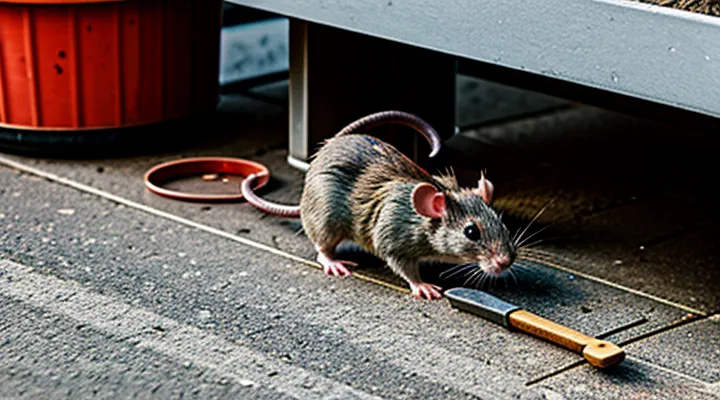
Understanding Rat Extermination
The Problem with Rats
Health Risks Associated with Rat Infestations
Rats living in residential or commercial buildings introduce a range of health hazards that affect occupants directly and indirectly.
Common pathogens carried by rats include:
- Leptospira bacteria, causing leptospirosis, a febrile illness that may lead to kidney failure.
- Salmonella species, responsible for foodborne gastroenteritis.
- Hantavirus, which can cause severe respiratory disease.
- Streptobacillus moniliformis, the agent of rat‑bite fever.
- Yersinia pestis, the bacterium behind plague, still reported in isolated outbreaks.
Rats contaminate food, water, and surfaces with urine, feces, and saliva. These secretions contain the listed pathogens and can persist for weeks, creating a continuous source of infection for humans and pets. Direct contact with contaminated materials or ingestion of tainted food triggers acute gastrointestinal symptoms, fever, and, in severe cases, organ damage.
Allergic responses arise from inhalation of rat hair, dander, and droppings. Sensitized individuals may experience rhinitis, conjunctivitis, or asthma attacks, especially in poorly ventilated spaces where particle concentrations rise.
Structural damage caused by rat gnawing weakens insulation, wiring, and plumbing. Compromised insulation can foster mold growth, while exposed wiring raises the risk of electrical fires, both contributing to respiratory problems and injury.
Effective rodent control interventions target these health threats by eliminating populations, sealing entry points, and sanitizing affected areas. Prompt action reduces pathogen exposure, limits allergic reactions, and prevents secondary hazards linked to structural degradation.
Property Damage Caused by Rats
Rats compromise structural integrity through gnawing, which weakens wooden beams, drywall, and insulation. Their incisors can breach electrical wiring, creating short circuits and increasing fire risk. Damage to plumbing occurs when rats chew plastic or rubber hoses, leading to leaks and water‑damage expenses.
Additional losses stem from contamination. Urine and feces deposit pathogens on surfaces, rendering food storage areas unsafe and prompting costly sanitation procedures. Burrowing activity distorts foundation walls and undermines flooring stability, often requiring professional repair.
Typical financial impact includes:
- Replacement of chewed wiring and components
- Repair or reinforcement of compromised structural elements
- Restoration of contaminated food‑handling zones
- Reinforcement of foundations and flooring systems
Effective rat control services address these threats by eliminating infestations, sealing entry points, and implementing monitoring protocols, thereby preventing further property deterioration.
Common Signs of a Rat Infestation
Droppings and Urine Trails
Droppings and urine trails provide the primary evidence needed to locate active rat populations and to assess infestation severity. Fresh feces appear as small, dark pellets about the size of a grain of rice; older droppings turn lighter and may crumble. Urine stains manifest as wet, brownish marks on surfaces, often accompanied by a strong, musky odor. Both indicators reveal movement patterns, nesting sites, and feeding areas, allowing technicians to target treatment zones accurately.
Key observations for effective control:
- Pellet size and color differentiate species and indicate age.
- Concentrated urine patches pinpoint travel routes and entry points.
- Accumulation near food storage signals contamination risk.
- Distribution across walls, ceilings, and insulation suggests structural infiltration.
Identifying these signs enables precise bait placement, trap positioning, and exclusion measures, reducing the likelihood of reinfestation and minimizing health hazards associated with pathogens carried in rodent waste.
Gnaw Marks and Burrows
Gnaw marks indicate active feeding sites and material preferences. Fresh incisor scratches on wood, plastic, or insulation reveal the species’ size and the direction of movement. Parallel lines suggest repeated passages, while deeper gouges point to larger individuals or prolonged activity. Inspectors record depth, width, and location to estimate colony age and growth rate.
Burrow systems provide a map of hidden pathways. Entry holes measured at 0.5–1 cm in diameter lead to tunnels that may extend several meters underground or within wall cavities. Soil displacement, loose debris, and visible tunnel openings at baseboards or foundations confirm the presence of a subterranean network. Identification of multiple openings allows technicians to target strategic points for bait placement and trap deployment.
Key observations for effective rat control:
- Presence of gnaw marks on structural elements
- Size and distribution of entry holes
- Soil or debris accumulation near suspected tunnels
- Frequency of fresh droppings near burrow exits
These data guide the selection of extermination methods, placement of monitoring devices, and scheduling of follow‑up inspections to ensure complete eradication.
Strange Noises
Strange noises are often the first indicator that a rat infestation exists. Scratching sounds behind walls, high‑pitched squeaks in attics, and rapid gnawing noises in ceilings suggest active burrowing or nesting. Technicians use these auditory cues to pinpoint entry points and locate colonies before deploying treatment.
During the assessment phase, professionals:
- Conduct a systematic listening sweep in suspected areas, noting frequency and duration of noises.
- Correlate acoustic evidence with visual signs such as droppings, gnaw marks, and grease trails.
- Map noise sources to determine the most efficient placement of traps or bait stations.
Once the infestation zone is confirmed, the extermination team implements a targeted approach. Bait stations are positioned near the identified noise hotspots, and exclusion measures seal identified entry points to prevent re‑entry. Follow‑up inspections verify the cessation of abnormal sounds, confirming successful removal.
The Extermination Process: A Step-by-Step Guide
Initial Assessment and Inspection
Identifying Rat Species and Entry Points
Accurate identification of rat species is a prerequisite for effective control measures. Different species exhibit distinct habits, dietary preferences, and breeding cycles, which influence trap placement, bait selection, and timing of interventions.
- Norwegian (Brown) Rat (Rattus norvegicus): prefers ground-level burrows, frequents sewers, and thrives near water sources.
- Black Rat (Rattus rattus): arboreal tendency, occupies higher elevations such as attic spaces and roof voids.
- Roof Rat (Rattus rattus): synonymous with the Black Rat, commonly found in tropical climates and dense vegetation.
- Polynesian Rat (Rattus exulans): smaller size, often associated with island environments and agricultural storage.
Identifying entry points requires systematic inspection of the building envelope. Rats exploit gaps as small as a quarter inch, so thorough examination of structural vulnerabilities is essential.
- Foundations and crawl spaces: Look for cracks, gaps around utility penetrations, and deteriorated concrete.
- Exterior walls: Inspect for missing or damaged siding, gaps around vents, and improperly sealed windows.
- Roof and eaves: Examine soffits, fascia, and roof sheathing for openings, especially where vegetation contacts the structure.
- Doors and windows: Verify that weatherstripping is intact and that door sweeps cover the full width of the threshold.
- Utility entries: Seal openings around plumbing, electrical conduits, and HVAC ducts with steel wool, caulk, or metal flashing.
Documenting species type and each identified breach enables targeted deployment of traps, baits, and exclusion techniques, thereby maximizing the efficiency of the rat control service.
Evaluating the Extent of the Infestation
Accurate assessment of a rat problem determines the scope of any control effort. Technicians begin with a visual sweep of the property, noting gnaw marks, droppings, urine stains, and burrow entrances. Each indicator is recorded with its location to create a spatial map of activity.
The next step involves quantifying signs. Dropping piles are counted, and their weight is measured to estimate the number of individuals present. Chewed materials are sampled to identify species and age class, which influences reproductive potential.
Trapping data further refines the estimate. A short‑term trapping session—typically 24 to 48 hours—records capture rates per trap. High capture numbers suggest a dense population, while low catches may indicate a limited infestation or effective existing barriers.
Environmental factors are then evaluated. Food sources, water availability, and shelter sites are catalogued. Removing or securing these resources lowers the carrying capacity and informs the intensity of the extermination plan.
Finally, the collected metrics are synthesized into a population index. The index guides the selection of treatment methods, the number of devices required, and the frequency of follow‑up visits. A precise evaluation prevents over‑treatment and ensures efficient resource allocation.
Developing a Customized Treatment Plan
Non-Toxic Methods and Prevention Strategies
Effective rat control relies on techniques that eliminate pests without chemical hazards. Professional services employ a combination of mechanical traps, electronic devices, and habitat alteration to achieve this goal.
- Snap traps and live‑catch cages provide immediate removal without poison.
- Ultrasonic emitters generate frequencies uncomfortable to rodents, discouraging activity in occupied spaces.
- Sealing gaps, installing door sweeps, and reinforcing vent covers block entry points, preventing new infestations.
- Sanitation measures, such as regular waste removal and eliminating food sources, reduce attraction.
- Biological agents, including predatory birds or beneficial nematodes, target rodents in outdoor environments without toxins.
Preventive strategies complement these methods and sustain long‑term results. Regular property inspections identify potential entry routes and signs of activity. Maintaining clean storage areas, securing garbage containers, and trimming vegetation away from building exteriors limit shelter and food availability. Installing chew‑resistant materials around pipes and utility openings further restricts access. By integrating non‑chemical removal tools with systematic exclusion and sanitation practices, rat control services achieve reliable, health‑conscious outcomes.
Trapping and Baiting Techniques
Professional rat control relies on two primary methods: live or lethal traps and strategically deployed baits. Both approaches require precise execution to achieve rapid population reduction while minimizing risk to non‑target species.
Traps are selected based on infestation severity, access points, and environmental constraints. Common devices include snap traps, glue boards, and multi‑catch cages. Placement follows a pattern that targets high‑traffic corridors, wall voids, and near food sources. Traps are inspected daily, reset, and recorded to track capture rates and adjust density as needed.
Baiting involves the use of anticoagulant or non‑anticoagulant rodenticides formulated in tamper‑resistant stations. Effective baiting adheres to the following principles:
- Choose a formulation compatible with the target species and local regulations.
- Position stations along established runways, behind walls, and in concealed locations.
- Rotate active ingredients periodically to prevent bait aversion.
- Maintain records of station locations, bait type, and consumption rates.
Integration of trapping and baiting creates a feedback loop: trap data informs bait placement, while bait consumption patterns guide trap density. Continuous monitoring and documentation ensure compliance with health and safety standards and enable rapid response to any resurgence.
Sealing Entry Points
Sealing entry points is the cornerstone of any effective rat control program. The process begins with a thorough inspection of the property’s exterior and interior to locate gaps, cracks, and openings that rats can exploit. Inspectors focus on areas where utilities, pipes, and vents penetrate walls, as well as foundation joints, door thresholds, and roof eaves.
After identification, each opening is measured and matched with an appropriate sealing material. Common choices include:
- Steel wool combined with expanding foam for irregular gaps around pipes.
- Cement‑based sealants for cracks in masonry or concrete foundations.
- Metal flashing or hardware cloth for larger openings around vents and drainage systems.
- Weather‑stripping and door sweeps for gaps beneath doors and windows.
Application follows a systematic sequence:
- Clean the surface to remove debris, dust, and moisture.
- Apply the chosen sealant or insert material, ensuring complete coverage of the gap.
- Allow the material to cure according to manufacturer specifications.
- Verify the seal by probing for any residual openings and re‑seal if necessary.
Regular maintenance reinforces the barrier. Inspections should be scheduled quarterly, with particular attention after extreme weather events that may shift or damage seals. Prompt repair of compromised areas prevents re‑entry and reduces the need for repeated extermination measures.
Implementation of Extermination Methods
Strategic Placement of Traps and Baits
Effective rat control relies on precise positioning of traps and baits to intercept movement corridors, foraging zones, and nesting sites. Survey the property to identify signs of activity—droppings, gnaw marks, and burrows—then map high‑traffic pathways. Place devices at least 12 inches from walls in these corridors, ensuring rats encounter them while traveling between food sources and shelter.
Deploy a combination of snap traps, electronic traps, and bait stations to address varied behavior patterns. Use snap or electronic traps near entry points and along walls where rats travel. Position bait stations in concealed locations close to food storage areas, but out of reach of non‑target animals. Rotate trap locations weekly to prevent habituation and maintain pressure on the population.
Key placement guidelines:
- Align devices perpendicular to walls, with the trigger end facing the expected direction of travel.
- Space traps 6–10 feet apart in parallel runs along identified runways.
- Locate bait stations 3–5 feet from walls, avoiding direct sunlight and moisture.
- Install devices at a height of 2–4 inches above the floor, matching the typical rat run line.
- Replace inactive traps promptly; replenish bait stations every 3–5 days based on consumption rates.
Monitoring and Follow-Up Visits
Monitoring after the initial rat control treatment confirms the effectiveness of the intervention and identifies any residual activity. Technicians inspect bait stations, trap locations, and potential entry points, recording rodent signs such as droppings, gnaw marks, and fresh burrows. Data collected during these visits guide adjustments to bait placement, trap density, and sanitation recommendations.
Follow‑up visits follow a structured schedule:
- Day 3–5: Verify bait consumption and trap captures, replace depleted supplies, and address immediate re‑infestation signs.
- Week 2: Conduct a comprehensive site assessment, adjust control measures, and reinforce exclusion recommendations.
- Week 4: Perform a final evaluation to ensure population suppression, document residual evidence, and provide a written report with preventive actions.
Consistent monitoring and timely follow‑up reduce the risk of resurgence, ensure compliance with regulatory standards, and maintain a rodent‑free environment.
Post-Extermination Measures
Cleaning and Sanitization
After rodents are eliminated, the site requires thorough cleaning to remove biological contaminants and prevent health hazards. Technicians first collect all droppings, urine stains, and dead animals using disposable, sealed containers. Materials are placed in biohazard bags and disposed of according to local regulations.
Next, surfaces that have been exposed to rodent waste undergo mechanical cleaning. This involves scrubbing with detergent solutions that break down organic matter, followed by rinsing with clean water. The process targets floors, walls, countertops, and any equipment that may have contacted contaminants.
The final stage is sanitization. Professionals apply EPA‑registered disinfectants to all cleaned areas, ensuring a contact time that meets product specifications. After the disinfectant dries, a visual inspection confirms that no residue remains. A written verification report documents the chemicals used, concentrations, and exposure periods.
Key actions in the cleaning and sanitization phase include:
- Collection and secure disposal of all rodent waste
- Mechanical removal of organic debris with detergent solutions
- Application of approved disinfectants with proper dwell time
- Post‑treatment inspection and documentation of results
Ongoing Prevention and Maintenance
Effective rat control does not end with a single treatment; it requires continuous prevention and maintenance to keep populations below damaging levels. After initial extermination, the service implements a schedule of activities designed to eliminate attractants, block access, and verify that control measures remain effective.
Key components of an ongoing program include:
- Sanitation management – regular removal of food waste, proper storage of refuse, and routine cleaning of kitchen and storage areas.
- Structural sealing – inspection of building exteriors and interiors for gaps, cracks, and utility penetrations; installation of metal flashing, steel wool, or concrete sealant to close entry points.
- Monitoring devices – placement of bait stations, snap traps, or electronic sensors in high‑risk zones; weekly checks to assess activity and replace consumables.
- Periodic inspections – quarterly walkthroughs by qualified technicians to evaluate rodent signs, assess the integrity of barriers, and adjust control tactics as needed.
- Documentation – detailed logs of inspections, bait usage, and observed activity; data support trend analysis and guide future interventions.
Maintenance also involves training staff to recognize early signs of infestation and to follow proper waste‑handling protocols. By integrating these measures into a routine schedule, the service sustains a hostile environment for rats, reduces the likelihood of re‑infestation, and protects health and property over the long term.