
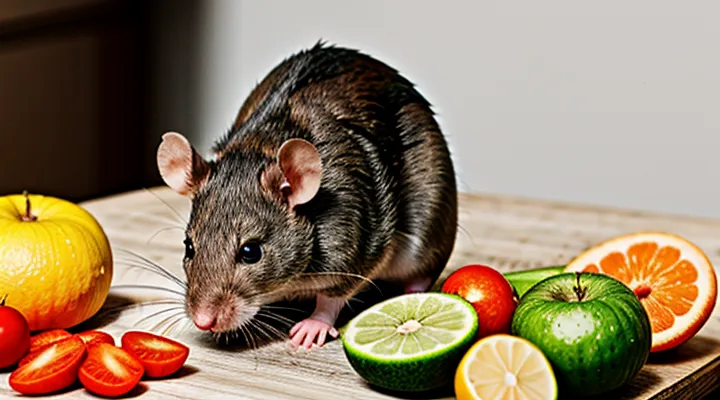
The Foundation of a Healthy Rat Diet
Essential Dietary Components
Main Food Sources
Rats require a balanced diet that supplies energy, protein, fiber, vitamins, and minerals. The primary components of a nutritionally complete regimen include:
- Commercial rodent pellets – formulated to meet the species‑specific nutrient profile; serve as the staple source of calories and essential nutrients.
- Fresh vegetables – leafy greens (kale, romaine lettuce), carrots, broccoli, and bell peppers provide vitamins A, C, and K, as well as dietary fiber.
- Fruits – apples, berries, and melon offer additional vitamins and natural sugars; serve as occasional supplements due to high sugar content.
- Whole grains – oats, barley, and brown rice contribute complex carbohydrates and B‑vitamins; should be offered cooked or soaked to improve digestibility.
- Protein sources – cooked lean meats, boiled eggs, low‑fat cottage cheese, and insects (mealworms, crickets) deliver essential amino acids; limit to 10‑15 % of total intake.
- Seeds and nuts – sunflower seeds, pumpkin seeds, and almonds supply healthy fats and trace minerals; restrict portion size to prevent excess caloric density.
- Water – fresh, clean water must be available at all times; replace daily to prevent contamination.
Supplementary items such as small amounts of plain yogurt, unsweetened applesauce, or fortified rodent treats can be incorporated for enrichment, provided they do not displace the core food groups. Consistent provision of the listed sources ensures optimal growth, reproduction, and overall health in laboratory and pet rats alike.
Nutritional Balance
A balanced rat diet must provide sufficient protein, energy, fiber, vitamins, and minerals to support growth, reproduction, and immune function. Protein sources such as soy, fish meal, or lean meat should supply 14–20 % of total calories, depending on the animal’s life stage. Energy density should range from 300 to 350 kcal per kilogram of feed, with carbohydrates from grains and starches delivering the bulk of calories.
Fiber is essential for gastrointestinal motility and should constitute 5–7 % of the diet, supplied by wheat bran, oat hulls, or beet pulp. Micronutrients must meet established rodent requirements: calcium ≈ 0.5 % and phosphorus ≈ 0.4 % of the diet, with a calcium‑to‑phosphorus ratio close to 1.2:1. Vitamin supplementation should include:
- Vitamin A (≈ 4,000 IU/kg)
- Vitamin D₃ (≈ 1,000 IU/kg)
- Vitamin E (≈ 50 IU/kg)
- B‑complex vitamins in standard premix amounts
Mineral premixes should provide zinc, copper, manganese, selenium, and iodine at levels recommended by rodent nutrition guidelines. Water must be available continuously and be free of contaminants. Regular analysis of feed composition ensures that the nutritional profile remains within target parameters, preventing deficiencies and excesses that could compromise health.
Foods to Incorporate
Grains and Cereals
Grains and cereals provide essential carbohydrates, fiber, and modest protein for laboratory and pet rats, supporting energy needs and digestive health. Select varieties should be whole, low in added sugars, and free from mold.
- Brown rice
- Oats (plain, rolled)
- Barley (hulled)
- Quinoa
- Millet
- Whole‑wheat pasta (cooked, unseasoned)
These grains deliver a balanced mix of starches and insoluble fiber, helping maintain regular gut motility. They also supply B‑vitamins and trace minerals such as magnesium and phosphorus, which contribute to metabolic processes and skeletal maintenance.
Preparation guidelines:
- Rinse grains thoroughly to remove dust and potential contaminants.
- Cook with water only; avoid oil, salt, or seasoning.
- Cool to room temperature before offering.
- Serve in small portions (approximately 1–2 teaspoons per 100 g body weight) to prevent excess caloric intake.
Moderation is critical because excessive grain consumption can displace protein‑rich foods and lead to weight gain. Monitor body condition regularly and adjust quantities based on activity level and growth stage. Replace stale or damp grain supplies promptly to prevent spoilage and mycotoxin exposure.
Fruits and Vegetables
Rats thrive on a varied intake of fresh produce that supplies vitamins, minerals, and fiber essential for health. Incorporating fruits and vegetables balances protein‑rich pellets and reduces the risk of obesity, digestive disorders, and micronutrient deficiencies.
Recommended items include:
- Apples (core removed, no seeds) – source of vitamin C and fiber.
- Blueberries – high in antioxidants, suitable as occasional treats.
- Carrots – provide beta‑carotene; offer raw or lightly steamed pieces.
- Broccoli – rich in calcium and vitamin K; serve in small florets.
- Spinach – supplies iron and folate; limit to prevent oxalate buildup.
- Bell peppers (any color) – deliver vitamin C and A; remove stems.
- Pears (seedless) – gentle on digestion, high in soluble fiber.
- Sweet potatoes – cooked, unseasoned; offers complex carbohydrates and beta‑carotene.
Preparation guidelines: wash thoroughly, remove pits, stems, and seeds that contain cyanogenic compounds; cut into bite‑size pieces to prevent choking; serve at room temperature; discard uneaten portions after two hours to avoid spoilage. Limit sugary fruits such as grapes and bananas to prevent weight gain. Avoid toxic produce, including avocado, rhubarb leaves, and raw potatoes, which contain solanine. Regular rotation of safe items maintains interest and prevents nutritional gaps.
Protein Sources
Protein quality is a primary consideration when formulating a diet for laboratory or pet rats. Adequate amino acid profiles support growth, tissue repair, and reproductive performance. Sources that meet the nutritional requirements for rodents include both animal‑derived and plant‑based options.
- Soybean meal – high‑protein legume, widely used in commercial formulations; contains essential amino acids but requires heat treatment to reduce anti‑nutritional factors.
- Whey protein concentrate – rapidly digestible, rich in branched‑chain amino acids; suitable for growth phases.
- Egg white powder – complete protein with minimal fat; provides lysine and methionine in balanced amounts.
- Fish meal – dense source of protein and omega‑3 fatty acids; must be stored properly to prevent oxidation.
- Pea protein isolate – plant‑based alternative with a favorable amino acid spectrum; low in methionine, often combined with other proteins.
- Casein – slow‑digesting milk protein; useful for maintaining a steady supply of amino acids.
- Insect meal (e.g., mealworm or black soldier fly) – emerging protein with high digestibility; comparable to traditional animal meals.
When selecting protein ingredients, evaluate digestibility, amino acid completeness, and potential allergens. Balance the total protein level to 15–20 % of the diet on a dry‑matter basis, adjusting for the specific life stage and physiological condition of the rats. Regularly monitor body condition and growth metrics to confirm that the protein component meets the intended nutritional goals.
Healthy Fats
Healthy fats supply concentrated energy, facilitate absorption of vitamins A, D, E, and K, and support coat sheen and neurological development in rats.
Suitable sources include:
- Fish oil (rich in EPA and DHA)
- Flaxseed oil (high in α‑linolenic acid)
- Sunflower or safflower oil (omega‑6 fatty acids)
- Canola oil (balanced omega‑3/6 ratio)
- Cooked salmon or sardines (whole‑food protein and fat)
- Soft‑boiled egg yolk (natural phospholipids)
- Chopped walnuts (plant‑based omega‑3)
Incorporate fats at 5–10 % of total caloric intake, equivalent to roughly 3–5 % of the diet’s dry weight. Adjust the proportion based on activity level and body condition; lean individuals may tolerate the upper range, while sedentary rats require the lower end.
Excessive fat intake can cause rapid weight gain, hepatic lipid accumulation, and an unfavorable omega‑6 to omega‑3 ratio, which may predispose to inflammation. Monitor body weight weekly and observe for signs of gastrointestinal distress.
Practical application:
- Mix measured oil drops into standard pellets, allowing absorption before serving.
- Offer a small portion of cooked fish or egg yolk no more than twice weekly.
- Store liquid oils in airtight containers, refrigerated, to prevent oxidation.
- Record daily intake to maintain consistent dosing.
Water
Water is the most essential nutrient for laboratory and pet rats. Rats require continuous access to clean, fresh water to maintain hydration, support renal function, and facilitate digestion.
- Daily intake: adult rats typically drink 35–45 ml of water per 100 g body weight; juveniles consume slightly more relative to size.
- Quality: use filtered or dechlorinated tap water, or bottled spring water with low mineral content. Avoid water containing heavy metals, high nitrate levels, or strong odors.
- Temperature: supply water at room temperature (20–24 °C). Cold water may reduce intake; excessively warm water can promote bacterial growth.
Provide water in bottles equipped with stainless‑steel or polyethylene sipper tubes to prevent spillage and contamination. Replace bottles daily, clean with a mild detergent, and rinse thoroughly before refilling.
Monitor consumption by recording the volume removed each day. Significant deviation—more than 20 % decrease or increase—may indicate illness, stress, or environmental changes and should trigger veterinary assessment.
For breeding colonies, increase water availability during lactation and weaning periods, as females and growing pups exhibit higher demand. In environments with high ambient temperature, supplement with additional water sources to offset increased evaporative loss.
Maintain a consistent supply; intermittent deprivation compromises kidney function and can lead to rapid health decline. Ensure all personnel handling rats understand the protocol for water provision and monitoring.
Foods to Avoid and Dietary Considerations
Harmful and Toxic Foods
Specific Examples of Toxic Foods
Rats are highly sensitive to several common foods that can cause acute or chronic health problems. Feeding these items should be avoided entirely.
- Chocolate (especially dark varieties) – contains theobromine, which can lead to cardiac arrhythmia and seizures.
- Caffeine‑containing products such as coffee, tea, and energy drinks – stimulate the central nervous system, potentially resulting in hyperactivity, tremors, and fatal overdose.
- Alcohol – depresses respiration and can cause rapid loss of consciousness.
- Raw or undercooked beans (e.g., kidney beans) – hold high levels of phytohemagglutinin, a toxin that damages intestinal lining.
- Avocado flesh and pit – contain persin, a toxin that may cause respiratory distress and cardiac failure.
- Citrus peels and large quantities of citrus juice – high acidity can irritate the gastrointestinal tract and lead to ulceration.
- Onions, garlic, and related Allium species – produce compounds that cause hemolytic anemia.
- High‑salt snacks (e.g., pretzels, chips) – excess sodium can result in dehydration, hypertension, and kidney strain.
- Processed meats with nitrates or nitrites – may cause methemoglobinemia, impairing oxygen transport.
- Moldy or spoiled foods – toxins from fungal growth can cause liver damage and neurological symptoms.
Eliminating these items from a rat’s diet reduces the risk of toxicity and supports overall health. Regularly inspect food supplies for spoilage and store safe items in sealed containers to prevent accidental exposure.
Foods High in Sugar and Fat
High‑sugar and high‑fat foods are calorically dense and can quickly unbalance a rat’s nutrition. Excess intake leads to obesity, hepatic lipidosis, and dental disease. Include such items only as occasional treats, not as staples.
Typical rat foods rich in sugar and fat:
- Fruit spreads (e.g., jam, marmalade) – high simple sugars, added oils.
- Sweetened cereals – refined grains with sugar coating, often containing butter or oil.
- Chocolate and candy – concentrated sucrose and cocoa butter.
- Peanut butter – dense fat content, moderate sugar if flavored.
- Dried fruits (raisins, dates, apricots) – natural sugars, occasional added sugars.
- Commercial rodent treats labeled “high‑calorie” – contain added sugars and fats.
When offering these items, limit portions to no more than 5 % of total daily caloric intake. Provide fresh water immediately after consumption to reduce dental plaque formation. Monitor body condition weekly; adjust treat frequency if weight gain exceeds 2 % per month.
Dietary Restrictions and Special Needs
Age-Specific Diets
Age determines the nutritional profile required for optimal health in laboratory and pet rats. Adjusting feed composition at each life stage prevents deficiencies, supports growth, and reduces disease risk.
Neonatal rats depend on maternal milk or a specialized formula. Essential components include:
- Protein ≥ 20 % of calories, primarily whey‑derived.
- Fat ≈ 30 % of calories, rich in linoleic acid.
- Lactose as the primary carbohydrate source.
- Vitamin K and D supplements to compensate for limited synthesis.
- Sterile water provided via the dam or droplet feeding.
Juvenile rats, typically 3–6 weeks old, transition to solid feed. A balanced starter diet should contain:
- Protein 15–18 % of calories, sourced from soy or animal meal.
- Calcium‑phosphorus ratio of 1.2:1 to support skeletal development.
- Vitamin A, E, and B‑complex at levels supporting rapid metabolism.
- Fiber 5–7 % of the diet to promote gastrointestinal motility.
- Trace minerals (zinc, selenium) at concentrations preventing growth‑related deficiencies.
Adult rats require a maintenance formula that sustains body condition without excess energy:
- Protein 14–16 % of calories.
- Fiber 7–10 % to prevent cecal dysbiosis.
- Moderate fat ≈ 5 % of calories, emphasizing essential fatty acids.
- Balanced electrolytes and a complete vitamin‑mineral premix.
- Fresh water available at all times; humidity control reduces respiratory issues.
Senior rats, older than 12 months, benefit from a diet that mitigates age‑related metabolic decline:
- Reduced caloric density (≈ 10 % lower than adult formulas).
- Protein 12–14 % of calories, maintaining lean mass while limiting renal load.
- Elevated fiber 10–12 % to aid bowel regularity.
- Added omega‑3 fatty acids for anti‑inflammatory effects.
- Joint‑support nutrients such as glucosamine and chondroitin.
- Antioxidant vitamins C and E to counter oxidative stress.
Implementing these stage‑specific guidelines ensures that rats receive the precise nutrients required for each phase of their life cycle, promoting longevity and experimental reliability.
Health Conditions and Diet Modifications
Rats with specific health challenges require targeted adjustments to their nutrition plan. Proper modification can alleviate symptoms, support recovery, and prevent complications.
- Obesity: Reduce caloric density by offering low‑fat pellets and limiting high‑energy treats. Provide fresh vegetables with high fiber content to increase satiety. Monitor intake daily and adjust portions based on weight trends.
- Dental disease: Include soft, moisture‑rich foods such as mashed sweet potato or steamed carrots. Avoid hard seeds and nuts that exacerbate tooth wear. Supplement with calcium‑rich chewable items in a form that does not require excessive gnawing.
- Gastrointestinal upset: Offer bland diets consisting of boiled chicken breast, plain rice, and a small amount of pumpkin puree. Eliminate fermentable sugars and high‑fiber pellets that can increase gas production. Re‑introduce standard feed gradually after symptoms subside.
- Respiratory infections: Increase humidity in the enclosure and provide warm, easily digestible meals like scrambled eggs and oatmeal. Avoid dusty cereals and dry pellets that may irritate the airway.
- Kidney impairment: Limit protein to high‑quality sources, such as boiled egg white or low‑phosphorus fish. Reduce sodium by avoiding processed treats. Ensure constant access to fresh water to support renal clearance.
- Diabetes: Maintain consistent carbohydrate levels by feeding measured portions of low‑glycemic vegetables (broccoli, zucchini) and moderate protein. Exclude sugary fruits and sugary treats. Track blood glucose regularly and adjust diet accordingly.
Each condition demands regular assessment of weight, behavior, and clinical markers. Adjustments should be documented and reviewed with a veterinarian to ensure optimal health outcomes for the animal.
Supplements and Treats
A balanced rat diet requires more than basic pellets; targeted supplements and occasional treats address specific nutritional gaps and promote health.
Essential supplements include:
- Calcium: vital for bone development and dental health; provide 0.5–1 % of daily intake via fortified pellets or a calcium powder mixed with water.
- Vitamin D: supports calcium absorption; administer 100–200 IU per kilogram of body weight weekly, using a liquid supplement or fortified food.
- Vitamin C: rats synthesize this vitamin, but stress or illness may increase demand; add 10–20 mg per kilogram of body weight daily if needed.
- B‑complex vitamins: assist metabolism; a few drops of a commercial rodent B‑complex supplement suffice.
- Omega‑3 fatty acids: reduce inflammation; incorporate 0.1 % of diet as fish oil or flaxseed oil, emulsified in water to prevent oxidation.
Protein boosters are useful for breeding or growth phases:
- Powdered egg white: 2 g per 100 g of feed.
- Soy or whey isolate: 1–2 g per day, mixed into wet food.
Treats should be nutritious, low‑sugar, and free of toxins:
- Fresh vegetables: carrot strips, broccoli florets, kale leaves (1–2 tbsp per day).
- Fruits: apple slices (no seeds), blueberries, strawberries (limited to 5 g per day to avoid excess fructose).
- Nuts and seeds: unsalted almonds, pumpkin seeds (small piece, 1–2 g, for enrichment only).
- Whole‑grain crackers or plain oatmeal (no added salt or sugar) as occasional enrichment.
Safety guidelines:
- Avoid chocolate, caffeine, citrus peels, onion, garlic, and raw beans; all are toxic to rodents.
- Limit high‑fat treats (peanut butter, cheese) to no more than 1 % of total caloric intake.
- Introduce any new supplement gradually, monitoring for digestive upset or changes in behavior.
Proper integration of these supplements and treats enhances immune function, dental integrity, and overall vitality while preventing nutritional deficiencies.