
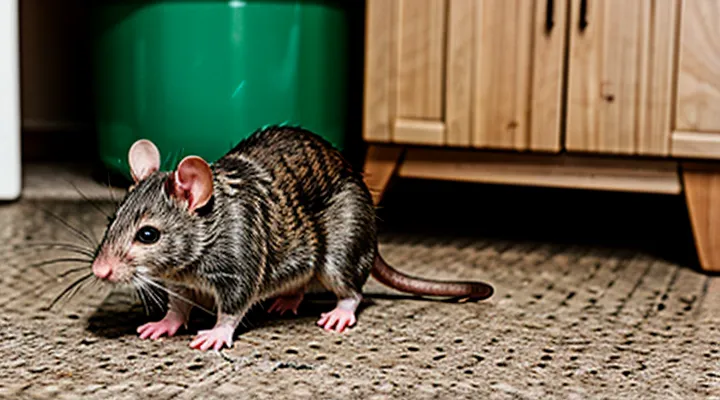
The Basics of a Healthy Rat Diet
Essential Dietary Components
Protein Requirements
Pet rats require a diet that supplies 14‑20 % protein on a dry‑matter basis. This range supports tissue growth, regular fur replacement, and reproductive health. Below this threshold, rats may exhibit weight loss, poor coat condition, and reduced litter sizes; above it, excess protein can stress the kidneys and contribute to obesity.
Typical protein contributors include:
- Commercial rat blocks formulated with soy, wheat, or casein protein.
- Cooked eggs, plain and unsalted.
- Small portions of lean cooked poultry or fish.
- Low‑fat cottage cheese or plain yogurt.
- Sprouted legumes such as lentils or mung beans (in moderation).
When planning meals, calculate the dry‑matter protein content of each ingredient, then combine them to stay within the 14‑20 % window. For example, a 30 g daily ration consisting of 15 g of a 20 % protein block, 5 g of boiled egg (12 % protein), and 10 g of fresh vegetables (≈2 % protein) yields roughly 15 % protein overall.
Monitor body condition weekly; a healthy rat maintains a smooth, glossy coat and steady weight. Adjust protein sources if the animal shows signs of under‑ or over‑nutrition, and avoid prolonged reliance on a single protein type to prevent amino‑acid imbalances.
Fat Requirements
Fat is a vital energy source for rats, contributing to caloric intake, insulation, and the absorption of fat‑soluble vitamins. Adult rats require approximately 5–10 % of their diet’s metabolizable energy from fat; growing or lactating females may need up to 15 % to support tissue development and milk production.
- Commercial rodent pellets typically contain 5–8 % fat, meeting the baseline requirement.
- Supplemental sources include:
- Small amounts of unsaturated oils (e.g., canola, olive) – ½ tsp per 100 g of food.
- Nuts and seeds (e.g., sunflower, pumpkin) – limited to 1 % of total diet weight.
- Animal fats (e.g., boiled egg yolk) – occasional treat, not exceeding 2 % of daily intake.
- Avoid excessive saturated fats such as butter or lard; they increase the risk of obesity and hepatic lipidosis.
Insufficient fat leads to weight loss, dull coat, and impaired vitamin A and D status. Excess fat manifests as rapid weight gain, reduced activity, and fatty liver signs. Regularly monitor body condition and adjust fat sources accordingly.
When adding fat supplements, introduce changes gradually to prevent digestive upset. Ensure the overall diet remains balanced, with adequate protein, fiber, and micronutrients, to maintain optimal health in pet rats.
Carbohydrate Requirements
Carbohydrates supply the primary energy needed for a rat’s rapid metabolism and high activity level. Adult pet rats require approximately 45–55 % of their daily caloric intake from digestible carbohydrates, while growing juveniles may need slightly higher percentages to support tissue development.
Ideal carbohydrate sources are those that are low in sugar spikes and high in fiber, which aids gastrointestinal health. Common options include:
- Cooked whole grains (brown rice, quinoa, oats)
- Whole‑grain pasta or barley
- Fresh vegetables such as carrots, peas, and sweet potatoes
- Limited amounts of fruit (apple, berries) for natural sugars and antioxidants
Excessive simple sugars, especially from processed treats or sugary cereals, can lead to obesity, insulin resistance, and dental problems. Monitor portion sizes to keep total carbohydrate calories within the recommended range; a typical adult rat consumes about 1 – 2 grams of carbohydrate per day, adjusted for body weight and activity.
Water‑soluble fibers like inulin and beet pulp improve carbohydrate digestion and stabilize blood glucose. Including a modest amount (5–10 % of the diet) of such fiber supports microbiome balance without displacing essential proteins and fats. Regular observation of stool consistency and body condition score helps owners fine‑tune carbohydrate levels for optimal health.
Vitamin and Mineral Needs
Rats need a precise array of vitamins and minerals to support metabolism, immune function, and skeletal health. Deficiencies or excesses manifest quickly, making accurate nutrition essential for any caretaker.
-
Vitamin A – promotes vision and epithelial integrity; deficiency leads to respiratory infections and skin lesions.
-
Vitamin D3 – facilitates calcium absorption; inadequate levels cause rickets, while overdosing may induce hypercalcemia.
-
Vitamin E – antioxidant protecting cell membranes; low intake results in muscle degeneration.
-
Vitamin K – required for blood clotting; deficiency is rare but can cause bleeding disorders.
-
B‑complex vitamins (B1, B2, B3, B5, B6, B7, B9, B12) – support energy metabolism, nervous system, and red blood cell formation; shortages produce lethargy and neurological signs.
-
Vitamin C – not essential for rats, who synthesize it internally; supplemental amounts offer no proven benefit.
-
Calcium – builds bone matrix and aids nerve transmission; balance with phosphorus is critical.
-
Phosphorus – works with calcium for skeletal development; excess disrupts calcium utilization.
-
Magnesium – co‑factor for enzymatic reactions; deficiency may cause tremors and cardiac arrhythmias.
-
Potassium – maintains cellular fluid balance; low levels produce weakness and dehydration.
-
Sodium – essential for nerve impulse conduction; excessive intake can raise blood pressure.
-
Iron – component of hemoglobin; deficiency leads to anemia, while overload is toxic.
-
Zinc – involved in DNA synthesis and immune response; deficiency impairs growth, excess causes copper deficiency.
-
Copper – required for iron metabolism and connective tissue formation; both scarcity and surplus are harmful.
-
Selenium – antioxidant trace element; deficiency results in muscular dystrophy, toxicity produces liver damage.
Commercial rodent blocks typically contain a balanced vitamin‑mineral matrix. Complement the base diet with fresh vegetables (e.g., kale for calcium, bell pepper for vitamin C) and occasional fruits, ensuring that total mineral intake does not exceed recommended limits. Avoid self‑prescribing isolated supplements unless a veterinarian confirms a specific need.
Regular health checks should include observation of coat quality, activity level, and dental condition. Laboratory analysis of blood or fur samples can verify micronutrient status when deficiency or toxicity is suspected. Prompt dietary adjustment corrects most imbalances and sustains optimal well‑being.
Understanding Rat Digestive System
Omnivorous Nature
Rats thrive on a diet that reflects their natural classification as omnivores. Their digestive system efficiently processes both plant material and animal protein, allowing a varied menu that meets energy, vitamin, and mineral requirements.
- Grains and seeds: wheat, oats, barley, and sunflower seeds provide carbohydrate and fiber.
- Fresh vegetables: broccoli, carrots, kale, and bell peppers supply vitamins A, C, and K.
- Protein sources: cooked lean meat, boiled eggs, and low‑fat cottage cheese deliver essential amino acids.
- Fruit treats: apple slices, blueberries, and banana chunks offer natural sugars and antioxidants, but should be limited to avoid excess calories.
Balance is achieved by combining these groups in proportions that approximate a 60 % plant to 40 % animal ratio. Overreliance on any single category can lead to deficiencies—excess protein may strain kidneys, while insufficient fiber can cause gastrointestinal blockage.
Water must be fresh and available at all times. Monitor intake; a sudden decrease may signal health issues. Regularly assess body condition and adjust portions to maintain a lean, active physique.
Importance of Fiber
Fiber contributes to normal gastrointestinal function in pet rats. It adds bulk to the stool, promotes regular passage, and helps maintain a balanced microbial population in the colon.
Key benefits of adequate fiber intake include:
- Enhanced motility, reducing the risk of constipation and impaction.
- Stabilized blood glucose levels by slowing carbohydrate absorption.
- Support for satiety, helping to prevent overeating of high‑calorie foods.
- Provision of fermentable substrates for beneficial bacteria, which produce short‑chain fatty acids that nourish colon cells.
Effective fiber sources for rats are:
- Fresh leafy greens such as kale, romaine lettuce, and dandelion leaves.
- Raw vegetables like carrots, broccoli, and bell peppers, offered in moderate portions.
- Whole‑grain products, for example, unflavored oatmeal or whole‑grain bread crumbs, provided sparingly.
- Commercial fiber supplements specifically formulated for small rodents, used according to manufacturer guidelines.
Recommended daily fiber levels range from 5 % to 10 % of the total diet by weight. Monitor stool consistency and body condition regularly; adjustments should be made if stools become overly loose or hard, or if weight fluctuations occur. Consistent provision of appropriate fiber ensures optimal digestive health and overall wellbeing for pet rats.
Recommended Foods for Pet Rats
Commercial Rat Food
Pellets vs. Mixes
Choosing between commercial pellets and a mixed diet is a primary decision for anyone responsible for a rat’s nutrition. Both options can meet nutritional requirements when selected and administered correctly.
Pellets are formulated to deliver a balanced blend of protein, fiber, vitamins, and minerals in each bite. They eliminate the need for precise portion calculations and reduce the risk of nutritional deficiencies. Consistency in nutrient intake supports stable weight and digestive health. Potential drawbacks include limited texture variety, which may reduce chewing stimulation, and the possibility of lower palatability for picky individuals.
- Nutritional balance: predetermined, comprehensive
- Convenience: ready‑to‑serve, minimal preparation
- Cost: often lower per gram of food
- Shelf life: extended, less spoilage risk
- Variety: limited, may require supplementation
Mixed diets combine dry components (such as grains, seeds, and pellets) with fresh items (vegetables, fruits, and occasional protein sources). This approach mimics natural foraging behavior, encouraging chewing and mental engagement. Fresh ingredients increase antioxidant intake and can enhance coat condition. However, mixing demands careful planning to avoid excess calories, nutrient gaps, or the introduction of spoiled produce. Regular monitoring of ingredient freshness is essential to prevent gastrointestinal upset.
A balanced feeding regimen frequently blends both strategies: base nutrition supplied by high‑quality pellets, supplemented with measured portions of fresh vegetables, limited fruit, and occasional protein treats. This hybrid model leverages the reliability of pellets while providing the sensory enrichment of a varied diet. Owners should adjust quantities based on the rat’s age, activity level, and health status, consulting a veterinarian for specific dietary concerns.
Choosing a High-Quality Brand
Selecting a reputable commercial diet is essential for maintaining a rat’s health, growth rate, and lifespan. A high‑quality brand supplies balanced nutrients, minimizes digestive issues, and reduces the risk of obesity‑related disorders.
- Transparent ingredient list that specifies exact protein sources (e.g., soy‑free mouse or fish meal)
- Protein content between 18 % and 22 % of the total formula
- Crude fiber level of 5 %–7 % to support gastrointestinal motility
- Absence of unnecessary fillers such as excessive corn, wheat, or artificial colors
- Third‑party testing or certification confirming nutrient analysis aligns with label claims
- Consistent batch testing documented by the manufacturer
When evaluating a product, read the label from top to bottom, verify that the first three ingredients are animal‑derived proteins, and confirm that the guaranteed analysis matches the species‑specific requirements. Research the manufacturer’s history: longevity in the pet‑food market, recall record, and presence of a dedicated customer‑support channel all indicate reliability.
Choosing a brand that meets these standards provides a solid nutritional foundation, allowing owners to focus on enrichment, social interaction, and preventive veterinary care.
Fresh Fruits and Vegetables
Safe Options and Portion Sizes
Feeding pet rats requires foods that are free from toxins, low in sugar, and nutritionally balanced. Commercial rodent pellets formulated for rats provide a reliable foundation; they contain essential proteins, fats, and fiber in appropriate ratios.
- Fresh vegetables: leafy greens (e.g., romaine lettuce, kale), carrots, bell peppers, zucchini.
- Fresh fruits: apple slices (no seeds), berries, melon, pear.
- Protein sources: cooked chicken breast, boiled egg, low‑fat cheese, plain tofu.
- Whole grains: cooked oatmeal, brown rice, whole‑grain pasta.
- Treats: unsalted nuts (almond, walnut) in limited amounts, small pieces of plain popcorn.
All fresh items must be washed thoroughly and served in moderation to prevent bacterial growth. Avoid citrus peels, raw potatoes, chocolate, caffeine, and processed snacks that contain artificial additives or high salt levels.
Portion sizes depend on the rat’s age, weight, and activity level. A typical adult rat (200–250 g) should receive:
- One to two tablespoons of high‑quality pellets daily.
- Approximately one cup of mixed vegetables and fruit combined, divided between morning and evening feedings.
- One to two teaspoons of protein sources, not exceeding 10 % of total caloric intake.
- No more than five small nut pieces or comparable treats per week.
Water must be available at all times, refreshed daily. Monitor body condition weekly; a healthy rat displays a smooth coat, bright eyes, and a steady weight. Adjust portions promptly if weight gain or loss becomes apparent.
Foods to Avoid
Pet rats require a diet that excludes items known to cause digestive upset, toxicity, or nutritional imbalance. Avoiding these foods protects gastrointestinal health, prevents obesity, and reduces the risk of acute poisoning.
- Citrus fruits (oranges, lemons, grapefruits) – high acidity irritates the stomach and can lead to diarrhea.
- Chocolate and caffeine‑containing products – contain theobromine and caffeine, both toxic to rodents and capable of causing seizures or cardiac failure.
- Raw or undercooked beans – contain lectins that damage the intestinal lining and may trigger severe vomiting.
- Sticky or sugary snacks (caramel, jelly beans, marshmallows) – promote dental decay, foster fungal growth in the mouth, and contribute to rapid weight gain.
- Processed meats (bacon, sausage, deli slices) – high salt and fat content strain the liver and kidneys, increasing the likelihood of hypertension.
- Dairy products (milk, cheese, yogurt) – rats lack sufficient lactase, leading to lactose intolerance and persistent diarrhea.
- Avocado (especially skin and pit) – contains persin, a compound that can cause respiratory distress and heart damage.
- Onions, garlic, and related Allium species – produce compounds that damage red blood cells, resulting in hemolytic anemia.
- Fruit seeds and pits (apple, peach, cherry) – contain cyanogenic glycosides that release toxic cyanide when metabolized.
- Alcoholic beverages – depress the central nervous system and can be fatal even in small quantities.
Providing a balanced diet of high‑quality pellets, fresh vegetables, and occasional protein sources while strictly eliminating the items above ensures optimal health and longevity for companion rats.
Healthy Snacks and Treats
Occasional Indulgences
Pet rat nutrition benefits from a core diet of high‑quality pellets, fresh vegetables, and limited protein. Occasionally, owners may offer treats to enrich enrichment and strengthen bonding.
Treats should be low in sugar, fat, and salt, and given sparingly to avoid nutritional imbalances. A typical allowance ranges from 1–2 % of daily caloric intake, roughly one or two small pieces per day, not exceeding three times per week.
Common safe indulgences include:
- Small apple or pear slices (seed‑free)
- Fresh berries such as blueberries or raspberries
- Unsweetened whole‑grain cereal flakes
- Tiny pieces of cooked chicken or boiled egg white
Items to avoid entirely: chocolate, caffeine, citrus peels, processed snacks, and any food containing artificial sweeteners.
When introducing a new treat, observe the rat for 24 hours; discontinue if signs of digestive upset appear, such as loose stool or reduced appetite.
Tracking treat frequency in a simple log helps maintain consistency and prevents accidental overfeeding.
By limiting indulgences to appropriate types, quantities, and intervals, owners preserve the health benefits of the primary diet while providing mental stimulation and positive interaction.
Homemade Options
Homemade meals can meet the nutritional requirements of pet rats when formulated with balanced protein, fiber, fat, vitamins, and minerals. Commercial pellets provide a baseline, but fresh preparations add variety and encourage natural foraging behavior.
A typical homemade mix includes:
- Cooked lean chicken or boiled egg (protein source, 10‑15 % of diet by weight)
- Steamed vegetables such as broccoli, carrots, or kale (fiber and vitamins, 20‑30 %)
- Whole grains like oatmeal or cooked quinoa (complex carbohydrates, 15‑20 %)
- Small amounts of fruit (e.g., apple or banana, 5 %) for natural sugars
- Calcium supplement (e.g., ground eggshell or a pinch of mineral powder) to prevent metabolic bone disease
Preparation guidelines:
- Cook protein thoroughly; avoid seasoning, oil, or additives.
- Steam or boil vegetables until soft; remove any tough stems.
- Cool all components to room temperature before combining.
- Portion meals into 1‑2 teaspoon servings per rat, twice daily.
- Store leftovers in a sealed container in the refrigerator for no more than 48 hours.
Safety considerations:
- Exclude toxic foods: raw beans, onions, garlic, chocolate, and citrus peels.
- Limit fruit to prevent excess sugar and diarrhea.
- Ensure fresh water is always available.
- Monitor weight and stool consistency; adjust portions if rats gain or lose weight rapidly.
By adhering to these proportions and preparation steps, owners can provide nutritionally complete homemade options that complement commercial feeds and promote overall health in pet rats.
Foods to Avoid and Harmful Substances
Toxic Foods for Rats
Common Household Dangers
Pet rats require safe environments to benefit from proper nutrition. Household hazards can compromise intake, cause illness, or lead to accidental death.
- Open electrical cords: chewing damages teeth and can cause shock, disrupting feeding routines.
- Small objects (paper clips, rubber bands): ingestion leads to gastrointestinal blockage, preventing nutrient absorption.
- Toxic plants (e.g., philodendron, pothos): foliage contains chemicals that cause vomiting and liver damage, undermining dietary health.
- Household cleaners and aerosols: residue on surfaces or in the air introduces toxins that impair digestion and weaken immune response.
- Unsecured food containers: exposure to spoiled or contaminated food introduces pathogens that counteract balanced feeding plans.
Secure cords with protective tubing, store tiny items out of reach, remove poisonous flora, keep cleaning agents locked away, and use sealed containers for rat food. Regularly inspect cages and surrounding areas for potential hazards to maintain the effectiveness of rat nutrition guidance.
Understanding the Risks
Proper nutrition for pet rats demands awareness of specific hazards. Inadequate or inappropriate feed can quickly lead to health problems that compromise longevity and quality of life.
Common dietary risks include:
- Nutrient deficiencies – reliance on low‑protein, high‑carbohydrate foods deprives rats of essential amino acids, vitamins, and minerals.
- Obesity – excessive treats or calorie‑dense pellets encourage rapid weight gain, increasing strain on the cardiovascular and musculoskeletal systems.
- Dental disease – lack of fibrous, gnaw‑stimulating items results in overgrown incisors, causing pain and feeding difficulty.
- Toxic exposure – ingestion of chocolate, caffeine, onions, or processed human snacks introduces compounds that can be lethal or cause organ failure.
- Gastrointestinal upset – sudden diet changes, high‑fat foods, or contaminated feed trigger diarrhea, bloating, and loss of appetite.
Mitigating these risks requires a balanced mix of high‑quality commercial pellets, fresh vegetables, limited fruit, and safe chew toys. Regular monitoring of body condition and fecal consistency helps detect problems early, allowing prompt dietary adjustment before serious disease develops.
Processed Foods and Sugary Treats
Negative Health Impacts
Feeding rats a diet high in processed foods, sugary treats, or excessive fats leads to rapid weight gain. Obesity increases strain on the cardiovascular system, shortens lifespan, and predisposes rodents to joint degeneration.
High‑sugar diets cause dysbiosis of the gut microbiota. Imbalanced bacterial populations result in chronic diarrhea, bloating, and reduced nutrient absorption, which can progress to malnutrition despite caloric surplus.
Excessive carbohydrate intake elevates blood glucose levels. Persistent hyperglycemia triggers insulin resistance and, over time, type 2 diabetes, manifesting as polyuria, lethargy, and cataract formation.
Inadequate fiber reduces gastrointestinal motility. Constipation develops, increasing the risk of anal gland impaction and abdominal discomfort.
Deficient calcium‑phosphorus ratios weaken dental enamel. Dental disease appears as overgrown incisors, malocclusion, and pain that hampers feeding, leading to secondary weight loss.
Feeding low‑quality protein sources introduces contaminants such as heavy metals or mycotoxins. Hepatotoxic effects include fatty liver infiltration, elevated enzyme levels, and eventual liver failure.
Repeated exposure to artificial colors and preservatives provokes hypersensitivity reactions. Symptoms include skin lesions, respiratory irritation, and heightened stress responses.
Long‑term consumption of nutritionally imbalanced meals suppresses immune function. Rats become more susceptible to bacterial, viral, and parasitic infections, resulting in higher morbidity rates.
Summary of critical health impacts
- Obesity and cardiovascular strain
- Gut microbiota disruption and chronic diarrhea
- Insulin resistance leading to diabetes
- Constipation and anal gland issues
- Dental enamel degradation and malocclusion
- Liver toxicity from contaminants
- Allergic reactions to additives
- Immunosuppression and increased infection risk
Correcting these dietary errors requires a balanced regimen of high‑quality pellets, fresh vegetables, limited fruits, and appropriate protein sources, ensuring optimal health and longevity for pet rats.
Long-Term Consequences
A pet rat’s dietary pattern determines health outcomes that manifest over months and years. Nutrient imbalances, excessive calories, and inappropriate food textures create physiological stress that cannot be reversed once organ damage occurs.
- Chronic over‑feeding leads to obesity, reduced mobility, and premature death.
- Persistent low calcium intake weakens incisors, causing malocclusion and painful chewing difficulties.
- Continuous high‑sugar consumption predisposes to insulin resistance, type‑2 diabetes, and hepatic lipidosis.
- Deficient fiber reduces gut motility, resulting in constipation, enteric dysbiosis, and increased susceptibility to infections.
- Inadequate protein or essential fatty acids impairs muscle development, hampers reproductive performance, and diminishes immune response.
- Repeated exposure to toxic substances (e.g., certain seeds, artificial sweeteners) accumulates in tissues, accelerating organ degeneration.
Long‑term dietary management requires a balanced regimen composed of commercial rodent pellets, fresh vegetables, limited fruits, and occasional protein sources. Regular weight monitoring and quarterly veterinary examinations detect early signs of metabolic or dental disorders. Adjustments—such as reducing calorie density, supplementing calcium, or increasing fiber—prevent irreversible damage and extend lifespan.
Unsuitable Dairy Products
Rats produce minimal lactase, the enzyme required to break down lactose; consequently most dairy items can lead to digestive upset, diarrhea, and nutrient imbalances.
- Whole milk – high lactose content, rapid onset of gastrointestinal distress.
- Yogurt (regular, flavored) – contains lactose; probiotic strains do not compensate for rat’s enzymatic deficiency.
- Soft cheeses (cream cheese, ricotta, cottage cheese) – moisture and lactose promote bacterial growth in the gut.
- Ice cream – combines lactose with added sugars and fats, increasing risk of obesity and gut irritation.
- Butter and margarine – negligible lactose but excessive saturated fat, which rats cannot metabolize efficiently.
Avoid offering any of the items above. For calcium and protein, provide species‑appropriate alternatives such as fortified rodent blocks, calcium‑rich leafy greens, or low‑lactose pet supplements formulated for small mammals.
Dietary Considerations for Different Life Stages
Diet for Young Rats (Pups)
Growth and Development Needs
A balanced diet supplies the nutrients required for skeletal growth, muscle development, and organ maturation. Deficiencies slow weight gain, compromise immunity, and can cause skeletal abnormalities.
-
Protein: 18‑20 % of total calories; essential for tissue synthesis. Sources include high‑quality rodent pellets, cooked eggs, and lean meat.
-
Fat: 5‑7 % of calories; provides energy and supports brain development. Include modest amounts of vegetable oil or animal fat.
-
Carbohydrates: 50‑60 % of calories; deliver quick energy. Whole grains, oats, and soft fruits serve this function.
-
Vitamins: A, D, E, K, B‑complex, and C support vision, bone mineralization, antioxidant protection, and metabolic pathways. Commercial pellets are formulated to meet these needs; occasional fresh vegetables add redundancy.
-
Minerals: Calcium, phosphorus, magnesium, potassium, and trace elements such as zinc and selenium maintain bone density, nerve transmission, and enzymatic activity. Ensure a calcium‑to‑phosphorus ratio near 2:1.
Adequate hydration and insoluble fiber prevent gastrointestinal stasis and aid dental wear. Provide fresh water daily and include safe fiber sources like timothy hay or shredded paper.
Nutrient requirements shift with age:
- Weanlings (3‑5 weeks): High‑protein pellets (22‑24 %); frequent small meals; monitor for rapid weight gain.
- Juveniles (6‑12 weeks): Slightly reduced protein (20 %); introduce fresh vegetables in limited quantities.
- Adults (3‑12 months): Maintain protein at 18 %; balance calories to prevent obesity.
- Seniors (12 months+): Lower calorie density; increase fiber; consider supplemental joint support vitamins.
Practical guidance: offer pellets as the staple, supplement with measured portions of fresh produce, and limit high‑sugar treats. Observe body condition weekly; adjust portions to keep weight within the species‑specific range. Regular veterinary check‑ups confirm that dietary intake aligns with growth milestones.
Introducing Solid Foods
Introducing solid foods to pet rats requires a clear plan that respects their physiological development and prevents digestive upset. Begin with a diet that mirrors natural foraging: high‑quality commercial rat pellets, fresh vegetables, and occasional protein sources.
- Select fresh, pesticide‑free vegetables such as carrots, broccoli, and leafy greens. Offer 1–2 teaspoons per rat daily, divided into two meals.
- Introduce protein sparingly; cooked egg white, plain cooked chicken, or mealworms provide 5–10 % of total caloric intake.
- Maintain a baseline of commercial pellets (≈ 80 % of daily calories) to guarantee essential nutrients and fiber.
- Gradually replace a portion of pellets with solid foods over a 7‑ to 10‑day period. Reduce pellets by 10 % each day while increasing fresh food volume correspondingly.
- Observe stool consistency and activity level after each change. Adjust portions if feces become loose or the rat shows reduced energy.
Water must remain available at all times; a ceramic bowl prevents contamination. Monitor weight weekly; a stable or modest increase indicates successful adaptation. If signs of gastrointestinal distress appear—diarrhea, lethargy, or loss of appetite—revert to the previous diet composition and consult a veterinarian experienced with rodents.
Adult Rat Diet
Maintaining a Healthy Weight
A balanced diet is essential for preventing obesity in pet rats. Provide a measured portion of high‑quality commercial rat pellets, typically 1–2 g per 100 g of body weight per day. Supplement with fresh vegetables such as carrots, broccoli, and leafy greens, limiting fruit to occasional treats because of natural sugars.
Monitor body condition by feeling the ribs and assessing the waistline. A thin, but not emaciated, silhouette indicates appropriate weight. Adjust portions weekly based on observed changes; reduce calories by 10 % if weight gain exceeds 5 % over a month.
Key practices for weight management include:
- Offering food at fixed times to regulate intake.
- Removing uneaten fresh foods after 2 hours to prevent overconsumption.
- Providing chewable enrichment items (e.g., untreated wood) to promote activity without adding calories.
- Recording daily food amounts and weekly weight measurements.
Regular veterinary check‑ups confirm that dietary adjustments maintain optimal health and detect any metabolic issues early. Consistency in feeding routine and vigilant monitoring are the most reliable methods for sustaining a healthy weight in pet rats.
Preventing Obesity
Proper weight management is essential for the health and longevity of pet rats. Overconsumption of calories, even from nutritious foods, leads to excess fat accumulation, reduced mobility, and increased risk of metabolic disorders.
Control caloric intake by measuring portions. A typical adult rat requires 10–15 g of dry feed per day, adjusted for activity level and body condition. Use a kitchen scale to ensure accuracy; avoid guessing or free‑feeding.
Select feed formulations with balanced macronutrients. Commercial pellets designed for rats provide a consistent protein‑to‑carbohydrate ratio and include essential vitamins and minerals. Supplement with fresh vegetables in limited amounts—leafy greens, carrots, and bell peppers are suitable. Fruit should be offered sparingly because of high sugar content.
Limit high‑fat treats. Seeds, nuts, and commercial snacks are calorie‑dense; provide no more than 1 g per week. Replace them with low‑calorie enrichment items such as shredded paper, cardboard tunnels, and chew blocks that satisfy gnawing instincts without adding energy.
Implement a regular feeding schedule. Offer food at the same times each day, typically twice daily, and remove uneaten portions after a few hours. Consistent timing helps regulate metabolism and prevents constant grazing.
Encourage physical activity. Provide a spacious cage with multiple levels, climbing structures, and wheels designed for rats. Daily out‑of‑cage play sessions of 15–30 minutes increase muscle tone and burn calories.
Monitor body condition monthly. Palpate the backbone and hindquarters; a thin layer of flesh indicates a healthy weight, while prominent ribs suggest under‑condition, and a smooth, rounded silhouette signals excess. Record observations and adjust diet accordingly.
Schedule veterinary examinations at least twice yearly. A professional assessment can detect early signs of obesity‑related issues, such as fatty liver or insulin resistance, and recommend precise dietary modifications.
By applying precise portion control, selecting appropriate feed, limiting energy‑dense treats, maintaining a structured feeding routine, promoting exercise, and conducting regular health checks, owners can effectively prevent obesity and support optimal well‑being in their rats.
Senior Rat Diet
Addressing Age-Related Issues
Older rats experience reduced metabolic rate, dental wear, and slower digestion. These changes demand adjustments in nutrient density, texture, and feeding schedule to maintain body condition and prevent obesity or malnutrition.
- Increase high‑quality protein to 15‑20 % of daily calories, using lean meat, boiled egg, or commercial rat pellets labeled for senior animals.
- Boost fiber by offering soft vegetables (steamed carrots, zucchini) and small amounts of oat bran to aid intestinal motility.
- Reduce fat content to 5‑7 % of calories; replace fatty treats with low‑calorie chew toys.
- Provide calcium‑rich foods (hard‑boiled egg shell powder, low‑fat cheese) in limited quantities to support bone health without risking urinary stones.
- Offer moistened pellets or soaked kibble to compensate for dental wear, ensuring easy mastication.
- Divide daily ration into two smaller meals to prevent overeating and to align with slower digestive processes.
Regular health checks are essential. Observe weight trends, coat condition, and activity levels; any sudden loss of appetite, lethargy, or abnormal stool warrants veterinary evaluation. Supplementation with a senior‑formulated multivitamin may address micronutrient gaps, but only under professional guidance. Adjust the diet promptly when signs of age‑related decline emerge to sustain longevity and quality of life.
Soft Foods and Supplements
Soft foods are essential when a rat experiences dental wear, illness, or recovery from surgery. Provide easily chewable options that deliver calories, moisture, and nutrients without requiring extensive gnawing.
Suitable soft foods include:
- Cooked plain rice or quinoa, cooled to room temperature.
- Mashed sweet potato, without added salt or sugar.
- Soft scrambled eggs, fully cooked and unseasoned.
- Plain yogurt (unsweetened, low‑fat) for probiotic benefits.
- Commercially prepared rat “soft diet” pellets, formulated for high digestibility.
When introducing a new item, observe the rat’s acceptance and monitor stool consistency. Rotate selections to prevent nutritional gaps.
Supplements address deficiencies that may arise from a limited diet or health conditions. Use only products labeled safe for rodents, and follow manufacturer dosage guidelines.
Common supplements for rats:
- Vitamin C powder – supports immune function; mix a pinch into soft food once daily.
- Calcium carbonate – aids bone health; add a calibrated pinch to meals twice weekly.
- Probiotic powder – promotes gut flora balance; incorporate a small amount into yogurt or yogurt‑based mixes.
- Omega‑3 fish oil – reduces inflammation; drizzle a few drops onto mashed vegetables weekly.
Avoid over‑supplementation; excess calcium can cause kidney strain, and high vitamin C may lead to gastrointestinal upset. Regular veterinary check‑ups validate the necessity and correct dosage of each supplement.
Common Dietary Problems and Solutions
Malnutrition and Deficiency
Recognizing Symptoms
Monitoring a pet rat’s condition provides the first indication that its diet may be inadequate. Changes in behavior, appearance, or bodily functions often signal nutritional problems and should prompt immediate evaluation.
Typical signs linked to dietary imbalance include:
- Weight loss or excessive gain despite unchanged feeding routine
- Dull, flaky fur or loss of coat sheen
- Loose, watery stools or persistent constipation
- Lethargy, reduced activity, or reluctance to explore
- Dental overgrowth, uneven tooth wear, or difficulty chewing
- Respiratory distress such as sneezing, nasal discharge, or labored breathing
- Unexplained aggression or heightened anxiety
When any of these symptoms appear, verify that the rat receives a balanced mix of high‑quality pellets, fresh vegetables, limited fruits, and occasional protein sources. Ensure constant access to clean water and eliminate moldy or stale food. Observe the animal for at least 24 hours after dietary adjustments; improvement within this period often confirms the issue was nutrition‑related.
If symptoms persist or worsen, consult a veterinarian experienced with rodents. Provide a detailed record of the rat’s diet, daily intake, and observed changes to facilitate accurate diagnosis and treatment. Prompt professional intervention prevents progression to more severe health complications.
Corrective Measures
When a pet rat shows signs of dietary imbalance—weight loss, excessive weight gain, dull coat, or digestive disturbances—prompt corrective action is essential for health recovery.
First, identify the specific issue. Conduct a brief health assessment: weigh the animal, examine fur condition, observe stool consistency, and note any behavioral changes. If a deficiency is suspected, compare the current diet to a balanced formulation that includes 18‑20 % protein, 4‑6 % fat, and adequate fiber from fresh vegetables and whole‑grain sources.
Corrective measures:
-
Adjust macronutrient ratios
- Increase protein with high‑quality sources such as cooked chicken breast, boiled eggs, or commercial rodent pellets labeled for breeding or growth.
- Reduce excess fat by limiting seeds, nuts, and oily treats to no more than 5 % of daily intake.
-
Introduce missing micronutrients
- Add a vitamin‑mineral supplement formulated for small rodents, following the manufacturer’s dosage.
- Provide fresh leafy greens (e.g., kale, romaine lettuce) and carrot tops for vitamin A and potassium.
-
Manage caloric intake
- For obesity, calculate a target caloric reduction of 10‑15 % and distribute meals into multiple small portions throughout the day.
- For underweight rats, increase total calories by 10‑20 % using safe, energy‑dense foods such as small amounts of plain yogurt or cottage cheese.
-
Hydration and gastrointestinal health
-
Monitor progress
- Record weight and coat condition weekly for at least four weeks.
- Adjust dietary components gradually; abrupt changes can cause stress or further digestive upset.
If symptoms persist after two weeks of targeted adjustments, consult a veterinarian experienced in exotic pets. Early intervention, precise nutrient balancing, and systematic monitoring constitute the most reliable strategy for restoring optimal health in pet rats.
Obesity and Weight Management
Causes and Prevention
A proper feeding regimen for pet rats prevents nutritional deficiencies, obesity, and gastrointestinal problems. Inadequate protein, excessive fatty treats, and inconsistent meal schedules are primary causes of health issues.
- Low‑quality protein sources reduce growth rate and impair tissue repair.
- High‑fat snacks increase body fat, leading to reduced mobility and shortened lifespan.
- Irregular feeding times disrupt digestive rhythms, causing diarrhea or constipation.
Prevention relies on consistent, balanced nutrition. Offer a commercial rodent pellet formulated for rats as the staple diet; supplement with fresh vegetables, fruit, and a limited amount of lean protein. Measure portions to match the animal’s weight and activity level, typically 1–2 grams of pellets per 100 g of body weight daily. Replace uneaten fresh foods within 24 hours to avoid spoilage.
Maintain a stable feeding schedule, providing meals at the same times each day. Store dry feed in airtight containers to preserve nutrient integrity. Monitor body condition regularly; adjust portions if the rat shows signs of weight gain or loss. Hydration should be ensured with clean water available at all times.
By addressing the root dietary causes and applying these preventive measures, owners can sustain optimal health and longevity in their rat companions.
Dietary Adjustments
Rats require a diet that matches their metabolic rate and digestive capacity. When an individual’s health changes, owners must modify the feeding regimen to maintain optimal condition.
Adjustments focus on nutrient balance, portion control, and ingredient quality. Common scenarios include weight gain, obesity, dental wear, and digestive disturbances. Each situation demands a specific response.
- Increase fiber sources (e.g., timothy hay, leafy greens) for overweight rats to promote satiety and gastrointestinal motility.
- Reduce high‑fat treats and replace them with low‑calorie vegetables when obesity is observed.
- Offer softened pellets or soaked kibble for rats with dental wear to facilitate chewing.
- Introduce probiotic‑rich foods such as plain yogurt or fermented vegetables for individuals experiencing diarrhea or irregular stools.
- Adjust daily caloric intake by 10‑15 % based on body condition scoring; re‑evaluate weekly.
Monitoring weight, coat quality, and stool consistency provides feedback on the effectiveness of each change. Prompt correction of imbalances prevents chronic health issues and supports a longer, healthier lifespan for pet rats.
Digestive Issues
Diarrhea and Constipation
Gastrointestinal irregularities often reveal nutritional problems in pet rats. Diarrhea signals that the digestive tract is exposed to excess moisture, sugars, or irritants, while constipation indicates insufficient fiber or fluid intake.
Frequent causes of watery stools include:
- High‑sugar fruits or treats;
- Sudden changes in feed composition;
- Low‑fiber pellets;
- Contaminated water sources;
- Overuse of fresh vegetables with high water content.
Immediate actions for diarrhea:
- Offer clean, fresh water in small, frequent amounts to prevent dehydration.
- Provide a bland diet for 24–48 hours, such as plain cooked chicken or boiled egg mixed with a small portion of plain pelleted feed.
- Introduce a probiotic formulated for rodents, following the manufacturer’s dosage.
- Contact a veterinarian if stools remain liquid beyond two days, contain blood, or the rat shows lethargy or weight loss.
Constipation usually results from:
- Diets dominated by dry pellets lacking adequate roughage;
- Inadequate hydration;
- Limited access to fresh leafy greens;
- Insufficient exercise.
Preventive and corrective measures for hard stools:
- Add high‑fiber vegetables (e.g., kale, broccoli, carrot tops) to daily meals.
- Ensure constant access to fresh water; consider a water bottle with a stainless‑steel nozzle to reduce spillage.
- Offer small amounts of moisture‑rich foods such as diced cucumber or apple (without seeds).
- Incorporate a safe, low‑dose laxative like a few drops of mineral oil, only after veterinary approval.
- Encourage activity with climbing structures and regular handling sessions.
Consistently balancing fiber, moisture, and carbohydrate levels reduces the risk of both diarrhea and constipation, supporting optimal gut health in domesticated rats.
When to Seek Veterinary Advice
Proper nutrition is a cornerstone of rat health, yet dietary problems sometimes require professional assessment. Recognizing the point at which home care is insufficient prevents complications and supports recovery.
- Rapid weight loss exceeding 5 percent of body mass within a week
- Sudden loss of appetite or, conversely, excessive overeating that deviates from normal intake
- Persistent diarrhea, loose stools, or blood in feces
- Repeated vomiting or regurgitation after meals
- Noticeable changes in coat condition, such as dullness or hair loss, linked to diet
- Lethargy, weakness, or difficulty moving that appears after a dietary change
Additional circumstances that merit veterinary consultation include chronic gastrointestinal upset lasting longer than 48 hours, repeated episodes of the above signs, known metabolic disorders (e.g., diabetes, renal disease) that interact with nutrient balance, and breeding females with altered nutritional demands.
When contacting a veterinarian, provide a detailed record of the rat’s current feed, treats, supplements, and any recent changes. If possible, bring a sample of the affected stool or vomit. The clinician will evaluate nutritional status, rule out underlying pathology, and recommend an adjusted feeding plan or therapeutic intervention.
Prompt professional input reduces the risk of malnutrition, supports optimal growth, and safeguards long‑term wellbeing.
Water: An Essential Part of the Diet
Importance of Fresh Water
Hydration and Overall Health
Rats need uninterrupted access to fresh water; dehydration reduces kidney efficiency, weakens immune response, and can cause rapid weight loss.
Provide water in a spill‑proof bottle or shallow dish that can be cleaned daily. Replace the supply at least once every 24 hours, and inspect for cloudiness or debris. Monitor intake by measuring the volume before and after a 24‑hour period; a healthy adult typically consumes 10–15 ml per 100 g body weight.
Adequate hydration supports multiple physiological systems:
- Renal function: dilutes urinary waste, preventing crystal formation and urinary tract blockage.
- Digestive health: assists enzymatic activity and nutrient absorption, reducing the risk of constipation.
- Thermoregulation: facilitates evaporative cooling, especially in warm environments.
- Skin and fur condition: maintains elasticity and prevents dryness or hair loss.
Implement these practices to promote overall well‑being:
- Position the water source away from food to avoid contamination, but within easy reach of the cage’s active zones.
- Use stainless‑steel or BPA‑free plastic containers; avoid glass that may break.
- Add a few drops of unflavored electrolyte solution only under veterinary guidance for sick or stressed rats.
- Observe behavior: excessive licking of the enclosure, sunken eyes, or reduced activity indicate insufficient fluid intake.
Consistent water availability, regular cleaning, and vigilant observation directly enhance health outcomes for pet rats.
Water Bottle vs. Bowl
Providing rats with fresh water is essential for health, growth, and digestion. Two common delivery methods are hanging water bottles and open bowls; each presents distinct practical considerations.
-
Bottles keep water protected from bedding, droppings, and chewing. The sealed cap reduces spillage, maintaining a cleaner cage environment. Rats must learn to lick the sipper tube, which can be a minor training step but encourages regular drinking habits. Regular inspection of the tube ensures no blockage.
-
Bowls allow unrestricted access; rats can drink from any angle without manipulating a valve. Larger surface area may encourage higher intake, especially for young or active individuals. However, open containers collect waste, promote bacterial growth, and are prone to tipping. Frequent cleaning is required to prevent contamination.
Choosing the optimal system depends on cage setup, rat age, and owner maintenance routine. A hybrid approach—using a bottle for daily hydration and a bowl for occasional monitoring—balances hygiene with convenience. Monitoring water consumption daily confirms that the selected method meets the animal’s needs.
Ensuring Constant Access
Daily Cleaning and Refilling
Regular cleaning of a rat’s feeding area prevents bacterial growth and preserves nutritional quality. Remove all food remnants, droppings, and debris from bowls, water dispensers, and cage surfaces each day. Rinse containers with hot water, then sanitize with a mild, chlorine‑free disinfectant; rinse thoroughly before refilling.
Refill fresh food and water at the same time to maintain consistent availability. Use a dedicated, stainless‑steel or BPA‑free water bottle; check the flow rate before each refill to ensure proper delivery. Replace dry food portions every 24 hours, discarding any leftovers that have become damp or contaminated.
Daily routine
- Empty and scrub food bowls and water bottles.
- Wash cage accessories (hideouts, chew toys) with hot, soapy water.
- Rinse all items with clean water; apply a safe sanitizer if needed.
- Dry components completely before reassembly.
- Refill with fresh water and a measured portion of high‑quality dry feed.
- Inspect bedding for moisture or odor; replace if compromised.
Consistent execution of these steps safeguards health, supports optimal digestion, and reduces the risk of illness in pet rats.
Practical Feeding Tips for Owners
Establishing a Feeding Schedule
Consistency and Routine
Consistent feeding times stabilize a rat’s metabolism, promote regular digestion, and reduce stress‑induced behaviors. A predictable schedule aligns with the animal’s natural circadian rhythm, helping maintain healthy body weight and energy levels.
A steady diet prevents sudden nutritional shifts that can cause gastrointestinal upset or nutrient imbalances. Uniform portions control caloric intake, making obesity less likely and supporting optimal growth in young rats and healthy maintenance in adults.
Owners should implement the following practices:
- Choose a specific time each day for meals; morning and evening are common.
- Use the same commercial rat feed brand and formulation for at least several weeks before any change.
- Measure portions accurately; typical adult rats require 1‑2 tablespoons of dry mix per day, supplemented with fresh vegetables.
- Introduce new foods gradually, adding a small amount to the regular mix for 5‑7 days before increasing the quantity.
- Record feeding times and quantities in a simple log to track patterns and detect deviations.
Adhering to a routine simplifies care, reinforces trust between rat and owner, and contributes to long‑term health and well‑being.
Amount and Frequency
Pet rats require consistent portions to maintain optimal health. A typical adult rat consumes roughly 15–20 % of its body weight in food each day; for a 200‑gram animal this translates to 30–40 grams of a balanced mix. Juvenile rats grow rapidly and may need up to 25 % of their weight, while senior rats often require slightly less, adjusting for activity level and metabolic changes.
Feeding should occur twice daily. Splitting the daily allowance into morning and evening meals prevents overeating, supports steady energy release, and mirrors natural foraging behavior. Offer the full ration at each feeding; remove any leftovers after two hours to avoid spoilage and discourage hoarding.
Treats and supplemental items must remain a small fraction of the diet. Limit extras—such as seeds, dried fruit, or commercial snacks—to no more than 5 % of total intake. Introduce new foods gradually, monitoring weight and stool consistency for signs of intolerance.
Regular weighing provides objective feedback. If a rat gains or loses more than 5 % of its body weight over two weeks, adjust portion sizes accordingly. Maintain a log of daily amounts and feeding times to identify patterns and ensure consistency.
Food Storage and Hygiene
Preventing Contamination
Maintain strict separation between fresh feed and waste. Store pellets, seeds, and fresh vegetables in sealed, food‑grade containers; replace lids daily to prevent moisture ingress. Discard any feed that shows discoloration, odor, or mold within 24 hours.
Sanitize feeding dishes and water bottles after each use. Rinse with hot water, scrub with a non‑abrasive brush, and soak in a 1 % diluted chlorine solution for five minutes before rinsing again. Replace water bottles weekly and inspect for cracks that could harbor bacteria.
Implement a routine cleaning schedule for the cage and accessories. Remove droppings and uneaten food before they dry, then wipe all surfaces with a mild detergent followed by a dilute hydrogen peroxide rinse. Allow the cage to dry completely before adding fresh bedding.
- Keep the storage area clean, free of rodents, insects, and pet food.
- Use separate utensils for raw produce and processed pellets.
- Rotate stock on a first‑in‑first‑out basis to avoid prolonged storage.
- Monitor ambient temperature; store feed below 20 °C to inhibit microbial growth.
Maintaining Freshness
Fresh food preserves nutrient integrity and prevents digestive upset in pet rats. Stale or contaminated provisions can introduce toxins and reduce palatability, leading to reduced intake and health complications.
Several variables influence freshness. Ambient temperature accelerates microbial growth; humidity promotes mold; exposure to light degrades vitamins; prolonged storage allows oxidation of fats. Proper handling mitigates these risks.
Effective practices include:
- Store dry mixes, grains, and pellets in airtight containers made of glass or high‑density plastic.
- Keep containers in a cool, dark cabinet away from direct sunlight.
- Label each batch with the purchase or opening date; use a “first‑in, first‑out” rotation system.
- Refrigerate fresh vegetables, fruits, and protein sources; discard leftovers after 24 hours.
- Replace dry food every 2–3 weeks, even if still sealed, to avoid gradual quality loss.
Identify spoilage by observing:
- Unpleasant or sour odor.
- Discoloration or slimy texture.
- Visible mold or fungal growth.
- Excessive dryness or hardening that deviates from normal appearance.
Maintain a cleaning schedule. Wash feeding dishes daily, replace water bottles weekly, and sanitize storage containers monthly with a mild bleach solution followed by thorough rinsing. Regularly inspect pantry items and remove any that show signs of degradation.
Implementing these steps ensures that the diet remains nutritionally optimal, supports digestive health, and encourages consistent eating behavior in rats.
Enrichment Through Food
Food Puzzles and Foraging
Food puzzles stimulate natural foraging instincts, encouraging rats to work for each bite. By embedding small portions of kibble, vegetables, or treats inside maze‑like devices, owners create a feeding environment that mirrors the effort required to locate food in the wild. This mental engagement reduces boredom and supports weight management, as rats consume slower and often select smaller quantities per session.
Effective foraging strategies combine puzzle use with habitat enrichment. Recommended practices include:
- Distribute a handful of dry pellets across cage bedding, allowing rats to dig and uncover them.
- Hide fresh produce in shredded paper or cardboard tubes, prompting tactile exploration.
- Rotate puzzle types weekly to prevent habituation; simple tube dispensers, treat‑filled wooden blocks, and sliding compartments each target different problem‑solving skills.
- Limit each foraging session to 10–15 minutes to avoid overconsumption and maintain focus on the activity.
Safety considerations are essential. Verify that all puzzle components are non‑toxic, free of sharp edges, and sized to prevent choking. Regularly inspect devices for wear, replace damaged parts promptly, and monitor rats for signs of stress or frustration during sessions. Integrating food puzzles and foraging into daily feeding routines enhances nutritional balance while respecting the species’ innate exploratory behavior.
Mental Stimulation
Providing a varied diet enhances a rat’s cognitive activity. Natural foraging behavior can be simulated by offering foods that require manipulation, such as whole grains, dried beans, and small pieces of fresh vegetables. These items encourage chewing, scent tracking, and problem‑solving, which together strengthen neural pathways.
Incorporating puzzle feeders and treat‑dispensing toys adds a layer of challenge. When a rat must work to retrieve a morsel, it engages memory and decision‑making processes. Rotate the type of puzzle regularly to prevent habituation and maintain interest.
Key dietary practices that support mental engagement include:
- Whole‑food components: oats, barley, quinoa, and unshelled peas demand handling and exploration.
- Seasonal vegetables: kale, bell pepper, and carrot strips provide texture variation.
- Protein sources: boiled egg, low‑fat cottage cheese, or cooked lentils supply amino acids necessary for neurotransmitter synthesis.
- Herb and spice additions: a pinch of rosemary or mint can stimulate olfactory receptors, prompting investigative behavior.
Regularly assess a rat’s interaction with food items. Signs of reduced curiosity—such as ignoring new treats or lingering on the same food for extended periods—may indicate dietary monotony or health issues. Adjust the menu and enrichment tools promptly to preserve optimal cognitive function.