
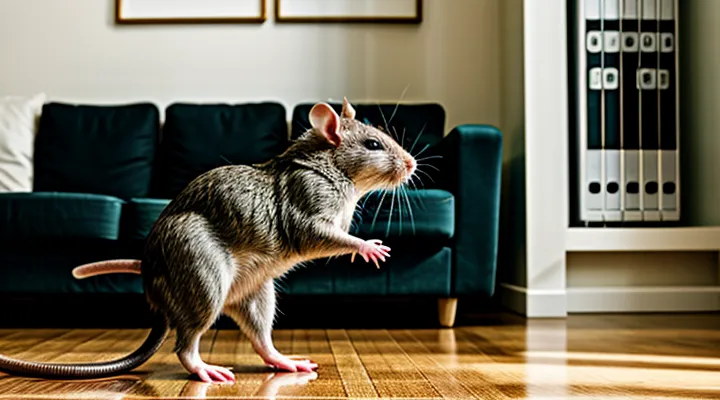
Understanding Rat Musicality
The Science Behind Animal Rhythm Perception
Auditory Processing in Rodents
Rats possess a highly organized auditory system that enables precise detection of temporal patterns in sound. The peripheral organ converts acoustic energy into neural spikes that preserve microsecond timing, providing the substrate for rhythm perception.
Neural circuitry involved in temporal analysis includes:
- Cochlear nucleus: extracts onset timing and frequency cues.
- Inferior colliculus: integrates binaural information and generates latency maps.
- Auditory cortex: encodes rhythmic regularities through phase‑locked firing.
- Basal ganglia and cerebellum: translate auditory timing into motor commands.
Temporal resolution in rodents exceeds 1 ms, allowing discrimination of intervals shorter than typical musical beats. Phase‑locking of auditory nerve fibers to stimulus envelopes supports beat detection, while adaptation mechanisms highlight changes in tempo.
Experimental protocols employ:
- Multi‑unit recordings during playback of metronomic clicks.
- High‑speed video tracking of limb movements synchronized to auditory cues.
- Pharmacological manipulation of GABAergic transmission to assess its role in timing fidelity.
These findings demonstrate that rodents can align locomotor patterns with external rhythms when auditory cues are presented with consistent inter‑onset intervals. Training protocols that pair auditory beats with reward‑linked movement reinforce the auditory‑motor coupling, enabling rats to exhibit dance‑like synchronization.
Innate Rhythmic Responses
Rats possess an intrinsic sensitivity to temporal patterns that emerges without formal conditioning. Auditory cues with regular intervals trigger motor circuits, prompting spontaneous head bobbing or foot tapping that aligns with the beat. This automatic entrainment reflects a conserved neural architecture shared across mammals, centered on the basal ganglia, cerebellum, and auditory cortex.
Research shows that rhythmic perception in rodents is mediated by synchronized firing of neuronal populations in the dorsal striatum. When exposed to metronomic pulses, these cells generate predictive spikes that precede the next beat, creating a feedback loop that drives coordinated movement. The phenomenon persists across species, indicating that timing mechanisms are hardwired rather than learned.
Teaching a rat to dance to music leverages this innate capacity. Effective training follows a three-step protocol:
- Baseline assessment – Record spontaneous locomotor rhythms in silence to establish each animal’s natural tempo range.
- Beat exposure – Play a simple, isochronous pulse (e.g., 120 bpm) while delivering a light tactile cue on each beat; the rat learns to associate the auditory pulse with a physical stimulus.
- Gradual abstraction – Replace the tactile cue with a melodic stimulus that retains the original tempo. Over repeated sessions, the rat’s movements begin to mirror the musical beat without external prompting.
Consistent reinforcement accelerates the transition from reflexive tapping to deliberate rhythmic dancing. The process demonstrates that innate rhythmic responses provide a foundation upon which complex temporal behaviors can be built, enabling educators to shape rhythmic competence in non‑human subjects with minimal artificial training.
Preparing Your Rat for Rhythm Training
Creating a Stimulating Environment
Enclosure Setup and Enrichment
A well‑designed cage is essential for encouraging rhythmic movement in pet rats. The enclosure should be spacious enough to allow unrestricted locomotion, with a minimum floor area of 0.5 m² per pair. Transparent panels enable visual monitoring of behavior while preventing stress from sudden shadows.
Key elements for an enrichment‑rich environment include:
- Multi‑level platforms – provide varied heights to stimulate climbing and stepping patterns that can be synchronized with musical cues. Secure ladders or ramps connect levels safely.
- Textured flooring – alternate smooth and rough surfaces to engage foot placement and timing. Rubberized mats or woven mats are suitable.
- Interactive objects – rotating wheels, tunnels, and chewable toys should be positioned to require timed navigation. Objects that emit gentle sounds when moved reinforce auditory feedback.
- Acoustic treatment – line the interior walls with sound‑absorbing material to prevent echo distortion while preserving clarity of the music source. Speakers should be mounted at ear level for the rats, delivering a consistent volume of 60–70 dB SPL.
- Hideaways – enclosed nests or PVC tubes allow brief retreats, encouraging bursts of activity when music resumes.
Routine maintenance supports consistent rhythmic training. Clean the cage weekly, replace worn platforms, and rotate toys to prevent habituation. Monitor the rats for signs of stress, such as excessive grooming or reduced movement, and adjust enrichment density accordingly.
When introducing music, start with simple, steady tempos (60–80 BPM) and gradually increase complexity. Pair auditory cues with food rewards placed on specific platforms to reinforce timing. Over several sessions, rats develop anticipatory stepping patterns that align with the beat, demonstrating effective rhythm acquisition within a properly equipped enclosure.
Introducing Musical Stimuli
Musical stimuli serve as the primary cue for conditioning rhythmic movement in laboratory rats. Playback of tempo‑consistent audio tracks activates auditory pathways, enabling the animal to associate beat patterns with motor responses. Consistent exposure to well‑defined rhythmic sequences establishes a perceptual baseline for subsequent training phases.
- Select recordings with clear, steady pulse ranging from 60 to 120 beats per minute.
- Use high‑fidelity speakers positioned at a uniform distance from the enclosure to ensure equal sound pressure levels.
- Begin each session with a 30‑second warm‑up segment featuring a simple metronomic click, followed by the chosen musical piece.
- Pair auditory cues with a visual or tactile signal (e.g., a light flash or gentle floor vibration) to reinforce beat detection.
- Record locomotor activity with motion‑tracking software, extracting parameters such as stride frequency and synchronization index.
Monitoring changes in stride regularity and alignment with the beat provides quantitative evidence of rhythm acquisition. Repeated trials under identical acoustic conditions yield reproducible data, supporting the efficacy of musical stimuli in teaching temporal patterns to rodents.
Essential Training Equipment
Appropriate Music Selection
Choosing music for rhythmic training of rats requires attention to tempo, structure, and acoustic clarity. Ideal tracks maintain a steady beats‑per‑minute range of 60–120, matching the natural locomotor rhythm of the animal. Simple, repetitive patterns reduce cognitive load and facilitate consistent movement responses. High‑frequency components should be minimized to prevent auditory stress; recordings with a flat frequency response between 200 Hz and 5 kHz are preferred.
Key criteria for selection:
- Consistent pulse: A metronomic beat that does not fluctuate more than ±5 BPM throughout the piece.
- Minimal melodic variation: Repetition of a short melodic motif, avoiding sudden key changes or complex harmonies.
- Clear onset transients: Distinct attack phases that signal each beat, aiding the rat’s auditory discrimination.
- Low background noise: Recordings free of ambient sounds, clicks, or hiss that could mask the primary rhythm.
Empirical testing should involve a baseline observation period with a silent control, followed by exposure to the chosen track for at least five minutes per session. Record locomotor metrics such as stride length, footfall frequency, and synchronization index. Adjust tempo incrementally if the synchronization index falls below 0.6, indicating insufficient entrainment.
When compiling a playlist, alternate between tracks that vary only in tempo while preserving structural uniformity. This approach prevents habituation while reinforcing the rhythmic cue. Archive each track with metadata specifying BPM, dominant frequency range, and duration to streamline future training cycles.
Reward Systems and Treats
Reward systems provide the primary feedback that links auditory cues to motor responses in rats learning to move in time with music. Consistent delivery of a preferred treat immediately after a correct rhythmic response reinforces the neural pathways responsible for beat perception and coordination.
Effective treat protocols include:
- High‑value food items (e.g., small pieces of fruit, cheese, or commercially available rodent treats) presented within two seconds of a successful beat‑matched movement.
- Variable‑ratio schedules that occasionally withhold a treat after a correct response, encouraging persistence and reducing dependency on a fixed pattern.
- Progressive reduction of treat size or frequency as the rat demonstrates stable timing, transitioning the behavior from extrinsic to intrinsic motivation.
Timing precision matters. A delay longer than three seconds diminishes the association between the auditory pattern and the reward, weakening the learned rhythm. Use a clicker or automated dispenser to guarantee millisecond accuracy.
Combining auditory playback with tactile cues—such as a gentle tap on the cage floor synchronized to the beat—enhances the sensory integration that underlies rhythmic dancing. Pair each tactile cue with a treat to cement the multimodal association.
Monitoring performance metrics (latency to start moving, percentage of beats matched, consistency across sessions) allows adjustment of treat frequency. When metrics plateau, introduce a novel treat or slightly alter the tempo to maintain engagement and promote further refinement of rhythmic skill.
Step-by-Step Rhythm Training
Initial Exposure to Music
Passive Listening Sessions
Passive listening sessions provide a controlled acoustic backdrop that reinforces rhythmic patterns without requiring the animal’s active participation. By exposing rats to steady beats for extended periods, the auditory system internalizes tempo cues, preparing the brain for coordinated movement when a cue for dancing is later introduced.
A typical session includes:
- A quiet enclosure with minimal visual stimuli to prevent distraction.
- Playback of a metronomic track or simple percussion loop at 60–120 BPM, matching the tempo range observed in spontaneous rat dance.
- Continuous sound delivery for 15–30 minutes, followed by a brief silence interval to avoid habituation.
- Monitoring of heart rate and locomotor activity to verify a relaxed physiological state.
The acoustic environment should be calibrated to a comfortable sound pressure level (approximately 65 dB SPL) to ensure the rats remain attentive yet calm. Consistency in track selection—preferably a single instrument with clear attack and decay—facilitates pattern recognition and reduces cognitive load.
Data collected during passive exposure reveal increased synchronization in subsequent active dance trials. Rats that undergo three to five daily listening sessions demonstrate faster onset of rhythmic stepping and more precise alignment with the beat when prompted. Incorporating passive listening as a preparatory phase thus accelerates the acquisition of rhythmic competence and enhances the reliability of later training outcomes.
Observing Natural Reactions
Observing how a rat responds to auditory cues provides concrete data for rhythm instruction. When a beat is introduced, the animal’s tempo alignment, body sway, and paw taps reveal innate timing mechanisms. These reactions occur without explicit training, demonstrating that rhythmic perception can emerge from natural motor patterns.
Key observations include:
- Latency – the interval between the start of a musical phrase and the first movement.
- Synchrony – consistency of movement beats with the underlying tempo.
- Amplitude modulation – variation in movement intensity corresponding to dynamic changes in the music.
Analyzing these metrics enables educators to design lessons that mirror spontaneous timing behaviors. By replicating the conditions that trigger natural rhythmic responses, instructors can scaffold learners’ ability to internalize beat structures without relying on abstract explanations.
Associating Movement with Beat
Gentle Encouragement Techniques
Teaching rodents to move in time with music requires a trainer to rely on subtle, positive cues rather than forceful commands. Gentle encouragement fosters confidence, maintains the animal’s natural curiosity, and reinforces the association between auditory beats and physical motion.
- Offer a small treat immediately after the rat completes a step that aligns with the rhythm; the reward timing links the action to the beat.
- Use a soft, consistent voice to name each movement (e.g., “step,” “turn”). The verbal cue becomes a secondary rhythm marker.
- Adjust the tempo gradually: start with a slow, steady pulse and increase speed only after the rat demonstrates reliable synchronization.
- Maintain a calm environment. Low lighting and minimal background noise reduce stress, allowing the rat to focus on the musical pattern.
- Incorporate brief pause periods between practice sessions. Short rests prevent fatigue and keep the animal’s interest high.
Applying these methods creates a learning loop: the rat perceives the beat, attempts a matching movement, receives a positive outcome, and repeats the cycle with greater precision. Consistency in cue delivery and reward timing builds a reliable rhythm response without coercion.
Utilizing Positive Reinforcement
Positive reinforcement shapes rhythmic movement by linking a specific beat‑aligned action with an immediate, desirable outcome. When a rat steps or sways in synchrony with a musical pulse, a brief food pellet or a brief pause of a mild air puff signals success. The animal learns to repeat the timed behavior to obtain the reward.
Key elements of an effective reinforcement plan include:
- Clear cue‑response pairing – play a metronome or short musical phrase, wait for the rat’s locomotor response that matches the beat, then deliver the treat within one second.
- Consistent timing – keep the interval between correct response and reward constant; variability confuses the association.
- Gradual increase of difficulty – start with a slow tempo (60–80 BPM), raise speed in 5‑BPM increments only after the rat achieves ≥80 % correct responses across three consecutive sessions.
- Variable‑ratio schedule – after the rat reliably follows the beat, shift to intermittent reinforcement (e.g., reward every third correct response) to maintain performance without over‑feeding.
Session structure should be concise: a five‑minute warm‑up with non‑rhythmic exploration, followed by ten minutes of timed trials, and a two‑minute cool‑down. Record latency between beat onset and movement onset to quantify progress.
Avoid punishment or aversive stimuli; they interrupt the reward‑based learning loop and reduce motivation. Instead, use a neutral reset cue—silence for one beat—when the rat misses the target, then resume the pattern.
By systematically applying these reinforcement principles, trainers can reliably induce precise, beat‑aligned locomotion in rodents, providing a robust model for studying rhythm perception and sensorimotor integration.
Advanced Rhythmic Cues
Teaching Specific Dance Moves
Teaching a rat to execute a precise movement requires a clear cue, consistent timing, and immediate reinforcement. Begin with a simple target—such as stepping onto a marked spot when a specific beat plays. Pair the auditory cue with a tactile prompt (e.g., a gentle tap on the back) until the animal associates the sound with the action. Once the association forms, gradually withdraw the tactile prompt, leaving only the music as the trigger.
- Select a short, steady rhythm (60–80 BPM) that the rat can easily follow.
- Introduce the cue by playing the beat while presenting a treat on the target spot.
- Use a brief tap to guide the rat onto the spot during the first few repetitions.
- Deliver the treat immediately after the rat steps onto the spot in sync with the beat.
- Reduce the frequency of taps, allowing the rhythm alone to elicit the step.
- Add a second movement—such as a turn—by marking a new spot and synchronizing the turn with a distinct accent in the music.
- Reinforce each successful execution with a treat and a brief pause before the next trial.
Consistent session length (5–10 minutes) prevents fatigue and maintains focus. Record the timing of each successful move to monitor progress and adjust the tempo if the rat shows hesitation. When the rat reliably performs both steps at the chosen tempo, introduce slight variations in rhythm to test adaptability. Successful mastery of these specific moves demonstrates the animal’s capacity to internalize musical timing and provides a foundation for more complex choreographed sequences.
Shaping Complex Sequences
Teaching rhythm through an animal’s response to auditory cues requires precise control of movement patterns. When a rat is conditioned to move in time with musical beats, the trainer must break down the desired performance into manageable subsequences. Each subsequence represents a specific interval of the track, a particular tempo, or a rhythmic accent that the animal can learn before integrating it into a longer chain.
The process of shaping complex sequences follows a hierarchical approach:
- Identify the target pattern (e.g., a four‑beat stride followed by a syncopated hop).
- Divide the pattern into elementary units (single steps, pauses, directional changes).
- Reinforce successful execution of each unit using immediate reward.
- Link reinforced units sequentially, adding one element after the other.
- Gradually increase tempo while maintaining accuracy, adjusting reward timing to match the faster rhythm.
Successful integration depends on consistent timing of reinforcement, precise auditory stimulus delivery, and systematic expansion of the sequence. By iteratively adding and consolidating elements, the rat eventually performs a continuous, musically aligned dance that reflects the full rhythmic structure intended for instruction.
Maintaining and Enhancing Rhythmic Skills
Consistent Practice Schedules
Short, Frequent Sessions
Short, frequent training periods improve rhythm acquisition in music‑responsive rodents. Sessions lasting five to ten minutes keep attention high, reduce stress, and allow rapid reinforcement cycles. Repeating the routine two to three times daily builds neural pathways associated with beat perception without overwhelming the animal.
Key practices for implementing brief, repeated lessons:
- Begin each session with a clear auditory cue (e.g., a metronome click) to establish tempo.
- Pair the cue with a simple movement pattern, such as a forward step on each beat.
- Deliver immediate positive reinforcement (treat or gentle petting) after correct responses.
- Maintain consistent interval lengths; adjust only after the rat reliably follows the beat.
- Record performance metrics (latency, accuracy) to track progress across days.
Consistency outweighs duration. By limiting exposure to manageable intervals, trainers observe incremental improvements, adapt pacing, and sustain motivation. The approach scales to more complex rhythms once the animal demonstrates stable responses to basic patterns.
Varying Musical Genres
Rats respond to rhythmic cues regardless of style, but each genre emphasizes distinct beat patterns that shape training methods. Selecting music that highlights the target tempo helps the animal synchronize movement and reinforces timing perception.
- Classical: steady meter, predictable phrasing; ideal for introducing basic pulse.
- Jazz: syncopated accents, variable swing; trains flexibility in beat interpretation.
- Hip‑hop: strong downbeats, repetitive loops; supports consistent foot‑tap reinforcement.
- Electronic dance: rapid subdivisions, high energy; challenges rapid tempo adjustments.
- World folk: irregular meters (e.g., 5/4, 7/8); expands rhythmic vocabulary beyond common time.
When introducing a new genre, follow a three‑step protocol. First, present a short excerpt at a comfortable speed, allowing the rat to establish a baseline dance pattern. Second, gradually increase tempo while maintaining the original groove, encouraging adaptation without disrupting coordination. Third, intermix excerpts from contrasting genres within a single session to promote transfer of rhythmic skills across styles. Consistent repetition and clear auditory cues ensure the animal retains the learned rhythm despite genre variation.
Troubleshooting Common Challenges
Addressing Lack of Interest
Rats often show little enthusiasm for rhythmic exercises, which stalls progress in timing‑based training.
Typical reasons include weak reinforcement, repetitive soundtracks, and absence of environmental novelty.
Effective interventions:
- Replace fixed rewards with variable‑ratio schedules to increase anticipation.
- Rotate musical genres, tempos, and instrument timbres every few sessions to sustain curiosity.
- Add tactile or olfactory enrichment (e.g., textured platforms, scent trails) that coincide with beat cues.
- Implement shaping: reward incremental improvements, such as brief pauses aligned with the pulse, before demanding full‑cycle dances.
- Position a trained peer rat nearby; observational learning often sparks engagement.
Continuous data collection—latency to start moving, number of correct beat matches, and reward retrieval rate—guides adjustments. When metrics decline, introduce a novel stimulus or modify the reinforcement pattern immediately. This responsive approach restores motivation and accelerates rhythmic proficiency.
Overcoming Distractions
Training a rodent to move in time with a soundtrack requires a focused environment. Uncontrolled stimuli, such as sudden noises, bright lights, or the presence of other animals, interrupt the animal’s ability to lock onto a beat and impede the formation of rhythmic patterns.
- Isolate the training area with sound‑absorbing panels and consistent lighting.
- Schedule sessions during periods of minimal external activity in the facility.
- Remove olfactory cues unrelated to the experiment, such as food remnants or bedding odors.
Consistent auditory cues reinforce temporal expectations. Begin each session with a brief, steady metronome pulse that precedes the musical track. Pair the pulse with a distinct, low‑intensity tactile signal (e.g., a gentle floor vibration). This dual cue creates a predictable entry point, reducing the likelihood that abrupt sounds will capture attention.
Reinforcement must be immediate and linked to correct timing. Deliver a small food reward precisely when the rat’s footfall aligns with the intended beat. Over successive trials, the animal learns to prioritize the rhythm over incidental disturbances because the reward structure consistently favors synchronized movement.
Regular performance reviews identify lingering sources of distraction. Record video and audio data, note moments when the rat’s motion deviates, and trace each deviation to a potential external trigger. Adjust the training setup accordingly—tighten acoustic sealing, dim stray light sources, or reposition neighboring cages—to incrementally eliminate the identified variables.
The Joy of Dancing with Your Rat
Building a Stronger Bond
Teaching a rat to move in time with music creates a partnership that extends beyond simple tricks. Consistent rhythmic exercises require the animal to anticipate cues, while the handler must deliver clear, repeatable signals. The mutual reliance on timing reinforces trust; the rat learns that each beat predicts a specific response, and the trainer learns that precise, steady pacing yields reliable performance.
Key elements that strengthen this partnership include:
- Predictable cueing – Use the same auditory marker (e.g., a metronome click or a short musical phrase) before each movement. Consistency reduces uncertainty, allowing the rat to link the sound with the expected action.
- Gradual tempo changes – Start at a slow pace, then incrementally increase speed. The rat experiences success at each stage, reinforcing confidence in both participants.
- Positive reinforcement – Deliver a treat or gentle petting immediately after the correct movement. The timing of the reward must align with the rhythm to cement the association.
- Physical proximity – Position the rat within comfortable reach during training sessions. Close distance facilitates quick adjustments and conveys the trainer’s attentiveness.
By integrating these practices, the handler cultivates a reliable communication channel grounded in rhythm. The rat responds not only to the music but also to the handler’s steady presence, resulting in a bond that persists even when the beat stops.
Showcasing Their Talents
Rats trained to move in time with music demonstrate precise timing, coordination, and adaptability. Presenting these abilities to an audience reinforces learning objectives, validates training methods, and encourages further experimentation. Live demonstrations provide clear evidence of progress and highlight the connection between auditory cues and motor response.
Effective presentation of rat rhythmic talent includes:
- Structured performance sessions where animals follow a pre‑arranged musical piece, allowing observers to assess consistency and variation.
- Comparative displays that juxtapose trained and untrained individuals, emphasizing the impact of systematic instruction.
- Interactive segments in which participants adjust tempo or rhythm, prompting rats to adapt instantly and showcasing their responsiveness.
Documenting each performance with video recordings and quantitative metrics—such as beat‑to‑beat accuracy and latency—creates a reliable archive. This material supports scholarly analysis, informs curriculum refinement, and serves as promotional content for educational programs focused on animal rhythm training.