
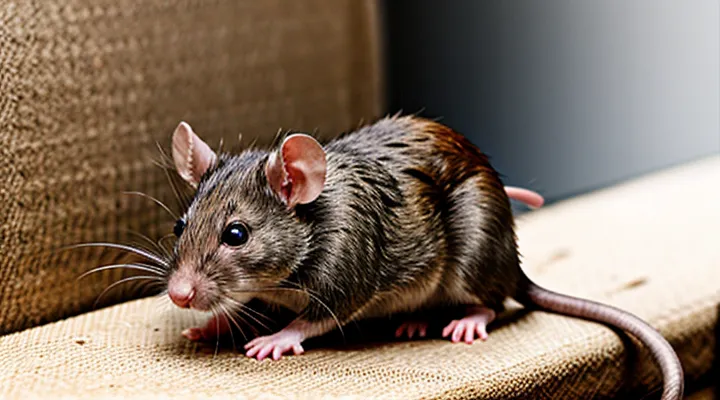
Understanding Rat Nipping Behavior
Distinguishing Nips from Bites
Playful Nips vs. Aggressive Bites
Rats may nip for two distinct reasons. Playful nips occur during exploration or social interaction; they are brief, gentle, and often accompanied by relaxed body posture, upright ears, and soft vocalizations. Aggressive bites are characterized by rapid, forceful closure of the jaws, tense muscles, and defensive or territorial behavior. Recognizing these differences prevents misinterpretation of normal play as a warning sign.
Key indicators of playful nipping:
- Light pressure, no tearing of skin
- Quick release after contact
- Tail held low, not puffed
- Vocalizations resembling chirps or squeaks
Key indicators of aggressive biting:
- Strong grip, potential tissue damage
- Prolonged hold, repeated attempts
- Erect fur, widened pupils, stiff tail
- Growling or hissing sounds
Prevention strategies focus on redirecting energy and establishing clear boundaries. Provide chewable toys, tunnels, and climbing structures to satisfy natural foraging instincts. Introduce short, supervised handling sessions that end before tension rises. When a bite occurs, pause interaction, withdraw the hand, and resume only after the rat resumes a calm posture. Consistent response training teaches the animal that gentle contact yields continued attention, whereas aggressive attempts result in loss of interaction.
Environmental enrichment, regular health checks, and gradual desensitization to human touch together reduce the likelihood of escalation from playful nips to aggressive bites.
Identifying Warning Signs
Rats display specific behaviors before resorting to nipping. Recognizing these cues allows owners to intervene before a bite occurs.
Signs of impending aggression include:
- Rapid, jerky movements of the head and whiskers, often described as «staring».
- Sudden flattening of the ears against the skull, indicating heightened alertness.
- Aggressive vocalizations such as high‑pitched squeaks, distinct from normal chatter.
- Rigid posture with a tightly clenched tail, suggesting defensive readiness.
- Quick, repetitive grooming of the front paws, a self‑soothing response to stress.
Additional observations reinforce the risk assessment. A sudden increase in territorial marking, such as excessive urine deposits near handling areas, signals a shift in dominance behavior. Unusual avoidance of previously favored feeding spots may reflect discomfort with the environment. When multiple warning signs appear together, the probability of a bite rises sharply, warranting immediate modification of handling techniques or environmental enrichment.
Common Causes of Nipping
Fear and Anxiety
Fear and anxiety trigger defensive biting in rodents when they perceive a threat to their safety. Elevated stress hormones increase sensitivity to sudden movements, causing the animal to react with a quick nip toward a human finger that intrudes on its perceived space.
Signs of heightened anxiety include rapid breathing, frantic grooming, and avoidance of open areas. When these behaviors accompany handling, the likelihood of a bite rises sharply, especially if the rodent has experienced previous negative interactions.
Effective measures focus on reducing stressors and establishing predictable handling routines:
- Provide a secure, enriched cage environment with hiding spots and chewable objects to lower baseline anxiety.
- Introduce handling gradually, starting with brief, gentle contact and extending duration as the animal shows calm behavior.
- Maintain consistent lighting, temperature, and feeding schedules to avoid abrupt changes that provoke fear.
- Use scent‑free gloves or soft cloths to mask human odor, decreasing perceived threat during contact.
- Apply positive reinforcement, such as offering a favorite treat immediately after calm handling, to associate human touch with safety.
Implementing these strategies diminishes fear, curtails nipping incidents, and promotes a more cooperative relationship between the rodent and its caretaker.
Territoriality
Territoriality in rodents represents a behavioral drive to defend a defined space against perceived intruders. When a rat perceives a human hand as an encroachment on its personal area, the animal may respond with a quick, sharp bite to the fingers, interpreting the contact as a threat to its domain.
Key factors that trigger this defensive response include overcrowded housing, insufficient nesting material, abrupt handling, and the presence of unfamiliar scents. Competition for food or shelter intensifies the urge to protect the immediate surroundings, raising the likelihood of nipping incidents.
Preventive measures focus on minimizing perceived threats and providing a stable environment:
- Ensure the cage offers ample floor space relative to the number of occupants.
- Supply multiple nesting zones and hideaways to reduce competition for shelter.
- Introduce handling routines gradually; allow the rat to approach the hand voluntarily before any direct contact.
- Maintain consistent cleaning schedules to limit unfamiliar odors that may be interpreted as territorial challenges.
- Use gentle, slow movements when reaching into the enclosure, avoiding sudden gestures that can be misread as aggression.
- Provide enrichment objects that encourage exploration without encroaching on personal space, such as tunnels and chew toys placed throughout the cage.
Observing signs such as raised fur, chattering teeth, or aggressive posturing indicates heightened territorial tension. Addressing these cues promptly, by retreating the hand and adjusting the environment, reduces the risk of finger bites and promotes a calmer, more cooperative interaction with the animal.
Pain or Illness
Rodent bites to the fingers often result in acute pain and a risk of infection. The puncture wound introduces oral bacteria, which can cause cellulitis, abscess formation, or systemic illness if untreated. Early signs include redness, swelling, and increasing tenderness around the entry point. Prompt cleaning with antiseptic solution and medical evaluation reduce the likelihood of complications.
Preventive measures focus on eliminating the conditions that encourage nipping behavior. Effective actions include:
- Securing food sources in sealed containers to remove attractants.
- Providing chewable enrichment items to satisfy the animal’s natural gnawing instinct.
- Regularly inspecting cages for sharp edges or loose wires that may provoke defensive bites.
- Handling rats gently, supporting the body to prevent sudden movements that trigger a bite reflex.
«A bite that penetrates the skin can transmit pathogens such as Streptococcus, Staphylococcus, or Leptospira». Immediate wound care, followed by appropriate antibiotic therapy when indicated, mitigates the progression to severe illness. Monitoring for fever, lymph node enlargement, or spreading redness ensures timely medical intervention.
Seeking Attention
Rats often bite fingers as a method of gaining attention from their caregivers. When a bite triggers an immediate response—whether laughter, surprise, or admonishment—the animal associates the action with a successful means of communication. This learned link reinforces nipping whenever the rat feels ignored or seeks interaction.
The behavior develops through repetition. A bite that produces a noticeable reaction reinforces the pattern; a lack of reaction weakens it. Environmental scarcity, limited play opportunities, and irregular handling increase the likelihood that a rat will resort to finger nipping to obtain acknowledgment.
Effective prevention focuses on reducing the need for attention‑seeking bites and providing alternative outlets:
- Increase daily interaction time, using gentle petting and hand‑feeding sessions.
- Supply a variety of enrichment items—tunnels, chew blocks, puzzle feeders—to occupy the rat’s curiosity.
- Apply consistent, calm responses to bites; avoid startling reactions that may reward the behavior.
- Teach the animal to perform desired actions (e.g., approaching on cue) using positive reinforcement such as treats.
- Monitor health; pain or discomfort can amplify attention‑seeking aggression.
By addressing the underlying motivation and replacing biting with constructive engagement, caregivers can diminish finger‑nipping incidents and foster a calmer, more trusting relationship with their pet rodents.
Lack of Socialization
Rats that nip at human fingers often exhibit this behavior when they have not experienced adequate interaction with conspecifics or humans. Limited exposure to other rats prevents the development of normal social cues, leading to heightened fear and defensive aggression. Without the opportunity to practice grooming, play, and hierarchy negotiation, a rat may interpret a hand contact as a threat and respond with a bite.
Insufficient socialization also impairs sensory learning. Young rats rely on tactile and olfactory feedback from littermates to calibrate bite force and bite duration. When this feedback loop is absent, the animal lacks reference points for appropriate handling, increasing the likelihood of a sharp, uncontrolled nip.
Preventive measures focus on structured exposure and gradual habituation:
- Introduce a new rat to a familiar group for short, supervised sessions, extending duration as tolerance grows.
- Provide daily handling sessions that begin with gentle strokes, progressing to brief lifts and releases.
- Supply enrichment items that encourage cooperative play, such as tunnels and chew toys, to stimulate interaction.
- Monitor body language for signs of stress—flattened ears, rapid respiration, or tail flicking—and pause handling until the rat relaxes.
«Social interaction reduces aggression»; consistent, positive contact reshapes the animal’s perception of human touch from threat to neutral stimulus. Implementing a routine that mimics natural rat social structures diminishes the propensity for finger‑biting and supports overall behavioral health.
Over-excitement During Play
Rats often exhibit nipping when play escalates beyond a comfortable threshold. Over‑excitement triggers rapid movements, heightened arousal, and a loss of bite inhibition, resulting in accidental finger bites.
Key factors contributing to this behavior include:
- Sudden changes in speed or direction during interactive sessions.
- Overstimulation from excessive handling or prolonged play periods.
- Lack of clear boundaries between gentle mouthing and aggressive biting.
Preventive measures focus on moderating excitement and reinforcing appropriate play limits:
- Structure play sessions with short, controlled intervals; pause when the rat shows signs of agitation.
- Introduce calm signals, such as a gentle voice or a soft hand motion, to cue the animal to reduce intensity.
- Provide alternative outlets for energy, including tunnels, chew toys, and climbing structures, to divert focus from hands.
- Observe body language—flattened ears, rapid tail flicks, or tense posture indicate rising arousal and require immediate cessation of interaction.
- Train the rat using positive reinforcement for gentle mouthing; reward with treats when the animal refrains from biting.
Consistent application of these strategies reduces the likelihood of finger nipping, promotes safer engagement, and supports a healthier bond between rat and caretaker.
Preventing and Managing Nipping Habits
Environmental Enrichment and Stimulation
Appropriate Cage Setup
A well‑designed cage reduces stress, limits territorial disputes, and discourages the instinct to nip when a rat feels threatened. Providing ample space and appropriate enrichment creates a secure environment that lowers the likelihood of finger‑biting incidents.
- Minimum floor area of 2 sq ft per adult rat, with additional height for climbing.
- Solid, chew‑resistant base such as glass or sturdy plastic; avoid wire flooring that can cause foot injuries.
- Multiple levels, ladders, and tunnels constructed from untreated hardwood or safe plastic.
- Hide‑outs and nesting boxes placed in quiet corners; ensure each rat has its own retreat.
- Separate feeding stations to prevent competition during meals.
- Toys that encourage natural foraging, such as cardboard tubes, paper rolls, and wooden blocks.
Regular cleaning prevents the buildup of ammonia and odors that provoke defensive behavior. Spot‑clean daily, replace bedding weekly, and perform a thorough cage scrub monthly with a mild, rat‑safe disinfectant.
Consistent cage conditions support calm interaction, reduce fear responses, and directly contribute to the prevention of nipping habits.
Interactive Toys and Activities
Interactive enrichment directly influences a rat’s propensity to nip. Providing mentally stimulating objects satisfies natural foraging instincts, thereby decreasing the likelihood of finger‑biting incidents. Consistent engagement with varied activities creates a predictable routine that channels energy away from aggressive mouthing.
Recommended items and practices include:
- «Puzzle feeders» that require manipulation to release food, encouraging problem‑solving and reducing boredom.
- «Chew tunnels» constructed from safe, untreated wood, offering tactile exploration while protecting cage walls.
- «Rotating toy stations» where a selection of small balls, ropes, and paper rolls is changed weekly to maintain novelty.
- «Training sessions» using clicker cues paired with treats, reinforcing gentle handling and redirecting nibbling behavior.
- «Foraging mats» infused with hidden seed pockets, prompting digging motions that mimic natural burrowing.
Incorporating these tools into daily care establishes a structured environment where curiosity is satisfied, and unnecessary nipping is minimized. Regular observation of the rat’s interaction patterns allows timely adjustments, ensuring the enrichment remains effective and safe.
Foraging Opportunities
Rats that develop a habit of nipping fingers often do so because they lack sufficient foraging stimulation. When an animal is confined to a limited environment, natural exploratory drives remain unmet, leading to redirected aggression toward human skin during handling.
Providing diverse foraging opportunities reduces the likelihood of nipping. Enrich the cage with:
- Wood blocks containing hidden treats
- Puzzle feeders that require manipulation
- Loose substrate for digging and searching
- Tubes and mazes that encourage climbing and exploration
Regularly rotate items to maintain novelty. Ensure that treats are nutritionally balanced and presented in a manner that mimics natural food sources. Consistent enrichment lowers stress levels, satisfies instinctual behaviors, and diminishes the propensity for finger biting.
Positive Reinforcement Training
Clicker Training Basics
Clicker training provides a systematic approach to modify a rat’s biting behavior. The method relies on a distinct audible cue paired with a reward, creating a clear association between desired actions and positive outcomes.
The basic components of clicker training include:
- A small handheld device that emits a consistent click sound.
- High‑value treats that motivate the animal.
- A structured sequence of cue, click, and reward.
Implementation steps:
1. Introduce the clicker by clicking and immediately offering a treat, establishing the click as a marker of reward.
2. Select a target behavior, such as releasing a bite or redirecting attention to a toy.
3. Prompt the rat to perform the target action; when the action occurs, click and deliver the treat.
4. Repeat the cycle until the animal reliably exhibits the behavior without prompting.
5. Gradually increase the distance or difficulty of the cue while maintaining the click‑reward pattern.
Consistency in timing is critical; the interval between the behavior, the click, and the treat must remain short to reinforce the connection. Over time, the rat learns to associate the click with a positive result, reducing the likelihood of nipping when the animal anticipates a reward for alternative actions.
Integrating clicker training with environmental enrichment, such as providing chewable objects and safe handling routines, further diminishes stress‑induced biting. Regular short sessions reinforce learned responses and support long‑term habit change.
Rewarding Desired Behavior
Positive reinforcement directs a rat’s attention toward acceptable actions, reducing the likelihood of nipping. Consistent delivery of a preferred reward immediately after a behavior signals that the action satisfies the animal’s needs, encouraging repetition of the same conduct.
Effective implementation includes:
- Identify a high‑value treat (e.g., small pieces of fruit, seed mix) that the rat readily accepts.
- Pair the reward with a specific cue, such as a gentle tap on the cage bar, to create an associative link.
- Deliver the reward within seconds of the desired behavior, for example when the rat withdraws its mouth from a hand or engages in calm exploration.
- Gradually increase the interval between cue and reward to foster internal motivation while maintaining occasional reinforcement to prevent extinction.
- Record each session’s outcomes to adjust treat size, timing, and cue clarity, ensuring the protocol remains responsive to individual variation.
Desensitization Techniques
Desensitization reduces a rat’s defensive reflex by gradually exposing the animal to gentle contact with human skin. Repeated, low‑intensity interactions condition the nervous system to interpret fingertip proximity as non‑threatening, thereby decreasing the likelihood of nipping.
Effective implementation follows a structured sequence:
- Begin with brief, static hand placement near the cage opening; allow the rat to observe without direct touch for several minutes.
- Introduce a soft, scent‑free cloth on the palm; let the rat investigate the texture voluntarily.
- Progress to lightly brushing the fur with the cloth, maintaining contact for no more than five seconds per session.
- Advance to placing a fingertip on the dorsal surface for a moment, rewarding calm behavior with a preferred treat.
- Extend exposure time incrementally, ensuring the rat remains relaxed before adding additional fingers or deeper contact.
Consistency is critical; sessions should occur two to three times daily, each lasting no longer than ten minutes. Monitoring includes noting ear posture, whisker orientation, and vocalizations as indicators of stress. If signs of agitation appear, revert to the previous step and repeat until the animal demonstrates tolerance. Successful desensitization results in a measurable decline in bite incidents and fosters safer handling practices.
Handling and Socialization
Gentle and Consistent Handling
Gentle and consistent handling reduces the likelihood that a rat will develop a habit of nipping at fingers. Calm movements prevent the animal from perceiving the hand as a threat, thereby lowering stress‑induced aggression.
Key practices include:
- Approaching the cage slowly, allowing the rat to observe the hand before contact.
- Offering a hand‑held treat to create a positive association with human touch.
- Supporting the body fully when picking up the rat, avoiding any sudden lifts or restraints.
- Maintaining a routine of brief, daily handling sessions to build familiarity.
Consistent handling reinforces trust, which translates into fewer defensive bites. Abrupt or rough interactions interrupt this trust, often triggering a nipping response. By integrating the above techniques into everyday care, caretakers can effectively curb the development of finger‑biting behavior.
Early Socialization for Young Rats
Early socialization introduces juvenile rats to gentle handling, diverse textures, and varied stimuli, reducing fear‑based defensive reactions that often manifest as nipping. Exposure to human touch during the first weeks of life conditions the animal to associate contact with safety rather than threat.
Key elements of an effective socialization program include:
- Daily brief sessions of hand‑holding, beginning with a few seconds and gradually extending to several minutes.
- Interaction with multiple caretakers to prevent attachment to a single individual and to generalize tolerance.
- Introduction to common household objects (plastic, wood, metal) to diminish startle responses to unfamiliar surfaces.
- Controlled exposure to mild noises and vibrations, ensuring the environment remains non‑overstimulating.
- Positive reinforcement through soft vocalizations or treats immediately after calm behavior, reinforcing the desired response.
Consistent application of these practices during the neonatal and early adolescent stages correlates with a measurable decline in bite incidents. Caretakers who maintain routine, varied, and low‑stress interactions report fewer instances of finger nipping, facilitating safer handling and stronger human‑rat relationships.
Building Trust and Confidence
Building trust with a rat that nips requires consistent, predictable interaction. Repeated gentle handling reduces fear and encourages the animal to view the caregiver as a source of safety. Offering food from the hand creates positive associations, while avoiding sudden movements prevents defensive reactions.
Key actions that foster confidence include:
- Providing a stable environment with regular feeding times.
- Using a calm voice and slow approach when reaching for the animal.
- Allowing the rat to explore the hand voluntarily before attempting to touch sensitive areas.
- Rewarding calm behavior with treats or gentle petting.
When a rat begins to show reduced aggression, gradually increase the duration of contact. Monitoring body language—such as relaxed whiskers and steady breathing—indicates growing trust. If signs of tension appear, pause the interaction and resume later with a softer approach.
«Trust is earned through consistent behavior»; therefore, patience and routine form the foundation of a secure relationship. Over time, the animal learns that human contact poses no threat, leading to diminished nipping and increased willingness to engage.
Addressing Underlying Issues
Veterinary Check-ups for Health Concerns
Veterinary examinations are essential for identifying medical factors that may trigger a rat’s tendency to nip at human fingers. Early detection of dental overgrowth, pain, or systemic illness reduces the likelihood of aggressive chewing behavior.
Key health aspects evaluated during a check‑up include:
- Dental assessment: inspection of incisor length, alignment, and signs of malocclusion.
- Musculoskeletal review: detection of joint pain or injuries that could cause defensive biting.
- Neurological screening: observation of abnormal reflexes or sensory deficits.
- Infectious disease testing: identification of pathogens that may affect temperament.
- Nutritional evaluation: verification that diet provides adequate calcium and vitamin D to support dental health.
Regular appointments, scheduled at least biannually, allow veterinarians to implement corrective procedures such as tooth trimming, pain management, or dietary adjustments. Preventive care diminishes stress‑induced nipping and promotes a healthier, more cooperative pet. «Consistent health monitoring safeguards both animal welfare and owner safety».
Modifying Stressors in the Environment
Rats may bite fingers when environmental conditions trigger heightened anxiety or aggression. Identifying and altering those conditions reduces the likelihood of nipping incidents.
Typical stressors include limited space, absence of nesting material, irregular feeding schedules, sudden noises, and inconsistent handling techniques. Each factor elevates cortisol levels, prompting defensive bites.
Effective modifications:
- Expand cage dimensions to allow natural movement and retreat zones.
- Provide chewable objects, tunnels, and shelters to satisfy exploratory instincts.
- Establish fixed feeding times and balanced nutrition to prevent hunger‑driven agitation.
- Insulate enclosures from abrupt sounds; employ soft background noise to mask sudden disturbances.
- Standardize handling procedures: gentle restraint, predictable approach, and brief interaction periods.
Implementing these adjustments creates a stable, low‑stress habitat, diminishing defensive biting and supporting healthier rodent‑human interactions.
Seeking Professional Behavioral Advice
Rats that display sudden finger‑nipping often signal underlying stress, pain, or instinctual triggers. Professional behavioral consultation provides objective assessment that distinguishes normal exploratory mouthing from problematic aggression.
A qualified rodent behavior specialist evaluates health status, habitat conditions, and handling routines. The assessment identifies environmental stressors, nutritional deficiencies, or medical issues that may precipitate nipping. Recommendations address enrichment, cage layout, and interaction techniques tailored to the individual animal.
Key steps for locating appropriate expertise:
- Verify credentials: certification from recognized veterinary or animal behavior organizations.
- Confirm experience with small mammals, specifically rats.
- Request references or case studies demonstrating successful intervention.
- Ensure availability for follow‑up evaluations and progress monitoring.
Engaging a professional yields a customized behavior modification plan, regular progress reviews, and strategies that reduce the likelihood of future bites. Consistent implementation of expert guidance promotes a safer, more harmonious relationship between caretaker and pet.