
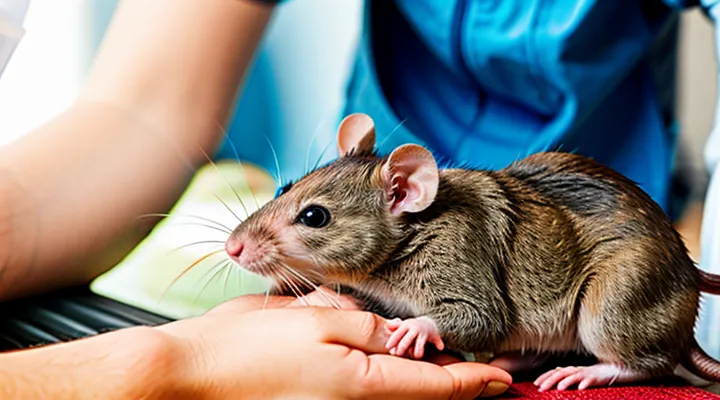
Initial Steps After a Rat Bite
Immediate Actions
Assess the Wound
When a rat bite occurs, the first priority is a systematic evaluation of the wound. Begin by removing any clothing or jewelry that may conceal the injury. Clean the area with running water to eliminate surface debris, then gently pat dry with a sterile gauze.
Key assessment points:
- Location and size – note the anatomical site, measure the length and width of the puncture or laceration.
- Depth – determine whether the bite penetrates only the epidermis or reaches subcutaneous tissue, muscle, or bone.
- Bleeding – assess the rate of hemorrhage; uncontrolled bleeding requires immediate pressure and possible vascular control.
- Tissue damage – look for torn skin edges, avulsed tissue, or exposed structures such as tendons, nerves, or joints.
- Foreign material – identify hair, teeth fragments, or dirt embedded in the wound.
- Signs of infection – observe redness, swelling, warmth, pus, or foul odor.
- Neurovascular status – test sensation and capillary refill distal to the bite to ensure intact nerve function and circulation.
- Patient factors – verify tetanus immunization history and any known allergies to antibiotics or latex.
Document each observation precisely, as this information guides subsequent decontamination, antibiotic selection, and possible referral for specialist care. Prompt, thorough assessment reduces complications and informs evidence‑based first‑aid interventions.
Stop the Bleeding
A rat bite can cause rapid blood loss, especially if the animal’s teeth penetrate a major vessel. Immediate control of bleeding reduces the risk of shock and infection and is the first priority in emergency care.
- Apply direct pressure with a clean cloth or sterile gauze; maintain pressure for at least five minutes without checking the wound.
- If bleeding persists, add a second layer of gauze and continue pressure; avoid removing the initial dressing.
- Elevate the injured limb above heart level, provided this does not cause additional pain or injury.
- Use a pressure bandage to secure the dressing; wrap firmly but not so tightly that circulation is compromised.
- If arterial bleeding continues despite pressure, apply a tourniquet proximal to the wound, tightening until bleeding stops, then note the time of application.
- Once bleeding is controlled, seek medical evaluation promptly for wound cleaning, tetanus prophylaxis, and assessment for potential rabies exposure.
Wound Care
Cleaning the Wound
Soap and Water Wash
When a rat bite occurs, the first priority is to clean the wound thoroughly. Immediate decontamination reduces bacterial load and lowers the risk of infection.
- Rinse the area with clean, running water for at least 30 seconds.
- Apply mild, fragrance‑free soap; create a gentle lather around the bite.
- Scrub the skin using a soft cloth or sterile gauze, avoiding aggressive rubbing that could damage tissue.
- Rinse again until all soap residue is removed.
- Pat the site dry with a sterile towel; do not rub.
After washing, cover the wound with a sterile dressing and seek professional medical evaluation. If the bite is deep, bleeding heavily, or shows signs of infection (redness, swelling, pus), contact a healthcare provider promptly. Regular hand washing and proper wound care remain essential components of post‑exposure management.
Antiseptic Application
When a rat punctures the skin, immediate antiseptic treatment reduces the risk of infection and limits bacterial spread. Use a clean disposable glove to protect your hands, then follow these steps:
- Rinse the wound with sterile saline or clean running water for at least 30 seconds to remove debris.
- Pat the area dry with a sterile gauze pad; avoid rubbing, which can damage tissue.
- Apply a broad‑spectrum antiseptic—such as 0.5 % povidone‑iodine, 2 % chlorhexidine gluconate, or a hydrogen peroxide solution no higher than 3 %—directly onto the wound surface.
- Allow the antiseptic to remain in contact for the manufacturer‑specified dwell time (usually 1–2 minutes) before covering.
- Cover the bite with a sterile, non‑adhesive dressing; change the dressing at least once daily or whenever it becomes wet or contaminated.
Select an antiseptic compatible with the patient’s skin condition and any known allergies. Avoid agents containing alcohol on open wounds, as they can cause excessive pain and tissue irritation. Document the product used, concentration, and application time for medical follow‑up. Prompt, correct antiseptic use is a critical component of effective rat‑bite first‑aid care.
Bandaging the Wound
Sterile Dressing
A sterile dressing is the essential barrier that protects a rat‑bite wound from external contaminants while allowing it to heal. The material must be non‑woven, lint‑free, and packaged in a sealed pouch to maintain sterility until use.
When applying a sterile dressing to a rat‑bite injury, follow these steps:
- Wash hands thoroughly with soap and water; wear disposable gloves if available.
- Clean the wound with mild antiseptic solution, removing visible debris.
- Pat the area dry with a sterile gauze pad, avoiding excessive pressure.
- Open the sterile dressing without touching the absorbent side.
- Place the dressing directly over the wound, ensuring full coverage of the bite edges.
- Secure the dressing with an adhesive strip or sterile bandage, maintaining gentle tension to prevent slippage.
- Record the time of application and note any signs of increased redness, swelling, or discharge.
Key considerations:
- Choose a dressing size that extends at least 1 cm beyond the wound perimeter.
- Replace the dressing at least every 24 hours, or sooner if it becomes wet or contaminated.
- Monitor the wound for signs of infection; seek professional medical evaluation if symptoms develop.
- Dispose of used dressings in a sealed biohazard bag to reduce the risk of pathogen spread.
Proper use of a sterile dressing minimizes bacterial invasion, supports tissue regeneration, and contributes to effective emergency care for rat‑bite injuries.
When to Change Bandage
After a rat bite, keep the wound covered with a sterile dressing. Replace the bandage promptly when any of the following conditions appear:
- The dressing becomes wet, soaked with blood, pus, or other fluids.
- The adhesive loses its stickiness or the bandage shifts, exposing the wound.
- The surrounding skin shows signs of redness, swelling, warmth, or foul odor, suggesting infection.
- The patient experiences increased pain, throbbing, or discharge from the wound.
- More than 24 hours have passed since the initial application, even if the dressing looks clean.
When changing the bandage, wash hands thoroughly, use clean gloves, and clean the wound with mild antiseptic solution. Apply a fresh sterile gauze pad, secure it with a hypoallergenic adhesive strip, and monitor the site for further changes. If signs of infection persist or worsen, seek medical evaluation without delay.
Seeking Medical Attention
When to Consult a Doctor
Signs of Infection
After a rat bite, infection may develop rapidly. Early recognition of clinical signs prevents complications and guides timely medical intervention.
Typical indicators of infection include:
- Redness spreading beyond the wound margin
- Swelling that increases in size or firmness
- Warmth around the bite site
- Persistent or worsening pain
- Pus or other fluid discharge, possibly with foul odor
- Fever exceeding 38 °C (100.4 °F)
- Chills, sweating, or general malaise
- Enlarged lymph nodes near the bite, especially in the groin or axilla
If any of these findings appear, immediate medical evaluation is required. Treatment usually involves wound cleaning, tetanus prophylaxis, and empiric antibiotics targeting common rat‑associated pathogens such as Streptobacillus moniliformis and Rickettsia species. Monitoring the wound for progression of the listed signs ensures that infection is addressed before systemic involvement occurs.
Deep or Large Wounds
When a rat punctures deep tissue, immediate measures focus on hemorrhage control, contamination reduction, and rapid professional assessment.
Apply direct pressure with a sterile gauze pad to stop bleeding. Maintain pressure for at least five minutes; if bleeding persists, add additional gauze layers without removing the initial pad. Elevate the limb above heart level when feasible to lessen blood flow.
After hemostasis, irrigate the wound with clean running water or a saline solution. Use a gentle stream to flush out debris; avoid vigorous scrubbing that could enlarge the injury. If visible foreign material remains, use sterile tweezers to remove it, taking care not to push fragments deeper.
Cover the cleaned area with a non‑adhesive, sterile dressing. Secure with a breathable bandage, ensuring the dressing stays moist but not saturated. Change the dressing every 12–24 hours or sooner if it becomes wet or contaminated.
Because rats carry pathogens such as Streptobacillus moniliformis (rat‑bite fever) and may transmit hantavirus, initiate antimicrobial therapy promptly. A qualified clinician should prescribe a broad‑spectrum antibiotic covering gram‑negative and anaerobic organisms; commonly used agents include doxycycline or amoxicillin‑clavulanate. Verify tetanus immunization status; administer a tetanus booster if the last dose exceeds ten years or if the wound is heavily contaminated.
Seek medical attention without delay. Professional evaluation is required to assess tissue damage, determine the need for suturing, and monitor for systemic infection signs—fever, chills, rash, or joint pain. Early intervention reduces complications and promotes optimal healing.
Unknown Rat Status
A bite from an unidentified rat requires immediate wound management and a risk assessment that does not assume the animal’s health condition.
First, stop any bleeding with direct pressure and rinse the site thoroughly using clean water or saline for at least one minute. Remove visible debris, then apply an antiseptic solution such as povidone‑iodine. Cover the wound with a sterile dressing and keep it elevated if swelling occurs.
Second, seek professional medical evaluation promptly. Inform the clinician that the rodent’s status—wild, pet, or unknown—is uncertain, because this influences the choice of prophylactic antibiotics and the need for additional testing. Typical recommendations include:
- Administration of tetanus toxoid if immunization is outdated.
- Empirical antibiotic therapy covering Streptobacillus moniliformis and other gram‑negative organisms (e.g., amoxicillin‑clavulanate).
- Laboratory testing for rat‑bite fever, leptospirosis, and, where regional guidelines deem it necessary, rabies serology.
Third, document the incident thoroughly. Record the bite location, depth, time elapsed since injury, and any observable characteristics of the rat (size, coloration, behavior). This information assists public‑health authorities in determining whether the animal should be captured for testing or if a quarantine period is required.
Finally, monitor the wound for signs of infection—redness, increasing pain, pus, or fever—and report any changes to a health professional without delay. Prompt, evidence‑based care mitigates complications regardless of the rat’s unknown health background.
Medical Treatment Options
Tetanus Shot
A rat bite introduces a high risk of infection with Clostridium tetani, the bacterium that causes tetanus. Immediate administration of a tetanus toxoid vaccine is a standard component of emergency care for such injuries.
- Verify the patient’s immunization record. If the last tetanus dose was administered more than five years ago, give a booster dose of tetrocillin (Td) or tetanus‑diphtheria‑acellular pertussis (Tdap).
- If the patient has never received a tetanus vaccine, begin the primary series with three doses: the first dose now, the second dose 4–8 weeks later, and the third dose 6–12 months after the second.
- For severe, contaminated wounds, administer tetanus immune globulin (TIG) in addition to the vaccine when the patient’s immunization status is uncertain or incomplete.
The injection is given intramuscularly, preferably in the deltoid muscle. Observe the injection site for signs of allergic reaction for at least 15 minutes. Document the vaccine lot number, administration date, and the patient’s consent.
Contraindications include a history of severe allergic reaction to any tetanus‑containing product. Pregnant individuals may receive Tdap; the reduced‑antigen Td formulation is also acceptable. Follow‑up includes reassessing wound healing and confirming completion of the vaccine series when indicated.
Antibiotics
Antibiotic therapy is a critical component of immediate care after a rat bite. Prompt administration reduces the risk of bacterial infection, which commonly involves Streptococcus spp., Staphylococcus aureus, and Pasteurella species, and may prevent complications such as rat‑bite fever.
The preferred oral regimen is amoxicillin‑clavulanate 875 mg/125 mg taken twice daily for 5–7 days. This combination provides broad coverage against aerobic and anaerobic organisms typically introduced by rodent bites. If the patient is allergic to penicillins, alternatives include doxycycline 100 mg twice daily or a fluoroquinolone such as levofloxacin 500 mg once daily, each for the same duration.
Intravenous therapy is indicated when the wound is extensive, shows signs of systemic infection, or the patient cannot tolerate oral medication. A common IV protocol uses ceftriaxone 1–2 g every 24 hours, often combined with metronidazole 500 mg every 8 hours to enhance anaerobic coverage.
Key considerations:
- Initiate antibiotics within 6–12 hours of injury.
- Adjust dosage for pediatric patients and those with renal impairment.
- Document any drug allergies before selection.
- Complete the entire prescribed course, even if symptoms improve.
- Monitor for adverse reactions, such as rash or gastrointestinal upset, and report promptly.
Effective antibiotic use, together with thorough wound cleaning and tetanus prophylaxis, forms the backbone of first‑aid management for rat bites and helps avert serious infectious sequelae.
Rabies Protocol
When a rat’s teeth penetrate human skin, immediate attention must follow a recognized rabies prevention sequence. First, stop any bleeding with direct pressure using a clean cloth; do not apply tourniquets or irritants. After hemostasis, irrigate the wound thoroughly with copious amounts of soap‑and‑water or a sterile saline solution. Mechanical debridement—removing visible debris and devitalized tissue—reduces viral load and bacterial contamination.
Next, administer a broad‑spectrum antiseptic, such as povidone‑iodine or chlorhexidine, to the cleaned area. Apply a sterile dressing and secure it without excessive tension. Document the incident details: date, time, location, species identification, and circumstances of exposure. This record supports medical decision‑making and public‑health reporting.
The rabies protocol proceeds with evaluation of the animal’s health status. If the rat is available for observation, quarantine for ten days under veterinary supervision is required. If the animal cannot be captured, or if its health cannot be verified, initiate post‑exposure prophylaxis (PEP) without delay.
PEP consists of two components:
- Rabies immunoglobulin (RIG) – infiltrate the full calculated dose around the wound edges; any remaining volume may be administered intramuscularly at a distant site.
- Rabies vaccine series – deliver the first dose intramuscularly on day 0, followed by additional doses on days 3, 7, and 14 (optional booster on day 28 for immunocompromised individuals).
Observe the patient for adverse reactions after each injection and record any signs of infection at the bite site. Provide tetanus prophylaxis if immunization status is uncertain. Counsel the individual on wound care: keep the dressing dry, change it daily, and seek medical review if redness, swelling, or drainage develops.
Finally, report the exposure to local health authorities to facilitate surveillance and ensure proper follow‑up. Adherence to the outlined steps minimizes the risk of rabies transmission and promotes optimal outcomes after a rodent bite.
Preventing Future Bites
Rodent Control
Home Sanitation
After a rat bite, immediate wound care must be paired with thorough cleaning of the surrounding area to reduce infection risk and prevent recurrence. Contaminated surfaces, bedding, and food storage locations should be inspected and decontaminated promptly.
- Remove visible debris and blood using disposable gloves and paper towels.
- Disinfect surfaces with a 1 % bleach solution (1 part sodium hypochlorite to 9 parts water) or an EPA‑registered disinfectant effective against bacteria and viruses.
- Allow disinfectant to remain on the surface for at least five minutes before wiping dry.
- Dispose of all cleaning materials in sealed plastic bags and discard them according to local hazardous waste guidelines.
Sanitation also involves eliminating attractants that encourage rodent activity. Seal gaps around doors, windows, and utility entries; install mesh screens; and repair any cracks in walls or foundations. Store food in airtight containers, and keep countertops and floors free of crumbs or spills.
- Store pet food in sealed containers and remove uneaten portions daily.
- Empty trash cans regularly, using lids that close tightly.
- Maintain a clutter‑free environment; eliminate piles of cardboard, fabric, or other materials that provide nesting sites.
- Position traps or bait stations according to integrated pest management recommendations, and monitor them for activity.
Consistent home sanitation creates a barrier that supports medical treatment, limits bacterial exposure, and reduces the likelihood of future rat encounters.
Trapping and Extermination
When a rat bite occurs, preventing further incidents requires eliminating the source. Effective control combines mechanical capture with chemical or biological eradication to reduce rodent activity in the affected area.
- Choose snap traps, live‑catch cages, or electronic devices based on location and safety considerations. Place traps along walls, behind objects, and near known runways. Check traps daily and dispose of captured animals according to local regulations.
- Apply rodenticides in sealed bait stations, ensuring placement out of reach of children and pets. Rotate active ingredients to avoid resistance. Follow label instructions for dosage and exposure time.
- Implement environmental management: seal entry points, remove food residues, and maintain clutter‑free spaces to deny shelter and attractants.
Coordinated trapping and extermination, followed by thorough sanitation, lowers the probability of additional bites and supports overall public health safety.
Personal Precautions
Handling Animals Safely
Safe handling of rodents reduces the risk of bites and associated infections. Keep cages clean, inspect for damage, and handle animals only with clean hands or gloves. Avoid sudden movements that can startle the animal.
- Wear thick‑walled gloves when moving rats.
- Use a secure, well‑ventilated enclosure.
- Provide adequate food, water, and nesting material to prevent stress.
- Limit handling time; release the animal after the task is complete.
- Clean and disinfect surfaces after each interaction.
If a bite occurs, act promptly. Immediate care limits bacterial entry and lowers the chance of serious complications.
- Apply firm pressure with a clean cloth to stop bleeding.
- Rinse the wound thoroughly with running water for at least one minute.
- Clean the area with mild soap; avoid harsh antiseptics that may damage tissue.
- Cover with a sterile dressing and secure it without restricting circulation.
- Seek medical evaluation within a few hours; report the incident to a healthcare professional for possible rabies prophylaxis and tetanus update.
Protecting Vulnerable Areas
When a rat bite occurs, immediate attention to areas prone to further damage or infection is critical. The skin around the wound, the surrounding tissue, and any exposed nerves or blood vessels must be shielded from contaminants and mechanical stress.
First, cleanse the bite with sterile saline or clean water to remove debris. Apply a broad-spectrum antiseptic solution directly to the wound surface. Cover the area with a sterile, non‑adhesive dressing that adheres securely without exerting pressure on adjacent tissue. Secure the dressing with a flexible bandage, ensuring it does not restrict circulation.
Second, protect the surrounding vulnerable regions:
- Keep the affected limb elevated to reduce swelling.
- Immobilize the bitten area with a splint or sling if movement could aggravate the wound.
- Avoid tight clothing, jewelry, or accessories that might compress the site.
- Use a waterproof barrier if the patient must remain in a wet environment.
Third, monitor for signs of infection, such as increasing redness, warmth, pus, or fever. Seek medical evaluation promptly if any of these symptoms develop, as rat bites carry a risk of bacterial infection and, in rare cases, rabies exposure.
Finally, administer tetanus prophylaxis according to current guidelines and consider antibiotic therapy prescribed by a healthcare professional to address potential rat‑borne pathogens.