
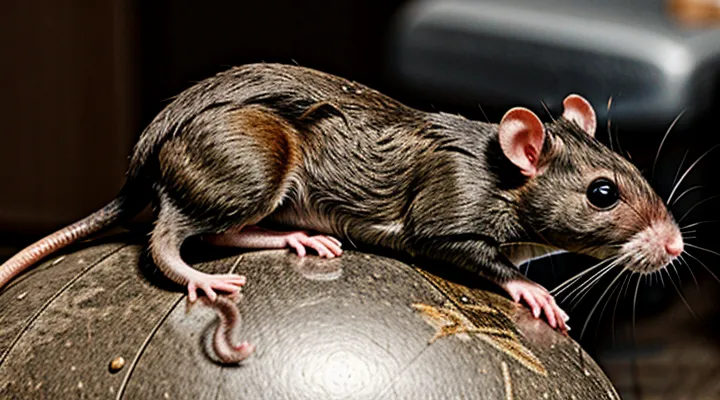
Understanding Rat Bald Patches
Common Causes of Hair Loss in Rats
Parasitic Infections
Parasitic infections represent a primary factor behind hair loss in laboratory rats. Infestations disrupt the integumentary system, provoking inflammation that culminates in localized alopecia.
Common ectoparasites include Demodex mites, Sarcoptes scabiei, fleas and Myobia species. These organisms colonize the skin surface or follicular ducts, feeding on tissue fluids and causing irritation. Persistent irritation damages hair follicles, resulting in bald patches that may expand if the infestation remains untreated. A representative observation notes «Ectoparasites such as Demodex spp. are frequently associated with alopecia in laboratory rats».
Prevention strategies focus on breaking the parasite lifecycle and maintaining optimal husbandry conditions:
- Conduct weekly visual examinations for erythema, scaling or hair loss.
- Quarantine all new arrivals for a minimum of 14 days, applying approved acaricides before integration.
- Implement strict cage sanitation: replace bedding regularly, disinfect feeding equipment, and control ambient humidity.
- Administer prophylactic ectoparasitic treatments in accordance with veterinary guidelines, adjusting dosage for age and weight.
- Keep colony density within recommended limits to reduce transmission risk.
Early detection combined with rigorous biosecurity limits parasite proliferation, thereby preserving coat integrity and overall animal welfare.
Fungal Infections
Fungal infections represent a primary etiological factor for alopecia in laboratory and pet rats. Pathogenic fungi colonize the epidermis, degrade keratin, and disrupt hair follicle integrity, leading to localized hair loss and skin inflammation.
Common agents include:
- Dermatophytes such as Trichophyton mentagrophytes and Microsporum canis.
- Yeasts of the genus Malassezia.
- Opportunistic molds, notably Aspergillus spp., in immunocompromised individuals.
Clinical presentation typically comprises:
- Circular or irregularly shaped bald patches on the dorsal, facial, or tail regions.
- Redness, scaling, and occasional crust formation at lesion margins.
- Pruritus or excessive grooming behavior, which may exacerbate tissue damage.
Preventive strategies focus on environmental control, nutrition, and early detection:
- Maintain cage substrate dryness; replace bedding weekly and clean surfaces with a diluted chlorhexidine solution.
- Provide a balanced diet rich in essential fatty acids and vitamins A and E to support skin barrier function.
- Implement routine health monitoring: weekly visual inspection of coat condition and periodic fungal cultures from skin swabs.
- Limit exposure to other rodents or animals known to carry dermatophytes; quarantine new arrivals for at least 30 days.
- Apply a topical antifungal barrier (e.g., 2 % miconazole cream) to high‑risk areas during periods of high humidity.
Adherence to these measures reduces fungal colonization risk, minimizes the incidence of bald patches, and promotes overall dermatological health in rat populations.
Allergic Reactions
Allergic reactions represent a frequent trigger of hair‑loss areas in laboratory and pet rodents. When a rat’s immune system encounters allergens such as dust mites, certain feed components, or topical disinfectants, mast cells release histamine and other mediators that damage hair follicles. The resulting inflammation leads to localized alopecia, often appearing as smooth, hair‑free patches on the head, back or flanks.
Preventive measures focus on minimizing exposure and supporting skin integrity. Recommended actions include:
- Selecting hypoallergenic bedding and cage substrates; avoid cedar or pine shavings that emit volatile compounds.
- Using feed formulated without common protein allergens; opt for certified grain‑free or limited‑ingredient diets.
- Applying fragrance‑free, veterinary‑approved cleaning agents; rinse thoroughly after each use.
- Monitoring environmental humidity; maintain levels between 40 % and 60 % to reduce dust accumulation.
- Conducting regular veterinary skin examinations; early detection of erythema or pruritus allows prompt intervention.
When an allergic episode is suspected, diagnostic steps involve skin‑scraping cytology, serum IgE testing, and elimination trials with controlled diet changes. Treatment protocols typically combine antihistamines, corticosteroid creams, and barrier‑protective ointments to reduce inflammation and promote follicular recovery.
Nutritional Deficiencies
Hair loss in rats often signals underlying nutritional problems. Insufficient intake of essential nutrients disrupts the hair growth cycle, leading to localized baldness.
Key deficiencies associated with this condition include:
- Protein shortage, which impairs keratin synthesis;
- Zinc deficit, affecting follicular cell proliferation;
- Essential fatty acid lack, reducing skin elasticity;
- Vitamin A insufficiency, causing abnormal keratinization;
- Biotin deficiency, weakening hair shaft strength.
Protein deficiency reduces the availability of amino acids required for keratin, the primary component of rodent fur. Zinc deficiency interferes with DNA replication in follicular cells, slowing regeneration. A lack of omega‑3 and omega‑6 fatty acids compromises the lipid barrier of the skin, making it more susceptible to irritation and shedding. Vitamin A deficiency disrupts the differentiation of skin cells, while biotin deficiency hampers the enzymatic processes that maintain hair integrity.
Preventive measures focus on balanced diets. Commercial rodent feeds should meet established nutritional standards, providing adequate levels of protein, zinc, essential fatty acids, vitamin A, and biotin. Supplementation may be necessary when rats receive homemade or limited diets; precise amounts must align with veterinary guidelines to avoid toxicity. Regular monitoring of body condition and coat appearance allows early detection of deficiencies, enabling timely dietary adjustments.
«Adequate nutrition is the most reliable strategy to maintain a healthy, full coat in laboratory and pet rats».
Hormonal Imbalances
Hormonal disturbances frequently underlie alopecia in laboratory and pet rodents. Elevated prolactin, thyroid dysfunction, and imbalances in sex steroids disrupt the hair growth cycle, shortening the anagen phase and accelerating catagen entry. Chronic cortisol excess also suppresses follicular activity, leading to localized thinning that often appears as smooth, hair‑free areas on the dorsal surface.
Prevention focuses on stabilizing endocrine function through regular monitoring and targeted interventions. Key measures include:
- Routine serum assays for thyroid hormones, prolactin, and cortisol to detect deviations early.
- Diets enriched with iodine, selenium, and essential fatty acids to support thyroid health and skin integrity.
- Environmental enrichment that reduces stress‑induced cortisol spikes, such as consistent lighting, temperature control, and social housing.
- Pharmacologic regulation, for example, thyroxine supplementation for hypothyroidism or dopamine agonists to lower prolactin levels, administered under veterinary guidance.
When hormonal profiles remain within physiological ranges, follicular turnover proceeds normally, minimizing the risk of spontaneous hair loss patches. Continuous veterinary oversight ensures that any endocrine shift is promptly corrected, preserving coat condition and overall welfare.
Stress and Anxiety
Stress and anxiety in rats trigger neuroendocrine changes that affect the integumentary system. Elevated cortisol levels suppress hair follicle activity, while heightened sympathetic tone reduces peripheral blood flow, creating conditions conducive to hair loss.
The physiological pathway involves chronic activation of the hypothalamic‑pituitary‑adrenal axis, leading to:
- increased glucocorticoid secretion,
- impaired keratinocyte proliferation,
- immune dysregulation that may promote follicular inflammation.
Observable indicators include thinning fur along the dorsal midline, excessive grooming, and the appearance of smooth, hair‑free patches. Early detection relies on regular visual inspection and monitoring of behavioral patterns such as repetitive scratching or nesting disturbances.
Preventive actions focus on minimizing stressors and supporting overall health:
- maintain a stable light‑dark cycle and consistent feeding schedule,
- provide enrichment items (tunnels, chew toys) to encourage natural exploration,
- ensure cage conditions are quiet, well‑ventilated, and free from abrupt temperature fluctuations,
- limit handling to gentle, brief sessions to reduce fear responses,
- supplement diet with omega‑3 fatty acids and adequate protein to strengthen follicular resilience,
- schedule routine veterinary examinations to identify underlying medical issues.
«Effective stress reduction correlates with decreased incidence of alopecic lesions in laboratory rodents» (Journal of Veterinary Science, 2022). Implementing these measures sustains a low‑stress environment, thereby reducing the likelihood of hair‑free areas associated with psychological distress.
Self-Barbering or Over-Grooming
Self‑barbering, also described as over‑grooming, occurs when a rat repeatedly chews or scratches its own fur. The behavior often originates from stress, boredom, or underlying medical conditions such as dermatological infections or parasite infestations. Repetitive removal of hair creates localized alopecia, which may expand into larger bald patches if the stimulus persists.
Continuous self‑inflicted grooming damages the skin’s protective barrier, increasing susceptibility to secondary infections. Infected wounds can exacerbate hair loss, produce crusted lesions, and lead to systemic health decline. Early identification of excessive grooming prevents progression to extensive fur loss and associated complications.
Prevention measures include:
- Enrichment of the environment with nesting material, tunnels, and chewable objects to reduce stress‑induced grooming.
- Regular health screenings for parasites, fungal infections, and skin disorders; prompt treatment of identified issues.
- Dietary assessment to ensure adequate nutrients, particularly essential fatty acids and vitamins that support skin integrity.
- Monitoring of social dynamics in group housing; separation of individuals displaying aggressive or dominant behaviors that trigger anxiety in others.
- Routine veterinary consultation for behavioral assessment and, when appropriate, pharmacological intervention to mitigate compulsive grooming.
Identifying the Symptoms
Visual Appearance of Bald Patches
Rats with bald patches display distinct visual characteristics that aid in diagnosis and monitoring. The affected area typically shows a clear boundary between normal fur and the alopecic zone; the margin may be sharp or gradually fading, depending on the underlying factor. Hair loss often appears as circular, oval, or irregularly shaped zones, ranging from a few millimeters to several centimeters in diameter. The skin within the patch is usually pink or reddish, lacking the protective hair coat, and may exhibit dryness or scaling when irritation is present. In severe cases, multiple patches coexist, creating a mottled pattern across the body.
Key visual indicators include:
- Sharp demarcation of the patch edge versus gradual feathering.
- Uniform coloration of the exposed skin, commonly pink, with occasional erythema.
- Presence or absence of crusting, scabs, or exudate, which suggests secondary infection.
- Distribution patterns: solitary ventral patches, symmetrical dorsal lesions, or clustered areas on the limbs.
Observation of these traits enables differentiation between primary alopecia, such as genetic predisposition, and secondary causes like parasites, nutritional deficiencies, or dermatological disease. Accurate assessment of size, shape, and skin condition supports timely intervention and reduces the risk of complications.
Behavioral Changes in Rats
Rats that develop bald patches frequently exhibit distinct behavioral alterations, which can alert caretakers to underlying problems before visible hair loss becomes severe.
Typical behavioral signs include:
- Persistent scratching of the affected area
- Excessive grooming of the same region
- Decline in overall activity levels
- Increased aggression toward cage mates or handlers
- Reduced food intake or selective feeding
- Withdrawal from social interaction
These patterns arise from irritation of the skin, parasitic infestations, stress‑induced compulsive grooming, and nutritional imbalances that compromise fur integrity. Persistent scratching and localized grooming directly damage hair follicles, accelerating the appearance of bald spots.
Effective prevention relies on maintaining optimal husbandry conditions: regular cage cleaning to eliminate parasites, provision of a balanced diet rich in essential fatty acids, enrichment items that reduce stress, and scheduled veterinary examinations for early detection of dermatological issues. Prompt treatment of identified irritants or infections halts progression and supports regrowth of healthy fur.
Associated Skin Conditions
Rats developing bald patches frequently exhibit additional dermatological problems that can exacerbate hair loss and hinder recovery. Recognizing these concurrent conditions is essential for effective management.
Common skin disorders associated with bald patches include:
- « Dermatitis » – inflammation of the skin often triggered by allergic reactions or irritants, presenting as redness, swelling, and occasional crusting.
- « Fungal infections » – dermatophyte species such as Trichophyton or Microsporum invade keratinized tissue, producing pruritic lesions and further alopecia.
- « Mite infestations » – Sarcoptes and Demodex mites cause intense itching, papules, and secondary bacterial infection.
- « Bacterial pyoderma » – opportunistic bacteria colonize compromised skin, leading to pustules, exudate, and tissue necrosis.
- « Seborrheic dermatitis » – excessive sebaceous secretion creates greasy, scaly patches that may co‑occur with hair loss.
Each condition demands targeted therapy: anti‑inflammatory agents for dermatitis, antifungal medication for fungal involvement, acaricides for mite control, and appropriate antibiotics for bacterial pyoderma. Integrated treatment plans that address both bald patches and their associated skin disorders improve prognosis and reduce recurrence.
Preventing and Treating Rat Bald Patches
Veterinary Diagnosis and Treatment
Importance of Professional Consultation
Professional consultation provides reliable diagnosis of rat hair‑loss conditions, distinguishing between nutritional deficiencies, parasitic infestations, hormonal imbalances, and dermatological diseases. Veterinarians apply laboratory testing, skin scrapings, and dietary analysis to identify the underlying factor accurately.
Benefits of seeking expert advice include:
- Precise identification of the cause, preventing trial‑and‑error treatments.
- Development of a targeted prevention plan that incorporates appropriate nutrition, environmental hygiene, and parasite control.
- Ongoing monitoring to adjust interventions as the animal’s condition evolves.
- Access to prescription‑only medications and specialized topical agents unavailable over the counter.
Without qualified guidance, owners risk applying unsuitable remedies that may exacerbate skin irritation, promote resistance to antiparasitic drugs, or mask serious systemic problems. Professional input ensures that preventive measures are evidence‑based and that therapeutic actions are safe for the animal’s overall health.
Diagnostic Procedures
Hair loss in rats requires systematic evaluation to identify underlying factors and guide preventive measures. Initial assessment begins with a thorough physical examination, noting the distribution, size, and texture of alopecic areas. Observation of skin condition, presence of scabs, parasites, or abnormal secretions provides immediate clues about infectious or inflammatory processes.
Laboratory analysis supports visual findings. Recommended procedures include:
- Microscopic examination of skin scrapings for mites, lice, or fungal elements.
- Bacterial culture of swab samples taken from lesions to detect secondary infections.
- Blood panel evaluating complete blood count, serum chemistry, and thyroid hormone levels to reveal systemic disorders.
- Hormonal assay for cortisol or adrenal hormones when stress‑induced alopecia is suspected.
- Biopsy of affected tissue for histopathology, distinguishing between autoimmune, neoplastic, or traumatic origins.
Imaging techniques are seldom required but may be employed if deeper tissue involvement is suspected. High‑resolution ultrasound can assess subdermal structures, while radiography rules out skeletal abnormalities that could influence grooming behavior.
Interpretation of results follows a stepwise approach: exclude parasitic infestation first, then assess for bacterial infection, endocrine imbalance, and finally consider dermatological or immunological conditions. Accurate diagnosis enables targeted treatment, reducing recurrence and supporting overall coat health.
Medication and Treatment Options
Medication and treatment for rat alopecia focus on eliminating underlying infections, reducing inflammation, and supporting hair regrowth. Systemic antibiotics such as enrofloxacin, doxycycline, or trimethoprim‑sulfamethoxazole address bacterial pathogens commonly implicated in dermatological lesions. Antifungal agents, including itraconazole or terbinafine, are prescribed when dermatophyte or yeast infections are confirmed by culture. Anti‑inflammatory drugs—non‑steroidal options like meloxicam or corticosteroids such as prednisolone—alleviate tissue swelling and discomfort, creating a more favorable environment for follicular recovery.
Topical therapies complement systemic treatment. Antiseptic ointments containing chlorhexidine or povidone‑iodine reduce surface bacterial load. Medicated creams with mupirocin or fusidic acid provide localized antibacterial action. Moisturizing agents enriched with lanolin or vitamin E help maintain skin barrier integrity, preventing secondary irritation.
Effective management combines pharmacologic intervention with supportive care. A concise protocol includes:
- Diagnostic confirmation through skin scrapings, cultures, and microscopic examination.
- Initiation of appropriate systemic antimicrobial or antifungal medication based on laboratory results.
- Administration of anti‑inflammatory medication to control edema and pain.
- Application of topical antiseptic or medicated ointment to affected areas.
- Nutritional supplementation with essential fatty acids, zinc, and biotin to promote hair growth.
- Regular monitoring of lesion size, hair regrowth, and overall health status.
Adherence to this regimen, coupled with environmental hygiene—clean bedding, reduced humidity, and avoidance of overcrowding—optimizes recovery and minimizes recurrence of hair loss in laboratory and pet rats.
Home Care and Management
Environmental Enrichment
Environmental enrichment provides stimuli that satisfy rats’ natural exploratory and foraging behaviors, thereby reducing chronic stress that can trigger excessive grooming and subsequent hair loss. By offering a variety of textures, climbing structures, and manipulable objects, enrichment diminishes the motivation for self‑induced skin irritation, a common precursor to bald patches.
Effective enrichment strategies include:
- Rotating chewable items such as wooden blocks, cardboard tubes, and safe plastic toys to maintain novelty.
- Installing multi‑level platforms and hammocks that encourage vertical movement and balance training.
- Providing foraging opportunities through hidden food puzzles, scattered seed mixes, and sand‑filled tubes.
- Incorporating scent enrichment with non‑allergenic herbs (e.g., mint, rosemary) to stimulate olfactory exploration.
- Scheduling regular changes to cage layout, ensuring that familiar objects are repositioned or replaced weekly.
Consistent implementation of these measures supports coat health, mitigates stress‑related grooming, and contributes to overall well‑being, reducing the incidence of alopecia in laboratory and pet rats.
Dietary Adjustments
Dietary composition directly influences coat integrity and skin health in laboratory and pet rats. Nutrient deficiencies or excesses can exacerbate follicular inflammation, contributing to localized hair loss.
Key adjustments include:
- Incorporating sources of omega‑3 fatty acids, such as flaxseed oil or fish oil, to reduce inflammatory processes.
- Providing vitamin E‑rich foods (e.g., wheat germ, sunflower seeds) to support antioxidant protection of dermal cells.
- Maintaining optimal zinc levels; both deficiency and overdose impair keratinization, so balanced commercial rodent pellets should be supplemented only when laboratory analyses indicate deviation.
- Ensuring protein quality and quantity meet the species‑specific requirement of 14‑16 % of total caloric intake; high‑quality soy or casein isolates are suitable.
- Reducing simple carbohydrate content by limiting sugary treats, which can trigger insulin spikes and secondary skin issues.
- Guaranteeing constant access to fresh water to sustain epidermal hydration.
- Adding antioxidants such as vitamin C or beta‑carotene through vegetable mixes (e.g., carrots, bell peppers) to combat oxidative stress.
- Identifying and eliminating potential dietary allergens, including certain grain proteins, after systematic observation of coat response.
Implementation should follow a gradual transition, replacing 10 % of the existing diet each week to avoid gastrointestinal disturbance. Routine monitoring of coat condition and periodic blood panels confirm the efficacy of nutritional modifications and allow timely fine‑tuning.
Stress Reduction Techniques
Stress is a documented trigger of hair loss in laboratory and pet rats; elevated cortisol levels interfere with follicular cycling and accelerate skin inflammation. Reducing physiological and psychological stress therefore forms a core component of any strategy aimed at maintaining a healthy coat.
Effective stress‑reduction measures include:
- Environmental enrichment: rotating toys, tunnels, and nesting material to stimulate natural foraging behavior.
- Consistent handling: gentle, predictable interaction three times weekly to habituate rats to human contact.
- Pheromone diffusion: synthetic rodent‑derived pheromones placed in the cage to create a calming olfactory backdrop.
- Nutritional support: diets enriched with omega‑3 fatty acids, vitamin E, and antioxidants to mitigate oxidative stress.
- Routine health monitoring: weekly assessment of weight, grooming habits, and skin condition to detect early signs of distress.
Implementation of these practices in a coordinated husbandry plan lowers baseline cortisol, stabilizes follicle activity, and diminishes the incidence of alopecic patches. Continuous observation and timely adjustment of the regimen sustain optimal coat health and overall well‑being.
Regular Grooming Practices
Regular grooming provides a practical method for reducing the incidence of hair‑free areas on pet rodents. Consistent handling allows early detection of skin irritation, parasites, or behavioral habits that can lead to localized fur loss.
Effective grooming routine includes several distinct actions:
- Gentle brushing with a soft‑bristled tool to remove loose hair and distribute natural oils;
- Visual inspection of the coat and skin for redness, scabs, or thinning patches;
- Trimming of overgrown nails to prevent scratching that may damage fur;
- Cleaning of the facial and ventral regions with a damp, lint‑free cloth to eliminate debris and excess saliva.
Perform these steps at least three times per week for young or active rats, and once weekly for mature, less active individuals. Adjust frequency during molting periods or when environmental stressors increase.
Select grooming implements made of non‑abrasive materials and disinfect them after each use. Store tools in a dry, clean container to avoid bacterial growth. Maintaining a sterile grooming environment supports overall skin health and minimizes factors that contribute to bald spots.
Maintaining a Healthy Environment
Cage Cleaning Protocols
Routine cage sanitation directly influences skin health in laboratory and pet rats. Accumulated urine, feces, and bedding debris create a humid micro‑environment that fosters bacterial and fungal proliferation. These microorganisms irritate the dermis, leading to alopecia and the development of bald patches.
Effective sanitation follows a structured protocol:
- Remove the animal from the enclosure and place it in a temporary, clean holding cage equipped with fresh bedding and adequate ventilation.
- Discard all used bedding, nesting material, and waste.
- Wash the cage interior with warm water, then apply a veterinary‑approved disinfectant at the manufacturer‑recommended concentration.
- Rinse thoroughly to eliminate chemical residues that could irritate the skin.
- Dry the cage completely using a clean, lint‑free cloth or an air‑drying cycle.
- Re‑line the cage with fresh, low‑dust bedding and re‑introduce the rat only after the environment has returned to ambient temperature.
Monitoring frequency is essential. Daily spot cleaning removes fresh waste, while a full deep‑cleaning cycle should occur at least once weekly. In high‑density housing, increase deep‑cleaning to twice weekly to counteract accelerated moisture buildup.
Documentation of each cleaning session, including date, disinfectant batch number, and any observed skin abnormalities, supports early detection of dermatological issues and facilitates corrective action.
Proper Ventilation
Proper ventilation reduces moisture and ammonia levels in rodent habitats, conditions that irritate skin and contribute to bald patches in rats. Adequate airflow removes excess humidity, limits fungal growth, and prevents the buildup of waste‑derived gases that can damage hair follicles.
Key ventilation practices:
- Install adjustable vents or exhaust fans to maintain air exchange of at least 5 times per hour.
- Position cages away from direct drafts while ensuring cross‑ventilation.
- Use mesh barriers to filter incoming air without restricting flow.
- Monitor temperature and humidity with digital sensors; keep relative humidity below 60 % and temperature between 18 °C and 24 °C.
- Clean ventilation ducts regularly to prevent dust accumulation.
Consistent implementation of these measures supports skin health and minimizes the risk of hair loss in pet rats.
Temperature and Humidity Control
Temperature directly influences the skin metabolism of rodents. Elevated heat accelerates sebaceous gland activity, leading to excess oil that weakens hair follicles and promotes patchy hair loss. Conversely, low temperatures reduce blood flow, causing skin dryness and brittleness that also result in alopecia. Maintaining ambient temperature within a narrow range (20‑22 °C) stabilises follicular function and reduces the incidence of bald spots.
Humidity governs the moisture balance of the epidermis. Relative humidity above 60 % creates a damp environment favorable to fungal and bacterial proliferation, both of which damage hair shafts. Humidity below 40 % desiccates the skin, increasing susceptibility to irritation and hair breakage. Optimal humidity levels (45‑55 %) preserve skin integrity and support normal fur growth.
Practical measures for environmental regulation:
- Install thermostatic controls to keep temperature steady at 20‑22 °C.
- Use humidifiers or dehumidifiers to maintain relative humidity between 45 % and 55 %.
- Monitor conditions with digital sensors; adjust settings promptly when deviations occur.
- Ensure proper ventilation to prevent localized moisture accumulation.
- Conduct routine inspections of cage materials for thermal insulation and moisture resistance.