
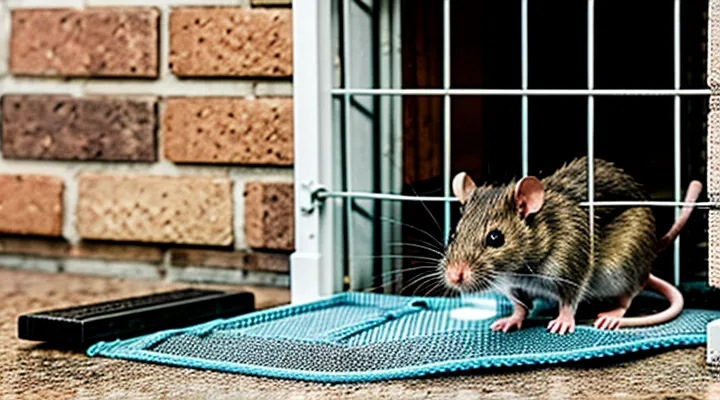
Understanding the Rodent Threat
Why Rodents Are a Problem
Health Risks
Rats and mice introduce pathogens that can cause severe illnesses such as leptospirosis, hantavirus pulmonary syndrome, and salmonellosis. Direct contact with urine, droppings, or saliva transfers infectious agents, while aerosolized particles from contaminated bedding may be inhaled, leading to respiratory infections. Food contamination occurs when rodents gnaw packaging or leave droppings on surfaces, resulting in bacterial growth and toxin production that compromise gastrointestinal health. Allergic reactions arise from rodent dander, triggering asthma attacks and dermatitis in sensitive individuals. Chronic exposure to rodent‑borne parasites, including fleas and mites, increases the risk of vector‑borne diseases such as plague and murine typhus. Implementing a physical barrier that prevents entry into living spaces eliminates these exposure pathways, reducing the incidence of disease transmission and protecting occupants’ well‑being.
Property Damage
Rats and mice can compromise structural integrity, electrical systems, and stored goods. Their gnawing behavior targets wood, insulation, wiring, and soft furnishings, leading to costly repairs and potential safety hazards.
Typical forms of damage include:
- Compromised framing and joists caused by repeated chewing.
- Exposed or frayed electrical cables that increase fire risk.
- Destroyed insulation, reducing energy efficiency and raising heating costs.
- Contaminated pantry items, resulting in waste and health concerns.
Installing a durable, fine‑mesh barrier across openings, vents, and crawl spaces blocks entry points, directly preventing the physical destruction described above. The mesh’s tensile strength withstands repeated contact, while its tight weave eliminates gaps large enough for rodent incisors.
Maintenance of the barrier—regular inspection for tears, secure fastening, and prompt replacement of damaged sections—ensures continued protection. When the enclosure remains intact, the likelihood of structural compromise drops dramatically, preserving property value and reducing repair expenditures.
Common Entry Points for Rodents
Cracks and Gaps in Foundations
Cracks and gaps in a building’s foundation provide direct entry points for rats and mice, undermining any effort to secure a home against rodent intrusion.
Typical locations include perimeter walls, slab joints, utility penetrations, and areas where concrete meets masonry. Each opening, regardless of size, can accommodate the smallest rodent species and serve as a conduit to interior spaces.
Unsealed openings allow rodents to access shelter, food, and water, leading to structural damage, contamination, and increased health risks. The presence of rodents also compromises the effectiveness of external netting systems, as individuals can bypass barriers through foundation breaches.
Effective remediation follows a systematic approach:
- Conduct a thorough visual inspection of the entire foundation perimeter, focusing on visible fissures, settled joints, and areas around pipes, cables, and vents.
- Measure each opening; gaps larger than ¼ inch (6 mm) require immediate attention.
- Apply appropriate sealants: epoxy injections for hairline cracks, hydraulic cement for larger fissures, and expanding foam for irregular voids.
- Install metal flashing or steel mesh over repaired sections to provide a durable, chew‑resistant barrier.
- Schedule periodic re‑inspection, especially after seasonal temperature fluctuations or ground movement, to detect new or re‑opened gaps.
Integrating sealed foundations with properly installed rodent‑exclusion netting creates a continuous defense line. When gaps are eliminated, netting can function as the primary obstacle, ensuring that rodents cannot exploit structural weaknesses to enter the dwelling.
Vents and Chimneys
Vents and chimneys provide direct pathways for rodents to enter interior spaces. Openings often lack protective barriers, allowing rats and mice to exploit gaps for shelter and food access.
Effective protection requires sealing all entry points while preserving airflow. Mesh screens made of stainless steel or heavy‑gauge aluminum deliver durability and resistance to gnawing. Screens should feature a mesh size of ¼ inch (6 mm) or smaller to block even juvenile rodents.
Key implementation steps:
- Inspect each vent and chimney for cracks, loose flashing, and missing covers.
- Fit a rigid frame around the opening to support the mesh.
- Attach the mesh using stainless‑steel staples or corrosion‑resistant screws; overlap seams by at least 2 inches (5 cm) and seal with rodent‑proof caulk.
- Install a removable access panel for routine cleaning, ensuring the panel incorporates the same mesh specifications.
Maintenance considerations:
- Conduct quarterly visual checks for signs of wear, corrosion, or mesh displacement.
- Replace damaged sections promptly to prevent breach.
- Clean accumulated debris that could conceal entry points or attract rodents.
By integrating reinforced mesh barriers into vents and chimneys, homeowners create a continuous defense line that denies rodents access while maintaining essential ventilation functions.
Utility Line Openings
Utility line penetrations represent a common entry route for rats and mice seeking shelter within residential structures. Openings around electrical conduits, cable bundles, and plumbing sleeves often lack adequate sealing, allowing rodents to bypass exterior barriers and access interior spaces.
Effective mitigation requires a systematic approach:
- Install metal or heavy‑duty plastic mesh with apertures no larger than ¼ inch over each penetration.
- Apply fire‑rated, rodent‑resistant caulk or expanding foam to fill gaps between the mesh and the utility surface.
- Use steel wool or copper mesh as a secondary filler in irregular voids before sealing.
- Verify that all sealants meet local building and fire codes to maintain safety compliance.
Regular inspection is essential. Schedule checks at least twice annually, focusing on:
- Visual assessment of mesh integrity and signs of gnawing.
- Confirmation that sealant remains intact and adheres to surrounding material.
- Replacement of compromised components before the onset of nesting season.
Coordination with utility providers ensures that modifications do not interfere with service functionality. Documentation of each sealed opening supports maintenance records and facilitates future repairs. By treating utility line openings as critical control points, homeowners can substantially reduce the risk of rodent intrusion while preserving the performance of essential services.
The Role of Rat and Mouse Netting in Rodent Control
What is Rodent Netting?
Materials Used
Materials selected for residential rodent exclusion prioritize durability, corrosion resistance, and appropriate aperture size.
Stainless‑steel mesh provides high tensile strength, maintains structural integrity in humid environments, and resists rust. Typical gauge ranges from 0.5 mm to 1 mm, with openings of 6 mm to 12 mm to block rats and mice while allowing airflow.
Galvanized steel offers a cost‑effective alternative; zinc coating protects against oxidation, though long‑term exposure may require periodic inspection.
Polypropylene and nylon fabrics combine flexibility with weatherability. UV‑stabilized fibers retain strength under sunlight, and low‑stretch characteristics prevent gaps from forming around irregular openings.
High‑density polyethylene (HDPE) sheets deliver impact resistance and waterproofing, suitable for sealing gaps beneath foundations or in crawl spaces.
Copper and aluminum meshes serve niche applications where aesthetic integration with existing metalwork is desired; both materials exhibit excellent corrosion resistance but differ in strength, with copper offering superior malleability.
Fastening components include stainless‑steel screws, self‑drilling anchors, and corrosion‑inhibiting sealants. Silicone‑based caulks maintain elasticity over temperature fluctuations, while expanding foam provides rapid gap filling in larger voids.
Selection criteria:
- Tensile strength ≥ 150 MPa for metal meshes
- Mesh opening ≤ 10 mm to deter common rodent species
- UV resistance rating of ≥ 200 hours for polymer fabrics
- Corrosion protection class V2 or higher for metallic components
Proper material specification ensures long‑lasting protection against rodent ingress in residential settings.
Mesh Sizes and Types
Choosing the appropriate mesh is critical for effective rodent exclusion in residential environments. Mesh dimensions determine whether rats and mice can penetrate the barrier, while material composition influences durability, weather resistance, and ease of installation.
Typical mesh openings fall into three ranges:
- « ≤ ¼ inch (≈ 6 mm) » – blocks adult rats and mice; suitable for high‑risk areas such as attics and crawl spaces.
- « ¼ – ½ inch (≈ 6‑13 mm) » – prevents mouse entry while allowing limited airflow; often used for vents and pet doors.
- « > ½ inch (≈ 13 mm) » – permits small rodents; rarely recommended for exclusion but may serve as secondary screening where ventilation is paramount.
Material options include:
- Galvanized steel – high tensile strength, resistant to corrosion, ideal for long‑term outdoor exposure.
- Stainless steel – superior rust resistance, suitable for humid basements and kitchens.
- Polyethylene‑coated wire – flexible, easier to cut and shape, appropriate for interior frames where aesthetic considerations matter.
- Fiberglass mesh – non‑metallic, lightweight, used where metal detectors or electromagnetic interference pose concerns.
Matching mesh size to material ensures both physical blockage and longevity. For exterior applications exposed to rain and temperature fluctuations, stainless steel with openings ≤ ¼ inch provides the most reliable protection. Interior installations benefiting from flexibility should combine polyethylene‑coated wire with the same opening dimensions. Selecting a mesh that meets the smallest rodent’s body width eliminates the possibility of entry, while the chosen material guarantees sustained performance under the specific environmental conditions of the home.
Benefits of Using Rodent Netting
Long-Term Protection
Effective rodent exclusion requires solutions that endure beyond seasonal fluctuations. Materials such as stainless‑steel mesh, high‑tensile polymer netting, and UV‑stabilized fibers retain structural integrity for years, even when exposed to weather extremes. Selecting products with certified corrosion resistance and tear resistance reduces the likelihood of compromise over time.
Maintenance protocols extend the service life of protective barriers. A quarterly inspection schedule identifies loose fittings, edge gaps, or damage caused by wildlife activity. Prompt replacement of compromised sections prevents small breaches from developing into full‑scale infestations. Cleaning debris from the netting surface eliminates nesting material and preserves airflow, which deters moisture buildup.
Integration with building design enhances durability. Secure attachment points—anchored to structural members rather than temporary fixtures—distribute stress evenly across the netting. Overlap joints by at least 10 cm and seal with weather‑proof tape to create continuous barriers. Incorporating flashing and sealant around entry points, such as vents and utility penetrations, eliminates secondary access routes.
Key practices for sustained protection:
- Choose corrosion‑resistant, UV‑stable netting materials.
- Conduct quarterly inspections and immediate repairs.
- Anchor netting to permanent structural elements.
- Overlap and seal joints to maintain continuity.
- Keep the barrier free of debris and vegetation.
Adhering to these measures ensures that rodent exclusion systems remain effective for the long term, safeguarding residential environments against recurring pest incursions.
Non-Toxic Solution
Rodent‑proof netting provides a physical barrier that prevents entry without relying on chemical deterrents. For households seeking a safe approach, a non‑toxic solution combines effective exclusion with health‑conscious materials.
A non‑toxic solution employs netting fabricated from polyethylene‑based fibers, stainless‑steel mesh, or biodegradable polymers. These materials resist chewing, endure weather exposure, and contain no harmful additives. Production processes avoid pesticides, heavy metals, and volatile organic compounds, ensuring that the barrier does not release contaminants into indoor air.
Key benefits include: - No risk of chemical poisoning for children, pets, or occupants. - Compliance with indoor air quality standards and environmental regulations. - Long‑term durability reduces the frequency of replacement, minimizing waste. - Ease of installation with pre‑cut lengths and simple fastening mechanisms.
Implementation guidelines recommend sealing all potential entry points before installing the netting, securing the material with rust‑free staples or UV‑resistant tape, and inspecting the barrier quarterly for wear. Integrating a non‑toxic netting system with routine housekeeping practices maximizes protection while maintaining a healthy living environment.
Cost-Effectiveness
Cost‑effectiveness of residential rodent netting depends on upfront investment, durability, and ongoing expenses. Initial purchase price varies with mesh size, material grade, and coverage area. Professional installation adds labor costs; DIY placement reduces this component but may affect fit quality.
Key cost factors include:
- Material price per square foot, influenced by stainless steel or coated aluminum.
- Installation fee, typically a fixed rate plus mileage.
- Maintenance, such as periodic tension checks and occasional replacement of damaged sections.
Long‑term financial benefits arise from prevented structural damage, lower pest‑control service fees, and reduced health‑related expenditures. A sealed barrier eliminates gnawing on wiring, insulation, and cabinetry, which can cost hundreds to thousands of dollars in repairs. Avoiding chemical treatments decreases recurring purchase costs and potential liability.
Compared with alternative solutions, netting offers a higher return on investment. Traps incur repeated bait costs and limited lifespan; chemical sprays require frequent reapplication and may pose regulatory fees. Netting provides a one‑time expense with a service life extending beyond a decade, delivering cumulative savings that outweigh the initial outlay.
Choosing the Right Rodent Netting
Factors to Consider
Rodent Species Targeted
Rodent exclusion netting for residential settings is designed to intercept the most common household pests. Effective protection focuses on species that readily enter structures in search of food, shelter, and nesting material.
- «Norway rat» (Rattus norvegicus): large, ground‑dwelling, prefers basements, crawl spaces, and low‑lying openings.
- «Roof rat» (Rattus rattus): agile climber, exploits attic vents, eaves, and roof gaps.
- «House mouse» (Mus musculus): small, squeezes through gaps as narrow as ¼ inch, targets kitchen cabinets and wall voids.
- «Deer mouse» (Peromyscus maniculatus): occasional indoor intruder, attracted to grain stores and cluttered areas.
- «Vole» (Microtus spp.): burrows near foundations, can infiltrate crawl spaces through damaged screens.
Each target exhibits distinct entry behavior. Large rats require openings of at least ½ inch, while mice exploit much smaller fissures. Netting with mesh size no larger than ¼ inch blocks both categories, preventing passage while allowing ventilation. Installation at foundation vents, utility penetrations, and attic access points creates a continuous barrier, reducing the likelihood of infestation across the identified species.
Location of Installation
Installing rodent‑proof netting requires precise placement at points where rodents can penetrate the building envelope. Identify every opening that provides a direct route from the exterior to interior spaces and apply netting to block access.
- Foundations and basement walls where cracks or gaps exceed ¼ inch.
- Vents, soffits, and eaves that connect attic or crawl‑space areas to the outside.
- Crawl‑space vents and access doors.
- Attic entry points, including roof hatches and dormer windows.
- Garage doors and side‑door thresholds, especially where weather‑stripping is damaged.
- Utility penetrations for pipes, cables, and ducts.
- Chimney flues and vent pipes.
- Deck and balcony railings that adjoin the house structure.
- Pet doors and small animal entrances.
During the survey, measure each opening, prioritize those nearest ground level, and verify that the surrounding structure can support the netting tension. Install mesh with a minimum aperture of ¼ inch, securing it with corrosion‑resistant fasteners and sealing edges with weather‑proof tape.
Schedule regular inspections to confirm integrity, replace damaged sections promptly, and maintain a continuous barrier that prevents rodent ingress.
Durability and Longevity
Durable rodent‑proof netting relies on material selection, construction methods, and environmental resistance. High‑density polyethylene (HDPE) and UV‑stabilized polyester provide tensile strengths exceeding 150 kg m‑², ensuring mesh integrity under repeated gnawing and wind loads. Reinforced stitching and heat‑sealed seams prevent seam failure, while coated fibers resist moisture absorption and fungal growth. Manufacturer specifications often include a minimum service life of eight to twelve years under continuous outdoor exposure; warranty periods typically reflect this expectation.
Key factors influencing longevity include:
- UV additives that inhibit polymer degradation, maintaining color and strength.
- Antimicrobial treatments reducing microbial attack on fibers.
- Resistance to temperature fluctuations, preserving flexibility in cold climates and preventing brittleness in heat.
- Compatibility with installation hardware; corrosion‑resistant staples or clips avoid weakening the mesh attachment.
Regular inspection of mesh tension and seam condition extends functional life. Prompt replacement of sections showing fraying or UV‑induced cracking restores protective performance without full system replacement. «Effective rodent barriers combine material resilience with proper maintenance to achieve sustained home protection».
Types of Netting Materials
Stainless Steel Mesh
Stainless steel mesh («stainless steel mesh») provides a reliable barrier against rats and mice seeking entry into residential structures. Its composition resists corrosion, maintains structural integrity under fluctuating humidity, and withstands mechanical pressure from gnawing rodents.
Key physical attributes include:
- Mesh aperture typically ranging from ¼ inch to ½ inch, sufficient to block adult rodents while allowing airflow.
- Gauge options from 20 to 24 gauge, balancing flexibility for curved installations with tensile strength for rigid frames.
- Surface finish polished or brushed, reducing accumulation of debris and facilitating cleaning.
Advantages for household protection:
- Non‑reactive material eliminates risk of chemical leaching, preserving indoor air quality.
- Long‑term durability minimizes replacement frequency, lowering overall maintenance costs.
- Compatibility with standard fasteners enables secure attachment to door frames, vent openings, and crawl‑space enclosures.
Installation guidelines:
- Align mesh edges with structural framing, securing with stainless steel screws or self‑tapping bolts to prevent separation.
- Apply a continuous sealant along perimeter joints to eliminate micro‑gaps that rodents could exploit.
- For movable openings, integrate a spring‑loaded latch system that maintains tension on the mesh when the opening is closed.
Maintenance practices:
- Conduct quarterly visual inspections, focusing on welds, fasteners, and mesh tension.
- Remove accumulated dust or insect debris using a mild detergent and a soft brush; avoid abrasive cleaning agents that could compromise surface integrity.
- Replace sections exhibiting rust, deformation, or compromised aperture size to sustain barrier effectiveness.
Selecting appropriate «stainless steel mesh» for home rodent exclusion requires assessment of aperture size, gauge, corrosion resistance, and installation compatibility. Properly specified and installed, the material delivers a durable, low‑maintenance solution for safeguarding residential environments from rodent intrusion.
Galvanized Steel Mesh
Galvanized steel mesh provides a durable barrier suitable for residential rodent exclusion systems. The zinc coating resists corrosion, ensuring long‑term performance in humid basements, attics, and exterior crawl spaces. Mesh openings typically range from ¼ inch to ½ inch, preventing entry of rats and mice while allowing airflow and visibility.
Key characteristics include:
- High tensile strength, maintaining shape under pressure from gnawing rodents.
- Rust‑free surface that withstands exposure to moisture and soil contact.
- Compatibility with common fastening methods such as staples, screws, and wire ties.
- Recyclable material, supporting environmentally responsible construction practices.
Installation guidelines recommend securing the mesh tightly to structural frames, overlapping seams by at least 2 inches, and sealing joints with stainless‑steel wire or corrosion‑resistant tape. Edge reinforcement with metal flashing prevents tearing at corners and doorways. Regular inspection should focus on potential gaps, loose fasteners, and signs of damage, allowing prompt repair before infestations develop.
Cost considerations favour galvanized steel mesh over specialty plastic netting due to its longer service life and lower replacement frequency. Bulk purchasing reduces unit price, while the material’s versatility permits use across multiple entry points, consolidating procurement and simplifying inventory management.
Copper Mesh
Copper mesh offers a durable, flexible barrier for preventing rodents from entering residential structures. The material’s fine aperture—typically ranging from 1 mm to 3 mm—excludes rats and mice while allowing airflow and light penetration, preserving indoor climate conditions.
Key characteristics include:
- High tensile strength; resists tearing under pressure from gnawing animals.
- Corrosion resistance when coated with protective finishes such as tin or PVC, extending service life in humid environments.
- Non‑toxic composition; safe for contact with food‑storage areas and pet‑occupied spaces.
- Easy integration with existing framing, windows, vents, and crawl‑space openings through staples, screws, or zip‑tied clamps.
Installation guidelines:
- Measure each opening precisely; allow a 10 % overlap of mesh on all sides to ensure complete coverage.
- Cut mesh with wire cutters, maintaining straight edges to avoid gaps.
- Secure mesh firmly, ensuring no sagging that could create entry points.
- Seal seams with metal staples or corrosion‑resistant wire; apply silicone sealant where necessary for added protection.
Maintenance considerations:
- Inspect mesh quarterly for signs of rust, damage, or displacement.
- Clean debris from the surface to prevent moisture accumulation, which can accelerate degradation.
- Replace sections showing extensive wear to maintain an uninterrupted barrier.
Compared with synthetic netting, copper mesh delivers superior longevity and structural integrity, especially in areas exposed to temperature fluctuations and moisture. Its inherent rigidity reduces the likelihood of rodents forcing through, making it a preferred choice for long‑term home protection against rodent intrusion.
Installation Guide for Rodent Netting
Preparation Before Installation
Inspection of Potential Entry Points
Inspecting potential entry points is the first step in establishing an effective rodent barrier for a residence. Identifying gaps prevents rats and mice from bypassing netting and gaining access to interior spaces.
Common sources of intrusion include:
- Gaps around exterior doors and windows, especially where weather‑stripping is missing or damaged.
- Openings around utility penetrations such as pipes, cables, and vent ducts.
- Cracks in foundation walls, sill plates, and basement flooring.
- Unsealed spaces beneath crawl‑space doors, garage doors, and garage entryways.
- Roof eaves, soffits, and attic vents lacking mesh screens.
Conduct the inspection with a systematic approach. Begin at ground level, trace the building envelope clockwise, and note any openings larger than ¼ inch. Use a flashlight to reveal concealed cracks, and employ a flexible mirror to view behind fixtures. Document each defect with measurements and location details.
Seal identified gaps using materials compatible with the existing structure. Apply steel wool or copper mesh to narrow openings before applying caulking or expanding foam. Install metal flashing around pipe penetrations, and fit hardware cloth over larger vents. Replace worn weather‑stripping on doors and windows, and ensure garage and crawl‑space doors close tightly with proper latches.
Completing a thorough inspection and remediation reduces the likelihood of rodent entry, thereby enhancing the overall performance of the netting solution.
Cleaning and Sealing Existing Gaps
Effective rodent exclusion begins with thorough inspection, removal of debris, and sealing of all openings that provide entry points. Visible cracks around foundations, utility penetrations, and window frames must be cleared of dust, insects, and nesting material before any sealant is applied.
Key actions for cleaning and sealing existing gaps include:
- Identify all gaps larger than a quarter‑inch using a bright flashlight and a mirror.
- Vacuum or sweep each opening to eliminate loose particles and organic residues.
- Apply a wire‑mesh or steel‑wool filler to gaps larger than half an inch, securing it with construction adhesive.
- Use a high‑quality silicone or polyurethane caulk to seal remaining cracks, smoothing the bead to ensure a watertight finish.
- Allow the sealant to cure according to manufacturer specifications before installing netting or other barriers.
Properly sealed openings eliminate primary pathways used by rats and mice, reduce the likelihood of future infestations, and enhance the long‑term effectiveness of any netting system installed around the property.
Step-by-Step Installation Process
Measuring and Cutting
Accurate measurement precedes every successful rodent barrier installation. Begin by identifying the exact dimensions of openings—doorways, vents, crawl spaces, and gaps around utilities. Use a steel tape, record length, width, and height to the nearest millimeter; precision prevents gaps that rodents can exploit.
When cutting the mesh, follow these steps:
- Place the measured netting on a stable work surface, aligning edges with the marked dimensions.
- Secure the material with clamps to avoid movement during cutting.
- Employ heavy‑duty wire cutters or a powered shear; maintain a straight blade angle to achieve clean edges.
- Trim excess material, then test fit the piece before final placement.
- Seal all seams with a rust‑resistant staple gun or heavy‑gauge wire, ensuring overlap of at least 2 cm.
For irregular shapes, create a template from cardboard, replicate the outline on the netting, and cut along the traced line. After cutting, de‑burr edges to eliminate sharp points that could damage surrounding structures.
Final verification includes a tactile inspection of the fitted barrier, confirming that no openings exceed 6 mm. Proper measurement and precise cutting eliminate weak points, delivering a durable defense against rats and mice in residential environments.
Securing the Netting
Securing the netting requires proper attachment, tension control, and regular inspection.
Anchoring points must be fixed to sturdy structural elements such as wall studs, door frames, or window casings. Metal staples, heavy‑duty screws, or rivets provide reliable fixation; each fastener should penetrate at least 1 inch into the supporting material to prevent pull‑out under rod pressure.
Tension management prevents sagging that creates entry gaps. Use a tensioning tool or a turnbuckle system to pull the mesh taut before final fastening. Maintain a uniform stretch of 2–3 mm per foot of netting to ensure consistent barrier performance.
Sealing peripheral seams eliminates small openings. Overlap mesh sections by 2–3 inches and secure the joint with UV‑resistant tape or a bead of exterior‑grade silicone sealant. Apply the sealant in a continuous bead, smoothing it to fill all crevices.
Routine maintenance extends effectiveness. Inspect the barrier quarterly for tears, loose fasteners, or corrosion. Replace compromised sections promptly, re‑tension the mesh, and re‑apply sealant where degradation is observed.
Key actions for durable protection:
- Fasten netting to solid frames using staples, screws, or rivets.
- Apply tension uniformly with a turnbuckle or tensioning device.
- Overlap edges and seal seams with tape or silicone sealant.
- Conduct quarterly inspections and repair any damage immediately.
Sealing Edges
Sealing gaps around a building creates a barrier that prevents rats and mice from gaining access. Every opening larger than a quarter of an inch represents a potential entry point for rodents seeking shelter and food.
Typical locations where gaps appear include door and window frames, utility penetrations, vent openings, and the perimeter where walls meet the foundation. These areas often develop cracks, gaps, or worn weatherstripping over time, providing easy passage for pests.
Effective sealing materials consist of silicone or acrylic caulk for narrow cracks, expanding polyurethane foam for larger voids, metal flashing or steel wool for structural gaps, and durable weatherstripping for movable components. All products should be rated for exterior use and resistant to weathering.
Steps for sealing edges:
- Inspect the exterior and interior perimeter, marking each gap exceeding a quarter of an inch.
- Clean surfaces to remove debris, dust, and old sealant.
- Apply caulk or foam according to the manufacturer’s instructions, ensuring complete fill without voids.
- Install metal flashing or steel wool where structural reinforcement is required, then cover with caulk.
- Attach weatherstripping to doors and windows, compressing it to create a tight seal.
- Allow sealants to cure fully before exposing the area to moisture or temperature fluctuations.
Regular checks, at least twice annually, verify the integrity of the seals. Reapply or replace compromised material promptly to maintain an uninterrupted barrier against rodent intrusion.
Tools and Materials Required
Safety Equipment
Protective gloves, goggles, and respirators constitute the core personal‑protective equipment for installing rodent‑exclusion netting. Gloves made of cut‑resistant material prevent punctures from sharp mesh edges. Goggles with anti‑fog coating shield the eyes from debris generated during cutting and fastening. Respirators equipped with particulate filters reduce inhalation of dust and potential allergens released from old insulation.
Additional safety items include:
- Heavy‑duty work boots with steel toe caps to guard against dropped tools.
- High‑visibility vests for clear identification in multi‑person projects.
- Ear protection, such as foam plugs, when using power cutters or nail guns.
- Tool‑specific guards, for example blade shields on wire cutters and latch protectors on staplers.
Compliance with occupational safety standards, such as OSHA 1910.133 for eye and face protection, ensures that equipment meets minimum performance criteria. Regular inspection of protective gear before each use detects wear, tear, or contamination that could compromise effectiveness.
Maintenance procedures require cleaning gloves and goggles with mild detergent after each session, storing them in a dry environment, and replacing components that show signs of degradation. Documentation of equipment checks supports accountability and facilitates audits.
«Wear protective gloves when handling netting» reinforces the mandatory practice of minimizing direct contact with hazardous materials. Adhering to these safety measures reduces the risk of injury, maintains operational efficiency, and protects the integrity of the rodent‑exclusion system.
Fasteners and Adhesives
Fasteners and adhesives are essential components in the installation of rodent‑proof netting for residential spaces. They secure the mesh to structural elements, maintain tension, and prevent gaps that rodents could exploit.
Common fasteners include:
- Stainless‑steel staples, resistant to corrosion and capable of penetrating wood or drywall.
- Self‑drilling screws with rubber washers, providing a tight seal around the attachment point.
- Plastic zip‑ties, useful for temporary setups or areas where drilling is undesirable.
- Mechanical clamps, designed for metal framing and offering reusable attachment.
Adhesive options complement mechanical fasteners, especially on smooth or irregular surfaces:
- Construction‑grade acrylic sealants, forming a flexible bond that accommodates slight movement of the netting.
- High‑strength epoxy, suitable for metal frames where a permanent, load‑bearing connection is required.
- Pressure‑sensitive tape with reinforced backing, allowing quick placement on windows or door frames.
- Silicone caulk, offering weather‑proof sealing around perimeter joints.
Selection criteria focus on durability, compatibility with the substrate, and resistance to rodent chewing. Stainless‑steel components and chew‑resistant polymers extend the service life of the barrier, reducing maintenance frequency. Properly combined fasteners and adhesives create a continuous, tamper‑proof enclosure that safeguards the interior environment from rats and mice.
Maintenance and Best Practices
Regular Inspection of Netting
Signs of Wear and Tear
Rodent‑proof netting loses effectiveness when physical damage appears. Recognizing wear prevents infestations and extends the barrier’s service life.
• Frayed or unraveled edges indicate material fatigue and allow small rodents to push through.
• Visible holes, tears, or cuts compromise the seal; any opening larger than a quarter‑inch becomes a passage.
• Sagging sections reveal loss of tension; slack netting creates gaps where rodents can crawl.
• Corrosion or rust on metal frames and fasteners weakens attachment points and may cause detachment.
• Discoloration, brittleness, or cracking of polymer strands signals UV degradation or chemical exposure.
• Loose or missing clamps, staples, or screws reduce structural integrity and facilitate entry.
Regular inspection of these indicators enables timely repair or replacement, maintaining a secure barrier against rats and mice.
Checking for New Vulnerabilities
Regular inspection of a dwelling’s exterior and interior structures is a prerequisite for maintaining effective rodent exclusion. New gaps, damaged mesh, and altered building features create entry points that bypass existing barriers.
Key actions for identifying emerging weaknesses include:
- Visual sweep of all seams, vents, and utility openings after construction work or seasonal changes.
- Tactile test of mesh tension; any sagging or torn sections indicate compromised integrity.
- Infrared or thermal imaging to reveal concealed pathways behind insulation or flooring.
- Monitoring of rodent activity signs—droppings, gnaw marks, or nesting material—in previously secure zones.
Specialized equipment enhances detection accuracy. Portable borescopes allow inspection of concealed cavities, while moisture meters expose damp areas that attract rodents. Digital pest‑tracking sensors provide real‑time alerts when movement occurs near potential ingress sites.
When a vulnerability is confirmed, immediate remediation follows. Replace damaged netting with material matching the original mesh gauge, seal gaps with rodent‑proof caulk, and reinforce vulnerable structures with steel wool or metal flashing. Document each repair in a maintenance log to track recurrence patterns.
A systematic schedule—quarterly inspections combined with post‑renovation checks—ensures that any new openings are addressed before rodents can exploit them. Continuous vigilance preserves the protective function of exclusion systems and prevents infestations from establishing.
Combining Netting with Other Methods
Trapping
Trapping complements rodent‑exclusion netting by reducing populations that have already entered the residence. Effective traps target both rats and mice, operate silently, and require minimal maintenance.
- Snap traps: steel jaws deliver instantaneous kill; suitable for high‑traffic corridors and behind appliances.
- Electronic traps: voltage‑based mechanisms eliminate rodents within seconds; ideal for indoor use where hygiene is a concern.
- Live‑catch traps: wire cages allow capture and release; recommended for humane control in areas where killing is prohibited.
- Glue boards: adhesive surfaces capture small mice; best confined to secluded locations to prevent accidental contact with pets.
Placement follows a logical pattern: align traps along established runways, near entry points, and adjacent to netted openings. Bait selection influences success; peanut butter, dried fruit, or commercial rodent lures provide strong attractants. Replace bait regularly to maintain potency.
Inspection schedule enhances effectiveness. Check traps daily, record captures, and reset or replace devices as needed. Integrate trap monitoring with netting inspection to identify breach points that may require reinforcement.
Safety considerations include positioning traps out of reach of children and non‑target animals, securing electronic units to prevent electrical hazards, and disposing of captured rodents according to local regulations. Regular cleaning of trap surfaces prevents odor buildup, which can diminish lure efficiency.
Combining trapping with a well‑installed rodent barrier net creates a comprehensive defense strategy, limiting ingress and actively removing intruders that bypass physical barriers.
Sanitation Practices
Effective rodent control in residential settings relies on a combination of physical barriers and rigorous sanitation. Clean environments reduce attractants, making netting systems more efficient and lowering the likelihood of infestation.
Key sanitation measures include:
- Secure storage of food in sealed containers.
- Prompt removal of kitchen waste to sealed bins.
- Regular cleaning of countertops, floors, and appliances.
- Elimination of standing water in sinks, pet dishes, and outdoor areas.
- Maintenance of gutters and downspouts to prevent moisture buildup.
- Reduction of clutter in basements, attics, and storage rooms.
- Sealing of cracks, gaps, and openings around doors, windows, and utility penetrations.
Implementing these practices creates an inhospitable habitat for rats and mice, complementing net installations that block entry points. Consistent waste disposal and surface hygiene remove food sources, while moisture control discourages nesting. When sanitation aligns with barrier placement, the overall protective system operates with maximum efficacy, limiting rodent activity throughout the dwelling.
Troubleshooting Common Issues
Damaged Netting
Damaged netting compromises the effectiveness of rodent barrier systems, allowing rats and mice to infiltrate living spaces. Even minor tears or stretched mesh sections create entry points that pests can exploit, increasing the risk of gnawing damage, contamination, and disease transmission.
Typical indicators of compromised netting include:
- Visible holes or cuts in the material
- Loose or sagging sections that no longer tension properly
- Frayed edges or broken attachment points
- Unusual rodent activity near the netted area
Causes of deterioration range from mechanical stress during installation, exposure to sharp objects, ultraviolet degradation, and repeated contact with household items. Environmental factors such as humidity and temperature fluctuations can accelerate material fatigue, especially for low‑grade polymers.
When damage is identified, immediate action is required. The recommended response sequence is:
- Isolate the affected section to prevent further intrusion.
- Assess the extent of the breach; minor holes may be sealed with appropriate repair kits, while extensive damage warrants full replacement.
- Use a mesh material matching the original specifications—typically a 1 mm stainless steel or high‑tensile polymer—to restore structural integrity.
- Re‑secure attachment points with corrosion‑resistant fasteners, ensuring uniform tension across the entire barrier.
Preventive maintenance reduces the likelihood of future failures. Regular inspections—quarterly for high‑traffic zones and semi‑annual for less exposed areas—enable early detection of wear. Installing protective trim around edges and avoiding direct contact with sharp objects extend the service life of the netting.
Prompt repair or replacement of compromised netting restores the protective function of the rodent barrier, safeguarding the home from infestation and associated health hazards.
Persistent Rodent Activity
Persistent rodent activity manifests as continuous gnawing, droppings, and nesting within residential structures. Signs include fresh fecal pellets, gnawed wiring, and repeated sightings despite conventional traps.
The phenomenon compromises building integrity, damages insulation, and creates pathways for disease transmission. Rodent saliva and urine introduce pathogens that threaten occupant health and increase remediation costs.
Exclusion netting provides a physical barrier that prevents re‑entry through vents, eaves, and utility openings. Mesh constructed from stainless steel or reinforced polymer resists chewing and withstands weather exposure. Properly tensioned netting eliminates gaps that rodents exploit, reducing the frequency of infestations.
Key measures for effective control:
- Conduct a thorough perimeter inspection to locate entry points.
- Install netting with a mesh aperture no larger than ¼ inch (6 mm) to block juvenile rodents.
- Secure netting with corrosion‑resistant fasteners and seal all seams.
- Schedule periodic checks to verify integrity and repair any damage promptly.
- Combine netting with habitat reduction, such as removing food sources and clutter.
Implementing these steps limits recurring rodent presence, protects structural components, and safeguards indoor air quality.