
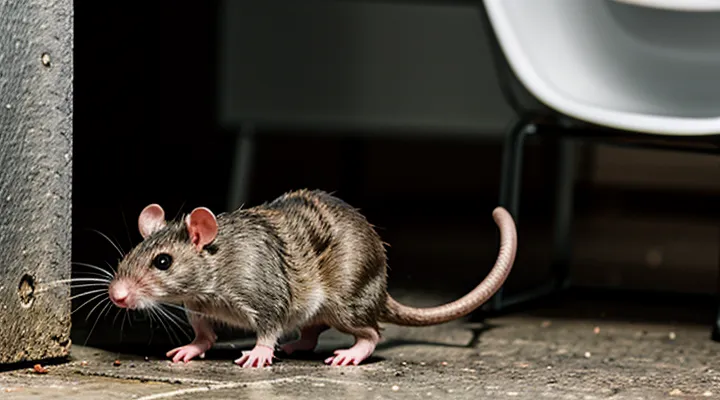
Understanding Rat Lifespan
Average Lifespan of Pet Rats
Pet rats commonly live between two and three years, with most individuals reaching 2.5 years under optimal conditions. Factors such as genetics, diet, housing hygiene, and veterinary care can extend life expectancy toward the upper end of this range, while disease or poor nutrition may shorten it to around 18 months.
When translating a rat’s age to an equivalent human age, the species’ brief lifespan requires a non‑linear scaling factor. The first year of a rat’s life approximates the developmental period of a human child, roughly equivalent to 15 human years. Each subsequent rat year corresponds to about 4 human years. Consequently, a rat aged 2 years aligns with a 23‑year‑old human, while a 2.5‑year‑old rat matches approximately 27 human years.
Typical lifespan categories for domesticated rats:
- Standard pet rat: 2 – 3 years
- Well‑cared rat (balanced diet, regular health checks): up to 3.5 years
- Rat with chronic health issues: 1 – 1.5 years
Applying these intervals, the conversion formula becomes:
Human age ≈ 15 + 4 × (rat age – 1) for rats older than one year.
Using the average lifespan of 2.5 years, the median human‑equivalent age is about 27 years, providing a reference point for assessing maturity, health needs, and behavioral expectations in pet rats.
Factors Affecting Rat Lifespan
Genetics and Breeding
Genetic composition determines the rate at which physiological processes mature in rats, directly influencing the conversion of rat lifespan to human equivalents. Certain alleles accelerate metabolic pathways, shortening the period that corresponds to early human development, while others extend telomere stability, lengthening later life stages. Researchers calibrate age‑translation models by measuring the expression of growth‑hormone receptors, insulin‑like growth factor (IGF‑1) levels, and mitochondrial DNA mutation rates across distinct strains.
Breeding strategies modify these genetic variables. Selective breeding for longevity introduces alleles associated with enhanced DNA repair and reduced oxidative stress, shifting the rat‑to‑human age curve upward. Conversely, breeding for rapid growth or disease susceptibility accelerates maturation, causing the same chronological age to map onto a higher human‑age equivalent. Accurate conversion therefore requires strain‑specific data rather than a universal formula.
Key considerations for applying genetic and breeding information to age conversion:
- Identify the rat strain; common laboratory strains (e.g., Sprague‑Dawley, Wistar) exhibit median lifespans of 24–30 months, while long‑lived lines reach 36 months or more.
- Quantify genetic markers linked to aging (e.g., p53 polymorphisms, Sirt1 expression).
- Document breeding history, noting selection for traits such as rapid weight gain or disease resistance.
- Adjust conversion factors based on measured biomarkers rather than fixed age ratios.
By integrating genetic profiling and breeding records, researchers produce precise rat‑to‑human age translations that reflect biological reality rather than simplistic chronological scaling. This approach enhances the relevance of rat models in studies of human aging, pharmacology, and disease progression.
Diet and Nutrition
When estimating a rat’s age in terms comparable to a human lifespan, nutrition emerges as a primary factor influencing the conversion accuracy. Rats consuming diet formulations rich in protein, essential fatty acids, and micronutrients typically exhibit extended longevity, shifting the age‑equivalence curve upward. Conversely, high‑calorie, low‑nutrient regimens accelerate metabolic wear, compressing the timeline and producing a lower human‑year estimate for the same chronological age.
Key dietary elements that modify lifespan calculations include:
- Balanced protein sources (e.g., casein, soy) supporting tissue repair and growth.
- Adequate levels of omega‑3 fatty acids reducing inflammation and cardiovascular stress.
- Sufficient vitamins and minerals (vitamin E, selenium, zinc) preventing oxidative damage.
- Controlled caloric density to avoid obesity‑related comorbidities.
- Consistent feeding schedules minimizing stress‑induced hormonal fluctuations.
Applying these nutritional parameters allows researchers to adjust the rat‑to‑human age conversion model with greater precision. By aligning diet quality with known lifespan extensions, the derived human‑year equivalents reflect physiological aging rather than merely chronological progression.
Environment and Care
When estimating a rat’s age in human‑equivalent terms, the surrounding conditions strongly influence the accuracy of the conversion. A rat raised in a clean, temperature‑controlled enclosure with appropriate bedding will typically live longer than one exposed to drafts, excessive humidity, or contaminated substrates. Consequently, lifespan‑based conversion formulas must be adjusted for the quality of the environment in which the animal resides.
Optimal nutrition is another critical factor. Diets formulated to meet the specific caloric and nutrient requirements of laboratory or pet rats support healthy growth and delay age‑related decline. Rats fed high‑fat, low‑fiber meals often develop metabolic disorders that shorten their lifespan, leading to an overestimation of their human‑year equivalent if standard conversion tables are applied without correction.
Enrichment and social interaction also affect longevity. Providing nesting material, chew toys, and opportunities for social play reduces stress‑induced illnesses and promotes mental well‑being. Rats deprived of such stimulation exhibit accelerated aging markers, which can distort age conversion calculations.
Regular veterinary monitoring enhances the reliability of age translation. Early detection of respiratory, dental, or neoplastic conditions allows timely intervention, extending the animal’s functional years. Health records should be incorporated into conversion models to reflect the actual physiological age rather than the chronological count alone.
Practical considerations for accurate conversion:
- Record ambient temperature and humidity; adjust lifespan expectations for deviations beyond the optimal range (20‑24 °C, 40‑60 % humidity).
- Document diet composition; apply correction factors for high‑fat or nutritionally imbalanced feeds.
- Log enrichment frequency and social housing status; factor in reduced stress levels when estimating human‑equivalent age.
- Maintain a schedule of veterinary examinations; integrate findings into age‑adjustment algorithms.
By systematically accounting for environmental quality and care practices, the translation of rat age to human years becomes a precise tool for researchers, veterinarians, and pet owners alike.
Health and Veterinary Attention
Understanding how a rat’s age translates to human years informs veterinary care and health monitoring. A rat that is one year old corresponds roughly to a 30‑year‑old human, while a two‑year-old rat equates to about a 60‑year-old human. This scaling emphasizes the rapid progression of physiological changes and the need for timely interventions.
Veterinary attention should adapt to the rat’s equivalent human age. Early adulthood (0‑1 rat year) requires routine health examinations, parasite screening, and vaccination against common pathogens such as Salmonella. Midlife (1‑2 rat years) calls for dental checks, weight assessment, and monitoring for signs of metabolic disorders like diabetes. Senior rats (over 2 years) benefit from more frequent examinations, blood chemistry panels, and imaging to detect neoplasia or organ degeneration.
Key health‑maintenance actions include:
- Balanced diet with appropriate protein, fiber, and vitamin levels; avoid high‑fat treats that accelerate obesity.
- Regular enrichment to stimulate mental activity and reduce stress‑related illnesses.
- Clean housing with weekly bedding changes and quarterly deep cleaning to prevent respiratory infections.
- Prompt treatment of injuries; rats heal quickly but may hide pain, requiring careful observation.
- Annual veterinary visits that incorporate physical exam, oral inspection, and blood work tailored to the rat’s human‑age equivalent.
By aligning care protocols with the rat’s converted age, owners and professionals can anticipate health challenges, extend lifespan, and improve quality of life for these small mammals.
The Concept of «Human Years» for Animals
Why We Convert Animal Ages to Human Ages
Converting a rat’s lifespan into human‑equivalent years provides a relatable benchmark for researchers, veterinarians, and pet owners. The metric translates biological milestones into a familiar frame of reference, facilitating communication about health, development, and aging processes.
- Enables comparison of disease progression across species, allowing extrapolation of experimental findings to human medicine.
- Assists in timing interventions such as vaccinations, dietary adjustments, or therapeutic trials by aligning rat life stages with human developmental phases.
- Improves public understanding of animal welfare by expressing care requirements in terms that non‑specialists can readily grasp.
- Supports educational outreach, illustrating evolutionary and physiological concepts through a common point of reference.
Applying a standardized conversion model enhances the precision of cross‑species studies and streamlines decision‑making in both scientific and everyday contexts.
Limitations of Direct Conversion
Directly applying a single multiplier to translate a rat’s age into a human equivalent oversimplifies biological reality. Rats mature rapidly during the first weeks of life, then experience a slower aging phase; a constant factor cannot capture this shift. Metabolic rates, organ development, and disease susceptibility diverge sharply between the species, rendering a linear conversion inaccurate beyond early juvenile stages.
- Developmental milestones occur on different timelines; a two‑week‑old rat corresponds roughly to a human toddler, while the same factor would misplace a one‑year‑old rat as a middle‑aged adult.
- Aging processes are non‑linear; cellular senescence, immune decline, and cognitive changes accelerate at distinct periods that a fixed ratio ignores.
- Strain‑specific genetics influence lifespan and health outcomes, producing variation that a universal multiplier cannot accommodate.
- Environmental conditions such as diet, housing, and stress alter rat longevity, introducing further deviation from any simple conversion.
Robust age‑mapping requires age‑dependent equations derived from empirical data, often employing piecewise functions or logarithmic models. Researchers calibrate these formulas against known physiological markers—bone growth plates, reproductive maturity, and mortality curves—to achieve meaningful cross‑species comparisons. Applying such calibrated models prevents misinterpretation of experimental results and supports accurate translation of rat findings to human contexts.
Species-Specific Considerations
When translating a rat’s age into an equivalent human age, the calculation cannot rely on a single multiplier. Biological differences between species dictate distinct conversion factors, and overlooking these nuances leads to inaccurate comparisons.
Rats possess a markedly higher basal metabolic rate than humans. This accelerated metabolism shortens the overall lifespan, compressing developmental stages into a few months. Consequently, early life phases in rats correspond to several human years, while later adulthood spans a relatively brief period.
Developmental milestones provide reliable anchors for conversion. Weaning occurs at approximately three weeks, aligning with human infancy around six months. Sexual maturity emerges near six weeks, comparable to human puberty between 12 and 14 years. Full adult maturity, typically reached at ten weeks, mirrors human adulthood in the early twenties. Each stage reflects a non‑linear scaling that must be applied separately.
Genetic background influences longevity and growth rate. Laboratory strains such as Sprague‑Dawley or Wistar display average lifespans of 2‑3 years, whereas pet rats of mixed heritage may live up to 4 years. Strain‑specific health predispositions, like susceptibility to tumors, further modify the age equivalence.
Practical considerations for conversion:
- Identify the rat’s developmental stage rather than using chronological age alone.
- Adjust the factor based on the specific strain or breeding line.
- Account for health status; chronic disease can accelerate physiological aging.
- Apply separate multipliers for early, middle, and late life phases to reflect non‑linear progression.
Applying these species‑specific parameters yields a more precise estimation of how a rat’s age maps onto human years.
Different Conversion Methods for Rats
The «Simple Multiplier» Method
Common Multipliers Used
When translating a rat’s lifespan into human terms, researchers rely on fixed conversion factors that approximate biological aging across species. These factors simplify comparisons between experimental results and human health outcomes.
- First month of life: each rat day ≈ 2.5 human years (approximately 30 human years per rat month).
- Early growth phase (months 1–2): 1 rat month ≈ 12 human years.
- Adult phase (months 3–12): 1 rat month ≈ 5 human years.
- Mature adult (beyond 12 months): 1 rat year ≈ 30 human years.
Multipliers differ slightly among strains; laboratory albino rats tend to follow the values above, while wild‑caught specimens exhibit a modestly slower rate, often reduced by 5‑10 %. Adjustments also account for gender, with females generally aging marginally slower than males, leading to a 3‑4 % reduction in the multiplier for the same chronological interval.
Criticisms of Simple Multipliers
Simple multipliers that equate one rat year to a fixed number of human years are appealing for their ease of use, yet they introduce several systematic errors. First, they ignore the non‑linear relationship between developmental stages in rodents and humans. Early life phases—gestation, infancy, and puberty—progress far more rapidly in rats, so a constant factor exaggerates the human equivalent of a young rat and compresses the adult period.
Second, multipliers disregard strain‑specific longevity. Laboratory strains such as Sprague‑Dawley live considerably longer than wild‑type rats, while some genetically modified lines age faster. Applying a universal scalar yields inaccurate predictions for any individual animal.
Third, environmental influences—including diet, housing density, and stress—alter the rate of physiological decline. Simple ratios cannot accommodate these variables, leading to over‑ or under‑estimation of age‑related risk factors.
Fourth, health‑span and disease onset do not scale uniformly. Cardiovascular disease, neoplasia, and neurodegeneration appear at different chronological points across species; a fixed multiplier cannot reflect the timing of pathology, which is critical for translational research.
Common criticisms can be summarized:
- Non‑linear growth curves are flattened.
- Strain and genetic diversity are ignored.
- Environmental and lifestyle factors are omitted.
- Disease timelines are misaligned.
Researchers therefore prefer species‑specific growth models, logarithmic functions, or age‑mapping tables derived from longitudinal studies. These approaches capture the complex interplay of biology, genetics, and environment, providing more reliable rat‑to‑human age equivalents for experimental design and comparative analysis.
Developmental Stage-Based Conversion
Infancy and Juvenile Stages
The first two weeks after birth constitute the rat’s infancy. During this period the animal undergoes rapid organ development, sensory maturation, and weight gain that roughly corresponds to the human newborn’s first month of life. Because rats mature at a faster biological rate, each day of rat infancy can be equated to approximately three to four human days. Consequently, a two‑week‑old rat aligns with a human infant of about one month.
From the third week through the sixth week, the rat enters the juvenile stage. Growth slows relative to infancy, but skeletal and muscular systems continue to develop, and the animal begins exploratory behavior. In conversion terms, each week of juvenile rat life translates to about one human year. By the end of the sixth week, a rat’s developmental status matches that of a human adolescent around twelve to thirteen years old.
Key points for practical conversion:
- Infancy (0‑14 days): 1 rat day ≈ 3–4 human days; 14 rat days ≈ 1 human month.
- Juvenile (15‑42 days): 1 rat week ≈ 1 human year; 6 rat weeks ≈ 12–13 human years.
Understanding these intervals provides a reliable framework for estimating a rat’s age in human terms during the earliest phases of its life cycle.
Adolescence and Adulthood
Rats mature far more quickly than humans, so translating their developmental stages requires precise age mapping. Researchers base conversions on average lifespan, growth rate, and physiological milestones, producing a scale that aligns rat months with human years.
Adolescence in rats spans approximately 4 to 8 weeks of life. During this interval, rats experience sexual maturation, rapid weight gain, and behavioral changes comparable to human teenage years. On the conversion scale, 4 weeks correspond to roughly 12 human years, while 8 weeks align with about 18 human years. This range captures the onset of puberty and the transition to independent behavior.
Adulthood begins after the 8‑week mark and continues until senescence, typically around 24 months for laboratory strains. The adult phase divides into early adulthood (9 weeks – 6 months), middle adulthood (6 months – 18 months), and late adulthood (18 months – 24 months). Conversions approximate as follows:
- Early adulthood: 9 weeks ≈ 20 human years; 6 months ≈ 30 human years.
- Middle adulthood: 6 months ≈ 30 human years; 18 months ≈ 55 human years.
- Late adulthood: 18 months ≈ 55 human years; 24 months ≈ 70 human years.
These figures enable researchers to align experimental timelines with human developmental stages, ensuring relevance when studying disease models, pharmacology, or behavioral interventions across the adolescent‑to‑adult spectrum.
Senior and Geriatric Stages
Rats reach senior status around 18 months of age, a period comparable to the early sixties in humans. By 24 months, most individuals enter the geriatric phase, aligning with late seventies to early eighties for people. The conversion rests on the species’ average lifespan of 2–3 years and the rapid early development that compresses the first two years of rat life into roughly the first 30 human years.
- 18 months ≈ 60 human years (senior)
- 21 months ≈ 65 human years (senior)
- 24 months ≈ 70‑75 human years (geriatric)
- 30 months ≈ 80‑85 human years (advanced geriatric)
Physical indicators of senior and geriatric stages include reduced locomotor activity, thinning fur, weight fluctuation, and slower wound healing. Internal changes manifest as decreased renal function, diminished cardiac output, and elevated incidence of neoplasia. Behavioral signs often involve increased grooming, diminished exploration, and altered feeding patterns.
Veterinary protocols for rats in these stages prioritize regular health assessments, dietary adjustments to support organ function, and environmental enrichment to mitigate age‑related decline. Early detection of cataracts, respiratory infections, and tumors improves survival prospects and aligns care with the human‑equivalent age expectations.
Factors Influencing Conversion Accuracy
Breed and Size Differences
Rats of different breeds and body sizes age at varying rates when expressed in human-equivalent years. Small‑to‑medium breeds such as the Fancy and Dumbo typically reach maturity faster than larger breeds like the Giant or Norwegian rat. Consequently, a one‑year‑old Fancy rat corresponds to roughly 20–22 human years, while a one‑year‑old Giant rat aligns with about 16–18 human years.
Size influences metabolic pace, which in turn affects the conversion factor used for age estimation. Larger rats exhibit slower metabolic turnover, extending the interval between developmental milestones. Therefore, age‑conversion tables must adjust the multiplier based on weight categories:
- Under 150 g (small breeds): multiply rat years by 20–22.
- 150–300 g (medium breeds): multiply by 18–20.
- Above 300 g (large breeds): multiply by 16–18.
When applying these ratios, consider the specific breed’s growth curve. For example, the standard Fancy rat reaches sexual maturity at 6 weeks, equivalent to a human adolescent stage, whereas the Giant rat attains the same stage at 8 weeks, reflecting a slightly delayed developmental timeline. Adjusting the conversion factor accordingly yields more accurate human‑age parallels for health assessments and lifespan projections.
Individual Health Status
When estimating a rat’s age in human terms, the animal’s current health condition must be incorporated into the calculation. A healthy rat with normal metabolic function will age at a rate that aligns closely with standard conversion tables, whereas illness, obesity, or chronic stress accelerate physiological decline and alter the correspondence between chronological and biological age.
Key health variables that influence the rat‑to‑human age translation include:
- Body condition score (lean, ideal, overweight)
- Presence of chronic diseases (respiratory, renal, neoplastic)
- Nutritional status and diet composition
- Activity level and environmental enrichment
- Genetic strain and known lifespan averages for that strain
To apply these variables, follow a systematic approach:
- Record the rat’s exact birth date and current weight.
- Conduct a veterinary assessment to identify any health issues.
- Reference a baseline conversion chart that matches the rat’s strain to an average human‑equivalent age.
- Adjust the baseline age upward if the rat exhibits health deficits that typically reduce lifespan (e.g., add 10 % for moderate chronic disease, 20 % for severe conditions).
- Document the adjusted human‑equivalent age alongside the health profile for future monitoring.
By integrating individual health status into the conversion process, the resulting human‑age estimate reflects both chronological time and physiological reality, providing a more accurate framework for research, veterinary care, and comparative studies.
Practical Applications of Rat Age Conversion
Informing Veterinary Care Decisions
Understanding a rat’s age in human-equivalent years provides a practical metric for assessing physiological milestones, disease risk, and treatment protocols. By translating chronological data into a familiar scale, veterinarians can align preventive care schedules with those used for larger companion animals, ensuring timely vaccinations, dental examinations, and parasite control.
Conversion formulas typically apply a multiplier that reflects the rapid early development of rodents followed by a slower aging phase. For example, the first two months of a rat’s life correspond to roughly 20 human years, after which each additional month adds about two human years. Applying this model yields a clear framework for interpreting laboratory results, adjusting drug dosages, and anticipating age‑related conditions such as renal decline or neoplasia.
Key implications for clinical decision‑making include:
- Dosage calibration: Drug concentrations can be scaled according to human‑equivalent age, reducing the risk of toxicity in geriatric rats.
- Screening frequency: Older rats, identified through the conversion chart, receive more frequent blood work and imaging to detect subclinical pathologies.
- Nutritional planning: Diet formulations are adjusted to meet the metabolic demands of rats at different human‑equivalent stages, supporting optimal weight management.
- Behavioral management: Age‑appropriate enrichment strategies mitigate stress and improve welfare, especially in senior individuals.
Accurate age conversion also facilitates communication with pet owners. Presenting health information in human terms helps clients grasp the urgency of interventions, supports informed consent, and promotes adherence to recommended follow‑up appointments.
Guiding Nutritional Needs
Understanding how a rat’s chronological age translates to a human-equivalent timeline is essential for tailoring dietary plans. The conversion provides a framework for anticipating metabolic shifts, growth rates, and disease susceptibility, allowing caregivers to match nutrient density, caloric intake, and supplement timing to the animal’s physiological stage.
Young rats, equivalent to human toddlers, experience rapid tissue development and require diets high in protein, essential fatty acids, and calcium. Energy density should exceed 350 kcal per 100 g of feed, with a protein content of 20‑25 % and added vitamin D to support skeletal growth.
Adult rats, comparable to human young adults, maintain stable body weight and exhibit moderate metabolic activity. Recommended nutrition includes 15‑18 % protein, 10‑12 % fat, and a balanced mix of micronutrients. Fiber levels of 3‑5 % aid digestive health, while antioxidants such as vitamin E and selenium help mitigate oxidative stress.
Senior rats, mirroring middle‑aged to elderly humans, face declining organ function and reduced appetite. Diets should lower caloric density to 300 kcal per 100 g, reduce protein to 14‑16 %, and increase easily digestible carbohydrates. Supplementation with omega‑3 fatty acids, joint‑supporting glucosamine, and fortified B‑complex vitamins supports mobility and cognitive function.
Key nutritional adjustments by life stage:
- Protein: 20‑25 % (juvenile), 15‑18 % (adult), 14‑16 % (senior)
- Fat: 10‑12 % (adult), moderate increase for seniors with omega‑3 enrichment
- Calcium‑phosphorus ratio: 1.2‑1.5 : 1 across all stages
- Fiber: 3‑5 % for adults, slightly higher for seniors to aid bowel regularity
- Micronutrients: elevated vitamin D for growth, antioxidants for adults, B‑complex for seniors
Implementing these guidelines ensures that dietary provision aligns with the rat’s age‑related physiological demands, optimizing health outcomes throughout the animal’s lifespan.
Understanding Behavioral Changes
Rats mature rapidly; each month roughly equals 2–3 human years. As they progress through these stages, observable behavior shifts in predictable ways.
- Early adulthood (1‑2 months, ~2‑6 human years): High exploratory drive, frequent wheel running, rapid learning of mazes, dominant interactions in group settings.
- Mid‑life (3‑6 months, ~12‑24 human years): Reduced locomotor activity, increased grooming, preference for familiar objects, emergence of consistent social hierarchies, occasional mild aggression.
- Senior phase (7‑12 months, ~30‑40 human years): Marked decline in speed and endurance, diminished curiosity, heightened sensitivity to stressors, decreased problem‑solving efficiency, more frequent resting bouts.
These patterns mirror physiological changes such as muscle loss, altered hormone levels, and neural plasticity decline. Recognizing the correspondence between rat age and human developmental stages enables researchers to predict when specific behavioral traits will appear, select appropriate experimental timelines, and interpret data within a framework that aligns with human aging processes.
Enhancing Pet Owner Empathy and Care
Understanding a rat’s life stage in human‑equivalent years gives owners a concrete reference for the animal’s physiological and behavioral needs. When a pet is recognized as a juvenile, adult, or senior by human standards, owners can align nutrition, veterinary care, and environmental enrichment with the appropriate developmental phase.
Conversion steps
- Determine the rat’s chronological age in months.
- Apply the species‑specific scaling factor: the first two months correspond to roughly 15 human years each; every subsequent month adds about 4 human years.
- Sum the values to obtain the rat’s human‑equivalent age.
Applying this metric reshapes daily routines. Juvenile rats (under 1.5 human years) require high‑protein diets, frequent social interaction, and safe exploratory spaces. Adult rats (approximately 2–5 human years) benefit from balanced nutrition, regular health screenings, and moderate enrichment. Senior rats (over 5 human years) need calorie‑controlled meals, joint‑support supplements, and low‑stress environments to mitigate age‑related ailments.
Empathy improves when owners anticipate age‑related changes. Monitoring weight fluctuations, dental wear, and activity levels against the human‑equivalent benchmark enables early detection of health issues. Adjusting cage complexity, providing soft bedding, and scheduling routine veterinary examinations reflect a proactive care philosophy rooted in accurate age perception.
In practice, owners can:
- Record the rat’s birth date and update the human‑equivalent age quarterly.
- Align feeding schedules with age‑specific caloric needs.
- Introduce new toys gradually as the rat progresses from juvenile curiosity to adult stability.
- Conduct visual and tactile health checks monthly, focusing on signs common to the identified life stage.
By translating rat age into a familiar human framework, owners develop a measurable empathy baseline, leading to more precise, compassionate, and effective stewardship of their small companions.