
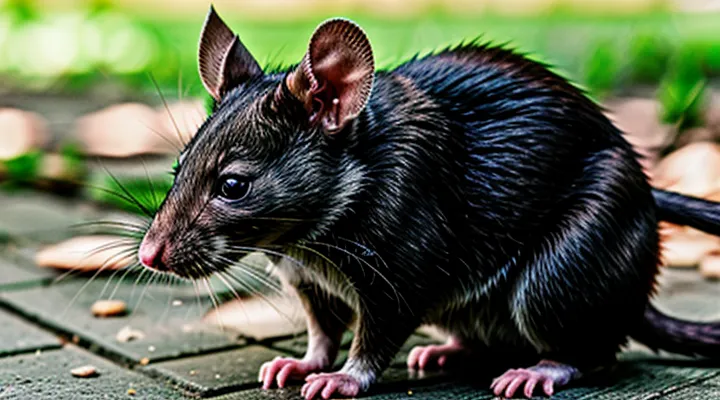
Understanding Rabies
What is Rabies?
Rabies is an acute, fatal neuroviral disease caused by members of the genus Lyssavirus. The virus targets the central nervous system, leading to progressive encephalitis. Primary reservoirs include carnivorous mammals, but the pathogen can infect any warm‑blooded animal.
Transmission occurs through the saliva of an infected animal, most often via bites. The virus enters peripheral nerves at the wound site and travels retrograde to the brain. Incubation periods vary from weeks to months, depending on factors such as viral load, wound location, and host immunity. Once clinical signs appear, the disease progresses rapidly to paralysis, coma, and death.
Key characteristics of rabies:
- Enveloped, single‑stranded RNA virus
- Replicates in neuronal tissue
- Causes hydrophobia, hypersalivation, and agitation in affected hosts
- No effective cure after symptom onset; prevention relies on vaccination and prompt post‑exposure prophylaxis
Understanding the etiological agent and its mode of spread is essential for implementing control measures in rodent populations and protecting public health.
How Rabies is Transmitted
Transmission Routes
Rabies spreads to rats primarily through direct contact with infectious saliva. The most common pathways include:
- Bite wounds inflicted by rabid carnivores such as foxes, raccoons, or domestic dogs.
- Lacerations or scratches contaminated with saliva from an infected animal.
- Mucous‑membrane exposure to saliva, tears, or neural tissue during aggressive encounters.
- Aerosol transmission in laboratory settings where the virus is present in high concentrations, especially during necropsy or tissue processing.
Secondary routes, though less frequent, involve ingestion of carcasses containing viable virus or contact with contaminated fomites that have not been disinfected. Effective control relies on minimizing these exposure routes through strict animal‑handling protocols, personal protective equipment, and isolation of suspected cases.
Factors Affecting Transmission
Rabies transmission among rats is governed by multiple variables that shape infection risk.
Key determinants include:
- Population density: high concentrations of rats increase contact frequency, facilitating viral spread.
- Habitat overlap: shared spaces with rabid wildlife (e.g., raccoons, skunks) create direct or indirect exposure routes.
- Seasonal temperature: warmer months extend viral viability in the environment, enhancing indirect transmission.
- Human activity: waste accumulation and inadequate sanitation attract rats, raising the likelihood of encounters with infected carriers.
- Viral load in saliva: infected individuals shedding larger amounts of virus raise transmission probability during bites or grooming.
- Genetic susceptibility: certain rat strains exhibit greater susceptibility due to immune‑system variations.
Environmental management, rodent‑population control, and reduction of interspecies interactions collectively lower the chance of rabies propagation within rat communities.
Rabies in Rats
Can Rats Get Rabies?
Scientific Consensus
Scientific bodies agree that rodents are generally resistant to the lyssavirus that causes rabies, yet occasional infections have been documented under specific conditions. Epidemiological surveys across multiple continents consistently identify high‑density urban colonies as the primary environments where spill‑over events may occur.
Consensus statements outline the clinical picture observed in infected rats:
- Excessive salivation and foaming at the mouth.
- Aggressive or unusually tame behavior.
- Paralysis progressing from the hind limbs to the forelimbs.
- Sudden death without preceding signs in some cases.
Preventive recommendations endorsed by public‑health agencies focus on reducing exposure risk and controlling viral reservoirs:
- Maintain rodent control programs in urban and peri‑urban settings.
- Vaccinate domestic animals that could act as vectors, using licensed rabies vaccines.
- Educate laboratory personnel on biosafety protocols, including personal protective equipment and proper handling of specimens.
- Implement surveillance of wild and feral rodent populations, reporting any neurologic abnormalities to veterinary authorities.
Historical Cases
Historical records of rabies infection in rats date to the early 1900s, when veterinary pathologists first documented the disease in laboratory colonies. Early reports described sudden lethargy, loss of coordination, and aggressive biting behavior preceding death within days. These observations established rats as susceptible hosts, contradicting the prevailing belief that rodents rarely transmitted the virus.
In 1911, a British veterinary journal published a case involving a captive rat that succumbed after exposure to a rabid canine. The animal exhibited hypersalivation, tremors, and a pronounced fear of light before euthanasia. The report emphasized the need for strict quarantine of rodent colonies used in research.
Notable laboratory experiments include:
- 1935, American researchers inoculated a group of rats with a fixed rabies strain; 70 % developed neurologic signs within 4 days, confirming the species’ vulnerability.
- 1952, French virologists isolated the virus from the brain tissue of a wild brown rat captured near a rabies outbreak zone; the isolate retained pathogenicity in mouse models.
- 1978, Soviet scientists demonstrated successful vaccination of rats using an attenuated rabies vaccine, reducing mortality to less than 5 % after challenge with a virulent strain.
Epidemiological surveys conducted in the 1980s across urban centers in Europe identified sporadic cases of rabid rats in markets where stray dogs were common. The surveys recorded a correlation between rodent density and the presence of infected carnivores, prompting public health authorities to include rodent monitoring in rabies control programs.
Historical evidence shaped contemporary prevention strategies. Mandatory testing of laboratory rodents, routine vaccination of high‑risk colonies, and exclusion of rats from areas with confirmed canine rabies now constitute standard practice. These measures derive directly from the documented cases that revealed rats’ role as both victims and potential vectors of the disease.
Symptoms of Rabies in Rats
Behavioral Changes
Rabies infection in rats frequently manifests through distinct alterations in behavior that precede overt neurological signs.
Affected rodents may display sudden aggression toward conspecifics or handlers, a marked departure from typical avoidance. Hyperactivity, including rapid pacing and erratic movements, often accompanies this aggression. Conversely, some individuals become unusually docile, exhibiting reduced responsiveness to stimuli and prolonged periods of immobility.
Progression typically follows a biphasic pattern. The initial “furious” phase features the aggressive and hyperactive behaviors described above. Within 24–48 hours, many rats transition to a “dumb” phase characterized by lethargy, loss of coordination, and paralysis of the hind limbs. These changes reflect viral spread to the central nervous system and are reliable indicators for diagnostic consideration.
Early identification of behavioral deviations enables prompt isolation of the affected animal, reducing exposure risk to other rodents and humans. Implementing routine observation protocols in laboratory and pet colonies enhances detection. Preventive measures include vaccination of susceptible populations where feasible and strict adherence to biosecurity practices that limit contact with wildlife vectors.
Physical Manifestations
Physical manifestations of rabies infection in rats appear rapidly after the incubation period and indicate severe neurologic involvement. Observable signs include:
- Extreme agitation or sudden aggression toward conspecifics and handlers;
- Excessive salivation, often accompanied by foaming at the mouth;
- Uncontrolled muscle tremors affecting the limbs, facial muscles, or whisker pads;
- Progressive paralysis, typically beginning in the hind limbs and advancing to the forelimbs;
- Difficulty swallowing, leading to apparent choking or gagging episodes;
- Abnormal vocalizations or shrill squeaking unrelated to normal communication.
In addition to these overt symptoms, subtle changes may precede overt disease. Rats may display reduced grooming, loss of appetite, and a marked decline in exploratory behavior. Temperature elevation and irregular breathing patterns can accompany advanced stages, reflecting autonomic dysfunction.
Prompt identification of these physical cues enables immediate isolation of the affected individual and implementation of biosecurity measures to prevent viral spread within a colony. Veterinary consultation and post‑exposure prophylaxis for exposed personnel are essential components of an effective response.
Progression of Symptoms
Rabies infection in rodents follows a predictable sequence of clinical signs that reflect viral spread through the nervous system. After an incubation period that may last from two weeks to several months, the virus reaches the central nervous system and the first observable changes appear.
- Prodromal stage – subtle alterations in behavior, such as reduced activity, loss of appetite, and mild tremors. Temperature may rise slightly, and the animal may display increased sensitivity to light or sound.
- Excitative (furious) stage – heightened aggression, erratic movements, and intermittent vocalizations. Muscular rigidity and spasms become more pronounced; the rat may attempt to bite or claw when handled.
- Paralytic stage – progressive weakness spreads from the hind limbs to the forelimbs, culminating in complete paralysis. Salivation intensifies, and respiratory muscles fail, leading to death within hours to days.
The transition between stages occurs rapidly, often within 24‑48 hours. Early detection hinges on recognizing the prodromal signs before the onset of aggression or paralysis. Prompt isolation of symptomatic individuals prevents further exposure to other rodents and potential zoonotic transmission.
Differentiation from Other Conditions
Rabies in rats presents a rapid onset of neurological disturbance that can be mistaken for other infectious or toxic processes. Accurate differentiation prevents misdirected treatment and limits zoonotic risk.
Typical rabies manifestations include sudden aggression, excessive salivation, dysphagia, and progressive paralysis. The incubation period averages 2‑4 weeks, after which clinical signs evolve over days. Fever and respiratory signs are usually absent, and the disease course culminates in death without recovery.
Alternative conditions that may resemble rabies in rodents:
- Bacterial sepsis (e.g., Yersinia spp.) – fever, lethargy, abdominal distension, rapid systemic collapse.
- Streptobacillosis – pronounced joint swelling, purulent discharge, and mild neurological signs limited to ataxia.
- Hantavirus infection – hemorrhagic pulmonary syndrome, renal involvement, and minimal salivation.
- Toxic encephalopathy (e.g., rodenticide exposure) – tremors, convulsions, but often accompanied by gastrointestinal hemorrhage and a known exposure source.
- Encephalomyelitis caused by other viruses (e.g., LCMV) – slower progression, presence of lymphocytic infiltrates, and lack of hypersalivation.
Diagnostic confirmation relies on laboratory testing. Direct fluorescent antibody (dFA) assay on brain tissue provides definitive identification of rabies virus. Reverse‑transcriptase PCR offers rapid detection in fresh samples. Serological tests for other pathogens, bacterial culture, and toxicology screens assist in excluding alternative etiologies. Combining clinical observation with targeted laboratory analysis yields a reliable distinction between rabies and other rat diseases.
Prevention and Safety
Preventing Rat-Human Contact
Securing Food Sources
Securing food supplies for rats reduces exposure to infected wildlife and limits the likelihood of virus transmission. Contaminated scraps, unprotected grain bins, and outdoor feeding stations attract stray animals that may carry the pathogen. By eliminating these attractants, the risk of contact between pet or laboratory rats and potential carriers diminishes.
Key practices for protecting rat nutrition sources:
- Store dry feed in sealed containers made of metal or heavy‑duty plastic.
- Place feed bins on elevated platforms to prevent access by rodents, raccoons, and feral cats.
- Remove leftover food from cages daily; dispose of waste in sealed bags.
- Install motion‑activated lights or ultrasonic deterrents around storage areas.
- Conduct regular inspections for signs of pest intrusion; repair cracks and gaps promptly.
Implementing these measures curtails the movement of infected animals into feeding zones, thereby supporting broader disease‑prevention strategies aimed at controlling the spread of «rabies» among rat populations.
Eliminating Hiding Places
Eliminating hiding places reduces contact between rats and potential rabies carriers, limits exposure to infected saliva, and facilitates early detection of abnormal behavior.
Effective measures include:
- Sealing cracks, gaps, and ventilation openings in cages, enclosures, and surrounding structures.
- Removing clutter such as stacked bedding, cardboard boxes, and unused equipment that can serve as shelters.
- Installing smooth, easily cleaned surfaces on walls and floors to discourage nesting.
Regular inspection of the environment ensures that newly formed gaps are identified and repaired promptly. Maintenance schedules should incorporate visual checks and the replacement of damaged materials before they become refuges for rodents.
A clean, unobstructed habitat supports rapid observation of clinical signs, enabling timely veterinary intervention and contributing to overall disease control.
Pest Control Strategies
Effective pest management reduces the risk of rabies transmission from infected rodents to humans and domestic animals. Integrated approaches combine environmental sanitation, biological agents, and targeted chemical interventions to keep rodent populations below thresholds where viral spread becomes probable.
Key components of a comprehensive rodent control program include:
- Regular removal of food sources and nesting materials to eliminate attractants.
- Installation of sealed entry points and barriers to prevent ingress into buildings.
- Deployment of rodent‑specific traps positioned along travel corridors and near burrows.
- Application of rodenticides formulated for limited exposure, adhering to safety guidelines for non‑target species.
- Introduction of natural predators or disease‑inducing parasites where ecological conditions permit.
Monitoring and documentation of rodent activity enable timely adjustments to control measures, ensuring sustained suppression of carriers and minimizing public health hazards associated with the viral disease.
Safety Precautions Around Wild Animals
Avoiding Contact
Avoiding direct or indirect contact with potentially infected rodents is essential for reducing the risk of rabies transmission. Rats that exhibit abnormal behavior, excessive aggression, or unexplained paralysis should be considered hazardous. Handling such animals without protective equipment increases exposure to saliva, blood, or neural tissue that may contain the virus.
Preventive actions include:
- Maintaining a secure enclosure that prevents escape and limits human interaction.
- Wearing disposable gloves and laboratory coats when cleaning cages or conducting examinations.
- Disinfecting surfaces with approved virucidal agents after any contact with suspect rodents.
- Implementing a quarantine period for newly acquired rats before integration with established colonies.
- Eliminating food sources that attract wild mammals known to carry rabies, such as raccoons and bats, from the facility’s perimeter.
Regular training of personnel on safe handling protocols and immediate reporting of unusual rat behavior further reinforce a zero‑contact strategy. Continuous monitoring and strict adherence to these measures minimize the likelihood of viral exposure.
Reporting Suspicious Animal Behavior
Reporting suspicious animal behavior is a critical component of managing rabies risk in rodent populations. Early identification of abnormal actions in rats helps authorities intervene before the virus spreads to other animals or humans.
Typical indicators include aggressive biting, uncharacteristic lethargy, excessive salivation, and erratic movement patterns. Observation of any of these signs should prompt immediate documentation of the location, time, and description of the animal.
Steps for reporting:
- Contact the local veterinary public health office or animal control agency by phone or online form.
- Provide precise details: species, observed symptoms, exact address, and any recent contact with pets or wildlife.
- Follow instructions for safe containment or removal, avoiding direct handling without protective equipment.
- Record the incident number and retain a copy of the report for future reference.
Timely communication enables rapid diagnostic testing and, if necessary, vaccination campaigns to protect surrounding animal communities.
What to Do After a Rat Bite
Immediate First Aid
Immediate first‑aid measures are critical when a rat is suspected of having been exposed to the rabies virus. Prompt wound cleansing reduces viral load and lowers the risk of infection. Apply sterile saline or clean running water to the bite site for at least five minutes, ensuring removal of visible debris. After irrigation, cover the area with a sterile dressing and seek veterinary evaluation without delay.
If the animal exhibits signs such as excessive salivation, agitation, or paralysis, isolate it in a secure enclosure to prevent further bites. Use disposable gloves when handling the rat to avoid secondary exposure. Record the date and circumstances of the incident for veterinary reference.
Recommended actions:
- Wear protective gloves.
- Flush wound with sterile saline for ≥5 minutes.
- Disinfect with an approved antiseptic (e.g., povidone‑iodine).
- Apply sterile bandage.
- Contact a veterinarian immediately.
- Observe the rat for neurological changes and restrict contact with other animals.
Adhering to these steps minimizes transmission potential and supports timely medical intervention.
When to Seek Medical Attention
Contact with a rat that may be infected with rabies constitutes a medical emergency. Any bite, scratch, or direct contact of rat saliva with broken skin, eyes, mouth, or nose requires prompt evaluation.
Immediate steps after exposure include thorough washing of the wound with soap and water for at least 15 minutes, followed by antiseptic application. Even when the injury appears minor, professional assessment is essential.
Situations that mandate medical attention:
- Bite or puncture wound from a rat, regardless of depth.
- Scratch that breaks the skin surface.
- Saliva contact with mucous membranes or an open wound.
- Unprotected exposure to a rat known or suspected to be rabid.
- Development of fever, headache, muscle aches, or neurological signs within days of exposure.
Timely consultation enables assessment for post‑exposure prophylaxis. The recommended window for initiating vaccine and immunoglobulin treatment is within 24 hours of the incident; delays increase the risk of disease progression. If any of the listed conditions occur, seek care without hesitation.
Public Health Implications
Risk Assessment
Risk assessment for rabies infection in rats establishes the probability of viral transmission and the potential impact on animal health and public safety.
The primary hazard is exposure to the rabies virus through bites, scratches, or contact with infected saliva. Rats can act as carriers when infected, although natural cases are rare; laboratory colonies present a higher risk due to controlled exposure.
Likelihood assessment considers species susceptibility, environmental conditions, and handling practices. In wild populations, the probability of infection remains low; in research settings, the risk escalates to moderate when virus‑containing material is present. Severity evaluation notes that rabies is invariably fatal after clinical onset, making any confirmed case a critical event.
Mitigation strategies include:
- Strict containment of infected specimens within biosafety level 2 or higher facilities.
- Mandatory vaccination of personnel with pre‑exposure rabies immunization.
- Routine serological testing of rat colonies to detect asymptomatic infection.
- Immediate post‑exposure prophylaxis for individuals bitten or scratched.
- Comprehensive training on safe handling, bite prevention, and emergency response protocols.
Continuous monitoring of infection status, combined with documented incident reporting, ensures that risk levels remain within acceptable limits and that preventive actions are promptly adjusted.
Surveillance and Monitoring
Effective surveillance of lyssavirus infection in rodent populations requires systematic data collection, laboratory confirmation, and timely reporting. Field teams capture rats using live traps, record location coordinates, and note clinical signs such as hypersalivation, aggression, or paralysis. Samples—saliva swabs, brain tissue, or blood—are transported under cold chain to accredited laboratories for polymerase chain reaction or immunofluorescence assays.
Key components of a monitoring program include:
- Routine trapping cycles conducted monthly in urban, peri‑urban, and agricultural zones.
- Geospatial mapping of positive cases to identify clusters and transmission corridors.
- Integration of veterinary and public‑health databases for cross‑sectoral analysis.
- Automated alerts triggered when test results exceed predefined incidence thresholds.
Data analysis focuses on incidence rates, temporal trends, and species‑specific susceptibility. Results inform targeted vaccination of domestic animals, public‑education campaigns, and resource allocation for outbreak response. Continuous evaluation of surveillance protocols ensures sensitivity to emerging strains and adapts to changes in rat ecology.