
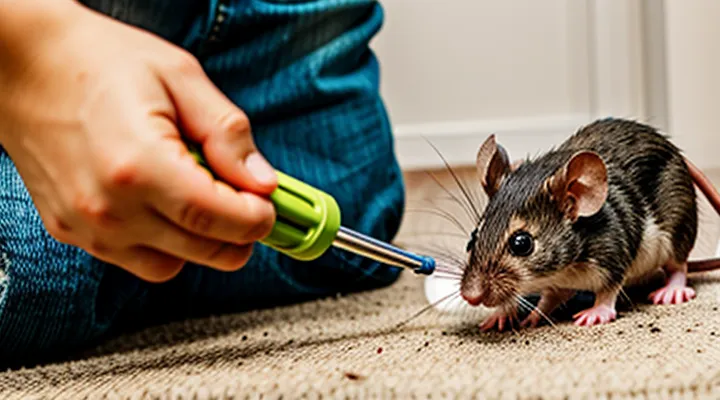
The Hidden Dangers of Mice Infestations
Health Risks Associated with Rodents
Transmission of Diseases
Mice act as carriers for a range of pathogens that can infect humans and domestic animals through direct contact, contaminated food, or aerosolized particles. Their droppings, urine, and saliva contain microorganisms capable of surviving for weeks in indoor environments, creating persistent health hazards.
Typical agents transmitted by rodents include:
- Hantavirus, causing severe respiratory illness.
- Salmonella spp., leading to food‑borne gastroenteritis.
- Leptospira interrogans, responsible for leptospirosis.
- Lymphocytic choriomeningitis virus (LCMV), which may result in meningitis.
- Various species of bacteria such as Streptobacillus moniliformis, the cause of rat‑bite fever.
Engaging qualified rodent control providers reduces exposure risk by:
- Conducting thorough inspections to identify infestation sources.
- Applying targeted baiting and trapping methods that minimize non‑target species impact.
- Implementing sanitation protocols to eliminate food and water sources that sustain mouse populations.
- Offering post‑treatment monitoring to confirm eradication and prevent re‑infestation.
- Providing guidance on structural repairs that block entry points.
Property owners should maintain a clean environment, seal gaps in walls and foundations, and schedule regular professional assessments to ensure that rodent‑borne disease transmission remains under control.
Allergenic Reactions and Asthma Triggers
Mice produce urine, feces, saliva, and dander that contain proteins capable of sensitizing the immune system. When these particles become airborne, they settle on surfaces, infiltrate HVAC filters, and accumulate in dust layers.
Sensitive individuals may develop IgE‑mediated responses, manifesting as sneezing, nasal congestion, itchy eyes, or skin eruptions. Inhalation of mouse allergens can provoke bronchial hyper‑responsiveness, leading to asthma attacks, reduced lung function, and increased medication use.
Professional rodent control reduces allergen load by eliminating active infestations, sealing entry points, and applying sanitation protocols. Certified technicians follow integrated pest‑management practices, ensuring thorough removal and long‑term prevention.
Primary allergen sources from mice
- Urine‑derived proteins deposited on bedding and insulation
- Fecal pellets dispersed in walls, attics, and storage areas
- Saliva residues on gnawed materials
- Shed hair and skin flakes incorporated into household dust
Asthma triggers associated with mouse infestations
- Airborne allergen particles released during cleaning or disturbance
- Mold growth fueled by moisture in mouse‑damaged structures
- Chemical irritants used in inadequate DIY extermination attempts
Effective mitigation requires prompt assessment, targeted extermination, and post‑treatment monitoring to maintain indoor air quality and protect at‑risk occupants.
Damage to Property and Infrastructure
Structural Compromises
Mice infiltrate buildings through gaps in walls, foundations, and utility penetrations, creating pathways that weaken structural integrity. Their gnawing activity enlarges existing cracks, compromises load‑bearing members, and damages insulation, which can lead to moisture intrusion and accelerated decay.
Typical structural compromises caused by rodent activity include:
- Enlarged foundation fissures that reduce load distribution efficiency.
- Undermined joist and beam sections where chew marks diminish cross‑sectional strength.
- Deteriorated insulation and vapor barriers, allowing water ingress and fostering rot.
- Corroded wiring and conduit exposed by chewed protective sheathing, increasing fire risk.
Professional rodent control firms assess these vulnerabilities during site inspections. They employ non‑destructive evaluation techniques—such as infrared thermography and acoustic emission monitoring—to locate hidden damage. Remediation plans prioritize sealing entry points, reinforcing compromised elements, and restoring affected systems to original specifications.
By integrating targeted exclusion methods with structural repair recommendations, expert mouse mitigation services prevent further degradation, preserve building safety, and extend the service life of critical components.
Contamination of Food and Surfaces
Rodent activity introduces pathogens directly onto food items and surrounding surfaces, creating a breach in sanitation standards. Saliva, urine, and feces deposited by mice contain bacteria such as Salmonella, E. coli, and Listeria, which can multiply rapidly in moist environments and contaminate raw ingredients, prepared meals, and pantry goods.
Contamination pathways include:
- Direct contact with food products during foraging or nesting.
- Transfer of pathogens from contaminated surfaces to hands, utensils, and packaging.
- Migration of droppings into cracks, vents, and storage containers, where they become aerosolized and settle on exposed foods.
Professional rodent mitigation services employ integrated strategies to eliminate these hazards. Techniques such as sealed exclusion, targeted baiting, and routine monitoring reduce population levels, while thorough decontamination protocols remove residual waste and disinfect affected areas. Compliance with health regulations, including FDA Food Code and OSHA sanitation guidelines, is verified through documented inspections and post‑treatment testing.
Ongoing preventive measures recommended by experts involve regular inspection of entry points, maintenance of a clean perimeter, and immediate remediation of any signs of activity. These actions sustain a hygienic environment, protect consumer health, and uphold operational integrity in food‑handling facilities.
The Need for Professional Intervention
Why DIY Methods Fall Short
Limited Effectiveness of Traps
Traps are a common component of rodent control, yet their performance often falls short of expectations. Mechanical devices rely on mouse behavior that can vary widely due to food availability, nesting conditions, and individual wariness. Consequently, a single trap may capture only a fraction of an active population, while others remain undetected.
Key factors limiting trap efficacy include:
- Bait aversion – mice quickly learn to associate specific scents with danger, reducing attraction to conventional baits.
- Placement errors – optimal locations require knowledge of mouse pathways; incorrect positioning yields negligible catches.
- Population density – high infestation levels overwhelm trap capacity, leading to rapid saturation and reduced capture rates.
- Escape potential – poorly designed or improperly set traps allow survivors to escape, preserving the infestation.
- Non‑target concerns – traps may inadvertently capture beneficial wildlife, prompting restrictions on their use in sensitive areas.
Professional pest management services therefore view traps as supplementary tools rather than primary solutions. Integrated approaches combine exclusion techniques, sanitation improvements, and targeted baiting to achieve comprehensive control, acknowledging that traps alone cannot eradicate established mouse colonies.
Inadequate Identification of Entry Points
Inadequate identification of mouse entry points compromises the effectiveness of any expert rodent control program. When inspectors overlook small gaps, utility penetrations, or deteriorated seals, mice can re‑enter the premises despite thorough extermination efforts. The resulting recurrence forces additional treatments, raises costs, and prolongs exposure to health hazards.
Accurate detection requires systematic inspection and documentation:
- Visual examination of the building envelope, focusing on foundations, walls, roofs, and windows.
- Use of flashlights and mirrors to reveal hidden cracks, holes, and gaps around piping, vents, and electrical conduits.
- Application of tracer dust or non‑toxic smoke to confirm active pathways.
- Recording each entry point with measurements and recommended sealing material.
Remediation involves sealing identified openings with appropriate products such as steel wool, caulk, expanding foam, or metal flashing. After closure, a follow‑up inspection validates the integrity of the barriers before concluding the service. Implementing this disciplined approach eliminates re‑infestation risk and maximizes the return on professional mouse removal investment.
Comprehensive Approach of Professionals
Thorough Inspection and Assessment
A comprehensive inspection forms the foundation of effective mouse control. Technicians enter the property, identify entry points, locate nesting sites, and evaluate the extent of contamination. The process eliminates guesswork and directs resources toward verified problem areas.
Key elements of the assessment include:
- Visual survey of interior and exterior structures
- Detection of gnaw marks, droppings, and urine stains
- Mapping of active pathways and potential ingress locations
- Evaluation of food storage practices and sanitation conditions
- Documentation of damage to wiring, insulation, or building materials
The collected data generate a detailed report that outlines immediate hazards, quantifies infestation levels, and recommends targeted interventions. By basing treatment plans on verified findings, mouse control specialists maximize efficacy while minimizing unnecessary pesticide use and disruption to occupants.
Customized Treatment Plans
Customized treatment plans are the cornerstone of effective rodent extraction services. Each plan begins with a thorough on‑site inspection that identifies mouse activity, entry points, and environmental conditions influencing infestation levels.
Key elements of a customized plan include:
- Detailed mapping of infestation zones.
- Species verification to select appropriate control agents.
- Assessment of structural vulnerabilities and sanitation practices.
- Selection of humane or lethal methods tailored to the site’s layout and client preferences.
- Scheduled monitoring to track progress and adjust tactics as needed.
Targeted strategies reduce unnecessary pesticide use, minimize disruption to occupants, and lower overall costs by focusing resources on proven hotspots. By aligning control measures with the specific architecture and behavior patterns observed, technicians achieve higher eradication rates and prevent reinfestation.
Implementation follows a structured sequence: initial assessment, method selection, deployment of traps or bait stations, continuous observation, and data‑driven modification of the approach. Documentation of each step ensures accountability and provides a reference for future maintenance programs.
What to Expect from Professional Mouse Removal Services
Initial Assessment and Strategy Development
Identification of Mouse Species
Accurate identification of mouse species is essential for effective pest control. Different species exhibit distinct habits, nesting preferences, and susceptibility to control measures; misidentification can lead to ineffective treatment and unnecessary costs.
Common indoor and peridomestic species include:
- House mouse (Mus musculus) – small body (7–10 cm), gray or brown coat, prefers warm structures, often found near food storage.
- Field mouse (Apodemus sylvaticus) – slightly larger (9–12 cm), reddish‑brown fur with a distinct tail stripe, favors cracks in foundations and outdoor vegetation.
- Deer mouse (Peromyscus maniculatus) – long tail, large ears, grayish‑brown dorsal coat, typically inhabits attics and crawl spaces with access to outdoor vegetation.
- Roof rat (Rattus rattus) – slender body, black or dark brown fur, excellent climbers, commonly found in higher elevations of buildings.
Identification methods rely on observable characteristics and evidence collection:
- Physical examination – capture or visual inspection of live or dead specimens; note size, coloration, tail length, ear size, and hind‑foot measurements.
- Droppings analysis – compare shape, size, and composition; house mouse droppings are 3–6 mm, smooth, whereas roof rat droppings are larger (6–12 mm) and pointed.
- Track plates and sand boxes – record footprints; species differ in toe arrangement and pad spacing.
- DNA barcoding – extract tissue from a sample and compare mitochondrial COI sequences to reference databases for definitive confirmation.
The selected species determines the control strategy. For instance, house mice respond well to snap traps placed along walls, while roof rats require bait stations positioned high in the structure. Understanding species‑specific behavior enables targeted placement of bait, selection of appropriate trap types, and timing of interventions to coincide with peak activity periods.
Mapping Infestation Areas
Accurate mapping of mouse activity zones is essential for any expert rodent control operation. Technicians begin by surveying the property to locate signs such as droppings, gnaw marks, and nesting material. Each indicator is recorded with precise coordinates, allowing the creation of a detailed infestation map that highlights high‑traffic corridors and breeding sites.
The mapping process follows a systematic sequence:
- Conduct a visual inspection of interior and exterior areas, noting entry points and food sources.
- Deploy motion‑activated cameras or infrared sensors to capture nocturnal movement patterns.
- Use tracer dust or non‑toxic tracking powder along suspected pathways to confirm travel routes.
- Input all findings into mapping software that produces a layered visual representation, distinguishing active, dormant, and potential zones.
The resulting map guides the deployment of control measures. Targeted bait stations are placed at identified hotspots, while sealing of entry points focuses on the perimeters outlined in the map. Continuous monitoring updates the map, ensuring that interventions adapt to changes in mouse behavior and that eradication efforts remain focused on the most critical areas.
Implementation of Eradication Techniques
Advanced Trapping and Baiting Solutions
Advanced trapping and baiting solutions employ precision-engineered devices and scientifically formulated attractants to achieve rapid, humane mouse elimination. These systems integrate motion-sensitive triggers, insulated bait stations, and tamper-resistant enclosures, ensuring consistent performance in residential, commercial, and industrial settings.
Key components of an effective program include:
- Multi-catch snap traps calibrated for swift kill and minimal disturbance.
- Electronic traps with adjustable voltage settings for immediate incapacitation.
- Secure bait stations containing rodent-specific lures that reduce non-target exposure.
- Monitoring sensors linked to real-time reporting platforms for rapid response.
Implementation follows a data-driven approach: initial infestation assessment determines hotspot locations, after which strategically placed traps and bait stations are deployed. Continuous monitoring identifies activity patterns, allowing technicians to adjust placement and bait composition for optimal results. The combination of advanced hardware and targeted attractants delivers reliable mouse control while complying with health and safety regulations.
Exclusion and Sealing of Entry Points
Excluding and sealing entry points prevents mice from re‑entering a property after removal. Technicians first inspect the building envelope, identify gaps larger than ¼ in., and record locations such as foundation cracks, utility penetrations, vent openings, and damaged siding.
Typical entry points include:
- Gaps around pipes, cables, and ducts
- Openings under doors and windows
- Cracks in concrete slabs or brickwork
- Unsealed attic or crawl‑space vents
Sealing procedures involve:
- Cleaning each opening to remove debris and nesting material.
- Applying appropriate sealant—steel wool, copper mesh, expanding foam, or silicone caulk—based on the size and material of the gap.
- Installing durable hardware, such as metal flashing or door sweeps, where movement or pressure may reopen the seal.
Effective exclusion eliminates future infestations, reduces property damage, and minimizes health risks associated with mouse droppings. Continuous monitoring after the initial seal ensures that repairs remain intact and that no new access points develop.
Post-Treatment Monitoring and Prevention
Follow-up Inspections
Follow‑up inspections confirm that a mouse eradication effort has achieved lasting results. Technicians return to the property after the initial treatment, typically within 7‑14 days, to verify trap activity, inspect for new signs of infestation, and assess the condition of exclusion measures.
During the visit, inspectors:
- Examine previously identified entry points for signs of re‑opening or damage.
- Check bait stations and traps for continued effectiveness, replacing any that have been compromised.
- Search for fresh droppings, gnaw marks, or nesting material in concealed areas.
- Review sanitation practices that could attract rodents and advise on corrective actions.
Documentation includes a detailed report that records observed conditions, corrective steps taken, and recommendations for future monitoring. The report is provided to the client in both electronic and printed formats, ensuring clear accountability.
If evidence of renewed activity is found, a supplemental treatment is scheduled promptly, often within 48 hours, to prevent population rebound. Otherwise, the service provider may transition the client to a periodic monitoring program, typically quarterly, to maintain a rodent‑free environment.
Consistent follow‑up inspections reduce the risk of recurrence, protect structural integrity, and safeguard health standards by confirming that all mitigation measures remain functional.
Recommendations for Long-Term Rodent Control
Effective rodent management requires a systematic approach that extends beyond the initial removal of mice. A thorough inspection identifies entry points, nesting sites, and food sources, providing the data needed to design a durable control plan. Sealing cracks, installing door sweeps, and repairing damaged screens eliminate the most common pathways for intrusion. Maintaining a clean environment removes attractants; store dry goods in airtight containers, dispose of waste promptly, and keep countertops free of crumbs.
Implement a schedule that includes:
- Quarterly inspections by certified pest‑control technicians to verify the integrity of barriers and detect early signs of activity.
- Biannual placement of tamper‑resistant bait stations in high‑risk zones, monitored and replenished according to regulatory guidelines.
- Annual review of building maintenance records to ensure that repairs address any newly discovered vulnerabilities.
Integrating these measures with ongoing education for occupants reduces the likelihood of re‑infestation. Clear communication about proper waste handling and the importance of reporting sightings contributes to a proactive culture. When a resurgence occurs, immediate professional intervention prevents population escalation and limits damage to structures and equipment.
Long‑term success depends on consistent application of these practices, regular professional oversight, and adaptation to changes in building usage or surrounding habitat.
Choosing the Right Mouse Removal Service
Key Considerations for Selection
Experience and Expertise of Technicians
Technicians with extensive field experience deliver reliable mouse elimination outcomes. Decades of hands‑on work in residential and commercial settings enable rapid identification of infestation patterns and selection of appropriate control methods.
Certified training forms the foundation of expertise. Practitioners hold credentials such as:
- Integrated Pest Management (IPM) certification
- State‑approved wildlife handling permits
- Specialized courses in rodent behavior and exclusion techniques
Practical competence extends beyond formal education. Skilled operatives conduct thorough site inspections, map entry points, and design customized exclusion plans. They apply calibrated trapping systems, bait stations, and sealing materials that meet safety standards for occupants and pets.
Performance data confirm effectiveness. Average response time from call to on‑site assessment is under 24 hours; documented removal success exceeds 95 % within the first treatment cycle. Continuous post‑service monitoring reduces recurrence rates and supports long‑term prevention.
Use of Safe and Humane Methods
Professional mouse removal providers prioritize techniques that protect occupants and preserve animal welfare. The core approach involves trapping devices designed to avoid injury, such as live‑capture cages that allow relocation without harming the rodent. These traps are constructed from durable materials, feature secure lids, and are calibrated to trigger gently when the mouse enters.
Key practices include:
- Placement of traps along established pathways, near walls, and close to entry points identified during inspection.
- Use of bait that attracts mice without posing health risks to humans or pets, typically consisting of natural food items.
- Regular monitoring of traps, with prompt release of captured mice at a safe distance from the property, adhering to local wildlife regulations.
- Application of exclusion methods, such as sealing gaps, installing metal mesh, and reinforcing vents, to prevent future ingress.
Operators follow strict sanitation protocols, wearing protective gloves and disinfecting equipment after each capture. Documentation of trap locations, capture dates, and release sites ensures accountability and enables continuous improvement of the control program. This systematic, humane strategy reduces infestation levels while minimizing ecological impact.
Evaluating Service Guarantees
Warranty on Work Performed
A reputable rodent exclusion provider includes a written warranty that covers all aspects of the service performed. The warranty specifies that any re‑infestation traced to the original treatment will be addressed at no additional charge within the agreed period. It also guarantees that all installed barriers, sealing materials, and bait stations meet industry standards for durability and effectiveness.
Key elements of the warranty:
- Duration: typically 30‑90 days, depending on the scope of work and local regulations.
- Coverage: includes repair or replacement of faulty installations, re‑treatment of missed entry points, and remediation of any damage caused by the service.
- Exclusions: damage resulting from client‑initiated structural changes, improper sanitation, or failure to follow post‑treatment recommendations.
- Claim process: requires written notice within the warranty period, documentation of the issue, and a site inspection by the service provider.
Compliance with the warranty terms protects both the client and the service contractor, ensuring accountability and reinforcing the reliability of specialized rodent control solutions.
Customer Support and Responsiveness
Effective customer support distinguishes a reliable mouse eradication provider from competitors. Clients receive a single point of contact who manages inquiries, schedules, and post‑service follow‑up, ensuring continuity throughout the engagement.
Responsiveness is measured by the time between a request and the first on‑site assessment. Industry leaders guarantee an initial response within one hour of a call or online submission, followed by a technician arrival window of four hours for emergency situations and twelve hours for routine appointments.
Key elements of the support framework include:
- 24/7 phone line staffed by trained operators familiar with rodent behavior and treatment options.
- Dedicated email address that routes messages to the appropriate regional team, with a guaranteed reply within 30 minutes.
- Live chat widget on the company website, providing instant clarification of service plans and pricing.
- Mobile app notifications that alert customers to technician dispatch, estimated arrival, and completion status.
After treatment, the provider conducts a brief satisfaction survey and schedules a verification visit to confirm that activity has ceased. Results are logged in a centralized database, enabling trend analysis and continuous improvement of response protocols.