
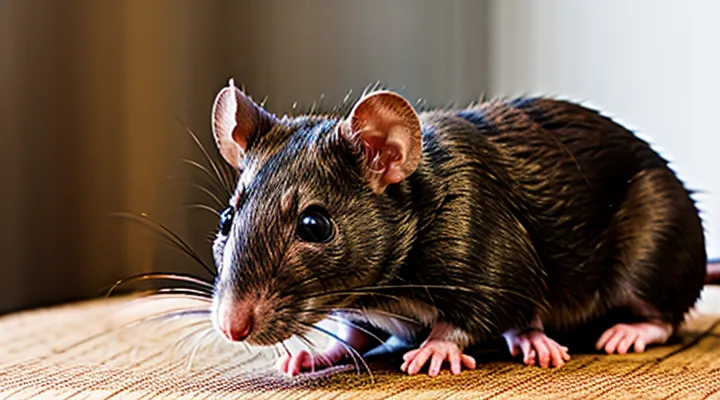
«Understanding the Importance of Regular Check-ups»
«Why Veterinary Care is Crucial for Rats»
«Common Health Issues in Pet Rats»
Pet rats frequently develop a limited set of conditions that can compromise their suitability for a veterinary assessment. Recognizing these problems early improves the accuracy of the exam and reduces stress for both animal and practitioner.
Respiratory disease is the most common issue. Signs include sneezing, nasal discharge, labored breathing, and audible wheezing. Typical agents are Mycoplasma pulmonis and Streptococcus spp.; treatment requires antibiotics and supportive care.
Neoplastic growths appear in older rats, especially in the mammary glands and the oral cavity. Palpable masses, rapid weight loss, or facial swelling signal the need for immediate diagnostic imaging and possible surgical intervention.
Dental malocclusion arises when incisors grow unevenly, leading to difficulty eating, drooling, and facial deformity. Regular inspection of tooth alignment and provision of appropriate chew objects prevent severe wear and secondary infections.
Gastrointestinal disturbances manifest as diarrhea, constipation, or reduced fecal output. Causes include dietary imbalance, parasitic infestation, and bacterial overgrowth. Fecal analysis and dietary adjustment are the primary management steps.
Skin conditions such as dermatitis, fungal infections, and ectoparasite infestations produce hair loss, redness, and pruritus. Visual inspection of the coat and skin, combined with skin scrapings, identifies the responsible agents.
A concise checklist for owners preparing a rat for a veterinary visit:
- Observe breathing pattern; note any audible sounds or nasal discharge.
- Palpate the body for masses, especially near the mammary region and jaw.
- Examine teeth for proper alignment; provide chew toys if wear appears uneven.
- Review stool consistency; record any changes in frequency or appearance.
- Inspect skin and fur for lesions, scaling, or parasites.
- Ensure the rat is acclimated to handling to reduce stress during the exam.
Addressing these health concerns before the appointment streamlines the clinical evaluation and supports optimal outcomes for the animal.
«Benefits of Early Detection»
Early identification of health issues in laboratory rats markedly improves therapeutic success. Detecting conditions such as respiratory infections, skin lesions, or metabolic disorders before they advance allows clinicians to apply targeted treatments, which often require lower dosages and shorter courses. Consequently, the overall cost of care declines while recovery times shorten.
Prompt diagnosis also reduces the physiological stress associated with severe disease. Rats that receive timely medical attention display fewer behavioral changes, maintain normal activity levels, and exhibit stable body weights. These factors contribute to more reliable experimental data and minimize the need for animal replacement.
Additional advantages include:
- Prevention of disease spread within a colony, protecting uninfected individuals and preserving breeding programs.
- Alignment with ethical standards that mandate minimization of suffering, reinforcing institutional compliance.
- Enhancement of longitudinal studies, as early‑stage health records provide baseline metrics for future comparisons.
Implementing systematic health screenings during the preparation phase for veterinary assessment ensures that emerging problems are caught before they compromise animal welfare or research validity. This proactive approach maximizes both scientific integrity and humane care.
«Pre-Vet Visit Preparations»
«Choosing the Right Veterinarian»
«Finding an Exotic Pet Vet»
Rats require a veterinarian with specific training in exotic and small‑animal care. General practice clinics often lack the equipment and expertise needed to conduct a thorough physical exam, collect appropriate samples, or address species‑specific health issues. Selecting a practitioner who routinely treats rodents ensures accurate diagnosis and appropriate handling techniques.
Key factors for evaluating potential clinics:
- Accreditation by a recognized veterinary board for exotic animal practice.
- Demonstrated experience with rodents, confirmed by case studies, client testimonials, or published articles.
- Availability of appropriate facilities, such as a quiet examination area, specialized cages, and anesthesia equipment calibrated for small mammals.
- Clear communication regarding fees, appointment scheduling, and emergency protocols.
To locate a qualified professional, begin with a targeted internet search using terms like “rodent veterinarian” or “exotic pet clinic” combined with the local city or region. Verify the clinic’s credentials on the state veterinary board website or through professional organizations such as the American Association of Zoo Veterinarians. Contact the practice directly, request details about their rodent experience, and schedule a preliminary consultation to assess the environment and staff competence. Document the findings and choose the clinic that meets all critical criteria before arranging the rat’s examination.
«Questions to Ask Before Your First Appointment»
Before scheduling a rat’s first veterinary assessment, collect detailed information from the clinic to avoid surprises and guarantee appropriate care.
- Does the practice have experience with small‑exotic rodents?
- What qualifications and certifications does the attending veterinarian hold for rodent medicine?
- Which diagnostic tools (e.g., radiography, blood work) are available on‑site?
- How are rats restrained during examination, and what sedation options exist?
- What is the protocol for handling emergencies or complications?
- What are the fees for consultation, examinations, and common procedures?
- Which preventive measures (vaccinations, parasite control) does the clinic recommend for rats?
- How should I prepare my rat (fasting, handling, transport cage) before the appointment?
- What documentation (medical history, previous lab results) should I bring?
- Is there a policy for follow‑up appointments or post‑visit communication?
Each question targets a specific aspect of care: experienced staff reduces stress, qualified clinicians improve diagnostic accuracy, and clear fee structures prevent unexpected costs. Knowing restraint and sedation methods helps owners anticipate the animal’s comfort level. Understanding available diagnostics guides expectations for possible tests. Emergency protocols assure rapid response if the rat’s condition worsens. Preventive recommendations align with best practices for rodent health. Preparation instructions minimize handling difficulties and improve exam quality. Providing complete records enables the veterinarian to make informed decisions. A defined follow‑up policy ensures continuity of care after the initial visit.
Record the answers, compare them with other clinics if needed, and bring the compiled information to the appointment. This systematic approach streamlines the first visit and supports optimal health outcomes for the rat.
«Preparing Your Rat for Travel»
«Selecting an Appropriate Carrier»
When transporting a rat to a veterinary check‑up, the carrier is the primary element that ensures the animal’s safety, reduces stress, and complies with clinic regulations.
Key characteristics of a suitable carrier include:
- Dimensions: Internal length at least 2‑3 times the rat’s body length; width and height sufficient for the rat to turn without crowding.
- Ventilation: Multiple mesh or perforated panels that provide continuous airflow while preventing escape.
- Material: Rigid, non‑toxic plastic or metal that resists crushing; smooth interior surfaces to simplify cleaning.
- Secure closure: Snap‑fit or latch mechanisms that cannot be opened by the animal; lockable latch preferred.
- Ease of cleaning: Removable tray or smooth interior that tolerates disinfectants without degradation.
- Portability: Handles or a grip that allow stable transport without shaking.
Practical steps for selection:
- Measure the rat from nose to base of tail; add at least 2 cm to each dimension for comfort.
- Test the carrier’s latch with a gloved hand to ensure it remains closed under moderate pressure.
- Place a thin layer of absorbent bedding to absorb urine and provide a familiar texture.
- Attach a label with the animal’s name, owner contact, and any special handling instructions.
- Verify that the carrier fits through the clinic’s examination door and can be placed on the examination table without obstruction.
Compliance with veterinary facility policies typically requires carriers to be escape‑proof, allow visual inspection through transparent sections, and be sterilizable. Selecting a carrier that meets these criteria minimizes appointment delays and eliminates the need for additional containment equipment.
Following these guidelines results in a secure, hygienic, and stress‑reducing transport solution, facilitating a smooth veterinary examination for the rat.
«Making the Carrier Comfortable and Safe»
A rat’s carrier must provide a secure environment while minimizing stress. Choose a ventilated, hard‑sided cage that fits the animal snugly without restricting movement. Line the bottom with a thin layer of clean, absorbent bedding; avoid excessive material that can shift during transport.
- Use a familiar nest material (e.g., shredded paper) to encourage natural behavior.
- Place a small, chew‑safe hideaway (plastic tube or wooden block) inside for shelter.
- Ensure the door latch engages smoothly; test repeatedly before the appointment.
- Attach a label with the animal’s identification, owner’s contact, and any medication instructions.
Safety considerations focus on preventing escape and injury. Secure the carrier with a zip tie or clip that does not contact the rat’s paws. Position the carrier upright in a stable bag or box to reduce tipping. Keep the carrier away from extreme temperatures; store it in a climate‑controlled area until travel.
During transit, maintain a quiet atmosphere. Cover the carrier with a light, breathable cloth to dim visual stimuli while allowing airflow. Limit handling to brief, gentle movements; place the carrier on a flat surface rather than holding it in hand for extended periods.
A well‑prepared carrier reduces the likelihood of stress‑induced complications and ensures the rat arrives at the veterinary clinic ready for examination.
«Acclimating Your Rat to the Carrier»
Acclimating a rat to its carrier reduces stress during a veterinary visit and improves the accuracy of the examination. A comfortable rat is more likely to remain still, allowing the clinician to assess health indicators without interference.
- Place the carrier in the rat’s regular habitat for several days, keeping the door open to permit free entry and exit.
- Line the carrier with familiar bedding or a soft cloth that carries the animal’s scent.
- Offer favorite treats inside the carrier at regular intervals to create a positive association.
- Gradually increase the duration of short confinement periods, beginning with one‑minute intervals and extending to ten minutes as the rat shows tolerance.
- Conduct brief handling sessions where the carrier is lifted and moved, allowing the rat to experience motion while remaining inside.
Observe the rat’s behavior during each session. Calm exploration, steady breathing, and normal grooming indicate successful acclimation. Signs of distress—excessive vocalization, frantic attempts to escape, or prolonged freezing—require a step back to shorter exposure times and additional rewards. Consistency in schedule and environment reinforces confidence, ensuring the rat enters the carrier voluntarily on the day of the examination.
«What to Bring to the Appointment»
«Gathering Important Documents»
When rodents are scheduled for a veterinary assessment, the success of the appointment depends on having all required paperwork ready before the animal arrives.
- Health record detailing previous illnesses, surgeries, and ongoing treatments
- Vaccination certificate indicating dates and types of immunizations administered
- Identification tag or microchip registration number, if applicable
- Owner’s consent form authorizing examination, diagnostics, and treatment
- Recent laboratory results, such as fecal exams or blood work, if already performed
- Transportation and handling protocol signed by the caretaker, confirming safe conveyance
Having these documents compiled eliminates delays, ensures accurate medical history review, and facilitates compliance with veterinary clinic policies. Prepare the files in a single folder or digital archive and verify completeness prior to the scheduled visit.
«Collecting Relevant Information About Your Rat»
Gathering precise data about a pet rat before a veterinary appointment ensures accurate assessment and efficient care. Veterinarians rely on the owner’s record to identify underlying conditions, adjust treatment plans, and reduce examination time.
- Identification: name, breed (e.g., fancy, dumbo), age or birthdate, weight, and color pattern.
- Health history: previous illnesses, surgeries, injuries, and outcomes; any known allergies or chronic conditions.
- Dietary information: type of commercial pellets, fresh produce, treats, feeding schedule, and any recent changes in appetite.
- Behavioral observations: activity level, social interactions, signs of pain, grooming habits, and any abnormal behaviors such as excessive scratching or lethargy.
- Environmental details: cage size, bedding material, temperature, humidity, lighting cycle, and recent cleaning routine.
- Medication record: names, dosages, administration routes, and duration of any prescribed or over‑the‑counter drugs, including supplements.
- Previous veterinary records: dates of past visits, diagnoses, vaccinations, and lab results, if available.
Document the information on a single sheet or digital file, organized by the categories above. Bring the record to the appointment, either printed or on a mobile device, and present it to the veterinarian at the start of the consultation. This practice enables the clinician to focus on examination findings and formulate a targeted treatment strategy.
«Sample Collection (if requested)»
When a veterinarian requires biological specimens from a rat, the collection process must be systematic and sterile to ensure reliable diagnostic results.
The animal should be gently restrained using a soft‑tipped tube or a specialized restraint device that limits movement without causing injury. Restraint time is kept to the minimum necessary for the procedure.
Prior to sampling, the chosen site is prepared with an appropriate antiseptic (e.g., 70 % isopropyl alcohol). Disposable gloves, sterile needles, syringes, and collection tubes are arranged within arm’s reach to avoid interruption.
Typical specimens and collection methods
- Blood – Collect via the lateral tail vein, saphenous vein, or retro‑orbital sinus using a 27‑30 G needle. Apply gentle pressure after withdrawal to prevent hematoma.
- Urine – Obtain by bladder expression with a sterile gloved hand or by placing the rat in a clean metabolic cage for spontaneous voiding.
- Feces – Harvest freshly expelled pellets directly into a sterile container; avoid contact with bedding.
- Swabs – Use sterile cotton or polyester swabs for oral, nasal, or rectal samples, rotating gently on the mucosal surface.
Each sample is transferred immediately into a labeled tube that includes the animal ID, specimen type, date, and time of collection. Labels are resistant to moisture and temperature changes.
After collection, specimens are stored according to the test requirements: refrigerated (2‑8 °C) for most blood and urine analyses, frozen (‑20 °C or lower) for DNA or hormone assays, and kept at room temperature for culture media that require ambient conditions. Transport containers are insulated and include ice packs or dry ice as appropriate.
Documentation records the method, volume, any complications, and the observer’s initials. Accurate records facilitate traceability and support the veterinary assessment of the rat’s health status.
«During the Veterinary Examination»
«What to Expect at the Clinic»
«Check-in Process»
The check‑in procedure for a rat scheduled for a veterinary assessment begins with confirming the appointment time and verifying that the owner has completed any required intake forms. These documents must include the animal’s identification number, health history, and any recent medication records.
Upon arrival, the owner presents the completed paperwork at the reception desk. The staff checks the information against the clinic’s database, updates any missing details, and issues a temporary identification tag that attaches to the rat’s carrier. The carrier should be clearly labeled with the rat’s name, species, and a contact number for the owner.
Next, the rat is transferred to a designated holding area. The holding area is equipped with appropriate bedding, temperature control, and minimal stressors. Staff members observe the rat for signs of distress, record its weight, and note any visible abnormalities before proceeding to the examination room.
Key steps in the check‑in process:
- Verify appointment and complete intake forms.
- Match paperwork with the clinic’s records.
- Attach a clearly labeled identification tag to the carrier.
- Move the carrier to the quiet holding zone.
- Record weight and perform a brief visual health check.
- Transfer the rat to the examination room for the veterinarian.
Each step is performed in a sequential order to ensure accurate documentation, reduce handling stress, and maintain a smooth workflow for the veterinary examination.
«Waiting Room Etiquette»
When a rat accompanies its owner to a veterinary clinic, the waiting area becomes a shared space that requires specific behavior to protect the animal’s health and minimize stress for other patients.
- Keep the cage closed and securely latched at all times.
- Place the cage on a stable surface away from high‑traffic zones.
- Avoid opening the cage inside the waiting room; unnecessary exposure can increase anxiety and risk of escape.
- Limit conversation volume. Loud voices can startle the rat and disturb nearby animals.
- Refrain from feeding or offering treats in the waiting area; stray food may attract pests or cause contamination.
- Use a clean, disposable liner underneath the cage to contain waste and simplify cleanup.
- Dispose of any waste promptly in designated bins.
Maintain a calm demeanor. Sudden movements or frantic gestures amplify the rat’s stress response, potentially affecting the examination outcome. If a companion animal accompanies you, keep it leashed or in a carrier, and ensure it does not interact with the rat’s enclosure.
Before entering the examination room, confirm that the cage is labeled with the animal’s name, species, and any special handling instructions. This information assists clinic staff in providing appropriate care and reduces the likelihood of mishandling.
Adhering to these practices safeguards the rat’s wellbeing, supports efficient clinic operations, and respects the comfort of other patients awaiting care.
«Interacting with the Veterinarian»
«Communicating Your Rat«s History and Concerns»
When you bring a rat to a veterinary appointment, the veterinarian’s ability to assess health quickly depends on the clarity of the information you provide. Supply a concise summary covering the animal’s background, recent changes, and any specific worries.
Include the following details:
- Identification: name, breed, age, weight, and microchip or tattoo number.
- Medical history: previous illnesses, surgeries, vaccinations, and results of any prior examinations.
- Current medications: name, dosage, frequency, and duration of each drug or supplement.
- Dietary regimen: brand and type of commercial food, fresh produce, treats, feeding schedule, and any recent alterations.
- Housing conditions: cage size, substrate, enrichment items, temperature, humidity, and cleaning routine.
- Behavioral observations: activity level, grooming habits, vocalizations, aggression, or signs of anxiety.
- Recent symptoms: loss of appetite, changes in feces or urine, respiratory sounds, skin lesions, or limping.
- Breeding status: whether the rat is intact, pregnant, or lactating, and any recent breeding attempts.
Present the information in a logical order, preferably written on a sheet of paper or typed document. Highlight urgent concerns by placing them at the top of the list. If you notice acute signs such as bleeding, severe respiratory distress, or sudden paralysis, notify the clinic immediately before arrival.
During the consultation, answer follow‑up questions directly and confirm any instructions the veterinarian gives regarding diagnostics, treatment, or home care. This approach minimizes miscommunication, reduces examination time, and supports accurate diagnosis and effective treatment for your rat.
«Asking Questions About the Examination»
Effective communication with the veterinarian begins with precise questioning. Prior to the appointment, owners should compile a list of topics that clarify the purpose, procedure, and expected outcomes of the rat examination.
- What specific health indicators will the veterinarian assess?
- Which diagnostic tools (e.g., otoscopy, radiography) are planned for use?
- How long will the physical examination last?
- Are there any preparations required to reduce stress for the animal?
- What signs should alert the owner to potential complications during or after the visit?
- Which post‑examination care instructions will be provided?
- When is a follow‑up appointment recommended, and what criteria determine its necessity?
Answers to these questions inform the owner about the scope of the assessment and allow for appropriate logistical arrangements, such as scheduling sufficient time and preparing a calm environment. Understanding the diagnostic methods helps the owner recognize any limitations of the examination and anticipate the need for additional testing.
When the veterinarian responds, note any terminology that indicates severity (e.g., “mild,” “moderate,” “critical”) and record recommended interventions. If the explanation lacks clarity, request examples or visual references to ensure comprehension. Confirm dosage, frequency, and administration route for any prescribed medication, and ask how to monitor the rat’s response.
Finally, summarize the agreed‑upon plan in writing. Include:
- Scheduled date and time of the examination.
- List of pre‑visit requirements (fasting, handling techniques).
- Detailed post‑visit care steps.
- Contact information for urgent questions.
A systematic approach to questioning eliminates ambiguity, supports optimal care, and enhances the rat’s welfare during veterinary assessment.
«Handling and Examination Techniques»
«Minimizing Stress During Examination»
Rats experience heightened anxiety when placed in unfamiliar clinical settings. Reducing this response improves diagnostic accuracy and protects animal welfare.
Acclimation to the examination environment should begin days before the appointment. Provide brief daily exposure to the exam table, lighting, and ambient sounds. Allow the animal to explore the area voluntarily, rewarding calm behavior with a small treat.
Handling techniques influence stress levels. Use gentle, slow movements; support the body with both hands to prevent panic. Avoid grasping the tail or applying sudden pressure. If possible, train staff to employ a “cup” method, where the rat is enclosed in a cupped hand, limiting escape routes while maintaining a sense of security.
Environmental modifications lessen fear. Maintain a quiet room, dim lighting, and a stable temperature of 20‑22 °C. Cover the examination surface with a soft, familiar material such as a paper towel or a piece of bedding. Minimize the presence of predators or other species.
If restraint is unavoidable, consider short‑acting anxiolytics administered according to veterinary guidelines. Record dosage, timing, and observed effects to refine future protocols.
Typical stress‑reduction checklist:
- Gradual exposure to examination area (2–3 days prior)
- Positive reinforcement for calm behavior
- Two‑hand gentle support during handling
- Quiet, low‑light environment with familiar bedding
- Use of short‑acting anxiolytic only when necessary
Implementing these measures consistently lowers physiological stress markers, facilitates smoother examinations, and enhances overall health outcomes for laboratory and pet rats.
«Understanding Common Veterinary Procedures»
Understanding the routine interventions a veterinarian performs on laboratory rats is essential for effective preparation. Recognizing each procedure allows caretakers to anticipate handling requirements, reduce stress, and ensure accurate diagnostic outcomes.
Typical veterinary actions include:
- Visual health assessment covering coat condition, eye clarity, and respiratory sounds.
- Body weight determination with calibrated scales.
- Oral cavity inspection using a speculum or otoscope to detect dental overgrowth or lesions.
- Blood sampling from the tail vein, saphenous vein, or cardiac puncture, depending on volume needed.
- Urine collection via metabolic cages or bladder expression for biochemical analysis.
- Radiographic or ultrasonographic imaging to evaluate skeletal and organ structures.
- Administration of anesthetic or analgesic agents when invasive sampling or minor surgery is required.
Effective preparation involves several steps. First, habituate rats to gentle handling and the examination environment to minimize panic responses. Second, employ appropriate restraint devices—such as soft-tipped forceps, plexiglass tubes, or custom restrainers—to secure the animal safely without causing injury. Third, confirm that all instruments are sterilized and that personal protective equipment is worn to protect both animal and practitioner. Fourth, verify dosing calculations for any sedatives or analgesics, adjusting for body weight and species-specific metabolism.
After procedures, monitor vital signs until normal activity resumes. Record findings systematically, noting any deviations from baseline measurements. Promptly address abnormal results with targeted treatment plans, and schedule follow‑up examinations to assess recovery. By mastering these common veterinary practices, caretakers can streamline the examination process, enhance animal welfare, and support reliable health assessments.
«Post-Examination Care and Follow-up»
«Bringing Your Rat Home»
«Creating a Stress-Free Return Environment»
Creating a stress‑free return environment is essential for maintaining the welfare of rats after a veterinary examination. The enclosure should be quiet, familiar, and free of sudden disturbances. Keep lighting dim and maintain a stable temperature to prevent sensory overload. Provide fresh bedding that has not been recently disturbed, allowing the animals to re‑establish their scent markings.
Implement the following measures to minimize post‑exam anxiety:
- Return the rat to its original cage within five minutes of completing the exam, avoiding prolonged transport.
- Ensure the cage is placed on a stable surface away from high‑traffic areas and loud equipment.
- Offer a small amount of preferred food or a treat to encourage natural foraging behavior.
- Limit handling to the minimum necessary; if additional handling is required, use gentle, slow movements and support the body fully.
- Monitor the rat for at least 15 minutes, watching for signs of distress such as excessive grooming, vocalization, or abnormal posture. If any of these behaviors appear, adjust the environment promptly—reduce noise, add hiding structures, or provide a temporary isolation box.
Consistent application of these practices reinforces a predictable routine, reduces cortisol spikes, and supports rapid recovery, ensuring the rat remains calm and healthy for future examinations.
«Monitoring for Post-Visit Changes»
After a veterinary examination, observe the rat for any deviations from its normal behavior, physiology, or environment. Prompt detection of adverse reactions or complications enables timely intervention and reduces stress for the animal.
Key indicators to monitor include:
- Appetite changes: reduced intake or refusal of food.
- Water consumption: significant increase or decrease.
- Activity level: lethargy, hyperactivity, or altered grooming.
- Respiratory pattern: labored breathing, nasal discharge, or audible wheezing.
- Gastrointestinal signs: diarrhea, constipation, or abnormal stool consistency.
- Skin and fur condition: hair loss, lesions, or excessive scratching.
- Body temperature: fever or hypothermia measured rectally.
- Injection site: swelling, redness, or discharge.
Record observations at regular intervals—immediately after the visit, then at 2‑hour, 6‑hour, and 24‑hour marks. Use a standardized sheet to note the date, time, and specific findings. Any persistent or worsening sign should trigger a follow‑up call to the veterinary clinic.
Environmental adjustments may support recovery. Maintain a quiet cage, stable temperature, and consistent lighting. Provide fresh bedding and easy access to food and water to encourage normal intake.
If the rat exhibits any of the listed signs beyond the expected post‑procedural period, arrange a re‑examination. Documentation of the monitoring process assists the veterinarian in diagnosing potential issues and refining future handling protocols.
«Implementing Treatment Plans»
«Administering Medications»
Effective medication administration is a critical component of preparing laboratory rats for a veterinary assessment. Accurate dosing, proper technique, and minimal stress are essential to obtain reliable clinical data and ensure animal welfare.
Before any injection, verify the drug’s concentration, required dose per kilogram of body weight, and expiration date. Calculate the exact volume for each rat using a calibrated scale and a reliable conversion chart. Prepare a sterile work surface, gather all equipment, and label syringes with the drug name, concentration, and dosage information.
When handling rats, use gentle restraint methods such as a soft towel or a restraining tube to limit movement without causing injury. Position the animal so that the injection site—typically the dorsal subcutaneous space or the lateral tail vein—is clearly visible. Clean the skin with an alcohol swab, allowing it to dry before insertion.
Injection technique:
- Insert the needle at a shallow angle (15‑30°) for subcutaneous injections; aim for the loose skin over the scruff.
- For intraperitoneal delivery, tilt the animal’s abdomen upward, insert the needle bevel‑up, and advance until resistance is felt.
- Deliver the calculated volume steadily; avoid rapid expulsion, which can cause tissue damage.
- Withdraw the needle smoothly and apply gentle pressure with a sterile gauze to prevent bleeding.
Post‑administration monitoring includes observing the rat for at least five minutes for signs of distress, abnormal respiration, or injection site reactions. Record the drug administered, dose, route, time, and any immediate observations in the animal’s health log.
If a medication requires repeated dosing, schedule administrations at consistent intervals, maintain the same injection site rotation pattern, and reassess the animal’s response before each subsequent dose. This systematic approach reduces variability and supports accurate veterinary evaluation.
«Dietary Adjustments and Special Care»
Proper nutrition and targeted husbandry are essential when conditioning rats for a clinical assessment. Adjusting the diet reduces stress, stabilizes weight, and minimizes gastrointestinal disturbances that could obscure diagnostic findings.
- Switch to a high‑protein pellet formulated for laboratory rodents; aim for 18‑20 % protein content.
- Limit fresh fruit and sugary treats to no more than 5 % of daily intake to prevent hyperglycemia.
- Provide a consistent supply of fresh water; consider a bottle with a metal tip to avoid contamination.
- Introduce a low‑fiber, easily digestible supplement (e.g., cooked white rice or boiled egg white) 24 hours before the exam to promote a calm bowel pattern.
- Cease any probiotic or laxative products at least 48 hours prior, unless prescribed for a specific condition.
Special care focuses on handling, environment, and health monitoring. Implementing these measures lowers the risk of injury and improves data reliability.
- Conduct gentle, brief handling sessions twice daily for three days before the appointment to acclimate the animal to human contact.
- Maintain a quiet, temperature‑controlled holding area (22 ± 2 °C, 40‑60 % humidity) to prevent hypothermia or overheating.
- Perform a quick visual scan for skin lesions, respiratory sounds, and abnormal discharge; document findings before transport.
- Use a soft, padded carrier lined with shredded paper to limit movement and reduce stress during transit.
- Schedule the examination early in the day, after a short fasting period of 4–6 hours, to ensure a relatively empty stomach and clearer abdominal assessment.
«Scheduling Future Appointments»
«Routine Follow-ups»
Routine follow-ups are essential after a rat has been readied for a veterinary assessment. They verify that pre‑examination preparations have achieved the desired outcomes and identify any emerging health concerns.
Key components of a follow‑up protocol include:
- Verification of weight stability and body condition score within 24 hours of the exam.
- Inspection of injection sites, oral cavity, and external wounds for signs of infection or inflammation.
- Review of laboratory results (e.g., hematology, biochemistry) and comparison with baseline values obtained during the initial preparation.
- Documentation of behavioral changes, appetite, and fecal output during the 48‑hour post‑examination period.
- Scheduling of the next appointment based on the veterinarian’s recommendations and the rat’s recovery trajectory.
Accurate record‑keeping supports longitudinal health monitoring and informs adjustments to handling, housing, or dietary regimens for future examinations. Prompt communication with the veterinary team ensures that any deviations from expected recovery are addressed without delay.
«Recognizing When to Seek Further Care»
When handling rats before a veterinary check‑up, observe the animal closely for indicators that basic preparation is insufficient and professional intervention is required.
Signs that warrant immediate veterinary attention include:
- Persistent or sudden respiratory distress, such as open‑mouth breathing, wheezing, or audible crackles.
- Profuse bleeding or uncontrolled oozing from any site, including nasal, oral, or skin lesions.
- Severe lethargy or inability to move, especially if the rat is unresponsive to gentle stimulation.
- Marked weight loss or a rapid decline in body condition, evident by prominent ribs or spinal processes.
- Abnormal discharge (purulent, bloody, or excessive watery) from eyes, nose, or genital areas.
- Unexplained swelling, masses, or ulcerated skin lesions that enlarge or become painful.
- Recurrent or prolonged seizures, tremors, or uncontrolled muscle twitching.
- Persistent vomiting, diarrhea, or signs of gastrointestinal blockage, such as a distended abdomen and lack of fecal output.
If any of these conditions appear, cease the preparation routine and arrange prompt veterinary evaluation. Early detection prevents escalation of disease, reduces suffering, and improves the likelihood of successful treatment.