
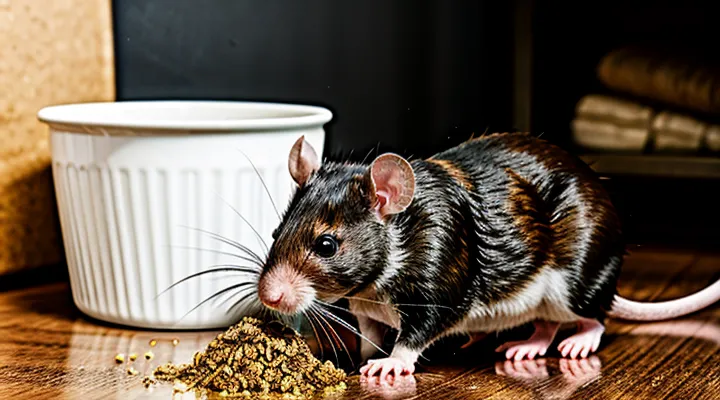
The Importance of Premium Rat Food
Why High-Quality Nutrition Matters for Rats
Health Benefits of a Balanced Diet
A balanced diet for rats, built from premium ingredients, supports optimal physiological function. Adequate protein levels maintain muscle mass and facilitate tissue repair, while complex carbohydrates provide sustained energy without spikes in blood sugar. Essential fatty acids contribute to healthy skin, glossy fur, and efficient neural transmission.
Vitamins and minerals supplied by a well‑formulated mix prevent deficiencies that could impair growth, reproduction, or immune response. Calcium and phosphorus ratios promote proper bone development, and trace elements such as zinc and selenium enhance antioxidant defenses.
Key health outcomes of a nutritionally complete regimen include:
- Stable body weight and lean muscle composition
- Reduced incidence of respiratory and gastrointestinal infections
- Enhanced reproductive performance and litter viability
- Improved cognitive function and activity levels
Selecting rat food that meets established nutritional standards ensures each component is present in appropriate proportions, eliminating the need for supplemental feeding and minimizing the risk of dietary imbalances.
Common Deficiencies in Poor-Quality Food
Poor-quality rat diets frequently lack the nutrients required for optimal health and development. Deficiencies manifest in several key areas.
- Protein: Levels often fall below the 18‑20 % minimum for adult rats, leading to muscle wasting and reduced growth rates.
- Essential fatty acids: Insufficient omega‑3 and omega‑6 fatty acids cause poor coat condition and impaired immune function.
- Vitamins:
- Vitamin A – deficiency results in vision problems and skin lesions.
- Vitamin D – low levels compromise calcium absorption, causing bone weakening.
- Vitamin E – inadequate amounts increase oxidative stress and shorten lifespan.
- B‑complex – shortages affect energy metabolism, leading to lethargy and reproductive issues.
- Minerals:
- Fiber: Minimal roughage reduces gastrointestinal motility, increasing the risk of constipation and gut dysbiosis.
- Antioxidants: Lack of natural antioxidants heightens cellular damage, accelerating age‑related decline.
Consequences of these gaps include stunted growth, brittle teeth, dull fur, frequent respiratory infections, reduced fertility, and shortened lifespan. Selecting a diet that meets established nutritional standards eliminates these risks and supports robust, long‑term health.
Key Components of Premium Rat Food
Essential Nutrients and Their Roles
Protein Sources and Levels
When selecting a premium rat diet, protein quality and quantity directly influence growth, reproductive performance, and overall health.
Animal‑derived proteins provide the most complete amino acid profile for rodents. Common sources include:
- Chicken meal
- Fish meal
- Egg white powder
- Beef or pork meal
Plant‑derived proteins supplement animal ingredients and add fiber. Typical options are:
- Soy isolate
- Pea protein concentrate
- Lentil flour
Insect proteins are emerging as sustainable alternatives, offering high digestibility and essential amino acids. Examples are:
- Black soldier fly larvae meal
- Mealworm powder
Protein levels must match the rat’s life stage and physiological demands. Recommended crude protein percentages are:
- Juvenile (up to 6 weeks): 20–24 %
- Adult (maintenance): 16–20 %
- Breeding females (gestation and lactation): 22–26 %
- Pregnant or lactating males (if applicable): 18–22 %
Excess protein above these ranges can stress renal function, while insufficient protein limits tissue development and immune competence. A balanced formulation combines high‑quality animal proteins with complementary plant or insect sources to achieve the target percentage without compromising digestibility.
Manufacturers should verify ingredient sourcing, processing methods, and analytical protein content to ensure consistency across batches. Regular monitoring of rats’ body condition and laboratory parameters confirms that the chosen protein profile meets nutritional objectives.
Fat Content and Types
When evaluating premium rat diets, the proportion of fat and the composition of fatty acids directly affect energy balance, coat condition, and reproductive health. Ideal formulations contain between 5 % and 12 % total fat by weight; lower levels may lead to weight loss in active rodents, while higher percentages can cause obesity and hepatic strain.
Key considerations:
- Saturated fats – typically derived from animal fats or coconut oil; provide dense calories but can elevate lipid profiles if excessive.
- Monounsaturated fats – sourced from olive oil or avocado; support skin elasticity and moderate energy supply.
- Polyunsaturated fats – include omega‑6 (linoleic acid) from sunflower or corn oil and omega‑3 (alpha‑linolenic acid) from flaxseed or fish oil; essential for neural development and anti‑inflammatory processes.
- Essential fatty acids – rats cannot synthesize linoleic and alpha‑linolenic acids; diets must guarantee a minimum of 0.5 % of each to prevent dermatitis and reproductive deficits.
Balancing these categories ensures a stable caloric intake while delivering nutrients that maintain fur shine, immune competence, and overall vigor. Products that list specific fat sources and provide a detailed fatty‑acid profile enable precise selection based on the rat’s age, activity level, and health status.
Carbohydrates for Energy
Carbohydrates supply the primary fuel for a rat’s daily activity. Digestible starches and complex fibers break down into glucose, which feeds muscles, brain function, and thermoregulation.
Suitable carbohydrate sources for premium rat nutrition include:
- Whole‑grain oats, barley, and brown rice – high in complex starches and low in simple sugars.
- Quinoa and millet – provide balanced protein‑carbohydrate ratios and essential micronutrients.
- Sweet potato and pumpkin – offer soluble fiber and modest sugar content, supporting gut health.
Glucose derived from these carbohydrates fuels aerobic metabolism, sustains prolonged running, climbing, and foraging, and replenishes glycogen stores after exertion. Rapidly digestible sugars cause spikes in blood glucose, leading to excess fat deposition and potential metabolic imbalance.
When formulating a high‑quality rat diet, aim for a carbohydrate contribution of 45‑55 % of total calories. Prioritize sources with low glycemic impact, minimal anti‑nutritional factors, and proven palatability. Exclude refined sugars, corn syrup, and excessive wheat flour, which can compromise digestive efficiency and weight management.
Vitamins and Minerals
Vitamins and minerals form the nutritional backbone of any high‑quality rat diet. Adequate levels support growth, immune competence, dental health, and metabolic stability.
Key vitamins
- Vitamin A – promotes vision and epithelial maintenance.
- Vitamin D3 – enables calcium absorption, essential for bone strength.
- Vitamin E – protects cell membranes from oxidative damage.
- B‑complex (B1, B2, B6, B12, niacin, folic acid, pantothenic acid) – drive energy metabolism, nerve function, and red blood cell formation.
- Vitamin C – not required for rats but can aid stress resilience in some formulations.
Critical minerals
- Calcium – works with phosphorus for skeletal development; ratio of 1.2 : 1 is optimal.
- Phosphorus – balances calcium, supports DNA synthesis and energy transfer.
- Magnesium – co‑factor for over 300 enzymatic reactions, influences neuromuscular activity.
- Potassium – regulates fluid balance and cardiac function.
- Sodium – essential for nerve impulse transmission; should remain modest.
- Iron – required for hemoglobin production; excess can cause toxicity.
- Zinc – supports skin integrity, immune response, and wound healing.
- Copper – participates in iron metabolism and antioxidant defenses.
- Selenium – contributes to thyroid hormone regulation and oxidative protection.
Selection criteria for premium formulations
- Verify a complete vitamin and mineral spectrum matching the listed requirements.
- Prefer products where nutrients are derived from natural sources (e.g., liver, egg yolk, fish oil) rather than solely synthetic additives.
- Check for bioavailability indicators such as chelated minerals or encapsulated vitamins.
- Ensure the calcium‑to‑phosphorus ratio falls within the recommended range to prevent skeletal disorders.
- Look for third‑party testing statements confirming absence of heavy‑metal contamination and consistent nutrient content.
Choosing a diet that meets these specifications guarantees that rats receive the micronutrients necessary for optimal health without the risk of deficiencies or excesses.
Ingredients to Look For
Whole Grains
Whole grains provide rats with complex carbohydrates, dietary fiber, and essential nutrients such as B‑vitamins, iron, and magnesium. Their slow‑digesting nature stabilises blood glucose, supporting sustained energy during active periods.
When evaluating grain options for a premium rat diet, consider the following criteria:
- Purity – select products free from pesticides, mycotoxins, and artificial additives.
- Digestibility – choose grains with low antinutrient levels; sprouted or heat‑treated varieties often meet this requirement.
- Nutrient density – prioritize grains with high protein‑to‑carbohydrate ratios, such as quinoa, amaranth, or spelt.
- Fiber content – ensure adequate insoluble fiber to promote gastrointestinal motility and prevent constipation.
- Allergenicity – avoid grains known to trigger sensitivities in rodents, notably wheat and barley, unless the individual rat has demonstrated tolerance.
Common whole grains suitable for rats include:
- Oats – rich in soluble fiber and beta‑glucan.
- Brown rice – offers a balanced amino acid profile.
- Millet – high in magnesium and phosphorus.
- Quinoa – contains complete protein and essential fatty acids.
- Barley (hulled) – provides beta‑glucan and selenium.
Incorporating whole grains should complement a protein‑focused base, such as high‑quality mouse or insect meal. A typical formulation allocates 10–15 % of total dry matter to grains, adjusted for the rat’s age, activity level, and health status. Monitoring body condition and stool consistency helps fine‑tune the proportion and prevent over‑consumption of carbohydrates.
Real Meats and Vegetables
Real meats provide rats with essential amino acids, high‑quality protein, and readily absorbable iron. Sources such as chicken breast, turkey, lean beef, and rabbit should be cooked without seasoning, excess fat, or bones. Cooking eliminates pathogens while preserving nutrient density. Portion sizes depend on the animal’s weight; a 200‑gram rat typically requires 5–7 grams of cooked meat per day, divided among meals to prevent digestive overload.
Vegetables supply fiber, vitamins, and antioxidants that support gastrointestinal health and immune function. Suitable options include carrots, broccoli, spinach, kale, zucchini, and bell peppers. All vegetables must be washed thoroughly, trimmed of tough stems, and offered raw or lightly steamed to retain micronutrients. Daily vegetable intake should approximate 10–15 grams per 200‑gram rat, balanced across multiple feedings to encourage natural foraging behavior.
Combining meat and vegetables creates a nutritionally complete premium diet. Recommended practices:
- Rotate protein sources weekly to avoid nutrient imbalances.
- Pair each meat serving with at least two different vegetable types.
- Store cooked meat in airtight containers for up to three days, refrigerated; keep fresh vegetables in a crisper drawer, discarding any wilted portions within 24 hours.
- Monitor body condition regularly; adjust quantities if weight gain or loss occurs.
Adhering to these guidelines ensures rats receive a diet that mirrors their omnivorous instincts while meeting the standards of high‑quality pet nutrition.
Fortification and Supplements
Fortified premium rat diets incorporate essential nutrients that standard formulas often lack, ensuring optimal growth, reproduction, and immune function. Manufacturers add precise concentrations of vitamins, minerals, and functional additives to meet the physiological demands of adult and breeding rats.
Key nutrients commonly included are:
- Vitamin A for vision and epithelial health
- Vitamin D₃ to support calcium absorption and bone development
- Vitamin E as an antioxidant protecting cell membranes
- B‑complex vitamins (B₁, B₂, B₆, B₁₂) for energy metabolism and neurological function
- Calcium and phosphorus in balanced ratios to prevent skeletal disorders
- Magnesium, zinc, and selenium for enzymatic activity and immune response
- Omega‑3 fatty acids (EPA, DHA) to promote cardiovascular health and cognitive performance
Supplement formats vary, allowing targeted adjustments:
- Powdered blends mixed into daily rations for uniform distribution
- Gel capsules delivering concentrated doses of specific vitamins or minerals
- Liquid concentrates administered directly or via water systems for rapid absorption
When selecting fortified products, prioritize:
- Third‑party testing confirming nutrient levels and absence of contaminants
- Bioavailable forms such as chelated minerals and natural tocopherols
- Transparent ingredient lists indicating source quality and manufacturing standards
These criteria help maintain consistent nutritional intake, reduce the risk of deficiencies, and support overall welfare in high‑quality rodent feeding programs.
Ingredients to Avoid
Artificial Colors and Flavors
Artificial colors and flavors are synthetic additives used to enhance the visual appeal and taste of premium rodent diets. They are produced through chemical synthesis, often derived from petroleum‑based precursors, and are not present in natural ingredients.
Health considerations
- No proven nutritional benefit for rats; some studies associate certain dyes with gastrointestinal irritation or allergic reactions.
- Regulatory agencies such as the U.S. Food and Drug Administration (FDA) and the European Food Safety Authority (EFSA) set acceptable daily intake levels, but these limits assume occasional exposure rather than daily consumption.
- Sensitive individuals may exhibit hyperactivity or stress responses when exposed to strong flavors, potentially affecting breeding or research outcomes.
Regulatory status
- FDA classifies most colors as “food additives” requiring pre‑market approval; only a limited list is recognized as safe for laboratory animals.
- EFSA applies the same safety assessments, with additional restrictions on specific azo dyes due to carcinogenic potential.
- Pet‑food manufacturers must list each additive on the label; omission indicates a formulation free of artificial colors and flavors.
Impact on dietary choice
- Products containing synthetic dyes often use lower‑cost protein sources, masking inferior quality with visual enhancements.
- Flavor additives can conceal off‑tastes from substandard ingredients, leading to misinterpretation of palatability as overall diet quality.
- Removing artificial additives simplifies nutritional analysis, ensuring that observed health effects stem from the base ingredients rather than extraneous chemicals.
Recommendations for selecting a high‑quality rat diet
- Prefer formulations that explicitly state “no artificial colors or flavors.”
- Verify that the ingredient list contains natural colorants (e.g., beet extract) or flavor sources (e.g., dried fruit) if any additives are present.
- Cross‑reference product specifications with regulatory databases to confirm compliance with FDA or EFSA standards.
By focusing on diets free from synthetic colors and flavors, caretakers reduce the risk of adverse health effects, maintain consistent nutritional profiles, and align with best practices for laboratory and pet rodent nutrition.
Excessive Sugars and Salts
Excessive sugars and salts compromise rodent health by promoting obesity, dental decay, and hypertension. High‑glycaemic ingredients accelerate blood‑glucose spikes, while elevated sodium disrupts fluid balance and increases cardiovascular strain. Both factors diminish lifespan and reduce breeding success.
Key indicators of excessive sweeteners and sodium in premium rat diets:
- Ingredient list dominated by grain syrups, maltodextrin, or added cane sugar.
- Sodium content exceeding 0.3 % of total weight.
- Flavor enhancers such as monosodium glutamate or yeast extracts without clear nutritional justification.
When evaluating a high‑quality rat food, prioritize formulations that list complex carbohydrates (e.g., whole oats, barley) as primary ingredients and contain less than 0.2 % added salt. Verify that the nutritional analysis specifies low sugar (under 5 g per 100 g) and sodium levels appropriate for small mammals. Selecting products that meet these criteria reduces metabolic stress and supports optimal growth and reproduction.
Harmful Preservatives
Harmful preservatives are chemical agents added to extend shelf life but can compromise rat health. Commonly encountered compounds include:
- BHA (butylated hydroxyanisole)
- BHT (butylated hydroxytoluenes)
- Propylene glycol
- Sodium benzoate
- Ethoxyquin
These substances may cause liver strain, gastrointestinal irritation, and immune suppression in rodents. Research indicates that chronic exposure to BHA and BHT correlates with increased oxidative stress, while propylene glycol can trigger renal dysfunction at high concentrations.
Manufacturers often list preservatives under generic terms such as “antioxidant” or “flavor stabilizer.” Careful label inspection reveals ingredient names; any product containing the items above should be avoided for premium rat nutrition. Look for statements such as “preservative‑free” or “no artificial additives” to ensure safety.
Alternative preservation methods rely on natural ingredients. Vitamin E, rosemary extract, and mixed tocopherols provide antioxidant protection without the toxic profile of synthetic chemicals. Vacuum‑sealed packaging and low‑temperature processing further reduce the need for chemical additives.
Veterinary nutritionists advise selecting feed formulated with natural preservation techniques, especially for breeding or long‑life rats. Choosing such products minimizes exposure to harmful agents and supports optimal growth, reproduction, and longevity.
Types of Premium Rat Food
Pelleted Diets
Advantages of Pellets
Pellets represent a streamlined solution for discerning rat owners seeking high‑quality nutrition. Their compact form delivers a precisely calibrated blend of proteins, fats, vitamins, and minerals, eliminating the guesswork associated with mixed ingredient diets.
- Consistent nutrient profile in every bite ensures reliable intake across the entire colony.
- Low moisture content reduces spoilage risk, extending shelf life and minimizing waste.
- Uniform size promotes proper chewing, supporting dental health and preventing over‑growth.
- Precise calorie count simplifies weight management and prevents obesity‑related complications.
- Resealable packaging protects against contamination, maintaining freshness without additional preservatives.
The result is a dependable feeding regimen that aligns with the standards of premium rat care, offering predictability, hygiene, and nutritional completeness in a single product.
Disadvantages of Pellets
Pellet diets introduce several notable drawbacks for pet rats.
- Low moisture content can lead to dehydration if not supplemented with water‑rich foods.
- Limited flavor variety may reduce appetite, especially for rodents accustomed to diverse fresh produce.
- Fixed nutrient formulas risk imbalances; excess of certain vitamins or minerals can accumulate over time.
- Hard texture accelerates dental wear, potentially necessitating more frequent tooth trims.
- Storage requirements are strict; exposure to humidity or heat degrades pellet quality and encourages mold growth.
- Higher price points compared with bulk grain mixes increase long‑term feeding costs.
These factors diminish the overall suitability of pellets as the sole component of a rat’s diet.
Seed and Mix Diets
Benefits of Varied Mixes
Varied mixes in high‑end rat nutrition provide multiple physiological advantages. Different protein sources, such as soy, insect meal, and whey, supply a broader amino‑acid spectrum, supporting muscle development and tissue repair. Inclusion of assorted grains and seeds introduces diverse carbohydrate profiles, stabilizing blood‑sugar levels and reducing the risk of metabolic disturbances.
A balanced blend of fibers—from beet pulp, oat hulls, and chicory root—enhances gastrointestinal motility, promotes beneficial gut bacteria, and lowers the incidence of digestive blockages. Micronutrient diversity, achieved by rotating sources of vitamins and minerals, prevents deficiencies that can arise from reliance on a single ingredient.
Key benefits of mixed premium rat diets:
- Nutrient completeness: Combines complementary nutrients to meet all life‑stage requirements.
- Palatability: Varied textures and flavors encourage consistent intake, reducing stress‑related feeding issues.
- Health resilience: Exposure to multiple bioactive compounds strengthens immune function and reduces susceptibility to common ailments.
- Adaptability: Allows owners to tailor formulations to specific health concerns, such as weight management or skin condition, without compromising overall nutrition.
Implementing a structured rotation of quality ingredients ensures rats receive comprehensive nourishment, fostering robust growth, longevity, and overall well‑being.
Risks of Selective Eating
Selective feeding of pet rats with premium diets can create nutritional imbalances. When owners limit ingredients to a narrow range of high‑grade products, rats may miss essential nutrients such as specific amino acids, vitamins, or minerals that are present in a more varied formulation. Deficiencies manifest as poor coat condition, reduced growth rates, and weakened immune response.
The practice also raises the risk of overexposure to particular additives. Concentrated sources of protein or fat increase the likelihood of obesity, hepatic strain, and digestive disturbances. Moreover, reliance on a single brand reduces the chance of detecting batch‑specific contaminants, which can lead to acute toxicity.
Key hazards of selective eating include:
- Micronutrient gaps (e.g., vitamin E, calcium, selenium)
- Macro‑nutrient excess (e.g., saturated fat, protein)
- Elevated susceptibility to metabolic disorders
- Limited detection of product recalls or contamination events
- Behavioral stress from monotony, potentially affecting feeding habits
Balanced selection of premium rat foods, incorporating multiple reputable formulations, mitigates these risks and supports optimal health.
Fresh Food Supplements
Safe Fruits and Vegetables
Rats thrive on a diet that includes fresh produce, provided the items are non‑toxic and properly prepared. Safe fruits and vegetables supply essential vitamins, minerals, and fiber, supporting digestion, immune function, and coat health.
Carrots, broccoli, spinach, kale, and green beans deliver vitamin A, C, and K, as well as calcium and iron. Apples (core removed), pears, blueberries, and strawberries offer antioxidants and natural sugars without excessive calories. Cucumbers, bell peppers, and zucchini provide hydration and crunch, encouraging natural foraging behavior.
Preparation guidelines:
- Wash thoroughly to eliminate pesticide residues.
- Remove seeds, pits, and stems that may contain cyanogenic compounds (e.g., apple cores, cherry pits).
- Cut into bite‑size pieces to prevent choking.
- Offer only a small portion each day (approximately 10 % of total daily intake) to avoid digestive upset.
Storage recommendations:
- Keep produce refrigerated in airtight containers.
- Use within 24 hours for maximum nutrient retention.
- Discard any wilted or moldy pieces immediately.
Potential hazards:
- Citrus fruits (oranges, lemons) can cause mouth irritation.
- Avocado flesh contains persin, toxic to rats.
- Raw potatoes and tomato leaves contain solanine, which is harmful.
Integrating a rotating selection of the listed safe items ensures nutritional balance while preventing boredom. Monitoring weight and stool consistency helps adjust quantities for individual health needs.
Proteins as Treats
Proteins serve as high‑value treats that enhance a rat’s diet when selecting premium feed options. They provide essential amino acids, support muscle development, and add variety to daily meals.
Common protein treats include:
- Freeze‑dried insects (mealworms, crickets, superworms) – low in fat, high in chitin, suitable for occasional enrichment.
- Cooked lean meats (chicken breast, turkey, lean beef) – plain, unseasoned, cut into bite‑size pieces.
- Hard‑boiled eggs – rich in protein and vitamins, offered in small portions.
- Commercially formulated rodent treats containing whey or soy protein – balanced with fiber and minerals.
When incorporating protein treats, observe the following guidelines:
- Limit treats to no more than 5 % of total caloric intake to prevent nutrient imbalance.
- Ensure treats are fresh, free from additives, and stored in airtight containers to avoid spoilage.
- Introduce new proteins gradually, monitoring for digestive upset or allergic reactions.
- Provide water alongside dry protein treats to aid digestion.
Selecting protein treats that align with a high‑quality rat diet contributes to overall health, encourages natural foraging behavior, and offers a palatable supplement to staple feed.
Choosing the Right Premium Rat Food
Factors to Consider
Rat's Age and Life Stage
Rats experience rapid physiological changes from birth to old age, and their diet must reflect those shifts. Nutrition that matches each life stage supports growth, reproduction, and longevity while preventing common health problems.
Juvenile rats (up to 8 weeks) require diets rich in high‑quality protein, calcium, and essential fatty acids. Premium formulations for this stage often contain 20–25 % protein, added DHA for brain development, and calcium‑phosphorus ratios near 1.2 : 1 to promote skeletal health. Grain‑free options reduce digestive stress, and fortified kibble supplies vitamins A, D, and E in bioavailable forms.
Adult rats (8 weeks to 18 months) benefit from balanced nutrition that maintains body condition without excess calories. Ideal products deliver 15–18 % protein, 4–6 % fiber, and moderate fat (8–10 %). Inclusion of prebiotic fibers such as inulin supports gut microbiota, while antioxidants from natural fruit extracts help mitigate oxidative stress.
Senior rats (18 months and older) need lower energy density and nutrients that address age‑related decline. Suitable diets provide 12–14 % protein, reduced fat (6–8 %), and added glucosamine or chondroitin for joint health. Easily digestible carbohydrates and increased soluble fiber aid intestinal motility, and higher levels of vitamin B12 and selenium support nervous system function.
Breeding females, especially during gestation and lactation, require additional calories and specific micronutrients. Formulas designed for this period contain 22–24 % protein, elevated calcium (1.5 % of diet), and omega‑3 fatty acids to enhance milk quality and pup development.
Key nutrient targets by life stage
- Juvenile: 20–25 % protein, calcium‑phosphorus ratio ≈ 1.2 : 1, DHA, vitamin A/D/E.
- Adult: 15–18 % protein, 4–6 % fiber, 8–10 % fat, prebiotic fibers, antioxidants.
- Senior: 12–14 % protein, 6–8 % fat, glucosamine/chondroitin, soluble fiber, vitamin B12, selenium.
- Breeding female: 22–24 % protein, calcium ≈ 1.5 % of diet, omega‑3 fatty acids.
Selecting a premium rat food that aligns with these parameters ensures each stage receives optimal nutrition, promotes healthy weight, and reduces the risk of metabolic, skeletal, and digestive disorders.
Specific Health Needs
When choosing a premium diet for rats, the animal’s individual health conditions determine the most suitable formulation.
Rats with specific concerns require adjustments in protein, fiber, fat, and supplemental ingredients:
- Dental wear or overgrowth – diets rich in coarse fibers and natural chewable components support continual tooth grinding.
- Obesity or weight management – formulas with reduced fat content (≤ 5 %) and moderate protein (15–18 %) help maintain a healthy body condition.
- Urinary tract susceptibility – low‑calcium, low‑oxalate feeds combined with adequate moisture levels reduce crystal formation.
- Skin and coat problems – products fortified with omega‑3 fatty acids, vitamin E, and biotin promote dermal health.
- Aging rats – higher digestible protein (18–20 %) and added antioxidants aid muscle maintenance and immune function.
- Allergic or digestive sensitivity – grain‑free or limited‑ingredient recipes minimize inflammatory responses.
Select products that list the primary protein source first, provide a fiber range of 5–8 %, and include clearly labeled vitamins and minerals. Avoid feeds with artificial colors, flavors, or excessive added sugars.
Regularly assess body condition, dental wear, and stool consistency; adjust the diet or rotate between compatible formulations if any parameter deviates from the norm.
Brand Reputation and Reviews
When selecting top‑tier rat nutrition, the credibility of the manufacturer provides a reliable indicator of product safety and nutritional adequacy. Established brands typically maintain transparent sourcing, adhere to industry standards, and invest in quality‑control processes that reduce the risk of contaminants and nutrient imbalances.
Consumer feedback offers direct insight into real‑world performance. Online reviews, forum discussions, and social‑media comments reveal patterns in palatability, digestibility, and health outcomes that may not appear in marketing materials. Verify that reviewers disclose relevant details such as rat age, health status, and feeding regimen to assess the applicability of their experiences.
Key criteria for evaluating brand reputation and reviews:
- Regulatory compliance: Certification by agencies (e.g., FDA, AAFCO) or adherence to ISO standards.
- Manufacturing transparency: Availability of ingredient lists, batch numbers, and production location.
- Longevity in market: Years of operation and consistent product lines.
- Customer satisfaction metrics: Average rating, number of reviews, and frequency of repeat purchases.
- Professional endorsements: Recommendations from veterinarians or rodent‑specialist organizations.
- Response to issues: Documented recall history and company communication during problem resolution.
Reading Food Labels
Understanding Nutritional Guarantees
When evaluating premium rat diets, the first step is to verify the nutritional guarantee presented on the packaging. This statement lists the minimum percentages of protein, fat, fiber, and moisture that the product must contain throughout its shelf life. The guarantee is legally binding; manufacturers must test each batch to ensure compliance.
Key components of a reliable guarantee include:
- Protein – expressed as a percentage of dry matter; essential for growth, muscle development, and reproductive health.
- Fat – provides energy and supports absorption of fat‑soluble vitamins; the guarantee should differentiate total fat from essential fatty acids when possible.
- Fiber – promotes gastrointestinal motility; a minimum level helps prevent constipation and supports a healthy gut microbiome.
- Moisture – indicates the product’s water content; excessive moisture can reduce shelf stability and increase spoilage risk.
Interpretation of the guarantee requires attention to the “as fed” versus “dry matter” basis. Guarantees based on dry matter allow direct comparison between wet and dry formulations, removing the distortion caused by differing moisture levels.
Regulatory standards vary by region, but most reputable brands adhere to the following practices:
- Independent laboratory analysis of each production lot.
- Documentation of test results, accessible to retailers or consumers upon request.
- Alignment with guidelines from organizations such as the National Research Council (NRC) for rodents.
Consumers should also look for additional certifications—e.g., “AAFCO‑approved” or “EU Feed Directive compliant”—which reinforce the credibility of the guarantee. Absence of third‑party verification may indicate a weaker quality control process.
In summary, a trustworthy nutritional guarantee provides precise, verifiable percentages of essential nutrients, is based on dry matter, and is supported by independent testing and recognized standards. These factors together enable informed selection of high‑quality rat food.
Ingredient List Analysis
Analyzing the ingredient list of high‑quality rat diets reveals the nutritional framework that determines health outcomes. Each component contributes a specific function; understanding these roles enables precise product comparison.
- Protein sources: chicken meal, fish meal, soy protein isolate, egg powder. Animal‑derived meals supply complete amino acid profiles, while soy and egg provide supplemental protein for balanced growth.
- Carbohydrate contributors: whole grain oats, brown rice, barley, sweet potato. Complex carbs deliver sustained energy and support digestive health through resistant starch.
- Fat providers: flaxseed oil, sunflower oil, fish oil. These oils supply essential fatty acids, notably omega‑3 and omega‑6, which influence coat condition and inflammation regulation.
- Fiber ingredients: beet pulp, psyllium husk, dried alfalfa. Fiber maintains gastrointestinal motility and aids microbiome balance.
- Vitamin and mineral complexes: fortified premix containing vitamin A, D3, E, B‑complex, calcium carbonate, phosphorus, zinc sulfate. Precise micronutrient ratios prevent deficiencies and support skeletal development.
Additives merit scrutiny. Natural preservatives such as mixed tocopherols extend shelf life without synthetic chemicals. Artificial colors, flavors, or excess sodium should be avoided, as they provide no nutritional benefit and may provoke sensitivities.
When evaluating a label, verify that the first three ingredients constitute high‑biological‑value protein, low‑glycemic carbohydrates, and reputable fats. Confirm the presence of a comprehensive vitamin‑mineral premix and the exclusion of unnecessary fillers. This systematic approach isolates products that meet rigorous dietary standards for pet rodents.
Transitioning to Premium Rat Food
Gradual Introduction Methods
Switching a rat to a higher‑grade diet requires a stepwise approach to protect gut health and maintain appetite. Sudden changes often trigger gastrointestinal distress, loss of interest in food, or weight fluctuation. A controlled transition minimizes these risks and encourages acceptance of the new formulation.
- Begin with a 75 % to 25 % blend of the current feed and the premium product. Maintain this ratio for three to five days while monitoring stool consistency and activity levels.
- Increase the premium component to 50 % while reducing the original feed to the same proportion. Continue observation for another three to five days.
- Advance to a 75 % premium mix, keeping the remaining 25 % of the familiar feed. Extend the monitoring period until stool appears normal and the rat consumes the mixture without hesitation.
- Complete the transition by offering 100 % premium feed. Confirm stable weight and consistent eating patterns for at least one week before considering any further dietary adjustments.
Throughout the process record daily intake, body condition, and any signs of stress. If adverse symptoms emerge, revert to the previous ratio and extend the adaptation period before proceeding. Consistency in timing, portion size, and environmental factors supports a smooth integration of superior rat nutrition.
Monitoring Your Rat's Response
Appetite and Energy Levels
Premium rat diets influence both appetite and energy output. Formulations rich in high‑quality protein, such as chicken, turkey, or fish meal, stimulate consistent food intake and supply the amino acids needed for muscle maintenance. Complex carbohydrates from whole grains and legumes release glucose gradually, preventing sudden spikes and supporting sustained activity.
Key nutrients that affect appetite and energy include:
- Protein level (18‑25 % of the diet): Encourages regular feeding patterns and supplies building blocks for tissue repair.
- Fat content (5‑8 %): Provides dense caloric support; excessive fat can lead to reduced appetite and weight gain.
- Fiber (3‑5 %): Enhances digestive health, stabilizes satiety signals, and prevents overeating.
- Vitamins and minerals: Vitamin B complex and magnesium facilitate metabolic pathways that convert food into usable energy.
- Prebiotic ingredients: Inulin or chicory root promote gut microbiota balance, which can improve nutrient absorption and appetite regulation.
Energy levels correlate directly with the quality of the carbohydrate source. Whole‑grain oats, barley, and quinoa deliver steady glucose release, whereas refined grains cause rapid fluctuations that may result in lethargy after a brief surge. Inclusion of omega‑3 fatty acids from fish oil or flaxseed supports neuronal function, contributing to alertness and coordination.
When selecting a premium product, evaluate the ingredient list for identifiable protein sources, whole‑grain carbohydrates, and balanced fat ratios. Avoid formulas that rely heavily on filler proteins such as soy isolate or excessive grain dust, as these can diminish palatability and lead to inconsistent feeding behavior. A well‑balanced diet will maintain a healthy appetite, ensure stable energy throughout the day, and promote overall vitality in pet rats.
Coat Condition and Weight
A rat’s fur quality and body mass provide immediate feedback on the adequacy of its diet. A shiny, dense coat signals sufficient essential fatty acids, while a stable, healthy weight reflects balanced caloric intake and protein availability.
Coat health depends on specific nutrients. Omega‑3 and omega‑6 fatty acids support lipid layers that give fur its luster. Vitamin E and biotin act as antioxidants and promote keratin synthesis, preventing brittleness. Deficiencies often appear as dullness, patchy loss, or excessive shedding.
Weight control requires precise energy density. High‑quality rat feed should contain:
- Protein % ≈ 15‑20 % of total calories, sourced from animal or soy proteins, to sustain lean tissue.
- Fat % ≈ 5‑10 % of total calories, primarily from sources rich in polyunsaturated fatty acids.
- Fiber % ≈ 3‑5 % to aid gastrointestinal transit and prevent obesity.
- Low simple carbohydrate content to avoid rapid glucose spikes that contribute to fat accumulation.
Monitoring involves weekly weighing and visual inspection of the coat. A stable weight within the species‑specific range, coupled with a glossy, full coat, indicates the selected premium formulation meets the rat’s nutritional requirements. Adjustments should target the nutrient ratios listed above rather than increasing overall feed volume.