
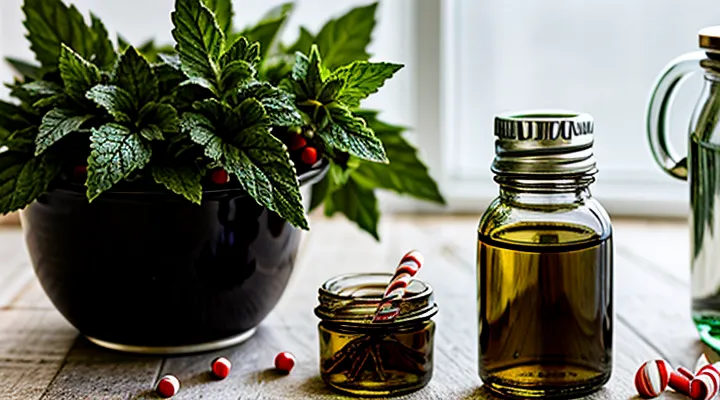
Peppermint Tincture for Mice: Understanding the Basics
What is Peppermint Tincture?
Peppermint tincture is an alcoholic extract obtained by macerating Mentha piperita leaves in a high‑proof ethanol solution. The solvent pulls out volatile oils, primarily menthol and menthone, along with flavonoids and phenolic acids. Standard commercial preparations contain 25–45 % ethanol and a menthol concentration of 0.5–2 % w/v, although laboratory‑grade preparations may be adjusted to specific potencies.
Key physicochemical characteristics:
- Clear, pale‑green liquid with a characteristic cooling aroma.
- Soluble in water and compatible with most oral gavage vehicles.
- Stable at room temperature for several months when stored in amber glass.
Biological effects relevant to rodent research include:
- Antimicrobial activity against Gram‑positive bacteria and fungi.
- Mild analgesic and antispasmodic action mediated by menthol’s interaction with TRPM8 receptors.
- Appetite‑stimulating properties that can influence feeding behavior.
When formulated for mouse administration, the tincture is typically diluted with sterile saline or a palatable carrier (e.g., 1 % sucrose solution) to achieve a final ethanol concentration below 5 % v/v, minimizing solvent‑related stress. The resulting solution delivers a precise dose of menthol per kilogram of body weight, allowing reproducible pharmacological investigations.
How Peppermint Oil Works as a Repellent
Peppermint oil contains menthol, menthone, and other volatile terpenes that stimulate the olfactory receptors of rodents. When inhaled, these compounds produce a strong, irritating scent that overwhelms the mice’s sense of smell, causing avoidance behavior. The rapid evaporation of the oil creates a persistent vapor barrier that masks food odors and disrupts the pheromone trails mice use for navigation and social signaling.
The repellent effect operates through several physiological pathways:
- Sensory overload: High concentrations of menthol activate transient receptor potential (TRPM8) channels in the nasal epithelium, producing a cooling sensation that mice find unpleasant.
- Neurological disruption: Terpenes interfere with the olfactory bulb’s signal processing, reducing the ability to locate shelter and food sources.
- Behavioral aversion: Repeated exposure conditions mice to associate the peppermint scent with an unsafe environment, leading to long‑term avoidance of treated areas.
For practical application, a tincture prepared with a 1:10 ratio of peppermint essential oil to ethanol delivers a stable, easily administered solution. Apply the tincture to entry points, nesting sites, and along walls using a spray bottle or cotton swab. Allow the solvent to evaporate, leaving a thin film of oil that continuously releases vapor. Reapply every 48 hours or after extensive cleaning to maintain effective concentrations.
Safety considerations include limiting exposure to non‑target species, using gloves during preparation, and ensuring adequate ventilation to prevent respiratory irritation in humans.
Safety Considerations for Using Essential Oils
When administering peppermint extract to laboratory rodents, safety must dominate the protocol. Essential oil preparations contain high concentrations of active compounds that can overwhelm the small physiological capacity of mice. Verify the purity of the oil, ensuring it is free from synthetic additives, residual solvents, or contaminants that could introduce toxicity.
Before the first dose, conduct a pilot tolerance test with a single animal at a fraction of the intended concentration. Observe for signs of respiratory distress, excessive grooming, or changes in locomotor activity. Record the time to onset and severity of any adverse reactions, then adjust the dosage accordingly.
Key safety measures include:
- Use a calibrated micropipette or micro-syringe to deliver exact volumes; avoid manual droplet estimation.
- Dilute the tincture in an appropriate carrier, such as sterile saline or a non‑ionic surfactant, to achieve a final concentration below 0.1 % v/v.
- Maintain a consistent administration route (e.g., oral gavage or topical application) throughout the study to limit variability.
- Store the oil in amber glass containers at 4 °C; protect from light and oxidation to preserve chemical stability.
- Document the batch number, expiration date, and source of the essential oil in the experimental log.
Monitor physiological parameters—body weight, heart rate, and respiratory rate—daily. If any animal exhibits persistent hypothermia, loss of appetite, or abnormal behavior, discontinue treatment immediately and consult veterinary staff.
Finally, ensure all personnel handling the oil wear protective gloves and work in a well‑ventilated area to prevent accidental inhalation or skin absorption. Proper waste disposal, following institutional hazardous material guidelines, prevents environmental contamination and cross‑exposure to other experiments.
Practical Application of Peppermint Tincture
Preparing the Tincture for Use
Dilution Ratios
When preparing peppermint extract for murine studies, exact dilution ratios determine both efficacy and safety. Use a sterile, calibrated pipette to combine a concentrated stock solution with physiological saline or buffered water, ensuring the final mixture remains within the tolerated concentration range for rodents.
- 1 % v/v (10 mL stock + 990 mL diluent) – suitable for initial tolerance testing.
- 0.5 % v/v (5 mL stock + 995 mL diluent) – recommended for routine behavioral assays.
- 0.25 % v/v (2.5 mL stock + 997.5 mL diluent) – appropriate for chronic exposure studies.
Calculate any intermediate ratio by dividing the desired final volume by the stock concentration, then subtracting the stock volume to obtain the diluent amount. For example, to achieve 0.75 % v/v in 200 mL, mix 1.5 mL stock with 198.5 mL diluent.
Store diluted solutions at 4 °C, protect from light, and discard any preparation older than 48 hours. Administer the tincture orally or via drinking water, matching the volume to the animal’s body weight (approximately 10 mL kg⁻¹ per day).
Application Tools
Precise delivery of peppermint extract to laboratory mice requires instruments that ensure accurate dosing and minimal stress to the animal.
- Micropipettes (1–10 µL range) with disposable tips for sub‑cutaneous or oral droplets.
- Hamilton syringes (0.5–1 mL) equipped with 26–30 G needles for intraperitoneal injection.
- Oral gavage needles (20‑22 G, 1–2 mm length) designed for murine esophageal access.
- Glass droppers with calibrated volume markings for topical application.
- Sterile cotton swabs for wiping the application site and removing excess tincture.
Calibration of pipettes and syringes before each session guarantees dose consistency. Disposable tips and needles must be changed between subjects to prevent cross‑contamination. All tools should be rinsed with distilled water and autoclaved or soaked in 70 % ethanol after use. When administering the tincture, hold the mouse gently but securely, align the instrument with the target site, and release the measured volume in a single, controlled motion. This protocol minimizes variability and supports reliable experimental outcomes.
Strategic Placement for Effectiveness
Identifying Infestation Areas
Identifying infestation zones is a prerequisite for effective use of peppermint extract in rodent control. Observation of physical evidence provides the most reliable indication of mouse activity.
- Fresh droppings concentrated in corners, along walls, or near food storage.
- Gnaw marks on packaging, furniture, or structural components.
- Grease trails or smudges along baseboards and behind appliances.
- Presence of shredded material, nests, or urine stains.
Trace these signs back to their origin to delineate the core area of activity. Map the locations on a simple floor plan, noting entry points such as gaps under doors, cracks in walls, and openings around utilities. Prioritize zones with the highest density of evidence for targeted application of peppermint tincture.
Confirm infestation by conducting a brief inspection during nocturnal hours when mice are most active. Use a low‑light flashlight to detect movement along established pathways. Once the affected zones are clearly defined, apply the peppermint solution directly to the identified spots, ensuring coverage of entry points and travel routes. This systematic identification minimizes waste of the preparation and maximizes deterrent impact.
Placement Techniques
When delivering peppermint tincture to laboratory mice, precise placement ensures consistent dosing and minimizes stress. The most reliable methods include oral gavage, subcutaneous injection, and topical application to the dorsal skin. Each technique requires specific equipment and procedural steps.
- Oral gavage: use a calibrated 22‑gauge feeding needle; attach a syringe pre‑filled with the tincture; insert the needle along the midline of the upper palate, avoiding the trachea; administer the calculated volume based on the animal’s weight; observe the mouse for regurgitation before returning it to the cage.
- Subcutaneous injection: select a 27‑gauge needle; draw the tincture into a sterile syringe; pinch a loose area of skin on the dorsal flank; insert the needle at a shallow angle (30–45°); inject the solution slowly; release the skin and monitor the injection site for swelling.
- Topical application: dispense the tincture onto a sterile cotton swab; gently rub the swab onto a shaved area of the dorsal surface; ensure even coverage without excess runoff; allow the mouse to recover in a clean cage.
Preparation of the tincture must involve sterile dilution in a physiologically compatible carrier, such as sterile saline, to achieve the desired concentration. All tools should be autoclaved or disposably sterile, and the work area must be cleaned with an appropriate disinfectant before each session. Record the exact dose, route, and time of administration for each animal to maintain accurate experimental data.
Maintenance and Reapplication Schedule
The peppermint extract solution administered to laboratory mice requires a strict maintenance timetable to ensure consistent efficacy and animal welfare. After the first dose, observe each subject for 30 minutes; record any adverse reactions, respiratory changes, or behavioral abnormalities before proceeding.
A routine schedule should be adhered to for the duration of the study:
- Day 0: initial application (0.5 mL per 20 g mouse, administered subcutaneously).
- Day 2: first reassessment; repeat dose only if target physiological response is below 70 % of baseline.
- Day 5: second reassessment; administer the same volume if the response remains sub‑optimal.
- Day 8 and every 3 days thereafter: continue monitoring and reapply the tincture when the measured response falls below the predefined threshold.
Reapplication criteria are based on quantitative markers (e.g., body temperature, activity index) and visual inspection of the injection site. Do not exceed a total of six applications within a 21‑day period to avoid cumulative toxicity.
Store the tincture at 4 °C in amber glass containers, protected from light. Replace any batch that has been opened for more than 14 days or shows signs of precipitation. Verify potency weekly with a spectrophotometric assay; adjust the administered volume if potency deviates by more than 10 % from the reference standard.
Alternative and Complementary Methods
Other Natural Repellents
Peppermint tincture is frequently employed to deter mice, yet several additional botanical agents can reinforce its effect. Each alternative possesses distinct mechanisms, concentration guidelines, and safety considerations that complement a peppermint‑based protocol.
-
Eucalyptus oil – volatile compounds irritate rodent olfactory receptors. Apply a 5 % solution to cotton balls placed in entry points, or integrate 2–3 drops per liter of water for surface spraying. Reapply every 48 hours to maintain potency.
-
Clove oil – eugenol disrupts sensory perception. Dilute to 3 % in a carrier oil and brush onto wooden structures, baseboards, and pantry shelves. Limit exposure to food‑handling surfaces; the oil is toxic at high concentrations.
-
Citronella extract – repels via strong aromatic profile. Distribute 1 % spray in corners, under appliances, and around traps. Effect persists for approximately 24 hours before evaporation reduces efficacy.
-
Rosemary essential oil – contains camphor and rosmarinic acid, which are aversive to rodents. Mix 4 % with water and mist regularly in storage areas. Ensure adequate ventilation to prevent respiratory irritation in humans.
-
Garlic powder – allicin releases a pungent odor when moist. Sprinkle a thin layer on the floor near suspected pathways; reapply after cleaning or when dampness diminishes.
When integrating these agents with peppermint tincture, observe the following protocol:
- Pre‑treatment inspection – identify all potential ingress points and nesting sites.
- Sequential application – start with peppermint tincture (5 % solution) on primary pathways, then overlay secondary repellents on adjacent surfaces to create a multi‑layer barrier.
- Monitoring – record rodent activity daily; adjust concentrations if signs of habituation appear.
- Safety compliance – wear gloves and eye protection during preparation; store all solutions out of reach of children and pets.
Combining multiple natural repellents reduces the likelihood of mice acclimating to a single scent, thereby enhancing overall deterrence while avoiding synthetic chemicals.
Integrated Pest Management Approaches
Peppermint extracts serve as a botanical component within integrated pest management (IPM) programs targeting rodent populations in laboratory and research settings. Their repellent properties complement cultural, mechanical, and biological tactics, reducing reliance on synthetic rodenticides and minimizing exposure risks for personnel and non‑target organisms.
Effective IPM deployment of peppermint tincture involves several coordinated steps. First, conduct a baseline assessment of mouse activity using tracking plates or motion sensors to identify hotspots. Second, select delivery methods that maintain volatile concentration without contaminating feed or bedding; options include absorbent pads placed in concealed corners, calibrated nebulizers, or impregnated cotton strips. Third, integrate these applications with habitat modification—seal entry points, eliminate clutter, and manage food waste—to diminish attractants. Fourth, monitor response through weekly counts and adjust dosage according to observed deterrence levels, ensuring that the concentration remains within the range proven to affect olfactory receptors without causing stress.
Key IPM elements relevant to peppermint tincture use:
- Cultural control: sanitation, exclusion, and habitat reduction.
- Mechanical control: traps positioned near tincture sources for immediate capture.
- Biological control: introduction of predatory species where appropriate, with tincture placement avoiding interference with predator activity.
- Chemical control: limited, targeted use of peppermint tincture as a reduced‑risk repellent, applied in rotation with other botanical agents to prevent habituation.
Documentation of each intervention, including timing, concentration, and environmental conditions, supports data‑driven refinement of the program and ensures regulatory compliance. Continuous evaluation enables the integration of peppermint tincture into a holistic, sustainable rodent management strategy.
Potential Side Effects and Precautions
Risks to Pets and Children
Peppermint tincture, when employed as a rodent deterrent, poses specific hazards for household animals and young children. Inhalation or dermal contact with concentrated oil can trigger respiratory irritation, gastrointestinal upset, or neurological symptoms in dogs, cats, and other pets. Children may experience similar effects, particularly if the solution is ingested or applied to surfaces they touch.
Key concerns include:
- Respiratory irritation: Volatile compounds may cause coughing, sneezing, or bronchial constriction.
- Gastrointestinal distress: Accidental ingestion can lead nausea, vomiting, or diarrhea.
- Neurological impact: High doses may produce tremors, disorientation, or seizures, especially in small mammals.
- Skin sensitization: Direct contact may result in redness, itching, or dermatitis.
Mitigation strategies:
- Store the tincture in a locked cabinet out of reach of pets and children.
- Apply the solution only in areas inaccessible to non‑target species, such as sealed enclosures or behind barriers.
- Use the lowest effective concentration; excessive dilution reduces potency without compromising efficacy.
- Clean any spills promptly with soap and water to eliminate residue.
- Monitor animals for signs of exposure and seek veterinary or medical assistance if symptoms appear.
Adhering to these precautions minimizes unintended toxicity while preserving the intended use of peppermint oil as a rodent deterrent.
Handling and Storage Guidelines
Proper handling and storage of peppermint tincture for laboratory mice are essential to maintain potency, prevent contamination, and ensure animal safety.
- Keep the tincture in amber glass containers to protect from light degradation.
- Seal caps tightly after each use to avoid evaporation and oxidation.
- Store at 2 °C – 8 °C; avoid freezing, which can cause phase separation.
- Label each bottle with concentration, preparation date, and expiry date.
- Use a calibrated pipette or syringe for dosing; discard tips after each mouse to prevent cross‑contamination.
- Conduct all manipulations in a certified biosafety cabinet; wear gloves, lab coat, and eye protection.
- Record batch numbers and lot information in the laboratory inventory system.
- Inspect containers weekly for cracks, leaks, or discoloration; replace compromised bottles immediately.
- Dispose of residual tincture according to institutional chemical waste protocols; do not pour down drains.
Adhering to these procedures preserves the therapeutic efficacy of the peppermint preparation and safeguards both personnel and experimental subjects.