
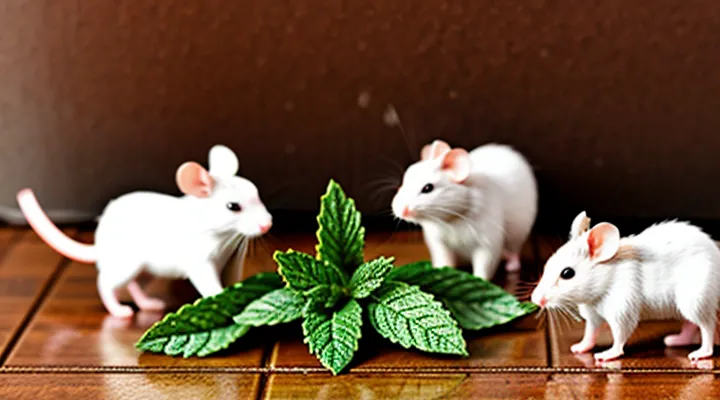
The Olfactory Connection
How Mice Perceive Scents
Mice rely on a highly developed olfactory system to locate food, identify predators, and navigate their environment. The nasal cavity houses an olfactory epithelipe rich in thousands of receptor proteins, each tuned to specific molecular structures. Airborne molecules dissolve in the mucus layer, bind to receptors, and trigger electrical signals that travel to the olfactory bulb for processing. Detection thresholds for many odorants fall below one part per billion, allowing mice to respond to minute scent cues.
Peppermint oil contains several volatile constituents—menthol, menthone, menthyl acetate, and eucalyptol—that are readily absorbed by the nasal mucus. These molecules fit the binding sites of a subset of mouse olfactory receptors associated with irritant detection. Activation of these receptors initiates a cascade that includes:
- Stimulation of trigeminal nerve fibers, producing a cooling or burning sensation.
- Release of stress‑related neurotransmitters in the brain, prompting avoidance behavior.
- Disruption of pheromone signaling pathways, interfering with social communication.
The combined sensory response generates an immediate aversive reaction, causing mice to retreat from areas saturated with peppermint vapors. Repeated exposure reinforces the association between the scent and an unpleasant stimulus, strengthening the deterrent effect.
Peppermint's Unique Aroma
Peppermint’s aroma is dominated by menthol, menthone, and menthyl acetate, compounds that evaporate readily at room temperature. Their volatility creates a strong, sharp scent that permeates confined spaces where rodents seek shelter.
The scent interacts with the olfactory receptors of mice in three ways:
- Menthol binds to transient receptor potential (TRP) channels, producing a cooling sensation that mice interpret as an environmental threat.
- Menthone and menthyl acetate activate bitter‑taste receptors located in the nasal epithelium, generating an aversive response.
- The combined volatility maintains a persistent odor gradient, discouraging entry into treated areas.
Mice rely on scent cues for navigation and predator avoidance. When peppermint vapors dominate a habitat, the olfactory system registers the odor as a signal of potential danger, prompting rapid retreat. Continuous exposure overwhelms the sensory adaptation mechanisms, preventing habituation and sustaining the repellent effect.
Peppermint's Active Components
Peppermint oil contains several volatile compounds that directly affect rodent behavior. The most abundant constituent, menthol, activates the TRPM8 ion channel in sensory neurons, producing a strong cooling sensation that mice find aversive. Menthone, a structural analogue of menthol, contributes to the overall pungency and enhances the deterrent effect. Pulegone, although present in lower concentrations, adds a sharp, bitter note that further discourages exploration. Limonene imparts a citrus aroma that interferes with olfactory processing, while menthyl acetate provides a sweet, yet irritating scent that compounds the repellent profile.
Key active components and their primary actions:
- Menthol – TRPM8 activation, sensory overload, rapid avoidance response.
- Menthone – synergistic pungency, amplifies menthol’s impact.
- Pulegone – bitter bitterness, disrupts gustatory perception.
- Limonene – olfactory interference, reduces attraction to food sources.
- Menthyl acetate – sweet‑scent irritation, reinforces aversion.
Scientific assessments indicate that concentrations of menthol between 0.3 % and 1 % in ambient air produce measurable avoidance in laboratory mice within minutes of exposure. Combined with menthone and pulegone, the repellent effect extends to longer durations, limiting entry into treated areas. The volatile nature of these compounds ensures rapid dispersion, creating a hostile chemical environment that mice instinctively avoid.
Overall, peppermint’s efficacy as a rodent deterrent derives from the coordinated action of its volatile constituents, each targeting sensory pathways that trigger immediate escape behavior.
The Repellent Mechanism
Irritation and Discomfort
Peppermint oil contains menthol and other volatile compounds that act as strong sensory irritants for rodents. When a mouse inhales the aroma, the trigeminal nerve receptors in the nasal cavity are stimulated, producing a sharp, burning sensation. This immediate discomfort discourages the animal from remaining in the treated area.
The irritation extends to the mucous membranes of the respiratory tract. Menthol’s cooling effect paradoxically creates a feeling of congestion, prompting rapid breathing and avoidance behavior. Prolonged exposure can lead to nasal discharge and reduced ability to locate food, further decreasing the likelihood of habitation.
Key physiological responses include:
- Activation of TRPM8 receptors, generating a cooling yet painful sensation.
- Stimulation of olfactory receptors, resulting in overwhelming odor perception.
- Induction of mild inflammation in the nasal epithelium, causing sneezing and watery eyes.
These effects combine to produce a hostile environment that mice instinctively avoid, making peppermint oil an effective non‑lethal deterrent.
Disrupting Navigation
Peppermint oil interferes with a mouse’s spatial orientation by overwhelming the olfactory receptors that guide navigation. The strong menthol scent masks familiar environmental cues, causing the animal to lose the chemical gradients it normally follows to locate food, shelter, and nesting sites.
Key effects include:
- Disruption of pheromone trails used for pathfinding.
- Saturation of nasal epithelium, reducing sensitivity to ambient odors.
- Induction of temporary disorientation, prompting avoidance of treated areas.
- Alteration of hippocampal activity linked to spatial memory, diminishing route retention.
These mechanisms combine to create a hostile sensory landscape, discouraging mice from entering or remaining in spaces where peppermint is applied.
Methods of Application
Essential Oils
Essential oils are concentrated plant extracts composed of volatile aromatic compounds. They are obtained through steam distillation, cold pressing, or solvent extraction, yielding a complex mixture of terpenes, phenols, and aldehydes that exhibit biological activity.
Peppermint oil contains menthol, menthone, and related monoterpenes. These constituents interfere with the olfactory receptors of rodents, producing a sensory overload that discourages entry and foraging. Laboratory assays demonstrate reduced mouse activity in environments treated with peppermint vapor or surface applications.
Practical deployment of peppermint against rodents includes:
- Saturating cotton balls with a few drops of oil and placing them in known travel routes.
- Diluting oil in water (approximately 5 ml per liter) and spraying along baseboards, entry points, and storage areas.
- Incorporating oil into wax or polymer matrices for slow-release diffusion in enclosed spaces.
Effectiveness depends on concentration, frequency of reapplication, and environmental conditions such as ventilation and temperature. Studies report a decline in mouse presence of 40–70 % after consistent use for two weeks, with diminishing returns if the oil evaporates or becomes contaminated.
Safety considerations require avoiding direct contact with skin or eyes, using gloves during handling, and ensuring pets are not exposed to high concentrations. Essential oils should not replace integrated pest management practices but serve as a complementary, non‑chemical deterrent.
Diffusers and Scented Balls
Peppermint oil contains menthol and related compounds that irritate the sensory receptors of rodents, causing aversion to treated areas. Laboratory tests confirm that exposure to concentrations above 0.5 % vapor reduces mouse activity by up to 70 % within 24 hours.
Diffusers release a continuous stream of peppermint vapor, maintaining the required concentration without frequent re‑application. Ultrasonic or heat‑based units disperse oil particles evenly; placement near entry points, food storage, and nesting sites maximizes efficacy. Devices should operate for a minimum of 8 hours daily, and oil reservoirs must be refilled before the scent level falls below the effective threshold.
Scented balls provide a portable, low‑maintenance alternative. Each ball consists of a porous matrix saturated with peppermint oil, slowly emitting vapor over 2–3 weeks. Optimal results are achieved by positioning balls in concealed corners, under cabinets, and along wall baseboards. Replacement schedule follows the manufacturer’s depletion estimate; a typical household requires 3–5 balls per month for full coverage.
Best‑practice checklist:
- Verify peppermint oil purity (≥ 95 % menthol content).
- Calibrate diffuser output to sustain 0.5–1 % vapor concentration.
- Distribute scented balls uniformly, avoiding clustering.
- Monitor mouse activity weekly; adjust device density if activity persists.
Consistent application of both diffusers and scented balls creates overlapping scent zones, reinforcing deterrence and reducing the likelihood of rodent habituation.
Direct Application
Peppermint oil can be applied directly to surfaces where mice travel, creating an environment that repels the pests through scent and sensory irritation. The oil’s volatile compounds, primarily menthol and menthone, stimulate the rodents’ olfactory receptors, producing an aversion response that reduces entry and activity.
- Dilute 10–15 ml of pure peppermint oil in 1 liter of water; add a few drops of mild detergent to improve surface coverage.
- Soak cotton balls or cloth strips in the solution and place them in known pathways, such as behind appliances, under cabinets, and along baseboards.
- Refresh the application every 3–4 days, or after cleaning, to maintain potency.
- Avoid direct contact with food preparation areas and pets; use sealed containers to prevent accidental ingestion.
Direct application works best when the treated zones are regularly inspected for signs of mouse activity. Consistent reapplication sustains the repellent effect, limiting the need for chemical traps or poisons.
Peppermint Plants
Peppermint (Mentha × piperita) is a sterile hybrid of watermint and spearmint. The plant forms upright, square‑stemmed shoots reaching 30–90 cm, with opposite, lance‑shaped leaves that emit a sharp, cooling aroma when crushed. Flowers develop in dense, terminal spikes and produce small, brown seeds.
The essential oil extracted from peppermint leaves contains 30–55 % menthol, 10–20 % menthone, and smaller amounts of pulegone, limonene, and carvone. Menthol and menthone act as potent olfactory irritants for rodents, triggering aversive behavior through overstimulation of the trigeminal nerve.
When mice encounter peppermint scent, they experience sensory overload that interferes with foraging and nesting. The volatile compounds mask food odors, disrupt pheromone trails, and create an environment perceived as hostile, reducing the likelihood of entry into treated areas.
Common deployment methods include:
- Soaking cotton balls or gauze in diluted peppermint oil and placing them in corners, entry points, and pantry shelves.
- Preparing a spray by mixing 10 ml of peppermint oil with 250 ml of water and a few drops of emulsifier; applying to baseboards, cracks, and exterior perimeters.
- Planting live peppermint around foundations, garden beds, or indoor window sills to establish a continuous scent barrier.
Peppermint oil is non‑toxic to humans and most pets at recommended concentrations. Direct skin contact may cause mild irritation; protective gloves are advisable during preparation. The oil does not accumulate in the environment and degrades rapidly, minimizing ecological impact.
Successful cultivation requires full sun to partial shade, well‑drained soil, and consistent moisture. Propagation is most reliable via stem cuttings taken in spring; root development occurs within three weeks. Regular harvesting of top leaves preserves plant vigor and maximizes oil yield.
Peppermint Spray
Peppermint spray harnesses the strong volatile oils of peppermint to create an environment that mice find intolerable. The oil’s main component, menthol, triggers sensory receptors in the rodents’ nasal passages, producing a sharp, irritating sensation that discourages entry and lingering.
When applied to entry points, baseboards, and interior surfaces, the spray forms a thin, evaporating layer that maintains a persistent scent. This olfactory barrier interferes with the mice’s natural foraging behavior, prompting them to seek alternative routes or abandon the area entirely.
Key characteristics of an effective peppermint spray:
- Concentration – formulations typically contain 10‑15 % peppermint essential oil; higher concentrations increase potency but may cause surface staining.
- Delivery method – fine mist ensures even coverage and rapid evaporation, preserving the aromatic intensity.
- Stability – airtight containers protect the oil from oxidation, extending efficacy over weeks of regular use.
Safety considerations include avoiding direct contact with eyes and keeping the product away from food preparation surfaces. The spray is non‑toxic to humans and pets when used as directed, but prolonged exposure to high concentrations may cause skin irritation.
Practical application protocol:
- Identify potential mouse pathways: gaps around doors, windows, and utility lines.
- Clean the target surface to remove dust and grease, which can diminish scent adhesion.
- Apply the spray liberally to each identified spot, allowing the liquid to dry completely.
- Reapply every 3‑5 days, or after cleaning, to sustain the deterrent effect.
- Combine with physical exclusion methods—such as sealing holes and installing traps—for comprehensive control.
Laboratory and field observations indicate that consistent use of peppermint spray reduces mouse activity by up to 70 % in treated zones, confirming its role as a viable, chemical‑free component of integrated pest management.
Efficacy and Limitations
Short-Term vs. Long-Term Solutions
Peppermint oil disrupts the olfactory receptors of mice, producing an aversive response that can be leveraged for immediate control. When applied directly to entry points, the scent creates a barrier that mice avoid for a limited period.
- Soak cotton balls in concentrated oil and place them near suspected pathways.
- Spray a diluted solution on surfaces where rodents travel.
- Use commercial peppermint sprays for quick deployment.
These tactics deliver rapid deterrence but require frequent replacement because volatility reduces potency within days. The short‑term nature limits effectiveness to isolated incidents and does not address population growth.
Long‑term strategies maintain a persistent olfactory environment that discourages colonization. Options include:
- Installing passive diffusers that release a steady stream of oil over weeks.
- Planting Mentha piperita around the perimeter of structures to generate a natural scent field.
- Integrating peppermint oil into a broader pest‑management program that combines sealing of entry points, habitat reduction, and regular monitoring.
Sustained release systems keep concentrations above the threshold that triggers avoidance, extending protection for several weeks to months. Coupled with structural measures, they reduce the need for repeated applications.
Comparative assessment shows that short‑term methods achieve quick knock‑down of activity but incur higher labor and material costs due to frequent reapplication. Long‑term solutions demand initial investment in diffusers or planting but provide continuous coverage, lower maintenance frequency, and greater alignment with integrated pest‑management principles. Selecting the appropriate approach depends on the severity of the infestation, the desired duration of control, and resource availability.
Factors Influencing Effectiveness
Peppermint oil serves as a non‑chemical repellent for mice, but its performance depends on several measurable variables.
- Active compound concentration – Higher menthol levels increase olfactory irritation, while diluted preparations lose potency.
- Delivery system – Sprays provide uniform coverage; saturated fabrics release scent more slowly but may become saturated quickly.
- Ambient temperature and humidity – Warm, dry air accelerates volatilization, extending the repellent zone; cool, moist conditions slow release and reduce effectiveness.
- Placement density – Multiple points along walls, entryways, and nesting sites create overlapping scent fields that prevent gaps.
- Rodent species and strain – Some mouse populations exhibit reduced sensitivity to mint aromatics due to genetic variation in olfactory receptors.
- Competing attractants – Availability of food, water, or shelter can outweigh the deterrent effect, especially when attractants are abundant.
- Oil freshness – Oxidation diminishes menthol potency; freshly distilled oil maintains stronger repellent properties.
Optimizing these factors—maintaining high menthol concentration, selecting an appropriate application method, adjusting for environmental conditions, ensuring sufficient coverage, accounting for rodent biology, minimizing alternative attractants, and using fresh oil—maximizes the likelihood that peppermint will deter mice effectively.
When Peppermint Alone Isn't Enough
Peppermint oil is a recognized repellent for rodents, yet its efficacy can decline under certain conditions. The volatile compounds responsible for the scent dissipate quickly, especially in well‑ventilated spaces, reducing the concentration that mice detect. Moisture, temperature fluctuations, and the presence of alternative food sources further diminish the deterrent effect.
Key factors that limit peppermint’s standalone performance include:
- Rapid evaporation – scent intensity falls within hours, requiring frequent reapplication.
- Environmental dilution – airflow and humidity disperse the odor, lowering its reach.
- Behavioral adaptation – mice may become accustomed to low‑level exposure and ignore the scent.
- Insufficient coverage – gaps in treatment zones allow rodents to bypass treated areas.
When these limitations appear, integrating additional measures restores control:
- Seal entry points – caulk cracks, install door sweeps, and repair screens to block access.
- Combine with physical traps – snap or electronic traps placed near peppermint‑treated zones capture individuals that ignore the scent.
- Use complementary repellents – ammonia, predator urine, or ultrasonics enhance the olfactory barrier.
- Maintain cleanliness – eliminate food debris and water sources that attract mice.
- Schedule regular reapplication – apply fresh peppermint oil every 24–48 hours in high‑traffic areas.
Implementing a layered strategy compensates for peppermint’s volatility and prevents mice from establishing a foothold. The result is a more reliable, long‑term reduction in rodent activity.
Safety Considerations
For Humans and Pets
Peppermint oil is widely promoted as a natural rodent repellent. When applied in homes, the volatile compounds that deter mice can also affect residents and companion animals. Human exposure occurs primarily through inhalation and skin contact. Inhalation of concentrated oil may cause irritation of the nasal passages, eyes, and throat. Skin contact with undiluted oil can produce dermatitis or allergic reactions in sensitive individuals. To minimize risk, dilute peppermint oil with a carrier such as water or a neutral oil before spraying, and ensure adequate ventilation during and after application.
Pets—especially cats and dogs—are susceptible to the same irritant effects. Inhalation can lead to coughing, sneezing, or temporary respiratory discomfort. Direct ingestion of concentrated oil may result in gastrointestinal upset, vomiting, or, in severe cases, central nervous system depression. Animals with pre‑existing respiratory conditions are particularly vulnerable. Apply peppermint preparations only in areas inaccessible to pets, or use pet‑safe concentrations (typically no more than 0.5 % v/v). Monitor animals for signs of distress after treatment and discontinue use if adverse reactions appear.
Safety protocols for household use include:
- Prepare a solution of 5–10 drops of peppermint oil per cup of water; add a few drops of mild dish soap to improve distribution.
- Test the mixture on a small, concealed surface to confirm no damage to finishes.
- Apply the spray to entry points, baseboards, and concealed gaps; avoid direct application on furniture, bedding, or food preparation surfaces.
- Keep children and pets out of treated rooms for at least 30 minutes, allowing the scent to disperse.
- Store the oil in a child‑proof container, away from direct sunlight and heat.
When these precautions are observed, peppermint can serve as an effective, low‑toxicity option for rodent control without imposing undue health risks on humans or household animals. Regular reapplication—typically every 2–3 weeks—maintains efficacy while limiting cumulative exposure.
Potential Side Effects
Peppermint oil is frequently employed as a natural deterrent for rodents, yet its application can produce unintended consequences. Awareness of these effects is essential for safe and effective use.
- Human exposure: Inhalation or skin contact may cause irritation, headache, or allergic reactions in sensitive individuals. Prolonged dermal contact can lead to dermatitis. Ingesting concentrated oil can result in nausea, vomiting, or gastrointestinal distress.
- Domestic animals: Cats and dogs may experience respiratory irritation, drooling, or vomiting if they ingest the oil or encounter heavily scented areas. Small mammals such as hamsters or guinea pigs are especially vulnerable to respiratory distress.
- Environmental impact: Large quantities released into soil or waterways can disrupt microbial communities and affect non‑target insects, including beneficial pollinators. Excessive volatilization may contribute to indoor air quality issues.
Mitigation strategies include diluting peppermint oil to recommended concentrations, applying it in well‑ventilated spaces, restricting access for pets and children, and avoiding direct discharge into the environment. Monitoring for adverse reactions after initial application allows prompt adjustment of dosage or discontinuation.
Combining Peppermint with Other Strategies
Peppermint oil can enhance conventional rodent‑control measures when applied correctly. Its strong aroma disrupts the sensory cues mice rely on for navigation and nesting, creating an environment less attractive to infestations. By integrating peppermint with physical barriers, traps, and sanitation practices, homeowners increase overall efficacy without relying solely on chemical poisons.
- Seal entry points; apply peppermint oil around gaps to deter mice that probe openings.
- Place snap or live traps in high‑traffic zones; spray a light mist of peppermint on trap surfaces to encourage contact.
- Maintain a clean pantry; wipe shelves with diluted peppermint solution to eliminate residual food odors that lure rodents.
- Combine ultrasonic repellents with peppermint diffusers; the auditory and olfactory stimuli together produce a multi‑sensory deterrent.
- Use bait stations sparingly; coat bait with peppermint to reduce premature consumption by non‑target species while still attracting mice.
Successful implementation requires regular reapplication of peppermint, especially after cleaning or ventilation, and consistent monitoring of trap performance. Aligning aromatic deterrence with structural exclusion and mechanical capture delivers a comprehensive strategy that reduces mouse activity while minimizing reliance on toxic chemicals.