
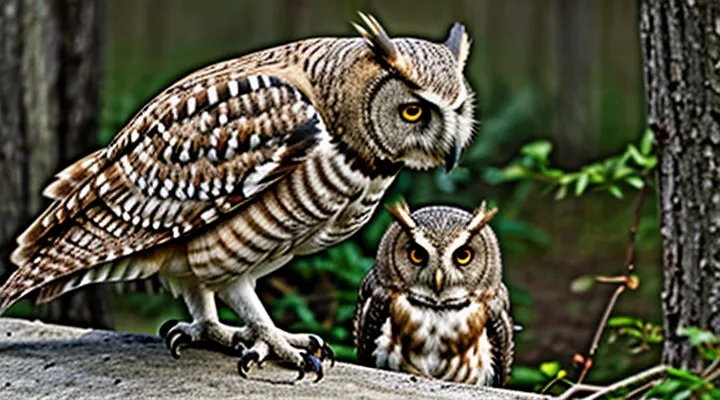
The Nocturnal Hunter: Owls and Their Prey
Avian Predators: A Brief Overview
Avian predators are a diverse group of birds that capture and consume other animals to meet nutritional needs. Species such as owls, hawks, falcons, and shrikes exhibit specialized hunting techniques, keen vision, acute hearing, and powerful talons that enable efficient capture of prey ranging from insects to mammals.
Key characteristics of avian predators include:
- Sensory adaptations – binocular vision for depth perception, facial discs in owls that focus sound, and rapid flight maneuverability.
- Morphological traits – hooked beaks for tearing flesh, strong musculature for swift dives, and feather structures that reduce noise during approach.
- Reproductive strategies – high fecundity in some species, nest placement that maximizes safety for offspring, and parental investment that ensures chick survival.
Ecological impact is measurable through population regulation of prey species. Predation by owls on rodent populations, for example, reduces the abundance of rats that could otherwise affect crop yields and spread disease. Similarly, hawks and falcons limit populations of small mammals and insects, contributing to the balance of terrestrial ecosystems.
Conservation concerns focus on habitat loss, pesticide exposure, and climate change, which diminish prey availability and nesting sites. Protecting nesting trees, preserving open hunting grounds, and reducing chemical contaminants support the continued function of avian predators within food webs.
The Owl's Unique Adaptations for Hunting
Vision and Hearing
Owls rely on exceptionally acute vision and hearing to locate and capture rats, thereby influencing rodent populations and maintaining ecological balance. Their eyes contain a high density of rod cells, providing superior sensitivity to low light and enabling precise detection of movement against a dim background. The forward-facing placement creates extensive binocular overlap, delivering accurate depth perception essential for judging the distance to prey during nocturnal hunts.
Auditory specialization complements visual acuity. Asymmetrically positioned ear openings funnel sound toward the facial disc, which acts as a parabolic reflector. This arrangement produces:
- A detection range extending several meters, even for faint rustling noises.
- Vertical and horizontal sound localization with angular resolution finer than one degree.
- Frequency tuning that matches the typical vocalizations of small mammals.
The integration of these sensory systems allows owls to strike swiftly, reducing rat survival rates and preventing excessive herbivore pressure on vegetation. By regulating rodent numbers, owls contribute to the stability of food webs and the health of habitats where they reside.
Silent Flight
Owls capture rats efficiently because their flight generates minimal acoustic disturbance. The absence of audible wing noise allows predators to approach prey undetected, increasing strike success and influencing rodent population dynamics.
Adaptations that produce silent flight include:
- Serrated leading‑edge feathers that break up airflow, reducing vortex formation.
- Soft, down‑like fringe on the trailing edge that absorbs sound waves.
- Velvety dorsal surface that dampens turbulence and prevents air‑borne vibrations.
- Rounded wing shape that lowers wingbeat frequency and limits low‑frequency noise.
These features modify airflow to create a laminar layer over the wing, limiting pressure fluctuations that would otherwise be audible. The resulting stealth enables owls to ambush rats from perches or while gliding low over ground, shortening the interval between detection and capture.
Enhanced hunting efficiency contributes to the regulation of rat numbers in habitats where owls are present. Lower rodent densities reduce competition for seeds and vegetation, alter disease transmission patterns, and affect predator–prey cascades that shape community structure. Silent flight therefore underpins the functional impact of owl predation on ecosystem balance.
Talons and Beak
Owls capture rats using a combination of powerful talons and a specialized beak. The talons consist of curved, razor‑sharp claws attached to robust forelimb muscles. When an owl seizes a rat, the claws generate a grip force exceeding 200 N, enough to crush bone and immobilize the prey within milliseconds. The curvature of each claw aligns with the natural shape of a rodent’s body, allowing the predator to maintain contact even as the victim struggles.
The beak functions as a cutting instrument for rapid dismemberment. A hooked, dagger‑shaped mandible, reinforced with dense keratin, penetrates the cervical vertebrae to sever the spinal cord. This action ensures instant death and minimizes the risk of injury to the owl. The beak’s tip measures 1–2 cm in length, providing sufficient leverage to break through fur and skin while delivering precise bites to vital structures.
Key anatomical adaptations include:
- Muscular tendons that store elastic energy, releasing it during the strike.
- Sensory receptors in the talons that detect minute pressure changes, improving grip adjustment.
- A hinge mechanism in the beak that allows a wide gape, accommodating prey up to 30 % of the owl’s body mass.
These morphological features enable owls to regulate rodent populations effectively, influencing nutrient cycling and disease transmission within their habitats.
The Rat Problem: An Ecological Challenge
Rodent Infestations: Impact on Ecosystems and Humans
Rodent infestations occur when populations of rats, mice, and related species exceed the carrying capacity of their habitats, leading to widespread ecological and socioeconomic disturbances.
Ecological consequences include:
- Reduced seedling survival due to seed predation.
- Altered plant community composition from selective feeding.
- Increased prevalence of zoonotic pathogens that affect wildlife.
- Heightened competition with native small mammals, diminishing biodiversity.
Human-related effects comprise:
- Crop losses ranging from 5 % to 30 % in major agricultural regions.
- Transmission of diseases such as leptospirosis, hantavirus, and salmonellosis.
- Structural damage to buildings, insulation, and electrical wiring.
- Economic burdens from pest control measures and healthcare costs.
Natural predators, particularly nocturnal raptors that specialize in hunting rats, contribute to population regulation. Their predation pressure lowers reproductive rates, curtails dispersal, and reduces the likelihood of outbreak conditions. Conservation of these avian hunters enhances biological control, decreasing reliance on chemical interventions and supporting ecosystem stability.
Traditional Pest Control Methods: Limitations and Drawbacks
Chemical Pesticides
Chemical pesticides alter the dynamics between nocturnal raptors and their rodent prey. Broad‑spectrum insecticides and rodenticides reduce rat populations, limiting the natural food source for owls and potentially decreasing breeding success. Simultaneously, secondary poisoning occurs when owls ingest contaminated rats, leading to sub‑lethal effects such as reduced reproductive output and impaired hunting efficiency.
Key consequences of pesticide application include:
- Direct mortality of rats, causing abrupt declines in prey availability;
- Accumulation of toxic residues in owl tissues, resulting in neurological impairment;
- Disruption of trophic transfer, where toxins move from insects to rats and then to owls;
- Development of pesticide‑resistant rat strains, prompting increased chemical usage and further ecological stress.
Mitigation strategies focus on integrated pest management (IPM) practices that combine habitat enhancement, biological control agents, and targeted, low‑toxicity rodenticides. By preserving a stable rat population and minimizing toxin exposure, IPM supports the health of owl populations and maintains the regulatory function they provide within the ecosystem.
Trapping
Trapping provides a practical means to quantify owl predation on rodent populations and to assess the influence of avian hunters on ecosystem balance. By capturing owls temporarily, researchers can attach tracking devices, collect morphometric data, and obtain stomach contents for direct evidence of rat consumption.
- Live‑capture nets positioned near known roosting sites
- Bow‑type traps designed for minimal injury
- Radio‑telemetry collars deployed after brief restraint
Each method prioritizes animal welfare, employs rapid release protocols, and records capture effort to calculate catch per unit effort. Data gathered include hunting range, hunting frequency, and prey size distribution, which feed into population models that estimate the regulatory impact of owls on rat densities.
Analyzing trap‑derived information clarifies how predation pressure shapes rodent community structure, influences disease vectors, and supports nutrient cycling through carcass deposition. Controlled trapping also enables comparison of predation rates across habitats, revealing how landscape features modify owl foraging efficiency.
Owls as Biological Pest Control Agents
The Natural Solution: Predation as Population Control
Owls that capture rats directly reduce rodent numbers, preventing unchecked population growth. By removing surplus individuals, predation maintains a balance that supports plant health, soil stability, and the diversity of other animal species.
Predation delivers several ecosystem benefits:
- Limits disease transmission by lowering the prevalence of rodent‑borne pathogens.
- Reduces crop damage, decreasing the need for chemical pest control.
- Encourages the proliferation of seed‑dispersing insects and small mammals that thrive when rat competition declines.
- Triggers trophic cascades that enhance overall biodiversity.
The regulatory effect arises from owls’ hunting efficiency and selective pressure on rat behavior. Juvenile rats that evade capture develop heightened vigilance, contributing to a more resilient rodent population that coexists with predators rather than overwhelming the environment.
Human agricultural practices profit from this natural control. Fields adjacent to owl habitats experience fewer rodent infestations, leading to higher yields and lower expenditure on pesticides. Conservation of nesting sites, installation of roost boxes, and protection of foraging corridors amplify these outcomes.
In summary, predation functions as an intrinsic mechanism that curtails rat abundance, stabilizes ecological processes, and delivers tangible advantages for both natural ecosystems and human interests.
Case Studies: Successful Owl-Based Rodent Management
Agricultural Settings
Owls regularly hunt rats in crop fields, directly lowering rodent densities that threaten grain and vegetable yields. Field observations indicate that a single breeding pair can remove dozens of rats per night, translating into measurable reductions in crop damage.
- Studies report a 30‑45 % decline in rat activity where owl populations are stable.
- Corresponding grain loss drops from 5 % to under 2 % in monitored farms.
- Economic analyses attribute annual savings of $150‑200 per hectare to decreased rodent losses.
The predation pressure exerted by owls reduces reliance on chemical rodenticides. Fewer applications lower production costs, diminish residues in soil and water, and lessen non‑target species mortality. This aligns agricultural practices with sustainable land management objectives.
Farmers can enhance owl presence by:
- Installing nest boxes at 10‑15 m intervals along field margins.
- Preserving hedgerows and woodland strips to provide roosting sites.
- Limiting nocturnal disturbances such as bright lighting and heavy machinery operation.
- Monitoring pesticide usage to prevent secondary poisoning of owls.
Challenges include exposure to anticoagulant rodenticides, which can impair owl health, and loss of suitable habitat due to intensive tillage. Ongoing surveillance of owl populations and rat activity enables timely adjustments to habitat management and pesticide protocols, ensuring the predator service remains effective.
Urban Environments
Owls have established a presence in many metropolitan areas, where they regularly capture and consume rats that inhabit sewers, parks, and abandoned structures. Their predation directly reduces the number of rodents that thrive in dense human settlements.
The impact of this predation extends beyond sheer numbers. By lowering rat populations, owls diminish the transmission risk of pathogens such as leptospirosis and hantavirus. Their activity also redistributes energy flow, linking avian predators to the lower trophic levels that support urban scavengers and insects.
Several owl species demonstrate adaptability to the built environment. Barn owls (Tyto alba) exploit roof voids and building cracks for nesting; short‑eared owls (Asio flammeus) use vacant lots and green roofs for foraging. Abundant artificial lighting and waste disposal create consistent prey availability, encouraging these birds to remain in close proximity to human activity.
Urban pressures threaten owl viability. Fragmented green spaces limit hunting ranges, while excessive illumination disrupts nocturnal hunting behavior. Collisions with glass, vehicle traffic, and exposure to rodenticides introduce mortality factors absent in rural habitats.
Effective urban wildlife strategies include:
- Preserving and expanding cavity‑rich structures for nesting.
- Installing low‑intensity, shielded lighting in key foraging zones.
- Implementing rodent control programs that prioritize non‑chemical methods.
- Conducting public outreach on the benefits of raptor presence and safe coexistence practices.
Ecological Impact of Owl Predation on Rat Populations
Food Web Dynamics: Interconnectedness of Species
Owls that capture rats act as a link between primary consumers and higher trophic levels, transmitting energy from rodents to avian predators. This predatory interaction reduces rodent abundance, limiting the pressure on seed‑producing plants and decreasing the incidence of disease vectors that thrive on dense rat populations. Consequently, plant regeneration benefits from reduced herbivory, while the lower incidence of pathogens supports healthier mammalian and avian communities.
The removal of rats by owls also influences secondary predators. When owl predation lowers rat numbers, opportunistic carnivores such as foxes and snakes encounter reduced competition for the same prey, which can shift their foraging patterns toward alternative species. This redistribution of predation pressure helps maintain balanced population sizes across multiple guilds, preventing any single species from dominating the ecosystem.
Key aspects of the interconnected food web include:
- Energy transfer: Rodent biomass converted into owl biomass, sustaining avian reproductive output.
- Population regulation: Direct mortality of rats curtails exponential growth, stabilizing herbivore densities.
- Trophic cascade: Decreased rodent pressure on vegetation leads to increased plant cover, enhancing habitat complexity for insects and ground‑dwelling organisms.
- Competitive release: Reduced rat availability forces mesopredators to diversify diets, promoting biodiversity among smaller prey taxa.
Overall, the predation of rats by owls exemplifies how a single predator can shape multiple ecological pathways, reinforcing the resilience and functional stability of the ecosystem.
Trophic Cascades: Ripple Effects on Ecosystems
Owls that capture rats act as top‑level consumers, directly reducing rodent density. This reduction alters prey availability for mesopredators such as foxes and snakes, which in turn experience lower food intake and may shift their foraging ranges. Consequently, plant communities benefit from decreased seed predation and reduced herbivore pressure, leading to higher seedling survival rates.
The cascade extends to invertebrate populations. Fewer rats lower the predation on soil arthropods, allowing detritivore abundance to rise. Enhanced decomposition accelerates nutrient cycling, improving soil fertility and supporting more vigorous plant growth. These changes propagate through the food web, influencing bird and insect diversity that rely on the enriched vegetation.
Key ripple effects include:
- Decline in mesopredator numbers due to limited rodent prey.
- Expansion of herbaceous cover as grazing pressure eases.
- Increase in detritivore activity, boosting organic matter turnover.
- Amplified habitat complexity, fostering higher biodiversity across trophic levels.
Overall, the predation of rats by owls initiates a series of ecological adjustments that reshape community structure, resource distribution, and ecosystem function.
Conservation Efforts and Coexistence
Protecting Owl Habitats
Owls that hunt rodents help regulate small‑mammal populations, contributing to balanced ecosystems. Preserving the environments where these birds nest and forage ensures that this natural control remains effective.
Key actions for safeguarding owl habitats:
- Protect mature trees and deadwood that provide nesting cavities.
- Maintain hedgerows, grasslands, and riparian zones that serve as hunting grounds.
- Limit pesticide use to prevent secondary poisoning of owls and their prey.
- Implement buffer zones around agricultural fields to reduce disturbance from machinery and livestock.
- Encourage community participation in monitoring nest sites and reporting threats.
Legal frameworks that support habitat conservation include wildlife protection statutes, land‑use planning regulations, and incentive programs for landowners who adopt owl‑friendly practices. Enforcement of these measures reduces habitat loss, fragmentation, and direct persecution, thereby sustaining the predatory function owls provide in controlling rat populations.
Promoting Owl-Friendly Environments
Nesting Boxes
Nesting boxes provide artificial roosts that increase the availability of suitable breeding sites for owl species that specialize in hunting rodents. By placing boxes in agricultural fields, woodland edges, and urban green spaces, managers can concentrate owl populations where rat densities are highest, thereby enhancing natural pest control.
The design of a successful box includes a cavity depth of 30–45 cm, an entrance hole sized for the target owl (typically 10–12 cm for common barn owls), and ventilation slots that prevent overheating while maintaining dry interior conditions. Materials such as untreated cedar or pressure‑treated lumber resist rot and extend service life, reducing maintenance costs.
Key advantages of deploying nesting boxes:
- Population stability – supplemental roosts compensate for the loss of natural cavities caused by habitat alteration.
- Predation pressure – higher owl occupancy translates into increased nightly rat captures, lowering rodent damage to crops and stored grain.
- Monitoring opportunities – boxes allow regular inspection of clutch size, fledgling success, and health indicators, informing adaptive management.
- Community engagement – visible installations encourage public awareness of ecosystem services provided by avian predators.
Installation guidelines recommend mounting boxes at 3–5 m above ground on sturdy poles or tree trunks, oriented away from prevailing winds, and spaced at least 500 m apart to minimize territorial conflicts. Periodic cleaning after the breeding season removes debris and parasites, preserving box integrity for subsequent years.
In summary, well‑planned nesting box programs create reliable habitats for owls, amplify their impact on rat populations, and contribute to sustainable ecosystem management without reliance on chemical controls.
Reducing Secondary Poisoning
Rodent control programs that rely on anticoagulant baits often result in lethal exposure for predatory birds that consume poisoned rats. When owls capture contaminated prey, the toxic compounds accumulate, leading to morbidity and population declines in these top‑order hunters.
Effective mitigation requires coordinated actions:
- Replace second‑generation anticoagulants with low‑toxicity alternatives or non‑chemical traps.
- Deploy bait stations with secure, wildlife‑proof designs to limit access by non‑target species.
- Implement timed baiting, applying poisons only during periods of low raptor activity.
- Conduct regular monitoring of rodent mortality to adjust dosage and placement promptly.
- Provide supplemental natural food sources, reducing reliance on poisoned rodents.
These measures diminish the transfer of toxins up the food chain, preserving the ecological function of owls as natural regulators of rat populations. Maintaining predator health sustains balanced ecosystems and reduces the need for repeated chemical interventions.
Benefits Beyond Pest Control
Biodiversity Enhancement
Owls that prey on rats directly reduce rodent abundance, preventing overgrazing of seedling vegetation and limiting the spread of disease vectors. This predation pressure maintains a balance among plant and animal communities, allowing less competitive species to persist.
- Decreased rat numbers lower seed predation, enabling a broader range of flora to establish.
- Reduced competition for insects facilitates the survival of specialist pollinators and decomposers.
- Lower disease transmission rates improve health outcomes for mammals, birds, and reptiles sharing the habitat.
By regulating a dominant consumer, owls create spatial and temporal niches that support species richness across trophic levels, thereby enhancing overall ecosystem resilience.
Ecosystem Health Indicators
Owls that prey on rodents provide measurable signals of ecosystem condition. Their hunting activity directly influences several health metrics used by ecologists.
- Rodent population density – declines in mouse and rat numbers reflect effective top‑down regulation, reducing herbivore pressure on vegetation.
- Species diversity – stable owl populations correlate with balanced predator–prey networks, supporting a broader range of taxa.
- Trophic cascade strength – the extent to which owl predation suppresses rodent abundance indicates the robustness of energy flow across trophic levels.
- Nutrient redistribution – owl pellets contribute organic matter that enriches soil, linking predator activity to decomposition cycles.
- Bioindicator status – owls are sensitive to contaminant accumulation; changes in their reproductive success or mortality rates reveal pollutant levels in the food web.
Monitoring these indicators yields a quantitative picture of how predatory birds shape habitat quality, control pest species, and sustain ecological resilience.