
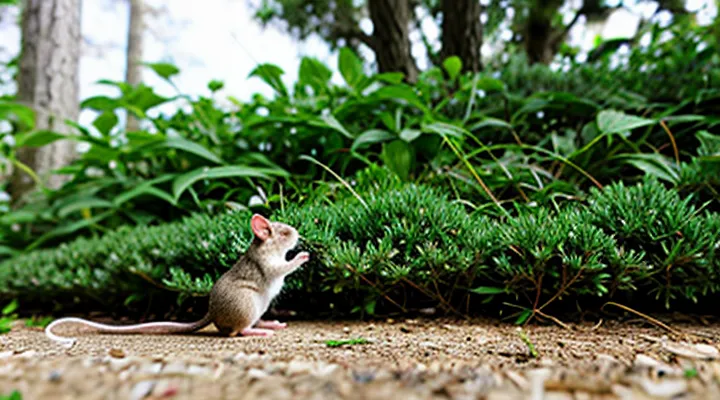
Understanding Mouse Behavior and Olfaction
Why Scent Matters to Mice
The Role of Scent in Mouse Communication
Mice rely on a highly developed olfactory system to locate food, identify kin, and assess threats. Olfactory receptors in the nasal epithelium detect volatile molecules at concentrations as low as parts per billion, transmitting signals to the olfactory bulb and limbic structures that drive behavior.
Chemical communication involves several categories of scent signals:
- Pheromones released by females to signal estrus, prompting male investigation and courtship.
- Territorial markers composed of urinary proteins and fatty acids, delineating individual space and deterring intruders.
- Alarm substances emitted from injured conspecifics or predator excretions, triggering avoidance and heightened vigilance.
When an external odor interferes with these signals, mice modify their activity patterns. Strong, unfamiliar odors can mask pheromonal cues, disrupt territory recognition, and elevate stress responses, leading to reduced foraging and nesting in the affected area.
Natural compounds that generate such disruptive odors include:
- Menthol – activates transient receptor potential channels, producing a cooling sensation that overrides normal scent processing.
- Eucalyptus oil (1,8‑cineole) – interferes with olfactory receptor binding, diminishing detection of conspecific cues.
- Clove oil (eugenol) – exhibits strong antimicrobial properties and masks urinary markers.
- Peppermint oil (mentha piperita) – creates a volatile environment that suppresses alarm signal perception.
These substances function by saturating the olfactory epithelium with potent volatiles, effectively reducing the reliability of mouse communication channels and prompting avoidance behavior.
How Mice Perceive Odors
Mice rely on a highly developed olfactory system to navigate their environment, locate food, and avoid threats. The nasal epithelium contains millions of odor‑receptor neurons, each expressing a specific protein that binds volatile molecules. When a molecule fits the receptor, a cascade of electrical signals travels to the olfactory bulb, where patterns are interpreted as distinct scents.
Detection thresholds for many repellent compounds are extremely low; concentrations as small as a few parts per billion can trigger avoidance behavior. This sensitivity results from:
- High receptor density in the main olfactory epithelium.
- Broad tuning of receptors, allowing recognition of structurally diverse chemicals.
- Rapid signal amplification within the olfactory transduction pathway.
Mice differentiate between attractive and aversive odors through learned and innate pathways. Innate aversion is linked to compounds that signal predators, decay, or toxic substances. Learned aversion develops when an odor is repeatedly associated with negative experiences, such as gastrointestinal distress after ingestion.
The efficacy of natural deterrents depends on their volatility, persistence, and the ability to reach the olfactory receptors without being masked by ambient scents. Substances such as peppermint oil, clove extract, and certain plant terpenes meet these criteria, producing strong activation of aversive receptors and prompting immediate flight responses. Continuous exposure maintains heightened sensitivity, reinforcing avoidance over time.
Common Natural Repellents
Essential Oils for Mouse Repellence
Peppermint Oil: Application and Effectiveness
Peppermint oil is widely recognized for its strong, volatile aroma that deters Mus musculus. The oil’s active compounds, primarily menthol and menthone, interfere with the rodents’ olfactory receptors, creating an environment they avoid.
Application methods include:
- Soaking cotton balls in undiluted oil and placing them in entry points, cabinets, and pantry corners; replace every 3–5 days.
- Mixing 10–15 ml of oil with 1 liter of water, adding a few drops of mild surfactant, and spraying the solution on baseboards, vents, and exterior walls; reapply weekly.
- Incorporating a few drops into wooden shavings or sawdust and distributing the mixture in storage bins or under appliances; refresh the scent biweekly.
Effectiveness studies report a reduction of mouse activity by up to 70 % within the first two weeks of consistent use. Success depends on maintaining a fresh scent, as volatility diminishes after 48 hours. Combining peppermint oil with other aromatic repellents, such as eucalyptus or clove, can extend the deterrent period and improve coverage in larger areas.
Eucalyptus Oil: Usage and Considerations
Eucalyptus oil emits a potent, camphorous aroma that rodents typically avoid. The scent interferes with mice’s olfactory receptors, reducing their willingness to enter treated areas.
Typical application methods include:
- Soaking cotton balls with undiluted oil and placing them in corners, under appliances, and near entry points.
- Adding a few drops to a diffuser for continuous vapor release.
- Preparing a spray by mixing 10‑15 ml of oil with 1 L of water and a small amount of mild detergent; mist the solution on surfaces where mice travel.
Safety considerations are essential:
- Direct skin contact may cause irritation; use gloves when handling concentrated oil.
- Pets, especially cats, can be sensitive to essential oils; keep treated items out of their reach.
- Ensure adequate ventilation to prevent respiratory discomfort for occupants.
- Store the oil in a sealed container away from heat and light to preserve potency.
Efficacy depends on consistent use. The volatile compounds dissipate within several days, requiring reapplication to maintain deterrent effect. Combining eucalyptus oil with proper sanitation—sealing food sources, repairing structural gaps, and eliminating clutter—enhances overall control of mouse activity.
Citronella Oil: Benefits and Limitations
Citronella oil, derived from Cymbopogon species, emits a strong, citrus‑like scent that mice find unpleasant. When applied to entry points, bedding, or perimeter zones, the volatile compounds disperse quickly, creating an environment that discourages rodent activity without toxic residues.
Benefits
- Rapid diffusion produces immediate olfactory deterrence.
- Biodegradable composition eliminates long‑term environmental impact.
- Compatibility with other natural agents allows combined repellent formulations.
- Low toxicity to humans and pets when used according to label instructions.
Limitations
- Effectiveness diminishes within hours as the scent evaporates, requiring frequent reapplication.
- Strong aroma may be undesirable for occupants in confined spaces.
- Variable results across mouse populations; some individuals exhibit reduced sensitivity.
- Limited penetration through dense materials, reducing efficacy in concealed wall voids.
Optimal use involves strategic placement near known mouse pathways, monitoring scent intensity, and integrating citronella with complementary repellents such as peppermint oil or ultrasonic devices to maintain continuous deterrence.
Other Essential Oils: Rosemary, Clove, and Tea Tree
Rosemary oil contains cineole and camphor, compounds that mice find unpleasant. Diluted rosemary solution applied to entry points, baseboards, and storage containers creates an odor barrier that discourages rodents from nesting. Reapplication every 7‑10 days maintains potency.
Clove oil is rich in eugenol, a phenolic agent with strong sensory impact on rodents. A few drops mixed with water or carrier oil can be sprayed around pantry shelves, crawl spaces, and outdoor sheds. The scent persists for several days, reducing the likelihood of mouse intrusion.
Tea tree oil delivers terpinen‑4‑ol and other terpenes that interfere with mouse olfactory receptors. Spraying a 1‑2 % tea tree solution on door frames, vent openings, and behind appliances creates an environment mice tend to avoid. Regular refreshment, especially after cleaning, sustains the repellent effect.
Key characteristics
- Rosemary: mild to moderate deterrence; best for indoor perimeter treatment.
- Clove: strong deterrence; suited for confined spaces and food‑storage areas.
- Tea tree: moderate deterrence; effective for both indoor and outdoor applications.
Combining these oils in a rotating schedule enhances overall efficacy, as mice are less likely to acclimate to a single scent profile. Use non‑toxic carriers and avoid direct contact with food surfaces to maintain safety.
Household Items with Repellent Properties
Vinegar: Types and Application Methods
Vinegar is a widely available acidic liquid that emits a strong, sour odor capable of deterring rodents. Its effectiveness depends on the specific type and the method of deployment.
- White distilled vinegar – clear, high acetic acid concentration, rapid evaporation, ideal for spray solutions.
- Apple cider vinegar – amber hue, milder scent, suitable for soaking cloths placed in concealed areas.
- Rice vinegar – low acidity, subtle fragrance, best combined with stronger repellents for layered protection.
- Malt vinegar – robust, yeasty odor, useful in outdoor settings where persistent scent is required.
Application methods:
- Spray mixture – combine one part vinegar with equal water, load into a pump bottle, mist entry points, corners, and pathways frequented by mice.
- Soaked cloths – immerse cotton rag in undiluted vinegar, wring excess, position near holes, baseboards, or stored food containers; replace every 48 hours.
- Open bowls – fill shallow dishes with undiluted vinegar, place in dark corners, monitor and refill as needed to maintain odor intensity.
- Combined repellent – blend vinegar with essential oils such as peppermint or eucalyptus, apply to cotton balls, distribute in crawl spaces for synergistic effect.
Effective use requires regular renewal of the scent, as volatility reduces potency within a few days. Selecting the appropriate vinegar type and method aligns the odor profile with the targeted environment, enhancing rodent avoidance without chemical pesticides.
Cayenne Pepper: How to Use it Safely
Cayenne pepper is a potent, low‑cost option for deterring rodents through its strong, irritating scent. When incorporated correctly, it creates an environment that mice find hostile while posing minimal risk to humans and pets.
Safety precautions
- Wear gloves and a mask during preparation to prevent skin irritation and respiratory discomfort.
- Keep the powder away from children’s play areas and food preparation surfaces.
- Store in an airtight container, labeled clearly, and place out of reach of pets.
Application methods
- Sprinkle a thin layer of cayenne powder along baseboards, entry points, and behind appliances where mouse activity is observed.
- For longer‑lasting effect, mix one part cayenne with two parts diatomaceous earth and spread the blend in the same locations.
- Reapply after cleaning or after heavy foot traffic, as the scent dissipates within a few days.
Dosage guidelines
- Use no more than a quarter‑cup per 10 sq ft to avoid excessive dust that could trigger allergies.
- Test a small area first; if irritation occurs, reduce the amount or discontinue use.
Handling and disposal
- Dispose of used powder in a sealed bag to prevent accidental spread.
- Clean tools with soap and water immediately after use; avoid inhaling any airborne particles.
When these steps are followed, cayenne pepper serves as an effective, natural barrier against mice without compromising household safety.
Garlic: Preparation and Placement
Garlic emits sulfur‑rich compounds that mice find unpleasant. When prepared correctly, the odor can serve as an effective, non‑chemical barrier.
To maximize potency, crush or finely mince fresh garlic cloves. The crushing process releases allicin, the volatile component responsible for the repellent scent. Allow the mixture to sit for 5–10 minutes, then spread a thin layer on a piece of cheesecloth or a small mesh bag. This containment prevents direct contact with food surfaces while permitting odor diffusion.
Placement guidelines:
- Position the prepared garlic sachets in known entry points, such as gaps under doors, behind appliances, and along baseboard seams.
- Distribute additional sachets near stored grain, pantry shelves, and trash receptacles where mice are likely to forage.
- Replace sachets every 3–4 days, or sooner if the smell diminishes, to maintain a continuous deterrent effect.
For outdoor use, embed crushed garlic in shallow trenches around the perimeter of sheds, garages, or garden beds. Cover the trench with soil to protect the garlic from rain while allowing vapor release.
Consistent rotation of sachet locations disrupts habituation, ensuring the scent remains a reliable component of an integrated mouse‑deterrent strategy.
Dryer Sheets: A Surprising Solution
Dryer sheets release volatile fragrance compounds that mice find unpleasant, making them an effective, low‑cost deterrent for indoor spaces. The scent, typically derived from essential oils and synthetic aromatics, interferes with the rodents’ olfactory navigation, discouraging entry into treated areas.
The repellent action relies on continuous emission of odor while the sheet remains moist from residual fabric softener. When placed in corners, under appliances, or inside cabinets, the scent creates a barrier that mice avoid. Studies of rodent behavior confirm aversion to strong, lingering fragrances similar to those found in commercial dryer sheets.
Practical application:
- Cut sheets to size and tuck them into gaps behind baseboards.
- Replace sheets every two weeks to maintain potency.
- Combine with other natural deterrents, such as peppermint oil, for broader coverage.
Safety considerations:
- Avoid direct contact with food preparation surfaces.
- Keep out of reach of pets, as some fragrance ingredients may cause irritation.
Dryer sheets provide a discreet, odor‑based method to reduce mouse activity without chemicals or traps.
Plant-Based Repellents
Mint Plants: Growing for Repellence
Mint cultivars produce volatile oils that mice find offensive. Growing mint specifically for this purpose maximizes the concentration of menthol and related compounds, creating an environment that discourages rodent activity.
Select a hardy variety such as spearmint (Mentha spicata) or peppermint (Mentha × piperita). Plant in well‑drained soil with a pH of 6.0–7.0. Space plants 12–18 inches apart to allow vigorous foliage growth. Water regularly, keeping the soil moist but not saturated; excessive dryness reduces oil synthesis.
Maintain a dense stand through routine pruning. Trim stems weekly, removing the top third of each shoot. This practice stimulates fresh growth and preserves high oil levels. Harvest leaves when they are bright green and aromatic, typically 60–90 days after planting. Dry or crush harvested material and distribute it around entry points, foundation walls, and storage areas.
- Plant in containers to prevent uncontrolled spread.
- Mulch with straw to retain moisture and suppress weeds.
- Rotate mint locations annually to avoid soil depletion.
- Combine with other aromatic plants (e.g., lavender, rosemary) for broader repellence coverage.
Marigolds: Garden Placement for Protection
Marigolds emit strong volatile compounds that deter rodents, making them a practical element in mouse‑preventive garden design. Planting them strategically enhances the effectiveness of these natural repellents.
Position marigolds at the perimeter of vegetable beds to create a scent barrier. This outer ring reduces the likelihood of mice entering the cultivated area. For raised beds, line the base with a shallow trench filled with marigold seedlings; the concentrated aroma concentrates at ground level where mice forage.
Integrate marigolds among susceptible crops such as lettuce, carrots, and beans. Interspersing the flowers within rows disrupts rodent pathways and forces mice to navigate around the repellent zones. When using container gardening, place a pot of marigolds on the balcony or near indoor plant shelves to extend protection to adjacent indoor spaces.
Key placement guidelines:
- Plant a minimum of 12‑inch spacing between individual marigold stems to ensure adequate airflow and scent dispersion.
- Maintain soil moisture at moderate levels; overly wet conditions diminish volatile production.
- Replace flowering stalks every season to sustain a continuous release of deterrent chemicals.
By aligning marigolds with the garden’s structural layout, growers harness a reliable, chemical‑free method to limit mouse activity while adding aesthetic value.
Bay Leaves: Strategic Placement Indoors
Bay leaves emit a strong, volatile scent that mice find unpleasant. The essential oils, particularly eugenol and other phenolic compounds, disrupt the rodents’ olfactory receptors, prompting them to avoid areas where the leaves are present.
Effective indoor deployment relies on strategic positioning:
- Place whole, dried leaves in corners of rooms where mouse activity has been observed, such as behind appliances, under sinks, and near entry points.
- Distribute small bundles in pantry shelves, cabinets, and drawer interiors to protect stored food.
- Replace leaves every two weeks to maintain potency, as the aromatic compounds dissipate over time.
- Combine bay leaves with other natural deterrents—such as peppermint oil or dried lavender—to create a multi‑layered scent barrier.
The method requires no chemicals, leaves no residue, and can be implemented with items commonly found in households. Regular monitoring of mouse signs will indicate whether the placement strategy needs adjustment, such as adding more bundles or relocating them to newly active zones.
Application Techniques for Natural Repellents
Direct Application Methods
Soaking Cotton Balls: Best Practices
Soaking cotton balls correctly maximizes the release of mouse‑repelling aromas while preserving effectiveness over time. Follow these precise steps:
- Choose a high‑absorbency cotton ball; avoid overly dense varieties that retain excess moisture.
- Prepare a solution of the chosen essential oil(s) at a concentration of 5–10 % by volume. Typical ratios: 1 ml oil to 10–20 ml water or carrier.
- Submerge each cotton ball for 10–15 seconds, ensuring full saturation without dripping.
- Gently squeeze out surplus liquid; the ball should feel moist but not wet.
- Place the prepared ball in a ventilated container or directly in areas where mice travel, such as under cabinets, along baseboards, or near entry points.
- Replace the cotton ball every 3–5 days, or sooner if the scent diminishes noticeably.
Additional considerations:
- Use oils with proven deterrent properties—e.g., peppermint, clove, or eucalyptus. Blend multiple oils for broader efficacy.
- Store unused soaked balls in sealed, opaque containers to prevent premature evaporation.
- Keep cotton balls away from food preparation surfaces to avoid contamination.
- Test a small batch in a confined space before widespread deployment to verify that the odor level is tolerable for occupants.
Spray Solutions: Recipes and Frequencies
Natural mouse‑deterring sprays rely on volatile compounds that rodents find unpleasant. Effective formulations combine essential oils with carriers that disperse the scent evenly across target areas.
Typical recipe
- 1 cup water (distilled)
- 2 tbsp white vinegar
- 10 drops peppermint essential oil
- 5 drops clove essential oil
- 5 drops eucalyptus essential oil
- 1 tsp liquid castile soap (emulsifier)
Mix ingredients in a spray bottle, shake vigorously before each use. The soap binds oil droplets to water, ensuring a fine mist that settles on surfaces without leaving a residue.
Alternative low‑cost blend
- 2 cups water
- ¼ cup rubbing alcohol (70 % isopropyl)
- 15 drops citronella oil
- 10 drops lemon oil
Alcohol accelerates evaporation, extending the odor’s reach in confined spaces such as cabinets or crawl spaces.
Application frequency
- Initial treatment: spray all entry points, baseboards, and potential nesting zones.
- Reapply every 4 days in dry conditions; reduce interval to 2 days after heavy cleaning or humidity spikes.
- In outdoor perimeters, refresh weekly or after rainfall.
Safety and maintenance
- Label bottles clearly, store out of reach of children and pets.
- Test a small, hidden area for material compatibility before full coverage.
- Replace essential‑oil stocks every 6 months to preserve potency.
Consistent use of these mixtures creates an environment that mice avoid, minimizing the need for chemical pesticides.
Creating Scent Barriers: Indoor and Outdoor
Creating effective scent barriers relies on strategic placement of natural odors that mice find aversive. The approach works by saturating entry points and travel routes with volatile compounds that trigger avoidance behavior, reducing the likelihood of infestation without chemicals.
Indoor applications focus on confined spaces where airflow can be controlled. Commonly used natural repellents include peppermint oil, clove oil, eucalyptus oil, and dried citrus peels. Effective deployment methods are:
- Soak cotton balls in diluted peppermint or clove oil (1 ml oil per 100 ml water) and position them behind appliances, under sinks, and in cabinet corners.
- Use ultrasonic diffusers to disperse eucalyptus oil continuously for 8–10 hours per day.
- Spray a light mist of diluted citrus oil on baseboards and door frames, reapplying every 48 hours.
Maintain barrier potency by replacing absorbent media before the scent fades, typically every 3–5 days in high‑traffic rooms.
Outdoor strategies extend the barrier to the building perimeter and garden areas. Methods include:
- Scatter shredded rosemary, lavender, or mint leaves around foundation cracks and drainage paths.
- Install mesh bags filled with dried mint or citronella near exterior doors and garage entries; seal bags to protect against rain.
- Plant repellent herbs—such as oregano, thyme, and sage—in border rows to create a living scent fence.
- Apply a diluted oil solution to mulch or soil surfaces, renewing after heavy rain or every two weeks during warm months.
Select materials that withstand temperature fluctuations and UV exposure to preserve volatile potency.
Safety considerations require attention to non‑target organisms. Ensure concentrations stay below levels that cause respiratory irritation for humans and pets. Ventilate rooms after applying liquid sprays, and keep oil‑soaked materials out of reach of children and animals. Monitor mouse activity; a noticeable decline within a week indicates barrier effectiveness, while persistent sightings suggest the need for higher concentration or additional placement points.
Combining Repellents for Enhanced Effectiveness
Layering Different Odors
Layering multiple mouse‑repelling scents creates a complex olfactory environment that overwhelms the rodents’ sensory system, reducing their willingness to explore treated areas.
Effective layering combines compounds with distinct chemical families, ensuring that no single odor dominates while the overall blend remains unattractive to mice.
Selection criteria include: high volatility for rapid dispersion, proven deterrent effect in laboratory or field studies, and minimal interference with human occupants or pets.
Recommended pairings:
- Peppermint oil + clove oil + eucalyptus oil – three monoterpenes with synergistic repellent activity.
- Citronella oil + lavender oil – a citrus component paired with a floral terpene that masks each other’s scent profile.
- Neem seed extract + ginger oil – a botanical repellent combined with a pungent spice oil for broader spectrum coverage.
Application guidelines: apply each oil at 5 % concentration in a carrier (e.g., water‑based spray or mineral oil) on separate cloth strips or cotton balls; distribute strips in corners, entry points, and along walls; replace materials every 48 hours to maintain potency.
Safety measures: verify that selected oils are non‑toxic to household pets; conduct a spot test on surfaces to avoid staining; monitor mouse activity for at least two weeks to assess efficacy and adjust ratios if activity persists.
Rotating Repellents to Prevent Acclimation
Mice quickly diminish their response to a single scent when exposure is continuous, reducing the effectiveness of odor‑based deterrents. Rotating repellents disrupts this habituation by periodically replacing the active odor with a different, equally repellent compound.
Alternating scents forces rodents to encounter unfamiliar chemical cues, preventing neural adaptation and maintaining aversive behavior. The approach also reduces the likelihood that a population will develop tolerance to any one odor.
Practical rotation protocol:
- Choose at least three strong, natural repellents (e.g., peppermint oil, eucalyptus oil, clove oil).
- Assign each scent to a specific zone or device for a fixed interval of 5–7 days.
- After the interval, replace the current scent with the next one in the sequence, ensuring no two consecutive periods use the same odor.
- Record observations of rodent activity after each change to verify continued deterrence.
Additional considerations:
- Store oils in airtight containers away from heat and light to preserve potency.
- Use dispensers that allow precise dosage and easy refill to avoid gaps in coverage.
- Combine rotation with complementary tactics, such as sealing entry points, for maximal impact.
Consistent implementation of a rotating odor strategy sustains repellent efficacy, limits acclimation, and supports long‑term rodent control without reliance on chemical pesticides.
Best Practices for Mouse Control
Eliminating Attractants
Food Storage Solutions
Effective food storage demands barriers that discourage rodent intrusion without compromising food safety. Integrating scent‑based deterrents into containers, shelving, and pantry organization creates an environment unfriendly to mice while preserving product integrity.
Sealed containers made from airtight plastic or glass eliminate access points and trap any repellent odors inside, extending their effectiveness. When using natural compounds such as peppermint oil, clove oil, or crushed rosemary, place a few drops on cotton pads inside the lid; the volatile aroma circulates whenever the container is opened, alerting rodents to an inhospitable scent.
Strategic placement of repellents enhances overall protection:
- Insert sachets of dried lavender or citrus peels between pantry shelves; their continuous release maintains a low‑level odor gradient.
- Line the interior of wooden crates with burlap infused with eucalyptus oil; the fabric absorbs moisture and slowly emits the scent.
- Apply a thin coating of diluted citronella solution to the exterior of metal bins; the coating dries to a harmless film that renews the odor with each handling.
Regular rotation of scent sources prevents habituation. Replace oil‑treated pads every two weeks, refresh dried herb sachets monthly, and inspect sealed containers for any breach. Combining these practices with proper cleaning—removing crumbs, sealing waste, and maintaining dry conditions—creates a comprehensive storage system that leverages natural mouse‑repelling aromas to protect food supplies.
Waste Management Strategies
Effective waste handling reduces the scent cues that attract rodents. By limiting the presence of food residues and decomposing matter, natural mouse‑repelling odors become more reliable.
Source reduction limits the quantity of organic waste entering a facility. Purchasing bulk items with minimal packaging and encouraging staff to consume only necessary portions directly decreases potential attractants.
Segregation separates biodegradable material from non‑organic refuse. Dedicated containers for food scraps, sealed with airtight lids, prevent odor diffusion. Regular collection schedules ensure that waste does not accumulate long enough to ferment.
Additional measures enhance odor control:
- Composting in closed, temperature‑controlled units eliminates volatile compounds that lure mice.
- Biodegradation reactors treat organic waste with microbial cultures, breaking down odorous substrates before disposal.
- Chemical neutralizers applied to landfill leachate bind malodorous molecules, reducing their release into the environment.
Implementing these strategies creates a waste stream that minimizes the olfactory signals rodents use for foraging, thereby supporting the efficacy of natural, scent‑based mouse deterrents.
Sealing Entry Points
Sealing entry points eliminates the most common pathway mice use to infiltrate a building, thereby enhancing the efficacy of odor‑based deterrents.
Identify gaps larger than a quarter‑inch by inspecting foundations, walls, roofs, and utility penetrations. Pay particular attention to:
- Gaps around pipes, cables, and vents
- Cracks in concrete or brickwork
- Openings beneath doors and windows
- Unfinished attic or crawl‑space access
Select durable, rodent‑proof materials such as steel wool, copper mesh, silicone caulk, expanding foam, or cement mortar. Apply steel wool or mesh to fill larger voids, then seal with caulk or foam to prevent removal. For structural cracks, use mortar or concrete patch, ensuring a smooth, airtight finish.
Secure doors and windows with weatherstripping and install tight‑closing thresholds. Install lintels or metal plates over ventilation grills that cannot be removed without dismantling.
After sealing, reapply natural scent repellents—such as peppermint oil, rosemary extract, or clove oil—directly to the treated areas. The barrier prevents mice from bypassing the odor, while the scent discourages any that manage to locate a breach.
Conduct quarterly inspections to verify that seals remain intact and reapply repellent as needed. Prompt repair of any new openings sustains a hostile environment for rodents and maintains the long‑term success of the odor strategy.
Monitoring and Maintenance
Regular Inspection for Mouse Activity
Regular inspection for mouse activity is essential when employing natural scents that deter rodents. Early detection prevents infestations from reaching levels that compromise the effectiveness of odor-based repellents.
Inspection should focus on areas where mice are likely to travel or hide:
- Kitchen cabinets, pantry shelves, and behind appliances
- Basement corners, crawl spaces, and utility rooms
- Attic rafters, insulation, and roof eaves
- Exterior foundations, vents, and garage door thresholds
Key indicators to look for include:
- Droppings, typically small, dark pellets about ¼ inch long
- Gnaw marks on wood, plastic, or wiring
- Fresh urine stains, often visible on surfaces near food sources
- Nests constructed from shredded paper, fabric, or insulation
A systematic schedule improves reliability. Conduct visual checks weekly in high‑risk zones and bi‑weekly in less vulnerable locations. Use a flashlight and a thin probe to examine concealed spaces. Record findings in a log, noting date, location, and type of evidence.
If signs of activity appear, increase the concentration of the chosen natural repellent and re‑apply according to manufacturer guidelines. Combine scent treatment with immediate removal of food sources and sealing of entry points to enhance control. Continuous monitoring validates the repellent’s performance and allows timely adjustments before a full‑scale infestation develops.
Replenishing Repellents Consistently
Consistent renewal of scent‑based mouse deterrents is essential for maintaining their efficacy. Natural compounds such as peppermint oil, citrus extracts, and powdered herbs degrade quickly when exposed to air, light, and moisture. Once the odor intensity falls below the detection threshold of rodents, the repellent loses its deterrent effect.
To preserve potency, apply the following protocol:
- Deploy a measured amount of essential oil on cotton balls or fabric strips and place them in high‑traffic rodent zones. Replace every 7–10 days, or sooner if the scent becomes faint.
- For powdered repellents, spread a thin layer in cracks, behind appliances, and along baseboards. Reapply after heavy cleaning, after rainfall in semi‑outdoor areas, or monthly in dry interiors.
- Store unused liquid or powdered repellents in airtight containers, away from direct sunlight and heat. Label containers with the date of opening to track shelf life.
- Rotate different odor sources weekly to prevent rodents from habituating to a single scent. Alternate between peppermint, eucalyptus, and clove, ensuring each is refreshed according to its own degradation rate.
- Monitor rodent activity weekly. An increase in sightings or droppings indicates that the repellent’s strength has diminished and a fresh application is required.
Implementing a schedule that aligns with the specific volatility of each natural ingredient guarantees continuous odor presence, thereby sustaining the deterrent barrier against mice.
Safety Considerations
Protecting Pets and Children
Non-Toxic Options
Natural, non‑toxic odors provide a practical alternative to chemical rodenticides when deterring mice in homes and storage areas. These scents exploit rodents’ acute sense of smell, creating an environment that mice avoid without posing health risks to humans or pets.
- Peppermint oil: concentrated extract applied to cotton balls or cloth strips; strong menthol aroma repels rodents for several days.
- Clove oil: high eugenol content produces a pungent smell that discourages mouse activity; effective when diluted with water and sprayed on entry points.
- Citrus peels: fresh or dried orange, lemon, or grapefruit rinds emit volatile compounds that mice find unpleasant; placement in corners or under appliances sustains deterrence.
- Lavender oil: mild fragrance that, when used in higher concentrations, creates an inhospitable scent for mice; suitable for use in closets and pantry shelves.
- Rosemary and thyme essential oils: blend of terpenes disrupts mouse olfactory cues; can be mixed with water and applied via a spray bottle.
Application focuses on direct contact with surfaces near potential ingress points: door frames, baseboards, vent openings, and behind appliances. Reapply oils every 5‑7 days or after cleaning to maintain potency. For larger areas, use a diffuser with a timed release of the chosen oil, ensuring continuous low‑level emission.
Safety guidelines require using food‑grade essential oils, avoiding ingestion by children or pets, and testing a small surface area for material compatibility. Dilution ratios typically range from 5‑10 % oil to carrier (water or neutral oil) to prevent skin irritation. Store all oils in sealed containers away from heat sources to preserve efficacy.
Placement Strategies to Avoid Ingestion
When using aromatic deterrents, position them where rodents encounter the scent but humans or pets cannot reach the source. Apply the following placement principles:
- Attach cotton balls soaked in essential oil to the underside of kitchen cabinets, behind appliances, and inside pantry doorframes. Secure them with tape or clips to keep them out of reach.
- Distribute small sachets of dried herbs or powdered botanicals along baseboard seams, inside wall cavities, and under sink trays. Seal each sachet in a breathable fabric that resists tearing.
- Install drip dispensers on the exterior of garbage containers, directing the spray toward the lid’s interior surface. Ensure the nozzle is angled away from the opening to prevent liquid leakage.
- Hang scented ribbons or mesh bags from the tops of shelving units, allowing the odor to drift downward while the hanging point remains inaccessible to children and animals.
- Place oil-infused wooden blocks in the corners of crawl spaces, behind radiators, and within vent grilles. Embed each block in a perforated metal holder to avoid direct contact.
Avoid placing repellents on surfaces where food is prepared or stored. Do not leave open containers of concentrated oil on countertops, tables, or floors. Store all bulk supplies in sealed, child‑proof containers, preferably in a locked cabinet. Regularly inspect placement sites for signs of wear, displacement, or accidental exposure, and replace compromised items promptly.
Potential Damage to Surfaces
Testing Repellents on Discreet Areas
Testing natural mouse‑repelling scents in concealed locations requires a controlled protocol that isolates odor effectiveness from external variables. Select test sites that mimic typical hiding spots—behind appliances, under cabinets, or within wall voids—while ensuring they are inaccessible to humans during the trial. Record ambient temperature, humidity, and ventilation, as these factors influence volatile compound dispersion.
Prepare a baseline measurement by monitoring mouse activity for 48 hours without any treatment. Use motion‑activated cameras or passive infrared sensors to log entry attempts, dwell time, and escape routes. Establish this data set as the reference point for subsequent comparisons.
Apply the chosen repellents according to the following procedure:
- Place a calibrated dispenser (e.g., cotton ball, gel sachet) containing the odorant at the center of the discreet area.
- Secure the dispenser to prevent displacement by rodents or cleaning staff.
- Maintain a consistent release rate by selecting a formulation with a documented volatilization profile.
- Continue activity monitoring for an additional 72 hours, recording the same metrics as the baseline phase.
Analyze results by calculating the percentage reduction in mouse presence relative to the baseline. Statistical significance can be assessed with a paired t‑test or non‑parametric alternative if data distribution deviates from normality. Document any observable side effects—such as odor migration to adjacent rooms or material degradation—to inform practical deployment guidelines.
Avoiding Stains and Discoloration
Natural mouse‑deterrent scents often involve liquids or powders that can contact fabrics, carpets, and wood surfaces. When these substances spill or seep, they may leave visible marks or alter the original color of the material. Preventing such damage preserves both the aesthetic appearance of the space and the effectiveness of the repellent.
Oil‑based repellents, such as peppermint or eucalyptus essential oil, should be applied with a carrier that limits spreading. Dilute the oil in a spray bottle, use a measured amount, and target only the perimeter of entry points. Powdered options, like ground cloves or dried rosemary, must be placed in sealed sachets or porous containers to contain particles.
Practical measures to avoid stains and discoloration:
- Apply liquids to a cloth or sponge first; press the cloth against the target area rather than spraying directly.
- Use disposable, non‑absorbent trays for powdered repellents; replace trays regularly to prevent accumulation.
- Test any formulation on an inconspicuous spot before full application; observe for color change within 24 hours.
- Keep repellents away from light‑colored upholstery; opt for darker or patterned fabrics when possible.
- Clean accidental spills immediately with a mild, pH‑balanced detergent and a soft cloth; avoid harsh chemicals that could exacerbate fading.
Regular inspection of treated zones ensures that residue does not build up over time. If discoloration appears, re‑treat the surface with a suitable neutralizer before reapplying the mouse‑deterrent product. Maintaining clean, unstained environments maximizes both visual integrity and pest‑control performance.