
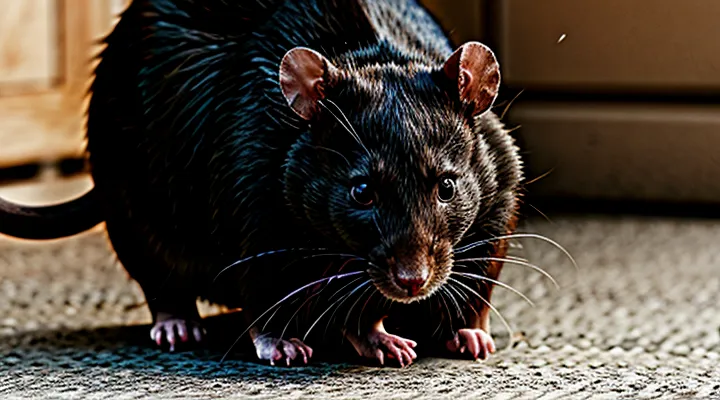
What Are Nasal Drops for Rats?
Types of Nasal Drops
Nasal drops for laboratory rats are available in several formulations, each suited to specific therapeutic or experimental objectives.
- Saline solution (0.9 % NaCl) provides isotonic hydration, clears nasal passages, and serves as a vehicle for other agents.
- Hypertonic saline (e.g., 3 % NaCl) draws fluid from mucosal tissue, reducing edema in acute inflammation.
- Antibiotic drops (e.g., enrofloxacin, gentamicin) deliver bactericidal concentrations directly to the nasal cavity, preventing or treating localized infections.
- Antihistamine preparations (e.g., diphenhydramine) mitigate allergic responses by blocking histamine receptors on nasal epithelium.
- Steroid drops (e.g., dexamethasone) suppress inflammatory cascades, decreasing cytokine production and mucosal swelling.
- Local anesthetic drops (e.g., lidocaine) provide temporary numbness, facilitating procedures that require nasal manipulation.
- Combination drops merge two or more active ingredients, such as an antibiotic with a steroid, to address concurrent infection and inflammation.
Selection of a specific type depends on the intended outcome, the health status of the animal, and compatibility with any concurrent treatments. Proper dosage calculation, based on body weight and droplet volume, ensures efficacy while minimizing adverse effects.
Common Ingredients and Their Purpose
Nasal drop protocols for rats rely on a limited set of excipients that ensure stability, tolerability, and effective delivery to the nasal mucosa. Each component serves a specific function within the formulation.
- «Saline solution (0.9 % NaCl)»: Provides isotonic environment, prevents irritation, and serves as carrier for active agents.
- «Buffering agents (e.g., phosphate buffer)»: Maintains pH near physiological range (≈ 7.2–7.4), preserving drug integrity and reducing mucosal discomfort.
- «Preservatives (e.g., benzalkonium chloride)»: Inhibits microbial growth during storage, extending shelf life while remaining safe at low concentrations.
- «Viscosity modifiers (e.g., hydroxypropyl methylcellulose)»: Increases solution thickness, prolongs contact time with nasal epithelium, and enhances absorption.
- «Surfactants (e.g., polysorbate 80)»: Improves solubility of lipophilic actives, facilitates uniform distribution, and reduces surface tension for smoother administration.
- «Antioxidants (e.g., ascorbic acid)»: Protects labile compounds from oxidative degradation, maintaining potency throughout the usage period.
Formulators select these ingredients based on compatibility with the target drug, the required dosage volume (typically 5–10 µL per nostril), and the need to minimize adverse reactions in the animal model.
When to Use Nasal Drops
Recognizing Respiratory Symptoms
When administering intranasal solutions to laboratory rats, early detection of respiratory abnormalities is essential for animal welfare and experimental reliability. Continuous observation allows immediate intervention, preventing escalation of distress and ensuring accurate dosing outcomes.
Typical signs indicating compromised airway function include:
- Nasal discharge, clear or purulent
- Frequent or forceful sneezing
- Audible wheezing or rattling during inspiration
- Labored breathing, characterized by increased thoracic movement
- Open‑mouth breathing, especially when the animal is at rest
- Reduced activity level combined with irregular respiration
Assessment should combine visual monitoring with tactile and acoustic cues. A gentle hand‑held stethoscope placed on the thorax reveals abnormal breath sounds; the presence of «wheezes» or «crackles» warrants further evaluation. Scoring systems that assign numeric values to each symptom facilitate objective comparison across time points and treatment groups.
If any of the listed manifestations appear, suspend the nasal application, provide supportive care such as humidified air, and document the event in the animal’s health record. Prompt veterinary consultation is advised for persistent or severe respiratory distress.
When to Consult a Veterinarian
Administering nasal drops to a rodent requires careful monitoring of the animal’s response. Immediate veterinary consultation is warranted under the following conditions:
- Persistent nasal discharge exceeding 24 hours despite treatment.
- Signs of respiratory distress, such as rapid breathing, audible wheezing, or open‑mouth breathing.
- Development of facial swelling, crusting, or ulceration at the application site.
- Behavioral changes including lethargy, loss of appetite, or inability to groom.
- Evidence of systemic illness, for example fever, weight loss, or abnormal stool.
- Unusual reactions to the medication, such as excessive sneezing, vomiting, or seizure activity.
If any of these indicators appear, contact a qualified veterinarian without delay. Provide detailed information about the product used, dosage, frequency, and the observed symptoms. Prompt professional assessment helps prevent complications and ensures appropriate adjustments to the therapeutic regimen.
Preparing for Administration
Essential Supplies
Effective delivery of nasal solutions to laboratory rodents requires a defined set of materials. Each component contributes to precision, sterility, and animal welfare during the procedure.
- Sterile, calibrated nasal applicator or micropipette with fine tip « ≤ 0.1 mL »
- Isotonic saline or prescribed formulation, prepared under aseptic conditions
- Disposable gloves and protective eyewear for the operator
- Restraining device or tube that limits movement without causing stress
- Absorbent pads or gauze to capture excess fluid
- Antiseptic wipes for cleaning the applicator between uses
- Waste container for safe disposal of single‑use items
- Temperature‑controlled storage for the nasal solution, maintaining recommended stability range
All items must be inspected for integrity before each session. Replace any compromised component to preserve dosing accuracy and prevent contamination.
Preparing the Rat
Preparing the rat for nasal administration requires systematic steps to ensure safety, accuracy, and reproducibility.
First, confirm the animal’s health status. Conduct a brief visual inspection for signs of respiratory distress, skin lesions, or abnormal behavior. Record weight and age, as dosage calculations depend on these parameters.
Second, acclimate the rat to the handling environment. Place the animal in a quiet observation cage for at least five minutes before manipulation. This reduces stress‑induced variability in nasal mucosa permeability.
Third, establish a consistent restraint technique. Use a soft, padded tube or a clear restraining bag that allows access to the nostrils while limiting movement. Position the rat in a supine orientation, supporting the head with a gentle thumb‑finger grip to keep the nasal passages open.
Fourth, prepare the nasal cavity. Apply a sterile saline rinse (0.9 % NaCl) using a calibrated micropipette to clear excess mucus. Allow the animal to breathe naturally for a few seconds before proceeding.
Fifth, verify the equipment. Ensure the nasal drop dispenser is calibrated, free of air bubbles, and fitted with a sterile, appropriately sized tip (e.g., 20‑gauge).
The sequence can be summarized as follows:
- Health assessment and documentation.
- Environmental acclimation (≥ 5 min).
- Application of a standardized restraint method.
- Nasal cavity cleansing with sterile saline.
- Inspection and calibration of dispensing apparatus.
Adhering to this protocol minimizes handling stress, prevents contamination, and supports precise delivery of the intended formulation.
Administering Nasal Drops
Proper Technique for Application
Accurate intranasal delivery to laboratory rats demands controlled handling, precise dosage, and minimal stress.
Essential equipment includes calibrated micropipettes, sterile droplet applicators, disposable gloves, a soft restraint device, and a clean work surface. All instruments must be inspected for integrity before each session; disposable items are to be discarded after single use.
Restraint is achieved by gently securing the animal in a supine position within a padded tube, allowing unobstructed access to the nares while preventing vigorous movements. The head should be slightly elevated to facilitate droplet flow toward the nasal cavity.
Administration steps:
- Load the calibrated pipette with the required volume of solution.
- Position the tip just above the external naris, avoiding contact with the fur.
- Deliver the prescribed dose, for example «0.02 mL per nostril», in a single, steady release.
- Allow the animal to inhale naturally; do not apply pressure to the nostril.
- Release the rat into a recovery cage and monitor for at least five minutes.
Post‑administration observation includes checking for normal breathing, absence of excessive sneezing, and stable activity levels. Any adverse reaction must be recorded and reported according to institutional protocols.
Ensuring Accurate Dosage
Accurate dosing of nasal solutions for laboratory rodents prevents under‑treatment and toxicity. Determine the required volume by weighing each animal, calculating the dose per kilogram, and converting the result to microliters using the concentration of the preparation.
Key steps for precise administration:
- Weigh the rat immediately before dosing; record weight to the nearest gram.
- Multiply the target dose (e.g., 0.5 mg kg⁻¹) by the animal’s weight in kilograms to obtain the required amount of active ingredient.
- Divide the required amount by the solution’s concentration (mg mL⁻¹) to calculate the exact volume in microliters.
- Use a calibrated micropipette; verify calibration weekly with a standard liquid.
- Deliver the calculated volume in a single, steady puff into each nostril, avoiding excess pressure that could cause aspiration.
Document each measurement, dose calculation, and administration time in the animal’s record. Cross‑check recorded values against the original calculation before proceeding. Consistent documentation enables detection of deviations and supports reproducibility of experimental results.
Post-Administration Care
Monitoring for Side Effects
When administering intranasal solutions to laboratory rats, systematic observation of adverse reactions is essential to ensure animal welfare and data integrity. Immediate detection of undesirable effects permits timely intervention and prevents confounding experimental outcomes.
Typical indicators include:
- Respiratory distress: audible wheezing, altered breathing rate, or labored inhalation.
- Nasal irritation: discharge, crust formation, or swelling of the nares.
- Behavioral changes: reduced grooming, lethargy, or abnormal locomotion.
- Gastrointestinal signs: vomiting, loss of appetite, or weight loss.
Observation schedule should commence within minutes of dosing, continue at 15‑minute intervals for the first hour, and extend to hourly checks for the subsequent four hours. Longer‑term monitoring, at least twice daily for 72 hours, captures delayed responses such as inflammation or infection.
All findings must be recorded in a standardized log, noting time, severity, and any corrective measures taken. Consistent documentation facilitates statistical analysis of side‑effect frequency and supports compliance with institutional animal care guidelines.
Follow-Up Actions
After delivering the nasal solution to laboratory rodents, immediate observation is required to confirm correct placement and absence of distress. Check respiratory rhythm, nasal patency, and behavior for at least five minutes post‑application. Any signs of sneezing, excessive grooming, or lethargy must be recorded.
Document each administration event with the following details: animal identifier, dose volume, concentration, time of application, and observed reactions. Store records in the central laboratory log to enable traceability and compliance with institutional protocols.
Maintain a clean work area to prevent cross‑contamination. Dispose of used pipettes and droppers according to hazardous waste guidelines. Sanitize the delivery apparatus with an appropriate disinfectant before reuse.
Schedule follow‑up assessments according to the experimental timeline:
- 24 hours: weigh animal, inspect nasal mucosa for irritation, note any changes in activity.
- 48 hours: repeat weight measurement, evaluate any delayed adverse effects, update health status.
- 72 hours: finalize observation period, confirm return to baseline behavior, archive all data.
If abnormal findings emerge at any stage, report to the veterinary supervisor and adjust the protocol as directed.
Storage and Handling
Proper Storage Conditions
Proper storage of rodent nasal formulations preserves potency, prevents contamination, and ensures consistent dosing. The product must remain sealed when not in use, and exposure to light, heat, or moisture should be minimized.
Key conditions for maintaining stability:
- Store in a refrigerator at 2 – 8 °C (36 – 46 °F).
- Protect from direct sunlight; keep in opaque or amber‑colored containers.
- Maintain a dry environment; avoid placement in areas with high humidity.
- Ensure the container is tightly closed after each administration to prevent air ingress.
- Record the date of opening; discard after the manufacturer‑specified period, typically 30 days.
Temperature excursions above the recommended range compromise the active ingredients. If a breach occurs, discard the solution and replace with a fresh supply. Regularly inspect packaging for signs of damage, such as cracks or compromised seals, before each use.
Expiration and Disposal
Nasal formulations intended for rodent use carry a manufacturer‑specified expiry date, typically printed on the primary container. After this date, active ingredient concentration may fall below therapeutic levels, and microbial growth risk increases, rendering the product unsuitable for administration.
Expiration verification requires visual inspection of the label for the date, confirmation that the seal remains intact, and assessment of the solution for discoloration, precipitation, or odor changes. Any deviation from the original appearance mandates immediate disposal, regardless of the printed date.
Proper disposal protects laboratory personnel and the environment. Follow these steps:
- Close the cap securely and place the bottle in a puncture‑proof container.
- Label the container with “expired nasal solution – rodent use” using French quotation marks «expired nasal solution – rodent use».
- Transfer the sealed container to the institution’s designated biohazard waste bin.
- Record the disposal action in the laboratory waste log as required by local regulations.
If a spill occurs, contain it with absorbent material, place the material in a sealed bag, and treat it as biohazard waste. Do not pour the solution down drains or discard it in regular trash. Compliance with these procedures ensures safety and regulatory adherence.
Frequently Asked Questions
Common Concerns and Solutions
When applying nasal drops to laboratory rodents, several recurring issues arise. Each concern can be addressed with a specific corrective measure, ensuring both animal welfare and experimental reliability.
Common concerns include:
-
Improper dosage – Administering volume beyond the recommended limit leads to overflow and respiratory distress.
Solution: Use calibrated pipettes and adhere to the weight‑based dosing chart provided in the protocol manual. -
Incorrect drop placement – Delivering the solution to the oral cavity rather than the nasal passage reduces efficacy.
Solution: Position the animal in a supine orientation, gently tilt the head back, and insert the tip of the applicator just above the nostril opening. -
Temperature mismatch – Introducing drops that are too cold or too warm can cause mucosal irritation.
Solution: Equilibrate the solution to ambient laboratory temperature (approximately 22 °C) before administration. -
Contamination risk – Reusing the same applicator across multiple subjects introduces pathogens.
Solution: Employ disposable, sterile droppers for each animal or disinfect reusable equipment with an approved antiseptic between uses. -
Stress‑induced reflexes – Sudden handling may trigger sneezing or gagging, compromising dose delivery.
Solution: Acclimate animals to gentle handling over several days and perform the procedure in a quiet environment. -
Inadequate observation – Failure to monitor post‑administration signs can delay detection of adverse reactions.
Solution: Observe each subject for at least five minutes, noting respiratory rate, nasal discharge, and behavior; record findings in the lab notebook.
By systematically addressing these points, technicians maintain consistent dosing, minimize animal discomfort, and preserve data integrity.
Preventing Future Respiratory Issues
Administering nasal solutions to laboratory rodents requires strict attention to factors that influence long‑term respiratory health. Improper technique can introduce pathogens, cause mucosal irritation, and predispose animals to chronic airway disease.
Key preventive measures include:
- Accurate calculation of dose based on body weight; excess volume increases risk of aspiration.
- Use of sterile, preservative‑free formulation; preservatives may damage delicate nasal epithelium.
- Application with a calibrated pipette or micro‑sprayer to ensure even distribution.
- Immediate cleaning of the administration device between individuals to avoid cross‑contamination.
- Observation of the animal for at least five minutes after delivery; record any signs of sneezing, labored breathing, or nasal discharge.
Environmental controls further reduce the likelihood of future respiratory problems:
- Maintain humidity between 45 % and 55 % to keep mucosal membranes moist.
- Provide filtered air circulation; replace HEPA filters according to manufacturer schedule.
- Implement a regular health‑screening program; include nasal swabs for bacterial and viral agents.
- Store nasal preparations at recommended temperature; protect from light to preserve potency.
By integrating precise dosing, aseptic technique, and optimal housing conditions, the incidence of post‑administration respiratory complications can be minimized. Consistent documentation of each step supports traceability and facilitates early detection of emerging issues. «Prevention is better than cure» encapsulates the overarching strategy for sustaining respiratory integrity in rodent colonies.