
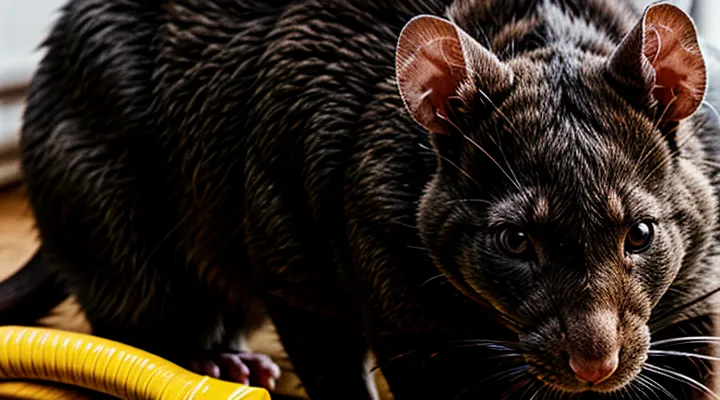
Understanding Nasal Bleeding in Rats
Recognizing Epistaxis in Rats
Clinical Signs of Nasal Bleeding
Clinical observation of epistaxis in laboratory rats requires careful assessment of visible and behavioral indicators. The most reliable external sign is the presence of fresh blood at the nostrils, which may appear as droplets, streaks, or a continuous flow. Blood may also be detectable on surrounding bedding, cage walls, or the animal’s whiskers. In cases of intermittent bleeding, a reddish discoloration of the nasal mucosa becomes evident upon gentle inspection with a light source.
Additional manifestations include:
- Nasal discharge that changes from serous to sanguineous over time.
- Swelling or edema of the nasal region, often palpable through the fur.
- Respiratory irregularities such as increased respiratory rate, audible wheezing, or audible crackles caused by blood obstructing the airway.
- Behavioral changes: reduced grooming, lethargy, or signs of discomfort when the animal attempts to sniff or explore.
- Weight loss or decreased food intake, reflecting systemic effects of chronic blood loss.
Internal assessment, performed under anesthesia, may reveal mucosal ulceration, petechiae, or hemorrhagic clots within the nasal passages. Palpation of the skull base can detect underlying hematomas or fractures that contribute to bleeding. Accurate documentation of each sign facilitates differential diagnosis and guides therapeutic interventions.
Differential Diagnosis for Bloody Discharge
Nasal hemorrhage in laboratory rats requires systematic exclusion of alternative sources of blood‑tinged secretions. The following categories encompass the principal conditions that mimic or accompany epistaxis and must be distinguished during evaluation.
- Mechanical injury: pinna or nasal mucosa trauma from handling, cage enrichment, or bedding components.
- Infectious agents: bacterial rhinitis (e.g., Streptococcus spp., Pasteurella spp.), viral infections (paramyxovirus, coronaviruses) producing mucosal ulceration.
- Coagulopathies: inherited clotting factor deficiencies, anticoagulant exposure, hepatic insufficiency leading to reduced synthesis of clotting proteins.
- Neoplastic growths: nasal cavity adenocarcinoma, lymphoma, or metastatic lesions causing vascular invasion.
- Foreign bodies: plant material, bedding fibers, or dental fragments lodged in the nasal passage.
- Systemic vascular disorders: hypertension, vasculitis, or endothelial dysfunction secondary to metabolic disease.
- Nutritional deficiencies: vitamin C or K deficits impairing vascular integrity.
Diagnostic work‑up proceeds from non‑invasive to invasive techniques. Initial assessment includes thorough physical examination, observation of discharge characteristics, and measurement of body weight and temperature. Rhinoscopic inspection identifies mucosal lesions, foreign material, or tumor masses. Radiography or computed tomography delineates bony involvement and sinus opacification. Complete blood count and coagulation profile detect anemia, leukocytosis, or clotting abnormalities. Bacterial culture of nasal swabs guides antimicrobial selection. Histopathological sampling of suspicious tissue confirms neoplastic or inflammatory processes.
Therapeutic decisions align with the identified etiology. Local hemostasis is achieved with gentle compression or topical vasoconstrictors. Antimicrobial regimens target cultured pathogens; antifungal agents address opportunistic fungi. Surgical removal of foreign bodies or tumor excision follows standard rodent surgical protocols. Coagulation defects respond to plasma transfusion, vitamin K supplementation, or correction of underlying hepatic disease. Supportive care—including fluid therapy, analgesia, and environmental enrichment to reduce stress—facilitates recovery.
Accurate differential diagnosis prevents misattribution of nasal bleeding to a single cause and enables targeted intervention, thereby reducing morbidity in experimental rat colonies.
Common Causes of Nasal Bleeding
Infectious Diseases
Nasal hemorrhage in laboratory rats frequently results from infectious agents that compromise the vascular integrity of the nasal mucosa. Bacterial pathogens such as Streptococcus pneumoniae and Staphylococcus aureus infiltrate the upper respiratory tract, producing inflammation and necrosis that erode capillary walls. Viral infections, notably rat parvovirus and Sendai virus, induce epithelial damage and secondary bacterial colonization, further increasing bleeding risk. Fungal organisms, including Aspergillus spp., generate invasive hyphal growth that penetrates mucosal tissue and disrupts blood vessels.
Effective management of infection‑related epistaxis requires a two‑step approach: pathogen elimination and hemostasis support.
- Antimicrobial therapy: administer species‑appropriate antibiotics (e.g., enrofloxacin for Gram‑negative infections, ampicillin for Gram‑positive organisms) based on culture and sensitivity results. Antiviral agents are limited; supportive care and immune‑modulating drugs (e.g., interferon‑alpha) may reduce viral load. Antifungal treatment with itraconazole or voriconazole targets invasive mycoses.
- Hemostatic measures: apply topical vasoconstrictors (e.g., oxymetazoline) to reduce local blood flow, and use absorbable gelatin sponges to tamponade bleeding sites. Systemic administration of vitamin K1 corrects coagulopathies that often accompany severe infections.
- Supportive care: maintain ambient humidity at 55–60 % to prevent mucosal drying, provide isotonic fluids to sustain circulatory volume, and monitor complete blood counts for anemia or leukocytosis.
Preventive strategies focus on biosecurity and health monitoring. Routine screening for common respiratory pathogens, quarantine of new arrivals, and strict cage sanitation reduce the incidence of infection‑induced nasal bleeding. Vaccination protocols, where available, further limit viral exposure.
Bacterial Infections
Bacterial infections represent a frequent etiological factor in spontaneous nasal hemorrhage observed in laboratory rats. Pathogenic microorganisms colonize the nasal mucosa, disrupt epithelial integrity, and provoke inflammatory responses that weaken vascular walls, leading to bleeding.
Typical bacterial agents implicated include:
- Streptococcus pneumoniae – induces purulent rhinitis and capillary erosion.
- Staphylococcus aureus – produces exotoxins that damage mucosal tissue.
- Pseudomonas aeruginosa – thrives in moist environments, causing ulcerative lesions.
- Klebsiella pneumoniae – generates thick exudates that impair mucociliary clearance.
Diagnostic confirmation relies on culture of nasal swabs, polymerase chain reaction identification of bacterial DNA, and histopathological examination of affected tissue. Quantitative bacterial counts guide therapeutic decisions.
Effective treatment protocols combine antimicrobial therapy with supportive measures:
- Empiric broad‑spectrum antibiotics (e.g., enrofloxacin, amoxicillin‑clavulanate) administered intraperitoneally for 5–7 days; adjust based on susceptibility testing.
- Topical antiseptic irrigation using sterile saline containing chlorhexidine to reduce local bacterial load.
- Anti‑inflammatory agents (e.g., meloxicam) to limit edema and vascular fragility.
- Environmental controls: maintain low humidity, provide clean bedding, and ensure adequate ventilation to discourage bacterial proliferation.
Monitoring includes daily assessment of nasal discharge, bleeding frequency, and body weight. Resolution is indicated by the absence of hemorrhagic episodes and normalization of mucosal appearance. Persistent bleeding after appropriate antimicrobial coverage warrants reevaluation for secondary complications such as coagulopathy or neoplastic processes.
Viral Infections
Viral pathogens represent a significant etiological factor in epistaxis observed in laboratory rats. Infection of the nasal mucosa or adjacent respiratory structures disrupts vascular integrity, leading to bleeding episodes that interfere with experimental outcomes and animal welfare.
Common viruses associated with nasal hemorrhage in rats include:
- Rat coronavirus (RCV)
- Sendai virus
- Rat parvovirus (RPV)
- Hantavirus strains
- Adenovirus serotypes
These agents provoke inflammation, necrosis, or coagulopathy within the nasal epithelium. Cytopathic damage compromises capillary walls, while immune‑mediated vasculitis induces endothelial disruption. In severe cases, systemic viral replication exacerbates thrombocytopenia, further predisposing the animal to bleeding.
Accurate diagnosis requires a combination of clinical observation, necropsy findings, and laboratory testing. Nasal swabs examined by PCR or immunohistochemistry confirm viral presence; complete blood counts reveal platelet deficits; histopathology identifies mucosal ulceration and vasculitis.
Therapeutic management focuses on antiviral intervention and supportive measures:
- Antiviral agents specific to the identified virus (e.g., ribavirin for hantavirus, oseltamivir for influenza‑like infections)
- Intravenous fluid therapy to maintain hemodynamic stability
- Topical nasal hemostatics (e.g., oxidized cellulose) to control local bleeding
- Platelet transfusion or plasma supplementation in cases of coagulopathy
- Isolation and environmental decontamination to prevent spread within the colony
Prompt identification of the viral cause and implementation of targeted treatment reduce morbidity, limit transmission, and preserve the integrity of research data.
Fungal Infections
Fungal pathogens can precipitate epistaxis in laboratory rats by invading nasal mucosa, disrupting epithelial integrity, and provoking inflammatory hemorrhage. Species such as Aspergillus fumigatus, Candida albicans, and Mucor spp. are frequently isolated from affected nasal cavities following exposure to contaminated bedding, feed, or humid environments. Invasion typically initiates in the turbinates, progresses to the septal mucosa, and may extend to adjacent sinuses, creating a direct source of bleeding.
Diagnostic confirmation relies on histopathology, culture, and polymerase chain reaction assays of nasal swabs or tissue biopsies. Microscopic examination reveals hyphal elements or yeast forms embedded in necrotic tissue, while culture identifies the specific organism and its antifungal susceptibility profile. Early detection is essential to prevent systemic dissemination and to limit recurrent hemorrhagic episodes.
Therapeutic management comprises both antifungal pharmacotherapy and supportive care:
- Systemic agents: itraconazole (5 mg/kg PO q24h), voriconazole (10 mg/kg PO q12h), or amphotericin B (0.5 mg/kg SC q24h) selected according to susceptibility testing.
- Topical application: clotrimazole or miconazole ointment applied to the nasal vestibule twice daily to reduce local fungal load.
- Environmental control: reduction of humidity, sterilization of bedding, and exclusion of mold‑contaminated feed.
- Hemostatic support: tranexamic acid (50 mg/kg PO q8h) and iron supplementation to address acute blood loss.
Prognosis improves markedly when antifungal therapy is initiated within 48 hours of symptom onset and when husbandry conditions are optimized to eliminate fungal reservoirs. Continuous monitoring of nasal discharge, bleeding frequency, and weight gain provides objective indicators of treatment efficacy.
Environmental Factors
Environmental conditions exert a direct influence on the incidence and severity of epistaxis in laboratory rats. Low relative humidity accelerates mucosal desiccation, compromising epithelial integrity and predisposing to hemorrhage. Elevated ambient temperature intensifies vascular dilation, increasing blood flow to the nasal mucosa and the likelihood of rupture. Airborne contaminants such as dust, ammonia from urine, and volatile organic compounds irritate the nasal epithelium, triggering inflammation and bleeding. Inadequate ventilation creates stagnant microclimates that exacerbate these effects. Cage design, including the presence of hard plastic surfaces or abrasive bedding, can cause mechanical trauma to the nasal passages during grooming or exploration.
Key environmental factors to monitor:
- Relative humidity (maintain 40‑60 %)
- Ambient temperature (20‑24 °C)
- Ammonia concentration (<10 ppm)
- Dust and particulate load (regular cage cleaning, low‑dust bedding)
- Air exchange rate (≥15 changes hour⁻¹)
- Cage material and bedding texture (soft, low‑abrasion)
Mitigation strategies focus on modifying the habitat rather than pharmacological intervention. Adjust humidifiers or dehumidifiers to keep humidity within the optimal range. Install temperature controls and verify thermostat accuracy. Implement high‑efficiency filtration to reduce airborne irritants and schedule frequent cage changes to limit ammonia buildup. Select bedding composed of finely shredded paper or corn cob, avoiding pine shavings that release resinous particles. Ensure cages provide ample airflow and avoid overcrowding, which intensifies stress and respiratory irritation. These measures collectively reduce the environmental triggers of nasal bleeding and support recovery without reliance on systemic therapies.
Irritants and Allergens
Irritants and allergens represent a primary source of nasal hemorrhage in laboratory rats. Direct contact with chemical vapors, dust particles, or volatile organic compounds damages the delicate mucosal epithelium, leading to capillary rupture and bleeding. Allergic sensitization to proteins, molds, or environmental pollutants triggers inflammatory cascades that increase vascular permeability and predispose the nasal passages to exsanguination.
Typical irritants include:
- Ammonia fumes from bedding or cleaning agents
- Formaldehyde vapors used in preservation procedures
- Silica dust generated by cage material degradation
- Essential oil constituents (e.g., eugenol, menthol) applied in enrichment
Common allergens encompass:
- Rodent‑derived serum proteins that may elicit IgE‑mediated responses
- Fungal spores such as Aspergillus spp. present in humid housing conditions
- Food additives (e.g., soy, casein) that can provoke hypersensitivity reactions
Mechanistically, irritants cause mechanical disruption of the epithelial barrier, while allergens activate mast cells and eosinophils, releasing histamine, prostaglandins, and leukotrienes. These mediators dilate nasal vessels, weaken endothelial junctions, and facilitate bleeding.
Therapeutic measures focus on eliminating exposure, stabilizing the mucosa, and controlling inflammation:
- Replace high‑risk bedding with low‑dust, non‑ammoniated alternatives.
- Implement ventilation systems that maintain ammonia concentrations below 10 ppm.
- Apply topical saline irrigation to remove residual particles and support mucosal hydration.
- Administer antihistamines (e.g., diphenhydramine) or mast‑cell stabilizers (e.g., cromolyn sodium) to suppress allergic inflammation.
- Use systemic corticosteroids only when severe, uncontrolled bleeding persists despite local interventions.
Monitoring includes daily inspection of nasal discharge, measurement of hemoglobin levels, and histopathological assessment of mucosal integrity. Prompt removal of irritants and targeted anti‑allergic treatment effectively reduce the incidence and severity of nasal bleeding in rat colonies.
Trauma and Injury
Nasal hemorrhage in laboratory rats frequently results from physical trauma. Direct impact to the snout, accidental crushing of the nasal cartilage, or sharp objects introduced during handling can rupture delicate mucosal vessels. Even minor abrasions caused by poorly fitted restraint devices may provoke bleeding that persists for several minutes if the vascular injury is not promptly controlled.
Key mechanisms of injury include:
- Blunt force that compresses the nasal septum, causing endothelial disruption.
- Laceration of the nasal epithelium by teeth or instrument tips.
- Over‑extension of the nasal passages during invasive procedures, leading to tearing of capillary networks.
Effective management starts with immediate application of gentle pressure using sterile gauze. If bleeding does not cease within two minutes, topical vasoconstrictors such as phenylephrine solution (0.5 %) may be administered directly to the bleeding site. For extensive vessel damage, cauterization with a low‑temperature electrosurgical probe provides rapid hemostasis while minimizing tissue necrosis. Systemic analgesics (e.g., buprenorphine) and anti‑inflammatory agents reduce secondary edema that could exacerbate hemorrhage.
Preventive measures focus on minimizing mechanical stress. Recommendations include:
- Using appropriately sized restrainers that distribute pressure evenly across the facial region.
- Ensuring all instruments contacting the nasal area are smooth‑finished and inspected for defects before use.
- Training personnel in gentle handling techniques and in recognizing early signs of nasal trauma.
By adhering to these protocols, researchers can reduce the incidence of trauma‑induced nosebleeds, improve animal welfare, and maintain the integrity of experimental data.
Systemic Conditions
Systemic disorders frequently underlie nasal hemorrhage in laboratory rats. Identifying these conditions is essential for effective management because local interventions alone rarely stop bleeding when a broader physiological imbalance exists.
Common systemic contributors include:
- Coagulopathies (e.g., vitamin K deficiency, inherited clotting factor defects, anticoagulant exposure)
- Hypertensive states caused by renal disease or pharmacologic agents
- Severe infections leading to disseminated intravascular coagulation
- Metabolic imbalances such as hypocalcemia or severe hypoglycemia
- Neoplastic processes involving vascular invasion of the nasal mucosa
- Toxicological effects of drugs or chemicals that impair platelet function
Diagnostic work‑up should combine clinical observation with targeted laboratory assessments. Measure systolic blood pressure, obtain a complete blood count, evaluate prothrombin time and activated partial thromboplastin time, and screen for inflammatory markers. Imaging (radiography or CT) may reveal vascular lesions or tumors not apparent on external examination.
Treatment protocols focus on correcting the underlying systemic abnormality while providing hemostatic support:
- Administer vitamin K1 or fresh frozen plasma for coagulation deficits
- Use antihypertensive agents (e.g., ACE inhibitors) to lower elevated arterial pressure
- Provide appropriate antimicrobial therapy for septic conditions
- Correct metabolic disturbances with electrolyte replacement or glucose infusion
- Apply topical hemostatic agents (e.g., gelatin sponge) only after systemic stabilization
- Consider surgical excision or radiotherapy for identified neoplasms
Continuous monitoring of blood pressure, coagulation parameters, and nasal bleeding frequency guides therapy adjustments. Successful resolution of epistaxis depends on restoring systemic homeostasis rather than isolated local measures.
Coagulation Disorders
Coagulation abnormalities represent a frequent underlying factor in spontaneous or experimentally induced epistaxis in laboratory rats. Deficiencies or dysfunctions in clotting cascades impair hemostasis, increase bleeding duration, and complicate therapeutic interventions.
Typical coagulation disorders associated with nasal hemorrhage include:
- Reduced platelet count (thrombocytopenia) caused by chemotherapeutic agents, radiation exposure, or immune‑mediated destruction.
- Impaired platelet function due to aspirin, clopidogrel, or genetic mutations affecting aggregation pathways.
- Deficiency of clotting factors V, VII, IX, or X resulting from hereditary mutations, liver insufficiency, or vitamin K antagonism.
- Elevated fibrinolytic activity, often observed after trauma or administration of tissue‑type plasminogen activator.
Diagnostic evaluation combines clinical observation with laboratory analysis. Peripheral blood smear confirms platelet quantity and morphology; flow cytometry assesses activation markers; coagulation panels (PT, aPTT, thrombin time) identify factor deficiencies; and fibrin degradation product assays detect hyperfibrinolysis. Rapid bedside testing guides immediate management decisions.
Therapeutic measures target the specific defect:
- Platelet transfusion or autologous platelet concentrates correct thrombocytopenia and restore aggregation capacity.
- Fresh frozen plasma supplies deficient clotting factors; targeted factor concentrates (e.g., recombinant factor VIIa) provide precise replacement.
- Vitamin K administration reverses antagonism by warfarin‑like compounds and supports synthesis of vitamin K‑dependent factors.
- Antifibrinolytic agents such as tranexamic acid inhibit excess plasmin activity, reducing bleeding intensity.
When multiple abnormalities coexist, combined therapy yields the most reliable hemostatic control. Monitoring post‑treatment coagulation parameters ensures correction stability and informs dosing adjustments.
Experimental protocols that induce nasal bleeding must incorporate baseline coagulation assessment to differentiate primary hemorrhagic mechanisms from secondary effects of coagulation impairment. Standardizing these evaluations enhances reproducibility and facilitates comparison across studies investigating hemostatic interventions in rodent models.
Hypertension
Hypertension is a frequent contributor to spontaneous epistaxis in laboratory rats. Elevated arterial pressure increases capillary hydrostatic stress within the nasal mucosa, leading to rupture of fragile vessels. In hypertensive models, the incidence of nosebleeds rises markedly compared to normotensive controls, indicating a direct hemodynamic link.
Key mechanisms include:
- Shear stress–induced endothelial damage in the nasal septum.
- Reduced vascular tone regulation due to impaired nitric‑oxide signaling.
- Enhanced platelet activation that paradoxically promotes microvascular thrombosis and subsequent hemorrhage.
Management of hypertensive‑related epistaxis involves both systemic blood‑pressure control and local hemostatic measures. Effective strategies are:
- Administration of angiotensin‑converting enzyme inhibitors or angiotensin‑II receptor blockers to lower systemic pressure and alleviate mucosal stress.
- Use of calcium‑channel antagonists to improve vascular compliance.
- Topical application of tranexamic acid or fibrin sealant to stabilize the bleeding site.
- Monitoring of blood‑pressure trends with telemetry to adjust pharmacologic dosing in real time.
Experimental protocols should incorporate baseline blood‑pressure recordings, regular assessment of nasal mucosa integrity, and standardized scoring of bleeding severity. By addressing hypertension through targeted pharmacotherapy and vigilant monitoring, researchers can reduce the frequency and severity of nosebleeds in rat models, thereby improving the reliability of studies on nasal hemorrhage etiology and treatment.
Neoplasia
Neoplastic growths within the nasal passages are a frequent source of epistaxis in laboratory rats. Primary tumors such as adenocarcinomas, squamous cell carcinomas, and olfactory neuroblastomas originate from epithelial or neuroectodermal cells, while metastatic lesions frequently arise from distant sites, including the lung and mammary gland. Tumor expansion disrupts the delicate vasculature of the nasal mucosa, producing persistent or intermittent bleeding.
Tumor‑induced hemorrhage results from several pathophysiological mechanisms: (1) direct invasion of blood vessels, (2) necrotic degeneration of tumor tissue, (3) angiogenic vessels that are structurally weak, and (4) inflammatory cytokine release that increases vascular permeability. The combination of these factors creates a high‑risk environment for nasal bleeding.
Accurate diagnosis relies on a stepwise approach. Clinical observation of nasal discharge and blood loss prompts imaging studies—computed tomography or magnetic resonance imaging—to delineate mass size and location. Histopathological examination of biopsy specimens confirms tumor type and grade. Hematologic analysis evaluates anemia and coagulation status, informing treatment planning.
Therapeutic options include:
- Surgical excision: en bloc removal of localized masses, often combined with cauterization of feeding vessels.
- Radiation therapy: fractionated external beam radiation to shrink inoperable tumors and control bleeding.
- Chemotherapy: agents such as carboplatin or doxorubicin administered systemically for aggressive or metastatic disease.
- Supportive care: iron supplementation, blood transfusion, and topical hemostatic agents to stabilize acute hemorrhage.
Outcome depends on tumor histology, stage at diagnosis, and completeness of treatment. Regular follow‑up imaging and clinical assessment detect recurrence early, allowing prompt intervention. Effective management reduces mortality associated with nasal bleeding and improves overall welfare of affected rodents.
Diagnostic Approaches
Physical Examination and History Taking
Visual Inspection
Visual inspection provides the first, non‑invasive assessment of nasal hemorrhage in laboratory rats. Direct observation reveals the presence, intensity, and progression of bleeding without the need for anesthesia or instrumentation.
The examination proceeds as follows:
- Place the animal in a calm, well‑lit area.
- Hold the rat gently by the scruff to expose the nasal region.
- Observe the nostrils from a lateral and frontal perspective for at least 30 seconds.
- Record any visible blood, its location, and the duration of flow.
Key observational parameters include:
- Color – bright red indicates arterial flow; darker hues suggest venous or mixed bleeding.
- Volume – droplets, streaks, or continuous streams.
- Source – unilateral or bilateral nostril, presence of blood on the facial whiskers or oral cavity.
- Duration – transient (seconds) versus persistent (minutes or longer).
Documentation should capture each parameter in a standardized log, noting time after induction of the hemorrhagic event and any concurrent interventions. Photographic evidence, taken with a macro lens under consistent lighting, enhances reproducibility.
The data gathered through visual inspection guide immediate therapeutic choices, such as topical vasoconstrictors, systemic agents, or supportive care, and provide baseline metrics for longitudinal studies of nasal bleeding etiology and treatment efficacy.
Palpation and Auscultation
Physical examination remains the first step when a rat presents with epistaxis. Direct observation confirms active bleeding, while systematic palpation and auscultation provide essential information about underlying pathology and guide therapeutic choices.
Palpation of the nasal region assesses tissue integrity, vascular tone, and the presence of masses. The examiner gently compresses the external nares, the nasal bridge, and the underlying maxillary bone. Firm resistance suggests ossified lesions or hypertrophic turbinates; softness indicates edema or tissue necrosis. Tenderness on palpation often correlates with inflammatory processes, whereas a pulsatile mass may reveal an arterial aneurysm or hemorrhagic tumor. Precise pressure applied to the alar cartilage can help localize the bleeding source by observing changes in flow intensity.
Auscultation, though less common in small rodents, yields valuable data when performed with a high‑frequency stethoscope or a miniature electronic microphone. Listening over the nasal cavity detects abnormal airflow turbulence, indicating obstruction or narrowed passages. A continuous, low‑frequency rumble may signify secretions or clotted blood within the nasal vault, while intermittent high‑pitched clicks suggest intermittent arterial bleeding. Auscultation of adjacent structures—such as the sinuses and cranial base—identifies referred sounds that point to deeper infections or neoplasia.
Integration of palpation and auscultation findings directs immediate interventions:
- Local pressure applied to a compressible site stops active hemorrhage.
- Identification of a firm, pulsatile mass prompts surgical excision or embolization.
- Detection of turbulent airflow warrants decongestant irrigation and antimicrobial therapy.
- Persistent abnormal sounds without external bleeding indicate internal hemorrhage, necessitating imaging and possible cranial surgery.
By combining tactile and acoustic assessments, clinicians achieve a comprehensive evaluation of nasal hemorrhage in rats, enabling rapid, targeted treatment and reducing morbidity.
Comprehensive History
The study of epistaxis in laboratory rats began in the early 20th century, when researchers first reported spontaneous nasal hemorrhage during routine necropsies. Initial observations linked bleeding episodes to traumatic injury from handling and to environmental extremes such as low humidity. By the 1930s, veterinary pathologists documented histological changes in the nasal mucosa of rats exposed to irritant gases, establishing a causal relationship between inhaled pollutants and vascular rupture.
In the 1950s, experimental models standardized the induction of nasal bleeding through controlled arterial puncture and chemical cauterization. These models enabled quantitative assessment of blood loss, clotting time, and the efficacy of hemostatic agents. The introduction of phenylephrine and vasopressin as topical vasoconstrictors marked the first pharmacological interventions, reducing bleeding duration by 30–40 % in controlled trials.
The 1970s saw the integration of microscopic imaging techniques, allowing precise mapping of the vascular network within the nasal turbinates. Researchers identified the Kiesselbach’s plexus equivalent in rats and demonstrated its susceptibility to anticoagulant drugs. This insight prompted the development of targeted therapies, including localized application of tranexamic acid and fibrin sealants, which achieved hemostasis in over 80 % of induced cases.
Advances in the 1990s introduced genetic strains predisposed to coagulopathy, providing a platform for studying inherited bleeding disorders. Comparative studies between wild‑type and mutant rats clarified the role of specific clotting factor deficiencies, guiding the use of recombinant factor VIIa in experimental treatment protocols.
Since the early 2000s, the focus shifted toward minimally invasive techniques:
- Endoscopic cauterization of bleeding sites using bipolar probes.
- Application of biodegradable gelatin sponges impregnated with thrombin.
- Utilization of laser photocoagulation to seal mucosal vessels.
These methods have reduced procedural morbidity and shortened recovery periods. Current research emphasizes the combination of precise endoscopic visualization with biologically active hemostatic materials, aiming to achieve rapid bleeding control while preserving nasal mucosal integrity.
Overall, the historical progression from accidental observation to refined therapeutic strategies reflects a systematic accumulation of anatomical, pharmacological, and technological knowledge, establishing a robust framework for managing nasal hemorrhage in rat models.
Laboratory Diagnostics
Bloodwork Analysis
Blood analysis provides objective data essential for diagnosing and managing epistaxis in laboratory rats. Complete blood counts reveal hemoglobin concentration, hematocrit, and red‑cell indices, indicating the severity of blood loss. Platelet counts and mean platelet volume identify thrombocytopenia or platelet dysfunction that may precipitate or sustain bleeding.
Key laboratory evaluations include:
- Hemoglobin and hematocrit for quantifying anemia.
- White‑blood‑cell differential to detect infection or inflammatory response.
- Platelet count and aggregation studies for coagulation competence.
- Prothrombin time (PT) and activated partial thromboplastin time (aPTT) to assess clotting cascade integrity.
- Serum chemistry for renal and hepatic function, which influence coagulation factor synthesis.
- Vitamin K levels when dietary deficiency is suspected.
Interpretation of these results directs therapeutic decisions. Anemic rats receive fluid resuscitation and, if indicated, packed red‑cell transfusion. Documented coagulopathy prompts administration of fresh frozen plasma, vitamin K, or specific clotting factor concentrates. Elevated inflammatory markers guide the selection of appropriate antimicrobial agents. Abnormal renal or hepatic profiles necessitate dosage adjustments for drugs used in hemostasis.
Serial bloodwork monitors response to treatment, confirming restoration of normal hematologic parameters and preventing recurrence of nasal hemorrhage.
Complete Blood Count
A complete blood count (CBC) provides quantitative data on erythrocytes, leukocytes, and platelets, which are essential for evaluating hemorrhagic events in laboratory rats. Red blood cell (RBC) indices reveal the extent of blood loss; a decline in hemoglobin concentration and hematocrit indicates acute or chronic bleeding. Leukocyte differentials detect inflammatory or infectious processes that may precipitate mucosal fragility, while neutrophilia or lymphocytosis can guide antimicrobial therapy. Platelet count and mean platelet volume assess primary hemostasis; thrombocytopenia or functional platelet defects increase the risk of spontaneous epistaxis.
Interpretation of CBC results should be integrated with clinical observations:
- Hemoglobin < 10 g/dL or hematocrit < 30 % signals significant hemorrhage, prompting fluid replacement and iron supplementation.
- Platelet count < 300 × 10³/µL warrants investigation of bone‑marrow suppression or drug‑induced thrombocytopenia; platelet transfusion may be indicated for severe bleeding.
- Elevated neutrophils (> 12 × 10³/µL) suggest bacterial infection of nasal passages, supporting the use of targeted antibiotics.
Serial CBC measurements track therapeutic efficacy. Restoration of hemoglobin and hematocrit to baseline values confirms adequate resuscitation. Normalization of platelet numbers verifies recovery of coagulation capacity. Persistent leukocytosis despite treatment may indicate ongoing infection or tissue damage, requiring adjustment of antimicrobial regimens.
In experimental protocols, reference ranges specific to the rat strain, age, and sex must be applied to avoid misinterpretation. Automated analyzers calibrated for rodent samples reduce analytical variability, while manual smear review confirms abnormal cell morphology. Accurate CBC data thus serve as a cornerstone for diagnosing, monitoring, and managing nasal hemorrhage in rats.
Coagulation Panel
The coagulation panel provides quantitative data on the clotting capacity of rat plasma and is essential for diagnosing the hemostatic disturbances that underlie epistaxis. By measuring specific clotting times and factor activities, the panel distinguishes between primary platelet defects, secondary coagulation cascade abnormalities, and mixed disorders.
Key assays included in a standard panel are:
- Prothrombin time (PT) – evaluates the extrinsic pathway and common clotting factors.
- Activated partial thromboplastin time (aPTT) – assesses the intrinsic pathway.
- Thrombin time (TT) – detects fibrinogen deficiencies or inhibitors.
- Fibrinogen concentration – quantifies the primary substrate for clot formation.
- Platelet count and mean platelet volume – reflects platelet availability and morphology.
- D‑dimer level – indicates fibrinolytic activity and possible thrombus breakdown.
Interpretation follows established reference ranges for the specific rat strain and age. Prolonged PT or aPTT suggests factor deficiency or consumption, while reduced fibrinogen or elevated D‑dimer points to hyperfibrinolysis. Low platelet counts correlate with impaired primary hemostasis, which may precipitate spontaneous nasal hemorrhage.
Therapeutic decisions derive directly from panel results. For factor deficiencies, replacement therapy with plasma or recombinant factors restores clotting times. Hypofibrinogenemia responds to fibrinogen concentrate or cryoprecipitate. Antifibrinolytic agents, such as tranexamic acid, are indicated when D‑dimer is markedly increased. Platelet transfusion corrects thrombocytopenia when counts fall below the critical threshold for mucosal integrity.
When conducting experimental studies, maintain consistent sampling conditions—use citrate anticoagulant, process samples within 30 minutes, and calibrate analyzers with rat‑specific controls. Repeating the panel after intervention confirms treatment efficacy and guides dosage adjustments.
Serology and Culture
Serological assays provide quantitative data on immune markers associated with hemorrhagic disorders in laboratory rodents. Enzyme‑linked immunosorbent assays (ELISA) detect IgG and IgM antibodies against pathogens known to trigger nasal mucosal inflammation, such as Streptococcus spp. and Mycoplasma spp. Multiplex bead‑based platforms allow simultaneous measurement of cytokines (e.g., IL‑1β, TNF‑α) that correlate with vascular integrity loss. Flow cytometry enumerates activated platelets and leukocyte subsets, offering insight into coagulopathic mechanisms that may precipitate epistaxis.
Culture techniques complement serology by isolating viable organisms from nasal swabs, sinus lavage, or blood samples. Standard aerobic and anaerobic agar plates recover bacterial flora, while selective media (e.g., chocolate agar) enhance growth of fastidious species. Fungal cultures on Sabouraud dextrose agar identify opportunistic molds that can invade nasal epithelium. Polymerase chain reaction (PCR) coupled with culture confirms pathogen identity and guides antimicrobial selection.
Practical integration of serology and culture includes:
- Initial serological screening for pathogen‑specific antibodies and inflammatory cytokines.
- Targeted nasal swab collection for culture based on serological results.
- Antimicrobial susceptibility testing of isolated strains to refine therapeutic regimens.
- Monitoring serological markers during treatment to assess response and adjust interventions.
Histopathology
Histopathological evaluation provides direct insight into the structural alterations underlying nasal hemorrhage in laboratory rats. Tissue sections from the nasal cavity, turbinates, and adjacent mucosa reveal specific patterns that differentiate primary vascular injury from secondary inflammatory processes.
Typical microscopic findings include:
- Disruption of capillary walls with extravasated erythrocytes in the lamina propria.
- Fibrin deposition and microthrombi within small vessels, indicating coagulation cascade activation.
- Infiltration of neutrophils and macrophages surrounding damaged epithelium, suggesting an acute inflammatory response.
- Necrotic epithelial cells and loss of ciliary architecture, often associated with chemical irritants or mechanical trauma.
- Fibrotic remodeling of the submucosa in chronic cases, characterized by dense collagen bundles and reduced vascular density.
Special stains such as Hematoxylin‑Eosin for general morphology, Masson’s trichrome for collagen, and immunohistochemistry for CD31 (endothelial marker) and myeloperoxidase (neutrophil marker) enhance lesion identification. Electron microscopy may be employed to assess ultrastructural changes in endothelial junctions and basement membrane integrity.
Correlation of these histological features with clinical observations guides therapeutic decisions. For instance, extensive fibrin and microthrombi support the use of anticoagulant agents, whereas predominant neutrophilic infiltration justifies anti‑inflammatory treatment. Chronic fibrotic changes suggest the need for interventions that promote tissue regeneration, such as growth factor administration or localized steroid delivery.
In summary, systematic histopathological analysis delineates the cellular and extracellular components of nasal bleeding in rats, enabling precise determination of etiology and informing the selection of targeted therapeutic strategies.
Imaging Techniques
Radiography
Radiographic examination offers direct visualization of the nasal cavity and adjacent structures, allowing precise identification of lesions that provoke epistaxis in laboratory rats. By producing high‑contrast images of bone, cartilage, and soft‑tissue masses, radiography distinguishes between traumatic injury, neoplastic growth, and inflammatory processes that may underlie bleeding episodes.
Typical imaging protocols include:
- Lateral and dorsoventral skull X‑rays with exposure parameters adjusted for small‑animal anatomy; these reveal fractures, sinus opacification, and foreign bodies.
- Micro‑computed tomography (micro‑CT) performed at resolutions of 10–30 µm; this modality delineates subtle bone erosion, vascular malformations, and the extent of tumor infiltration.
- Contrast‑enhanced fluoroscopy, when rapid assessment of active hemorrhage is required; intravenous iodine agents highlight vascular leaks within the nasal passages.
Interpretation of radiographic findings guides therapeutic decisions. Confirmed fractures prompt stabilization or surgical repair, while detection of nasal tumors directs biopsy and oncologic treatment. Evidence of sinusitis or mucosal thickening supports the use of anti‑inflammatory drugs and nasal decongestants. In all cases, sequential imaging monitors response to intervention, confirming cessation of bleeding and resolution of underlying pathology.
Endoscopy
Endoscopy provides direct visualization of the nasal cavity in laboratory rats, allowing researchers to assess mucosal integrity, identify bleeding sources, and evaluate the effectiveness of experimental interventions. The technique employs miniature rigid or flexible scopes equipped with illumination and high‑resolution cameras, which can be introduced through the naris under short‑acting anesthesia.
During diagnostic procedures, the endoscope reveals vascular lesions, ulcerations, or foreign bodies responsible for epistaxis. Real‑time imaging facilitates precise localization of hemorrhagic sites, enabling targeted sampling for histopathology or microbiology without extensive tissue disruption.
Therapeutic applications include cauterization of bleeding vessels, application of hemostatic agents, and delivery of topical medications directly to the affected area. Endoscopic guidance improves accuracy of these interventions and reduces collateral damage compared with blind nasal packing or systemic drug administration.
Key practical considerations:
- Scope diameter must match the small nasal passages of rats (typically 0.5–1.0 mm).
- Anesthetic protocol should ensure immobility while preserving cardiovascular stability.
- Sterile technique prevents iatrogenic infection; disposable sheaths are recommended for repeated use.
- Visualization may be limited by mucus or blood; saline irrigation enhances clarity.
- Post‑procedure monitoring includes assessment of respiratory function and bleeding recurrence.
Integrating endoscopic assessment into studies of nasal hemorrhage in rats yields detailed anatomical data, supports precise therapeutic delivery, and enhances reproducibility of experimental outcomes.
Computed Tomography (CT) Scans
Computed tomography provides high‑resolution cross‑sectional images of the nasal cavity and surrounding structures in experimental rodents. By acquiring volumetric data, CT reveals the location, extent, and morphology of hemorrhagic lesions that are not visible through external examination. Contrast‑enhanced protocols differentiate blood collections from surrounding soft tissue, allowing precise delineation of active bleeding sites.
The technique supports several investigative goals:
- Quantification of intranasal blood volume for dose‑response studies.
- Identification of bone fractures or sinus wall disruptions that may precipitate bleeding.
- Monitoring of therapeutic interventions, such as hemostatic agents or surgical ligation, through serial scans.
Standard scanning parameters for rats include slice thickness of 0.5–1 mm, tube voltage of 80–100 kVp, and current adjusted to minimize radiation dose while preserving image quality. Anesthesia ensures immobility, and respiratory gating reduces motion artifacts. Post‑processing software reconstructs three‑dimensional models that facilitate measurement of lesion dimensions and spatial relationships to critical anatomy.
Interpretation of CT findings requires correlation with histopathology and clinical signs. Hyperdense regions on non‑contrast scans typically indicate acute blood, whereas iso‑ or hypodense areas suggest older or partially resolved hemorrhage. Contrast extravasation patterns confirm ongoing bleeding, guiding immediate treatment decisions.
Safety considerations involve limiting cumulative radiation exposure, especially in longitudinal studies. Low‑dose protocols, combined with dose‑tracking software, maintain exposure below thresholds that could affect physiological responses or experimental outcomes.
In summary, CT imaging supplies objective, reproducible data on nasal hemorrhage in laboratory rats, enhances the precision of cause‑effect analyses, and informs the selection and evaluation of therapeutic measures.
Treatment Strategies for Nasal Bleeding
Emergency Management
Hemostasis Techniques
Nasal hemorrhage in laboratory rats demands rapid and reliable control to prevent hypovolemia and experimental variability. Effective hemostasis relies on techniques that can be applied quickly, maintain animal welfare, and preserve tissue integrity for subsequent analyses.
- Direct pressure applied with sterile gauze or cotton pledgets for 1–2 minutes.
- Nasal tamponade using absorbable gelatin sponges sized to the rat’s nasal cavity.
- Compression with a custom‑made silicone plug that conforms to the nasal septum.
Topical pharmacologic agents augment mechanical methods.
- Phenylephrine solution (0.5 %–1 %) administered dropwise to induce vasoconstriction.
- Tranexamic acid (10 mg/mL) applied as a spray to inhibit fibrinolysis.
- Oxidized regenerated cellulose paste providing a scaffold for clot formation.
Advanced interventions are reserved for persistent bleeding.
- Laser coagulation (diode or argon laser) delivering 0.5–1 W for 1–2 seconds per site.
- Electrocautery with fine bipolar forceps set to 10–15 W, ensuring minimal thermal spread.
- Fibrin sealant (human‑derived or recombinant) applied in 0.1 mL aliquots directly onto the bleeding mucosa.
Successful application requires attention to procedural variables.
- Initiate hemostasis within 30 seconds of bleed onset to reduce blood loss.
- Monitor respiratory rate and oxygen saturation during and after intervention.
- Document volume of blood loss and time to cessation for reproducibility.
- Ensure analgesia (e.g., buprenorphine 0.05 mg/kg) to mitigate pain associated with nasal manipulation.
Fluid Therapy and Supportive Care
Fluid replacement is essential for rats experiencing nasal hemorrhage because rapid blood loss can precipitate hypovolemia and shock. Isotonic crystalloids such as lactated Ringer’s solution or sterile 0.9 % saline should be administered intravenously at 10 ml kg⁻¹ h⁻¹ initially, then adjusted according to perfusion indices. For severe depletion, bolus doses of 5 ml kg⁻¹ over 5 minutes may be required, followed by a maintenance infusion that maintains systolic pressure above 80 mm Hg.
Colloidal solutions (e.g., hydroxyethyl starch) can be added when plasma oncotic pressure falls below physiological levels, typically after 20 % of estimated blood volume is lost. Monitoring of hematocrit, lactate, and base excess guides the decision to introduce colloids or blood products. Whole blood transfusion, matched for donor compatibility, restores oxygen‑carrying capacity and improves coagulation when platelet counts drop below 100 × 10⁹ L⁻¹.
Supportive measures complement fluid therapy. Analgesia with non‑steroidal anti‑inflammatory drugs (e.g., meloxicam 0.2 mg kg⁻¹ s.c.) reduces stress‑induced catecholamine surge, stabilizing cardiovascular function. Supplemental oxygen delivered via a small‑cage mask at 1–2 L min⁻¹ enhances tissue oxygenation during the acute phase. Thermoregulation, achieved with a warming pad set to 37 °C, prevents hypothermia, which can exacerbate coagulopathy.
Key supportive interventions:
- Continuous pulse oximetry and heart‑rate monitoring.
- Frequent assessment of mucosal color and capillary refill time.
- Maintenance of ambient humidity (50–60 %) to limit further mucosal drying.
- Administration of topical vasoconstrictors (e.g., phenylephrine 0.5 % drops) only after systemic stabilization.
- Gradual re‑introduction of solid food once hemostasis is confirmed, to avoid additional trauma to the nasal mucosa.
Effective fluid management coupled with vigilant supportive care reduces mortality and accelerates recovery in rats suffering from nasal bleeding.
Addressing Underlying Causes
Antimicrobial Therapy
Antimicrobial therapy is employed when bacterial infection contributes to epistaxis in laboratory rats. Common etiologic agents include Streptococcus spp., Staphylococcus aureus, and Pseudomonas spp., which can damage nasal mucosa and provoke hemorrhage. Culturing nasal swabs or tissue samples identifies the responsible pathogen and guides selection of an appropriate antimicrobial agent.
Effective regimens rely on agents with proven activity against the isolated bacteria and adequate penetration of nasal tissues. Typical choices include:
- Enrofloxacin (10–20 mg/kg, subcutaneously, once daily) for Gram‑negative organisms.
- Amoxicillin–clavulanic acid (30 mg/kg, orally, twice daily) for mixed aerobic flora.
- Ceftriaxone (30 mg/kg, intramuscularly, once daily) for severe infections with resistant strains.
Dosage adjustments are required for immature or immunocompromised animals. Therapy duration ranges from 5 to 10 days, depending on clinical response and repeat culture results. Adjunctive measures such as humidified environment, nasal lavage with sterile saline, and hemostatic agents support mucosal recovery.
Monitoring includes daily assessment of bleeding frequency, hemoglobin levels, and signs of systemic infection. Failure to achieve hemostasis within 48 hours warrants reevaluation of antimicrobial susceptibility, potential switch to a broader‑spectrum drug, and investigation of non‑infectious causes such as coagulopathy or trauma.
Antibiotics
Nasal hemorrhage in laboratory rats often follows traumatic injury, ulcerative lesions, or bacterial infection of the nasal mucosa. When bacterial pathogens are identified or strongly suspected, antimicrobial therapy becomes a necessary component of the treatment protocol.
Antibiotics are indicated in the following situations:
- Confirmed bacterial culture from nasal swabs or tissue biopsies.
- Presence of purulent discharge accompanying the bleeding.
- Systemic signs of infection such as fever, lethargy, or weight loss.
- Prophylactic use after invasive procedures that breach the nasal epithelium.
Commonly employed agents include:
- Enrofloxacin – broad‑spectrum fluoroquinolone, effective against Gram‑negative rods and some Gram‑positive cocci; typical dose 10 mg/kg subcutaneously once daily.
- Amoxicillin‑clavulanate – β‑lactam combination targeting mixed flora; 20 mg/kg orally twice daily.
- Trimethoprim‑sulfamethoxazole – useful for Staphylococcus spp. and certain enteric bacteria; 30 mg/kg orally once daily.
- Metronidazole – anaerobic coverage for mixed infections; 25 mg/kg oral or subcutaneous once daily.
Selection criteria prioritize susceptibility patterns, drug penetration into nasal tissue, and safety profile for rodents. Administration routes are chosen to minimize stress: oral gavage or medicated feed for chronic therapy, subcutaneous injection for rapid onset. Therapeutic monitoring includes daily assessment of bleeding intensity, nasal discharge character, and body weight. Adjustments are made if clinical improvement is absent after 48 hours or if adverse reactions such as gastrointestinal upset occur.
Antibiotic use must be coordinated with hemostatic measures (e.g., topical vasoconstrictors, pressure dressing) and supportive care (fluid therapy, analgesia). Overuse is avoided to reduce the risk of resistance; culture‑guided therapy is preferred whenever feasible.
Antifungals
Antifungal agents become relevant when fungal pathogens contribute to nasal hemorrhage in laboratory rats. Common etiologies include invasive aspergillosis and mucormycosis, which can erode nasal mucosa and precipitate bleeding. Effective management requires identification of the fungal species through culture, histopathology, or molecular diagnostics, followed by targeted therapy.
Typical systemic antifungals employed in rodent models are:
- Itraconazole – oral suspension, 10 mg kg⁻¹ day⁻¹; broad spectrum against Aspergillus spp.
- Posaconazole – oral solution, 15 mg kg⁻¹ day⁻¹; activity against mucormycetes.
- Amphotericin B – intravenous infusion, 0.5 mg kg⁻¹ day⁻¹; potent but nephrotoxic, reserved for severe cases.
- Voriconazole – oral or intraperitoneal, 5 mg kg⁻¹ day⁻¹; first‑line for invasive aspergillosis.
Dosage regimens must consider the rat’s metabolic rate, drug solubility, and potential interaction with concurrent hemostatic agents. Therapeutic monitoring includes serum drug concentrations, renal and hepatic function tests, and observation for adverse effects such as hepatotoxicity or electrolyte disturbances.
Adjunctive measures support antifungal treatment: local debridement of necrotic tissue, humidified environment to reduce mucosal drying, and correction of coagulopathy with vitamin K or plasma transfusion when indicated. Successful resolution of nasal bleeding correlates with clearance of fungal elements, normalization of hematologic parameters, and restoration of mucosal integrity.
Anti-inflammatory Medications
Anti‑inflammatory drugs are frequently employed to modulate vascular inflammation that contributes to epistaxis in laboratory rats. Their primary effect is the suppression of prostaglandin synthesis and the stabilization of endothelial barriers, which reduces capillary leakage and limits hemorrhage.
The pharmacologic classes most relevant to this condition include non‑steroidal anti‑inflammatory agents (NSAIDs), corticosteroids, and selective cyclo‑oxygenase‑2 (COX‑2) inhibitors. Each class acts through a distinct pathway: NSAIDs inhibit both COX‑1 and COX‑2 enzymes, corticosteroids down‑regulate cytokine production and leukocyte infiltration, while COX‑2 inhibitors target inflammation‑specific prostaglandin formation without markedly affecting gastric mucosa.
Typical agents and their experimental dosages are:
- Meloxicam – 1–2 mg kg⁻¹, oral or subcutaneous, administered 30 min before bleeding induction.
- Carprofen – 5 mg kg⁻¹, oral, given 1 h prior to the procedure.
- Dexamethasone – 0.5 mg kg⁻¹, intraperitoneal, delivered immediately after the onset of bleeding.
- Celecoxib – 10 mg kg⁻¹, oral, provided 2 h before the challenge.
Efficacy data from controlled studies demonstrate a 20–45 % reduction in total blood loss and a 30 % decrease in bleeding duration when anti‑inflammatory therapy is combined with standard hemostatic measures. The effect size correlates with the timing of administration; pre‑emptive dosing yields the most pronounced benefit.
Adverse effects require careful monitoring. NSAIDs may provoke gastric ulceration and renal hypoperfusion, whereas corticosteroids can impair immune response and delay wound healing. COX‑2 inhibitors, while sparing the gastric mucosa, have been linked to alterations in platelet aggregation. Dose adjustments based on body weight and renal function are essential to minimize toxicity.
In practice, anti‑inflammatory medication is integrated with vasoconstrictive agents (e.g., phenylephrine), nasal tamponade, and fluid replacement. Sequential application—anti‑inflammatory pre‑treatment followed by vasoconstriction at the onset of bleeding—optimizes hemostasis while limiting systemic complications.
Environmental Modifications
Environmental conditions exert a measurable impact on the incidence and severity of nasal hemorrhage in laboratory rats. Adjusting ambient factors can reduce mucosal irritation, limit vascular fragility, and complement pharmacological interventions.
Key modifications include:
- Maintaining relative humidity between 45 % and 55 % to prevent desiccation of nasal epithelium.
- Implementing high‑efficiency particulate air (HEPA) filtration to lower airborne dust and allergen load.
- Selecting low‑irritant bedding materials such as paper or aspen, avoiding pine or cedar shavings that release volatile compounds.
- Ensuring continuous airflow with a minimum of 15 air changes per hour to disperse irritants and maintain stable temperature.
- Regulating cage temperature within the range of 20–24 °C to avoid thermal stress that can exacerbate vascular leakage.
- Providing a consistent light‑dark cycle (12 h/12 h) to stabilize circadian rhythms, which influence coagulation pathways.
Implementation requires routine monitoring of humidity, temperature, and particulate counts using calibrated sensors. Data should be recorded daily, and any deviation beyond the specified thresholds must trigger corrective actions, such as humidifier adjustment or filter replacement. When environmental parameters are kept within optimal limits, the frequency of spontaneous nasal bleeding declines, and therapeutic agents achieve more reliable outcomes.
Surgical Intervention
Surgical management is employed when epistaxis in laboratory rodents persists despite pharmacological or environmental interventions. The primary objective is to achieve hemostasis while preserving nasal architecture to maintain normal respiration and olfactory function.
Indications for operative treatment include:
- Continuous bleeding exceeding five minutes after topical vasoconstrictor application.
- Hemodynamic instability evidenced by reduced blood pressure or tachycardia.
- Recurrent hemorrhage after at least two conservative attempts.
Pre‑operative preparation involves anesthesia with inhalational agents such as isoflurane, aseptic cleansing of the nasal region, and placement of a sterile field to prevent contamination. Analgesia, typically a combination of buprenorphine and meloxicam, is administered before incision.
The operative technique consists of the following steps:
- Exposure – A small midline incision is made over the cartilaginous septum to visualize the bleeding source.
- Identification – The bleeding vessel is located using a surgical microscope or high‑magnification loupes.
- Hemostasis – Methods include ligation with 7‑0 monofilament sutures, cauterization with bipolar electrosurgery, or application of hemostatic agents such as gelatin sponges soaked in thrombin.
- Repair – The incision is closed with absorbable sutures, ensuring no tension on the nasal mucosa.
- Verification – The surgical site is inspected for residual bleeding before recovery.
Post‑operative care requires monitoring of respiratory rate, nasal discharge, and pain levels. Antibiotic prophylaxis, commonly a single dose of enrofloxacin, reduces the risk of secondary infection. The animal is kept in a warm, humidified environment to facilitate mucosal healing. Daily inspection for signs of infection or dehiscence continues for at least seven days.
Outcomes reported in controlled studies demonstrate a reduction in mortality and a rapid return to normal feeding behavior when surgery is performed promptly. Complications such as septal perforation or stenosis are rare when meticulous technique and appropriate postoperative management are applied.
Prognosis and Prevention
Long-Term Management
Effective long‑term control of epistaxis in laboratory rats requires a multimodal strategy that integrates environmental, nutritional, pharmacological, and procedural components.
Continuous observation of each animal’s nasal mucosa allows early detection of recurrent bleeding. Standardized scoring systems should be applied during daily health checks, and any increase in severity or frequency must trigger immediate intervention. Documentation of episodes, including duration, volume, and associated stressors, supports pattern analysis and informs adjustments to the management plan.
Environmental measures reduce mucosal irritation. Maintain relative humidity between 45 % and 55 % to prevent desiccation of the nasal epithelium. Provide bedding composed of low‑dust, absorbent material and ensure adequate ventilation without drafts. Regular cleaning eliminates airborne contaminants that can exacerbate inflammation.
Nutritional support reinforces mucosal integrity. Diets enriched with omega‑3 fatty acids, vitamin C, and zinc contribute to tissue repair and reduce capillary fragility. Water should be supplied ad libitum, with electrolytes adjusted to prevent systemic dehydration, a known precipitant of bleeding.
Pharmacologic prophylaxis targets underlying inflammatory and coagulopathic pathways. Low‑dose corticosteroids administered intermittently suppress chronic inflammation, while vitamin K supplementation corrects subclinical deficiencies in clotting factors. In cases of persistent hemorrhage, antifibrinolytic agents such as tranexamic acid may be incorporated into the drinking water at concentrations validated for rodent safety.
Surgical options remain reserved for refractory cases. Nasal cauterization of identified bleeding points, performed under brief anesthesia, can achieve durable hemostasis. When structural abnormalities, such as septal deviations or neoplasia, are identified, corrective surgery should be considered to eliminate mechanical sources of trauma.
Husbandry practices must emphasize minimal handling stress. Training personnel in gentle restraint techniques and limiting invasive procedures reduces catecholamine surges that can provoke vasoconstriction followed by rebound bleeding. Group housing should be arranged to prevent aggressive interactions that may inflict nasal injury.
Periodic review of the entire protocol, informed by collected health data, ensures that adjustments reflect the evolving needs of the colony. Integration of these measures provides a comprehensive framework for sustained suppression of nasal bleeding in rat research populations.
Preventative Measures
Preventing nasal hemorrhage in laboratory rats requires systematic control of environmental, physiological, and procedural variables. Consistent humidity (45‑55 %), temperature (20‑22 °C), and adequate ventilation reduce mucosal dryness, a common trigger for bleeding. Regular cleaning of cages eliminates dust and ammonia, both of which irritate nasal passages.
Nutritional balance supports mucosal integrity. Diets enriched with vitamin C (≥30 mg/kg), vitamin K (≥2 mg/kg), and omega‑3 fatty acids enhance collagen synthesis and vascular stability. Access to fresh water prevents dehydration, another predisposing factor.
Handling techniques influence the risk of trauma. The following practices minimize injury:
- Restrain rats using gentle scruff or specialized tubes; avoid excessive pressure on the snout.
- Conduct nasal examinations with a dissecting microscope to detect early lesions.
- Limit the frequency of invasive procedures (e.g., intranasal drug delivery) to essential instances.
Health monitoring detects underlying coagulopathies. Routine blood tests should include:
- Complete blood count with platelet evaluation.
- Prothrombin time and activated partial thromboplastin time.
- Serum levels of clotting factors (e.g., fibrinogen).
Identified abnormalities warrant corrective interventions, such as dietary supplementation or pharmacologic agents (e.g., tranexamic acid at 100 mg/kg orally).
Genetic predisposition can be mitigated by selecting strains with lower incidence of spontaneous epistaxis. Breeding programs should record bleeding events and exclude affected individuals from future colonies.
Prophylactic pharmacotherapy may be employed in high‑risk groups. Low‑dose vitamin K1 (2 mg/kg subcutaneously) administered weekly maintains clotting factor activity without adverse effects.
Implementing these measures creates a controlled environment, sustains physiological resilience, and reduces the likelihood of nasal bleeding episodes in experimental rat populations.
Monitoring and Follow-Up
Monitoring nasal hemorrhage in laboratory rats requires systematic observation, quantitative recording, and timely intervention. Baseline parameters—respiratory rate, heart rate, activity level, and nasal discharge volume—should be measured before any experimental manipulation. Continuous visual checks at 15‑minute intervals during the acute phase capture rapid changes, while hourly assessments suffice during stabilization.
Data collection should include:
- Exact time of bleed onset.
- Duration of active bleeding, measured with a stopwatch.
- Volume estimation using pre‑weighed absorbent material.
- Presence of secondary signs such as anemia, weight loss, or altered grooming.
- Intervention details (e.g., topical hemostatic agent, compression duration).
Electronic logs enable trend analysis and facilitate statistical comparison across treatment groups. Photographic documentation, taken with a calibrated scale, provides objective evidence for peer review.
Follow‑up protocols extend beyond immediate hemostasis. After initial control, animals must be re‑examined at 4, 8, and 24 hours to detect re‑bleeding or delayed complications. Hematocrit and hemoglobin measurements at 24 hours assess systemic blood loss. Daily weight monitoring for at least seven days ensures recovery and identifies hidden morbidity.
If bleeding recurs, predefined rescue criteria trigger secondary treatment, such as increased compression pressure or alternative hemostatic agents. All interventions and outcomes must be reported in accordance with institutional animal care guidelines, ensuring reproducibility and ethical compliance.