
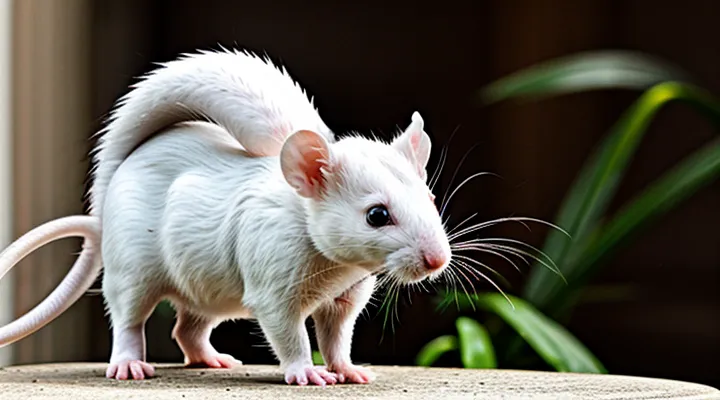
Why Naming Your White Rat is Important
Naming a white rat provides more than a simple label; it establishes a distinct identity that separates the animal from other rodents in a household or research setting. A unique name facilitates clear communication among caretakers, veterinarians, and observers, reducing ambiguity when discussing health issues, dietary needs, or behavioral observations.
- Distinguishes the individual in multi‑rat environments, preventing confusion in feeding and enrichment schedules.
- Strengthens the bond between caretaker and pet, encouraging consistent interaction and attentive care.
- Simplifies medical record‑keeping, allowing rapid retrieval of vaccination dates, allergies, or treatment histories.
- Enhances socialization, as a recognizable name promotes positive reinforcement during training and play.
- Cultivates a sense of responsibility, reinforcing the caretaker’s commitment to the animal’s well‑being.
«A name simplifies record‑keeping and emergency response», notes a veterinary specialist, emphasizing that precise identification can be critical in urgent situations. Implementing a thoughtful name therefore supports accurate documentation, improves daily management, and contributes directly to the overall health and happiness of the white rat.
Popular Naming Categories
Food-Inspired Names
Sweet Treats
Choosing a name for a white rat can draw on the appealing qualities of sweet treats. The following options align with the animal’s pale coat and gentle demeanor, offering memorable and endearing identifiers.
- «Marshmallow» – evokes softness and a light, fluffy appearance.
- «Sugar» – highlights a bright, sweet impression.
- «Coconut» – suggests a creamy hue and smooth texture.
- «Macaron» – combines elegance with a pastel palette.
- «Cupcake» – conveys a playful, compact charm.
- «Vanilla Bean» – reflects a classic, understated sweetness.
- «Candy Floss» – mirrors the airy, cloud‑like fur.
When selecting a name, consider the rat’s temperament. A calm animal may suit a subtle choice such as «Vanilla Bean», while an energetic individual could benefit from a lively label like «Cupcake». Consistency between visual traits and the connotations of the sweet‑treat reference strengthens the name’s relevance and appeal.
Savory Delights
Choosing a name for a white rat can benefit from the rich vocabulary of savory cuisine. Culinary terms convey taste, texture, and distinctiveness, qualities that translate into memorable animal names.
Savory-inspired names leverage familiar flavors while adding a playful twist. They suggest aromatic depth and stand out among generic pet monikers.
- «Saffron» – bright, aromatic spice associated with premium dishes.
- «Ginger Snap» – sharp, peppery note with a hint of sweetness.
- «Umami» – Japanese term for the fifth taste, implying richness.
- «Paprika» – smoky, vibrant flavor found in many hearty meals.
- «Cumin» – earthy, warm spice common in global kitchens.
- «Miso» – fermented bean paste offering deep, salty complexity.
- «Chorizo» – bold, spiced sausage evoking vigor.
- «Tarragon» – herb with subtle anise aroma, elegant and refined.
- «Roux» – foundational mixture used to thicken sauces, suggesting solidity.
- «Basilisk» – blend of basil herb and mythical allure, adding intrigue.
Each suggestion aligns with the goal of creating a distinctive, flavor‑themed identity for the white rodent.
Pop Culture References
Movie Characters
Choosing a name for a white laboratory rat can draw on memorable figures from cinema. Film protagonists often embody traits that align with a pet’s appearance, temperament, or the owner’s personal taste. Selecting a character name provides instant recognizability and a touch of narrative flair.
- « Snow White » – evokes purity and the classic fairy‑tale heroine.
- « Gandalf » – suggests wisdom and a distinguished presence.
- « Neo » – conveys a sleek, futuristic vibe.
- « Forrest » – reflects a gentle, unassuming nature.
- « Luna » – references the moonlit symbolism common in many movies.
- « Marty » – recalls the adventurous spirit of a beloved road‑trip hero.
- « E.T. » – hints at an otherworldly charm.
- « Mulan » – represents courage and resilience.
- « Yoda » – implies quiet intelligence.
- « Joker » – adds a mischievous edge.
Each suggestion aligns a cinematic identity with the rat’s distinctive coloration and character, enabling a concise, memorable designation.
Book Characters
Drawing names from literary figures offers a reliable source of distinction for a white laboratory rat. Recognizable characters provide instant familiarity, while their traits often echo the animal’s appearance or demeanor.
- « Snow White » – the titular heroine of a classic fairy tale; her pure complexion mirrors the rat’s coat.
- « Aslan » – the noble lion from a renowned fantasy series; conveys strength and dignity.
- « Bilbo » – the modest hobbit whose curiosity aligns with a pet’s exploratory nature.
- « Atticus » – the principled lawyer from a celebrated novel; suggests intelligence and integrity.
- « Sherlock » – the deductive detective known for keen observation, suitable for a perceptive rodent.
- « Aurora » – the sleeping princess whose name evokes a gentle, ethereal quality.
- « Pip » – the youthful protagonist of a coming‑of‑age story; fits a small, lively creature.
- « Gandalf » – the wise wizard often depicted in white robes; implies wisdom and calm authority.
These selections combine narrative prominence with attributes that complement the physical and behavioral characteristics of a white rat, ensuring a name that is both memorable and contextually appropriate.
Video Game Characters
When selecting a name for a white laboratory rodent, video game protagonists and supporting figures provide memorable, recognizable options that convey personality, agility, or iconic status.
- «Link» – evokes bravery and adventure, suitable for a curious rat.
- «Mario» – suggests resilience and a playful spirit.
- «Samus» – reflects stealth and technical expertise.
- «Kirby» – captures a light‑hearted, round appearance.
- «Cortana» – denotes intelligence and a sleek, white aesthetic.
- «Aloy» – represents determination and a futuristic edge.
- «Sora» – conveys freedom and a soaring presence.
- «Zelda» – implies regal poise and classic appeal.
- «Pikachu» – offers a bright, energetic vibe.
- «Lara» – references cunning and resourcefulness.
These selections draw directly from established gaming lore, ensuring instant recognition while matching the visual and behavioral traits of a white rat. The names balance familiarity with distinctiveness, facilitating easy recall in research records, pet‑care logs, or casual conversation.
Mythology and Folklore
Greek Mythology
Greek mythology supplies a rich repertoire of names that convey power, wisdom, and elegance, qualities that complement the striking appearance of a white rodent. Deities, heroes, and mythic creatures often embody attributes such as purity, speed, or cunning, making them suitable references for a pet that combines softness with quick movements.
- «Apollo» – god of light and harmony, reflecting the bright coat of the animal.
- «Athena» – goddess of wisdom, suitable for a curious and observant creature.
- «Hermes» – messenger known for swiftness, matching the rat’s rapid scurrying.
- «Eos» – personification of dawn, symbolizing the fresh, pale hue of the fur.
- «Artemis» – protector of wildlife, appropriate for a small, vigilant companion.
- «Helios» – personification of the sun, echoing the luminous coloration.
- «Selene» – goddess of the moon, resonating with nocturnal activity.
- «Hestia» – deity of hearth and home, suggesting a comforting presence.
- «Iris» – messenger of the rainbow, offering a subtle reference to the animal’s delicate shades.
- «Astraea» – embodiment of purity and innocence, aligning with the rat’s immaculate coat.
Each name draws directly from mythic narratives, providing a meaningful and memorable identifier for a white rat while maintaining a dignified and scholarly tone.
Roman Mythology
Roman mythology offers a rich pool of names appropriate for a white laboratory rat, combining brevity with cultural resonance. Deities, mythic heroes, and symbolic concepts provide options that reflect the animal’s pale hue and agile nature.
- «Silvanus» – god of forests and fields, associated with small creatures.
- «Faunus» – patron of shepherds and rural life, evokes gentle rustic charm.
- «Aurora» – goddess of dawn, signifying the light coloration.
- «Luna» – personification of the moon, reinforcing the animal’s pale appearance.
- «Juno» – queen of the gods, conveys dignity and authority.
- «Mercury» – messenger god, highlights quickness and curiosity.
- «Vesta» – goddess of the hearth, suggesting warmth and domesticity.
- «Ceres» – goddess of agriculture, linked to nourishment and growth.
- «Flora» – goddess of flowers, reflects softness and purity.
- «Janus» – two‑faced god of beginnings, suitable for a pet that marks a new chapter.
Selection criteria prioritize names that are short, easy to articulate, and directly connected to Roman mythological themes. Preference should be given to names that allude to light, agility, or guardianship, aligning the rat’s appearance with the symbolic attributes of the chosen deity.
Nordic Legends
Choosing a name for a white rat can draw on the rich tapestry of Norse mythology, where animals often embody the traits of gods, heroes, and legendary creatures. The pale coat of the rodent evokes the icy realms of Jotunheim, the luminous aura of the goddess Frigg, and the cunning spirit of the trickster Loki. Aligning the pet’s appearance with these motifs creates a memorable identity rooted in cultural heritage.
- « Frostbite » – evokes the freezing winds that sweep across Niflheim, suitable for a creature of snowy fur.
- « Mímir » – references the wise well‑guarded source of knowledge, reflecting the rat’s inquisitive nature.
- « Skadi » – named after the huntress of winter, ideal for a swift and agile animal.
- « Baldur » – honors the radiant deity associated with light, mirroring the rat’s bright coat.
- « Huginn » – one of Odin’s ravens, symbolizing thought and observation, fitting for a perceptive pet.
- « Norn » – draws from the trio of fate‑weavers, suggesting a destiny‑shaped companion.
- « Ullr » – the archer god linked to snow‑covered landscapes, apt for a precise and graceful rodent.
- « Yggdrasil » – the world‑tree that connects all realms, representing the rat’s role as a bridge between domestic life and mythic imagination.
Each name integrates a distinct element of Nordic legend, providing a culturally resonant option that complements the white rat’s distinctive appearance.
Nature-Inspired Names
Floral Names
Choosing a floral theme for a white rat leverages the gentle, delicate connotations of blossoms while matching the animal’s soft coloration. Floral names convey elegance, ease of pronunciation, and a pleasant association for caretakers and observers.
When selecting a name, prioritize brevity, clear vowel sounds, and distinct syllable patterns to avoid confusion during handling. Avoid overly complex or obscure flower titles that may hinder quick recognition.
- «Lily» – simple, bright, evokes purity.
- «Daisy» – cheerful, easy to call.
- «Rose» – classic, elegant.
- «Iris» – distinctive, melodic.
- «Jasmine» – aromatic, smooth.
- «Petal» – playful, directly references a flower part.
- «Orchid» – exotic, refined.
- «Tulip» – crisp, memorable.
- «Camellia» – graceful, gentle.
- «Hyacinth» – uncommon, refined.
These options align with the visual and behavioral traits of a white rat, providing a cohesive naming strategy rooted in floral inspiration.
Gemstone Names
Choosing a name for a white rat benefits from the clarity and elegance of gemstone terminology. Gemstones convey color, luster, and rarity, qualities that complement the pale coat of the animal.
Recommended gemstone-inspired names include:
- «Diamond» – evokes brilliance and purity.
- «Pearl» – reflects iridescent sheen.
- «Opal» – suggests subtle play of light.
- «Sapphire» – offers a cool, deep contrast.
- «Aquamarine» – hints at gentle blue‑green tones.
- «Moonstone» – captures a soft, luminescent glow.
- «Crystal» – conveys clarity and sparkle.
- «Topaz» – implies warm, golden highlights.
- «Jade» – provides a smooth, jade‑green impression.
- «Amethyst» – adds a regal, violet accent.
Each name aligns with the rat’s coloration while delivering a distinguished identity. Selecting a gemstone name ensures memorability and a refined association for the pet.
Celestial Bodies
Selecting a name for a white laboratory rat can benefit from the elegance of astronomical terminology. Celestial objects offer concise, memorable options that reflect brightness, purity, and universal appeal.
- Luna
- Sol
- Vega
- Orion
- Nova
- Sirius
- Helios
- Astra
- Selene
- Polaris
Names should be short, phonetic, and distinct to facilitate clear communication in research records. Preference for single‑word designations avoids ambiguity, while reference to stars, planets, and constellations reinforces the visual contrast between the rat’s coat and the luminous imagery.
Tips for Choosing the Perfect Name
Consider Personality Traits
When selecting a name for a white laboratory mouse, personality traits provide a reliable guide. Observe the animal’s behavior pattern—whether it shows boldness, timidity, curiosity, or playfulness—and match the name to that dominant characteristic. This approach creates a meaningful connection between the pet’s identity and its innate disposition.
Traits can be categorized and paired with suitable names:
- Boldness – « Blaze », « Rex », « Titan »
- Timidity – « Whisper », « Misty », « Shade »
- Curiosity – « Scout », « Quill », « Pip »
- Playfulness – « Jinx », « Bounce », « Zippy »
Applying this method ensures each name reflects a distinct aspect of the rat’s temperament, enhancing both owner engagement and the animal’s sense of individuality.
Test the Name Aloud
When selecting a name for a white laboratory rodent, verbalizing the choice reveals pronunciation issues that written evaluation may miss. Speaking the name out loud highlights awkward consonant clusters, unintended rhymes, or syllable stresses that could cause confusion during handling or record‑keeping.
Testing the name aloud involves three practical steps:
- Pronounce the proposed name several times in a calm voice, noting any stumbling points.
- Record the utterance with a smartphone or dictation device; replay to detect hidden irregularities.
- Compare the spoken form against common commands used in the facility to ensure clear distinction.
Names that flow naturally when spoken tend to be easier for staff to remember and for the animal to associate with positive reinforcement. For example, the name «Snowflake» rolls off the tongue without pause, whereas «Alabaster Whisper» requires a deliberate break after the first word, potentially leading to miscommunication.
If a name contains multiple syllables, emphasize the primary stress on the first or second syllable to maintain consistency with typical animal‑calling patterns. Checking the name in a noisy environment, such as near a ventilation system, confirms audibility under realistic conditions.
Finally, solicit feedback from colleagues by having each person pronounce the name. Consensus on clarity and ease of articulation strengthens the selection process and reduces the likelihood of future renaming.
Involve the Whole Family
Involving every household member when selecting a name for a white rat creates shared ownership and enhances the pet’s integration into daily life. Children contribute imagination, parents provide guidance, and siblings balance creativity with practicality.
Methods for collective naming
- Hold a brief meeting at dinner, allowing each participant to suggest up to three options.
- Use a simple voting system: assign points (three for top choice, two for second, one for third) and tally scores.
- Record suggestions on a visible board to keep ideas accessible throughout the week.
- Encourage discussion of name meanings, linking them to the rat’s appearance or personality traits.
Family‑friendly name categories
- Color‑based: «Snowflake», «Ivory», «Pearl», «Alabaster».
- Literary or mythic: «Gandalf», «Athena», «Frodo», «Luna».
- Playful: «Nibbles», «Whisker», «Pip», «Biscuit».
- Cultural: «Yuki» (Japanese for snow), «Blanc» (French for white), «Alma» (Spanish for soul).
By following a structured, inclusive process, the chosen name reflects the collective spirit of the home, fostering a lasting bond between the pet and each family member.
Unique and Unusual Names
Whimsical and Playful
Choosing a name for a white rat invites creativity that matches the animal’s bright coat and energetic demeanor. A whimsical and playful approach emphasizes light‑heartedness, memorable sound, and visual appeal, ensuring the name resonates with both owner and pet.
Suggested names include:
- «Snowball»
- «Puff»
- «Marshmallow»
- «Cotton»
- «Glitter»
- «Twinkle»
- «Bubbles»
- «Mischief»
- «Zigzag»
- «Sprout»
Each option blends a sense of fun with a nod to the rat’s snowy appearance, fostering an immediate connection while remaining easy to pronounce and recall. The collection offers a versatile toolkit for anyone seeking a distinctive, cheerful identifier for a white‑fur companion.
Elegant and Sophisticated
Elegant naming for a white rat emphasizes refinement, cultural resonance, and timeless appeal. Names should evoke aristocratic heritage, literary elegance, or sophisticated materials, reinforcing the animal’s pristine appearance.
Consider elements that convey grace: classic titles, celebrated authors, noble gemstones, and polished textures. Each component contributes to a perception of poise and distinction, aligning the pet’s visual purity with an equally polished identity.
- «Alphonse» – French aristocratic charm, smooth phonetics.
- «Cassandra» – Mythic elegance, dignified cadence.
- «Silvershadow» – Metallic sheen echoing the coat’s luminosity.
- «Evelyn» – Vintage refinement, understated grace.
- «Marquis» – Title of nobility, concise authority.
- «Lysandra» – Botanical reference, delicate yet strong.
- «Aurelia» – Golden connotation, luxurious resonance.
- «Celestia» – Celestial purity, ethereal sophistication.
Selection criteria focus on phonetic fluidity, brevity, and cultural familiarity. A name that rolls effortlessly off the tongue enhances communication, while a concise form suits everyday use. Aligning the chosen name with the rat’s dignified demeanor ensures consistency between appearance and identity.
Gender-Neutral Options
Choosing a name for a white rat without assigning gender requires focus on neutrality, brevity, and relevance to the animal’s appearance or traits.
Selection criteria include:
- Simple phonetics that avoid masculine or feminine endings.
- Absence of cultural gender markers.
- Connection to the rat’s coloration, behavior, or common themes such as light, snow, or curiosity.
Recommended gender‑neutral names:
- «Snow»
- «Nimbus»
- «Pixel»
- «Ash»
- «Echo»
- «Sable»
- «Orbit»
- «Quill»
- «Pip»
- «Mica»
Testing a name involves observing the rat’s response to vocalization and ensuring the name remains comfortable in everyday use. Consistency in pronunciation reinforces recognition and strengthens the bond between owner and pet.