
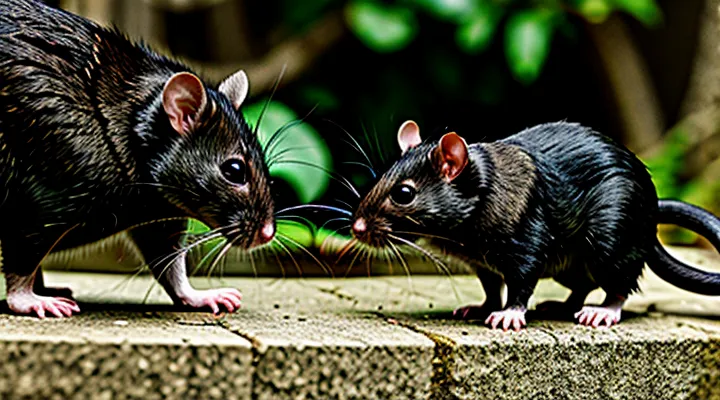
The Charm of Pet Rats: A Brief Overview
Pet rats captivate owners with high intelligence, strong social bonds, and adaptable temperaments. Their ability to learn tricks, solve puzzles, and respond to human interaction rivals that of more traditional companions. Small size and modest space requirements allow placement in apartments or homes without extensive modifications. Hygiene demands are minimal; regular cage cleaning and balanced nutrition keep health stable.
Key attributes that define their appeal include:
- Quick learning: rats memorize commands after a few repetitions.
- Affectionate behavior: they seek physical contact and enjoy being handled.
- Playful nature: active during dusk, they explore tunnels and chew toys.
- Low cost: food, bedding, and veterinary care remain affordable compared to larger pets.
Understanding these qualities assists prospective owners in evaluating whether a rat fits their lifestyle. The combination of mental agility and gentle disposition makes pet rats a distinctive choice for those seeking an engaging, low‑maintenance companion.
Choosing the Perfect Name for Your Female Rat
Personality-Inspired Names
Names for Playful and Energetic Rats
When choosing a name for a lively, spirited female rat, consider the qualities that define her personality: agility, curiosity, and exuberance. A name that reflects movement or bright energy helps reinforce the bond between owner and pet while highlighting the rat’s distinctive character.
A short, memorable name works well for quick commands and playful interaction. Names that evoke speed, brightness, or mischief suit an active rat and are easy for both the animal and its caretaker to recognize.
- Zephyr
- Turbo
- Spark
- Jinx
- Flicker
- Blitz
- Pippin
- Zippy
- Vivid
- Skitter
Each option combines brevity with an association to motion or vibrancy, making it ideal for a rat that never stays still.
Names for Calm and Cuddly Rats
Choosing a name for a gentle, affectionate female rat should reflect her serene demeanor and the closeness she offers. A suitable name balances softness with a hint of personality, making it easy to call and memorable for the owner.
Suggested names
- Luna – evokes calm night skies and quiet tranquility.
- Misty – suggests a soft, enveloping presence.
- Willow – conveys flexibility and a soothing rustle.
- Pearl – denotes smoothness and preciousness.
- Nora – short, gentle, and easy to pronounce.
- Coco – warm, comforting, and reminiscent of cozy textures.
- Sage – implies wisdom and a relaxed aura.
- Biscuit – sweet, mellow, and inviting.
- Olive – subtle, earthy, and calming.
- Daisy – bright yet gentle, fitting for a cuddly companion.
When selecting a name, prioritize clarity and brevity; short syllables are easier for rats to recognize. Consider the animal’s coat color, behavior patterns, and any unique traits to tailor the choice further. A name that aligns with the rat’s calm nature reinforces the bond and simplifies daily interaction.
Names for Curious and Clever Rats
Choosing a name for a curious, clever female rat involves reflecting her inquisitive nature and sharp intellect. Short, distinctive names help owners issue commands and reinforce positive behavior during training sessions. Names that evoke intelligence, exploration, or wit often resonate with owners who value these traits.
Consider names drawn from mythology, literature, or science that suggest cleverness:
- Athena – goddess of wisdom
- Minerva – Roman counterpart of Athena
- Tesla – inventor known for innovative thinking
- Curie – celebrated physicist and chemist
Names inspired by natural curiosity or discovery also fit well:
- Scout – explorer of hidden spaces
- Pixel – small detail that reveals a larger picture
- Nova – sudden burst of brilliance
- Quest – perpetual search for knowledge
For owners preferring softer, feminine tones while still highlighting intellect, options include:
- Luna – moonlight illuminating hidden paths
- Ivy – climbing plant that seeks upward growth
- Sage – plant symbolizing wisdom
- Pippa – playful twist on “pipsqueak,” indicating agility
When selecting a name, prioritize ease of pronunciation, clear syllable separation, and relevance to the rat’s personality. A well‑chosen name reinforces the bond between caretaker and pet, supporting training, enrichment, and social interaction.
Appearance-Inspired Names
Names Based on Fur Color
When selecting a name for a female rat, matching the name to the animal’s fur color creates a clear, memorable association.
- White or ivory coats: Snowflake, Pearl, Luna, Frost, Ivory, Marshmallow
- Light gray or silver fur: Ash, Mist, Sterling, Slate, Dove, Cloud
- Brown or tan coats: Hazel, Cocoa, Nutmeg, Tawny, Chestnut, Sable
- Dark gray or charcoal fur: Charcoal, Onyx, Shadow, Ember, Steel, Coal
- Black coats: Midnight, Ebony, Raven, Ink, Jet, Noir
- Red or orange fur: Rusty, Ginger, Ember, Scarlet, Cinnamon, Copper
Each name directly reflects the visual characteristic of the rat’s pelage, facilitating easy identification and reinforcing the animal’s unique appearance.
Names Based on Markings and Patterns
When a rat’s coat displays distinctive colors or patterns, those visual traits become a natural source for naming. Selecting a name that reflects the animal’s appearance creates an immediate association and can simplify identification within a group.
Common marking‑based categories include:
- Solid colors – names such as Onyx for black fur, Ivory for white, Saffron for golden tones.
- Spotted or speckled coats – options like Freckles, Patches, Mosaic.
- Striped or barred patterns – choices such as Zebra, Tiger, Stripe.
- Dappled or marbled fur – names like Marble, Pebble, Ash.
- Unique markings – examples include Star for a single bright spot, Clover for a four‑leaf pattern, Halo for a light ring around the head.
When choosing a marking‑based name, consider clarity, ease of pronunciation, and relevance to the specific trait. Avoid overly complex or ambiguous terms that could cause confusion during handling or record‑keeping.
Names derived from physical patterns provide a direct, memorable link between the rat’s appearance and its identity, supporting consistent communication among caretakers and enthusiasts.
Names Based on Size and Build
Choosing a name that reflects a rat’s physical characteristics creates an immediate, memorable association. Size and build are observable traits that can guide the selection of fitting, distinctive names for female rodents.
- Tiny, delicate: Pip, Nib, Pebble, Mite, Sprite
- Small, agile: Skitter, Quickstep, Flick, Whisk, Pippin
- Medium, balanced: Daisy, Willow, Luna, Hazel, Clover
- Large, graceful: Ember, Sable, Aurora, Bronte, Selene
- Sturdy, muscular: Tank, Grit, Boulder, Steel, Brutus
Each suggestion aligns with a specific body type, allowing owners to match the name to the rat’s appearance without ambiguity. The approach streamlines the naming process while reinforcing the animal’s unique physical identity.
Human-Inspired Names
Classic and Elegant Names
Selecting a classic and elegant name for a female rat adds distinction and reflects the pet’s refined character. Traditional choices draw from literature, mythology, and timeless human names, while elegant options emphasize grace and sophistication without sounding overly whimsical.
- Aurora
- Beatrice
- Celeste
- Daphne
- Eleanor
- Genevieve
- Isabella
- Juliette
- Lillian
- Ophelia
- Penelope
- Rosalind
- Seraphina
- Victoria
- Winifred
Each name conveys a sense of heritage and poise, suitable for a pet that exudes calm confidence. The list balances familiarity with a touch of aristocratic flair, offering owners a range of refined alternatives.
Modern and Trendy Names
Choosing a name for a female rat today often reflects contemporary culture, pop‑media influences, and a preference for short, memorable sounds. Modern owners tend to favor names that are sleek, playful, or reference current trends without sacrificing clarity.
Popular categories include:
- Tech‑inspired: Pixel, Byte, Luna, Nova
- Pop‑culture icons: Arya, Leia, Zelda, Sansa
- Fashion‑forward: Coco, Chanel, Dior, Vesper
- Nature‑derived: Willow, Ember, Ivy, Aurora
When selecting a name, consider phonetic simplicity; two‑syllable words are easier for the animal to recognize. Avoid overly complex spellings that could cause confusion during training. A name that ends with a vowel sound, such as “Mira” or “Luna,” often elicits a clearer response from the rat’s auditory perception.
Trendy naming also embraces gender‑neutral options that have gained popularity across species. Names like “Scout,” “Harper,” and “Quinn” are frequently chosen for their modern feel and versatility.
In practice, test a few candidates by calling the rat in a calm environment. Observe which name prompts the quickest approach or attention. This empirical approach ensures the chosen moniker aligns with the rat’s learning patterns while remaining stylish and current.
Unique and Uncommon Names
When selecting a name for a pet rat, originality often reflects the animal’s distinctive personality. Unique choices avoid confusion with common household pet names and can enhance the bond between owner and rodent.
Consider names derived from mythology, literature, or scientific terminology. Examples include:
- Astraea – a classical deity associated with justice and purity.
- Quark – a fundamental particle, suggesting small yet energetic.
- Nyx – the Greek personification of night, suitable for a dark‑fur rat.
- Mira – Latin for “wonderful,” conveying admiration.
- Thalia – one of the nine muses, evoking creativity.
Alternatively, explore unconventional linguistic sources. Borrow words from extinct languages, rare dialects, or ancient scripts:
- Eira – Welsh for “snow,” apt for a white‑coated rat.
- Zelph – a fabricated term with sharp consonants, memorable and distinct.
- Kiora – Hawaiian for “to shine,” reflecting a lively demeanor.
- Bryn – Welsh for “hill,” suggesting steadiness.
- Yara – Indigenous Brazilian term meaning “water lady,” fitting for a water‑loving pet.
If the rat possesses a particular trait, integrate that characteristic into the name. Traits such as agility, curiosity, or nocturnal habits inspire precise labels:
- Sprint – emphasizes speed.
- Pip – denotes small size and lively movement.
- Shade – references nocturnal activity.
Choosing an uncommon name requires balancing pronounceability with distinctiveness. Verify that the name is easy to articulate in daily interaction, and ensure it does not resemble commands or other pet names in the household. This approach guarantees clear communication and reinforces the animal’s unique identity.
Food-Inspired Names
Sweet Treat Names
When choosing a name for a female rat that evokes a sugary treat, focus on clarity, memorability, and a tone that reflects the pet’s personality. Sweet‑themed names work well because they are easy to pronounce and convey affection without ambiguity.
Consider the following options, grouped by flavor profile:
- Chocolate‑inspired: Cocoa, Mocha, Truffle, Fudge, Hershey
- Caramel‑type: Caramel, Toffee, Butterscotch, Dulce, Maple
- Fruit‑based: Berry, Cherry, Peach, Mango, Lemon‑Zest
- Bakery‑style: Muffin, Cookie, Cupcake, Brownie, Scone
- Candy‑type: Gummy, Lolly, Peppermint, Jellybean, Taffy
Each name stands alone as a distinct identifier, suitable for daily use and veterinary records. Selecting a confection‑related name aligns the pet’s identity with a pleasant, recognizable concept, facilitating clear communication among owners, caretakers, and professionals.
Fruity Names
Fruity names offer a clear, memorable option for female pet rodents. Their brevity, pleasant sound, and association with sweetness make them easy for owners to call and for the animal to recognize. Choose names that are distinct from everyday commands to avoid confusion.
- Apple
- Berry
- Cherry
- Clementine
- Date
- Fig
- Grape
- Kiwi
- Lemon
- Lime
- Mango
- Melon
- Peach
- Plum
- Raspberry
When selecting, verify that the name does not clash with common household commands. Opt for a single‑syllable or two‑syllable word to facilitate quick vocal cues. The chosen fruit name should reflect the rat’s personality or coloration, reinforcing the bond between owner and pet.
Savory Snack Names
Savory snack names provide a playful, memorable source for female rat monikers, blending culinary familiarity with pet personality. Selecting a food‑inspired name can highlight a rat’s taste for crunchy treats, reinforce a bond with the owner, and simplify recall during handling.
Examples of snack‑derived names suitable for female rats include:
- Cheddar Bite
- Pepper Jack
- Basil Crunch
- Garlic Knob
- Olive Twist
- Herb Crust
- Chili Flake
- Sesame Snap
- Curry Puff
- Paprika Pop
These options draw from distinct flavors and textures, offering a range of tones from gentle (Basil Crunch) to bold (Chili Flake). The list can be expanded by combining seasoning adjectives with short, sharp nouns, ensuring each name remains easy to pronounce and distinct within a multi‑rat household.
Pop Culture-Inspired Names
Names from Movies and TV Shows
Choosing a name for a female rat from film or television adds personality and recognizability. Below are options drawn from well‑known productions, each paired with its source for easy reference.
- Luna – Harry Potter series, the loyal owl companion of Hermione Granger.
- Molly – The Simpsons (Moe’s bartender), a friendly and resilient character.
- Nala – The Lion King (Disney), representing strength and grace.
- Scully – The X‑Files, a determined investigator with a sharp mind.
- Eleven – Stranger Things, a powerful and enigmatic figure.
- Daenerys – Game of Thrones, a leader who commands respect.
- Harley – Suicide Squad (film), a mischievous and bold anti‑heroine.
- Mabel – Gravity Falls, a cheerful and adventurous teen.
- Juno – Juno (film), a witty and independent young woman.
- Ripley – Alien series, a resourceful survivor in hostile environments.
Each name conveys a distinct character trait that can reflect the rat’s temperament, while the cultural reference provides an immediate connection for fans of the respective media. Selecting from this list ensures the name is both memorable and contextually meaningful.
Names from Books and Video Games
Literary and gaming sources provide memorable, character‑rich options for naming a female rat. Drawing from well‑known works ensures the name carries recognizable traits and can spark conversation among readers or players.
- Ada – from Ada Lovelace (historical figure featured in many novels)
- Arwen – The Lord of the Rings (elf queen, elegant and brave)
- Beatrice – Divine Comedy (guided Dante through the afterlife)
- Calypso – The Odyssey (nymph who detained Odysseus)
- Ciri – The Witcher series (skilled swordswoman, resilient)
- Ellen – The Last of Us (survivor’s companion, resourceful)
- Fiona – Shrek franchise (strong, independent princess)
- Lara – Tomb Raider (adventurous archaeologist)
- Morrigan – Dragon Age (sorceress with sharp wit)
- Nimue – Arthurian legends (Lady of the Lake, mystical)
- Raven – The Raven by Edgar Allan Poe (symbolic, mysterious)
- Sakura – Naruto series (gentle yet capable ninja)
- Triss – The Witcher series (healer, loyal)
- Yuna – Final Fantasy X (summoner, compassionate)
These selections illustrate how characters from classic literature, fantasy epics, and popular video games can inspire distinctive, meaningful names for a female rat, combining cultural resonance with personality cues.
Names of Famous Fictional Characters
Choosing a name from well‑known fictional personalities gives a rat a memorable identity and connects the pet to cultural references. The approach works for female rodents because many iconic characters possess traits that suit a small, clever animal.
Consider the following selections, each linked to a recognizable work of fiction:
- Artemis – Greek myth heroine, featured in Percy Jackson; conveys independence.
- Luna – central figure in Harry Potter; suggests curiosity and calm.
- Ripley – protagonist of Alien; implies resilience.
- Hermione – scholar from Harry Potter; denotes intelligence.
- Molly – beloved mother in The Lord of the Rings; evokes warmth.
- Katniss – lead of The Hunger Games; reflects resourcefulness.
- Ygritte – fire‑spirit in Game of Thrones; suggests boldness.
- Eowyn – warrior in The Lord of the Rings; signals bravery.
- Juno – heroine of Juno; conveys wit.
- Mabel – quirky friend in Gravity Falls; adds playfulness.
These examples illustrate how literary and cinematic figures can inspire distinctive, character‑rich names for female rats, enriching the pet‑owner’s experience without resorting to generic terms.
Mythological and Legendary Names
Names of Goddesses and Heroines
Choosing a name drawn from mythic goddesses or celebrated heroines gives a female rat a distinctive identity and a touch of cultural resonance. Such names are easy to recall, often short enough for everyday use, and can reflect traits owners admire in their pet.
- Athena – Greek goddess of wisdom and strategic warfare.
- Freya – Norse deity associated with love, beauty, and fertility.
- Artemis – Greek huntress, protector of wildlife.
- Ishtar – Mesopotamian goddess of love and war.
- Morrigan – Celtic figure linked to fate and sovereignty.
- Brigid – Irish goddess of poetry, healing, and smithcraft.
- Hera – Greek queen of the gods, symbol of authority.
- Guinevere – Legendary queen of Camelot, emblem of loyalty.
- Mulan – Chinese heroine celebrated for bravery and filial duty.
- Joan – Reference to Joan of Arc, embodiment of courage and conviction.
When selecting a name, prioritize brevity, clear vowel–consonant patterns, and a sound that matches the rat’s demeanor. A name that aligns with the animal’s personality—curious, bold, or gentle—reinforces the bond between owner and pet.
Names of Mythical Creatures
Choosing a name for a female rat that conveys imagination and character can draw from the rich catalog of mythic beings. Mythical creature names offer distinct sound patterns, cultural resonance, and an aura of mystery that suits a small, clever pet.
- Luna – derived from the Roman moon goddess, evokes nocturnal activity.
- Sylph – a wind spirit in European folklore, suggests agility and lightness.
- Nixie – a water sprite from Germanic tales, reflects playfulness.
- Kitsune – the Japanese fox spirit, known for cleverness and shapeshifting.
- Banshee – an Irish omen, conveys a sharp, distinctive presence.
- Aine – an Irish goddess of summer and love, suitable for a warm‑tempered rat.
- Gorgon – a creature from Greek myth, implies a bold, striking personality.
- Morrigan – Celtic war goddess, appropriate for a fierce, protective pet.
- Selkie – a seal‑to‑human shapeshifter from Scottish legend, hints at adaptability.
- Yara – a Brazilian river spirit, offers an exotic, melodic tone.
Each name pairs a mythic origin with qualities that align with typical rat behavior: curiosity, speed, and sociability. Selecting from this list provides a memorable, culturally rich identifier for any female rodent companion.
Nature-Inspired Names
Names of Flowers and Plants
Flower and plant names provide a natural, melodic quality that suits female rats, whose small size and lively temperament often inspire gentle, elegant monikers. Botanical terms are easy to pronounce, memorable, and evoke visual or aromatic associations that can enhance the bond between owner and pet.
Common garden blooms translate well to pet names:
- Daisy
- Lily
- Violet
- Poppy
- Marigold
- Azalea
- Hyacinth
- Orchid
Shrubs and foliage offer additional options with distinct character:
- Fern
- Willow
- Sage
- Ivy
- Cedar
- Juniper
- Laurel
- Basil
When selecting a botanical name, consider the plant’s typical color, scent, or growth habit to reflect the rat’s appearance or personality. A pale‑colored rat may suit “Snowdrop,” while a particularly curious individual could be called “Mimosa.” The direct connection between the name’s natural origin and the animal’s traits creates a coherent, appealing identity for a female rat.
Names of Gems and Minerals
Gem-inspired names offer distinct, memorable options for female rodents, drawing on the vivid qualities of minerals and gemstones. Each name conveys a specific visual or symbolic attribute that can reflect a rat’s coat color, temperament, or personality, while remaining easy to pronounce and recognize.
Common criteria for selecting such names include:
- Alignment with the animal’s appearance (e.g., “Sapphire” for a deep‑blue sheen).
- Association with hardness or rarity, suggesting resilience or uniqueness (e.g., “Onyx” for a sleek black coat).
- Simplicity for daily use and training (single‑word names, no hyphens).
Suggested gemstone and mineral names suitable for female rats:
- Amber
- Beryl
- Citrine
- Emerald
- Garnet
- Jade
- Lapis
- Malachite
- Opal
- Pearl
- Quartz
- Ruby
- Sapphire
- Topaz
- Turquoise
- Zircon
These selections provide a range of colors and connotations, enabling owners to match a name precisely to the individual characteristics of their pet.
Names of Celestial Bodies
Astronomical nomenclature supplies a distinctive pool of options for naming female rodents, combining elegance with memorable sound. Celestial designations convey traits such as brilliance, mystery, and resilience, qualities often attributed to pet rats.
- Planets and dwarf planets: Luna, Ceres, Europa, Gaia, Juno, Vesta, Sedna
- Moons: Titania, Callisto, Rhea, Io, Oberon, Amalthea, Enceladus
- Stars and stellar objects: Vega, Sirius, Altair, Antares, Lyra, Nova, Aurora
- Constellations and mythic clusters: Lyra, Andromeda, Cassiopeia, Perseus, Orion, Draco, Ursa
Each name retains its astronomical origin while offering a succinct, pronounceable label suitable for a pet rat. The selection spans familiar Solar System bodies and more exotic objects, ensuring a broad spectrum of character and appeal.
Tips for Naming Your Female Rat
Consider Sound and Flow
When choosing a name for a female rat, the auditory quality of the word shapes how easily the name is spoken, remembered, and recognized by both humans and the animal.
A name that flows smoothly typically meets several phonetic criteria:
- Balanced vowel‑consonant ratio – alternating sounds prevent harsh clusters that can be difficult to articulate.
- Limited syllable count – two to three syllables allow rapid pronunciation without truncation.
- Soft initial consonants – sounds such as “m,” “l,” or “s” start the name gently, reducing startle potential.
- Consistent stress pattern – placing emphasis on the first syllable creates a predictable rhythm that reinforces memory.
Applying these guidelines yields names that glide off the tongue, such as “Mira,” “Luna,” “Sable,” or “Pippa.” Each example follows the outlined structure, offering a clear, melodic profile that supports frequent use in everyday handling and training.
Keep it Short and Sweet
Choosing a name for a female rat should balance brevity with charm. Short, two‑syllable options are easy for the animal to recognize and for owners to recall. Below are concise suggestions grouped by theme.
- Classic: Bella, Luna, Nia, Zara
- Nature‑inspired: Ivy, Fern, Willow, Pebble
- Playful: Pixie, Miso, Noodle, Pippa
- Mythic: Hera, Nyx, Juno, Frey
Each entry contains no more than two syllables and avoids complex spelling, facilitating clear communication during care and training.
Involve the Whole Family
Choosing a name for a pet rat can become a shared activity that strengthens family bonds. Involving each member from the outset ensures the chosen name reflects the group’s preferences and creates a sense of ownership. Begin with a brief discussion where everyone suggests characteristics they associate with the animal—color, temperament, or favorite fictional characters. Record each proposal without editing to capture the full range of ideas.
After gathering suggestions, narrow the list through a simple voting process. Each participant rates the options on a scale of one to three, then the highest‑scoring names advance to a final round. This method keeps the procedure transparent and equitable, while also teaching basic decision‑making skills.
Practical ways to include all ages:
- Ask children to draw pictures of the rat and write a name underneath; use the drawings as visual prompts.
- Let teenagers research popular names for small mammals online and present their findings.
- Assign a parent the role of moderating the discussion, ensuring everyone speaks in turn.
- Celebrate the selected name with a short ceremony, such as placing a name tag on the cage or sharing a photo on a family group chat.
Test it Out
Choosing a name for a female rat requires a practical trial to confirm suitability. Conducting a short‑term test reveals how the name sounds during daily interaction, how it appears on identification tags, and whether it causes confusion with other pets.
Testing procedure
- Assign the candidate name to the rat for a period of three to five days.
- Record vocalizations and reactions each time the name is spoken.
- Observe whether the rat responds consistently or appears indifferent.
- Note any misinterpretation by visitors or household members.
Evaluation criteria
- Audibility: the name should be clear at typical speaking volume.
- Distinctiveness: it must differ from common commands and other pet names.
- Simplicity: spelling and pronunciation should be straightforward for all caretakers.
- Personality match: the name ought to reflect observable traits such as curiosity or calmness.
Implementation tips
- Use a notebook or digital log to capture response times and behavioral cues.
- Rotate the name with a control name (e.g., “Test”) to compare reaction strength.
- Adjust volume and tone during trials to assess flexibility across different speaking styles.
A concise, repeatable test confirms that the selected name functions effectively in everyday care, ensuring reliable communication and accurate record‑keeping.
The Joy of Naming Your New Companion
Naming a newly adopted female rat transforms a simple caretaking routine into a personal celebration. The act of selecting a name creates an immediate bond, reinforcing the animal’s status as a distinct individual rather than a generic pet. This recognition fosters attentive care, encourages consistent interaction, and supports the rat’s social development.
A well‑chosen name reflects personality traits, physical characteristics, or the owner’s interests. Short, clear phonetics aid in training and recall; two‑syllable options often balance uniqueness with ease of pronunciation. Consistency across family members ensures the rat responds reliably to verbal cues.
Suggested names include:
- Luna
- Willow
- Nixie
- Ember
- Pippa
- Sable
- Juniper
- Tilly
- Zara
- Miso
When finalizing a name, consider the rat’s temperament and any thematic preferences that align with the broader context of female rodent naming. A thoughtful choice enhances daily interaction, enriches the pet’s identity, and adds lasting enjoyment to the companionship.