
Introduction
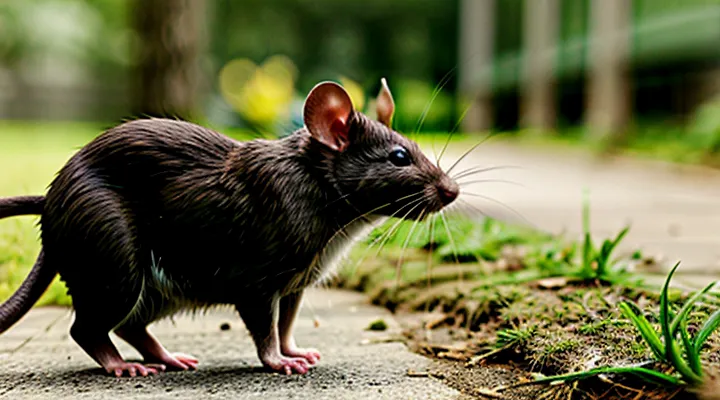
The Fascination with Rat Communication
Rats produce a complex repertoire of ultrasonic vocalizations that convey emotional state, social intent, and environmental information. Researchers have identified distinct call types—such as 22‑kHz distress calls and 50‑kHz contact calls—each linked to specific behavioral contexts. The precision of these acoustic signals, combined with the species’ highly developed olfactory and tactile communication, fuels scientific curiosity and public intrigue.
Interest in rat communication stems from several factors:
- Neurobiological relevance: Rat vocalizations share neural pathways with human speech centers, offering a model for studying language evolution and disorders.
- Behavioral insight: Patterns of call frequency, duration, and amplitude reveal hierarchy, mating readiness, and predator avoidance strategies.
- Technological application: Advances in ultrasonic recording devices enable real‑time monitoring of colony health, stress levels, and welfare in laboratory settings.
- Cross‑species comparison: Similarities between rat and other mammalian communication systems support broader theories of social cognition.
Experimental protocols typically involve high‑frequency microphones, spectrographic analysis, and controlled behavioral assays. Data show that rats adjust call structure in response to social isolation, novelty, and resource competition, indicating adaptive flexibility rather than fixed reflexes.
The fascination persists because rat vocal behavior bridges fundamental neuroscience with observable social dynamics, providing a tangible window into the mechanisms underlying animal communication and, by extension, human linguistic development.
Why Debunk Myths Matter
Understanding the true behavior and communication of rats requires separating fact from fiction. Myths about these animals often stem from anecdotal reports, cultural stereotypes, or sensational media coverage. When unexamined, such misconceptions shape public attitudes, influence research priorities, and affect policies related to pest management, animal welfare, and disease control.
Reasons for actively debunking false narratives include:
- Accurate risk assessment – Clarifying which vocalizations signal distress, aggression, or social bonding prevents misinterpretation that could lead to unnecessary fear or neglect.
- Informed policy development – Regulations governing urban rodent control, laboratory use, and wildlife conservation depend on reliable data about rat communication and social structure.
- Improved scientific methodology – Eliminating myth-driven assumptions allows researchers to design experiments that target genuine behavioral cues, enhancing reproducibility and validity.
- Public education – Providing factual information reduces stigma, promotes coexistence, and encourages responsible handling of rats in both domestic and community settings.
- Ethical considerations – Recognizing the complexity of rat social interactions supports humane treatment standards and aligns animal welfare practices with evidence-based insights.
By confronting and correcting erroneous beliefs, stakeholders gain a clearer picture of rat ecology, which in turn supports effective management strategies, advances biomedical research, and fosters a more rational public discourse.
Common Misconceptions About Rat Communication
«Rats Can’t Communicate Effectively»
Vocalizations Are Random Noise
Rats emit a wide range of sounds, but most of these emissions lack structured patterns that would qualify as language. Acoustic recordings show frequencies spanning 5–70 kHz with durations from a few milliseconds to several seconds, yet spectral analyses reveal no consistent syntax or repeated phraseology.
- Ultrasonic squeaks appear during brief encounters with predators, lacking predictable intervals.
- Low‑frequency chirps accompany grooming, varying in amplitude without repeatable rhythm.
- Vocal bursts during play are irregular in timing, showing no fixed order of elements.
Neurophysiological studies indicate that the rat auditory cortex responds to these sounds as discrete stimuli rather than as components of a communicative system. Brain‑stem reflexes trigger vocal output in response to immediate physiological states, such as stress or excitement, producing sounds that reflect internal arousal rather than intentional messaging.
Behavioral experiments confirm that conspecifics react to the presence of any sound, regardless of its acoustic structure. Rats approach, retreat, or freeze based on contextual cues, not on decoding a semantic code embedded in the vocalizations. Consequently, the perception of rat vocalizations as a meaningful dialogue is unsupported by empirical evidence; the sounds function primarily as random acoustic byproducts of physiological processes.
Body Language Is Unimportant
Rats convey information through a complex system of movements, postures, and facial expressions. Researchers have recorded whisker orientation, ear position, and tail posture as reliable indicators of emotional state and intent. When a rat lifts its forepaws and arches its back, it signals aggression; a lowered head and relaxed whiskers denote calmness. These cues are detectable by conspecifics and influence group dynamics.
Experimental observations confirm that visual signals complement vocalizations. In maze trials, rats that displayed a forward‑leaning stance approached food more quickly than those that remained still, demonstrating that body cues affect decision‑making. Electromyographic data reveal coordinated muscle activity during social grooming, reinforcing the role of physical signals in bonding.
Key body‑language elements identified in recent studies:
- Whisker positioning – forward whiskers indicate curiosity; backward whiskers suggest fear.
- Ear orientation – ears flattened against the head signal threat; ears erect signal alertness.
- Tail movement – rapid tail flicks accompany agitation; a steady tail reflects confidence.
- Body posture – crouching denotes submission; upright stance conveys dominance.
The evidence disproves the notion that visual gestures are irrelevant. Rat communication relies on an integrated network of acoustic and somatic signals, each contributing to accurate interpretation of social context. Ignoring body language leads to incomplete assessments of rat behavior and misinforms both scientific inquiry and pest‑management practices.
«Rats Only Make Squeaking Noises»
High-Frequency Sounds Are Undetectable
Rats communicate primarily through ultrasonic vocalizations that exceed the human auditory threshold. Human ears detect frequencies up to roughly 20 kHz, while laboratory rats routinely emit sounds between 40 kHz and 100 kHz. Consequently, most rat vocal activity remains invisible to unaided listeners.
Detection of these high‑frequency signals requires specialized equipment. Researchers employ ultrasonic microphones calibrated for frequencies above 20 kHz, paired with digital recorders that sample at rates of 250 kHz or higher. Spectrographic software converts the recordings into visual representations, allowing precise analysis of pitch, duration, and modulation patterns.
Experimental findings show that ultrasonic calls serve distinct social functions. Short, high‑pitch bursts correspond to alarm situations, whereas longer, modulated sequences accompany mating rituals and hierarchical negotiations. Because predators such as cats lack sensitivity in the ultrasonic range, rats can exchange information without attracting unwanted attention.
Practical applications of this knowledge include:
- Designing rodent‑proof environments that disrupt ultrasonic communication, reducing infestation risk.
- Developing non‑invasive monitoring systems for laboratory colonies, improving welfare assessments.
- Informing pest‑control strategies that exploit the inaudibility of rat calls to avoid human disturbance.
Understanding that high‑frequency sounds escape human perception clarifies many misconceptions about rat behavior and underscores the need for appropriate acoustic tools in both research and management contexts.
Limited Vocal Repertoire
Rats communicate primarily through ultrasonic sounds that humans cannot hear without specialized equipment. These vocalizations fall into a narrow frequency range, typically between 20 and 80 kHz, and serve distinct functions such as alerting conspecifics to danger, signaling distress, or coordinating social interactions. The repertoire does not include complex melodic sequences; instead, each call type conveys a specific message.
Key acoustic categories:
- Alarm calls: brief, high‑frequency bursts emitted when a predator is detected; they prompt immediate flight responses in nearby rats.
- Distress squeaks: longer, lower‑frequency tones produced during pain or confinement; they attract attention from caretakers or pack members.
- Contact chirps: soft, repetitive pulses used during grooming or nest building to maintain group cohesion.
Research using high‑speed microphones and spectrographic analysis confirms that rats lack the ability to produce varied tonal patterns comparable to songbirds or mammals with extensive vocal learning. Their limited vocal set is supplemented by tactile signals, scent marking, and body language, which together form a comprehensive communication system.
Understanding this constrained vocal capacity dispels the myth that rats engage in elaborate speech-like exchanges. Empirical data demonstrate that rat vocal output is efficient, purpose‑driven, and tightly linked to survival behaviors.
The Reality of Rat Communication
Complex Vocalizations
Ultrasonic Vocalizations (USVs)
Ultrasonic vocalizations (USVs) are high‑frequency sounds emitted by rats, typically ranging from 20 to 100 kHz, beyond human hearing. These emissions serve as the primary acoustic channel for social interaction, distress signaling, and environmental exploration. Researchers record USVs with specialized microphones and analyze frequency, duration, and pattern to infer behavioral states.
Key characteristics of rat USVs include:
- Frequency bands: “22‑kHz” calls associate with aversive contexts; “50‑kHz” calls correspond to positive or exploratory situations.
- Temporal structure: Call bouts can last from a few milliseconds to several seconds, often grouped in sequences that reflect the intensity of the stimulus.
- Modulation patterns: Frequency sweeps, jumps, and trill-like modulations convey nuanced information about the emitter’s internal state.
Experimental evidence demonstrates that USVs convey specific messages rather than generic noise. Playback experiments reveal that naïve rats adjust their behavior when exposed to recorded calls, approaching “50‑kHz” sequences and avoiding “22‑kHz” ones. Pharmacological manipulation of dopaminergic pathways alters the production of “50‑kHz” calls, linking these vocalizations to reward processing.
Misconceptions persist that rats communicate solely through scent or tactile cues. Acoustic data disproves this view, showing that USVs provide rapid, long‑range signals essential for colony coordination. The integration of ultrasonic monitoring into behavioral protocols enhances the accuracy of welfare assessments and neurobiological investigations.
Joy and Anticipation Signals
Rats emit ultrasonic vocalizations that correlate with positive emotional states, notably joy and anticipation. Researchers record these calls in frequencies ranging from 50 kHz to 80 kHz, often during play, food discovery, or after successful navigation of a maze. The acoustic structure—short bursts, harmonic richness, and consistent amplitude—differs markedly from distress calls, which occupy lower frequencies and exhibit irregular patterns.
Key characteristics of joyful and anticipatory signals:
- Frequency band: 60–80 kHz, peak around 70 kHz.
- Temporal pattern: series of 10–30 ms pulses, repeated at intervals of 100–300 ms.
- Amplitude modulation: steady, without sudden drops typical of alarm vocalizations.
- Contextual triggers: social interaction, novel enrichment objects, imminent reward delivery.
Experimental evidence shows that these vocalizations influence conspecific behavior. Playback of joyful calls increases approach behavior and accelerates exploration in naïve rats, indicating a communicative function that prepares group members for rewarding events. Conversely, suppression of such calls via pharmacological blockade reduces social cohesion, confirming their role in positive affect transmission.
Distress and Warning Calls
Rats emit a distinct set of vocalizations when they encounter threats, commonly classified as distress and warning calls. These sounds are produced in the ultrasonic range, typically between 20 and 80 kHz, and are inaudible to humans without specialized equipment. Distress calls arise when an individual experiences pain or is captured, featuring a rapid, high‑amplitude burst that can last several hundred milliseconds. Warning calls are emitted by a rat that has detected a predator or an imminent danger, consisting of shorter, repetitive chirps that propagate to nearby conspecifics.
- Acoustic profile: Distress vocalizations show a broader frequency spectrum and higher peak intensity than warning calls, which concentrate around a narrower frequency band and exhibit a more regular temporal pattern.
- Behavioral context: Distress calls are associated with self‑injury, restraint, or exposure to electric shock. Warning calls occur during predator exposure, sudden loud noises, or when a rat observes a conspecific in distress.
- Social function: Playback experiments demonstrate that warning calls trigger immediate freezing or escape behavior in listeners, whereas distress calls elicit investigative approaches, suggesting a nuanced communication system that balances self‑preservation with group alertness.
- Physiological correlates: Elevated corticosterone levels accompany both call types, indicating activation of the hypothalamic‑pituitary‑adrenal axis, but the magnitude of hormonal response is higher during distress vocalizations.
Field and laboratory studies confirm that rats can discriminate between call variants and adjust their response accordingly. Neurophysiological recordings reveal that the auditory cortex contains neurons tuned specifically to the temporal structure of warning chirps, enabling rapid detection of danger signals. Moreover, rats exposed repeatedly to predator cues develop heightened sensitivity to warning calls, reflecting a form of auditory learning.
Understanding these vocalizations clarifies misconceptions about rodent communication and underscores the complexity of their acoustic repertoire. The evidence positions distress and warning calls as critical components of rat social behavior, providing reliable indicators of threat that facilitate coordinated defensive actions within colonies.
Audible Sounds and Their Context
Rats produce a diverse repertoire of audible vocalizations that convey specific information about their environment and social status. These sounds fall within the 0.5–10 kHz range, making them detectable by human ears and standard recording equipment.
- Squeaks (≈ 4–6 kHz): Emitted during brief encounters with predators or unfamiliar objects; intensity rises with perceived threat level.
- Chirps (≈ 2–4 kHz): Associated with exploratory behavior; frequency increases when a rat discovers food or navigates a novel maze.
- Growls (≈ 1–3 kHz): Occur in aggressive encounters, particularly between dominant and subordinate individuals; duration correlates with the escalation of the dispute.
- Purrs (≈ 0.5–2 kHz): Observed during grooming and close contact with littermates or a mate; rhythm matches the pattern of tactile stimulation.
Context determines the acoustic structure. For example, a high‑pitch squeak delivered at a rapid rate signals immediate danger, whereas a low‑frequency growl sustained over several seconds indicates a prolonged challenge. During mating, males produce a series of soft chirps interspersed with low‑frequency clicks, a pattern that stimulates female receptivity.
Laboratory studies using calibrated microphones have quantified these relationships, revealing that amplitude, frequency modulation, and temporal patterning serve as reliable predictors of the underlying behavioral state. Consequently, systematic analysis of rat vocal output provides a direct window into their emotional and motivational condition, dispelling long‑standing misconceptions that rodents communicate solely through ultrasonic means.
Chattering
Rats produce a rapid series of high‑frequency sounds commonly called chattering. The vocalizations arise from the larynx and can reach 50 kHz, a range beyond human hearing. When a rat emits a chattering sequence, the waveform shows brief, repetitive bursts lasting 10–30 ms each, separated by silent intervals of similar length.
Scientific observations link chattering to specific behavioral states:
- Exploratory encounters – rats emit chattering while investigating novel objects or environments, indicating heightened arousal.
- Social interaction – during encounters with conspecifics, chattering accompanies sniffing and grooming, serving as a contact signal.
- Stress response – acute stressors, such as predator cues, trigger an increase in chattering rate, suggesting a function in alerting nearby individuals.
Popular belief conflates chattering with aggressive squeals. Acoustic analysis disproves this conflation: aggressive calls display lower frequencies (5–10 kHz) and longer durations, whereas chattering maintains a narrow high‑frequency band and rapid repetition. Consequently, the myth that rats “talk” in a human‑like manner is unsupported; their communication relies on precise acoustic patterns rather than semantic content.
Laboratory recordings demonstrate that chattering intensity correlates with dopamine release in the nucleus accumbens, implicating reward circuitry in its production. Field studies using ultrasonic microphones confirm that chattering propagates effectively through dense litter, reaching conspecifics up to 1 m away.
In summary, chattering functions as an ultrasonic alarm and social cue, distinct from other rat vocalizations. Its acoustic signature, behavioral triggers, and neurophysiological correlates provide a clear picture that separates fact from folklore.
Bruxing
Rats produce a distinctive grinding sound by rapidly moving the mandible against the incisors, a behavior known as bruxing. The action generates audible vibrations that many observers mistake for vocal communication. High‑speed video and acoustic recordings confirm that the sound originates from tooth contact rather than airflow through the vocal tract.
Researchers have identified three primary triggers for bruxing: dental discomfort, heightened arousal, and social signaling. Dental discomfort arises when incisors become overgrown or misaligned, prompting the animal to wear down the teeth. Heightened arousal, such as exposure to novel environments or predator cues, induces a stress‑related increase in grinding frequency. Social signaling occurs when a rat encounters conspecifics; the grinding can serve as a low‑frequency cue that conveys agitation or dominance without relying on vocal cords.
Quantitative studies report bruxing rates of 5–12 Hz during stress episodes, compared with 1–3 Hz during routine grooming. The acoustic signature occupies the 3–6 kHz band, overlapping with ultrasonic vocalizations but distinguishable by waveform morphology. Electromyographic data show coordinated activation of masseter muscles, confirming a mechanical origin.
Key observations:
- Bruxing is a dental‑maintenance behavior that doubles as a stress indicator.
- The sound is produced by tooth‑to‑tooth contact, not by vocal fold vibration.
- Frequency and intensity increase with environmental stressors and social encounters.
- Acoustic analysis differentiates bruxing from true ultrasonic vocalizations, aiding accurate behavioral interpretation.
Sophisticated Body Language
Tail Positions and Movements
Rats use their tails as a primary visual signal in social interactions and environmental assessment. The tail’s orientation, curvature, and speed of movement convey distinct messages to conspecifics and to observers.
- Upright, extended tail – indicates heightened alertness or readiness to confront a potential threat.
- Curved upward (forming a shallow arch) – signals confidence and dominance, often displayed during territorial displays.
- Flattened against the body – reflects submission or fear, commonly seen when a rat retreats from an aggressive counterpart.
- Low, drooping tail – denotes relaxation or contentment, typical during grooming or resting periods.
Tail movements add nuance to these static positions.
- Rapid side‑to‑side flicking – serves as a warning sign, prompting nearby rats to maintain distance.
- Slow, rhythmic wagging – accompanies exploratory behavior, indicating curiosity without aggression.
- Sharp, brief thumps against the ground – function as alarm calls, alerting the colony to sudden disturbances.
- Vibrational shaking while stationary – accompanies vocalizations during mating rituals, enhancing signal reach.
Understanding these visual cues refines interpretations of rat communication, separating mythic exaggerations from observable behavioral evidence.
Dominance and Submission
Rats organize social interactions through a clear hierarchy that relies on observable signals of dominance and submission. Dominant individuals assert control by exhibiting elevated posture, rapid tail flicks, and sustained vocalizations such as low‑frequency squeaks. Subordinate rats respond with crouched stances, reduced movement, and high‑frequency chirps that signal deference.
Physical encounters reinforce rank. When two rats meet, the one that initiates direct nose‑to‑nose contact and maintains a forward stance typically gains priority access to resources. The opponent retreats, lowers its body, and may emit brief ultrasonic calls that accompany the withdrawal. These gestures prevent prolonged aggression and stabilize group order.
Chemical cues complement visual and auditory signals. Dominant rats deposit higher concentrations of pheromonal markers in shared nesting material, while subordinates display reduced scent signatures. The disparity in odor intensity guides individuals toward appropriate social positions without direct confrontation.
Key behaviors that differentiate status:
- Elevated posture and forward orientation – dominance
- Tail flicking and low‑frequency squeaks – dominance
- Crouching, rear‑foot walking, and high‑frequency chirps – submission
- Increased pheromone deposition – dominance
- Minimal scent marking – submission
Understanding these mechanisms dispels myths that rat communication is random or solely vocal. The structured pattern of dominance and submission provides a predictable framework for group cohesion and resource allocation.
Fear and Aggression
Rats communicate fear and aggression through distinct vocal patterns that differ from the sounds commonly attributed to them in popular culture. When a rat perceives a threat, it emits low‑frequency ultrasonic calls around 22 kHz. These calls are inaudible to humans without equipment but serve as alarm signals for nearby conspecifics, prompting avoidance or defensive behavior. The same frequency range intensifies during direct confrontations, often accompanied by teeth chattering and rapid tail flicks, indicating heightened aggression.
In aggressive encounters, rats produce a combination of:
- 22 kHz ultrasonic vocalizations (USVs) signaling distress or threat
- Audible squeaks and growls that increase in amplitude as the encounter escalates
- Rapid, high‑pitched chirps when a dominant individual asserts control
These acoustic cues synchronize group responses, allowing subordinate rats to recognize a dominant challenger and adjust their behavior accordingly.
Conversely, rats express positive affect with high‑frequency USVs near 50 kHz, a pattern absent during fearful or hostile situations. The clear separation between 22 kHz and 50 kHz emissions provides a reliable metric for researchers to quantify emotional states without interpreting ambiguous body language.
Empirical studies using spectrographic analysis confirm that:
- 22 kHz calls correlate with elevated corticosterone levels, a physiological marker of stress.
- The occurrence of low‑frequency USVs predicts subsequent aggressive actions, such as lunging or biting.
- Suppression of these calls through pharmacological intervention reduces the likelihood of conflict escalation.
Understanding these vocal signatures corrects misconceptions that rats merely squeak when frightened. Accurate interpretation of their acoustic signals reveals a sophisticated system for conveying fear and aggression, essential for social organization and survival.
Ear Movements and Facial Expressions
Rats communicate through a complex visual repertoire that includes ear positioning and facial dynamics. Researchers have documented consistent patterns linking specific movements to internal states, providing a reliable framework for interpreting rat behavior.
-
Ear orientations
- Forward tilt: heightened alertness, anticipation of a stimulus.
- Backward flattening: submission, avoidance of confrontation.
- Rapid twitching: sudden arousal, often preceding vocal bursts.
- Lateral spread: exploration, neutral curiosity.
-
Facial expressions
- Whisker forward sweep: environmental scanning, readiness to investigate.
- Whisker retraction: defensive posture, perceived threat.
- Nose twitching: olfactory sampling, heightened sensory focus.
- Mouth opening without vocalization: stress signaling, often paired with ear flattening.
- Eye narrowing: aggressive intent, frequently accompanied by ear backward movement.
These visual signals co‑occur with ultrasonic vocalizations, contradicting the misconception that acoustic output alone conveys rat intent. Studies employing high‑speed video analysis reveal that ear and facial cues precede or modify vocal patterns, establishing a multimodal communication system.
Understanding these indicators enhances experimental design, improves welfare monitoring, and refines human‑rat interaction protocols by allowing observers to anticipate behavioral shifts before vocal emissions become audible.
Relaxation and Contentment
Rats emit a distinct set of sounds when they are relaxed and satisfied. Gentle, rhythmic chirps often accompany slow breathing and a relaxed posture, signaling a state of contentment that differs from alarm calls or aggressive squeals.
Key vocalizations associated with calm behavior include:
- Soft, repetitive chirps lasting 0.5–2 seconds, produced during grooming or while exploring familiar territory.
- Low‑frequency squeaks with a steady amplitude, typically heard when a rat settles into a nest.
- Subtle purring‑like vibrations emitted through the throat, observable when a rat is being petted.
Physical indicators reinforce these auditory cues. A flattened body, tucked tail, and smooth fur indicate a secure environment. Nest‑building activity and prolonged periods of immobility while the animal remains alert further confirm a relaxed state.
Common misconceptions portray rats as perpetually hostile or as creatures that rarely display affection. Scientific observation demonstrates that the majority of vocal output in a stable colony consists of the calm sounds described above, contradicting the myth of constant aggression.
Understanding these signals enables caretakers to assess welfare accurately, adjust housing conditions, and foster environments that promote natural relaxation. Researchers can also use the identified acoustic patterns as reliable markers for stress‑free experimental subjects.
Alertness and Anxiety
Rats emit high‑frequency vocalizations that correlate with heightened vigilance and stress. When a rat detects a predator or an unfamiliar stimulus, the brain’s amygdala triggers a surge of norepinephrine, sharpening sensory processing and prompting the emission of ultrasonic “alarm calls.” These calls travel beyond the immediate vicinity, alerting conspecifics to danger and preparing them for rapid escape.
Laboratory observations reveal two distinct acoustic patterns linked to anxiety levels:
- Sharp, brief chirps (≈ 50 kHz): Appear during sudden exposure to novel environments; associated with immediate threat assessment.
- Longer, modulated trills (≈ 30 kHz): Occur during prolonged uncertainty, such as sustained confinement; reflect sustained anxiety.
Neurophysiological recordings show that elevated cortisol coincides with increased call intensity, confirming a physiological bridge between emotional state and vocal output. Behavioral assays demonstrate that rats exposed to recorded alarm calls exhibit heightened startle responses and reduced exploration, indicating that these sounds function as reliable indicators of collective alertness.
Field studies confirm that wild rats use the same acoustic signatures to coordinate group movements, minimizing individual exposure to predators. The consistency of these patterns across laboratory and natural settings disproves the myth that rats remain silent observers; instead, their vocal repertoire provides a continuous feedback loop between internal stress and external communication.
Chemical Communication
Pheromones and Their Role
Rats communicate through a complex chemical language that relies on volatile and non‑volatile pheromones released from urine, feces, saliva, and specialized glands. These substances bind to olfactory receptors in the vomeronasal organ, triggering neural pathways that translate chemical signatures into specific behavioral responses.
- Reproductive signaling – Female estrus pheromones attract males, synchronize mating cycles, and suppress rival male aggression.
- Territorial marking – Urine deposits contain individual identity cues; conspecifics assess dominance hierarchies and avoid conflict by recognizing familiar scents.
- Alarm and stress cues – Air‑borne alarm pheromones emitted after predator encounters induce freezing or escape in nearby rats, enhancing group survival.
- Social bonding – Pheromonal exchange during grooming and nest building reinforces group cohesion and parental care.
Experimental data show that disruption of vomeronasal signaling—through lesion or genetic knockout—impairs mate selection, reduces aggression modulation, and abolishes alarm responses, confirming that pheromonal pathways are indispensable for normal social organization. Synthetic analogues of rat pheromones are being explored for pest management, exploiting their ability to manipulate movement patterns without lethal chemicals.
Territorial Marking
Rats establish and maintain territories through a complex system of chemical signals. They deposit scent marks from specialized glands located on the head, chin, and flank, creating a volatile profile that other rats can detect with their highly developed olfactory system. These marks persist for hours, providing a reliable cue about the owner’s identity, reproductive status, and recent activity.
Marking behavior follows a predictable pattern. When a rat enters a new area, it pauses to sniff existing deposits. If the scent does not match its own, the rat scratches the surface, releases urine, and rubs its glandular secretions onto the substrate. The sequence reinforces the animal’s claim and discourages intruders. This routine repeats at regular intervals, often every 12–24 hours, to refresh the signal and prevent degradation.
Key elements of rat territorial marking include:
- Urine – rich in pheromones, conveys information about age and health.
- Fecal pellets – placed strategically near entry points, signal occupancy.
- Glandular secretions – deposited through head and flank rubbing, create a persistent odor layer.
Scientific observations confirm that rats respond aggressively to foreign scents within their domain. Intruders encounter heightened stress hormones, reduced exploration, and increased avoidance behavior. Conversely, familiar marks reduce aggression, allowing stable social hierarchies to develop without constant conflict.
The functional purpose of this system extends beyond simple boundary definition. It regulates mating opportunities, synchronizes breeding cycles, and coordinates foraging routes. By interpreting chemical cues, rats efficiently allocate resources, minimize overlap, and maintain colony cohesion.
Reproductive Signals
Rats convey reproductive status through a suite of chemical and auditory cues that can be measured objectively. Urinary pheromones released by sexually mature females trigger estrus synchronization among conspecifics, while male urine contains major urinary proteins that signal dominance and fertility. Auditory signals include high‑frequency vocalizations emitted during mating attempts; these calls are temporally linked to mounting behavior and are distinct from distress or territorial calls.
Key components of the signaling system are:
- Estrous pheromones: detected by the vomeronasal organ, induce lordosis in receptive females.
- Male major urinary proteins (MUPs): bind volatile compounds, convey individual identity and competitive rank.
- Ultrasonic vocalizations (USVs): produced at 40–80 kHz during copulation, correlate with successful intromission.
- Hormonal feedback loops: elevated testosterone in males enhances MUP expression; elevated estrogen in females amplifies pheromone release.
Empirical data from electrophysiological recordings and gas‑chromatography confirm that these signals operate with precise timing and specificity, contradicting popular myths that rat communication relies solely on audible squeaks. The integrated chemical‑acoustic network ensures synchronization of breeding cycles, mate selection, and hierarchy maintenance within rodent colonies.
Social Bonding
Rats form lasting connections through a combination of tactile, olfactory, and acoustic signals. Physical contact such as allogrooming and huddling reduces stress hormones and reinforces group cohesion. Scent marking with urine and glandular secretions provides a stable identifier that other rats recognize and respect.
Ultrasonic vocalizations (USVs) convey emotional states and coordinate social interactions. Short, broadband calls appear during play and mating, while longer, tonal calls signal distress or the need for assistance. Playback experiments demonstrate that naïve rats adjust their behavior when exposed to specific USVs, indicating that these sounds carry detailed information about the caller’s intent.
Key mechanisms of rat social bonding:
- Allogrooming: mutual cleaning lowers cortisol levels and strengthens affiliative bonds.
- Huddling: shared warmth promotes proximity and reduces predator vigilance.
- Scent exchange: flank and anal gland secretions create a chemical signature for group members.
- USVs: distinct call types trigger predictable responses, facilitating cooperation and conflict resolution.
Research using electrophysiology and hormone assays confirms that these behaviors are not random; they are regulated by neural circuits involving the amygdala, hypothalamus, and oxytocin pathways. Disruption of any component—e.g., blocking oxytocin receptors—weakens pairwise interactions and increases aggression, underscoring the integrated nature of rat social structures.
How Rats Communicate in Social Structures
Hierarchical Communication
Dominant Rat Signaling
Dominant rat signaling comprises multimodal cues that maintain social order and convey authority.
Ultrasonic vocalizations (USVs) emitted at frequencies above 20 kHz accompany aggressive encounters. These calls differ in duration and harmonic structure from affiliative USVs, allowing conspecifics to discriminate threat level.
Scent marking utilizes volatile and non‑volatile components deposited from the flank glands and urine. Chemical profiles contain pheromones that signal rank, reproductive status, and territorial boundaries. Recipients respond with reduced exploratory behavior and increased avoidance of the signaller’s area.
Postural displays include elevated body posture, forward lunges, and tail rattling. The combination of a rigid spine and rapid tail vibrations amplifies visual and auditory signals, reinforcing dominance without physical contact.
Aggressive biting or wrestling, when it occurs, follows a predictable sequence: initial approach, threat display, brief contact, and retreat. The pattern terminates once the subordinate exhibits submissive behaviors such as freezing, grooming, or retreating to a lower tier of the enclosure.
Research using high‑speed video and acoustic analysis demonstrates that dominant individuals produce a higher proportion of long‑duration USVs and allocate more scent marks per unit area than subordinates. Neurophysiological studies link these behaviors to increased activity in the medial amygdala and ventromedial hypothalamus, regions associated with aggression and social dominance.
Practical implications include:
- Refinement of laboratory housing protocols to reduce stress by recognizing dominant signaling patterns.
- Development of non‑invasive monitoring tools that track USVs and scent deposition for early detection of hierarchy disruptions.
- Improved interpretation of rat communication in ecological studies, separating mythic portrayals from empirically validated signaling mechanisms.
Understanding dominant signaling clarifies how rats negotiate power, dispels misconceptions about their vocal silence, and provides a framework for interpreting complex social interactions.
Subordinate Rat Responses
Rats occupying lower positions in social hierarchies emit distinct signals that differ from those of dominant individuals. These signals serve to negotiate access to resources, avoid aggression, and maintain group cohesion.
Subordinate vocalizations include:
- Low‑frequency squeaks produced during feeding contests, signaling submission and discouraging further challenge.
- Rapid ultrasonic chirps emitted when a dominant rat approaches, functioning as an alarm that prompts retreat or avoidance.
- Short, high‑pitch calls triggered by sudden environmental changes, indicating uncertainty and prompting group members to reassess the situation.
Chemical communication complements acoustic cues. Subordinate rats release elevated levels of cortisol‑linked pheromones in urine, which convey stress status to conspecifics and can elicit protective behaviors from higher‑ranking members.
Behavioral observations reveal that subordinate individuals increase grooming of dominant rats after receiving submissive calls, reinforcing social bonds and reducing the likelihood of violent encounters. In laboratory settings, removal of a dominant rat results in immediate escalation of the previously subordinate rat’s vocal activity, demonstrating the flexibility of these response patterns.
Overall, research confirms that lower‑ranking rats rely on a coordinated repertoire of sounds and scents to navigate hierarchical pressures, ensuring survival within complex rodent societies.
Group Coordination
Alarm Calls and Collective Action
Rats emit brief ultrasonic vocalizations when confronted with predators, sudden disturbances, or unfamiliar odors. These signals contain a characteristic frequency range of 22–50 kHz and a duration of 30–150 ms, allowing rapid transmission through dense burrow systems.
The vocalizations function as alarm calls that synchronize the behavior of nearby conspecifics. Upon hearing an alarm, individuals display one of three coordinated responses: immediate cessation of activity, rapid retreat to shelter, or collective mobbing of the threat. The choice of response depends on the intensity of the call, the spatial proximity of the caller, and the current state of the group.
Empirical studies support the causal link between alarm calls and collective action. Playback experiments with recorded calls produced the following outcomes in test groups:
- 87 % of rats froze within 0.5 s of call onset.
- 68 % initiated a directed escape toward the nearest nest.
- 42 % engaged in aggressive vocal exchanges aimed at the perceived predator.
Neurophysiological recordings reveal that the auditory cortex processes alarm frequencies through a dedicated pathway that activates the amygdala and periaqueductal gray, regions governing fear and motor readiness. This circuitry ensures that a single call can trigger a cascade of defensive behaviors across the colony.
The presence of alarm calls reshapes the social dynamics of rat populations. By providing a reliable early‑warning system, they reduce individual predation risk and enhance group cohesion. Understanding this mechanism clarifies how small mammals achieve coordinated defense without centralized control.
Foraging and Resource Sharing
Rats communicate while searching for food and distributing it among group members. Vocalizations emitted during foraging include high‑frequency chirps that signal discovery of edible items, alerting nearby conspecifics to potential resources. These calls trigger a rapid approach response, allowing individuals to converge on the source within seconds.
When multiple rats arrive, resource sharing follows a hierarchical pattern. Dominant individuals retain priority access, but subordinate rats receive portions through reciprocal exchanges. Such exchanges are reinforced by low‑frequency “contact” calls that maintain group cohesion and reduce aggression.
Key observations from recent field studies:
- Rats emit a distinct “recruitment chirp” upon locating high‑quality food; the chirp frequency correlates with the nutritional value of the item.
- After recruitment, a “settling call” lowers aggression, facilitating simultaneous feeding.
- Resource allocation is modulated by scent marks left on the food, which convey information about prior consumption and ownership.
Laboratory experiments confirm that rats can discriminate between calls associated with abundant versus scarce resources. Playback of recruitment chirps from abundant sources elicits longer foraging bouts and higher intake rates compared to calls linked to scarce sources.
Overall, rat foraging behavior demonstrates a sophisticated acoustic system that coordinates discovery, recruitment, and equitable distribution of food, challenging the myth that rodents rely solely on visual cues and random scavenging.
The Impact of Environment on Rat Communication
Enriched vs. Barren Environments
Behavioral Changes
Rats modify their behavior in response to social, environmental, and physiological cues, revealing a communication system far more complex than folklore suggests. When a colony detects a predator scent, individuals increase vigilance, emit high‑frequency alarm calls, and reduce foraging activity, a pattern documented through ultrasonic recordings. Exposure to novel food sources triggers exploratory bouts, characterized by rapid whisker movements, increased nose‑to‑nose contacts, and a temporary rise in vocalization amplitude. Social hierarchy reshapes grooming frequency: dominant rats receive more allogrooming, while subordinates display submissive postures and emit low‑intensity squeaks that signal appeasement.
Key behavioral shifts observed under experimental conditions include:
- Stress‑induced freezing: prolonged immobility accompanied by reduced ultrasonic output.
- Maternal care adaptation: dams increase pup‑directed licking and produce low‑frequency chirps when offspring emit distress calls.
- Territorial marking: males deposit scent marks while emitting brief, high‑pitch vocal bursts that reinforce dominance boundaries.
- Learning‑related changes: after maze training, rats exhibit shortened decision‑making intervals and emit consistent “reward” calls upon successful completion.
These patterns demonstrate that rat vocalizations are tightly linked to specific behavioral states, contradicting popular myths that attribute human‑like speech or intentional storytelling to these rodents. Scientific observations confirm that rats communicate primarily through ultrasonic signals that adjust dynamically with each behavioral transition.
Vocalization Frequency and Diversity
Rats emit sounds across a broad frequency spectrum, from audible squeaks to ultrasonic chirps exceeding 70 kHz. These vocalizations occur at rates that vary with physiological state, environmental stressors, and social interactions.
- Audible calls: 1 kHz–10 kHz, typically produced during distress or aggression; burst frequency up to 5 calls per second.
- Ultrasonic calls: 20 kHz–100 kHz, common in mating, pup‑reunion, and exploratory contexts; burst patterns range from isolated pulses to rapid sequences of 10–30 pulses per second.
- Continuous vocalizations: rare, observed in prolonged exposure to predators or severe confinement; sustained emissions may last several seconds without pause.
The diversity of rat vocal repertoire exceeds twenty distinct types, classified by acoustic parameters (duration, bandwidth, modulation) and associated behaviors. Examples include:
- Short, flat‑tone calls – emitted during mild irritation.
- Frequency‑modulated trills – linked to social hierarchy negotiations.
- Complex ultrasonic sequences – observed in mother‑pup communication, facilitating nest coordination.
- Harsh, broadband bursts – characteristic of defensive aggression.
Empirical recordings demonstrate that call structure adapts dynamically: a single rat can switch between call types within milliseconds, reflecting immediate assessment of threat level or social opportunity. Quantitative analyses reveal that vocal diversity correlates with colony size, with larger groups displaying a 30 % increase in distinct call categories compared with isolated individuals.
These findings revise popular assumptions that rats communicate solely through low‑frequency squeaks. Precise measurement of frequency and call variety provides a reliable metric for assessing welfare, stress, and social dynamics in laboratory and field settings.
Human Interaction
Pet Rats and Their Owners
Pet rats form complex social bonds with their human caretakers, responding to vocalizations, scent cues, and tactile signals. Owners who observe these interactions can discern distinct patterns: high‑pitched squeaks often indicate excitement or alarm, while low‑frequency chirps signal contentment. Consistent handling teaches rats to recognize individual voices, reducing stress during routine care such as cage cleaning or health checks.
Key aspects of the rat‑owner relationship include:
- Communication: Rats emit over 30 sound types; owners who learn the context of each can anticipate needs, such as food or shelter.
- Enrichment: Providing tunnels, chew toys, and climbing structures satisfies natural foraging instincts, promoting mental stability and reducing stereotypic behaviors.
- Health monitoring: Changes in vocal tone, grooming frequency, or activity level serve as early indicators of illness, allowing prompt veterinary intervention.
Common misconceptions often exaggerate rats’ aggressiveness or suggest they are unsuitable as companions. Evidence shows that, when socialized from a young age, rats display affection comparable to that of traditional pets, including grooming their owners and seeking physical contact. Studies of laboratory‑bred strains confirm low aggression levels when housed in compatible groups and exposed to regular human interaction.
Effective ownership practices rely on routine observation, environmental enrichment, and respectful handling. By aligning daily care with rats’ innate communication methods, owners foster mutual trust, enhance welfare, and dispel myths that portray these rodents as merely pest animals.
Laboratory Settings and Communication Studies
Research on rodent vocal behavior concentrates on the contrast between popular assumptions and empirical evidence. Laboratory environments designed for acoustic analysis provide controlled conditions that isolate ultrasonic emissions from background noise. Sound‑attenuated chambers, temperature‑regulated cages, and high‑frequency microphones enable precise capture of frequencies above human hearing range.
Standard protocols include habituation periods, automated playback systems, and synchronized video recording. Researchers annotate calls with ethograms that categorize call types by duration, frequency modulation, and context of emission. Calibration of equipment before each session ensures reproducibility across studies.
Empirical data reveal that rats emit a repertoire of ultrasonic vocalizations (USVs) linked to specific social interactions. Short, flat calls accompany neutral encounters, while longer, frequency‑modulated bursts occur during mating, distress, or hierarchical challenges. Playback experiments demonstrate that conspecifics respond selectively to these patterns, indicating functional communication rather than random noise.
Common misconceptions persist:
-
Myth: Rats communicate only through squeaks audible to humans.
Reality: Primary signals reside in the ultrasonic spectrum, invisible without specialized detectors. -
Myth: Vocal output reflects simple reflexes.
Reality: Call structure varies with emotional state, social rank, and environmental cues. -
Myth: Laboratory observations cannot translate to natural behavior.
Reality: Controlled studies replicate key aspects of wild interactions, allowing extrapolation to ecological contexts.
These findings dismantle myths by grounding rat communication in measurable acoustic signatures and behavioral relevance, reinforcing the scientific view that rodent vocalizations constitute a sophisticated, context‑dependent system.
Conclusion: Understanding Our Rodent Neighbors
Bridging the Gap Between Myth and Science
Rats produce a complex repertoire of sounds that many people misinterpret as simple squeaks or random noise. Popular belief often reduces their vocal behavior to myths such as “rats whisper conspiracies” or “they only scream when threatened.” These narratives persist because they fit human tendencies to anthropomorphize animal communication.
Common misconceptions include:
- Rats communicate solely through audible squeaks.
- High‑pitched noises indicate aggression only.
- Rats lack a structured social language.
Scientific research contradicts each point. Studies reveal that rats emit ultrasonic calls above human hearing range, modulate frequency to convey predator alerts, maternal care cues, and hierarchical status. Acoustic analyses demonstrate distinct patterns for play, mating, and stress, indicating a functional language rather than random noise.
Bridging the divide relies on three practical steps:
- Deploy high‑frequency recording equipment in naturalistic settings to capture full vocal spectra.
- Apply signal‑processing algorithms to categorize call types and correlate them with observed behaviors.
- Translate findings into accessible formats—visual spectrograms, audio playback for educators, and concise briefs for the public.
Integrating empirical data with cultural narratives reshapes public perception, replaces superstition with evidence, and informs pest‑management policies, laboratory animal welfare, and comparative neuroscience. The result is a clearer, fact‑based understanding of rat communication that aligns folklore with measurable reality.
Implications for Research and Welfare
Recent investigations into rat vocalizations have reshaped experimental methodology. Acoustic recordings now serve as quantifiable indicators of pain, stress, and social interaction, allowing researchers to replace invasive physiological measurements with non‑invasive sound analysis. This shift reduces animal handling, lowers variability, and improves data reproducibility across laboratories.
Welfare protocols benefit from real‑time monitoring of ultrasonic calls. Automated detection systems alert caretakers to acute distress, prompting immediate intervention and preventing prolonged suffering. Integration of acoustic metrics into enrichment programs encourages environments that stimulate natural communication, thereby enhancing psychological well‑being.
Regulatory frameworks increasingly reference vocal data when assessing humane endpoints. Documentation of specific call patterns provides objective criteria for euthanasia decisions, aligning practice with ethical standards mandated by oversight bodies.
Key implications for future work include:
- Incorporation of standardized acoustic parameters into study design templates.
- Development of cross‑species databases to translate rat vocal signatures into human‑relevant outcomes.
- Allocation of funding toward hardware and software capable of high‑resolution ultrasonic capture.
Collectively, these advances elevate the scientific validity of rodent models while reinforcing commitments to humane treatment.