
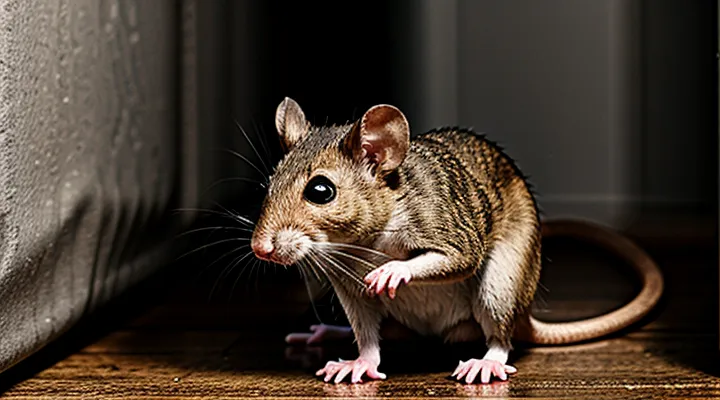
Understanding Musophobia
What is Musophobia?
Historical Context of Fear of Mice
The aversion to rodents dates back to antiquity, when the presence of mice in grain stores threatened food security and facilitated the spread of plague. Early Egyptian texts record measures to protect granaries from rodent incursions, reflecting an intuitive dread of these animals. In classical Greece, Aristotle noted the irritability of mice and their capacity to infiltrate homes, linking them to disease and discomfort.
During the Roman Empire, legal codes prescribed penalties for neglecting rodent control in urban markets, underscoring the societal impact of mouse-related anxiety. The medieval period amplified this fear through religious symbolism; mice appeared in bestiaries as embodiments of sin and impurity, reinforcing moral interpretations of the creature’s presence.
The Renaissance brought scientific scrutiny. Paracelsus described mice as vectors of contagion, while early physicians catalogued “musophobia” as a distinct emotional response in medical treatises. The 19th century saw the term formalized in psychiatric literature, with case studies documenting acute panic triggered by mouse sightings.
The 20th century expanded understanding through experimental psychology. Conditioning studies demonstrated that brief exposure to mouse imagery could elicit measurable autonomic reactions, confirming the fear’s physiological basis. Concurrently, folklore persisted, as illustrated by the recurring motif of mice in horror narratives and popular media.
Key historical milestones:
- c. 2600 BC – Egyptian administrative records mandate rodent control in grain storage.
- 4th century BC – Aristotle’s natural histories reference mouse intrusion and associated distress.
- Middle Ages – Bestiaries assign mice moral negativity, reinforcing cultural aversion.
- 16th century – Paracelsus identifies mice as disease carriers; early medical texts label the fear.
- 1880s – Psychiatric manuals list musophobia as a specific phobia.
- 1950s–1960s – Behavioral experiments quantify fear responses to mouse stimuli.
Distinguishing Musophobia from General Rodent Phobia
Musophobia refers to an intense, irrational fear that is triggered specifically by mice. The anxiety response often includes rapid heart rate, sweating, and an urge to flee when a mouse is seen, heard, or even imagined. The phobia may develop after a single distressing encounter or through observation of others’ reactions.
General rodent phobia encompasses fear of a wider range of gnawing mammals, such as rats, hamsters, gerbils, and squirrels. The stimulus set is broader, and the individual may react to any small, whiskered animal, regardless of species. Symptoms mirror those of musophobia but occur in response to a larger group of creatures.
Key distinctions:
- Scope of trigger – Musophobia is limited to mice; rodent phobia includes multiple species.
- Cognitive association – Individuals with musophobia often identify mice by size and behavior, while those with broader rodent fear focus on the generic “rodent” label.
- Treatment focus – Exposure therapy for musophobia targets mouse-specific situations; rodent phobia treatment addresses a broader range of animal exposures.
- Prevalence patterns – Surveys show higher reported cases of mouse-specific fear in urban settings, whereas rodent phobia appears more frequently among individuals with agricultural or rural backgrounds.
Understanding these differences guides clinicians in selecting precise diagnostic criteria and tailoring interventions to the patient’s specific fear profile.
Symptoms of Musophobia
Physical Manifestations
Musophobia, the specific fear of mice, triggers a range of involuntary bodily responses that can be observed during exposure to the stimulus. The autonomic nervous system activates, producing measurable changes such as rapid heartbeats, elevated blood pressure, and increased respiration rate. Pupils dilate, and the skin may become sweaty or develop a cold, clammy texture. Muscle tension often rises, leading to trembling, shaking, or a sensation of weakness that can impair coordination.
Typical physical manifestations include:
- Palpitations or pounding heart rhythm
- Shortness of breath or hyperventilation
- Tremors or shaking of hands and limbs
- Perspiration, especially on the palms and forehead
- Nausea, stomach upset, or a sudden urge to vomit
- Dizziness or light‑headedness, sometimes resulting in faintness
- Muscle rigidity or a feeling of tightness in the chest and shoulders
These symptoms appear rapidly after a mouse is sighted, heard, or even imagined, and they subside only when the perceived threat is removed or the individual employs coping techniques.
Psychological and Emotional Responses
Musophobia, the specific phobia of mice, triggers a distinct pattern of mental and affective reactions that can interfere with daily functioning. Individuals experience heightened anxiety when confronted with the sight, sound, or even the thought of a rodent, often accompanied by physiological arousal such as increased heart rate, sweating, and trembling. Cognitive symptoms include intrusive thoughts about potential infestation and exaggerated risk assessment, leading to avoidance of environments where mice might be present.
Emotional responses commonly observed in affected persons encompass intense disgust, revulsion, and a pervasive sense of dread. These feelings may intensify during moments of perceived loss of control, such as hearing scurrying noises or discovering droppings. The following list outlines typical manifestations:
- Rapid onset of fear or panic upon visual contact with a mouse.
- Persistent dread when entering kitchens, basements, or storage areas.
- Aversion to discussing rodents, often resulting in conversational avoidance.
- Feelings of shame or embarrassment about the phobia, potentially reinforcing secrecy.
- Heightened irritability or agitation when the phobia is triggered unexpectedly.
Behavioral outcomes frequently reflect the underlying psychological and emotional states. Common strategies include:
- Avoidance of spaces historically associated with rodent activity.
- Implementation of excessive cleaning routines to neutralize perceived threats.
- Seeking reassurance from others about the absence of mice.
- Engaging in safety behaviors, such as keeping doors closed or using traps preemptively.
These responses illustrate the comprehensive impact of the fear of mice on cognition, affect, and conduct, underscoring the need for targeted therapeutic interventions.
Behavioral Reactions
Individuals who experience intense aversion to mice exhibit distinct behavioral patterns that can be observed in everyday situations. The most common response is avoidance; affected persons deliberately steer clear of environments where rodents are likely to appear, such as basements, attics, or agricultural settings. When a mouse is sighted, an immediate startle reaction often occurs, characterized by a rapid jump or flinch, followed by a strong impulse to flee the area.
Typical actions include:
- Rapid withdrawal from the vicinity of the animal, sometimes accompanied by abrupt door closing or exiting the room.
- Vocal expressions of distress, ranging from sharp exclamations to sustained screams.
- Physical immobilization, where the individual freezes momentarily before deciding on an escape route.
- Protective gestures, such as covering the face, clutching objects for reassurance, or seeking a companion’s assistance.
- Repetitive checking of potential hiding places, including under furniture, behind appliances, or within wall cavities, to confirm the absence of rodents.
Long‑term coping strategies may involve systematic sanitation, installation of rodent‑proof barriers, and reliance on professional pest‑control services. In severe cases, individuals organize their living spaces to minimize exposure, removing clutter that could conceal mice and maintaining continuous monitoring of entry points. These behaviors reflect an adaptive effort to reduce perceived threat and maintain functional daily routines despite the underlying anxiety.
Causes and Risk Factors
Potential Origins of Musophobia
Traumatic Experiences
Musophobia, the intense aversion to rodents, often originates from specific traumatic incidents. Direct encounters with aggressive or disease‑carrying mice can imprint a lasting fear response, especially when the event involves sudden movement, biting, or contamination. Childhood exposure to uncontrolled infestations, where mice invaded personal spaces, frequently establishes a persistent anxiety that endures into adulthood.
Key categories of traumatic experiences that precipitate this phobia include:
- Sudden attacks: bites, scratches, or startled jumps that trigger a fight‑or‑flight reaction.
- Health‑related scares: witnessing or hearing about diseases transmitted by rodents, such as hantavirus or leptospirosis.
- Environmental chaos: infestations in homes, schools, or workplaces that disrupt routine activities and create a sense of helplessness.
- Vicarious trauma: observing another person’s panic or injury caused by mice, reinforcing fear through empathetic response.
Neurobiological studies link these events to heightened amygdala activation and altered cortisol patterns, which reinforce avoidance behavior. Repeated exposure to the memory of the incident strengthens neural pathways associated with threat detection, making even minimal mouse cues—scurrying sounds or visual silhouettes—sufficient to provoke anxiety.
Effective intervention relies on systematic desensitization, cognitive restructuring, and, when appropriate, pharmacological support. Gradual exposure to controlled mouse‑related stimuli diminishes the conditioned fear response, while cognitive techniques challenge exaggerated threat appraisals. Medication may stabilize physiological arousal, facilitating therapeutic progress.
Learned Behavior and Observational Learning
Musophobia, the persistent dread of rodents, often originates from experiences that associate mice with danger or disgust. When a person encounters a mouse during a stressful event, the brain links the animal’s presence with the negative emotion, creating a conditioned fear response that persists even after the original context disappears.
Learning processes reinforce this fear through two primary pathways. Classical conditioning pairs the sight of a mouse with an aversive reaction, while operant conditioning strengthens avoidance behaviors that reduce discomfort. Consequently, the individual develops a pattern of anticipatory anxiety whenever a mouse is visible or merely suggested.
Observational learning further amplifies the phobia. Watching another person react with panic or verbal alarm to a mouse provides a model for appropriate fear behavior. The observer internalizes the reaction, replicating the same physiological and behavioral responses without direct exposure. Social contexts—family, media, or peer groups—supply numerous examples that normalize exaggerated fear.
Practical implications for intervention include:
- Structured exposure to mouse-related stimuli while preventing avoidance, thereby weakening the conditioned link.
- Modeling calm behavior by a therapist or trusted individual to replace the observed fearful template.
- Reinforcement of approach behaviors with positive outcomes, counteracting the operant cycle.
These strategies target the learned components of musophobia, offering a systematic route to diminish the irrational fear of mice.
Cultural and Societal Influences
Musophobia, the intense aversion to rodents, manifests differently across cultures, reflecting historical narratives, religious symbolism, and contemporary media.
Folklore from ancient societies frequently cast mice as omens of misfortune. In Greek myth, the plague‑bearing mice sent by Apollo to plague Thebes reinforced the association between rodents and divine punishment. East Asian legends portray mice as tricksters capable of undermining household stability, reinforcing cautionary attitudes toward their presence.
Religious traditions embed mouse imagery within moral teachings. Certain Hindu texts describe mice as the vehicle of the deity Ganesha, yet also warn against unchecked rodent populations as signs of neglect. In Abrahamic scriptures, references to vermin convey moral decay, contributing to a collective perception of mice as undesirable.
Literature and visual media amplify these associations. Classic novels depict mice as symbols of decay, while modern horror films exploit their sudden movements to provoke terror. Animated cartoons often exaggerate mouse behavior, creating a dichotomy between endearing characters and the underlying fear they evoke.
Societal factors shape the prevalence of musophobia:
- Urban sanitation campaigns emphasize rodent control, linking mice to disease transmission.
- Public health policies prioritize extermination in densely populated areas, reinforcing negative connotations.
- Educational curricula address pest avoidance, normalizing fear as a protective response.
These cultural narratives and institutional practices converge to sustain a widespread apprehension of mice, influencing both individual behavior and collective policy.
Contributing Factors
Genetic Predisposition
Genetic factors contribute to the development of the specific phobia of mice. Twin studies consistently show higher concordance rates for this fear among monozygotic pairs than dizygotic pairs, indicating heritable influence. Family surveys reveal a greater prevalence of mouse‑related anxiety in first‑degree relatives of affected individuals, supporting a familial pattern.
Key genetic findings include:
- Polymorphisms in the serotonin transporter gene (5‑HTTLPR) associated with heightened amygdala reactivity to rodent stimuli.
- Variants of the catechol‑O‑methyltransferase (COMT) gene linked to reduced dopamine catabolism and increased threat perception.
- Genome‑wide association signals near the NTRK2 locus, implicated in neural circuitry governing fear conditioning.
These results suggest that inherited variations affect neurochemical pathways and neural networks that modulate threat detection, thereby predisposing certain individuals to develop an intense aversion to mice.
Other Co-occurring Phobias or Anxiety Disorders
Musophobia, the specific fear of mice, frequently appears alongside additional phobias and anxiety disorders. Clinical observations reveal patterns of comorbidity that influence diagnosis, prognosis, and therapeutic planning.
- Specific phobias: arachnophobia (fear of spiders), ophidiophobia (fear of snakes), and agoraphobia (fear of open or crowded spaces) often coexist with musophobia. Patients may report heightened avoidance behaviors toward multiple small animals or confined environments.
- Social anxiety disorder: individuals with musophobia sometimes exhibit marked discomfort in social situations, especially when rodents may be present in public settings.
- Generalized anxiety disorder (GAD): persistent, excessive worry extends beyond mouse-related triggers, encompassing health, work, and interpersonal concerns.
- Obsessive‑compulsive disorder (OCD): compulsive cleaning or checking rituals may target potential rodent infestations, reinforcing the fear response.
Research indicates comorbidity rates ranging from 20 % to 45 % for at least one additional anxiety condition in persons diagnosed with musophobia. Overlapping neurobiological pathways, such as heightened amygdala activation and dysregulated serotonin transmission, underlie this association. The presence of multiple disorders predicts greater symptom severity, reduced functional capacity, and longer treatment courses.
Effective assessment requires comprehensive screening instruments that capture both the primary rodent fear and secondary anxiety presentations. Cognitive‑behavioral therapy (CBT) with exposure hierarchies should be integrated with strategies targeting co-occurring disorders, such as social skills training for social anxiety or worry postponement techniques for GAD. Pharmacologic adjuncts—selective serotonin reuptake inhibitors or benzodiazepines—may be indicated when symptom burden exceeds the scope of psychotherapy alone.
Recognizing and addressing the broader anxiety spectrum improves treatment outcomes for individuals whose fear of mice is part of a more extensive clinical picture.
Impact on Daily Life
Social and Occupational Challenges
Avoidance Behaviors
Musophobia, the fear of mice, triggers specific avoidance strategies that reduce exposure to perceived threats. Individuals often modify daily routines to limit contact with rodents and environments where they might appear.
Common avoidance behaviors include:
- Keeping doors and windows sealed to prevent entry.
- Removing clutter, food remnants, and storage items that could attract mice.
- Selecting housing without basements, attics, or crawl spaces.
- Using professional pest‑control services preemptively.
- Wearing protective footwear or gloves when handling potential infestations.
- Avoiding outdoor areas such as fields, barns, or parks known for rodent activity.
- Limiting travel to regions with documented mouse populations.
These actions reflect a systematic effort to eliminate cues associated with the phobia, thereby decreasing anxiety and physiological arousal.
Impairment in Work or School Settings
Musophobia, the specific phobia of rodents, can significantly disrupt professional and academic performance. When individuals encounter mice in offices, laboratories, libraries, or classrooms, the immediate physiological response—elevated heart rate, sweating, and shortness of breath—often leads to avoidance behavior. This avoidance may manifest as frequent absenteeism, premature departure from meetings, or refusal to enter certain workspaces, directly reducing productivity and attendance records.
Cognitive interference is another common consequence. Anticipation of mouse encounters triggers intrusive thoughts that diminish concentration, impair decision‑making, and lower the quality of written or verbal output. In collaborative environments, the need to distance oneself from potential rodent habitats can limit participation in group projects, hinder networking opportunities, and reduce access to shared resources such as labs or study rooms.
Employers and educators can mitigate these effects through targeted accommodations:
- Relocating the affected individual to mouse‑free zones or assigning tasks that avoid high‑risk areas.
- Implementing integrated pest‑management programs to maintain rodent‑free facilities.
- Offering flexible scheduling or remote work options during peak rodent activity periods.
- Providing access to counseling or exposure‑based therapy as part of employee assistance or student health services.
- Allowing the use of personal protective equipment (e.g., gloves, masks) when unavoidable exposure occurs.
Failure to address musophobia may result in measurable declines in performance metrics, increased turnover, and heightened stress among colleagues who compensate for the affected individual’s reduced participation. Proactive risk assessment and reasonable adjustments are essential to preserve functional capacity in workplaces and educational institutions.
Strain on Relationships
Fear of mice can generate persistent anxiety that interferes with everyday interactions. When a person experiences intense discomfort at the sight or even the thought of rodents, the reaction often extends beyond the immediate stimulus and influences relational dynamics.
In romantic partnerships, the phobia may limit shared activities. Simple gestures such as setting a table in a kitchen that has seen a mouse can trigger distress, prompting avoidance behavior. The partner may feel compelled to modify routines, which can create resentment if the adjustments appear one‑sided. Over time, the recurring need for compromise erodes mutual satisfaction.
Within families, children may inherit or observe the fear, reinforcing avoidance patterns. Parents who constantly reassure or hide potential rodent signs may unintentionally model heightened vigilance, teaching children to perceive ordinary environments as threats. The resulting communication pattern emphasizes caution rather than openness, reducing opportunities for spontaneous interaction.
Friend groups encounter similar obstacles. Invitations to events held in older buildings, outdoor picnics, or pet‑friendly gatherings may be declined, leading to social isolation. Friends may interpret repeated refusals as disinterest, weakening bonds.
Professional settings are not immune. Meetings in conference rooms with visible signs of pest activity can cause concentration lapses, prompting missed deadlines or reduced participation. Colleagues may accommodate by selecting alternative venues, but the extra coordination adds stress to teamwork.
Practical steps to mitigate relational strain include:
- Transparent disclosure of the fear to close contacts, allowing them to anticipate triggers.
- Joint development of a pest‑prevention plan that outlines acceptable living and working conditions.
- Utilization of professional pest‑control services to eliminate sources of anxiety.
- Engagement with cognitive‑behavioral techniques, such as gradual exposure, to reduce sensitivity.
- Scheduling regular check‑ins to discuss any emerging discomfort and adjust accommodations accordingly.
Implementing these measures can preserve relational stability while addressing the underlying phobia. The goal is to balance personal safety with the maintenance of healthy, reciprocal connections.
Emotional and Psychological Burden
Panic Attacks and Anxiety
Musophobia, the specific fear of rodents, often manifests through acute anxiety and panic episodes when a mouse is perceived or anticipated.
Panic attacks are brief periods of overwhelming fear accompanied by physical symptoms such as rapid heartbeat, shortness of breath, trembling, sweating, and a sense of losing control. These reactions can arise spontaneously or be provoked by direct or indirect cues related to the feared animal.
Individuals with a mouse phobia experience heightened anticipatory anxiety that lowers the threshold for panic attacks. Even a fleeting glimpse of a mouse or a mental image can trigger the autonomic response, leading to immediate distress and avoidance behavior.
Epidemiological surveys indicate that a notable proportion of people with specific rodent phobias report recurrent panic attacks, often co‑occurring with generalized anxiety disorder. The comorbidity amplifies functional impairment, especially in environments where mice are likely to appear, such as kitchens, basements, or agricultural settings.
Effective management combines evidence‑based interventions:
- Cognitive‑behavioral therapy focused on restructuring fear‑related thoughts.
- Graduated exposure to mouse‑related stimuli, beginning with pictures and progressing to controlled encounters.
- Pharmacological options, including selective serotonin reuptake inhibitors or benzodiazepines, prescribed for severe anxiety or frequent panic episodes.
Consistent application of these strategies reduces attack frequency, diminishes avoidance, and improves overall quality of life for those confronting the fear of mice.
Reduced Quality of Life
Musophobia, the intense aversion to rodents, triggers physiological and psychological responses that interfere with routine activities. Exposure to even minimal signs of mice can provoke panic, rapid heartbeat, and avoidance behavior, limiting access to environments where rodents are likely to appear.
The disorder diminishes personal well‑being by restricting social interaction, impairing occupational performance, and increasing reliance on protective measures. Individuals may decline invitations to homes or restaurants, avoid public transportation, and request extensive pest‑control accommodations, thereby isolating themselves and reducing participation in community life.
Specific consequences for quality of life include:
- Persistent anxiety that consumes mental resources and lowers overall mood.
- Disruption of sleep patterns due to anticipatory fear of nocturnal rodent activity.
- Financial strain from frequent professional extermination services and specialized housing modifications.
- Reduced physical activity when avoidance extends to outdoor spaces such as parks or gardens where mice may be present.
- Impaired relationships caused by partners or family members accommodating the phobia, leading to tension and resentment.
Depression and Isolation
Musophobia, the specific anxiety triggered by the presence or anticipation of mice, frequently co‑occurs with mood disturbances. Clinical observations reveal that individuals who experience persistent dread of rodents often report diminished interest in routine activities, persistent low mood, and a pervasive sense of hopelessness. These affective changes align with diagnostic criteria for depressive disorders, suggesting that the phobic response can act as a catalyst for sustained emotional dysregulation.
The avoidance behaviors inherent to musophobia limit social engagement. When sufferers retreat from environments where mice might appear—such as kitchens, basements, or communal spaces—they also distance themselves from colleagues, friends, and family. This self‑imposed seclusion reduces opportunities for positive reinforcement, reinforcing depressive cycles and fostering chronic isolation.
Key mechanisms linking the phobia to depression and isolation include:
- Heightened physiological arousal (elevated cortisol, sympathetic activation) that disrupts sleep and appetite, core regulators of mood.
- Cognitive bias toward perceived threats, which amplifies negative self‑evaluation and erodes confidence in social interactions.
- Behavioral withdrawal, resulting in reduced exposure to supportive networks and diminished participation in communal activities.
Effective management requires simultaneous treatment of the phobic stimulus and its affective sequelae. Evidence‑based approaches combine exposure‑based therapy—gradual, controlled contact with mouse‑related cues—to diminish fear conditioning, with cognitive‑behavioral strategies targeting depressive cognitions. Pharmacological adjuncts, such as selective serotonin reuptake inhibitors, may stabilize mood and facilitate engagement in therapeutic tasks.
Integrating these interventions reduces both the intensity of the mouse‑related anxiety and the associated depressive and isolative patterns, promoting functional recovery and restored social participation.
Management and Treatment Approaches
Therapeutic Interventions
Cognitive Behavioral Therapy (CBT)
Musophobia, the specific phobia of mice, often triggers intense anxiety and avoidance behaviors that interfere with daily functioning. Cognitive Behavioral Therapy (CBT) addresses these patterns by targeting both thoughts and actions that maintain the fear response.
CBT employs structured techniques to reduce mouse‑related anxiety:
- Cognitive restructuring identifies and challenges distorted beliefs such as “all mice will bite” and replaces them with realistic assessments.
- Gradual exposure arranges repeated, controlled encounters with mice or mouse‑related cues, progressing from imagined scenarios to direct contact.
- Relaxation training, including diaphragmatic breathing and progressive muscle relaxation, equips individuals with physiological tools to counteract panic symptoms during exposure.
- Behavioral experiments test the validity of feared outcomes, reinforcing evidence‑based conclusions.
Therapists monitor progress through self‑report scales and behavioral logs, adjusting the exposure hierarchy as tolerance improves. Successful CBT implementation typically yields measurable declines in fear intensity, avoidance frequency, and physiological arousal, enabling individuals to function without disproportionate distress when mice are present.
Exposure Therapy
Musophobia, the intense fear of mice, often disrupts daily activities and can trigger severe anxiety responses. Exposure therapy offers a structured approach to diminish this reaction by confronting the feared stimulus in a controlled manner.
The method relies on repeated, gradual encounters with the target object, allowing the nervous system to adapt and reduce the threat perception. Over time, the conditioned fear response weakens, replaced by more neutral or positive associations.
Key elements of exposure treatment for mouse phobia include:
- Development of a fear hierarchy, ranging from viewing pictures of rodents to handling a live mouse.
- Incremental exposure sessions, each lasting a predetermined interval, tailored to the individual's tolerance.
- Real‑time monitoring of physiological markers (heart rate, respiration) to gauge progress.
- Cognitive restructuring, reinforcing the understanding that the stimulus poses minimal danger.
Implementation typically follows a schedule of weekly sessions, each supervised by a licensed mental‑health professional trained in behavioral interventions. The therapist guides the client through the hierarchy, ensuring safety while encouraging sustained engagement with the feared stimulus.
Research demonstrates significant symptom reduction after 5–12 exposure sessions, with follow‑up assessments confirming lasting improvement. Meta‑analyses report effect sizes comparable to those observed for other specific phobias.
Contraindications include uncontrolled psychosis, severe panic disorder, or lack of informed consent. Prior to initiation, a comprehensive assessment determines suitability and informs the customized exposure plan.
Relaxation Techniques and Mindfulness
Fear of mice can trigger acute physiological responses that interfere with daily functioning. Managing these reactions requires systematic reduction of sympathetic activation and cultivation of present‑moment awareness.
Effective relaxation strategies include:
- Diaphragmatic breathing: inhale slowly through the nose, expand the abdomen, exhale gently through the mouth; repeat for several minutes to lower heart rate.
- Progressive muscle relaxation: tense each muscle group for five seconds, then release; proceed from feet to head to diminish overall tension.
- Guided imagery: visualize a safe environment, engage all senses, maintain the scene for a minimum of three minutes to shift attention away from the phobic stimulus.
- Autogenic training: repeat self‑suggestions such as “my arms are heavy” to induce a sense of warmth and heaviness, promoting autonomic balance.
Mindfulness practices that complement relaxation:
- Body‑scan meditation: systematically observe sensations from toes to scalp, noting discomfort without judgment; allocate ten minutes daily.
- Mindful exposure: observe a mouse image or a live rodent at a comfortable distance, label thoughts and emotions as they arise, and return focus to breathing; repeat in controlled increments.
- Acceptance‑based reframing: acknowledge fear as a transient mental event, label it (“I notice fear”) and let it pass without attempting to suppress it.
- Loving‑kindness meditation: direct compassionate thoughts toward oneself and the animal, reducing hostility and promoting emotional equilibrium.
Integrating these techniques involves establishing a routine: begin with five minutes of diaphragmatic breathing, follow with a ten‑minute body scan, then practice mindful exposure for incremental durations. Consistent application produces measurable reductions in cortisol levels, heart rate variability, and self‑reported anxiety when encountering rodents.
Medical Approaches
Pharmacological Treatments
The specific phobia of rodents is classified among anxiety disorders and may be treated with medication when exposure‑based psychotherapy alone is insufficient.
Pharmacological options include:
- Selective serotonin reuptake inhibitors (e.g., sertraline, fluoxetine) – first‑line agents, typically initiated at low doses and titrated upward.
- Serotonin‑norepinephrine reuptake inhibitors (e.g., venlafaxine) – alternative for patients who do not respond to SSRIs.
- Benzodiazepines (e.g., clonazepam, lorazepam) – short‑term use to alleviate acute anxiety, limited by dependence risk.
- Beta‑adrenergic blockers (e.g., propranolol) – reduce somatic symptoms such as tachycardia during anticipated exposure.
When primary agents are ineffective, clinicians may consider:
- Atypical antipsychotics (e.g., quetiapine) – adjunctive use for refractory cases.
- Antihistamines with sedative properties (e.g., hydroxyzine) – useful for situational anxiety.
Dosage strategies emphasize gradual escalation, regular assessment of therapeutic response, and monitoring for adverse effects including gastrointestinal disturbance, weight change, or cardiovascular impact. Treatment duration varies; maintenance therapy often continues for several months after symptom remission to prevent relapse.
Pharmacotherapy should be coordinated with cognitive‑behavioral interventions. Regular evaluation ensures optimal dosing, addresses side‑effect profiles, and determines the necessity of ongoing medication.
Consultations with Mental Health Professionals
Consultations with mental‑health professionals provide structured assessment and targeted intervention for individuals experiencing intense anxiety triggered by the presence of rodents. Clinicians employ diagnostic interviews to differentiate musophobia from general anxiety disorders, ensuring that treatment plans address the specific phobic stimulus.
Evidence‑based therapies commonly administered include:
- Cognitive‑behavioral exposure techniques that gradually desensitize the patient to mouse‑related cues.
- Cognitive restructuring to challenge irrational beliefs about the danger posed by small mammals.
- Pharmacological options such as selective serotonin reuptake inhibitors when symptoms interfere with daily functioning.
Therapists also monitor progress through standardized rating scales, adjusting interventions according to measurable changes in avoidance behavior and physiological response. Documentation of session outcomes supports continuity of care and facilitates referral to specialized programs if necessary.
Engaging qualified professionals early in the treatment trajectory reduces the risk of chronic avoidance patterns and promotes functional recovery, allowing individuals to manage their fear without compromising occupational or social responsibilities.
Living with Musophobia
Self-Help Strategies
Gradual Exposure at Home
Gradual exposure at home provides a structured way to diminish the anxiety triggered by small rodents. The method relies on repeated, controlled encounters that increase in intensity, allowing the nervous system to adjust without overwhelming panic.
A typical progression includes:
- Visual contact: start with photographs or videos of mice for a few seconds, repeat until the reaction lessens.
- Auditory cues: play recordings of mouse sounds while maintaining a relaxed posture.
- Indirect presence: place a sealed container with a mouse inside the room, observe from a safe distance.
- Direct proximity: sit near a cage housing a mouse, gradually reduce the distance over several sessions.
- Physical interaction: under supervision, gently touch the animal’s cage or, if comfortable, hold the mouse.
Each stage should be practiced for a minimum of 10‑15 minutes, twice daily, until the physiological response (elevated heart rate, sweating) returns to baseline. Record observations after each session to track improvement and identify any persistent triggers.
Environmental adjustments support the process. Ensure the space is well‑lit, free of clutter, and that the mouse’s habitat is clean and secure. Use calming techniques such as deep breathing or progressive muscle relaxation before and after exposure to reinforce a sense of control.
Progress is measured by the ability to engage with the next level of exposure without severe distress. When a stage becomes manageable, advance to the subsequent step. Consistency and patience are essential; regression may occur, but returning to the previous level restores stability before moving forward again.
Building a Support System
People who experience intense anxiety around small rodents often require a structured network of assistance to manage symptoms and maintain daily functioning. A support system provides reliable resources, reduces isolation, and creates consistent coping mechanisms.
Effective networks combine professional guidance, peer interaction, and personal strategies. Professionals such as therapists specializing in specific phobias deliver evidence‑based interventions, while medical providers can evaluate the need for medication. Peer groups, either in‑person or online, allow individuals to share experiences, exchange practical tips, and reinforce progress. Personal strategies include scheduled exposure exercises, relaxation techniques, and environmental modifications that limit unexpected encounters with rodents.
Key components for constructing a robust support system:
- Identify qualified mental‑health practitioners with expertise in phobia treatment.
- Locate local or virtual support groups focused on rodent‑related anxiety.
- Establish regular communication channels (e.g., scheduled check‑ins, messaging apps) with trusted friends or family members aware of the condition.
- Develop a written plan outlining exposure hierarchy, coping tools, and emergency contacts.
- Review and adjust the plan quarterly based on progress and emerging needs.
Consistent application of these elements creates a resilient framework that mitigates fear responses, encourages functional independence, and promotes long‑term well‑being for individuals confronting a mouse phobia.
Lifestyle Adjustments
Musophobia, the specific fear of mice, can disrupt daily routines and affect overall well‑being. Managing this condition often requires deliberate changes to one’s environment and habits.
- Keep food storage sealed and free of crumbs to eliminate attractants.
- Use airtight containers for pantry items and regularly clean countertops.
- Install mouse‑proof barriers such as door sweeps and window screens.
- Opt for flooring without gaps; hardwood or laminate reduces hiding places.
- Employ traps or humane catch‑and‑release devices in areas where rodents are likely.
- Choose accommodations that advertise rodent‑control measures when traveling.
- Arrange workspaces away from warehouses, basements, or other high‑risk zones.
- Limit exposure to media featuring rodents; replace with neutral visual content.
- Practice relaxation techniques (e.g., deep breathing, progressive muscle relaxation) before situations where mice might appear.
- Seek professional guidance for exposure‑based therapy if avoidance interferes with essential activities.
These adjustments reduce the probability of encountering mice and help individuals maintain functional lifestyles despite the phobia.
Preventing Reoccurrence
Recognizing Triggers
Mouse phobia manifests when specific cues provoke intense anxiety or panic. Recognizing these cues is essential for accurate assessment and effective intervention.
Typical environmental triggers include:
- Visual contact with a live mouse, a dead specimen, or a realistic replica.
- Auditory cues such as squeaking, rustling in walls, or sudden scurrying sounds.
- Olfactory stimuli, notably the scent of mouse urine, droppings, or nesting material.
- Situational contexts, for example, entering basements, attics, kitchens, or storage areas where rodents are likely to hide.
- Indirect reminders, such as cartoons, photographs, or news reports featuring mice.
Psychological triggers often arise from past experiences. A single traumatic encounter, repeated exposure to infestations, or witnessing another person’s panic can condition the fear response. Cognitive associations—linking mice with contamination, disease, or loss of control—also amplify reactivity.
Physiological signs accompany recognized triggers. Rapid heartbeat, sweating, shortness of breath, and muscle tension appear within seconds of exposure. Monitoring these responses during exposure assessments helps differentiate genuine phobic reactions from general discomfort.
Effective identification relies on systematic questioning and observation. Clinicians should inquire about the specific situations, sensory inputs, and memories that elicit distress, then document the frequency, intensity, and duration of each reaction. This data forms the foundation for tailored exposure therapy or cognitive‑behavioral strategies.
Developing Coping Mechanisms
Musophobia, the specific fear of mice, can trigger intense physiological and emotional responses that interfere with daily activities. Individuals experiencing this phobia often report heightened anxiety when encountering rodent cues, such as squeaking sounds or visual reminders. Effective management requires systematic techniques that reduce reactivity and build tolerance over time.
Coping mechanisms include:
- Gradual exposure: Begin with indirect contact, such as viewing images, then progress to observing live rodents in controlled settings. Incremental steps help desensitize the nervous system.
- Cognitive restructuring: Identify irrational beliefs about mice, replace them with evidence‑based assessments, and rehearse realistic appraisals during exposure exercises.
- Relaxation training: Practice diaphragmatic breathing, progressive muscle relaxation, or guided imagery before and during exposure to lower autonomic arousal.
- Mindfulness meditation: Maintain present‑moment awareness of sensations without judgment, which diminishes catastrophic thinking patterns.
- Safety planning: Develop a clear protocol for situations where rodents may appear unexpectedly, including designated escape routes and calming techniques.
Implementation follows a structured schedule. Start with a baseline assessment of anxiety intensity, then select one exposure tier per week while integrating relaxation or mindfulness practice before each session. Record subjective ratings after each exposure to monitor progress. Adjust the pace according to tolerance levels, ensuring that no step overwhelms the individual’s capacity to remain calm. Consistent application of these strategies typically results in measurable reductions in fear response and improves functional confidence when rodents are present.