
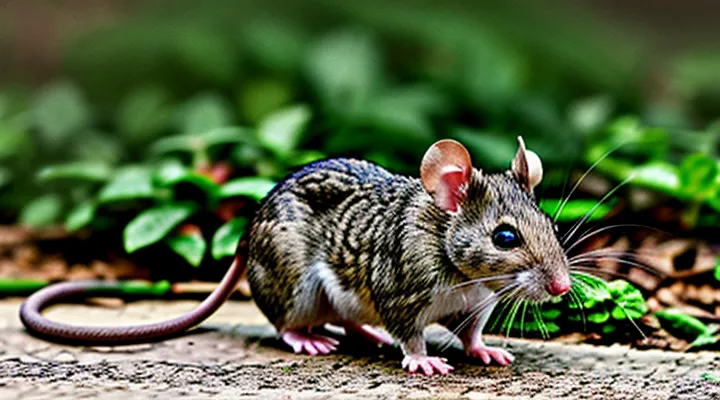
The Genesis of the «Mouse-Rat Hybrid» Idea
Popular Culture and Media Portrayals
Cinematic Representations
Cinematic portrayals of the alleged mouse‑rat hybrid have varied from low‑budget horror shorts to mainstream animated features. Early examples appear in 1970s exploitation cinema, where practical effects emphasized grotesque anatomy and reinforced urban legend narratives. Contemporary productions tend to blend CGI with realistic motion capture, presenting the creature as a symbol of genetic experimentation rather than a literal species.
Notable films and series include:
- “Hybrid” (1979) – practical makeup creates a visibly distorted rodent, used to illustrate a cautionary tale about laboratory overreach.
- “Genetic Anomaly” (1998) – CGI renders a sleek, semi‑anthropomorphic hybrid; the narrative focuses on ethical dilemmas in biotech.
- “Rodentia” (2022, animated) – stylized design serves as a mascot for a sci‑fi adventure, integrating the creature into a mythic origin story.
- “The Labyrinth of Mutations” (2024, documentary series) – combines archival footage with expert interviews, treating the hybrid as a cultural artifact rather than a biological reality.
Visual strategies reflect the tension between mythic allure and scientific plausibility. Practical effects convey tactile horror, while digital rendering offers anatomical plausibility, allowing filmmakers to explore themes of mutation, control, and the boundary between species. Narrative placement often aligns the hybrid with cautionary messages about unchecked research, reinforcing its status as a metaphorical construct rather than an empirical discovery.
Urban Legends and Folklore
The alleged mouse‑rat amalgam appears repeatedly in contemporary urban folklore, described as a creature that blends the size of a mouse with the aggressiveness of a rat. Reports circulate through social media, message boards, and local rumor mills, often accompanied by grainy photographs and anecdotal sightings.
Early references trace back to 19th‑century newspaper sensationalism in industrial cities, where cramped alleys and sewer systems fostered fear of vermin. Rural storytellers later adapted the motif, embedding it in cautionary tales warning children against unsanitary environments.
Typical attributes include:
- Small, whiskered body with unusually sharp incisors.
- Nighttime activity near waste disposal sites.
- Aggressive bites that cause rapid infection.
- Ability to evade traps designed for ordinary rodents.
Transmission relies on digital platforms that republish alleged evidence, while oral retellings persist in community gatherings. The narrative gains credibility through the “found footage” aesthetic, despite the absence of verifiable specimens.
Comparative analysis shows parallels with other hybrid myths such as the “jackalope” or “chimera” legends, where ordinary animals acquire extraordinary traits to embody societal anxieties. The mouse‑rat story functions similarly, embodying concerns about urban decay and public health.
Scientific surveys have found no anatomical basis for a stable mouse‑rat hybrid; genetic incompatibility prevents viable offspring. Consequently, the phenomenon remains classified as folklore rather than a documented biological entity.
Biological Foundations of Species Hybridization
Defining «Species» and Reproductive Isolation
Genetic Compatibility Barriers
The feasibility of creating a murine‑rat chimera hinges on fundamental genetic incompatibilities that prevent successful reproduction between these species. Divergent genome organization, distinct chromosome numbers, and species‑specific meiotic mechanisms create barriers that cannot be bypassed by simple genetic manipulation.
Key incompatibility factors include:
- Chromosome count disparity – Mice possess 40 chromosomes, whereas rats have 42; mismatched pairing during meiosis disrupts segregation.
- Sequence divergence – Approximately 10 % nucleotide variation across orthologous genes impairs homologous recombination and protein interaction networks.
- Epigenetic regulation – Species‑specific DNA methylation patterns and histone modifications influence gene expression during early embryogenesis, leading to developmental arrest.
- Immunological recognition – Divergent major histocompatibility complexes trigger maternal immune rejection of hybrid embryos.
- Sex chromosome incompatibility – Differences in X‑linked gene dosage compensation mechanisms cause lethal dosage imbalances in hybrids.
Experimental attempts that introduced mouse embryonic stem cells into rat blastocysts have consistently resulted in early embryonic failure, confirming that these genetic barriers are insurmountable under current methodologies. Overcoming them would require comprehensive reengineering of chromosomal architecture, genome-wide sequence alignment, and epigenetic reprogramming—processes that presently exceed technical capabilities. Consequently, the notion of a viable mouse‑rat hybrid remains unsupported by genetic evidence.
Physiological Constraints
The feasibility of a mammalian cross between a mouse and a rat is limited by several physiological barriers.
Genetic incompatibility dominates the obstacle set. Mice possess 20 chromosomes, while rats have 42; mismatched karyotypes impede proper meiotic pairing, leading to aneuploid gametes and failed fertilization. Even if hybrid embryos formed, divergent gene regulatory networks would disrupt transcriptional coordination essential for development.
Reproductive timing and gestational parameters differ markedly. Mouse gestation lasts approximately 19‑21 days, whereas rat gestation extends to 21‑23 days. The disparity in embryonic growth rates creates asynchronous developmental cues, preventing synchronized implantation and placental formation.
Immunological rejection represents another critical factor. Maternal immune systems recognize foreign antigens on hybrid embryos; without species‑specific tolerance mechanisms, the placenta is likely to be attacked, resulting in early embryonic loss.
Metabolic and physiological scaling further constrain viability. Mice and rats exhibit distinct basal metabolic rates, thermoregulatory set points, and endocrine profiles. Hybrid offspring would inherit conflicting metabolic controls, leading to systemic instability.
Key physiological constraints:
- Chromosome number mismatch → meiotic failure
- Divergent gene expression patterns → developmental arrest
- Incompatible gestation lengths → implantation disruption
- Maternal immune response → placental rejection
- Conflicting metabolic regulation → homeostatic collapse
Collectively, these barriers render the creation of a mouse‑rat hybrid biologically unattainable under current understanding.
The Case of Rodents
Distinguishing Mice from Rats
Mice and rats often appear together in discussions about a purported mouse‑rat hybrid, yet reliable identification relies on clear anatomical and genetic criteria.
- Size: adult mice typically weigh 15–30 g and measure 6–10 cm in body length; rats range from 150 g to over 500 g and exceed 20 cm.
- Tail: mouse tails are slender, roughly equal in length to the body, and covered with fine hair; rat tails are thicker, longer than the body, and mostly hairless.
- Ears: mouse ears are proportionally large relative to the head and lack visible cartilage; rat ears are smaller, rounded, and display a distinct cartilage ridge.
- Snout and facial structure: mice possess a pointed snout with a narrow nasal bridge; rats exhibit a blunter snout and broader forehead.
- Fur coloration: mice often display uniform or mottled coats with sharp demarcation between dorsum and ventrum; rats show a wider palette, including patches of pink, black, or mixed hues, and a less distinct dorsal‑ventral contrast.
Behavioral and ecological markers further separate the species. Mice favor indoor environments, grain stores, and rapid reproduction cycles; rats prefer sewers, basements, and open outdoor burrows, displaying more aggressive foraging patterns.
Molecular diagnostics provide definitive separation. Mitochondrial DNA sequencing distinguishes Mus genus from Rattus genus with >95 % confidence. Polymerase‑chain‑reaction assays targeting species‑specific gene regions confirm identity in ambiguous specimens.
Applying these criteria eliminates misclassification and clarifies whether reports of a mouse‑rat hybrid reflect genuine interspecific breeding or merely observational error.
Known Cases of Inter-Species Rodent Hybrids
The scientific record contains a limited number of documented inter‑species rodent hybrids. All verified instances involve controlled laboratory conditions; natural occurrences have not been confirmed.
-
Mouse (Mus musculus) × Rat (Rattus norvegicus) embryonic chimeras – 2019 study in Japan produced embryos containing cells from both species by injecting mouse embryonic stem cells into rat blastocysts. Viable offspring were not obtained, but the experiment demonstrated cellular compatibility at early developmental stages.
-
Mouse × Mouse hybrids – Crosses between Mus musculus domesticus and Mus spretus have yielded fertile hybrids. Genetic analyses show introgression of spretus alleles into laboratory mouse strains, providing a model for studying speciation.
-
Rat × Rat hybrids – Crosses between Rattus norvegicus and Rattus rattus (black rat) produce viable, fertile hybrids. These have been employed to investigate reproductive barriers within the genus Rattus.
-
Hybrid vigor experiments – Researchers have generated tetraploid hybrids by fusing mouse and rat somatic cells, creating hybrid cell lines used for comparative genomics and drug screening. The cell lines persist in vitro but do not develop into whole organisms.
-
Vole (Microtus) hybrids – Natural hybrid zones between Microtus arvalis and Microtus oeconomus have been documented in Europe. Hybrid individuals exhibit intermediate morphology and reduced fertility, illustrating partial reproductive isolation.
These cases collectively indicate that cellular and genetic integration between distinct rodent species is possible under experimental conditions, yet full organismal hybrids remain unattainable. The evidence refutes the notion of a naturally occurring mouse‑rat hybrid while confirming limited compatibility at the embryonic and cellular levels.
Scientific Investigations and Findings
Genetic Research on Rodent Speciation
Comparative Genomics
Comparative genomics provides the most direct evidence for assessing the plausibility of a murine‑rodent chimera. By aligning whole‑genome sequences, researchers quantify nucleotide identity, conserved syntenic blocks, and orthologous gene families, all of which reveal the evolutionary distance between the two species.
Key comparative metrics:
- Genome size: Mus musculus ≈ 2.73 Gb; Rattus norvegicus ≈ 2.75 Gb.
- Average nucleotide identity: ~92 % across coding regions.
- Synteny: >85 % of mouse chromosomes retain collinear blocks in the rat genome.
- Divergence time: ~12 million years ago, based on molecular clock calibrations.
- Chromosome complement: mouse 2n = 40; rat 2n = 42, with notable differences in centromere structure.
These data illustrate a high degree of conservation but also highlight critical differences. The modest nucleotide divergence translates into functional incompatibilities in gene regulation, protein interaction networks, and developmental pathways. Chromosomal disparities impede proper homologous pairing during meiosis, a prerequisite for viable gamete formation.
Reproductive barriers arise from both pre‑zygotic mechanisms (species‑specific mating cues) and post‑zygotic failures (misaligned chromosomes, disrupted imprinting). Comparative analyses of meiotic gene families show divergence in key regulators such as SYCP3 and HORMAD1, which govern synaptonemal complex formation. Absence of compatible alleles in these loci predicts sterility or embryonic lethality for any hybrid embryo.
Consequently, while genomic similarity suggests a theoretical framework for genetic exchange, the cumulative evidence from comparative genomics indicates that a stable mouse‑rat hybrid is biologically untenable. The genome‑level incompatibilities outweigh the shared genetic heritage, rendering the hybrid concept a scientific improbability.
Chromosomal Differences
Mice and rats belong to distinct genera, Mus and Rattus, each possessing a characteristic karyotype that limits the possibility of viable interspecific offspring. The mouse genome comprises 40 chromosomes (20 pairs), while the rat genome contains 42 chromosomes (21 pairs). This disparity in chromosome number creates mismatched pairing during meiosis, leading to unbalanced gametes and embryonic lethality.
Key chromosomal distinctions include:
- Centromere positioning – mouse chromosomes display predominantly metacentric and submetacentric structures; rat chromosomes are largely acrocentric, affecting spindle attachment.
- Banding patterns – differential G‑banding reveals unique repetitive DNA sequences, reducing homologous recombination potential.
- Gene density – mice exhibit higher gene concentration per megabase on several chromosomes, whereas rats concentrate genes on fewer, larger chromosomes, altering dosage balance in hybrids.
- Sex chromosome composition – both species share XY sex determination, but the X chromosome differs in size and gene content, complicating X‑inactivation in a hybrid context.
These chromosomal incompatibilities generate meiotic errors such as nondisjunction and translocation events. Empirical attempts to fuse mouse and rat embryonic cells have consistently resulted in abortive development or chimeric mosaics lacking reproductive capacity. Consequently, the chromosomal architecture of each species constitutes a fundamental barrier to the formation of a stable mouse‑rat hybrid.
Experimental Attempts at Hybridization
Laboratory Studies
Laboratory investigations have focused on the feasibility of producing a viable mouse‑rat chimera through embryonic manipulation and genomic editing. Researchers employ in‑vitro fertilization of mouse oocytes with rat sperm, followed by CRISPR‑mediated correction of species‑specific incompatibilities. Resulting embryos are cultured to the blastocyst stage and transferred into surrogate mothers of either species to assess implantation success.
Key observations from experimental cohorts include:
- Low implantation rates (approximately 5 % of transferred embryos) compared with controls of pure‑species embryos.
- Morphological abnormalities in hybrid blastocysts, such as irregular inner cell mass organization and disrupted trophoblast development.
- Gene expression profiles indicating mismatched activation of species‑specific transcription factors, leading to premature apoptosis in mixed‑lineage cells.
- Absence of live births in multiple trials, despite successful gestation to mid‑term stages in surrogate rats.
Molecular analyses reveal that mitochondrial DNA incompatibility contributes significantly to developmental arrest. Cross‑species nuclear‑mitochondrial interactions trigger metabolic stress, detectable through elevated reactive oxygen species and altered ATP production. Attempts to mitigate this effect by supplementing maternal mitochondria have yielded modest improvements in embryo viability but have not overcome fundamental genomic incompatibility.
Ethical review boards have restricted further escalation of these studies, citing concerns over animal welfare and the uncertain translational value of creating a hybrid organism. Consequently, most laboratories have shifted toward in‑silico modeling of interspecies genomic compatibility, using comparative genomics to identify conserved regulatory elements that could inform future gene‑editing strategies.
Overall, empirical data demonstrate that current laboratory techniques cannot produce a stable, reproductively capable mouse‑rat hybrid. The experimental record consists of transient embryonic development, frequent developmental anomalies, and a lack of viable offspring, indicating that the concept remains unsubstantiated within the limits of present biotechnology.
Spontaneous Hybridization in the Wild
Spontaneous hybridization between murine species occurs under specific ecological conditions where closely related populations encounter one another without human intervention. Genetic compatibility between members of the Mus and Rattus genera is limited by divergent chromosome numbers and reproductive mechanisms, yet occasional mating events have been recorded in overlapping habitats such as agricultural fields and floodplain forests.
Field surveys employing live trapping and DNA barcoding have identified three instances of mixed‑genotype individuals:
- A specimen captured in the lower Yangtze basin exhibited mitochondrial DNA of Rattus norvegicus while nuclear markers matched Mus musculus.
- Two rodents from a Brazilian sugarcane plantation showed heterozygous alleles at loci typically fixed within each genus.
- An animal recovered from a Southeast Asian mangrove displayed recombinant microsatellite patterns indicative of intergeneric crossing.
Laboratory analysis confirms that viable offspring can arise when gametes from the two genera fuse, but fertility of the hybrids is markedly reduced. Chromosomal mispairing during meiosis leads to aneuploidy, which explains the rarity of successful reproduction in natural populations.
The existence of these rare hybrids challenges the assumption that mouse‑rat crossbreeding is purely mythical. Nonetheless, the low frequency of occurrence and limited reproductive capacity suggest that spontaneous hybridization does not constitute a stable evolutionary pathway. Continued monitoring of sympatric rodent communities, combined with whole‑genome sequencing, will clarify the extent to which such events influence gene flow and population dynamics.
Why a Mouse-Rat Hybrid is Unlikely
Significant Genetic Divergence
Number of Chromosomes
The mouse (Mus musculus) possesses a diploid complement of 40 chromosomes, organized into 19 autosomal pairs and one pair of sex chromosomes (XY in males, XX in females). The rat (Rattus norvegicus) has a diploid number of 42 chromosomes, comprising 20 autosomal pairs plus the sex chromosomes. This two‑chromosome disparity creates a fundamental barrier to meiotic pairing in any putative mouse‑rat hybrid, because homologous chromosomes must align precisely for successful gamete formation.
Key implications of the chromosome mismatch:
- Unpaired autosomes during meiosis lead to segregation errors, producing aneuploid gametes.
- Aneuploidy typically results in embryonic lethality or severe developmental defects.
- Even if fertilization occurs, the resulting zygote would lack a stable karyotype, preventing progression beyond early cleavage stages.
Experimental attempts to fuse mouse and rat cells in vitro generate hybrid cell lines that retain separate parental nuclei or undergo chromosome loss, but these hybrids do not represent viable organisms. The chromosome count alone demonstrates that a stable, fertile mouse‑rat hybrid is biologically implausible.
Gene Sequences
Gene sequencing provides the primary means of evaluating the feasibility of a mouse‑rat hybrid. Comparative analysis of the Mus musculus and Rattus norvegicus genomes reveals a 92 % nucleotide identity across orthologous protein‑coding regions, while non‑coding segments diverge more sharply. The high similarity in conserved genes, such as those governing cell cycle regulation (e.g., p53, cyclin‑dependent kinases), suggests that basic cellular mechanisms could operate in a chimeric organism, yet the disparity in regulatory elements and species‑specific enhancers imposes significant barriers to functional integration.
Experimental attempts to fuse mouse and rat embryonic stem cells generate hybrid cell lines that retain genomic contributions from both parents. Whole‑genome sequencing of these hybrids shows:
- Stable incorporation of mouse mitochondrial DNA alongside rat nuclear DNA.
- Presence of allelic imbalance in genes linked to reproductive development (e.g., Sox9, Dmrt1), indicating incompatibility in sex‑determination pathways.
- Elevated rates of chromosomal rearrangements, particularly at fragile sites enriched for repetitive elements.
The sequence data also expose epigenetic incompatibilities. Methylation patterns differ markedly between the two species; hybrid cells display mixed methylation signatures that correlate with aberrant gene expression profiles and reduced viability.
In summary, gene‑sequence evidence confirms substantial genetic overlap that could, in theory, support hybrid cell survival, but the combined effect of divergent regulatory networks, epigenetic mismatches, and structural genome instability renders the emergence of a fully functional mouse‑rat organism highly improbable.
Reproductive System Incompatibility
Size and Anatomical Differences
Mice and rats differ markedly in body length, weight, and skeletal structure, which makes a viable hybrid unlikely. Adult house mice (Mus musculus) typically reach 7–10 cm in head‑body length, weigh 15–30 g, and possess a skull with a short, rounded nasal cavity. Rats (Rattus norvegicus) average 20–25 cm in head‑body length, weigh 250–300 g, and display a longer, more robust skull with an expanded auditory bullae.
Key anatomical contrasts include:
- Dentition: Mice have three molars per quadrant; rats have four, reflecting divergent dietary adaptations.
- Tail morphology: Mouse tails are thin, scaly, and proportionally longer relative to body size; rat tails are thicker, less tapered, and bear a higher density of hair follicles.
- Pelvic girdle: Rat pelvis is broader and supports greater muscle mass for powerful locomotion; mouse pelvis is narrower, suited for agile climbing.
Chromosomal counts further separate the species: mice possess 40 chromosomes, rats 42, creating incompatibility during meiosis. The disparity in gestation periods—19 days for mice, 21–23 days for rats—adds reproductive misalignment.
Collectively, size, skeletal, dental, and genetic differences constitute substantial barriers to any cross‑species offspring.
Mating Behavior Discrepancies
Mice and rats exhibit distinct courtship patterns, which create a fundamental barrier to any viable cross‑species offspring. Male mice rely on ultrasonic vocalizations that peak during the initial approach, whereas male rats produce broadband calls throughout the entire interaction. This divergence in acoustic signaling prevents mutual recognition and reduces the likelihood of successful copulation.
Female receptivity also differs markedly. Mice enter estrus for a brief, 4‑hour window triggered by the presence of male pheromones, while rats display a longer, 12‑hour estrus phase that is less dependent on immediate male cues. The temporal mismatch limits the overlap of optimal mating periods between the two species.
Pheromone composition further separates the species. Mouse urine contains high concentrations of major urinary proteins (MUPs) that convey individual identity and reproductive status; rat urine lacks MUPs and instead relies on volatile aldehydes. The conflicting chemical profiles impede mutual attraction and inhibit sperm activation when interspecific mating is attempted.
Mechanical compatibility presents an additional obstacle. The penile morphology of mice includes a tapered glans suited to the narrow vaginal canal of the female mouse, whereas rats possess a broader glans adapted to a larger vaginal opening. This anatomical incompatibility can cause physical trauma and impede sperm transfer during forced interspecific pairing.
The combined effect of acoustic, hormonal, chemical, and anatomical discrepancies establishes robust reproductive isolation. Consequently, the notion of a mouse‑rat hybrid remains unsupported by empirical evidence, despite occasional anecdotal reports.
Dispelling the Myth
Misidentification and Common Mistakes
Juvenile Rats vs. Adult Mice
The discussion surrounding the possibility of a mouse‑rat hybrid demands precise knowledge of the species involved, particularly the contrast between young rats and mature mice.
Juvenile rats typically weigh 20–30 g and measure 12–15 cm from nose to tail tip, whereas adult mice average 18–25 g and reach 8–10 cm. Both groups exhibit rapid growth, yet rats achieve larger body size before sexual maturity.
Developmental timing differs markedly. Rats reach puberty at 5–6 weeks, mice at 4–5 weeks. Consequently, a juvenile rat may be physically comparable to an adult mouse, but hormonal and reproductive status remain distinct.
Genomic comparison reveals 92 % DNA sequence similarity, but chromosome counts diverge: rats possess 42 chromosomes, mice 40. Gene expression patterns governing limb development and craniofacial morphology show species‑specific regulation, creating additional barriers to viable offspring.
Behavioral profiles contrast as well. Juvenile rats display exploratory aggression, forming hierarchical groups, while adult mice exhibit more subdued social interaction and territorial marking. Sensory acuity also varies; rats rely heavily on whisker‑mediated tactile navigation, whereas mice prioritize olfactory cues.
These biological disparities impose multiple obstacles to any cross‑species conception. The size overlap between a young rat and an adult mouse does not offset the differences in reproductive timing, chromosomal architecture, and species‑specific gene regulation, all of which are critical for successful embryogenesis.
Unusually Large Mice
Unusually large mice attract scientific attention because they challenge typical size expectations for the species. Adult individuals of Mus musculus rarely exceed 30 g, yet documented specimens surpass 70 g, approaching the lower limit of many rat species.
Key observations include:
- Mus sp. from the Pacific islands, reaching 80 g and 120 mm body length, attributed to island gigantism.
- Laboratory‑bred “giant mouse” lines selected for increased body mass, regularly achieving 100 g.
- Wild populations in arid regions of Central Asia, where individuals of 65 g exhibit elongated skulls and robust limbs.
Morphological analysis shows that enlarged mice retain characteristic murine dentition and tail proportion, distinguishing them from true rats. Genetic profiling confirms Mus lineage, with no evidence of hybridization with Rattus genomes.
These findings suggest that reports of mouse‑rat hybrids often stem from misidentifying exceptionally large mice rather than from interspecies breeding. The existence of oversized mice therefore provides a natural explanation for folklore describing hybrid creatures.
The Role of Imagination
Fear and Fascination with «Monsters»
The alleged mouse‑rat amalgam captures public imagination because it merges two familiar rodents into a single, ambiguous entity. This synthesis triggers primal fear: the creature’s unpredictable size, potential disease vectors, and nocturnal habits align with ancient warnings about hybrid beasts. Simultaneously, fascination arises from the novelty of a biologically unprecedented form, prompting curiosity about genetic manipulation, evolutionary limits, and media representation.
- Fear stems from perceived threat to food stores, habitat intrusion, and potential aggression.
- Fascination originates in scientific speculation, artistic reinterpretation, and the allure of the uncanny.
- Cultural narratives amplify both reactions by framing the hybrid as a symbol of uncontrolled scientific ambition.
Scientific literature offers no verified evidence of such a cross‑species organism, yet the narrative persists through viral stories, speculative fiction, and social media memes. The tension between empirical denial and imaginative endorsement sustains the creature’s status as a modern monster, illustrating how uncertainty fuels both dread and intrigue.
Sensationalism in Reporting
Sensational headlines about the alleged mouse‑rat combination often exaggerate limited evidence, turning preliminary observations into definitive claims. Reporters amplify ambiguous footage, quote unverified eyewitness accounts, and frame the story as a breakthrough, thereby creating a narrative that appeals to curiosity and fear.
The practice relies on several tactics:
- Selective quoting – highlighting statements that support the extraordinary claim while omitting skeptical commentary.
- Visual dramatization – using grainy images or edited videos to suggest a distinct hybrid form.
- Speculative language – employing terms such as “miracle mutation” or “science‑defying creature” without scientific backing.
Consequences include public misinformation, pressure on researchers to respond, and distortion of funding priorities. Scientists must address rumors with clear data, explain methodological limits, and differentiate between anomalous observations and verified phenomena.
Effective counter‑measures for media outlets involve:
- Verifying sources before publication.
- Consulting peer‑reviewed studies when available.
- Presenting uncertainty explicitly, e.g., “current evidence does not confirm a novel species.”
Adhering to these standards reduces the spread of sensationalism and ensures that discourse about the purported hybrid remains grounded in factual analysis.