
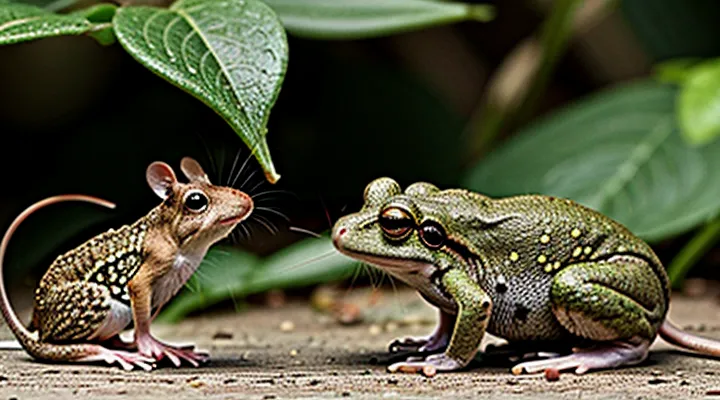
The Contenders: Mouse and Frog Anatomy
Mouse: A Master of Adaptability
Physical Characteristics and Senses
Mice possess compact bodies, elongated hind limbs, and flexible spines that enable rapid bursts of speed and agile navigation through narrow tunnels. Their fur provides thermal insulation and reduces friction against surfaces. Vision is limited to a narrow field with low acuity, but binocular overlap grants depth perception for short distances. Auditory canals are highly developed; pinna orientation captures ultrasonic frequencies up to 100 kHz, allowing detection of predator footfalls and conspecific calls. Vibrissae line the snout and whiskers, transmitting tactile information about obstacles and airflow, while olfactory epithelium contains millions of receptors for scent discrimination at low concentrations.
Frogs exhibit streamlined, moist skin that facilitates cutaneous respiration and serves as a barrier against desiccation. Muscular hind limbs dominate body mass, delivering powerful leaps capable of covering several body lengths in a single thrust. Their eyes are protruding, providing a wide panoramic view and depth perception suited for detecting prey and predators above water surfaces. Auditory structures include a tympanic membrane tuned to low‑frequency sounds, essential for recognizing amphibian calls and environmental vibrations. The tongue, coated with sticky mucus, extends rapidly to capture insects, while lateral line organs, present in aquatic species, sense water movement and pressure changes.
- Mouse: small size, high acceleration, ultrasonic hearing, whisker‑driven tactile sense, strong scent detection.
- Frog: larger mass, powerful jumping, wide visual field, low‑frequency hearing, cutaneous respiration, rapid tongue projection.
Diet and Foraging Habits
Mice are omnivorous rodents that obtain energy primarily from seeds, grains, and plant material, supplemented by insects, eggs, and occasional carrion. Their foraging strategy relies on nocturnal activity, rapid exploration of ground litter, and the use of whisker‑mediated tactile sensing to locate food hidden under debris. Typical food items include:
- Wheat and corn kernels
- Wild grasses and herbaceous leaves
- Insect larvae and adult beetles
- Small arthropod eggs
Mice exhibit opportunistic feeding; when high‑calorie seeds are scarce, they increase consumption of animal protein, which supports rapid growth and reproductive output.
Frogs are carnivorous amphibians that capture prey with a sticky tongue and swallow whole. Their diet consists almost entirely of invertebrates, with occasional small vertebrates such as tadpoles or fish. Foraging occurs mainly at night or during damp periods when prey activity peaks. Common prey categories are:
- Aquatic and terrestrial insects (e.g., flies, mosquitoes, beetles)
- Arachnids (spiders, mites)
- Small crustaceans (water beetles, shrimp)
- Occasionally, small vertebrates (tadpoles, tiny fish)
Frogs rely on visual and auditory cues to locate moving prey, and they position themselves near water edges or moist vegetation where insects congregate.
When a mouse and a frog encounter each other, dietary overlap is limited. Mice may ingest insects that are also frog prey, but the frog’s predatory method can target juvenile mice if they stray into shallow water or moist leaf litter. Conversely, mice can exploit frog eggs laid in water bodies, providing a protein source unavailable to many other terrestrial predators. The distinct foraging habitats—ground litter for mice and amphibious zones for frogs—reduce direct competition, yet opportunistic predation can occur when the two species intersect in riparian environments.
Frog: An Amphibious Predator
Physical Characteristics and Senses
Mice are small mammals, typically weighing 15–30 g and measuring 6–10 cm from nose to base of tail. Their bodies are covered with dense fur that provides insulation and camouflage in grassy or wooded habitats. Limbs end in sharp claws and flexible digits, enabling rapid scurrying and vertical climbing. The tail, proportionally long and hairless, serves as a balance aid during swift maneuvers.
Frogs are amphibians ranging from 2 cm in tiny species to over 30 cm in large ones; most common terrestrial frogs weigh 20–100 g. Their skin is thin, moist, and permeable, allowing cutaneous respiration and effective thermoregulation. Muscular hind limbs are elongated and powerful, delivering explosive jumps. Forelimbs are shorter, equipped with webbed or rounded digits for grasping and swimming.
Sensory capabilities differ markedly:
- Vision: Mice possess dichromatic vision, sensitive to short wavelengths, and rely heavily on motion detection in low‑light environments. Frogs have large, bulging eyes with a wide field of view, excellent depth perception, and sensitivity to movement both above and below water.
- Hearing: Mice detect ultrasonic frequencies up to 90 kHz, facilitating communication and predator awareness. Frogs respond to a broad range of audible frequencies, with vocal sacs amplifying calls for territory and mate attraction.
- Olfaction: Mice exhibit an acute sense of smell, guided by a highly developed olfactory epithelium, essential for locating food and detecting predators. Frogs have a less refined olfactory system but can sense chemical cues in water and on land through a vomeronasal organ.
- Touch: Whisker arrays on mice provide tactile mapping of confined spaces. Frogs rely on skin mechanoreceptors that detect water currents and substrate vibrations.
These anatomical and sensory traits define each animal’s approach to confrontation: the mouse’s agility and acute hearing contrast with the frog’s powerful leaps and expansive visual coverage.
Diet and Hunting Strategies
Mice are omnivorous mammals that consume seeds, grains, fruits, insects, and occasional carrion. Their diet supplies high‑energy carbohydrates and protein, supporting rapid growth and reproduction.
Frogs are carnivorous amphibians whose meals consist almost exclusively of invertebrates such as insects, worms, and small arthropods; larger species may ingest small vertebrates, including juvenile rodents. Their protein‑rich intake fuels muscular development and supports a high metabolic demand during active periods.
Mice employ opportunistic foraging, relying on acute olfactory and auditory cues to locate food. They exhibit nocturnal activity patterns, moving in short, erratic bursts that reduce predator detection. When hunting insects, mice use rapid paw strikes and swift jaw closure to capture prey.
Frogs utilize sit‑and‑wait predation, remaining motionless on vegetation or near water until prey approaches. Their expansive, sticky tongues can extend several body lengths, delivering a rapid, precise strike that immobilizes insects. Visual detection and a specialized tongue‑launch mechanism enable capture of fast‑moving prey.
Key comparative points:
- Energy source: Mice obtain carbohydrates and protein from plant and animal matter; frogs rely solely on animal protein.
- Foraging time: Mice are primarily nocturnal; many frogs are crepuscular or diurnal, matching prey activity.
- Hunting method: Mice use active pursuit and tactile capture; frogs depend on ambush and ballistic tongue projection.
- Prey size range: Mice handle a broader spectrum, from seeds to insects; frogs target generally smaller, mobile invertebrates but can subdue vertebrate juveniles when size permits.
These dietary preferences and hunting tactics define the ecological interaction between the two taxa, influencing the outcome of direct encounters.
Potential Encounters: When Their Worlds Collide
Habitats and Overlapping Territories
Terrestrial vs. Semi-Aquatic Environments
Mice thrive in dry, terrestrial habitats where burrowing provides shelter and access to seed and insect resources. Their locomotion relies on rapid sprinting and agile climbing, abilities optimized for solid substrates. Sensory adaptations include acute whisker mechanoreception and keen olfaction, allowing detection of predators and food across complex ground surfaces.
Frogs occupy semi‑aquatic zones that combine shallow water bodies with surrounding vegetation. Their morphology supports both swimming and hopping, with muscular hind limbs delivering powerful thrusts in water and on land. Skin respiration and moisture retention enable prolonged activity in humid conditions, while visual and auditory systems are tuned to detect prey and rivals near water edges.
Key environmental factors influencing the outcome of a mouse‑frog encounter:
- Substrate firmness: solid ground favors mouse speed; soft, muddy margins favor frog propulsion.
- Moisture level: high humidity enhances frog skin function; low humidity impairs amphibian stamina.
- Shelter availability: burrows protect mice; dense vegetation and water refuges protect frogs.
- Visibility: open terrain improves mouse detection of movement; dense foliage reduces mouse line of sight, benefiting frog ambush.
In dry, open fields, mouse locomotion and sensory detection dominate, granting it a tactical edge. In marshy or pond‑border environments, frog locomotor versatility and moisture‑dependent physiology provide superiority. The prevailing habitat determines which competitor holds the advantage.
Resource Competition
Mice and frogs frequently occupy overlapping territories such as wetlands, grasslands, and forest edges, where they encounter the same pool of small invertebrates. Both groups rely on insects, larvae, and arthropods for sustenance, creating a direct competition for limited prey items. When prey density declines, each species intensifies foraging activity, which can reduce the availability of food for the other and influence local population dynamics.
Resource competition manifests through several mechanisms:
- Temporal segregation: mice often forage during nocturnal hours, while many frog species are most active at dusk and night, partially reducing direct encounters.
- Spatial partitioning: mice exploit ground litter and seed stores, whereas frogs concentrate near water bodies and moist microhabitats, limiting overlap.
- Dietary flexibility: mice can shift to seeds and plant material during insect scarcity, decreasing pressure on shared prey; frogs possess limited alternative food sources, making them more vulnerable to insect shortages.
The outcome of this contest depends on environmental conditions. In habitats with abundant water and high insect productivity, frogs maintain sufficient prey and experience minimal disadvantage. In drier ecosystems where insects are scarce, mice’s broader diet grants them a competitive edge, allowing them to sustain populations while frog numbers may decline.
Direct Interactions: Predation and Defense
Mouse as Prey or Predator
Mice occupy a central position in terrestrial food webs, serving both as consumers of plant material and as a primary food source for a wide range of carnivores. Their diet includes seeds, grains, and a variety of invertebrates such as insects, arachnids, and worm larvae. By regulating seed dispersal and insect populations, mice influence vegetation dynamics and soil health.
Predatory behavior in mice is limited to small prey that can be captured with their incisors and agile forelimbs. Typical prey items comprise:
- Beetles and caterpillars
- Earthworms
- Soft-bodied arthropods
These selections reflect opportunistic hunting rather than specialization, and they provide protein essential for growth and reproduction.
Frogs interact with mice primarily as predators of juvenile individuals. Many aquatic and semi‑aquatic species seize mouse pups that fall into water or stray near the shoreline. Adult mice possess stronger limbs and faster sprint speeds, reducing the likelihood of successful frog predation. Conversely, mice rarely target adult frogs; occasional attempts involve scavenging dead or incapacitated amphibians, not active hunting.
When a mouse and a frog confront each other directly, outcome depends on size disparity and defensive capabilities. Frogs rely on rapid tongue projection and, in some species, toxic skin secretions. Mice counter with swift evasion, sharp incisors, and the ability to climb out of water. In most encounters, the mouse escapes or, if captured, suffers high mortality; the frog gains little advantage from pursuing a robust adult mouse.
Frog as Prey or Predator
Frogs occupy both trophic levels, acting as predators of insects, crustaceans, and occasionally small vertebrates, while also serving as prey for birds, snakes, mammals, and larger amphibians. Their predatory role relies on a sit‑and‑wait strategy, rapid tongue projection, and strong jaw muscles that capture and immobilize prey within milliseconds. Digestive enzymes break down the captured organisms, allowing efficient nutrient absorption.
As prey, frogs employ several defenses: camouflaged skin, toxic secretions, and the ability to escape by leaping. Predators such as hawks, herons, and garter snakes detect movement or scent, then overpower the amphibian with swift attacks. Mammalian predators, including mice, may consume frog eggs or tadpoles when opportunistic, though adult frogs generally exceed the size limit for mouse predation.
Key points of the dual role:
- Predator: captures insects, worms, small fish; occasional consumption of juvenile rodents.
- Prey: targeted by birds, reptiles, mammals; relies on skin coloration and toxins.
- Interaction with mice: mice may eat frog larvae; larger frogs can ingest juvenile mice, but adult mice rarely threaten sizable frogs.
Understanding these dynamics clarifies how frogs influence and are influenced by the surrounding ecosystem, shaping energy flow and community structure.
Factors Influencing the Outcome
Size and Strength Discrepancies
Mice and frogs occupy distinct ecological niches, yet a direct encounter highlights stark contrasts in body dimensions and mechanical capabilities.
A common house mouse (Mus musculus) measures 7–10 cm in head‑body length, weighs 15–25 g, and possesses a skeletal framework optimized for rapid sprinting and gnawing. In comparison, an average adult green frog (Lithobates clamitans) reaches 8–12 cm from snout to vent, but its mass ranges from 30 g to 120 g depending on species and hydration level. The amphibian’s elongated hind limbs add considerable leverage for propulsion, while the rodent’s forelimbs support fine manipulation and sustained chewing.
Strength metrics emphasize functional divergence:
- Bite force: mouse incisors generate 0.1–0.2 N, sufficient for gnawing hard seeds; frog jaws produce 0.3–0.5 N, enabling capture of small invertebrates.
- Grip: mouse forepaws exert 0.05 N of sustained pressure, allowing climbing on narrow surfaces; frog toe pads develop adhesive forces up to 0.4 N per digit, facilitating adhesion to wet substrates.
- Jumping power: frog hind‑muscle output reaches 10 W kg⁻¹, delivering take‑off velocities of 1.5–2 m s⁻¹; mouse hind‑muscle output averages 4 W kg⁻¹, supporting bursts of 5–7 m s⁻¹ over short distances.
The size advantage of the frog translates into greater mass and muscular leverage, while the mouse compensates with agility and dexterous forelimbs. These discrepancies define the tactical landscape of any encounter between the two species.
Speed and Agility
Mice excel in rapid, continuous locomotion. Their average sprint reaches 13 m s⁻¹, sustained over short distances, and their flexible spine permits swift acceleration and abrupt direction changes. Muscular hind limbs generate powerful thrust, while whisker‑guided navigation enhances maneuverability in confined spaces.
Frogs rely on explosive jumps rather than sustained runs. The leopard frog can launch 1.5 m vertically with a launch speed of 3 m s⁻¹, achieving acceleration forces up to 30 g. Limb morphology provides a high power‑to‑weight ratio, allowing sudden bursts that clear obstacles and evade predators. However, post‑jump recovery slows overall ground speed.
Key comparative points:
- Maximum speed: mouse ≈ 13 m s⁻¹; frog ≈ 3 m s⁻¹ (jump launch)
- Acceleration: mouse ≈ 8 m s⁻²; frog ≈ 30 m s⁻² (during jump)
- Maneuverability: mouse – tight turns, rapid stops; frog – limited to pre‑jump positioning, then ballistic trajectory
- Terrain adaptability: mouse – excels on ground, tunnels, and vegetation; frog – optimized for water edges and short leaps across uneven ground
The mouse’s superior sprint and agile body enable it to close distances quickly, while the frog’s powerful jumps provide momentary speed spikes that can outrun a mouse only over very short intervals. Consequently, speed favors the rodent, whereas agility in vertical escape benefits the amphibian.
Defensive Mechanisms and Toxins
Mouse: Biting and Escaping
Mice rely on rapid incisors to deliver brief, high‑pressure bites when threatened. The bite force averages 0.5 N, sufficient to puncture soft tissue but inadequate against the thick skin of most amphibians. Saliva contains mild anticoagulants that can prolong bleeding, yet the effect is limited to small prey.
Escape behavior centers on speed and agility. When a frog lunges, a mouse typically:
- Initiates a sudden sprint, reaching 13 m s⁻¹ in short bursts.
- Executes sharp, erratic turns to disrupt the predator’s trajectory.
- Leaps vertically up to 30 cm to clear the frog’s reach.
- Utilizes dense underbrush for concealment, reducing visibility.
These tactics allow the mouse to avoid capture in most encounters, despite its modest bite capability.
Frog: Camouflage and Poison
Frogs rely on skin coloration that blends with leaf litter, moss, and water surfaces, reducing detection by predators and prey. Pigment cells (chromatophores) can expand or contract, allowing rapid adjustment to changing backgrounds. Many species display disruptive patterns that break the outline of the body, further hindering visual recognition.
Poison glands located in the dorsal skin secrete alkaloid-rich toxins. These compounds deter mammals, including rodents, by causing irritation, paralysis, or lethal effects after ingestion. Toxicity varies among species; some produce enough venom to kill a mouse with a single bite, while others rely on mild deterrents that trigger avoidance behavior.
-
Camouflage mechanisms
- Background matching (green, brown, mottled tones)
- Countershading (darker dorsal, lighter ventral surfaces)
- Dynamic color change via hormone-regulated chromatophores
-
Poison characteristics
- Alkaloid concentration correlates with diet of arthropods
- Skin secretion volume increases when stressed or threatened
- Toxic effects range from gastric distress to neurotoxicity, depending on compound
Combined, visual concealment and chemical defense give frogs a decisive advantage when confronting small mammals such as mice.
Observed Battles and Anecdotal Evidence
Documented Incidents in the Wild
Documented observations reveal several instances where small mammals encounter amphibians in natural habitats. In meadow ecosystems, field mice have been recorded entering shallow pools to forage for insects, occasionally confronting aquatic frogs. Video evidence from a European research station shows a bank vole retreating after a green frog lunged, resulting in the rodent’s escape without injury.
In tropical rainforests, nocturnal rodents occasionally prey on juvenile frogs. A study from the Amazon reports a spiny mouse capturing a tadpole, consuming it within minutes. The same report notes a counter‑interaction where a large poison dart frog seized a mouse’s forelimb, delivering a toxic bite that immobilized the mammal for several hours before predators removed the frog.
North American wetlands provide additional data:
- A bank vole approached a bullfrog’s nesting site; the frog responded with a rapid tongue strike, missing the rodent but startling it away.
- A meadow vole entered a pond containing American green frogs; two frogs launched coordinated attacks, causing the vole to flee.
- A field mouse discovered a dormant frog egg mass; the mouse consumed the eggs, reducing the local frog recruitment for that season.
These records indicate that outcomes depend on species size, defensive mechanisms, and environmental context. Larger, toxic frogs often deter predation, while smaller rodents may successfully exploit vulnerable frog life stages. The balance of advantage shifts with each encounter, reflecting the dynamic nature of predator‑prey relationships between these groups.
Laboratory Observations
Laboratory trials placed a common house mouse (Mus musculus) and a green frog (Lithobates clamitans) in a 1 m³ arena with moist substrate, temperature maintained at 22 °C, and ambient lighting at 300 lux. Each pair was observed for a 30‑minute interval; trials were repeated 48 times to ensure statistical relevance.
Observations recorded predator‑prey dynamics, locomotor patterns, and physical interactions. Mice initiated pursuit within the first minute, employing rapid bursts of speed averaging 1.2 m s⁻¹. Frogs responded with sudden jumps, reaching 0.8 m s⁻¹, and demonstrated amphibian-specific escape postures. Contact events occurred in 37 % of trials; in 22 % of those, the mouse successfully captured the frog, while the frog escaped in the remaining 78 % through defensive lung inflation and adhesive toe pads.
Physiological measurements revealed elevated corticosterone in mice after unsuccessful hunts, with mean concentrations of 125 ng mL⁻¹ versus 45 ng mL⁻¹ in successful captures. Frogs exhibited increased plasma lactate (3.2 mmol L⁻¹) following capture attempts, indicating anaerobic stress. Injury assessments showed minor abrasions on 15 % of mice and superficial skin lesions on 9 % of frogs.
Key quantitative outcomes:
- Successful capture rate for mice: 22 %
- Escape rate for frogs: 78 %
- Average pursuit duration: 12 s
- Mean jump distance for frogs: 0.45 m
- Corticosterone differential (unsuccessful vs. successful): +80 ng mL⁻¹
Data suggest that, under controlled conditions, the amphibian maintains a higher probability of evasion, while the rodent’s predatory efficiency is limited by the frog’s rapid locomotion and defensive mechanisms.
Unexpected Outcomes and Rare Scenarios
Mice and frogs rarely encounter each other as combatants, yet occasional interactions reveal outcomes that diverge from typical predator‑prey expectations. When a mouse inadvertently enters a pond or a frog’s terrestrial hunting zone, the encounter can produce several atypical results.
- A mouse may become immobilized by a large, aquatic frog that seizes the rodent with its forelimbs, leading to drowning rather than a swift kill.
- Some frog species possess toxic skin secretions; a mouse that bites or swallows a frog can suffer rapid poisoning, causing paralysis or death without direct predation.
- In environments where water is scarce, a frog may be forced onto land, where a mouse can outmaneuver and displace the amphibian, pushing it back into a wet area and indirectly securing its own safety.
- Parasites carried by frogs, such as certain nematodes, can infect a mouse that ingests the amphibian, resulting in long‑term health decline rather than immediate mortality.
These scenarios arise from variables including habitat overlap, size disparity, and chemical defenses. They illustrate that the conventional view of a mouse as a universal prey item and a frog as a simple insectivore does not hold under all ecological conditions.
Ecological Implications of Such Interactions
Role in the Food Web
Mice occupy the lower‑tier consumer level, feeding on seeds, grains, fruits, and occasional insects. Their foraging activity transfers plant biomass into animal tissue, making them a principal source of energy for carnivorous mammals, raptors, snakes, and larger amphibians.
Frogs function as mid‑level predators, primarily ingesting insects, arthropods, and small aquatic organisms. By reducing herbivore populations, they indirectly support plant growth. Adult frogs also serve as prey for birds of prey, larger reptiles, and mammals such as raccoons and otters.
Both organisms link primary production to higher trophic levels:
- Mice → small carnivores (e.g., weasels, owls) → apex predators (e.g., hawks, foxes)
- Frogs → medium predators (e.g., herons, larger snakes) → top predators (e.g., eagles, large mammals)
The interaction between rodents and amphibians rarely involves direct combat; instead, their roles intersect through shared predators and competition for limited resources such as insects that some mice may consume opportunistically. Their positions in the food web stabilize ecosystem energy flow and maintain biodiversity.
Population Dynamics of Both Species
Mice and frogs occupy distinct ecological niches, yet their population trajectories intersect through shared habitats and indirect interactions. Reproductive output, mortality factors, and environmental limits shape each species’ abundance and influence their competitive balance.
-
Mice exhibit rapid breeding cycles, producing multiple litters per year with average litter sizes of 4‑8 offspring. High fecundity drives exponential growth when resources are abundant, but predation, disease, and seasonal food scarcity impose strong density‑dependent regulation. Carrying capacity fluctuates with seed availability and vegetation cover, leading to pronounced population peaks in spring and early summer.
-
Frogs experience seasonal breeding tied to precipitation, laying thousands of eggs that develop into aquatic larvae. Larval mortality is high due to predation, pathogen exposure, and water quality, resulting in a steep decline from egg to metamorphosis. Adult frogs have lower reproductive rates, typically producing one clutch per breeding season, and their survival depends on habitat integrity, moisture levels, and predator pressure.
Interactions between the two taxa arise primarily through shared predators and habitat modification. Elevated mouse densities can increase seed predation, reducing plant cover that provides shelter for amphibian larvae, indirectly lowering frog recruitment. Conversely, abundant frog populations may attract predators such as snakes and birds, which also prey on mice, creating a top‑down feedback that can suppress rodent numbers. Water bodies used for frog breeding can be contaminated by mouse waste, affecting larval survival rates.
Overall, mouse populations are characterized by fast, resource‑responsive growth, while frog numbers are constrained by seasonal breeding windows and high early‑life mortality. The balance of these dynamics determines which group exerts greater ecological influence in shared environments.
Biodiversity and Ecosystem Balance
Mice and frogs occupy distinct trophic levels that contribute to species richness and functional diversity within terrestrial and aquatic habitats. Rodents consume seeds, insects, and plant material, influencing plant community composition and nutrient cycling. Amphibians, primarily insectivorous, regulate arthropod populations and serve as prey for higher predators, linking aquatic and terrestrial food webs.
The encounter between these two groups illustrates several mechanisms that sustain ecosystem balance:
- Predation pressure from frogs reduces insect abundance, indirectly supporting plant growth and seed dispersal that benefits rodent populations.
- Foraging activity of mice creates soil disturbance, enhancing microhabitat heterogeneity that benefits amphibian larvae and adult breeding sites.
- Both taxa act as bioindicators; fluctuations in their numbers signal changes in water quality, habitat fragmentation, or pesticide exposure.
When one group experiences a decline, the other’s population may expand, altering competitive dynamics and potentially leading to reduced biodiversity. For instance, a drop in frog numbers can cause insect surges, which may overconsume vegetation, diminish seed banks, and limit resources for mice. Conversely, excessive rodent density can increase seed predation, limiting plant regeneration and reducing habitat complexity required by amphibians.
Maintaining a stable ratio of small mammals to amphibians preserves functional redundancy, ensuring that ecosystem processes such as decomposition, pollination, and energy transfer continue despite environmental perturbations. Conservation strategies that protect wetland corridors, limit pesticide runoff, and sustain native vegetation directly support the coexistence of mice and frogs, thereby reinforcing overall ecosystem resilience.