
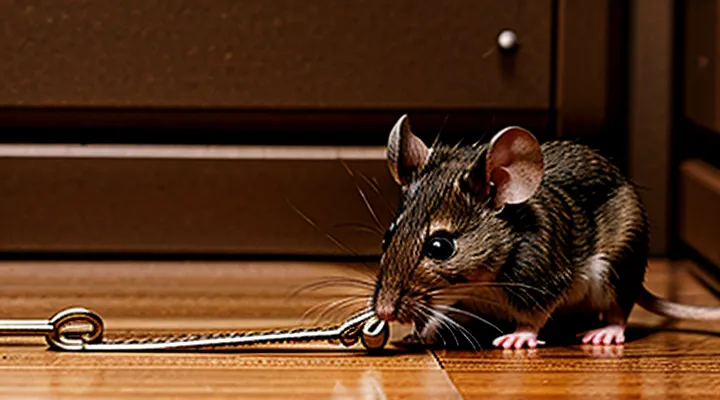
The Rationale Behind Humane Rodent Control
Ethical Considerations in Pest Management
Ethical pest management requires balancing humane treatment of rodents with the need to protect property and public health. Designs that immobilize mice without causing injury align with welfare standards established by veterinary and wildlife agencies. Materials such as soft, non‑metallic traps and transparent enclosures allow visual monitoring, reducing the risk of prolonged suffering.
Key ethical criteria include:
- Non‑lethal capture: Devices must restrain without piercing or crushing tissue.
- Rapid release: Mechanisms should enable swift removal of the animal to a suitable release site.
- Minimized stress: Construction should avoid sharp edges, loud noises, or bright lights that exacerbate anxiety.
- Compliance with regulations: Traps must meet local animal welfare legislation and industry best‑practice guidelines.
Implementation of these principles supports responsible rodent control while preserving ethical integrity. Selecting products that incorporate humane features, providing training on proper handling, and documenting outcomes ensure accountability and consistent adherence to accepted standards.
Limitations of Lethal Trapping Methods
Lethal mouse traps present several practical and ethical constraints that affect their suitability for reliable pest control. Their primary function—instantaneous killing—creates risks of misfires, unintended injuries, and collateral damage to non‑target species. The mechanisms often rely on high‑velocity springs or snap plates, which can malfunction under low‑temperature conditions, reducing capture efficiency during seasonal fluctuations.
Key limitations include:
- Safety hazards: exposed strike components pose injury threats to children, pets, and maintenance personnel.
- Legal restrictions: many jurisdictions classify certain lethal devices as prohibited or require specific licensing, limiting their deployment in residential or commercial settings.
- Ethical concerns: public demand for humane treatment drives organizations to adopt non‑lethal alternatives, diminishing market acceptance of killing traps.
- Maintenance demands: frequent disposal of dead rodents creates sanitation challenges and increases labor costs.
- Efficacy variability: bait aversion, trap avoidance, and species‑specific behavior can lower success rates, especially in populations accustomed to lethal devices.
These constraints motivate the development of capture systems that prioritize safety, compliance, and humane outcomes while maintaining effective population control. Designers must integrate secure enclosures, trigger mechanisms that prevent accidental activation, and materials that facilitate easy release and cleaning, thereby addressing the shortcomings inherent to killing traps.
Defining «Safe Capture» Standards
Defining “safe capture” standards requires precise criteria that ensure humane treatment of rodents while preventing accidental injury to humans and pets. The standards must be measurable, enforceable, and applicable across a range of trap designs.
Key elements of a safe capture definition include:
- Non-lethal mechanism – the device must immobilize without causing fatal injury.
- Rapid activation – trigger response time should not exceed a fraction of a second to reduce stress.
- Containment integrity – enclosure must prevent escape once the animal is inside.
- Ease of release – mechanism for humane release should be operable without direct contact.
- Material safety – components must be free of toxic substances and sharp edges that could harm non‑target species.
- User protection – activation surface must be insulated to avoid accidental finger or paw injury.
Compliance assessment involves laboratory testing and field validation. Laboratory tests simulate capture events, measuring force applied, time to immobilization, and escape probability. Field validation records outcomes in typical household or commercial settings, tracking incidents of injury, escape, and animal welfare indicators.
Regulatory bodies may adopt these criteria as benchmarks for product certification. Manufacturers must submit technical data, test results, and user manuals demonstrating adherence. Periodic audits verify ongoing compliance and identify design improvements.
By anchoring “safe capture” to quantifiable specifications, designers can develop traps that meet ethical expectations, reduce liability, and deliver consistent performance across diverse environments.
A Taxonomy of Safe Capture Devices
Continuous Catch Traps (Multi-Catch Stations)
Mechanism of Entry: One-Way Doors
One‑way doors allow a mouse to enter a capture chamber while preventing escape. The entry aperture is angled or hinged so that forward pressure pushes the latch open, but reverse pressure forces the latch against a stop, sealing the interior.
Design elements include a tapered funnel, a spring‑loaded flap, and a low‑friction surface. The funnel narrows toward the chamber, guiding the rodent toward the latch. The flap rests against a raised edge; when the mouse pushes forward, the edge tilts upward, creating a temporary opening. Once the animal passes, the flap snaps back, closing the gap.
Key benefits of one‑way entry systems:
- Eliminates the need for manual resetting after each capture.
- Reduces the risk of accidental release during handling.
- Maintains a clear line of sight to monitor activity inside the chamber.
- Compatible with various bait types and trap sizes.
Implementation tips:
- Align the funnel axis with the bait location to encourage direct approach.
- Use durable polymers or stainless steel for the flap to resist chewing.
- Test latch tension to ensure reliable closure without hindering entry.
- Incorporate a smooth interior finish to prevent injuries to captured rodents.
Capacity and Monitoring Requirements
Effective rodent capture devices must balance the number of occupants a trap can hold with reliable oversight mechanisms.
A trap’s capacity determines how many mice can be confined before release or disposal. Single‑capture units limit exposure to one animal, simplifying humane handling and reducing stress. Multi‑capture designs increase throughput, but require larger chambers, reinforced hinges, and escape‑proof seals to maintain safety. Capacity calculations should consider average mouse weight (≈ 20 g) and the trap’s internal volume; a 150 ml chamber typically accommodates two to three individuals without compromising comfort. Materials such as food‑grade plastic or stainless steel provide durability for repeated use and resist corrosion from urine or droppings.
Monitoring requirements ensure traps remain functional and humane. Key practices include:
- Visual inspection at least once per day; confirm that doors are sealed and no escape routes exist.
- Indicator flags or color‑coded lids that change when capture occurs, enabling rapid identification without opening the device.
- Integrated sensors (motion, infrared) linked to a smartphone app; alerts trigger when a trap is triggered or reaches full capacity.
- Scheduled cleaning after each capture cycle; disinfect surfaces with a mild bleach solution to prevent disease transmission.
- Battery checks for electronic components every two weeks; replace or recharge to avoid missed notifications.
By aligning capacity specifications with systematic monitoring, designers deliver safe, efficient solutions that minimize animal distress and reduce labor for pest‑control operators.
Single-Capture Live Release Traps
Tunnel and Gravity Activated Designs
Tunnel mouse traps rely on a narrow passage that guides the rodent toward a trigger mechanism. The passage limits lateral movement, ensuring the animal reaches the exact point where a pressure plate or trip wire activates the capture chamber. Materials such as transparent acrylic allow visual monitoring without disturbing the trap, while smooth interior surfaces prevent the mouse from gaining traction and escaping. The design typically incorporates a one‑way entry door that closes automatically once the animal passes, eliminating the need for manual resetting after each capture.
Gravity‑activated traps use a weighted latch that releases when the mouse’s weight shifts the balance of a lever or platform. The trigger is positioned at floor level, where rodents naturally step, reducing the chance of avoidance. A hinged lid or sliding door falls into place under the influence of gravity, sealing the capture compartment instantly. The mechanism can be calibrated to a specific weight range, targeting mice while ignoring lighter debris. Durable springs or magnetic catches maintain consistent performance over repeated cycles.
Key considerations for both tunnel and gravity designs:
- Precise trigger sensitivity to avoid false releases.
- Easy access for cleaning and release of captured specimens.
- Construction from non‑toxic, rust‑free components.
- Compact footprint for placement in confined areas.
- Compatibility with humane release options or disposal systems.
Material Science: Durability and Cleanliness
Material selection determines the lifespan of rodent capture devices. High‑strength polymers such as polycarbonate and reinforced nylon resist cracking under repeated impact, maintaining structural integrity after dozens of deployments. Metals like stainless steel provide superior tensile strength, but require surface treatments to prevent corrosion in moist environments.
Cleanliness influences both hygiene and trap performance. Non‑porous surfaces discourage residue buildup, allowing rapid disassembly and sterilization. Coatings that repel oils and proteins—e.g., PTFE (Teflon) or ceramic enamel—reduce adhesion of bodily fluids, facilitating thorough cleaning without abrasive scrubbing.
Key material attributes for safe capture systems include:
- Mechanical resilience: ability to absorb kinetic energy without deformation.
- Chemical inertness: resistance to acidic or alkaline substances encountered in pest control settings.
- Thermal stability: maintenance of properties across temperature fluctuations typical of indoor and outdoor use.
- Ease of sanitation: smooth finishes that support automated washing or manual rinsing.
Integrating these characteristics into trap construction yields devices that remain functional over extended periods while minimizing contamination risk during handling and disposal.
Electronic and Smart Capture Systems
Electronic and smart capture systems represent the most advanced approach to humane rodent control. These devices combine sensors, microprocessors, and powered mechanisms to detect, capture, and release mice without direct human handling.
The core components include:
- Motion or infrared sensors that trigger the trap when a rodent enters the detection zone.
- Low‑voltage electric actuators that close the capture chamber instantly.
- Rechargeable or mains‑connected power supplies that ensure continuous operation.
- Integrated microcontrollers that log capture events and can transmit data via Wi‑Fi or Bluetooth to a smartphone or central hub.
Operational benefits are measurable. Real‑time alerts inform users of successful captures, allowing prompt release or disposal. Data logs provide insight into activity patterns, supporting targeted placement of additional units. Remote control functions enable activation or deactivation without physical contact, reducing exposure to allergens or disease vectors.
Safety features address both the animal and the environment. Voltage levels are calibrated to immobilize without causing injury, complying with animal welfare standards. Enclosed chambers prevent accidental contact with the electric circuit. Fail‑safe mechanisms disengage power when the trap is opened for cleaning.
Integration with home automation platforms expands functionality. Traps can be linked to lighting, HVAC, or security systems to trigger deterrent actions, such as activating ultrasonic emitters when activity exceeds a predefined threshold. Firmware updates delivered over the air keep the devices aligned with the latest detection algorithms.
Maintenance considerations focus on durability and ease of service. Modular designs allow quick replacement of battery packs or sensor modules. Self‑diagnostic routines alert users to component wear, extending device lifespan and minimizing downtime.
Overall, electronic and smart capture systems deliver precise, humane, and data‑driven solutions for rodent management, aligning technological innovation with ethical pest control practices.
Operational Strategies for Successful Live Trapping
Optimal Placement and Location Scouting
Effective mouse capture devices perform best when positioned according to pest behavior and environmental factors. Identify high‑traffic zones by observing droppings, gnaw marks, and nesting material. Place traps along walls, behind appliances, and near concealed entry points, as rodents prefer travel routes that offer shelter and proximity to food sources. Ensure the device faces the wall, allowing the mouse to approach from the side rather than from the front, which reduces avoidance.
Key steps for scouting optimal locations:
- Conduct a visual sweep of each room, noting areas with visible signs of activity.
- Use a flashlight to inspect hidden corners, under cabinets, and within wall voids.
- Map observed signs on a floor plan, marking potential trap sites with distance measurements from known food sources.
- Prioritize sites where multiple signs converge, indicating repeated use.
When selecting a spot, consider the following criteria:
- Proximity to food or water sources, typically within 2–3 feet.
- Presence of concealed pathways, such as gaps behind baseboards.
- Low human traffic to minimize accidental disturbance.
- Stable surface that prevents trap displacement.
After placement, monitor each device for a minimum of 24 hours before relocation. Document capture data to refine future scouting efforts and maintain consistent coverage across the affected area.
Choosing Effective, Non-Toxic Bait
Effective, non‑toxic bait maximizes capture rates while protecting household members and pets. Choose attractants that align with mouse sensory preferences: strong olfactory cues, sweet flavors, and protein sources. Natural ingredients such as peanut butter, sunflower seed butter, and rolled oats provide high palatability without chemical additives. Grain‑based baits—cornmeal, wheat germ, or rice cereal—offer inexpensive, readily available options that mice readily consume.
When selecting bait, consider moisture content. Slightly damp substances release volatile compounds that enhance detection distance. Mix a small amount of water or unsweetened apple juice with dry ingredients to achieve a paste‑like consistency; this texture adheres to trap surfaces and reduces displacement by curious rodents.
Safety considerations dictate avoidance of allergens and toxins. Exclude products containing nuts known to trigger severe reactions in humans or pets, and reject commercial lures that list rodenticides, anticoagulants, or synthetic pheromones. Certified organic or food‑grade items meet these criteria.
Typical non‑toxic bait choices
- Peanut butter (or alternative seed butter)
- Sunflower seed butter
- Rolled oats mixed with a drop of honey
- Cooked quinoa with a splash of apple cider vinegar
- Dried fruit pieces (e.g., raisins, apricots) without added sugar
Placement strategy influences effectiveness. Position bait at the trap’s trigger mechanism, ensuring the mouse contacts the release lever while feeding. Replace bait every 48 hours to maintain freshness and prevent desiccation. Regular monitoring permits timely disposal of captured mice and replenishment of attractants, sustaining trap performance without compromising health standards.
Setting the Trap: Minimizing Stress and Injury
Effective rodent capture devices must prioritize animal welfare from the moment the trap is set. Reducing stress and preventing injury begins with selecting a model that matches the target species’ size and behavior. Appropriate dimensions prevent cramped confinement, while a smooth interior surface eliminates abrasions. Adjustable trigger mechanisms allow gentle activation, avoiding sudden jolts that can cause shock.
Key design elements include:
- Soft padding on contact points to cushion the animal.
- Transparent or semi‑transparent walls for visual acclimation.
- Escape‑proof yet quick‑release doors for humane removal.
- Low‑noise operation to avoid panic.
Procedural steps for setting a humane trap:
- Inspect the trap for damage; replace worn springs or hinges.
- Attach a bait that appeals to the specific rodent without encouraging aggressive feeding.
- Position the trap along established pathways, near walls or corners where rodents travel.
- Activate the trigger at the lowest sensitivity that still ensures capture.
- Check the trap at regular intervals—no longer than 30 minutes—to limit confinement duration.
- Upon capture, handle the device with gloves, open the release door slowly, and allow the rodent to exit onto a prepared release area.
By adhering to these specifications and practices, the capture process remains swift, low‑stress, and free of physical harm.
Essential Routine Inspection Schedules
Routine inspection guarantees reliable operation of humane capture devices and prevents accidental release or injury. A consistent schedule aligns performance with safety standards and maintains trap effectiveness over time.
- Daily: Visual assessment of each unit for damage, obstruction, or bait depletion. Replace bait or clear debris as needed.
- Weekly: Clean surfaces with mild detergent, inspect moving parts for wear, lubricate hinges according to manufacturer guidelines.
- Monthly: Test trigger mechanisms with a calibrated force gauge. Record any deviation from specified activation force and adjust or replace components.
- Quarterly: Conduct comprehensive audit covering inventory count, compliance with local animal‑control regulations, and documentation accuracy.
Documentation should include date, inspector name, observed condition, and corrective action taken. Assign responsibility to a designated staff member to ensure accountability and prompt remediation.
Handling, Release, and Long-Term Prevention
Safe Handling Procedures for Captured Mice
Handling captured mice requires consistent, risk‑free practices. Begin each session by donning disposable nitrile gloves and, if available, eye protection. Secure the trap on a stable surface to prevent accidental release during manipulation.
- Grasp the trap by its rigid frame or handle; avoid contact with the animal’s body.
- If the mouse is alive, keep the trap closed and move it to a pre‑designated containment box lined with absorbent material.
- For humane euthanasia, apply an approved method (e.g., CO₂ chamber) within a ventilated area, following local regulations.
- After the animal is removed, place the trap in a disinfectant solution (e.g., 10 % bleach) for at least five minutes, then rinse with clean water.
- Dispose of gloves and any contaminated bedding in sealed bags before discarding them in a biohazard container.
Document each capture, noting date, location, and disposal method. Clean work‑area surfaces with an EPA‑registered disinfectant at the end of each session. Maintain a log of equipment inspection dates to ensure traps function correctly and remain safe for future use.
Establishing Appropriate Release Locations
Distance Requirements for Successful Release
When releasing a captured mouse, the distance between the trap and the release point determines whether the animal escapes unharmed and prevents immediate recapture. A clear line of sight, minimal obstacles, and sufficient space for the mouse to sprint away are essential components of a successful release.
- Minimum straight‑line distance: 10–15 feet (3–4.5 m) from the trap to the release zone. This range allows the mouse to clear the trap’s immediate vicinity before reacting to the handler’s presence.
- Preferred release environment: open area with natural cover (e.g., vegetation, debris) located beyond the minimum distance. Cover reduces the likelihood of the mouse returning to the trap.
- Obstacle clearance: no barriers within a 5‑foot (1.5 m) radius of the release point. Obstacles can cause the mouse to hesitate or become trapped again.
- Handler positioning: stand at least 6 feet (1.8 m) behind the trap while opening it, then step back to maintain the minimum release distance.
The release distance must also account for the trap’s design. Spring‑loaded and snap‑type models often propel the mouse farther when opened, requiring the higher end of the distance range. Conversely, live‑catch cages release the animal with less force, allowing the lower end of the range to be sufficient.
Consistent application of these distance guidelines ensures humane handling, reduces stress on the mouse, and minimizes the risk of re‑capture.
Environmental Factors to Consider
When selecting a humane capture device for rodents, the surrounding environment determines the most reliable and safe configuration. Temperature extremes affect the material integrity of plastic or wooden components; heat can warp plastic housings, while cold may make metal springs brittle. Moisture levels influence bait longevity and corrosion risk; high humidity accelerates mold growth on organic attractants and accelerates rust on metal parts.
Indoor settings require low‑odor, silent operation to avoid disturbance, and must comply with fire‑safety regulations that limit the use of flammable bait. In contrast, outdoor installations face exposure to rain, wind, and direct sunlight, demanding weather‑sealed enclosures and UV‑resistant plastics.
Presence of non‑target animals, children, or pets mandates traps with secure locking mechanisms and escape‑proof chambers. Designs that incorporate smooth interior surfaces prevent accidental injury while allowing easy release of captured rodents.
Sanitation conditions shape trap placement; cluttered areas hinder inspection and cleaning, increasing disease risk. Open, well‑ventilated locations facilitate rapid removal of captured specimens and reduce odor buildup.
Lighting influences rodent activity patterns; traps positioned near dimmer zones align with nocturnal foraging behavior, improving capture rates. Conversely, bright areas may deter target species and attract non‑target wildlife.
Key environmental variables to assess before deployment include:
- Ambient temperature range
- Relative humidity and precipitation exposure
- Indoor versus outdoor location
- Proximity to vulnerable humans or animals
- Cleanliness and clutter level of the area
- Ventilation and airflow characteristics
- Light intensity and timing
Evaluating each factor ensures the chosen device operates efficiently, maintains safety standards, and upholds humane capture principles.
Sanitation and Trap Maintenance
Proper sanitation directly affects trap performance and humane outcomes. Residue, urine, and droppings attract pests, compromise bait efficacy, and create health hazards for occupants. Regular cleaning eliminates these risks and extends the lifespan of the device.
Effective maintenance follows a predictable routine:
- Disassemble the trap after each capture event.
- Submerge components in warm, soapy water; scrub with a brush to remove organic matter.
- Rinse thoroughly with clean water; allow parts to air‑dry completely before reassembly.
- Apply a food‑grade sanitizer (e.g., diluted hydrogen peroxide) to surfaces that contact bait.
- Inspect moving mechanisms for wear; replace springs, hinges, or trigger plates as needed.
Consistent inspection prevents malfunctions. Verify that trigger sensitivity remains within specifications, and ensure that seals are intact to avoid leaks. Store traps in a dry, dust‑free environment when not in use to preserve structural integrity.
Structural Measures for Preventing Future Infestations (Exclusion)
Effective rodent capture solutions rely on preventing re‑entry through physical barriers. Structural exclusion addresses the root cause of infestations by eliminating access points that mice use to enter buildings.
Sealing gaps and openings is the first line of defense. Common entry locations include:
- Cracks around foundations, walls, and floors; fill with expanding polyurethane foam or cement.
- Openings around utility penetrations (pipes, wires, ducts); install stainless‑steel mesh sleeves or silicone sealant.
- Gaps beneath doors and windows; attach door sweeps and weatherstripping of appropriate thickness.
- Uncovered vents and exhaust fans; retrofit with metal screens that have mesh no larger than ¼ inch.
- Holes in siding, roofing, or eaves; replace damaged sections with durable materials and secure with nails or screws.
Additional structural measures reduce attractants and limit movement inside the structure:
- Store food in sealed containers; use metal or heavy‑wall plastic bins with tight‑closing lids.
- Keep garbage in containers equipped with lidded, lockable covers; empty regularly.
- Maintain a clean, clutter‑free environment; remove piles of cardboard, paper, or fabric that provide shelter.
- Install rodent‑proof cabinets in kitchens and pantries; use reinforced door hinges and latch mechanisms.
- Ensure proper drainage around the building; grade soil away from foundations to prevent moisture accumulation that draws rodents.
Exterior modifications complement interior barriers:
- Trim vegetation away from walls; keep shrubs at least 12 inches from the building envelope.
- Install gravel or stone barriers around the perimeter to deter burrowing.
- Use metal flashing on the underside of decks and porches to block concealed entry routes.
Implementing these structural measures creates a comprehensive exclusion system. When combined with appropriately designed capture devices, the likelihood of future mouse activity diminishes significantly. Regular inspection and maintenance of seals, screens, and barriers sustain the effectiveness of the exclusion strategy over time.