
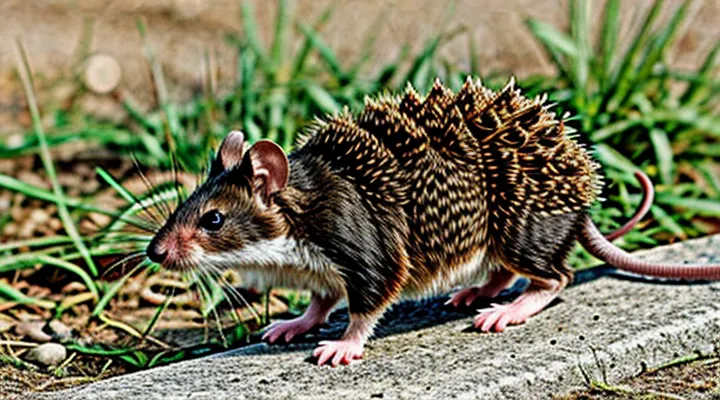
Introduction to Rodents
General Characteristics of Rodents
Diversity and Distribution
Mice and porcupines exhibit markedly different patterns of biological diversity and geographic distribution. Both groups belong to the order Rodentia, yet their evolutionary trajectories have produced distinct species richness, habitat preferences, and continental ranges.
Species richness within the mouse clade exceeds one hundred recognized taxa, ranging from the common house mouse (Mus musculus) to numerous wild species adapted to deserts, forests, and alpine zones. Porcupine diversity is more limited, comprising roughly thirty extant species divided between the Old World (family Hystricidae) and the New World (family Erethizontidae). The greater number of mouse species reflects a higher rate of speciation driven by rapid reproductive cycles and ecological flexibility.
Geographic distribution reflects these differences:
-
Mice
-
Porcupines
- Old World porcupines occupy Africa, Europe, and Asia, favoring savannas, scrublands, and mountainous forests.
- New World porcupines inhabit Central and South America, primarily in tropical rainforests and cloud forests.
- Limited penetration into arid deserts and high‑latitude zones due to reliance on woody vegetation for foraging and shelter.
Ecological niches further separate the groups. Mice exploit a broad spectrum of food resources, including seeds, insects, and human waste, enabling colonization of diverse microhabitats. Porcupines specialize in bark, twigs, and foliage, restricting them to ecosystems with sufficient woody plant cover.
Conservation status aligns with distribution patterns. Numerous mouse species are classified as least concern, though habitat loss threatens several endemic forms. Porcupine species face higher vulnerability in fragmented forests, with several listed as near threatened or endangered.
Overall, mouse diversity surpasses that of porcupines, while porcupines display a more constrained but regionally distinct distribution across Old and New World habitats.
Evolutionary History
Mice belong to the order Rodentia, which emerged in the Paleocene about 66 million years ago. Early rodent fossils display primitive dentition that later evolved into the continuously growing incisors characteristic of modern murids. Genetic analyses place the diversification of the Mus genus in the Miocene, roughly 15 million years ago, when climatic shifts created varied habitats across Eurasia and Africa. This period saw the emergence of traits such as high reproductive rates and flexible diet, facilitating rapid colonization of diverse environments.
Porcupines are members of the order Rodentia as well, but they belong to the family Hystricidae (Old World) or Erethizontidae (New World). Their lineage diverged from other rodents in the Eocene, around 45 million years ago. Fossil records indicate early hystricids possessed simple, unmodified quills, which later evolved into the complex, keratinized structures used for defense. The split between Old World and New World porcupines occurred in the Oligocene, leading to distinct ecological adaptations such as arboreal versus terrestrial lifestyles.
Both groups share a common rodent ancestor, yet their evolutionary trajectories differ markedly. Mice retained a generalized body plan optimized for rapid breeding, while porcupines developed specialized defensive armor and slower life histories. The contrast illustrates how divergent selective pressures—predation pressure for porcupines and resource exploitation for mice—shaped separate adaptive strategies within the same mammalian order.
- Origin: Rodent ancestor (Paleocene) → Mus lineage (Miocene); Hystricid lineage (Eocene) → Old/New World split (Oligocene)
- Key adaptations: continuously growing incisors and high fecundity (mice); keratinized quills and reduced reproductive rate (porcupines)
- Habitat expansion: global colonization by mice; regional diversification of porcupines into forest and savanna niches.
The Mouse: A Case Study
Physical Attributes
Size and Weight
The common house mouse (Mus musculus) typically measures 7–10 cm from nose to base of the tail, with a tail length of 5–10 cm. Adult weight ranges from 15 to 30 g, varying with sex and diet.
The North American porcupine (Erethizon dorsatum) reaches a body length of 60–90 cm, tail length of 12–20 cm, and weighs between 5 and 14 kg. Fur-covered quills add negligible mass but increase overall dimensions.
Comparison
- Length: a porcupine exceeds a mouse by roughly 8–12 times.
- Weight: a porcupine outweighs a mouse by 170–900 times.
- Body mass index: the porcupine’s bulk reflects a skeletal and muscular structure suited for defense, whereas the mouse’s lightweight form supports agility and rapid reproduction.
These dimensional differences influence habitat use, predator avoidance, and energy requirements for each species.
Fur and Coloration
Mice possess soft, fine pelage that varies from pale gray to brown, often matching the substrate of their habitats. The hair density is high, providing thermal insulation and aiding in tactile sensing through whisker integration. Seasonal molting can alter coloration, typically resulting in lighter coats during winter months.
Porcupines are covered primarily by coarse, rigid quills, each a modified hair shaft. Quills display a range of hues, from muted brown and black to occasional reddish tones, reflecting species-specific camouflage needs. The underlying body fur is sparse and coarse, offering limited insulation compared to the dense undercoat of rodents.
Key contrasts in fur and coloration:
- Structure: Mouse hair is flexible and dense; porcupine quills are stiff, keratinous, and sparsely spaced.
- Function: Mouse pelage serves insulation and sensory input; porcupine quills provide defense and visual deterrence.
- Color variability: Mice exhibit rapid seasonal coat changes; porcupine coloration remains relatively stable, with minor regional variations.
- Coverage: Mice have full-body coverage; porcupines have a protective quill mantle with limited soft fur underneath.
Tail Structure
Mice possess long, slender tails composed of vertebrae covered by sparse fur. The tail functions primarily as a balance aid during rapid locomotion and as a thermoregulatory surface, dissipating heat through its extensive vasculature. Muscular control allows subtle adjustments for precise maneuvering in confined spaces.
Porcupines exhibit short, robust tails ending in a tuft of stiff, keratinized quills. The tail’s vertebral column is reinforced, and the overlying quill layer provides defensive utility; the quills can be erected to deter predators. Limited flexibility restricts the tail’s role to support during climbing and to serve as a rudder when the animal swims.
Key structural contrasts:
- Length: mouse tail > 10 cm; porcupine tail ≤ 5 cm.
- Covering: fine hair (mouse) vs. hardened quills (porcupine).
- Primary function: balance and heat loss (mouse) vs. defense and limited steering (porcupine).
These anatomical differences reflect each species’ ecological adaptations, influencing locomotor strategies and predator avoidance mechanisms.
Habitat and Lifestyle
Diet and Foraging
Mice and porcupines exhibit distinct dietary strategies shaped by body size, dentition, and habitat. Both species are omnivorous, yet the proportion of plant versus animal matter diverges sharply.
Mice consume a high‑energy mix of seeds, grains, fruits, and insects. Their small molars grind soft seeds efficiently, while incisors enable rapid gnawing of tough husks. Foraging occurs primarily at ground level and within burrows, with nocturnal activity reducing predation risk. Food items are collected in small quantities and stored in cheek pouches or scattered caches.
Porcupines rely on a largely herbivorous diet consisting of bark, twigs, leaves, and occasional fruits. Their robust incisors strip bark, and elongated cheek teeth process fibrous material. Foraging takes place on the forest floor and low vegetation, often during daylight when bark is more pliable. Seasonal shifts prompt increased bark consumption during winter when foliage is scarce.
Key dietary differences:
- Primary food type: seeds/insects (mouse) vs. woody plant material (porcupine)
- Foraging time: nocturnal (mouse) vs. diurnal/crepuscular (porcupine)
- Food processing: fine grinding (mouse) vs. coarse chewing of lignified tissue (porcupine)
- Storage method: cheek pouch caches (mouse) vs. immediate consumption, occasional caching of bark pieces (porcupine)
These contrasts reflect evolutionary adaptations that optimize energy intake, digestive efficiency, and predator avoidance for each species.
Social Behavior
Mice and porcupines display markedly different patterns of social interaction, reflecting divergent ecological pressures and evolutionary histories.
Mice form cohesive groups that occupy shared burrow systems. Within these colonies, individuals establish dominance hierarchies, exchange ultrasonic vocalizations, and engage in allogrooming to reinforce social bonds. Reproductive cycles are synchronized with group dynamics, and territorial disputes are resolved through ritualized aggression and scent marking.
Porcupines, by contrast, adopt a predominantly solitary lifestyle. Adults maintain exclusive home ranges and avoid conspecific contact except during the brief breeding season. Maternal care is limited to the early post‑natal period, after which offspring disperse. Communication relies on visual and tactile signals, such as quill erection and scent deposition, rather than vocal exchanges.
Key contrasts in social behavior:
- Group composition: mice – multi‑individual colonies; porcupines – solitary adults.
- Communication: mice – ultrasonic calls, grooming; porcupines – visual displays, scent marking.
- Hierarchy: mice – established dominance ranks; porcupines – minimal hierarchical structure.
- Reproductive interaction: mice – frequent within‑group mating; porcupines – seasonal, brief encounters.
These differences illustrate how each species’ social system aligns with its habitat use, predator avoidance strategy, and resource distribution.
Reproduction and Lifespan
Mice and porcupines exhibit distinct reproductive strategies and longevity patterns, reflecting divergent ecological niches.
Mice reproduce rapidly. Breeding occurs year‑round in temperate zones, with estrus cycles lasting four to five days. Gestation averages 19–21 days, producing litters of 4–8 pups. Offspring reach sexual maturity at 6–8 weeks, enabling multiple generations within a single year.
Porcupines follow a slower cycle. Breeding is seasonal, typically in late winter to early spring. Gestation extends 120–130 days, yielding one or two young per litter. Juveniles attain sexual maturity at 12–18 months, limiting reproductive frequency to once annually.
- Litter size: mouse ≈ 4–8; porcupine ≈ 1–2
- Gestation length: mouse ≈ 20 days; porcupine ≈ 125 days
- Maturity age: mouse ≈ 0.2 years; porcupine ≈ 1.5 years
Lifespan differs markedly. In the wild, mice survive 1–2 years, with predation and disease as primary mortality factors. Captive individuals may reach 3–4 years due to reduced threats and controlled nutrition.
Porcupines exhibit longer longevity. Wild lifespans range from 5 to 7 years; captivity can extend survival to 10–12 years. Their robust armor and lower predation pressure contribute to increased durability.
Overall, mice prioritize high fecundity and swift maturation, resulting in brief adult phases, whereas porcupines invest in fewer offspring, extended developmental periods, and greater lifespan. This contrast underscores how reproductive output and longevity align with each species’ survival strategies.
Adaptations and Survival Strategies
Speed and Agility
Mice rely on rapid bursts of movement to evade predators and explore confined spaces. Typical sprint speed reaches 8 km/h, with acceleration sufficient to cover a meter in under 0.2 seconds. Their lightweight skeleton and flexible spine enable swift changes in direction, allowing navigation through narrow openings and dense vegetation.
Porcupines exhibit considerably lower locomotor performance. Maximum speed rarely exceeds 5 km/h, and acceleration is gradual. The animal’s heavy quills and robust build limit rapid turning; movement is characterized by steady, deliberate steps rather than sudden shifts.
Key distinctions in speed and agility:
- Maximum velocity: mouse ≈ 8 km/h; porcupine ≤ 5 km/h.
- Acceleration: mouse achieves meter‑scale displacement in <0.2 s; porcupine requires several seconds.
- Turning radius: mouse can execute turns within a few centimeters; porcupine requires a meter‑scale radius.
- Environmental adaptability: mouse excels in cluttered habitats; porcupine functions best in open or semi‑open terrain where speed is less critical.
These metrics illustrate that mice possess superior speed and maneuverability, while porcupines compensate with defensive structures rather than locomotor prowess.
Sensory Perception
Mice rely on acute auditory and olfactory systems to navigate nocturnal environments. Their large, mobile ears detect frequencies up to 100 kHz, enabling precise localization of predator sounds. A highly developed vomeronasal organ processes pheromones and food odors, supporting foraging and social communication. Vision is limited; retinas contain a high proportion of rod cells, providing low‑light sensitivity but poor color discrimination.
Porcupines possess robust tactile and visual faculties adapted for a primarily terrestrial lifestyle. Modified whiskers (vibrissae) deliver detailed surface information, essential for maneuvering through dense vegetation. Eyes, positioned laterally, afford a wide field of view and moderate acuity, sufficient for detecting movement at dawn and dusk. Auditory sensitivity peaks around 10 kHz, lower than that of rodents, while olfactory receptors remain functional for locating food and mates.
Key differences in sensory perception:
- Hearing range: mouse ≈ 100 kHz; porcupine ≈ 10 kHz
- Visual specialization: mouse – rod‑dominant, low‑light; porcupine – broader field, moderate acuity
- Tactile structures: mouse – minimal; porcupine – extensive vibrissae network
- Olfactory emphasis: both species rely on smell, but mice integrate pheromonal cues more intensively.
The Porcupine: A Case Study
Physical Attributes
Size and Weight
Mice typically measure 6–10 cm in body length, with tails adding an additional 5–10 cm. Adult house mice (Mus musculus) weigh between 15 and 30 g, rarely exceeding 40 g. Their compact size facilitates rapid breeding cycles and efficient navigation through narrow openings.
Porcupines exhibit considerably larger dimensions. North American porcupines (Erethizon dorsatum) reach 60–90 cm in body length, with a tail extending 15–25 cm. Adult individuals weigh 5–12 kg, with some specimens approaching 15 kg. The substantial mass supports a robust skeletal structure that anchors the extensive quill array.
Key comparative metrics:
- Body length: mouse ≈ 6–10 cm; porcupine ≈ 60–90 cm.
- Tail length: mouse ≈ 5–10 cm; porcupine ≈ 15–25 cm.
- Weight: mouse ≈ 15–30 g; porcupine ≈ 5–12 kg.
The disparity in size and weight reflects divergent ecological strategies: small, lightweight rodents exploit concealment and high reproductive rates, while large, heavy porcupines rely on physical deterrence and territorial stability.
Quills: Structure and Function
Quills are modified hairs composed primarily of β‑keratin, a protein that provides high tensile strength and resistance to abrasion. Each quill consists of a central hollow shaft surrounded by a cortex of densely packed keratin fibers. The distal end bears backward‑facing barbs that interlock with neighboring quills, creating a cohesive armor.
The hollow architecture reduces weight while preserving rigidity, enabling rapid penetration of predators’ skin. Barbs increase mechanical resistance by distributing impact forces along the shaft. Microscopic ridges along the surface generate friction that hinders removal once a quill is embedded.
Key functions include:
- Mechanical defense against mammals and birds;
- Induction of bleeding through vascular rupture;
- Deterrence by causing pain and infection risk;
- Protection of the animal’s dorsal region while allowing flexibility.
Mice possess only soft fur, lacking the keratinized, barbed structures found in porcupines. Their defensive repertoire relies on agility, burrowing, and rapid reproduction rather than physical armor. Consequently, quills represent a specialized adaptation for passive protection, whereas mouse integument serves thermoregulation and sensory roles without contributing to predator deterrence.
Tail Structure
Mice possess long, thin tails composed primarily of vertebrae surrounded by a thin layer of skin and sparse fur. The vertebral column extends nearly the full length of the tail, providing flexibility for balance during rapid locomotion. Muscular control is concentrated at the base, while the distal portion contains minimal musculature, allowing the tail to act as a passive stabilizer.
Porcupines have relatively short, robust tails formed of a series of fused vertebrae encased in dense, coarse hair. The tail’s musculature is well‑developed throughout its length, enabling powerful sweeping motions that can be used in defensive displays. The dorsal surface is covered with thick guard hairs, and the ventral side is protected by a tougher epidermis.
Key structural differences:
- Length: mouse tail ≈ 70‑100 % of body length; porcupine tail ≈ 30‑40 % of body length.
- Flexibility: mouse tail highly flexible; porcupine tail comparatively rigid.
- Covering: mouse tail sparsely furred; porcupine tail densely haired with protective guard hairs.
- Musculature: mouse tail limited to base; porcupine tail muscular throughout.
These distinctions reflect adaptations to each species’ ecological demands: agile maneuverability for the mouse and defensive utility for the porcupine.
Habitat and Lifestyle
Diet and Foraging
Mice and porcupines exhibit distinct dietary preferences shaped by body size, habitat, and digestive physiology.
Mice primarily consume plant matter and opportunistic animal protein. Typical items include:
- Seeds from grasses and cereals
- Grains and stored crops
- Fresh vegetation such as leaves and shoots
- Insects, larvae, and occasional eggs
Porcupines rely on a high-fiber diet dominated by woody and herbaceous material. Common components are:
- Bark and cambium of trees and shrubs
- Roots and tubers
- Fallen leaves and twigs
- Occasionally fruits and nuts when available
Foraging strategies differ markedly. Mice practice rapid, short-range exploration, exploiting abundant, low‑energy resources. They construct nests near food sources and exhibit nocturnal activity to reduce predation risk. Porcupines employ slower, deliberate movement, selecting mature vegetation that provides both nutrition and defensive cover. They use strong forelimbs to strip bark and dig for subterranean parts, often foraging during daylight hours.
Overall, mouse diets emphasize high‑energy seeds and insects with flexible foraging patterns, whereas porcupine diets focus on fibrous plant structures accessed through specialized feeding behavior.
Social Behavior
Mice live in colonies that can contain dozens of individuals. They maintain social cohesion through scent marking, ultrasonic vocalizations, and reciprocal grooming. Dominance hierarchies are established by aggressive encounters, yet subordinate members retain access to shared nesting sites and food caches.
Porcupines are predominantly solitary. Adult individuals occupy exclusive ranges marked by urine and anal gland secretions. Social interaction occurs mainly between a mother and her offspring, lasting until the young reach independence. Brief aggregations may arise at abundant food sources, but no stable group structure develops.
Comparison of key social traits
- Group size: mice – large, stable colonies; porcupines – solitary, occasional temporary groups.
- Communication: mice – ultrasonic calls, scent trails; porcupines – limited vocalizations, chemical cues.
- Dominance: mice – clear hierarchical order; porcupines – minimal intra‑species aggression outside mating.
- Parental care: mice – communal nesting, shared nursing; porcupines – maternal care restricted to early development.
- Territoriality: both species defend space, but mice use collective defense, whereas porcupines rely on solitary patrols and defensive quills.
Reproduction and Lifespan
Mice reproduce rapidly, reaching sexual maturity at about six weeks. Females can produce a litter every 20‑30 days, with average litter sizes of 5–8 offspring. Gestation lasts roughly three weeks, and multiple litters are common within a single breeding season.
Porcupines mature later, typically attaining reproductive capability at 12–18 months. Females give birth to a single offspring after a gestation period of 120‑130 days. The young remain with the mother for several months, receiving extended parental care before independence.
Key reproductive contrasts:
- Maturity age: mouse ≈ 1.5 months; porcupine ≈ 12–18 months.
- Litter size: mouse ≈ 5–8; porcupine = 1.
- Breeding frequency: mouse ≈ 3–4 litters per year; porcupine ≈ 1 per year.
- Gestation length: mouse ≈ 3 weeks; porcupine ≈ 4 months.
Lifespan differs markedly. In the wild, mice survive 1–2 years, rarely exceeding three years under optimal conditions. Porcupines live 5–7 years on average, with some individuals reaching 10–12 years in protected environments. Captive care can extend mouse longevity to 3–4 years and porcupine longevity to 15 years or more.
Adaptations and Survival Strategies
Defensive Mechanisms
Mice rely on rapid locomotion, small body size, and sensory acuity to avoid predators. Their primary defenses include:
- High-speed bursts that exceed 13 km/h, allowing escape from approaching threats.
- Acute hearing that detects ultrasonic predator calls, triggering immediate flight.
- Whisker‑mediated tactile perception, providing early warning of nearby danger.
- Burrowing behavior that creates concealed refuges inaccessible to many hunters.
Porcupines employ physical deterrents that protect against larger predators. Their defensive arsenal consists of:
- Modified hairs (quills) coated with keratin, capable of penetrating skin upon contact.
- Muscular control that can erect quills, increasing the effective defensive surface area.
- Defensive coloration that signals the presence of quills, discouraging attack.
- Audible grunts and rattling sounds that serve as warning cues before contact.
When comparing the two, mice achieve survival through avoidance and speed, incurring minimal energetic cost but remaining vulnerable to swift or ambush predators. Porcupines invest in costly anatomical structures that deliver lethal or debilitating injuries, reducing the likelihood of successful predation but requiring substantial metabolic resources for quill maintenance. Both strategies reflect adaptation to distinct ecological niches: the rodent exploits concealment and agility, while the spiny mammal relies on a formidable physical barrier.
Nocturnal Habits
Mice are primarily nocturnal, emerging after dusk to forage for seeds, insects, and waste material. Their activity peaks during the early night hours, coinciding with reduced predator visibility and cooler temperatures. Vision is limited; whisker sensitivity and acute hearing guide navigation in low‑light environments. Food intake is continuous, with short bouts of feeding interspersed by brief rest periods.
Porcupines also display nocturnal tendencies, but their pattern is less strict than that of mice. They typically leave shelters at twilight to browse on bark, leaves, and roots, returning before sunrise. Enhanced olfactory receptors compensate for dim lighting, while strong forelimb muscles allow efficient climbing and digging in darkness. Their slower metabolism results in longer feeding sessions spaced by extended resting intervals.
Key contrasts in nighttime behavior:
- Activity window: Mice concentrate activity within the first few hours after sunset; porcupines extend foraging through the entire night.
- Sensory reliance: Mice depend on tactile and auditory cues; porcupines rely more on smell and tactile perception via large forepaws.
- Feeding strategy: Mice perform rapid, frequent meals; porcupines consume larger, less frequent portions.
- Predator avoidance: Mice use speed and burrow networks; porcupines employ quill defense and arboreal escape routes.
Both species adapt their nocturnal schedules to minimize exposure to diurnal predators while exploiting resources unavailable during daylight. Their differing physiological and sensory adaptations shape distinct night‑time foraging tactics.
Comparative Analysis: Mouse vs. Porcupine
Morphological Differences
Body Plan Comparison
The mouse and the porcupine exhibit markedly different body plans, reflecting divergent evolutionary pressures. Both mammals share a vertebrate skeleton, but variations in size, integument, and limb morphology define their distinct functional capacities.
-
Skeletal framework: The mouse possesses a lightweight, elongated vertebral column supporting rapid locomotion. Its long, slender limbs end in dexterous digits with opposable thumbs. In contrast, the porcupine’s robust spine accommodates a series of modified hair follicles that develop into defensive quills. The vertebrae are thicker to bear the added mass of the quill array.
-
Skin and covering: Mouse epidermis is covered by fine, short fur providing insulation and camouflage. Porcupine skin is thickened and overlain by coarse hair interspersed with keratinous quills, each anchored in a follicular socket that allows limited movement for defensive erection.
-
Musculature: Muscles of the mouse emphasize speed and agility, with well‑developed forelimb flexors for climbing and hindlimb extensors for jumping. Porcupine musculature prioritizes strength; large pectoral and forelimb muscles enable the animal to dig burrows and manipulate objects while maintaining stability under the weight of its quills.
-
Respiratory and circulatory adaptations: Both species share a mammalian diaphragm and four‑chambered heart, yet the mouse’s higher metabolic rate demands a larger surface area of alveolar tissue relative to body mass. The porcupine’s slower metabolism aligns with a reduced relative lung volume, reflecting its lower activity level.
-
Sensory structures: The mouse’s large, mobile ears and whiskers provide acute auditory and tactile perception essential for nocturnal foraging. Porcupines possess smaller ears and rely heavily on tactile feedback from quill movement and a well‑developed olfactory system for detecting predators and food sources.
The comparative analysis of these anatomical elements underscores how each species’ body plan is optimized for its ecological niche: rapid maneuverability and evasion for the mouse, and formidable defense coupled with burrowing capability for the porcupine.
Specialized Appendages
Mice possess delicate forelimb paws equipped with a flexible skeletal structure and five dexterous digits. The digits end in small, curved claws that facilitate grasping, climbing, and manipulation of grains or nesting material. Muscular control allows rapid, precise movements essential for foraging and evasion. Sensory receptors in the paw pads provide tactile feedback, enhancing spatial awareness in confined environments.
Porcupines feature robust forelimbs ending in stout, curved claws adapted for digging and anchoring while climbing. The claws are reinforced with dense keratin, enabling the animal to excavate burrows and maintain stability on vertical surfaces. Muscular articulation yields powerful, controlled strokes for moving soil and navigating rugged terrain. Tactile pads on the digits contain mechanoreceptors that detect substrate firmness, supporting efficient burrow construction.
Both species exhibit specialized appendages that reflect divergent ecological demands:
- Mice: lightweight paws, fine claws, high-speed digit articulation, tactile pads for fine texture discrimination.
- Porcupines: heavy claws, reinforced keratin, strong muscle groups, tactile pads for substrate assessment.
The contrast underscores functional adaptation: mice prioritize agility and precision, while porcupines emphasize strength and durability.
Behavioral Contrasts
Defensive Strategies
Mice rely on speed, concealment, and social vigilance to avoid predation. Their primary tactics include rapid sprinting to escape, frequent use of narrow burrows that restrict predator access, and heightened auditory and olfactory senses that detect threats early. Group living enhances detection; individuals emit high‑frequency alarm calls that prompt collective flight. Reproductive turnover compensates for losses, maintaining population stability despite frequent predation.
Porcupines employ physical deterrents and behavioral warnings. When threatened, they erect a defensive display: quills become erect, and the animal adopts a stance that maximizes visibility of the spines. Contact results in the penetration of sharp, barbed quills that embed in predator tissue, causing pain and potential infection. Additional measures include nocturnal activity to reduce encounters, vocalizations that signal agitation, and the ability to roll into a ball, exposing only the spiky exterior.
Key contrasts in defensive strategy:
- Mobility vs. Armor: Mice favor swift movement; porcupines depend on rigid protection.
- Escape vs. Deterrence: Mice prioritize fleeing; porcupines aim to prevent attack through intimidation and injury.
- Social signaling vs. Physical threat: Mice use audible alarms; porcupines use visual posture and tactile harm.
- Reproductive compensation vs. Longevity: Mice offset high mortality with rapid breeding; porcupines achieve lower predation rates through effective deterrence, allowing longer lifespans.
Social Structures
Mice and porcupines exhibit markedly different social organizations despite sharing a mammalian lineage. The contrast informs broader discussions of how ecological pressures shape group dynamics.
Mice typically form small, fluid colonies. Individuals maintain a dominance hierarchy that regulates access to nesting sites and food resources. Breeding pairs are established within the group, and offspring remain in the natal colony for several weeks before dispersing. Chemical cues and ultrasonic vocalizations coordinate movement, alarm response, and reproductive status.
Porcupines are predominantly solitary. Adults defend exclusive home ranges that may overlap minimally with those of conspecifics. Interaction is limited to brief encounters during the breeding season and prolonged maternal care of neonates. Communication relies on scent marking and tactile signals, such as quill displays, rather than vocalization.
Key distinctions:
- Group size: mice – colonies of 5‑30 individuals; porcupines – solitary adults.
- Hierarchy: mice – defined dominance order; porcupines – no stable hierarchy.
- Territoriality: mice – shared nesting areas; porcupines – defended individual ranges.
- Communication: mice – ultrasonic calls and pheromones; porcupines – scent marks and visual displays.
Ecological Roles
Predator-Prey Dynamics
The mouse and the porcupine occupy distinct positions within the same trophic level, yet their interactions with predators illustrate contrasting survival strategies.
- Primary predators of the mouse include owls, foxes, snakes, and domestic cats; these hunters rely on speed, stealth, and acute sensory abilities. The mouse counters with rapid breeding cycles, nocturnal activity, and evasive maneuvers such as zig‑zag running and burrow use.
- The porcupine faces threats from large carnivores such as wolves, coyotes, and big cats; its defense hinges on quill deployment, which deters attacks through mechanical injury and the release of irritating toxins. Additional tactics involve climbing, nocturnal foraging, and the ability to roll into a defensive ball, limiting exposure of vulnerable body parts.
Predator‑prey dynamics between the two species demonstrate that reproductive output and physical deterrents represent alternative evolutionary solutions. The mouse relies on population turnover to offset losses, whereas the porcupine invests in protective morphology to reduce mortality per encounter. Both approaches maintain ecological balance by providing consistent prey availability while limiting predator success rates.
Habitat Impact
Mice influence their habitats primarily through seed dispersal and soil turnover. Their foraging activities move seeds short distances, promoting plant regeneration, while burrowing aerates soil, enhances water infiltration, and creates microhabitats for invertebrates.
Porcupines affect ecosystems mainly by modifying vegetation structure. Their preference for bark, twigs, and roots reduces canopy density, which can increase understory light and alter species composition. Chewing also stimulates new growth in some trees, influencing forest dynamics.
Key differences in environmental impact:
- Scale of disturbance: Mice produce localized soil disturbance; porcupines generate broader vegetation changes.
- Food processing: Mice disperse viable seeds; porcupines consume plant material without contributing to seed spread.
- Habitat creation: Mouse burrows serve as shelters for other small fauna; porcupine feeding trails open pathways for other herbivores.
Beyond the Basics: Unique Traits
Mouse: Rapid Adaptation
Genetic Plasticity
Genetic plasticity refers to the capacity of an organism’s genome to produce phenotypic variation in response to environmental pressures. In mammals, this capacity is mediated by regulatory networks, epigenetic modifications, and gene‑family expansions that enable rapid adaptation without altering the underlying DNA sequence.
Mice display high genetic plasticity in traits related to reproduction, metabolism, and sensory perception. Rapid turnover of gene expression in response to diet changes, temperature fluctuations, and pathogen exposure is documented through transcriptomic profiling. The presence of extensive copy‑number variation in olfactory receptor genes supports flexible detection of volatile compounds, facilitating niche exploration.
Porcupines exhibit genetic plasticity primarily in integumentary and defensive systems. Expansion of keratin‑associated gene clusters underlies the development of quills with variable stiffness and length, allowing adaptation to predator pressure and habitat structure. Epigenetic regulation of hair‑follicle stem cells contributes to seasonal modifications in quill density and coloration.
Key comparative points:
- Regulatory dynamics: Mice rely on swift transcriptional shifts; porcupines depend on structural gene expansions and stable epigenetic patterns.
- Adaptive scope: Mouse plasticity influences metabolic and reproductive traits; porcupine plasticity targets defensive morphology.
- Evolutionary pressure: Short‑generation cycles drive mouse responsiveness to diverse microenvironments; long‑lived porcupines favor durable structural adaptations.
Urban Coexistence
Mice and porcupines occupy overlapping niches in city landscapes, yet their biological adaptations shape distinct patterns of interaction with human infrastructure. Small body size, rapid reproduction, and nocturnal foraging enable mice to infiltrate residential buildings, sewer systems, and waste containers. Their ability to squeeze through gaps as narrow as a centimeter allows exploitation of structural vulnerabilities that larger mammals cannot access.
Porcupines rely on robust limbs, strong claws, and defensive quills to navigate urban parks, green roofs, and abandoned lots. Their herbivorous diet focuses on bark, twigs, and ornamental shrubs, prompting occasional damage to municipal vegetation. The animal’s capacity to climb trees and scale fences provides escape routes from predators and human disturbance, while the quill armor deters direct handling.
Key comparative traits influencing urban coexistence:
- Reproductive rate: mice produce multiple litters annually; porcupines typically breed once a year.
- Mobility: mice excel in confined spaces; porcupines dominate open, vegetated areas.
- Human perception: mice trigger pest control measures; porcupines elicit wildlife management interventions.
- Resource competition: both exploit anthropogenic food sources, but dietary breadth differs, reducing direct competition.
Porcupine: Specialized Defense
Quill Regeneration
Quill regeneration distinguishes the porcupine from the mouse by demonstrating a specialized integumentary response absent in rodents lacking spines. After a quill is lost, the follicular niche re‑initiates a growth cycle within 24–48 hours, producing a new keratinized shaft that reaches functional length in approximately two weeks. This rapid turnover supports continuous defense without compromising skin integrity.
Key stages of the regeneration process include:
- Stem‑cell activation: Bulge region cells proliferate and migrate toward the quill papilla.
- Matrix formation: Dermal papilla cells secrete extracellular proteins that shape the growing quill.
- Keratinization: High‑cysteine keratins polymerize, yielding the rigid, barbed structure.
- Sheath shedding: The protective outer sheath detaches, exposing the mature quill for immediate use.
The mouse lacks analogous follicular structures, relying on ordinary hair cycles that do not produce defensive spines. Consequently, the porcupine’s capacity for continual quill replacement represents a unique evolutionary adaptation for predator deterrence and niche exploitation.
Unique Vocalizations
Mice and porcupines produce distinct acoustic signals that serve specific biological functions. Mouse vocal repertoire includes ultrasonic squeaks, low‑frequency chirps, and rapid series of clicks, each associated with predator alerts, social hierarchy, and mating contexts. Porcupine vocal output consists of low grunts, sharp snorts, and guttural growls, primarily employed in territorial disputes, mother‑offspring communication, and threat displays.
-
Mouse sounds
• Ultrasonic squeaks (30–100 kHz): emitted during courtship and when detecting aerial predators.
• Low‑frequency chirps (5–10 kHz): indicate dominance or aggression within colonies.
• Rapid clicks (10–20 kHz): used for close‑range contact during foraging. -
Porcupine sounds
• Low grunts (100–300 Hz): convey reassurance between mates and offspring.
• Sharp snorts (300–600 Hz): signal immediate danger or territorial intrusion.
• Guttural growls (200–400 Hz): accompany defensive posturing when quills are displayed.