
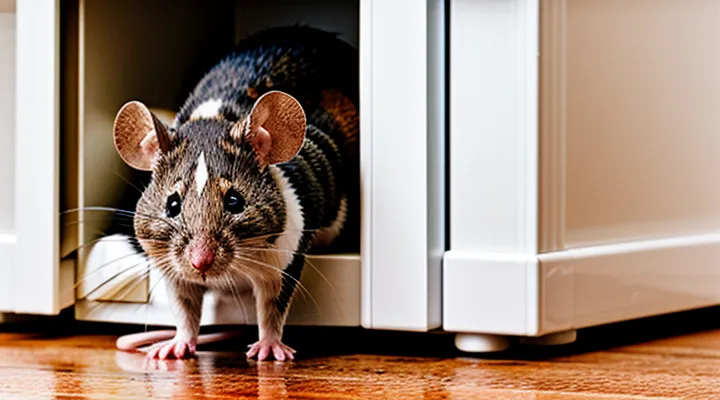
Understanding Mouse Odor
Why Do Mice Smell?
Urine and Feces
Mouse urine and feces are primary sources of indoor rodent odor. Urine contains urea, ammonia, and volatile organic compounds that volatilize quickly, producing a sharp, acrid smell. Feces consist of digested material, bacterial by‑products, and pheromones, releasing a musky, stale odor as they decay.
Odor intensity correlates with the quantity and age of deposits. Fresh urine produces a strong ammonia scent, while older spots emit a sour, lingering aroma as bacterial activity breaks down proteins. Accumulated droppings create a composite odor profile that persists despite ventilation.
Health risks accompany these excretions. Ammonia irritates respiratory passages, especially in confined spaces. Fecal matter harbors hantavirus, salmonella, and other pathogens; inhalation of aerosolized particles can trigger allergic reactions and infections.
Effective removal follows a systematic approach:
- Locate all contaminated areas; use a blacklight to reveal invisible urine stains.
- Wear protective gloves and a mask to prevent exposure.
- Absorb fresh urine with paper towels; avoid rubbing, which spreads the odor.
- Apply an enzymatic cleaner specifically formulated for rodent waste; enzymes break down proteins and neutralize volatile compounds.
- Allow the solution to sit for the manufacturer‑recommended dwell time, then blot excess liquid.
- Disinfect the surface with a 10 % bleach solution (1 part bleach to 9 parts water); let stand for ten minutes before rinsing.
- Dispose of cleaning materials in sealed bags; wash hands thoroughly after handling.
Prevention reduces future odor formation. Seal entry points, maintain low food availability, and monitor for signs of infestation. Regular inspection of hidden zones—attics, crawl spaces, and wall voids—limits accumulation of urine and feces, thereby controlling the characteristic rodent smell.
Glandular Secretions
Glandular secretions are a primary source of the distinctive scent associated with rodents in residential environments. Specialized exocrine glands located in the head, flank and perianal region release volatile compounds that disperse through fur and urine, creating an odor detectable by humans.
The main categories of secretions include:
- Sebaceous fluid containing fatty acids and sterols, which oxidize and produce a rancid smell.
- Urinary metabolites rich in sulfur‑containing compounds, responsible for a sharp, ammonia‑like odor.
- Anal gland secretions composed of pheromonal proteins and lipids, contributing to a musky, lingering fragrance.
These chemicals bind to fabrics, insulation and wall cavities, persisting long after the rodents have departed. Effective removal relies on neutralizing the volatile molecules and eliminating residual deposits.
Removal methods focus on:
- Thorough cleaning with enzymatic detergents that hydrolyze fatty acids and break down proteinaceous residues.
- Application of oxidizing agents, such as hydrogen peroxide or diluted bleach, to oxidize sulfur compounds and diminish odor intensity.
- Use of activated charcoal or ozone generators in sealed rooms to adsorb and decompose airborne volatiles.
Prompt cleaning of contaminated surfaces, combined with ventilation and moisture control, prevents re‑absorption of glandular residues and restores indoor air quality.
Decomposition
Rodent odor inside homes often originates from the decomposition of organic material left by mice. When mice die, their bodies undergo bacterial breakdown, releasing volatile compounds such as cadaverine, putrescine, and indole. These substances emit a strong, unpleasant smell that can permeate walls, insulation, and stored items. Decomposition also affects urine and feces; microbial activity converts urea into ammonia and other nitrogenous gases, adding to the overall odor profile.
Key factors influencing the intensity of the smell include:
- Temperature: higher temperatures accelerate bacterial metabolism, increasing volatile production.
- Moisture: damp environments support faster decomposition and mold growth, intensifying odors.
- Time: prolonged exposure allows accumulation of breakdown products, making detection easier but remediation more difficult.
Effective removal strategies focus on eliminating the source and neutralizing residual compounds:
- Locate and remove all dead rodents and contaminated materials; dispose of them in sealed, airtight containers.
- Clean affected surfaces with enzymatic cleaners that break down organic residues, preventing re‑release of volatile compounds.
- Apply disinfectants containing hydrogen peroxide or quaternary ammonium compounds to kill remaining bacteria.
- Increase ventilation to disperse lingering gases; use fans or open windows when weather permits.
- Install dehumidifiers to reduce moisture levels, inhibiting further microbial activity.
- Replace heavily contaminated insulation or drywall if odor persists after thorough cleaning.
Prompt identification and thorough elimination of decomposing material are essential to restore a neutral indoor environment and prevent recurrence of rodent‑related odors.
Where Does the Odor Originate?
Within Walls and Ceilings
Rodent scent that permeates walls and ceilings originates from urine, feces, secretions, and decomposing bodies hidden behind structural panels. These substances release volatile compounds that travel through insulation, electrical wiring cavities, and ventilation ducts, creating a persistent odor throughout the interior spaces.
Typical indicators include a musky smell near baseboards, a faint ammonia-like scent in attic vents, and the presence of droppings or gnaw marks in concealed areas. Identifying the precise location often requires probing wall cavities with a flashlight or using a handheld odor detector.
Effective remediation follows a systematic approach:
- Locate the source by inspecting accessible openings, roof joists, and floor voids.
- Remove contaminated materials, such as insulation or drywall, that cannot be thoroughly cleaned.
- Clean remaining surfaces with an enzymatic solution designed to break down organic residues.
- Apply a disinfectant approved for indoor use to eliminate bacterial growth.
- Seal entry points with steel wool, caulk, or metal flashing to prevent re‑infestation.
- Install traps or bait stations in proximity to the affected area to capture any remaining rodents.
- Enhance airflow by cleaning ducts and using dehumidifiers to reduce moisture that supports odor persistence.
When damage is extensive or the odor remains after these steps, professional pest‑control services equipped with specialized equipment and containment protocols should be consulted.
In Attics and Basements
Mouse scent in attics and basements originates primarily from urine, feces, and glandular secretions left by rodents. These substances release volatile compounds that linger in confined, poorly ventilated spaces. The presence of insulation, stored boxes, and structural gaps intensifies accumulation, while cool, damp conditions slow natural dissipation.
Factors encouraging odor retention include:
- Limited airflow that traps volatile organic compounds.
- Absorbent materials such as insulation and cardboard that hold urine and droppings.
- Food remnants or debris that attract further rodent activity.
Effective mitigation follows a systematic approach:
- Identify and seal all entry points using steel wool, caulk, or metal mesh.
- Remove contaminated nesting material and dispose of it in sealed bags.
- Clean surfaces with enzymatic cleaners designed to break down biological residues.
- Deploy odor‑absorbing agents such as activated charcoal or baking soda in the affected area.
- Enhance ventilation by installing exhaust fans or opening windows where feasible.
Regular inspection of attic and basement access points, combined with prompt cleaning after any rodent sighting, prevents the re‑establishment of the distinctive odor and reduces the likelihood of infestations.
Under Appliances
Rodent odor often accumulates beneath kitchen and laundry appliances where mice seek shelter, food, and warmth. The confined space limits airflow, allowing waste products to linger and produce a persistent, musky scent.
Typical sources of the smell include urine stains, fecal deposits, and glandular secretions left on the interior surfaces of cabinets, refrigerators, dishwashers, and washing machines. Nesting material such as shredded paper or fabric can absorb these fluids, intensifying the odor over time.
Detection relies on a sharp, ammonia‑like fragrance combined with visual signs: dark droppings, gnaw marks on wires, and shredded insulation. The odor may become noticeable when the appliance is opened or when heat from operation vaporizes trapped residues.
Effective remediation follows a systematic approach:
- Disconnect power and water supplies before cleaning.
- Remove all removable components (shelves, trays, filters) and discard any contaminated material.
- Scrub interior surfaces with a detergent solution, then apply an enzyme‑based cleaner to break down organic residues.
- Rinse thoroughly, dry completely, and reassemble the appliance.
- Seal entry points around the appliance using steel wool, caulk, or metal mesh to prevent future intrusion.
- Deploy snap traps or electronic deterrents in the surrounding area, monitoring for activity over several weeks.
- Conduct periodic inspections and maintain a clean environment to discourage re‑infestation.
In HVAC Systems
Mouse odor often enters the indoor air supply when rodents inhabit or traverse the ductwork, leaving urine, feces, and body fluids that evaporate and become airborne. These contaminants attach to filters, coils, and interior surfaces, spreading the scent throughout the ventilation system.
Key sources of odor within HVAC equipment include:
- Accumulated droppings or urine in air returns and supply ducts.
- Decomposing carcasses lodged in plenums or insulated sections.
- Moisture‑laden insulation that retains scent particles.
- Contaminated filters that trap organic matter and release it during operation.
Effective removal strategies comprise:
- Disassembly of affected ducts for thorough cleaning with enzymatic detergents that break down organic residues.
- Replacement of all filters with high‑efficiency models rated for odor control.
- Application of antimicrobial coatings to coil surfaces and interior duct linings.
- Installation of UV‑C lamps or ozone generators in the air handling unit to neutralize volatile compounds.
- Sealing of all access panels and penetrations to prevent rodent entry.
Routine maintenance to prevent recurrence involves:
- Quarterly visual inspection of duct interiors for signs of infestation.
- Biannual filter replacement and inspection of coil cleanliness.
- Monitoring of humidity levels to discourage rodent activity.
- Placement of traps or bait stations near outdoor intake vents, ensuring they do not interfere with airflow.
Adhering to these procedures eliminates odor sources, safeguards indoor air quality, and restores proper function of the ventilation system. «Elimination of rodent‑derived contaminants is essential for a healthy HVAC environment».
Identifying the Source of the Odor
Visual Inspection
Droppings
Droppings are a primary source of indoor mouse odor. The waste contains high concentrations of uric acid, ammonia, and bacterial by‑products that release volatile compounds detectable as a pungent smell. Accumulated deposits on floors, walls, and stored food attract additional microbes, intensifying the odor and creating health hazards such as respiratory irritation and allergenic reactions.
Identification relies on visual inspection of small, dark, rice‑shaped pellets, typically found along walls, behind appliances, and in concealed spaces. The presence of droppings correlates with increased odor intensity; even a few grams can generate a noticeable smell due to the chemical composition of the waste.
Effective removal follows a structured approach:
- Wear disposable gloves and a mask to prevent exposure to pathogens.
- Vacuum dry droppings using a HEPA‑rated unit, avoiding direct contact.
- Apply a disinfectant solution containing at least 70 % isopropyl alcohol or a bleach mixture (1 part bleach to 9 parts water) to the affected area.
- Scrub surfaces with a stiff brush, then rinse with clean water.
- Dispose of contaminated materials in sealed bags and discard according to local regulations.
Preventive measures include sealing entry points, maintaining a clean environment, and storing food in airtight containers. Regular monitoring for fresh droppings reduces the likelihood of odor recurrence and limits the proliferation of disease‑causing microorganisms.
Gnaw Marks
Gnaw marks are a primary visual indicator of rodent activity that contributes to indoor odor problems. The characteristic V‑shaped or parallel incisions appear on wood, plastic, and wiring, confirming the presence of mice that produce strong urine and fecal scents. Recognizing these markings allows early intervention before odor intensifies.
Typical locations for gnaw marks include baseboards, cabinet edges, and behind appliances where mice seek shelter and food sources. The damage often coincides with additional signs such as droppings and shredded material, reinforcing the link between gnawing behavior and odor generation.
Effective response steps:
- Inspect all structural elements for fresh and old gnaw marks; prioritize areas with visible damage.
- Seal entry points with steel wool, copper mesh, or silicone caulk to prevent further intrusion.
- Remove contaminated debris using disposable gloves and sealed bags to avoid spreading scent.
- Clean affected surfaces with an enzymatic cleaner that breaks down urine proteins and eliminates lingering odor molecules.
- Replace severely damaged components, especially wiring, to eliminate hidden nesting sites that sustain odor production.
Continuous monitoring of gnaw marks, combined with prompt sealing and thorough sanitation, reduces the likelihood of persistent mouse‑related odors in the home.
Nests
Nests built by house mice concentrate urine, feces and scent glands, creating localized sources of the characteristic musky odor. The material used for construction—soft fabrics, shredded paper, insulation—absorbs moisture and retains waste, prolonging the smell even after the rodents have left.
Key aspects of nests that influence odor:
- Accumulation of urine and droppings within the structure.
- Retention of scent gland secretions on nesting fibers.
- Absorption of moisture, which enhances bacterial growth and volatile compound release.
Effective removal of nest‑related odor involves a systematic approach:
- Locate all nesting sites by inspecting hidden areas such as behind appliances, within wall voids, under furniture and inside storage boxes.
- Wear protective gloves and a mask; carefully dismantle the nest, placing debris in sealed plastic bags.
- Clean the exposed area with a detergent solution, then rinse thoroughly.
- Apply an enzymatic cleaner designed to break down organic residues; allow the product to work according to manufacturer instructions.
- Disinfect the surface with a solution containing at least 0.5 % hydrogen peroxide or a comparable sanitizer.
- Dry the area completely; use a dehumidifier or fan to prevent moisture buildup.
- Seal potential entry points to discourage future nest construction.
Prevention focuses on eliminating attractants: store food in airtight containers, reduce clutter that offers concealment, and maintain regular inspection schedules. By addressing nests directly, the primary source of mouse‑related odor can be neutralized, supporting a healthier indoor environment.
Olfactory Detection
Strength of the Odor
The intensity of the smell produced by rodents reflects the quantity of biological material released into the indoor environment. Higher concentrations of urine, feces, and glandular secretions increase the volatile organic compounds that trigger the characteristic odor, making it perceptible at greater distances and for longer periods.
Factors influencing odor strength include:
- Number of individuals present in the dwelling;
- Duration of occupancy without interruption;
- Level of air exchange provided by windows, vents, or mechanical systems;
- Ambient humidity, which affects the solubility of odor‑bearing molecules;
- Type of food consumed, as protein‑rich diets generate stronger scents;
- Location of nests, with concealed spaces retaining odors more effectively.
Assessment of odor strength can be performed by:
- Human panel evaluation, referencing standardized intensity scales such as the Odor Intensity Scale (OIS);
- Instrumental analysis, measuring concentrations of ammonia, mercaptans, and other markers with electronic nose devices or gas chromatography;
- Comparison with known detection thresholds, where concentrations exceeding a few parts per million typically indicate a severe problem.
A pronounced odor generally signals a substantial infestation, extensive nesting activity, and elevated risk of respiratory irritation or allergic reactions. Consequently, remediation efforts must be proportionate to the observed intensity.
Mitigation strategies for strong odors involve:
- Thorough removal of contaminated materials, including insulation, carpeting, and stored goods;
- Application of enzymatic cleaners that break down organic residues;
- Enhancement of ventilation through fans, air exchangers, or temporary openings;
- Sealing entry points to prevent re‑infestation;
- When necessary, professional pest‑control services equipped to address high‑level contamination.
Location of the Strongest Scent
Mouse scent reaches peak intensity at sites where rodents live and feed. Urine, feces, and glandular secretions accumulate in confined spaces, creating a concentrated odor that permeates surrounding materials.
Typical locations of the strongest smell include:
- Hidden nests behind walls, in ceiling voids, or within insulation.
- Kitchen cabinets and pantry shelves where food residues attract activity.
- Under appliances such as refrigerators, stoves, and dishwashers.
- Attic corners and eaves where debris and nesting material collect.
- Basement storage areas, especially near cardboard boxes or clutter.
- Exterior entry points, including crawl spaces and foundation gaps.
Detection methods focus on visual inspection of droppings, gnaw marks, and shredded material, complemented by odor‑sensing devices or trained detection dogs. Infrared cameras may reveal movement in concealed areas, confirming the presence of active colonies.
Targeted remediation prioritizes cleaning and disinfecting identified hotspots, sealing entry routes, and applying appropriate bait or traps to eliminate the source of the odor. Continuous monitoring of the listed locations ensures that residual scent does not persist after treatment.
Using Specialized Tools
UV Lights
UV illumination is employed as a diagnostic and sanitising tool in environments contaminated by rodent activity. Short‑wave ultraviolet radiation excites organic residues, causing fluorescent compounds in urine, droppings and secretions to emit a distinct glow. This visual cue enables rapid localisation of hidden sources that contribute to unpleasant odours.
The primary functions of UV devices in odor management are:
- Detection of concealed contamination through fluorescence, reducing time spent searching for problem areas.
- Inactivation of odour‑producing microorganisms by disrupting cellular DNA, thereby limiting the persistence of foul smells.
- Decomposition of volatile organic compounds on exposed surfaces, accelerating the breakdown of malodorous substances.
Implementation guidelines include positioning portable UV lamps at a distance of 30–50 cm from suspected surfaces, scanning in a darkened room to maximise visibility of fluorescence, and following exposure with thorough cleaning of identified spots. Complementary measures such as removal of nesting material and sealing entry points remain essential for long‑term control.
Safety considerations mandate the use of protective eyewear and avoidance of direct skin exposure, as ultraviolet radiation can cause tissue damage. Devices should be operated intermittently to prevent overheating, and manufacturers’ specifications regarding lamp lifespan must be observed to maintain efficacy.
Boroscopes
Mouse odor in residential environments originates primarily from urine, feces, and glandular secretions left by rodents. These substances emit volatile compounds that permeate walls, insulation, and concealed cavities, making the source difficult to locate without specialized equipment.
A boroscope, also known as an inspection camera, provides direct visual access to narrow, hidden spaces. The device consists of a flexible tube with a light source and a miniature camera, transmitting images to an external display. This configuration enables the identification of contamination points within wall voids, crawl spaces, and ceiling plenum without invasive demolition.
Key advantages of employing a boroscope for odor source detection:
- Real‑time imaging of inaccessible areas.
- Minimal disruption to building structures.
- Ability to differentiate between fresh deposits and residual residues.
Practical procedure for using a boroscope to address mouse odor:
- Select a boroscope model with a diameter suitable for the target cavity (typically 5–10 mm).
- Insert the probe through existing openings such as outlet boxes, vent grills, or drilled access holes.
- Navigate the camera toward suspected contamination zones, observing for discoloration, moisture, or organic debris.
- Document the location of identified deposits with timestamps for subsequent remediation.
- Withdraw the probe and seal the access point after inspection.
Following detection, removal methods focus on eliminating the odor‑producing material and preventing recurrence:
- Extract contaminated insulation or debris using vacuum equipment equipped with HEPA filtration.
- Clean surfaces with enzymatic cleaners designed to break down organic residues.
- Apply odor‑neutralizing agents, such as activated charcoal or ozone generators, in the treated area.
- Seal entry points and install deterrent measures to block future rodent ingress.
Integrating boroscopic inspection into the overall odor management strategy enhances accuracy in source identification and reduces unnecessary structural damage, leading to more effective remediation outcomes.
Effective Mouse Removal Strategies
Trapping Methods
Snap Traps
Snap traps are a direct method for eliminating the source of rodent‑related odors in residential environments. By delivering an immediate, lethal blow, they prevent the accumulation of carcasses that can decompose and emit foul smells. The rapid removal of live mice decreases urine and feces deposits, which are primary contributors to persistent odor problems.
Effective use of snap traps requires strategic placement and proper maintenance. Key considerations include:
- Position traps along walls, behind appliances, and near known activity zones; mice travel close to surfaces.
- Select traps with a strong spring mechanism and a sealed killing chamber to contain fluids and reduce secondary odors.
- Bait with high‑protein attractants such as peanut butter or dried meat, applying a pea‑sized amount to the trigger mechanism.
- Check traps daily; dispose of caught rodents in sealed bags and clean the trap surface with a mild disinfectant to prevent residual scent.
Regular monitoring and timely replacement of traps sustain low‑odor conditions. Combining snap traps with sanitation measures—sealing entry points, eliminating food sources, and cleaning contaminated areas—provides a comprehensive approach to controlling rodent‑induced smells in the home.
Live Traps
Live traps capture mice without killing them, allowing removal of the source of odor‑producing urine and feces. By eliminating the rodents, the primary cause of the pungent smell is reduced, and the risk of re‑infestation diminishes.
Key considerations for effective use of live traps:
- Size: select traps large enough for adult house mice (approximately 5–7 inches long).
- Placement: position traps along walls, behind appliances, and near known activity signs such as droppings or gnaw marks.
- Bait: use high‑protein foods (peanut butter, cheese, or dried meat) to attract mice quickly.
- Monitoring: check traps at least twice daily to prevent stress and to release captured animals promptly.
- Release: relocate mice at least one mile from the residence, preferably in a wooded area, to discourage return.
Proper sanitation after capture further reduces odor. Remove contaminated bedding, clean surfaces with enzyme‑based cleaners, and ventilate rooms to disperse lingering smells. Combining live traps with thorough cleaning accelerates the restoration of a neutral indoor scent.
Electronic Traps
Electronic traps provide a rapid, non‑chemical solution for reducing rodent‑related odors inside residential spaces. The devices emit ultrasonic frequencies or high‑voltage pulses that incapacitate mice, preventing further excretion and urine deposition, which are primary sources of unpleasant smell.
Key operational principles include:
- Ultrasonic emission: frequencies above human hearing range disrupt mouse nervous systems, causing disorientation and avoidance of treated areas.
- Electrocution: a conductive grid delivers a lethal shock when a mouse contacts the baited plate, eliminating the animal instantly.
- Integrated sensors: motion detectors activate the pulse only when activity is detected, conserving energy and reducing exposure to pets.
Advantages over conventional methods:
- Immediate reduction of odor‑producing activity, as dead rodents are removed promptly.
- Absence of chemical residues, eliminating secondary contamination concerns.
- Quiet operation, suitable for bedrooms and living rooms without audible disturbances.
Effective deployment requires attention to placement and maintenance:
- Position traps along established mouse pathways, such as behind appliances, near baseboards, and in concealed corners.
- Ensure unobstructed line of sight for ultrasonic units; objects that block sound diminish efficacy.
- Regularly inspect electrocution plates for debris and replace batteries or recharge units according to manufacturer specifications.
- Keep devices out of reach of children and non‑target pets; many models incorporate safety shields to prevent accidental contact.
Safety considerations include verifying that the selected trap complies with local electrical standards and that the emitted frequencies do not interfere with hearing‑aid devices. When used in conjunction with proper sanitation—removing food sources, sealing entry points, and cleaning contaminated areas—electronic traps contribute significantly to the mitigation of indoor rodent odor.
Placement of Traps
Effective trap placement directly reduces the source of unpleasant indoor scent by intercepting rodents before they establish nesting sites. Mice travel along established routes; positioning traps along these pathways limits activity and consequently diminishes odor‑producing urine and feces.
Key locations for trap deployment include:
- Along baseboards and wall edges where mice seek shelter.
- Behind refrigerators, stoves, and other large appliances.
- Inside closets, pantry shelves, and cabinets that store food.
- Near entry points such as gaps around pipes, vents, and doors.
- In dark, undisturbed corners of basements or crawl spaces.
Additional considerations ensure optimal performance. Place traps on flat surfaces to prevent tipping. Maintain a spacing of 12–18 inches between traps to cover overlapping routes. Replace or relocate traps promptly if capture rates decline, indicating possible migration of activity. Regular inspection of trap sites supports early detection of new odor sources and sustains a clean indoor environment.
Baits and Lures
Food-Based Baits
Food-based baits constitute a primary tool for reducing rodent‑related odors by targeting the source of infestation. By attracting mice with palatable substances laced with toxicants, these products interrupt breeding cycles and diminish the accumulation of urine and feces that produce the characteristic smell.
Common bait formulations include:
- Grain‑based pellets infused with anticoagulants.
- Peanut‑flavored blocks containing bromadiolone or difenacoum.
- Chocolate‑coated granules with brodifacoum.
- Soy‑derived doughs blended with diphacinone.
Effective selection hinges on matching the bait’s flavor profile to the local mouse diet, ensuring resistance‑free active ingredients, and choosing a delivery matrix that remains stable in the household environment. Preference should be given to products with low secondary‑poisoning risk and clear labeling of active concentration.
Placement guidelines:
- Identify high‑traffic zones such as kitchen cabinets, pantry corners, and behind appliances.
- Position bait stations at least 2 feet away from child‑accessible areas and pet pathways.
- Secure stations to prevent accidental contact and to protect bait from moisture.
- Replace or replenish baits every 2–3 days until capture rates decline.
Safety considerations require wearing disposable gloves during handling, storing unused bait in sealed containers out of reach of non‑target species, and disposing of dead rodents according to local regulations. Proper execution of food‑based baiting programs contributes substantially to the elimination of mouse odor sources within residential spaces.
Scent Lures
Scent lures are chemical attractants formulated to mimic the natural odors that draw mice toward traps or bait stations. The compounds often include synthetic versions of mouse pheromones, food‑derived volatiles, or a blend of both, creating a strong olfactory cue that overrides a rodent’s fear of unfamiliar objects.
When released, the lure disperses a volatile plume that travels through air currents, reaching the animal’s highly sensitive nasal receptors. The scent triggers a foraging response, increasing the likelihood that a mouse will investigate and ultimately encounter the control device placed nearby.
Advantages and drawbacks of scent lures:
-
Advantages
-
Drawbacks
For optimal performance, apply the lure directly to the trigger mechanism or a small absorbent pad positioned within a few centimeters of the trap. Use the minimal amount recommended by the manufacturer to avoid saturation, which can mask the scent’s directional gradient. Replace the lure according to the product’s stability data, typically every 2–4 weeks in indoor environments with limited ventilation.
Integrating scent lures with sanitation measures—such as sealing entry points, removing food sources, and maintaining low humidity—creates a comprehensive approach to eliminating mouse‑related odors. The combined strategy reduces the persistence of rodent smell by both preventing new infestations and accelerating the removal of existing occupants.
Exclusion Techniques
Sealing Entry Points
Sealing entry points directly reduces the source of rodent‑related odors by preventing new animals from entering the interior. Identifying gaps in walls, foundations, utility penetrations, and door frames eliminates the pathways that allow rodents to infiltrate and leave waste that contributes to unpleasant smells.
Typical materials and techniques include:
- Steel wool or copper mesh packed into small cracks, then covered with caulking or expanding foam for durability.
- Sheet metal flashing or metal lintels installed over larger openings such as vents or vent covers.
- Concrete patching compound applied to foundation fissures, ensuring a smooth, impermeable surface.
- Weather‑stripping and door sweeps fitted to exterior doors, closing the gap beneath the threshold.
After sealing, inspecting for missed openings on a regular schedule maintains the barrier’s integrity. Prompt repair of any new damage preserves the odor‑free environment and limits the need for additional remediation measures.
Repairing Damaged Structures
Rodent activity often compromises building materials, creating cavities where odor accumulates. Damage to insulation, wall panels, and ventilation ducts provides a reservoir for urine, feces, and decomposing food, which emit a persistent smell.
Typical structural impairments include:
- gnawed insulation that loses its sealing function;
- breached drywall exposing interior cavities;
- perforated vent covers allowing debris to infiltrate airflow systems;
- weakened floorboards that trap waste beneath surface layers.
Effective repair proceeds in three phases. First, conduct a thorough inspection to locate all compromised elements. Second, replace or reinforce damaged components: install new insulation, reinstall sealed drywall, and fit durable vent filters. Third, apply a sealing compound to all identified entry points, preventing future intrusion. «Comprehensive restoration eliminates the hidden sources of odor.»
After structural integrity is restored, address residual odor by cleaning affected surfaces with enzymatic cleaners, disinfecting with appropriate agents, and employing activated carbon or ozone treatments where necessary. The combination of repaired structures and targeted decontamination removes the source and the scent permanently.
Installing Barriers
Installing barriers constitutes a direct method for preventing rodents from entering living spaces, thereby eliminating the source of characteristic urine and fecal odors. Effective barriers block access points that mice exploit, reducing the likelihood of infestation and the associated smell.
Key measures include:
- Sealing cracks and openings larger than ¼ inch with steel wool, expanding foam, or caulk. Steel wool resists chewing, while foam provides a flexible seal.
- Installing door sweeps on exterior doors to close the gap between the floor and door jamb. Adjust sweeps to ensure contact without impeding door movement.
- Fitting mesh screens over vents, utility openings, and chimney flues. Use hardware cloth with a ¼‑inch aperture to prevent entry while maintaining airflow.
- Reinforcing foundation walls with metal flashing or concrete sealant. Apply flashing at the base of walls where soil meets the structure.
- Covering gaps around pipes, cables, and conduit with metal plates or silicone‑based sealant. Secure plates with screws to avoid displacement.
Regular inspection reinforces barrier effectiveness. Examine high‑traffic areas monthly, checking for new cracks, displaced screens, or wear on door sweeps. Prompt repair prevents mice from exploiting emerging vulnerabilities.
By integrating these physical obstacles, households can substantially reduce the presence of odor‑producing rodents, supporting a cleaner indoor environment without reliance on chemical controls.
Eliminating Mouse Odor Permanently
Cleaning Contaminated Areas
Removing Droppings and Nests
Droppings and nests are primary reservoirs of the pungent odor associated with indoor rodents. Their removal eliminates the source of the smell and reduces health risks.
First, secure personal protection. Wear disposable gloves, a mask rated at least N95, and eye protection. Contain the area by sealing vents and doors to prevent aerosol spread.
Second, collect solid waste. Use a disposable paper towel or a damp cloth to gather droppings, urine stains, and nesting material. Place all material in a sealed plastic bag, then transfer to a second bag before discarding in an outdoor trash container.
Third, disinfect the affected surfaces. Apply a solution of one part bleach to nine parts water, ensuring complete coverage of floors, countertops, and walls where residue is present. Allow the solution to remain for at least ten minutes, then rinse with clean water and dry thoroughly.
Fourth, treat porous items. Carpets, upholstery, and insulation that cannot be thoroughly cleaned should be removed and disposed of, as they retain odor‑binding particles.
Fifth, ventilate the space. Open windows and operate fans to circulate fresh air for several hours, accelerating the dissipation of residual smells.
Finally, implement preventative measures. Seal entry points, maintain a clean environment, and monitor for new activity to avoid recurrence of droppings and nests.
These steps, executed systematically, eradicate the odor‑producing material and restore a hygienic indoor atmosphere.
Disinfecting Surfaces
Disinfecting surfaces eliminates residual urine, feces, and glandular secretions that contribute to persistent rodent odor. Effective sanitation removes organic material that serves as a nutrient source for odor‑producing bacteria, thereby breaking the cycle of smell regeneration.
Select a disinfectant with proven efficacy against Gram‑negative and Gram‑positive bacteria, as well as fungi. EPA‑registered products containing quaternary ammonium compounds, hydrogen peroxide, or diluted bleach (1 part sodium hypochlorite to 10 parts water) meet these criteria. Verify label instructions for contact time; most agents require 5–10 minutes to achieve full antimicrobial action.
Apply disinfectant to all exposed areas, including countertops, cabinets, baseboards, and interior walls near mouse activity. Use a spray bottle or mop to ensure even coverage. After the prescribed dwell period, wipe surfaces with a clean, disposable cloth and allow them to air‑dry completely before re‑exposing the area to occupants or pets.
Routine disinfection prevents re‑contamination. Incorporate a schedule of weekly treatment for high‑risk zones and immediate cleaning after any new evidence of rodent presence. Regular monitoring of surface integrity ensures that repeated chemical exposure does not degrade materials, preserving both safety and effectiveness.
Enzyme Cleaners
Enzyme cleaners break down organic compounds through catalytic action, targeting the proteins, fats, and uric acids that constitute rodent waste. By converting these substances into harmless by‑products, the cleaners eliminate the source of the odor rather than merely masking it.
Application steps:
- Remove visible debris and absorb excess moisture with paper towels or a wet‑vacuum.
- Apply a generous amount of «enzyme cleaners» to the affected area, ensuring saturation of porous surfaces such as wood, carpet padding, or insulation.
- Allow the solution to remain for the manufacturer‑specified dwell time, typically 10–15 minutes, to enable enzymatic activity.
- Blot or rinse with clean water, then let the area dry completely; repeat if the odor persists.
Effectiveness depends on the concentration of active enzymes and the age of the contamination. Fresh stains respond quickly, while older deposits may require multiple treatments. Products formulated with a blend of proteases, lipases, and amylases address the diverse components of mouse urine and feces.
Safety considerations include using gloves to protect skin from concentrated formulations and ensuring adequate ventilation to avoid inhalation of aerosolized droplets. Enzyme cleaners are biodegradable and non‑toxic, making them suitable for households with children and pets when used as directed.
Bleach Solutions
Bleach solutions are a common chemical approach for neutralising odours associated with rodent activity in residential environments. The active ingredient, sodium hypochlorite, reacts with organic compounds that generate the characteristic smell, breaking them down into less volatile, odour‑free molecules.
Preparation guidelines:
- Dilute household bleach (5‑6 % sodium hypochlorite) to a concentration of 0.5 %–1 % by adding 1 part bleach to 50‑100 parts water.
- Mix thoroughly in a non‑reactive container; avoid metal vessels that may corrode.
Application recommendations:
- Apply the solution to surfaces directly contaminated by urine, droppings or nests using a spray bottle or cloth.
- Allow contact time of at least 10 minutes before wiping or rinsing.
- Ensure adequate ventilation during and after treatment to disperse chlorine vapour.
Safety considerations:
- Wear protective gloves and eye protection to prevent skin and eye irritation.
- Do not combine bleach with ammonia‑based cleaners; the reaction produces toxic chloramine gases.
- Store diluted solution in a sealed, clearly labelled container; discard after 24 hours to maintain efficacy.
Limitations:
- Bleach does not eliminate the source of the problem; structural sealing and pest control remain essential.
- Porous materials such as untreated wood or insulation may retain odour despite surface treatment, requiring removal or deeper cleaning.
When used correctly, bleach solutions provide a rapid, cost‑effective method for reducing mouse‑related odours, complementing broader sanitation and exclusion strategies.
Air Purification
Activated Charcoal
Rodent odor in residential settings often results from urine, feces, and decomposing tissue. Among the methods for odor mitigation, the use of «activated charcoal» provides a chemical means of reducing volatile compounds without introducing additional fragrances.
The material functions through adsorption. Microporous carbon surfaces attract and retain organic molecules, including the low‑molecular‑weight compounds responsible for the characteristic mouse smell. The process does not involve chemical transformation; it merely captures the molecules within the pore structure, thereby lowering their concentration in the indoor air.
Practical application requires strategic placement. Small sachets or loose granules can be positioned near identified sources, such as beneath cabinets, inside closets, or within crawl‑space vents. The effectiveness of each sachet depends on surface area and exposure time; a typical unit of 50 g maintains noticeable adsorption capacity for approximately two weeks under normal household humidity.
Key usage points:
- Locate sachets within a 30‑cm radius of the odor source.
- Replace sachets when visual discoloration appears or after the recommended two‑week period.
- Avoid direct contact with food preparation surfaces; use sealed pouches to prevent accidental spillage.
- Combine with thorough cleaning of contaminated areas to remove residual waste that could saturate the charcoal prematurely.
Safety considerations include the inert nature of the carbon; it does not release toxic substances under normal indoor conditions. Nevertheless, keep the material out of reach of children and pets, and wear disposable gloves when handling used sachets to prevent skin contact with absorbed contaminants.
Regular rotation of «activated charcoal» units, coupled with proper sanitation of affected zones, sustains a low odor environment and complements other mechanical ventilation or filtration strategies.
Ozone Generators
Ozone generators produce ozone (O₃) by exposing oxygen to a high‑voltage electric discharge. The resulting ozone oxidizes volatile organic compounds that cause the characteristic scent of rodents, breaking them down into harmless substances such as carbon dioxide and water.
Advantages of ozone generators for eliminating rodent‑related odors include:
- Rapid oxidation of odor‑producing molecules.
- Penetration of hard‑to‑reach areas, such as wall cavities and insulation.
- Absence of chemical residues after treatment.
Limitations and safety considerations are equally important:
- Ozone concentrations above occupational safety limits can irritate the respiratory system.
- Effectiveness diminishes in heavily soiled environments where solid waste remains.
- Prolonged exposure may degrade rubber, plastic, and certain fabrics.
Proper application follows a defined procedure:
- Remove visible debris, droppings, and nesting material.
- Seal the treated space to prevent ozone escape; close doors, windows, and ventilation ducts.
- Operate the generator at the manufacturer‑specified output for the calculated duration based on room volume.
- After the cycle, ventilate the area for at least 30 minutes before re‑entry.
When used correctly, ozone generators can substantially reduce the lingering smell associated with mouse activity. They should complement, not replace, thorough cleaning and pest‑control measures to achieve lasting odor control.
Air Purifiers with HEPA Filters
Mouse odor in indoor environments originates from urine, feces and skin secretions that release volatile organic compounds (VOCs) and fine particulate matter. These contaminants disperse through air currents, creating a persistent smell that standard ventilation often cannot eliminate.
Air purifiers equipped with HEPA filters address this problem by trapping particles as small as 0.3 µm with an efficiency of 99.97 %. The dense fibrous matrix captures dust, dander and aerosolized fragments of mouse waste, preventing them from remaining airborne. While HEPA media does not directly absorb gases, it removes the particulate carriers that transport odor‑related VOCs.
For comprehensive odor control, many units combine HEPA filtration with an activated carbon layer. The carbon adsorbs gaseous molecules such as ammonia, trimethylamine and other malodorous compounds, while the HEPA stage eliminates the associated particles. This dual‑filter approach yields measurable reductions in both odor intensity and airborne particle count.
Effective deployment requires attention to room size, airflow rate and filter maintenance:
- Select a purifier whose Clean Air Delivery Rate (CADR) matches or exceeds the volume of the space.
- Position the device centrally, away from walls and obstacles, to promote uniform circulation.
- Replace HEPA and carbon filters according to manufacturer guidelines, typically every 6–12 months, to sustain capture efficiency.
- Operate the unit continuously during periods of known rodent activity; increase fan speed for rapid remediation after cleaning incidents.
Proper integration of HEPA‑based air purifiers into a broader pest‑management strategy—such as sealing entry points and removing waste sources—maximizes odor elimination and improves overall indoor air quality.
Addressing Residual Odors
Painting and Sealing Surfaces
Painting and sealing interior surfaces creates a barrier that prevents mouse urine and feces from penetrating porous materials. By coating walls, ceilings, and trim with a suitable primer followed by a durable paint, any residual odor is trapped beneath the finish, reducing its release into the indoor environment. Sealing cracks and gaps around painted areas with caulk or expanding foam further limits rodent access, eliminating new sources of scent.
Effective application requires the following steps:
- Clean all surfaces with a detergent solution; remove visible stains and dried excrement.
- Apply a high‑adhesion primer designed for odor control; allow full cure according to manufacturer instructions.
- Follow with a low‑VOC, washable paint that offers a sealed finish.
- Inspect joints, baseboards, and utility penetrations; fill gaps with acrylic caulk or silicone sealant.
- Re‑paint any repaired areas to maintain a continuous protective layer.
Regular maintenance of the painted envelope preserves its sealing function. Touch‑up any damaged sections promptly, and monitor for signs of renewed rodent activity. A well‑sealed, painted interior limits the diffusion of mouse‑related smells and supports overall odor‑removal strategies.
Replacing Contaminated Materials «Insulation, Carpets»
Mouse odor frequently originates from urine, droppings, and nesting material absorbed by soft building components. When these components become saturated, the smell persists despite surface cleaning.
Replacing contaminated materials eliminates the odor source permanently. Insulation that has absorbed moisture and waste retains volatile compounds and must be removed. Carpets in contact with mouse activity similarly trap scent particles and release them over time.
Steps for safe removal and replacement:
- Identify sections where insulation shows discoloration, dampness, or strong odor. Cut and extract the affected sections using protective gloves and a mask.
- Remove carpet tiles or rolls that exhibit stains, chew marks, or lingering smell. Roll up the material carefully to prevent aerosolization of particles.
- Seal all extracted waste in double‑layered plastic bags. Label bags as biohazard and arrange for disposal according to local regulations.
- Install new insulation with a moisture‑resistant rating. Ensure proper ventilation to discourage future rodent habitation.
- Lay fresh carpet or low‑pile flooring that is easy to clean. Apply a barrier underlay that resists moisture penetration.
After installation, conduct a thorough vacuuming of the area, followed by a deodorizing treatment using enzymatic cleaners compatible with the new materials. Maintain regular inspection of insulation and flooring to detect early signs of rodent intrusion.
Preventing Future Infestations
Maintaining a Clean Environment
Proper Food Storage
Proper food storage directly reduces the likelihood of mouse‑related odors in residential environments. Sealed containers prevent access to food residues that attract rodents, eliminating a primary source of scent that spreads through fur, urine and feces. When food is stored in airtight plastic, glass or metal vessels, the scent of crumbs and spills is contained, discouraging mouse activity and the subsequent release of malodorous compounds.
Key practices for effective food preservation include:
- Use containers with gasket‑sealed lids; ensure lids close tightly after each use.
- Keep pantry shelves clear of loose items; arrange products so that each package is visible and accessible.
- Store bulk items in smaller, resealable bags or bins; label with purchase dates to encourage rotation.
- Maintain a temperature of 4 °C or lower for perishable goods; refrigerate or freeze items promptly after opening.
- Clean storage areas weekly; remove crumbs, spills and packaging waste before they accumulate.
Regular inspection of storage solutions identifies compromised seals or damaged packaging. Replacing worn containers and discarding expired food eliminates potential attractants, supporting a odor‑free household.
Regular Waste Disposal
Regular waste disposal directly influences indoor rodent odor problems. Food residues and organic waste left in containers create attractive feeding sites for mice, encouraging nesting and urine deposition that produce strong, unpleasant smells.
Improper waste management increases the likelihood of mouse presence. Accumulated trash releases odors that mask rodent scent, delaying detection and allowing populations to grow unchecked. Consequently, the overall indoor air quality deteriorates.
Effective waste‑handling practices include:
- Sealing bins with tight‑fitting lids after each use.
- Emptying household trash at least once daily, especially in kitchens.
- Cleaning the interior of containers with mild detergent and water before refilling.
- Storing recyclable and compostable materials in separate, sealed containers.
- Positioning outdoor bins away from building foundations and securing them against animal entry.
Consistent application of these measures reduces food sources, limits mouse activity, and consequently lowers the intensity of odor emissions. When combined with targeted cleaning of affected areas, regular waste disposal becomes a fundamental component of a comprehensive rodent odor mitigation strategy.
Sealing Entry Points
Inspecting Exterior Walls
Inspecting the building’s outer envelope is a critical early step when addressing rodent‑related odor problems inside a home. Mice frequently gain entry through gaps, cracks, or deteriorated sections of exterior walls, allowing scent‑carrying urine and droppings to infiltrate interior spaces.
Key aspects to evaluate during the inspection include:
- Visible gaps around windows, doors, and utility penetrations; openings as small as ¼ inch can admit mice.
- Cracks in siding, stucco, or brickwork; moisture‑damaged areas often hide entry routes.
- Condition of foundation flashing and roof eaves; loose or missing components create direct pathways.
- Evidence of gnaw marks, nesting material, or droppings on the exterior surface or in concealed cavities.
- Presence of vegetation or debris contacting the wall; overgrown plants can bridge gaps to the structure.
After identifying vulnerabilities, seal all openings with appropriate materials such as steel wool, copper mesh, or expanding foam designed for pest exclusion. Replace damaged siding or repair cracked masonry using mortar or sealant that restores structural integrity. Trim vegetation to maintain a clear gap between plants and the building envelope, reducing the likelihood of future access.
Regularly schedule a follow‑up inspection to confirm that repairs remain effective and to detect any new ingress points before they contribute to indoor odor accumulation.
Repairing Foundation Cracks
Repairing foundation cracks is essential for eliminating pathways that allow rodents to enter structures and generate persistent indoor odors. Openings in the slab, footings, or basement walls provide direct access for mice, whose urine and droppings create a strong, unpleasant smell that spreads through walls and ventilation systems. Sealing these gaps removes the primary source of infestation and reduces the need for extensive odor‑remediation measures.
Effective crack repair follows a systematic approach:
- Clean the crack thoroughly to remove dust, loose material, and any evidence of rodent activity.
- Apply a bonding agent compatible with the foundation material to improve adhesion.
- Fill the void with a hydraulic cement or epoxy injection designed for structural movement, ensuring the filler penetrates the full depth of the crack.
- Smooth the surface and allow the material to cure according to manufacturer specifications.
- Install a flexible sealant over the repaired area to accommodate minor shifts and prevent future re‑opening.
Regular inspection of the foundation after repair helps identify early signs of new fissures. Detecting moisture intrusion, settlement, or soil pressure changes enables prompt maintenance, maintaining a barrier against rodent entry and the associated odor problem.
By combining thorough crack remediation with routine monitoring, homeowners can significantly diminish the risk of mouse‑related smell and protect the structural integrity of the building.
Landscape Management
Trimming Vegetation
Trimming vegetation around a residence reduces the likelihood of rodents entering the structure, thereby limiting the source of indoor odor. Overgrown shrubs, vines, and ground cover create pathways and shelter that facilitate mouse movement from exterior to interior spaces. Regular pruning eliminates these corridors, decreasing the probability that rodents will establish nests near foundations, windows, or utility entries.
Effective vegetation management includes:
- Cutting back low‑lying branches that touch the roof or walls to prevent direct access.
- Removing dense ground cover within a two‑meter perimeter of the building to expose the soil and discourage burrowing.
- Maintaining a clear zone around vents, crawl spaces, and utility openings to allow visual inspection and sealant application.
- Disposing of trimmed material promptly, avoiding accumulation that could serve as food or shelter for rodents.
When a mouse odor problem already exists, trimmed vegetation supports remediation by limiting re‑infestation. After sealing entry points, the cleared area facilitates placement of traps, baits, or ultrasonic devices without interference from plant debris. Additionally, improved airflow around the foundation aids in dissipating lingering smells, enhancing the effectiveness of deodorizing agents applied indoors.
Storing Firewood Away from the House
Storing firewood at a distance from the residence reduces the likelihood of rodent activity that contributes to unpleasant indoor odors. Wood piles provide shelter, nesting material, and a food source for mice; proximity to the home encourages entry through gaps and increases the risk of urine and fecal contamination inside living spaces.
Practical measures for firewood storage:
- Place the stack on a raised platform or pallet to keep wood off the ground and discourage moisture accumulation.
- Maintain a minimum clearance of 20 feet (6 m) between the woodpile and the house foundation.
- Use a waterproof cover that allows airflow, preventing condensation while blocking direct access for rodents.
- Arrange logs in a loose, single‑layer configuration to eliminate hidden cavities where mice can hide.
- Inspect the storage area regularly for signs of gnaw marks, droppings, or nesting material; remove any contaminated wood promptly.
Additional considerations include selecting firewood that has been seasoned for at least six months, as dry wood is less attractive to rodents than green material. Implementing these practices limits the migration of mice toward the dwelling, thereby mitigating the source of odor problems within the home.
Professional Pest Control
Regular Inspections
Regular inspections form a critical component of any strategy aimed at eliminating muskrat‑related odors from residential environments. Early detection of droppings, urine stains, and nesting material prevents the buildup of volatile compounds that cause persistent smells.
Inspection intervals should align with seasonal rodent activity patterns. Conduct thorough surveys at least once per month during spring and autumn, when populations expand, and maintain bi‑monthly checks throughout winter and summer. Additional checks are warranted after any structural repairs or after sealing potential entry points.
Key inspection tasks include:
- Visual scan of concealed areas such as attics, crawl spaces, and behind appliances for feces, urine droplets, and gnaw marks.
- Use of a blacklight flashlight to reveal urine residues invisible to the naked eye.
- Placement of non‑toxic scent detectors or adhesive traps to confirm presence of rodents.
- Examination of exterior foundations, door thresholds, and utility penetrations for gaps or chew damage.
Document findings immediately, noting location, extent of contamination, and any structural vulnerabilities. Follow documentation with targeted cleaning using enzymatic cleaners, repair of identified breaches, and deployment of exclusion measures. Consistent record‑keeping enables trend analysis, facilitating proactive adjustments to inspection frequency and remediation tactics. «Regular inspections prevent odor escalation and protect indoor air quality».
Preventive Treatments
Preventive treatments focus on eliminating conditions that attract rodents and produce odor.
- Seal all exterior gaps larger than ¼ inch with steel wool, caulk, or metal flashing.
- Install door sweeps and repair damaged screens to block entry points.
- Store food in airtight containers; clean crumbs and spills promptly.
- Keep garbage bins sealed and dispose of waste regularly.
- Remove clutter, especially in basements, attics, and storage rooms, to reduce hiding places.
- Maintain low humidity by fixing leaks and using dehumidifiers in damp areas.
Routine inspection of the building envelope detects new openings before rodents can enter.
Strategic placement of bait stations and snap traps near identified pathways reduces population pressure, decreasing the likelihood of urine and fecal deposits that cause odor.
Natural deterrents, such as peppermint oil‑infused cotton balls or ultrasonic repellers, complement physical barriers without introducing chemicals.
When infestations persist despite these measures, professional pest‑control services provide comprehensive sealing, baiting, and monitoring programs.
Consistent application of these preventive actions minimizes rodent activity, thereby preventing the development of unpleasant smells associated with mouse presence.